Florida has a historic house hiding in plain sight, and it comes with a story you won’t forget.
Tucked into Ellenton, Gamble Plantation Historic State Park preserves Florida’s only surviving plantation mansion. The grounds are free to explore, giving curious visitors a chance to walk through a piece of the state’s 1840s past.
The mansion itself is the real showstopper. Built with tabby made from shells and lime, its thick walls have survived hurricanes, changing owners, and more than a century of Florida history.
A guided tour takes you inside and brings the rooms and stories to life.
But this isn’t just a pretty old house. The site also tells difficult stories about enslaved people, plantation life, and the Civil War era.
Here are ten reasons this historic Florida stop deserves a place on your list.
See Gamble Mansion, Florida’s Remarkable Surviving Plantation House
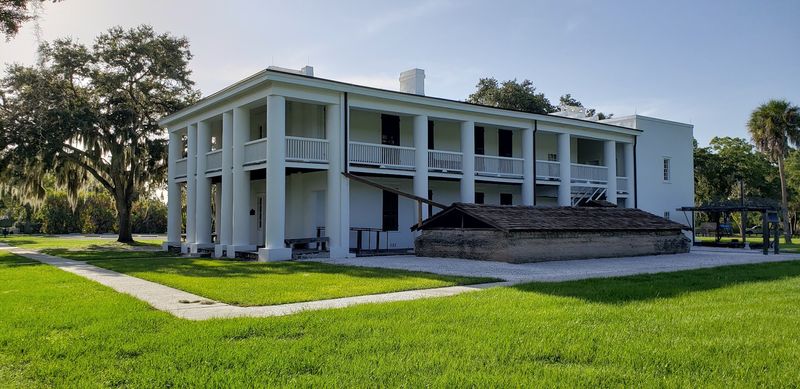
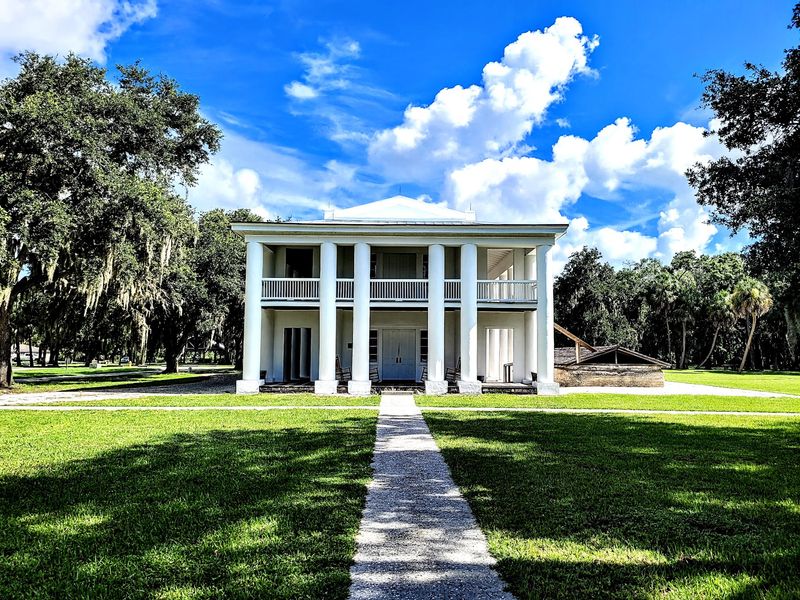
Standing tall and proud since the 1840s, Gamble Mansion feels like stepping into a completely different century. Major Robert Gamble had this home built as the centerpiece of his sprawling sugar plantation, and it remains the only plantation-era mansion left standing in all of Florida.
What makes it so special is how much has survived. Many old homes like this were destroyed by fire, storms, or neglect over the years, yet this one endured.
Walking up to it, you notice the wide porches and tall columns that helped keep the house cool long before air conditioning existed.
The mansion is the star of the park, and it gives you a genuine sense of how wealthy landowners lived during the mid-1800s. Being able to see a real 19th-century home up close, rather than in a textbook photo, makes history feel alive.
It is a memorable stop for anyone curious about Florida’s early days and the people who shaped them.
Walk Through the Mansion on a Guided Tour
The best way to truly understand this old home is to step inside with a guide. Tours run six times a day, Thursday through Monday, and they open doors that a simple outside glance could never reveal.
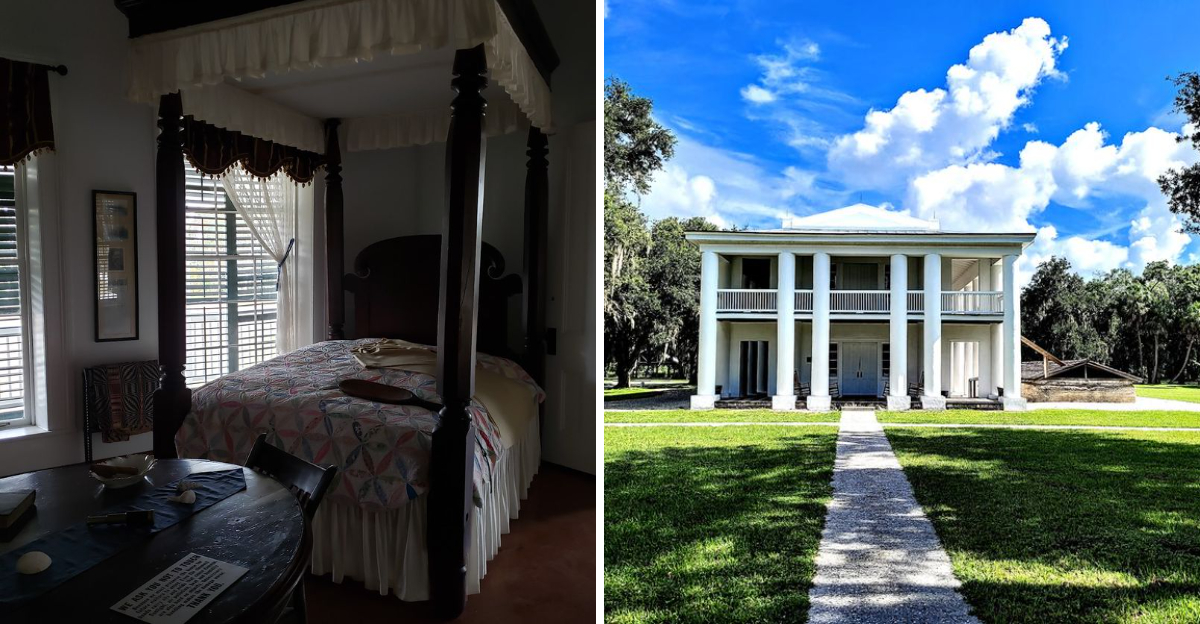
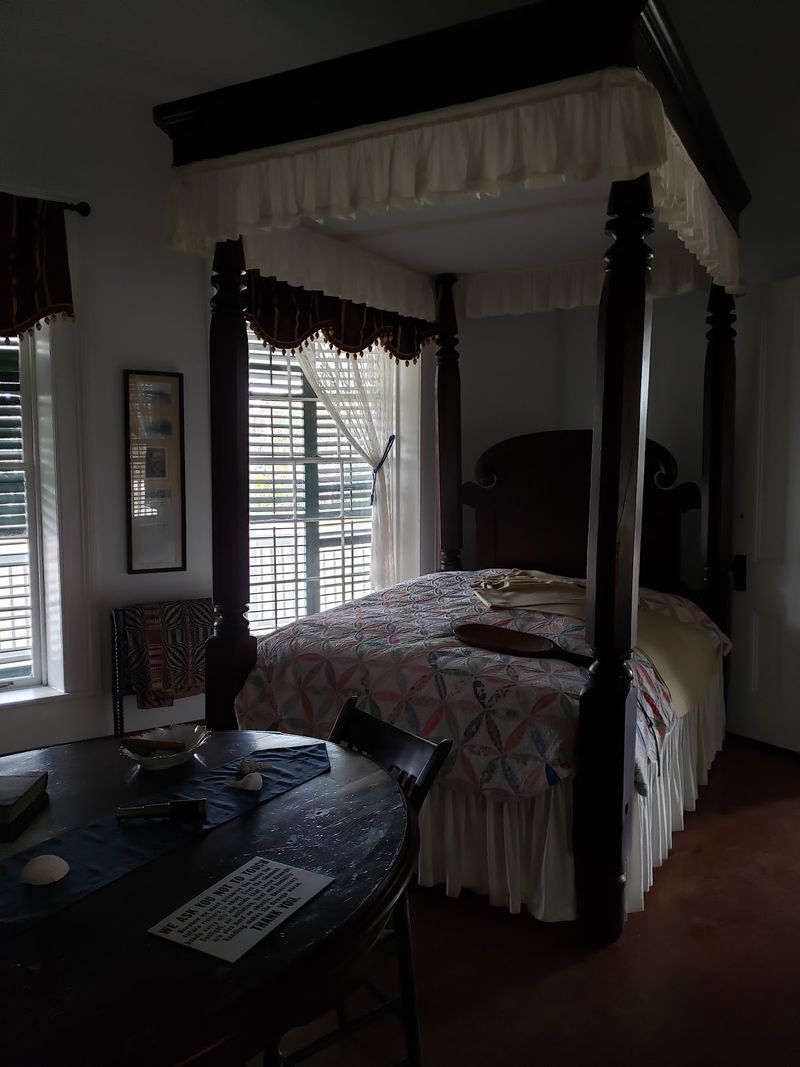
Your guide walks you through the rooms, pointing out furnishings, architecture, and little details you might otherwise miss. You will hear stories about the family who lived here and the daily rhythms of plantation life, which brings the quiet rooms to life in a way photos never could.
Because the tours are guided, you can ask questions and get real answers instead of guessing what each space was used for. It also helps you appreciate the craftsmanship that went into building a home this size so long ago.
Plan your visit around the tour times so you do not miss out. Seeing the interior is really the heart of the whole experience, and it turns a nice walk into a genuine history lesson.
Admire the Mansion’s Thick Tabby Walls
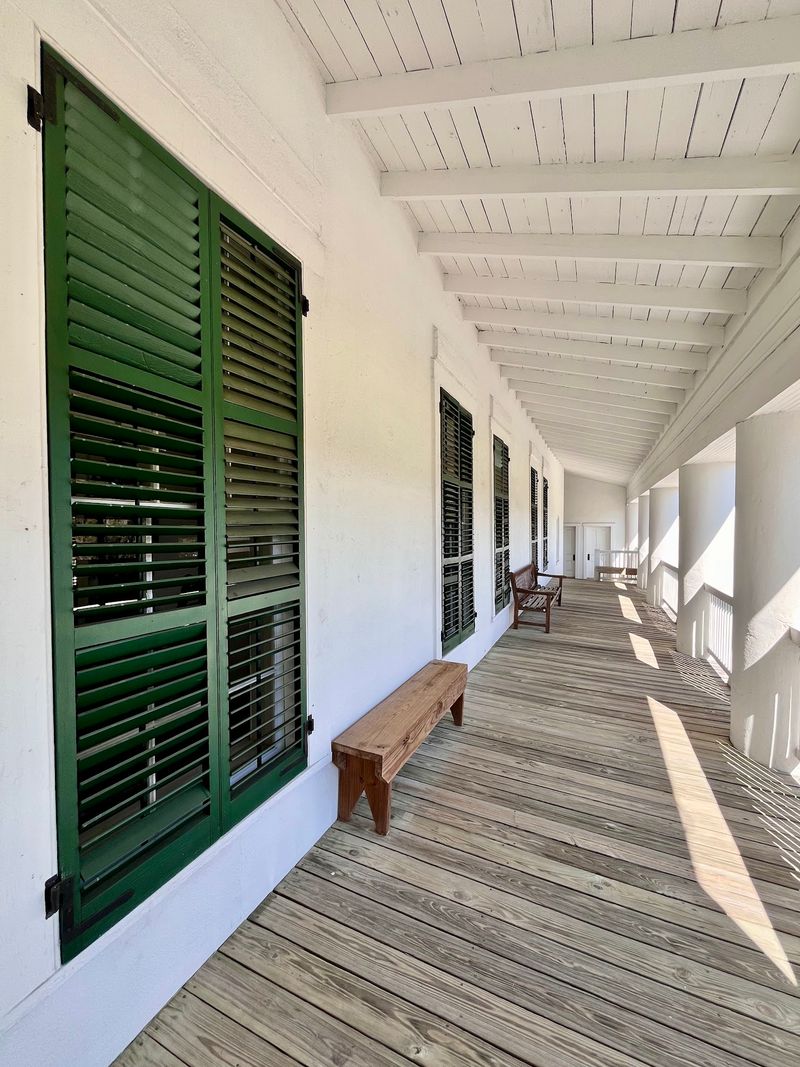
Here is a detail that surprises almost everyone who visits: the mansion’s walls are made from a material called tabby. Tabby is a sturdy mixture of crushed oyster shells, lime, sand, and water, and it created walls remarkably thick and strong.
Those heavy walls were not just for show. In Florida’s steamy heat, thick tabby helped keep the inside of the home cooler and more comfortable, acting a bit like natural insulation before modern cooling existed.
Running your eyes over the walls, you can imagine the huge effort it took to gather that many shells and mix everything by hand. It was a slow, demanding process that shows just how resourceful builders had to be back then.
Focusing on the tabby construction gives you a richer appreciation of the house than simply calling it old. It is a clever piece of engineering, made from materials found right along Florida’s coast, and it explains why the mansion has lasted so long.
Learn How Robert Gamble Built His Sugar Plantation
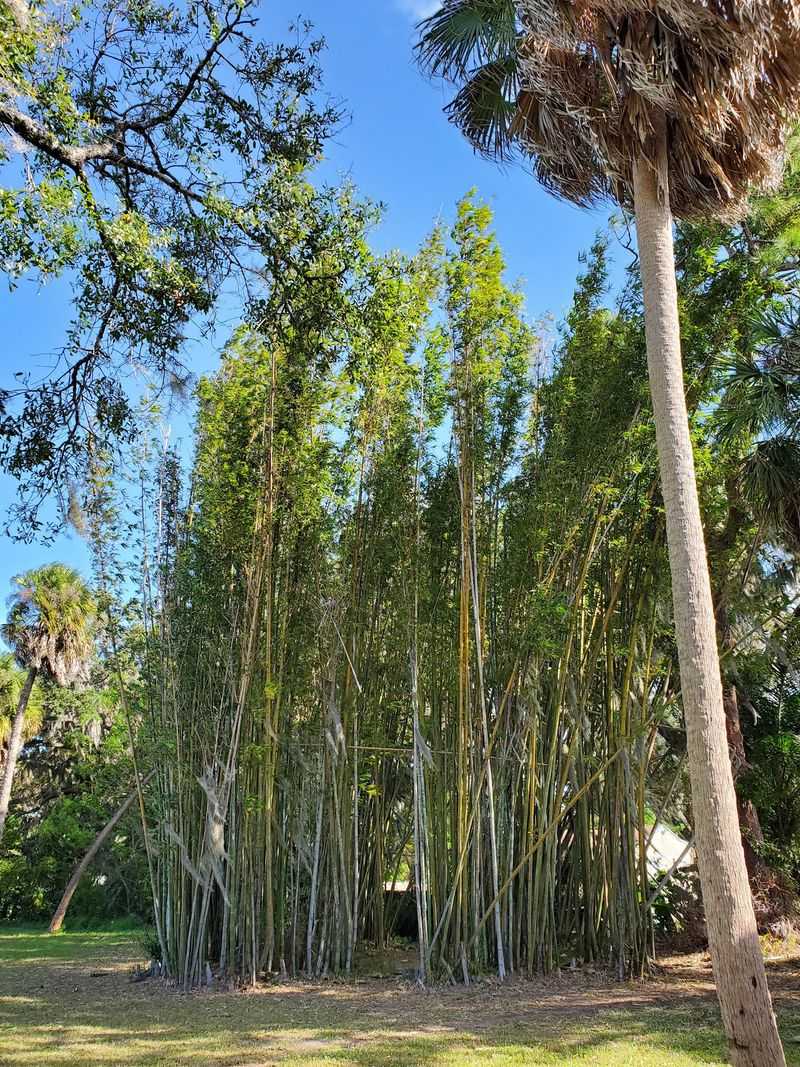
Behind every grand house is a story, and Robert Gamble’s begins in 1843 when he started his sugar plantation. Over time, he expanded his holdings until he controlled nearly 3,500 acres of land, a truly enormous operation for the era.
Sugar was big business, but it was also risky. Gamble faced natural disasters and shifting prices in the sugar market, and these troubles slowly pushed him deeper into debt.
By 1859, the mounting money problems forced him to sell the entire plantation. It is a reminder that even the wealthiest landowners could lose everything when nature and the economy turned against them.
Knowing this backstory adds real depth to your visit. Instead of seeing just a pretty mansion, you understand the ambition, the gamble, and the eventual failure that shaped its history.
Gamble’s rise and fall reflects the ups and downs of Florida’s early agricultural years, making the site far more meaningful than a simple photo stop.
Understand the Enslaved Labor Behind the Plantation
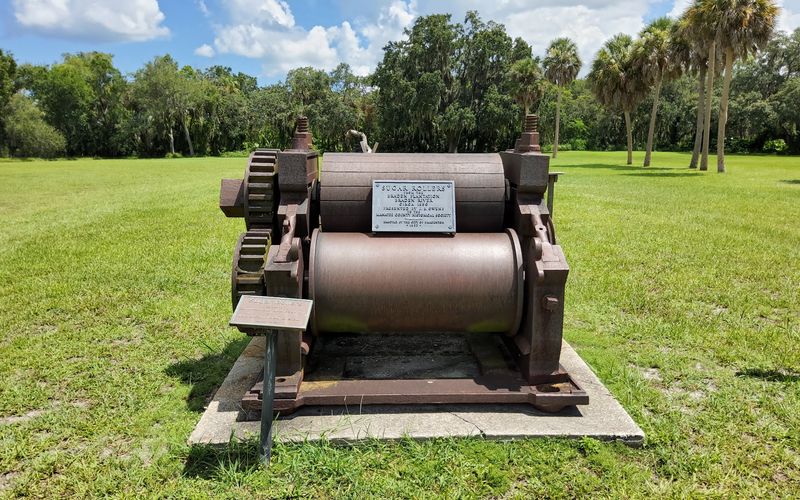
No honest visit to this park is complete without remembering the people whose forced labor made the plantation run. The sugar operation depended entirely on enslaved men, women, and children who worked long, brutal hours in the fields and around the home.
Their labor built the wealth that paid for the grand mansion, yet they received nothing in return but hardship. Recognizing this truth places the beauty of the house in its proper, sobering context.
The park offers a chance to think about these individuals rather than ignoring or softening their suffering. Their lives, skills, and struggles were a huge part of the plantation’s story, even though history books often left them out.
As you tour the grounds, take a quiet moment to acknowledge them. Understanding this painful past helps us learn from it and honor the humanity of those who were treated so unjustly.
Facing history honestly is one of the most important things a place like this can teach us today.
Hear the Story of Judah P. Benjamin’s Connection to the Mansion
One of the most dramatic chapters in the mansion’s history unfolded near the end of the Civil War. When the Confederacy collapsed in 1865, Confederate Secretary of State Judah P.
Benjamin found himself on the run and desperate to escape capture.
According to the story, Benjamin fled south and briefly took shelter at Gamble Mansion while planning his next move. From there, he eventually managed to slip away and escape all the way to England.
This connection gives the property a spy-novel kind of intrigue. Imagine a high-ranking official hiding out in these very rooms, hoping to avoid being found and arrested.
Because of this tale, the mansion has sometimes been remembered as a place of refuge during a chaotic moment in American history. Whether you find the story thrilling or simply fascinating, it adds another layer to your visit.
It shows how a single house in rural Florida became tied to events that reached across the entire nation.
Explore the Grounds of the Former Sugar Plantation
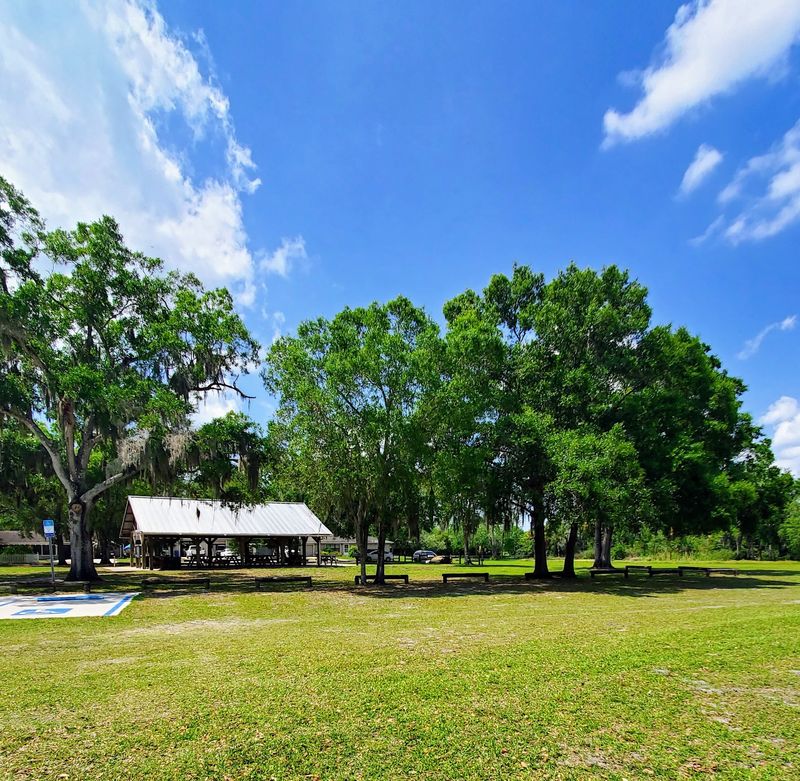
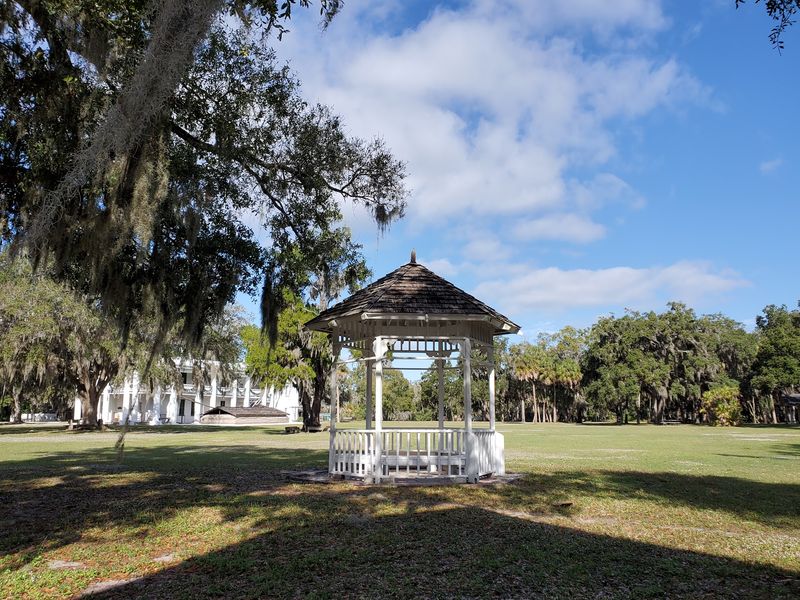
The mansion may be the headliner, but the land around it deserves your attention too. The state park preserves sixteen acres of the original plantation property, giving you plenty of room to stroll and soak in the scenery.
As you walk the grounds, try to picture how massive the original 3,500-acre plantation once was. What remains today is only a small slice, yet it still gives you a feel for the open, sprawling landscape of the past.
Shady oak trees and quiet paths make it a relaxing place to wander. You can slow your pace, look around, and let your imagination fill in the fields, workers, and buildings that once covered the area.
Exploring outdoors also breaks up the indoor tour with fresh air and open sky. It reminds you that a plantation was far more than one house; it was an entire working community.
Taking the time to walk the grounds makes your visit feel complete and well rounded.
Visit the Museum and Visitor Center
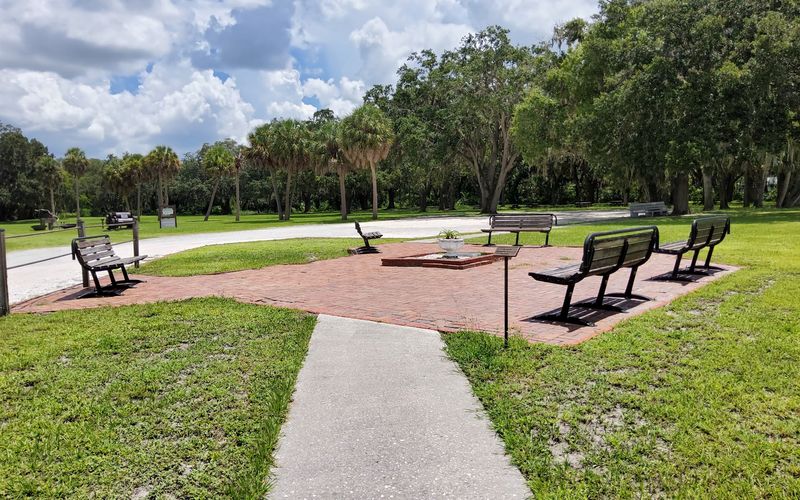
Before or after touring the mansion, the visitor center is well worth a stop. It fills in the background details that make everything else you see click into place.
Inside, exhibits explain plantation history, the Gamble family, and how the mansion was carefully preserved over the years. You will also learn about the site’s ties to the larger story of Florida history, which helps connect the dots.
Stopping here first can make your mansion tour more meaningful, since you will already understand the who, what, and why behind the property. Or you can save it for afterward to answer any lingering questions.
The museum is open Thursday through Monday, but keep in mind it closes for lunch from 11:45 a.m. to 12:45 p.m. Planning around that break will save you from arriving at a locked door.
Think of the visitor center as your guidebook come to life, offering context that turns a simple sightseeing trip into a real learning adventure.
Take a Picnic Break Beneath the Historic Setting
After all that walking and learning, why rush off? Picnic tables sit behind the mansion, inviting you to settle in and enjoy the peaceful surroundings for a while.
Packing a lunch turns your visit into a leisurely outing instead of a quick photo stop. You can rest under the trees, snack, and chat about everything you just discovered on your tour.
There is something special about eating a sandwich in the shadow of a house that has stood for nearly two centuries. The calm atmosphere makes the history feel closer and gives your brain time to soak it all in.
Kids especially appreciate a break to run around and stretch their legs after being indoors. Adults get a chance to slow down and simply enjoy the moment.
Bringing your own food also makes the trip budget friendly. So pack a cooler, grab a shady table, and let the historic setting be the backdrop to a relaxed and memorable meal.
Plan a Visit
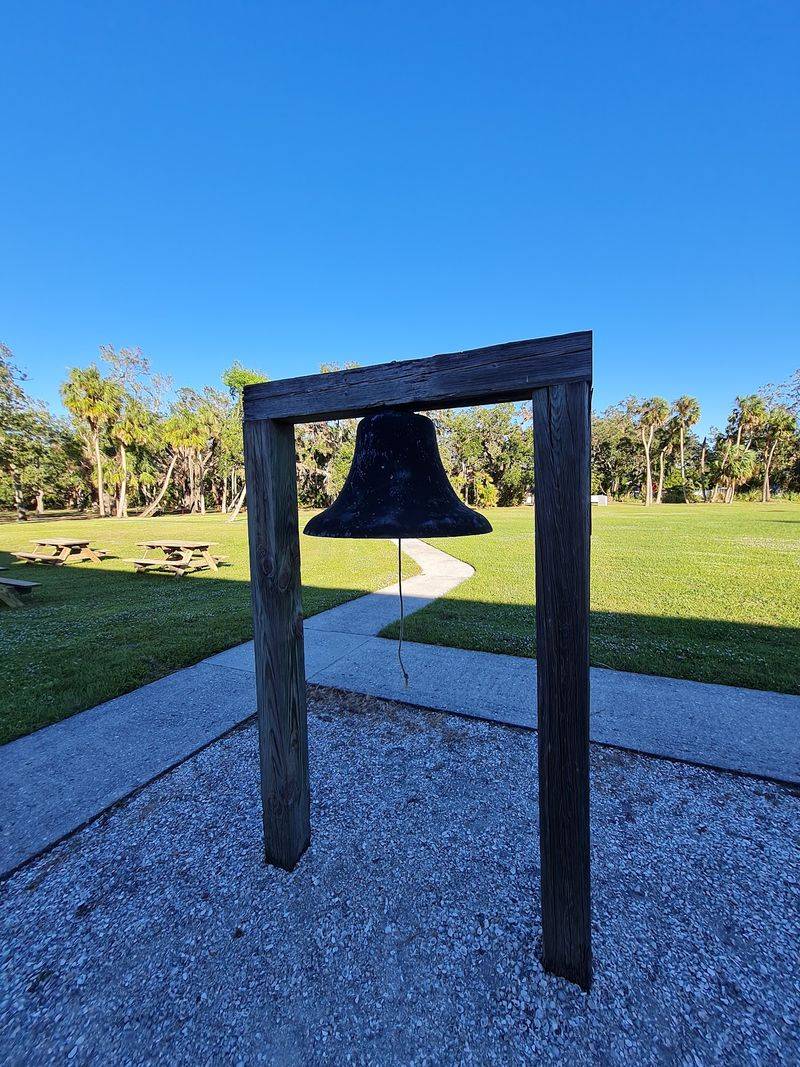
Ready to go? The park is located at 3710 US-301, Ellenton, FL 34222, and you can call ahead at +1 941-723-4536 with any questions.
Now for the truth behind the headline: there is no entrance fee to enter the park itself, so exploring the grounds costs nothing. The guided mansion tour, however, does have a small charge of $6 per adult and $4 for children ages 6 through 12.
The site offers parking as well as ADA-accessible restrooms, making it comfortable for most visitors. Just remember one important detail: mansion tours are not available on Tuesday and Wednesday.
To get the most out of your trip, plan to arrive Thursday through Monday and aim for one of the six daily tour times. Bring a little cash for the tour, pack a picnic, and give yourself enough time to enjoy both the house and the grounds.
A little planning ensures a smooth and rewarding day at this one-of-a-kind Florida landmark.