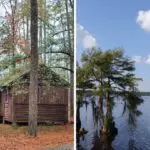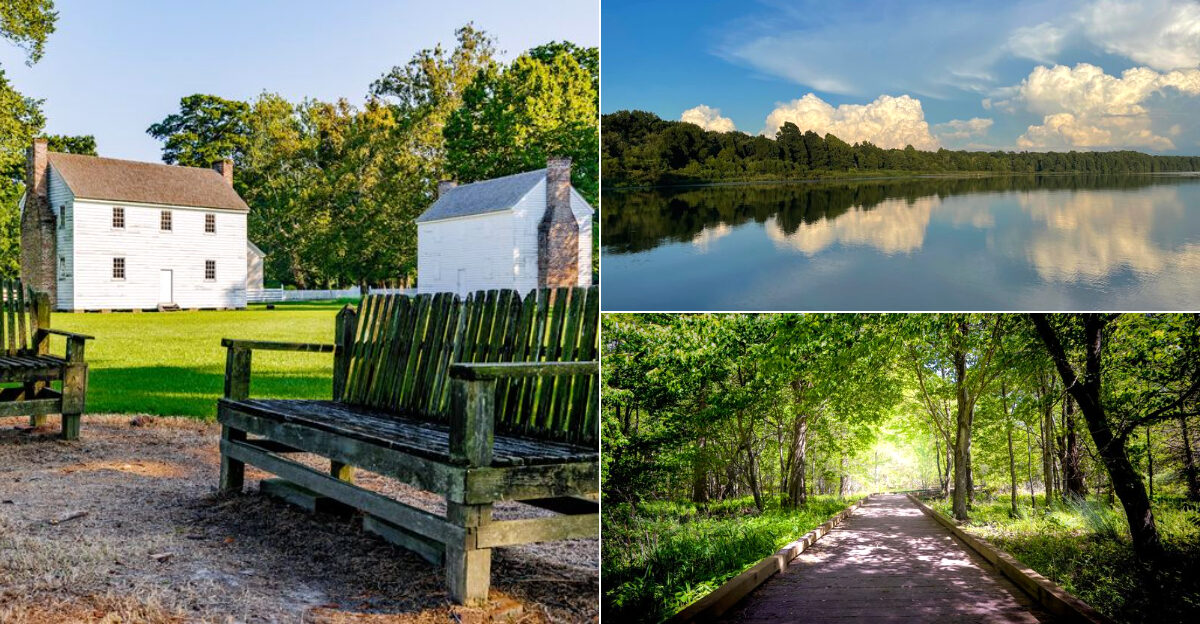
North Carolina’s state park system is full of gems, but not every one of them gets the recognition it deserves, and Pettigrew State Park near Creswell is a perfect example.
Situated along the shores of Lake Phelps, one of the largest natural lakes in the state, the park offers a remarkable combination of natural beauty, rich history, and genuine solitude.
Most visitors who make the trip describe the experience as unexpectedly moving, the kind of place that resets something in you without you quite realizing it.
The trails are peaceful and largely uncrowded, which only adds to the sense that you’ve found something genuinely off the beaten path.
If you’ve been overlocking Pettigrew, this is your sign to finally make the drive.
A Quiet Lakeside Escape That Feels Far From The Rush
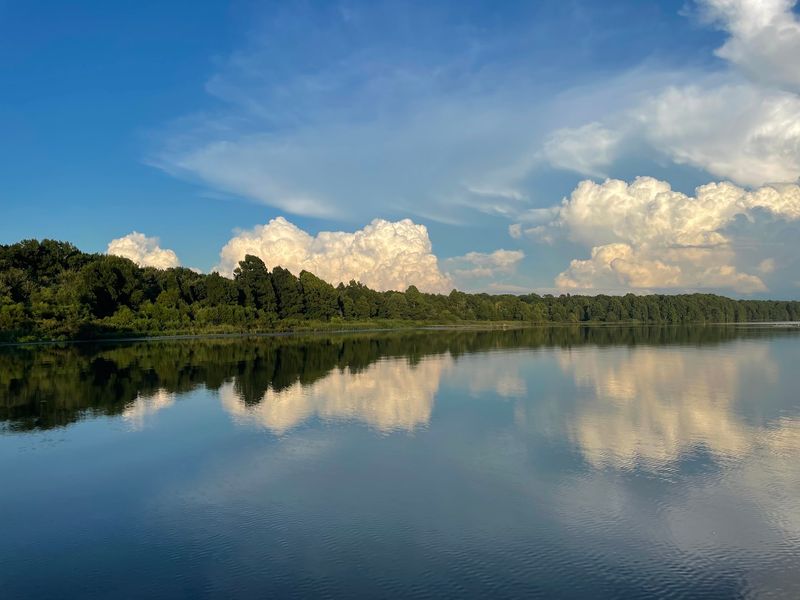
Soft water, open sky, and a slow country road set the mood before you even park the car.
Pettigrew State Park at 2252 Lake Shore Rd, Creswell, NC 27928 feels calm in a way many busy parks no longer do.
It sits beside Lake Phelps, a huge freshwater lake surrounded by farmland, trees, and quiet shorelines.
Visitors often notice how uncrowded it feels, especially outside summer weekends.
That matters if you want space to think, walk, fish, read, or simply sit without hearing traffic.
The park is open daily from 8 AM to 8 PM, which gives you plenty of time for a slow visit.
Start at the park office to ask about current trail, restroom, campground, and lake conditions because renovations and drought can affect access.
Bring water, snacks, bug spray in warm months, and a backup plan if swimming is limited.
Even with changing conditions, the quiet beauty is the main reason people return.
Lake Phelps Is The Star Of The Trip
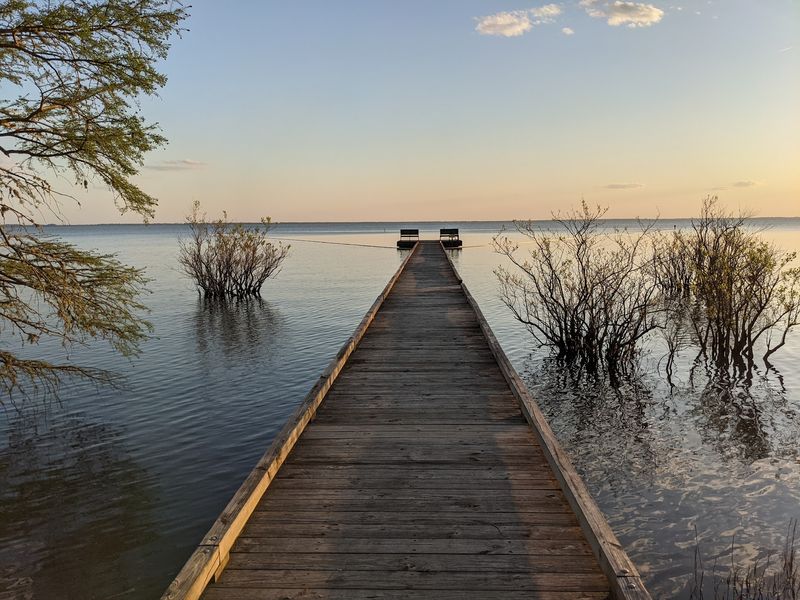
One look across the wide water explains why so many visitors talk about the lake first.
Lake Phelps covers about 16,000 acres and is known for clean, shallow water that can look almost glassy on calm days.
Because no rivers or large streams feed it, the lake has a clear, unusual character.
Boating, paddling, fishing, and shoreline watching are big reasons to come here.
Kayaks and canoes work especially well when the wind is low, and sunset can turn a simple paddle into the best part of the day.
Large powerboat traffic is not the main scene, so the mood often stays relaxed.
Water levels can drop during dry weather, so check current conditions before planning a swim or launch.
The boat ramp, lake access points, and shore areas may feel different from one season to the next.
Pack patience with your towel or paddle, and treat the lake as a changing natural place, not a swimming pool.
Trails Make Exploring Easy Without Feeling Boring
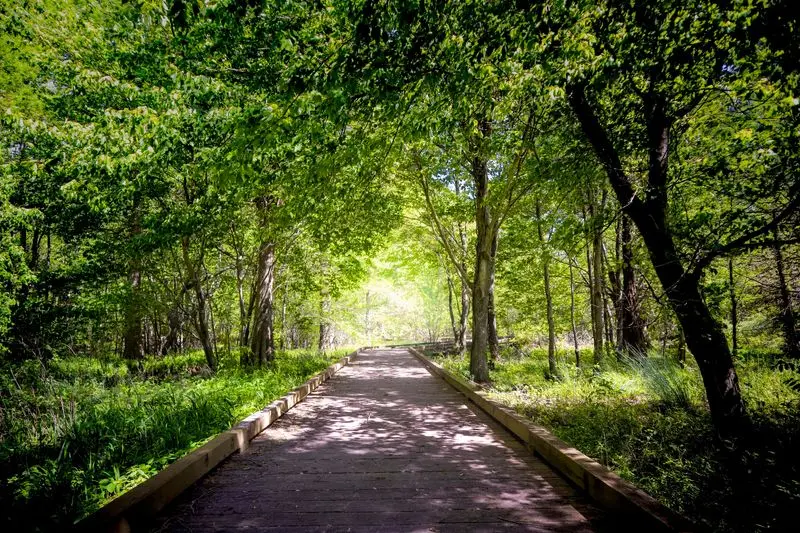
A trail does not need steep cliffs to be memorable.
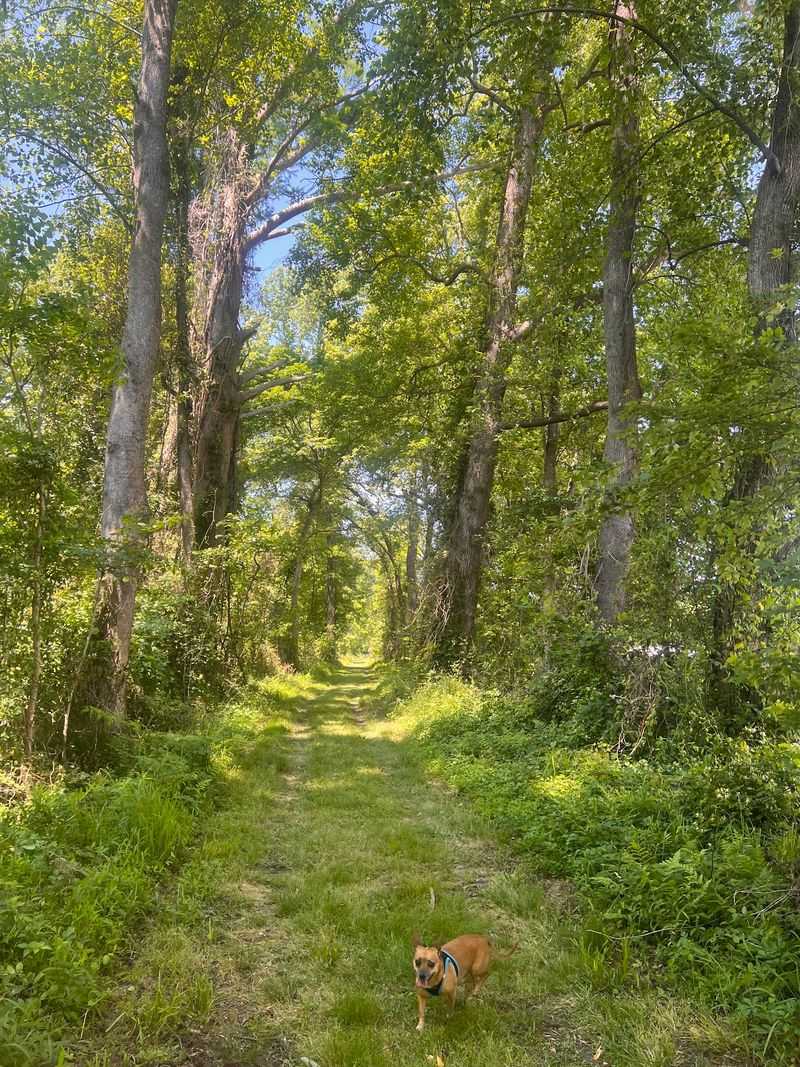
Here, the reward comes from soft ground, quiet woods, wetland edges, and surprise lake views tucked along the way.
Many paths are fairly flat, which makes them welcoming for casual walkers, runners, families, and visitors who prefer a steady pace.
The Moccasin Trail is often praised by hikers who want a longer outing.
Some visitors mention walking or running a strong out-and-back distance toward Cypress Point, with remote views that feel earned.
Shorter walks near the office and boardwalk areas can still give you a good taste of the park.
Trail signs and maps may not always answer every question, so look up your route before arriving and ask a ranger if the office is open.
After heavy rain, low areas can flood or become muddy.
Good shoes, a charged phone, and a simple printed map can make the difference between a smooth walk and a confusing one.
Cypress Trees Add A Storybook Look To The Shore
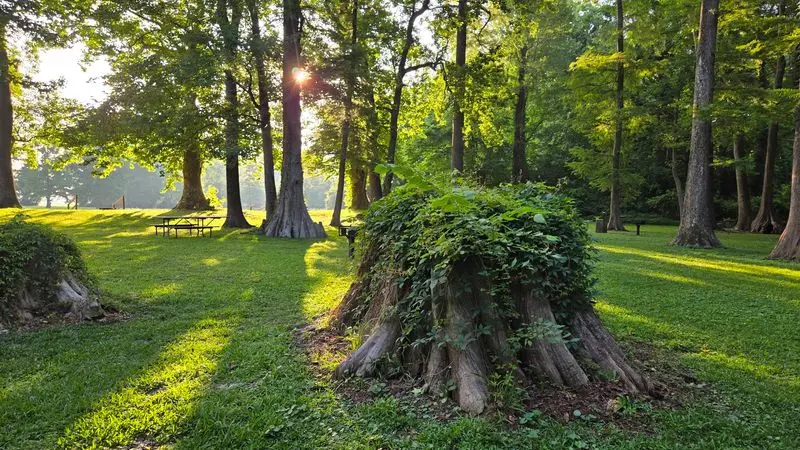
Some trees seem to have watched the world change for a very long time.
The old cypress trees near the lake give the park a look that feels wild, rooted, and almost magical.
Their wide trunks and knobby knees stand near the water like quiet guardians.
These trees are more than pretty photo subjects.
They help shape wetland habitat, shelter wildlife, slow erosion, and remind visitors that eastern North Carolina has landscapes unlike the mountains or beaches.
Walking near them can feel like stepping into a slower chapter of the state.
For the best experience, move carefully on boardwalks and marked paths, and avoid trampling wet areas around roots.
Morning and late afternoon light make the cypress shapes stand out, especially if the lake is calm.
Bring binoculars, because birds often appear near the shoreline, and a patient visitor may spot movement among the branches, reeds, or water.
Camping Keeps The Night Simple And Peaceful
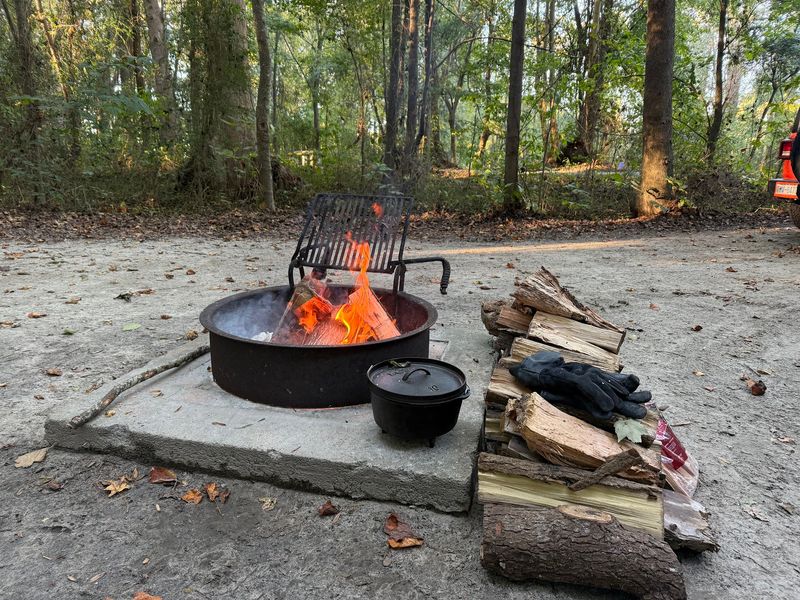
Campfires feel different when the night around them is truly quiet.
The campground here has a small, simple feel that many campers like because it does not seem packed or noisy.
Sites have been described as spacious, with picnic tables and fire rings for a classic state park setup.
Expect a more basic camping experience than a resort-style stay.
Past visitors have noted no water, electric, or dump hookups at individual sites, so plan for that before bringing an RV or trailer.
That simple setup can be a gift if your goal is to unplug and enjoy the lake country.
Because renovations have affected campground and bathroom availability at times, always check the official park website or call before booking or driving out.
Bring extra water, lights, trash bags, and supplies for changing weather.
If sites are open, a night here can pair well with easy hiking, stargazing, paddling, and a quiet breakfast under the trees.
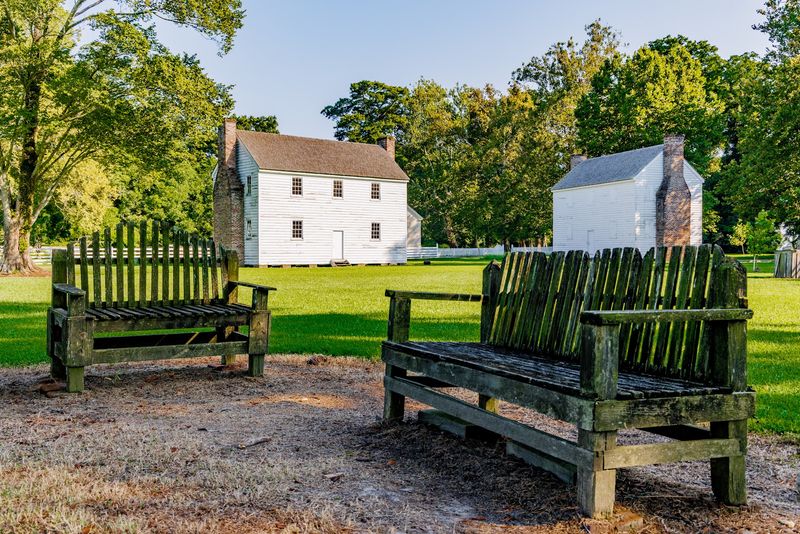
History Sits Right Beside The Natural Beauty
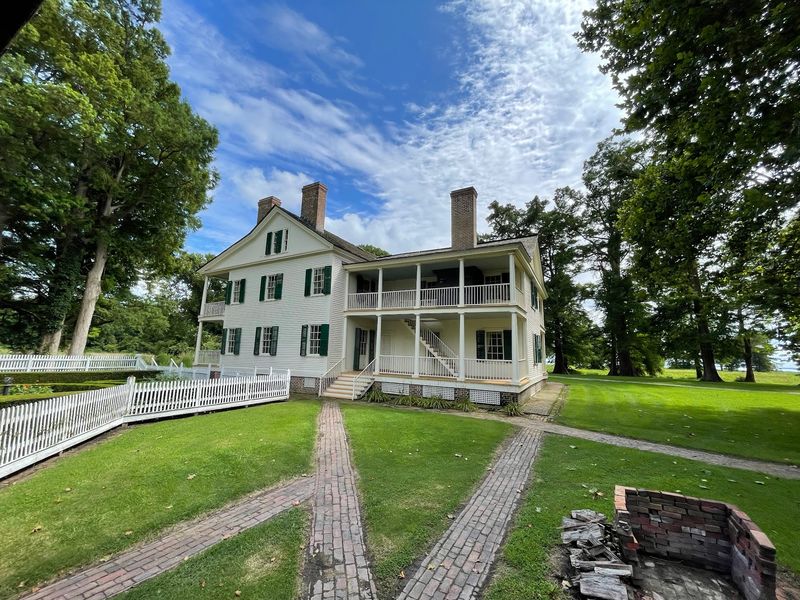
Pretty scenery is only part of the visit, and the history nearby asks for attention too.
Somerset Place State Historic Site sits close to the park and helps visitors understand the lives connected to this land, including the difficult history of enslaved people.
It adds depth to a trip that might otherwise be only about trails and water.
Walking from natural areas toward historic spaces can make the past feel more real.
You may see old grounds, learn about plantation life, and think about the people whose labor shaped the region.
The Pettigrew family cemetery and other historic points also help show how layered the landscape is.
Give yourself enough time to visit respectfully instead of rushing through.
Check hours for the historic site separately, since it may not match park hours.
For families, this can become a meaningful learning stop, especially if adults help younger visitors connect the peaceful setting with the harder stories it holds.
Wildlife Watching Can Surprise Patient Visitors
A quiet park often rewards people who slow down and look closely.
Birds, snakes, fish, insects, and larger animals all live in and around the lake, wetlands, and woods.
Some visitors have reported exciting sightings, including an Eastern kingsnake, while winter can bring waterfowl to the broad lake surface.
Lake Phelps and the surrounding habitats support a mix of creatures tied to water and forest.
You might notice ducks, swans, turtles, songbirds, and signs of animals moving through softer ground.
The area is also known for unusual species, including the Lake Phelps killifish, which adds a special local twist.
Keep wildlife watching safe and kind by giving animals space, staying on trails, and never trying to handle snakes or feed any creature.
Bug spray is smart during warmer months because wetlands can mean heavy insects.
A small pair of binoculars, a field guide app, and quiet steps can turn an ordinary walk into a mini nature lesson.
Smart Planning Makes This Hidden Gem Even Better
A little planning goes a long way at a park that is peaceful, rural, and sometimes affected by changing conditions.
Recent visitors have mentioned construction, closed facilities, low water, and limited swimming access, so it is smart to check updates before leaving home.
The official park website and phone line are your best first stops.
Pack for comfort rather than crowds.
Bring drinking water, snacks, sunscreen, insect repellent, sturdy shoes, and layers if you visit from fall through spring.
If you plan to paddle, fish, camp, or swim, confirm rules, ramps, restroom access, and current lake levels.
Navigation can also be worth double-checking because rural roads and map apps do not always make arrival simple.
Download directions ahead of time, especially if your cell service fades.
Visit in the off-season for extra quiet, in cooler months for fewer insects, or during fair weather for the easiest lake views, and you may understand why fans call it underappreciated.