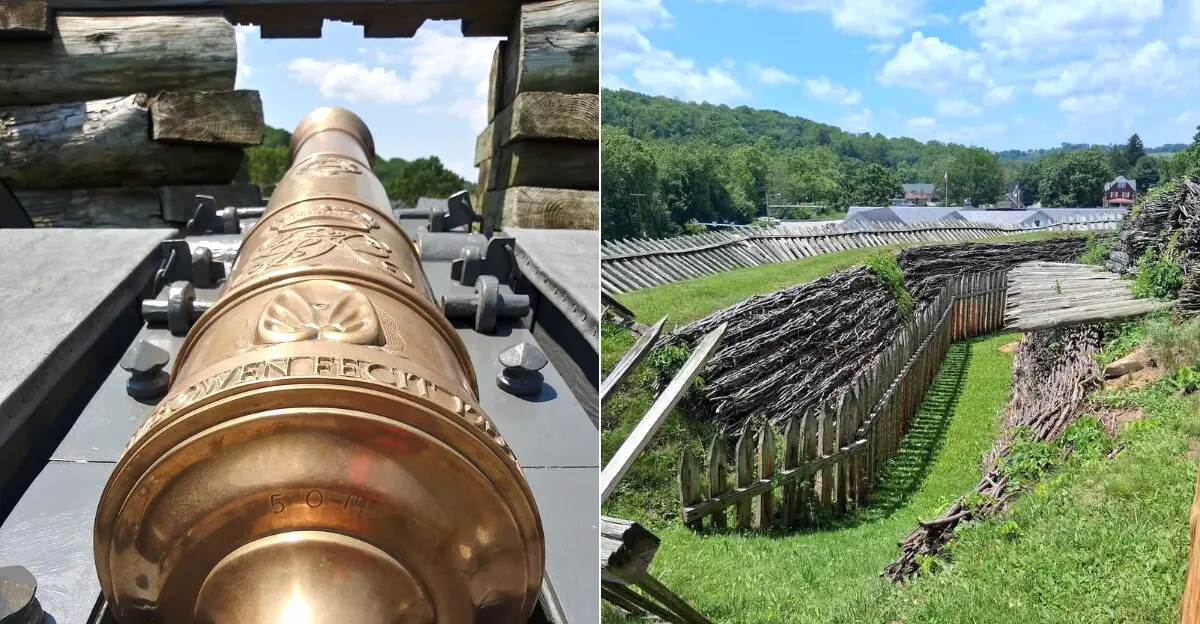
Hidden in the rolling hills of western Pennsylvania, Fort Ligonier stands as one of the most significant and carefully restored colonial-era fortifications in America.
Built in 1758 by British forces during the French and Indian War, the fort served as a critical supply base for the campaign to capture Fort Duquesne.
On October 12, 1758, French and Native American forces launched a surprise attack on the garrison, and the defenders held firm, making it the last major French offensive in Pennsylvania.
Today, a visit feels less like touring a museum and more like stepping into a moment that shaped the future of the continent.
Whether you’re a history enthusiast, a family with curious kids, or a traveler chasing something unexpected, this remarkable site is absolutely worth the drive.
Rebuilt Barracks That Make Frontier Life Feel Real
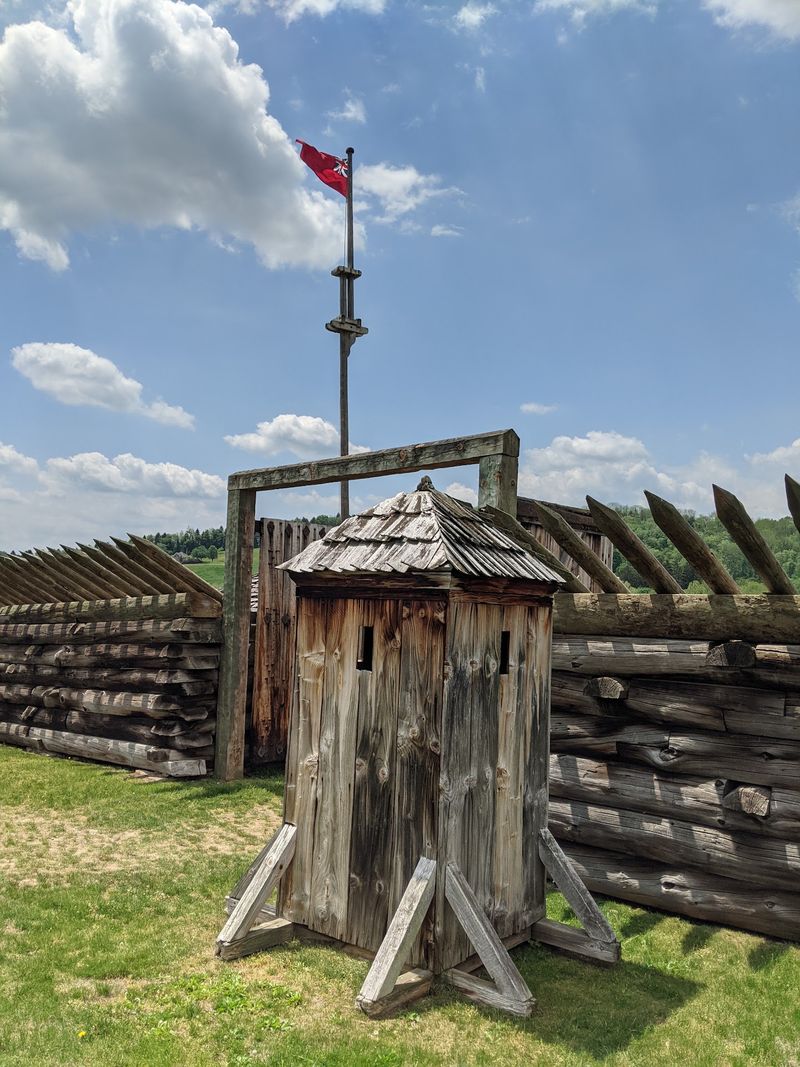
The smell of old wood, the close rows of bunks, and the plain tools make the barracks feel surprisingly human.
Visitors can picture tired soldiers resting after guard duty, writing letters, or trying to stay warm during rough weather.
The rebuilt rooms show that frontier life was not fancy, even for men serving an empire.
Fort Ligonier used careful research and original plans to recreate spaces that help people understand daily military life.
Look closely at the beds, storage areas, fireplaces, and simple supplies, because each detail explains how soldiers ate, slept, and worked.
Kids often connect with these rooms because they can compare them with their own bedrooms and notice how little comfort soldiers had.
A helpful way to explore is to slow down and imagine one full day inside the fort.
Think about waking before sunrise, hearing commands, cleaning weapons, and waiting for news from the woods beyond the walls.
That simple exercise turns the barracks from wooden buildings into a story about patience, fear, teamwork, and survival on Pennsylvania’s colonial frontier.
Cannons That Still Command Attention
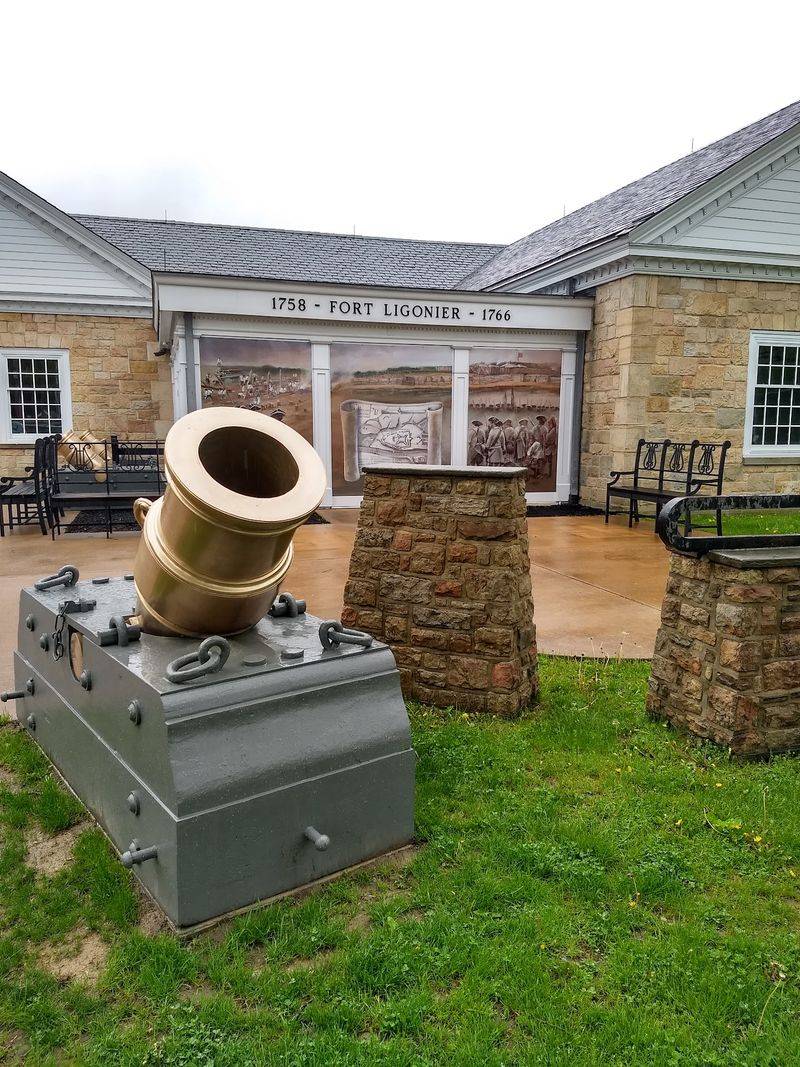
A row of cannons has a way of making even chatty visitors lower their voices for a moment.
Their size, shine, and placement along the fort walls show how seriously soldiers prepared for danger.
They were not decorations, but tools meant to protect lives, supplies, and the road through the mountains.
The artillery displays help explain why the fort mattered during the French and Indian War.
Cannons could scare attackers, defend weak points, and send a loud warning across the area.
When demonstrations are offered, the boom of black powder gives guests a safe taste of the sound soldiers once knew very well.
Stand near a cannon and notice the teamwork it would have required.
One person could not load, aim, fire, cool, clean, and protect it alone during battle.
For families, this is a good place to talk about cooperation, responsibility, and how technology changed warfare.
Photos are popular here, but the better souvenir may be understanding how heavy, loud, and demanding these weapons were.
The Attack Story Behind The Strong Walls
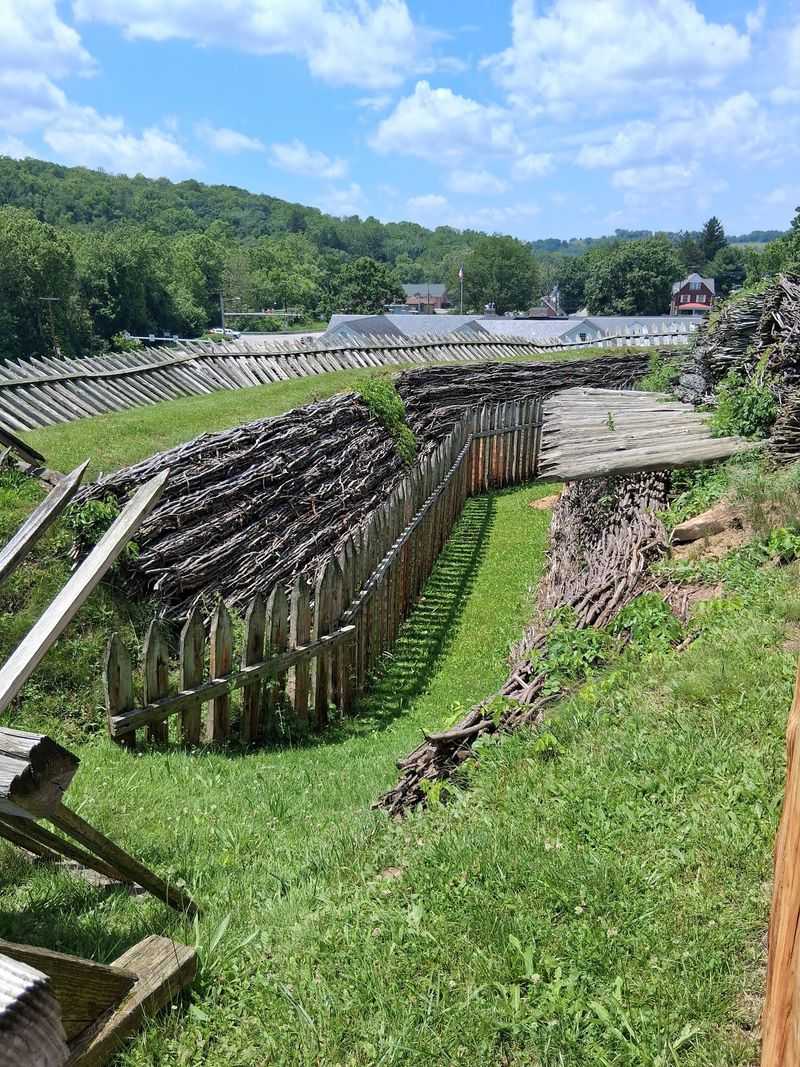
Not every historic site can say it stood through a real attack, and that fact gives the grounds extra weight.
In October 1758, enemy forces attacked the British post during the French and Indian War.
The fort held, helping protect troops and supplies tied to the larger campaign for control of the region.
Walking the walls becomes more meaningful when you know people once watched the tree line with real fear.
The stockade, artillery, and layout were built for defense, not just appearance.
Guides and exhibits help explain how soldiers used the fort’s design to respond when danger came close.
Visitors can make the story clearer by looking outward from different sides of the fort.
Ask where you would stand guard, where supplies would be stored, and how messages might move during confusion.
That kind of thinking makes history active instead of flat.
The attack was not just a date on a sign, but a test of planning, courage, and the fort’s purpose.
Museum Artifacts With Real Human Stories
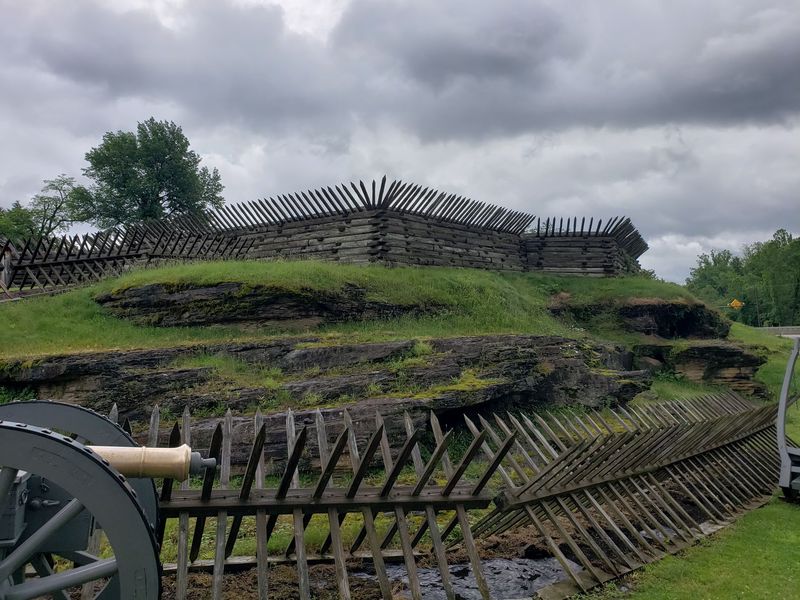
A small button, a worn weapon, or a faded piece of clothing can sometimes say more than a long textbook chapter.
The museum’s artifacts bring visitors close to the people who lived through the 1700s.
Many displays connect the fort to the wider French and Indian War, also known globally as the Seven Years War.
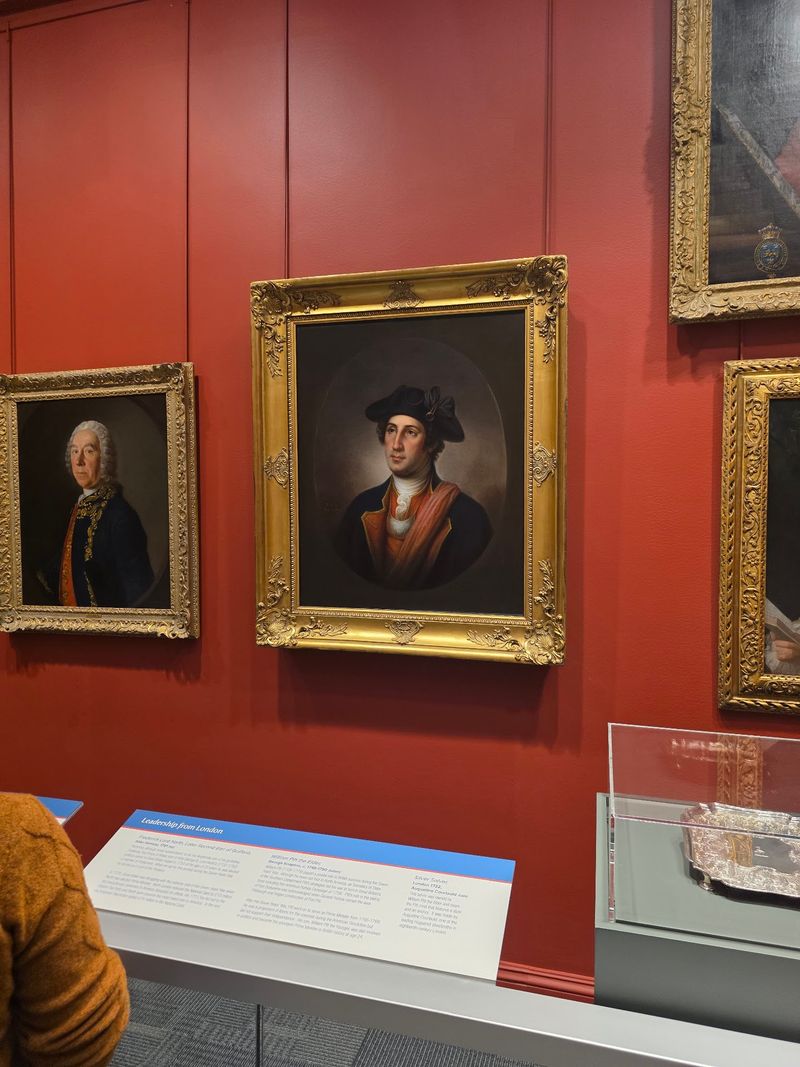
Inside, guests can find military items, portraits, maps, and objects that show how far this conflict reached.
The exhibits help explain that events in western Pennsylvania were tied to decisions made across oceans.
That bigger view is useful for students because it shows history as a connected web, not a group of random facts.
Take your time in the galleries instead of rushing straight outside.
Read a few labels carefully, then choose one object and ask who may have used it, carried it, repaired it, or feared it.
This simple habit turns a museum visit into detective work.
It also helps younger visitors remember details after the trip ends.
Guided Tours That Turn Facts Into Stories
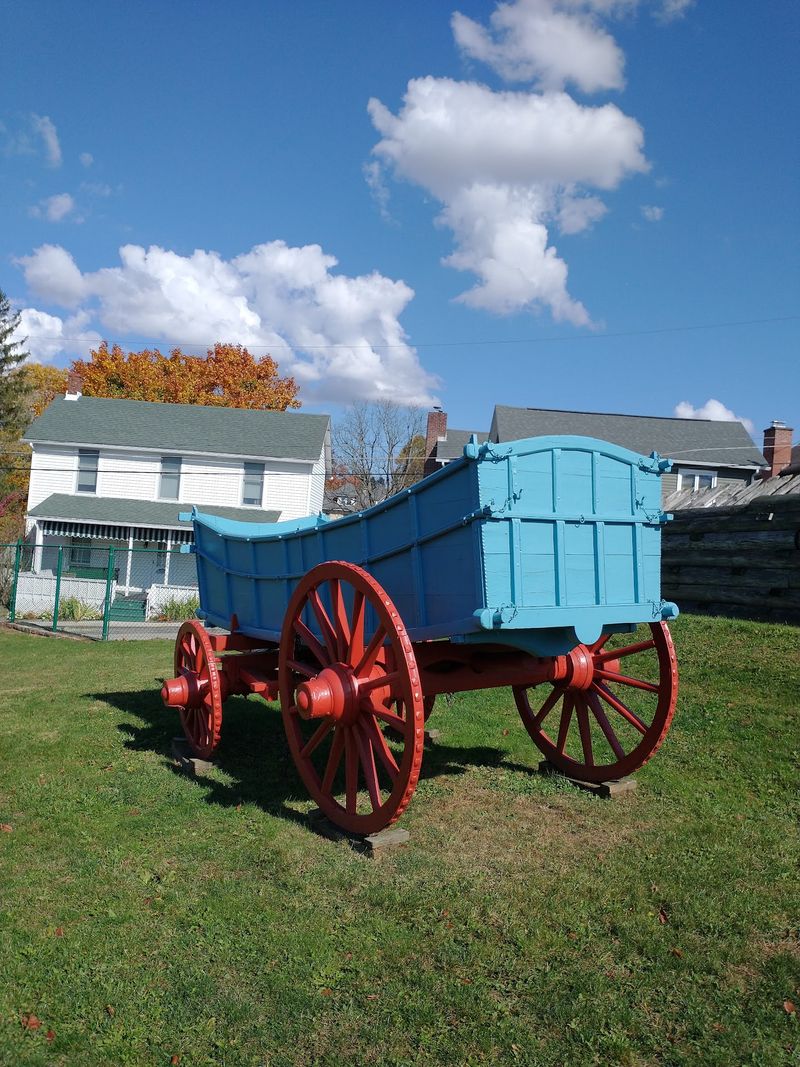
A good guide can make a wooden wall, a cannon, or a small room suddenly feel full of voices.
Many visitors praise the staff for being friendly, patient, and ready to answer questions.
That matters, especially for families with children who may feel unsure about museums or long history lessons.
Guided tours and audio options can help guests understand what they are seeing without feeling lost.
Stories about soldiers, George Washington’s early career, frontier travel, and daily chores add life to the reconstructed spaces.
If a guide is available, joining the tour is often worth it because questions can lead to details you might miss alone.
Before you go, check the official website or call ahead to ask about tour times, demonstrations, and seasonal access.
The site is generally open from 10 AM to 5 PM, but programs can change.
Comfortable shoes, water, and a little extra time in the schedule make the visit easier.
History feels best when nobody has to hurry.
Reenactors And Demonstrations Add Sound And Motion
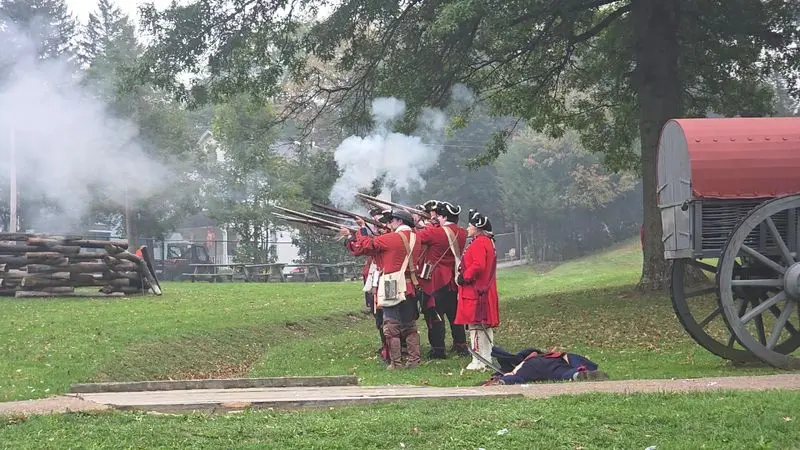
Then comes the crack, smoke, or shouted command that makes everyone look up at once.
Reenactors and special demonstrations can add movement to a place that might otherwise seem quiet.
Visitors may see black powder programs, cannon firing, musket talks, candle dipping, or people dressed in 18th-century clothing.
These moments are especially helpful for younger guests because they use sound, sight, and hands-on activity.
A child who forgets a date may still remember the smell of smoke or the careful steps needed to fire a weapon safely.
Adults often enjoy the same programs because they reveal how much skill and routine went into military life.
Demonstration schedules can vary, so plan ahead if this is a key reason for your trip.
Arriving early gives you time to find a good viewing spot and ask staff where programs will happen.
Always follow safety instructions, even during mock activities.
The fun comes from seeing history performed responsibly, with respect for both the people of the past and today’s visitors.
Grounds Built For An Easy Family Walk
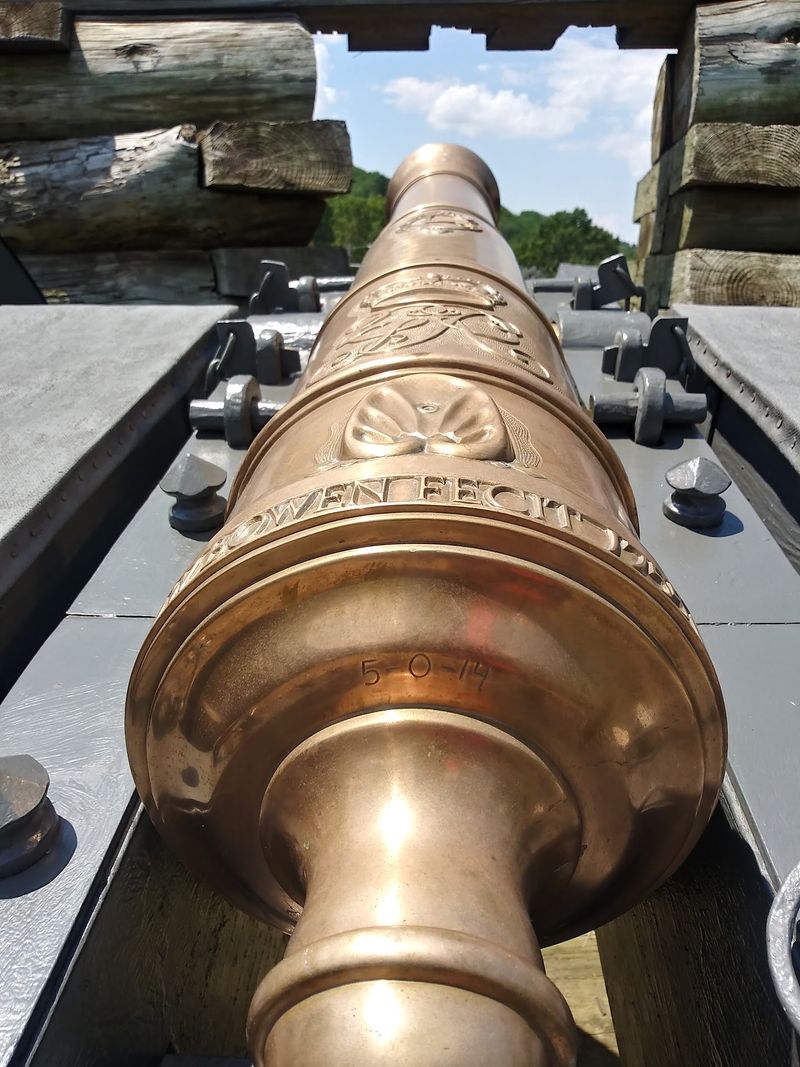
Fresh air, open grass, and clear paths make the fort feel less like a classroom and more like an outdoor adventure.
The reconstructed grounds are large enough to explore, but still manageable for most families.
Visitors can move between buildings, walls, cannons, and museum areas without needing a full day.
The layout helps people understand how a working fort had to balance defense, storage, shelter, and movement.
As you walk, notice how buildings sit inside the walls and how open space lets soldiers see and respond quickly.
That design was practical, because confusion could be dangerous during an emergency.
Families may want to turn the visit into a simple scavenger hunt.
Look for a cannon, a barracks bed, a gate, a cooking area, a uniform, and one artifact that surprises everyone.
The grounds also offer good photo spots, especially in bright weather or fall color.
After exploring outside, the museum and gift shop provide a helpful change of pace.
This mix of walking, looking, and resting keeps the experience friendly for different ages.
A Practical Stop For Planning A History Day
A smooth visit often starts before anyone steps through the gate.
Fort Ligonier, at 200 S Market St, Ligonier, PA 15658, is a highly rated tourist attraction with a museum, reconstructed fort, guided experiences, and a gift shop.
Its regular hours are listed as 10 AM to 5 PM daily, though checking ahead is smart before a long drive.
The official website can help visitors confirm admission, group tours, events, and seasonal programs.
Reviews often mention knowledgeable staff, clean grounds, strong exhibits, and kid-friendly learning.
Some guests also recommend audio tools or headphones for self-guided parts, which can make listening easier without bothering others.
Plan for at least a couple of hours if you want both the museum and outdoor fort to feel worthwhile.
History fans may want more time for labels, portraits, artifacts, and books in the shop.
For school groups, families, or curious travelers, the site works best when treated as a full story, not a quick photo stop.