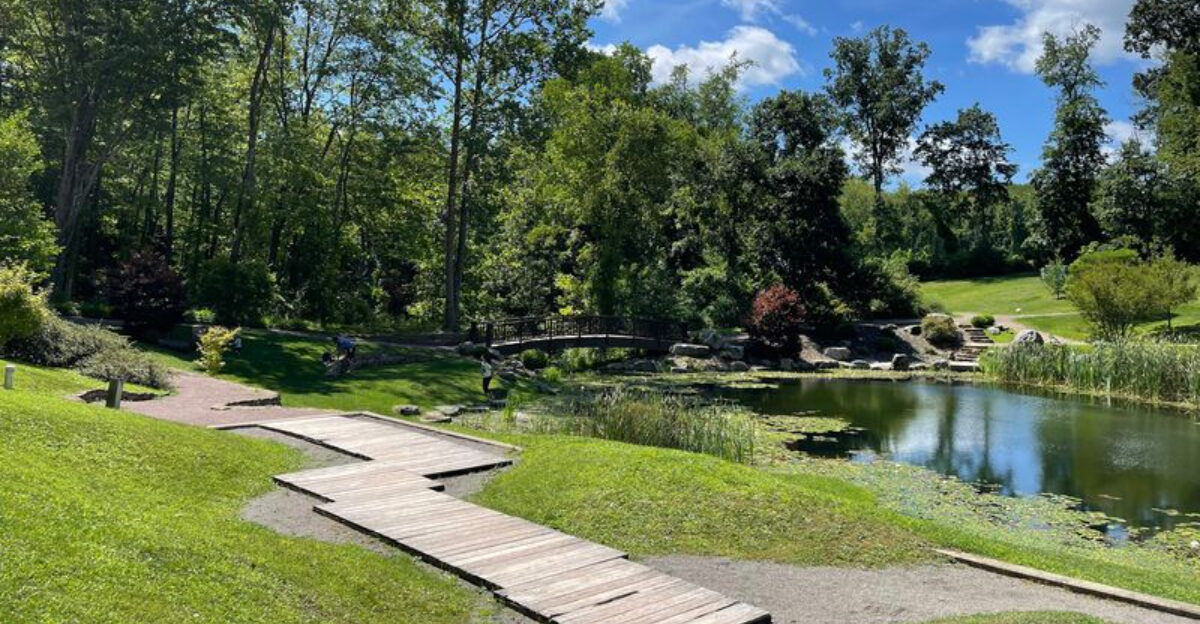
A quiet walk in the woods feels even more special when you learn what used to sit under your feet.
Pittsburgh Botanic Garden turned land damaged by coal mining into a bright, living place filled with trails, trees, flowers, ponds, art, and peaceful corners where families can slow down.
That change matters because it shows how scarred land can heal when people care for it, clean it, and plant it with patience.
If you love nature, local history, or simply need a fresh place to stretch your legs near Pittsburgh, this garden in Oakdale offers a beautiful reminder that even rough places can grow into something full of wonder, color, and life for visitors of all ages, from toddlers chasing sculpture surprises to adults looking for a calm woodland escape, a seasonal event, or an easy afternoon surrounded by green views and birdsong.
A Coal Mine Site Reborn With Color

Black coal once shaped this land, but green leaves now tell the louder story.
Pittsburgh Botanic Garden stands on property that was damaged by past mining, and its rebirth makes every path feel meaningful.
Instead of ignoring that history, the garden shows how careful planning can repair land over time.
Soil, water, trees, and wetlands all play a part in the comeback.
Visitors do not need to be science experts to understand the change.
A simple walk reveals the lesson.
Places that seem ruined can recover when people remove hazards, protect streams, and bring back healthy plants.
The garden is located at 799 Pinkerton Run Rd, Oakdale, PA 15071, close enough to Pittsburgh for an easy day trip.
It has a strong 4.6-star rating from more than 1,700 Google reviews, which says a lot about how much guests enjoy the space.
Plan to wear sturdy shoes because some paths are paved, while others are gravel, grass, or dirt.
Bring water, check hours before leaving, and give yourself time to notice the big transformation beneath the beauty around you.
Trails That Feel Like A Woodland Treasure Hunt
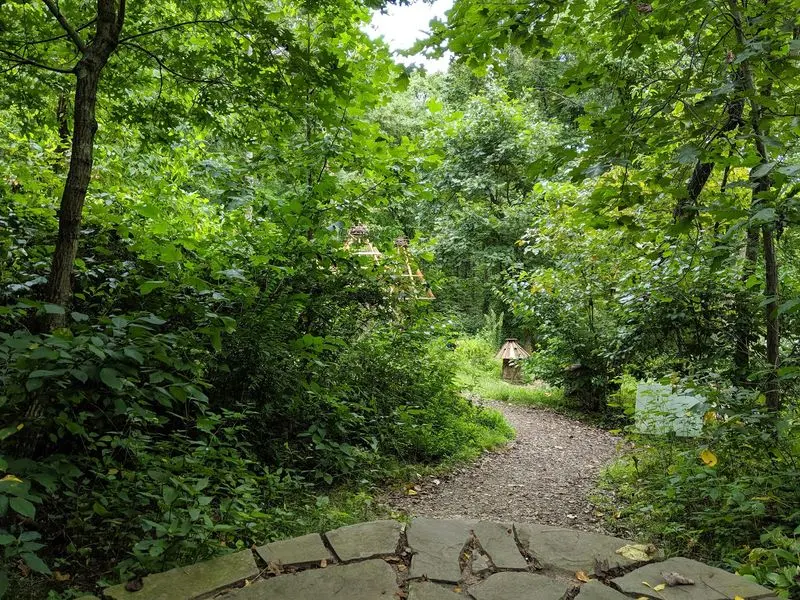
Every bend in the trail feels like it might hide a new surprise.
The walking routes at Pittsburgh Botanic Garden move through display gardens, woodlands, sunny openings, and quiet shaded sections.
Some visitors finish a shorter loop in about an hour, while others wander longer because the grounds are larger than they first appear.
Maps help, so pause at one before choosing your route.
The trails are one of the garden’s biggest draws, and reviews mention them often.
Families, casual walkers, plant lovers, and dog owners all find ways to enjoy them.
Leashed dogs are welcome on many visits, which makes the place feel even more friendly and relaxed.
Footwear matters here.
Guests have reported paved paths, gravel stretches, grass, mud, and dirt, depending on the weather and season.
A good stroller with tougher wheels or a wagon can help if you bring small children.
Try not to rush.
Listen for birds, watch for deer, and notice how the plants change from one area to another.
The trail system turns a simple walk into a small adventure.
The Lotus Pond Brings Calm To The Former Mine Land
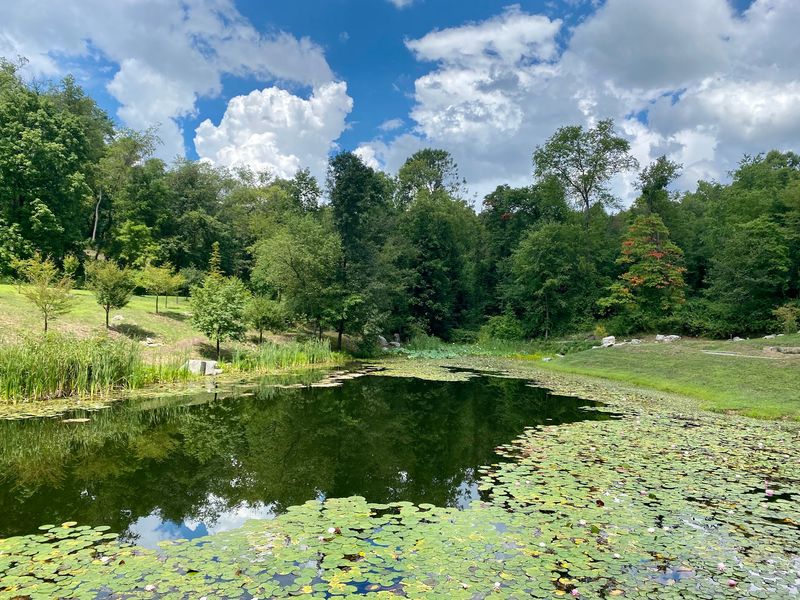
Still water has a way of making people whisper without being told.
The lotus pond at Pittsburgh Botanic Garden adds that quiet magic to the grounds.
After walking through trees and garden beds, the pond offers a slower moment.
Reflections, insects, birds, and water plants make it feel like a living classroom without desks or tests.
For a place once affected by mining, water features carry extra meaning.
Healthy ponds and wetlands can support wildlife and show visitors that damaged land can become part of a balanced ecosystem again.
That makes the view more than pretty.
It becomes proof of recovery.
Bring a camera, but also put it away for a minute.
Watch the surface.
Notice how the light changes when clouds move overhead.
Kids may spot bugs or frogs, while adults may enjoy the simple break from screens and traffic.
During winter light events, guests have praised pond displays, especially when cold weather adds icy sparkle.
In warmer months, the area feels softer and greener.
Either way, the pond gives the garden one of its most peaceful stops.
Dogwood Meadow Adds A Soft, Seasonal Glow
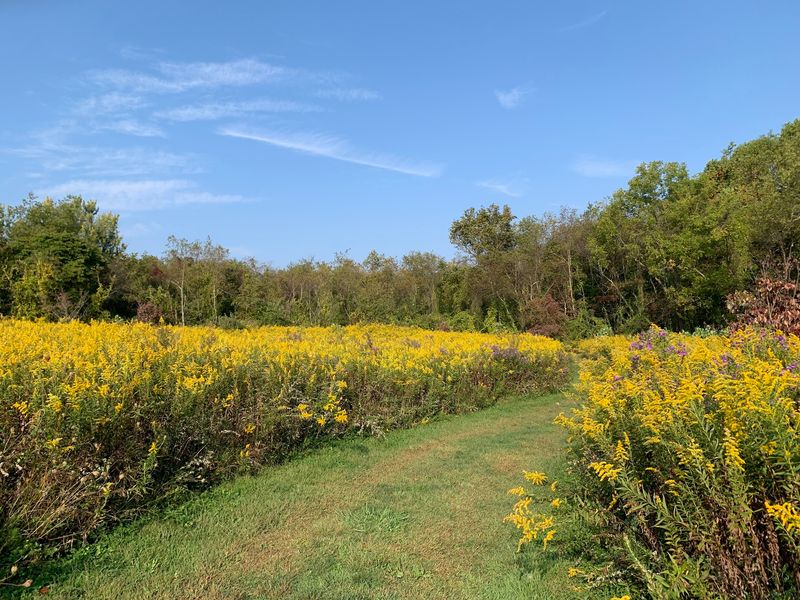
Spring seems to linger a little longer when dogwoods are nearby.
The Dogwood Meadow is one of the named areas that gives Pittsburgh Botanic Garden its gentle seasonal charm.
Dogwoods are loved for their graceful branches and bright blooms, and they bring a soft look to the landscape when they flower.
Even after bloom time, the meadow remains a pleasant place to walk and look across open space.
Meadows matter because they offer food and shelter for pollinators, birds, and small animals.
They also give visitors a break from thick woodland views.
That shift from trees to open growth keeps the garden walk from feeling the same from start to finish.
If you visit with children, ask them to compare the meadow with the forest trail.
Which feels warmer?
Which has more insects?
Which one smells different after rain?
Small questions turn a walk into a fun nature lesson.
For the best experience, check the garden’s website before visiting because seasonal highlights change.
A meadow can look different in spring, summer, fall, and winter, and that is part of its charm.
Art Installations Make The Walk Playful

A giant creature made from scrap can turn a tired toddler into an eager explorer.
Seasonal art installations have become a memorable part of visits to Pittsburgh Botanic Garden.
Reviewers have described impressive sculpture displays, including playful creatures made with reused materials such as metal, railroad ties, and other surprising parts.
Exhibits can change, so the garden may look different from one visit to the next.
That changing art gives families a reason to return.
Children often enjoy searching for the next sculpture along the trail, almost like a scavenger hunt.
Adults can appreciate the creativity, scale, and way the pieces fit into the woods.
Before you go, look at the official website to see what exhibit is currently on view.
Limited-time displays may affect crowds, photo stops, and how long you want to stay.
A simple check can help you avoid missing something special.
Art also fits the garden’s larger story.
Reclaimed land, creative sculpture, and growing plants all share one idea.
Old materials and damaged places can become something new, useful, and beautiful.
Family-Friendly Spaces Keep Visits Easy
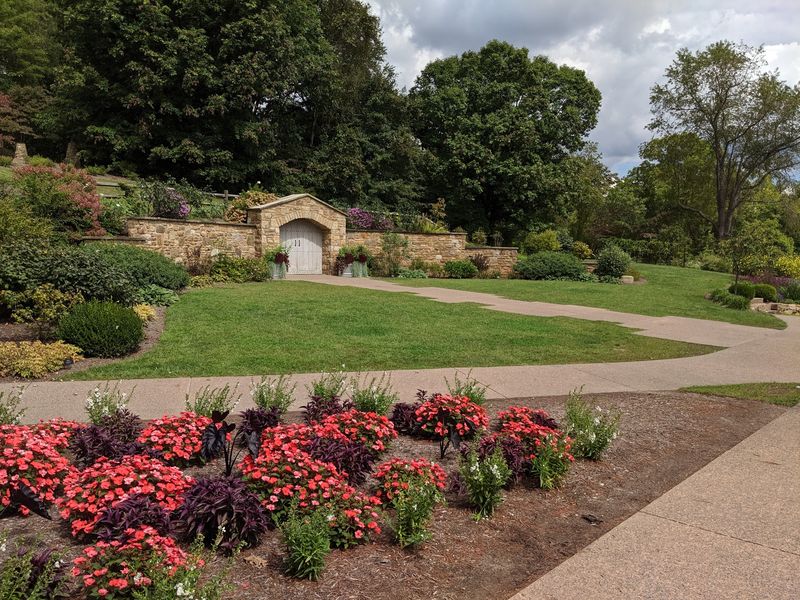
Parents notice the small comforts first, especially when little legs get tired.
Pittsburgh Botanic Garden works well for families because it offers more than pretty scenery.
Guests mention clean facilities, a modern Welcome Center, a gift shop, restrooms, and places where children can pause before or after walking.
One reviewer praised the comfort and breastfeeding room, which has earned local recognition as a helpful space for caregivers.
Kid-friendly features often depend on the season, but the garden’s trails, ponds, meadows, and changing exhibits give young visitors plenty to notice.
A child might care more about bugs, sticks, sculptures, or puddles than plant labels, and that is perfectly fine.
Curiosity is part of the trip.
Planning helps.
Pack water, snacks if allowed, sunscreen, and shoes that can handle uneven ground.
If you bring a stroller, choose one with strong wheels because some paths can feel bumpy or muddy.
Bathrooms are available near the entrance and along the trail, according to visitor comments.
That detail may not sound exciting, but it can make a family outing much less stressful and much more fun.
Seasonal Events Light Up The Garden Calendar

When the sun goes down, the garden can trade bird songs for glowing trees.
Pittsburgh Botanic Garden hosts seasonal events that give visitors fresh reasons to return throughout the year.
Holiday light experiences have received many positive reviews, with guests mentioning bright displays, warm drinks, snack areas, fire features, and sparkling trail scenes.
The pond area can look especially magical during winter weather.
Even so, outdoor events need smart planning.
Winter nights in western Pennsylvania can be cold, windy, snowy, or muddy.
Boots, gloves, warm layers, and patience with shuttle or parking systems can make the evening smoother.
Timed tickets, special packages, and food service details may change, so check the garden’s website before buying tickets.
If you book a later time, look for concession hours so you do not miss a treat.
Families with strollers should expect some darker, rougher sections.
The best part is how the events use the landscape instead of hiding it.
Lights wrap around trees, reflect near water, and guide guests through the same land that once needed healing.
A Peaceful Escape With Practical Visitor Tips
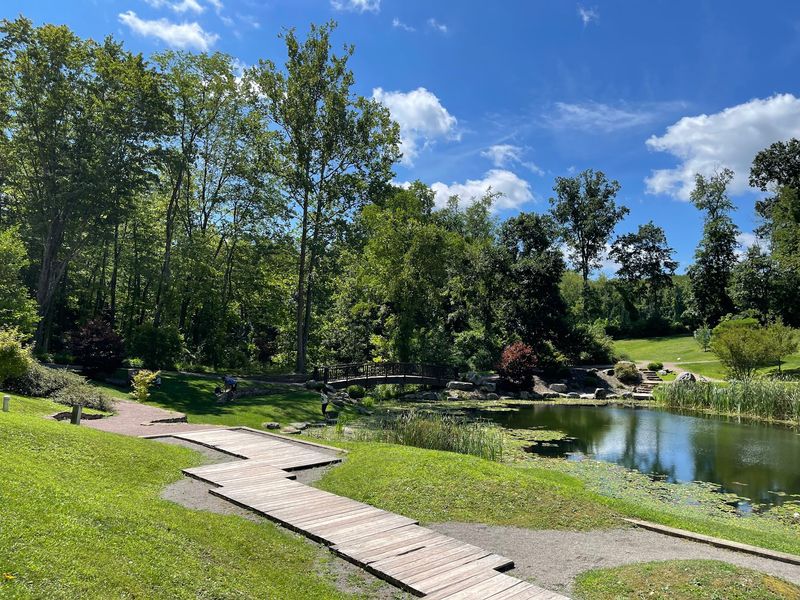
Some places lower your shoulders before you even realize you were tense.
Pittsburgh Botanic Garden has that kind of calm.
Many visitors praise its peaceful atmosphere, friendly staff, woodland views, and mix of sunny and shady spots.
It feels close to the city, yet far enough away to give your brain a break from traffic and noise.
Hours can vary by day and season, and the garden is typically closed on Monday.
Listed hours include 9 AM openings on most operating days, with some evenings extending later.
Call +1 412-444-4464 or visit the official website before heading out, especially for events, weather updates, tickets, café availability, or holiday schedules.
Admission may feel pricey for some guests, so consider a membership if you plan to return often with children or family.
Repeat visits make sense because the garden changes with flowers, leaves, art, weather, and seasonal programs.
Give yourself permission to move slowly.
Read plant signs, browse the shop, rest in the lobby, and choose a route that matches your energy.
The garden rewards patient visitors with quiet details everywhere.