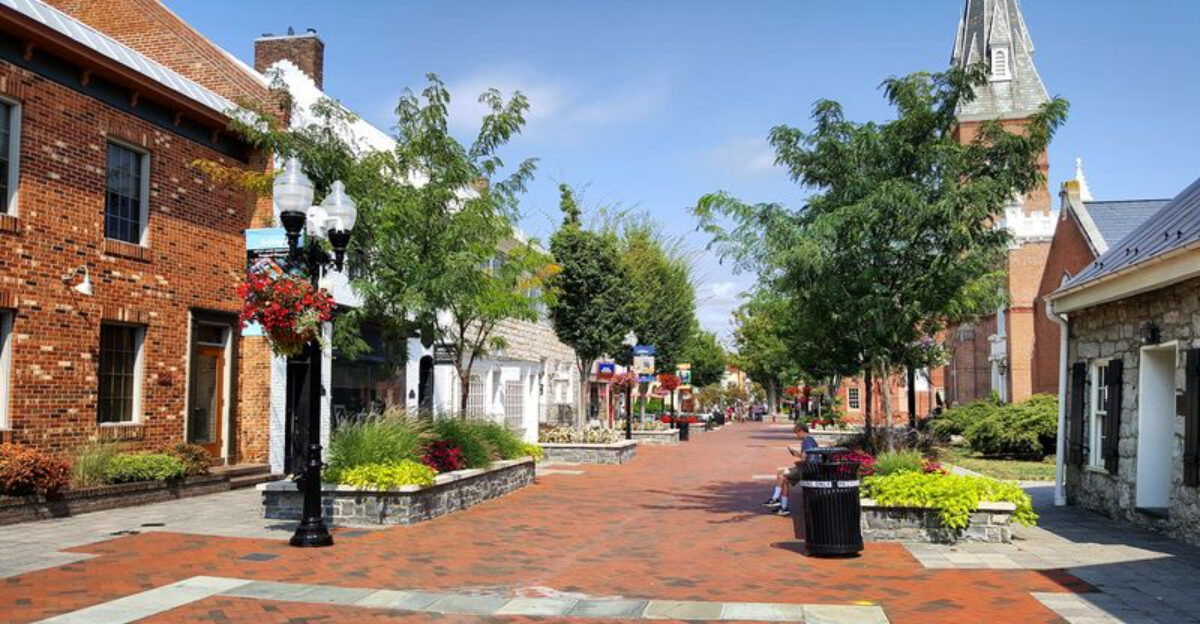
Virginia keeps its history close, not locked away in dusty books but tucked into brick sidewalks, courthouse squares, harbor streets, and mountain roads.
In many towns, a short walk can lead past Revolutionary War sites, Civil War landmarks, old theaters, railroad depots, taverns, churches, and homes that shaped local life for generations.
These places matter because they help us understand how real people lived, worked, argued, traded, dreamed, and rebuilt after hard times.
Pack comfortable shoes, bring curiosity, and get ready for towns where every corner seems ready to whisper a story from the past.
1. Abingdon – Washington County
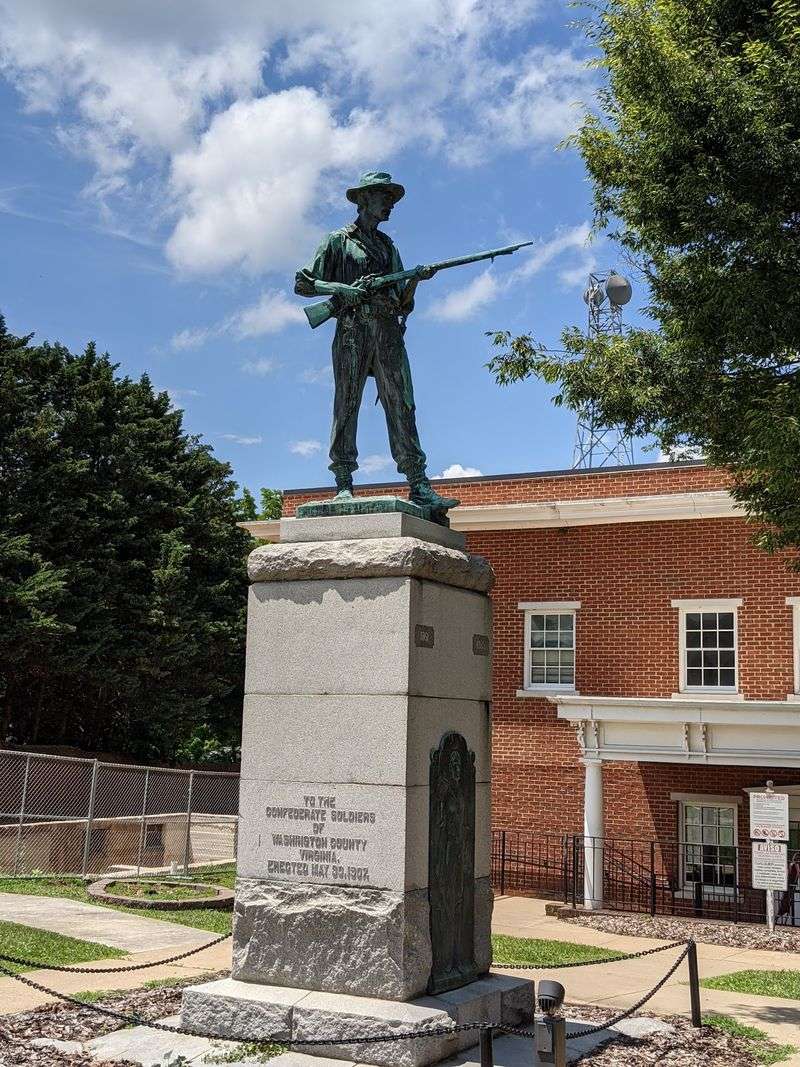
The curtain seems to rise the moment you reach Abingdon, a mountain town with stage lights in its soul.
The famous Barter Theatre opened during the Great Depression, when people could trade food for tickets.
Main Street rewards slow walkers.
Brick storefronts, old inns, and local shops make it easy to picture travelers arriving by wagon, train, or car across many generations.
The Martha Washington Inn, once a school, adds a graceful landmark to the center of town.
History lovers should also look for the Virginia Creeper Trail, which follows an old rail line through woods and rolling countryside.
Rent a bike, stop for photos, and leave time for a meal downtown.
Abingdon works best when you do not rush it.
The town mixes arts, Appalachian heritage, and friendly small-town pride in a way that feels lively rather than frozen.
Every visit offers another doorway into southwest Virginia history.
2. Staunton – Augusta County
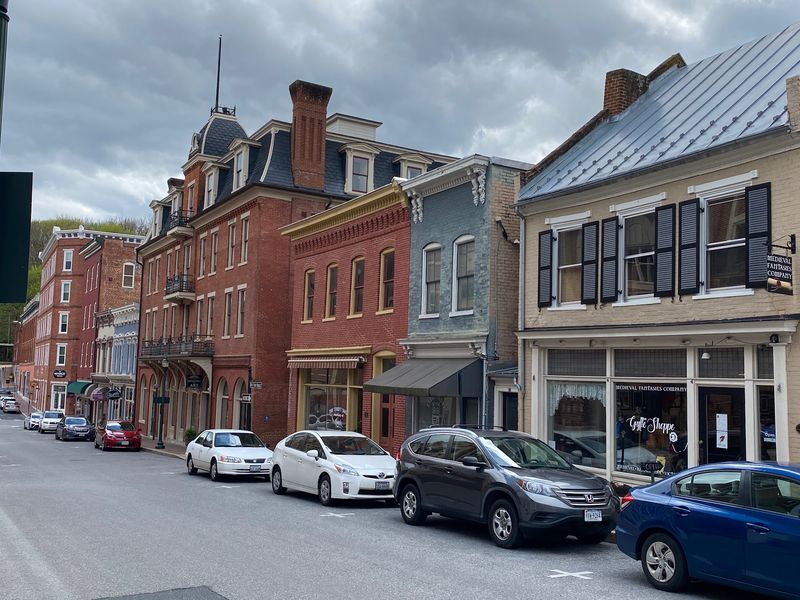
Colorful rooftops and steep streets give Staunton the look of a storybook city built on a hillside.
Its downtown is famous for well-kept Victorian buildings, lively shops, and a strong arts scene.
The Woodrow Wilson Presidential Library and Museum sits near the president’s birthplace and helps visitors understand life in the late 1800s.
Nearby, the American Shakespeare Center’s Blackfriars Playhouse brings old plays to life in a bold, intimate space modeled after a theater from Shakespeare’s time.
Staunton is also a smart base for families who like walkable trips.
You can tour museums, grab lunch in a restored building, then wander past painted signs and iron balconies.
Train fans should notice the city’s railroad roots, which helped Staunton grow into a busy valley hub.
For the best visit, park once and explore on foot.
The hills may test your legs, but the views, architecture, and surprising side streets make each climb worthwhile.
3. Lexington – Rockbridge County
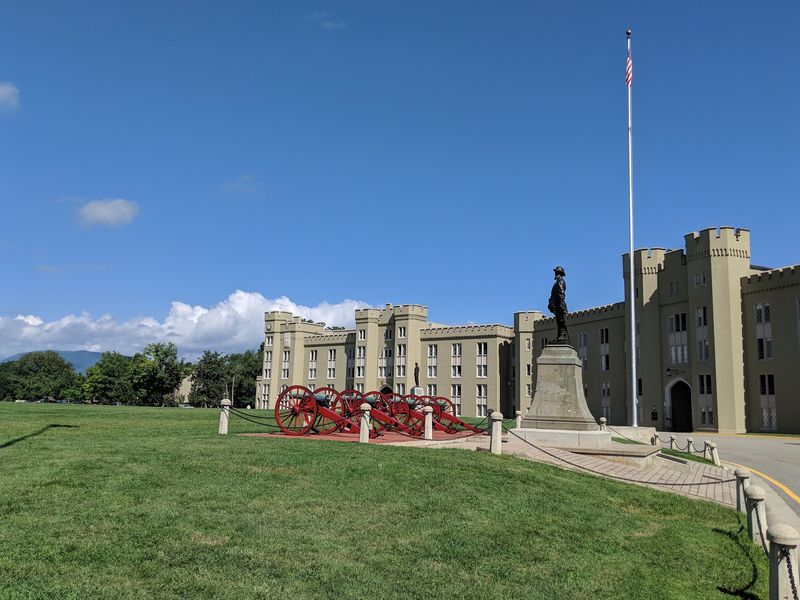
College bells, cadet footsteps, and horse-drawn carriage echoes seem to share the air in Lexington.
Few small towns carry such a strong mix of education, military history, and mountain beauty.
Washington and Lee University and the Virginia Military Institute shape much of the town’s character.
Their historic campuses include museums, chapels, parade grounds, and striking architecture.
Visitors often stop at Lee Chapel, while VMI’s museum gives context to the school’s long history.
Downtown Lexington feels calm but never dull.
Independent bookstores, cafes, and galleries sit inside older buildings that invite window-shopping and people-watching.
For a peaceful break, walk the streets near the campuses or head toward the Maury River for fresh air.
Families should plan ahead because some sites have set tour times or rules for visitors.
Lexington is not just a place to see plaques.
It is a town where learning, memory, and daily life still meet on the same sidewalks.
4. Williamsburg
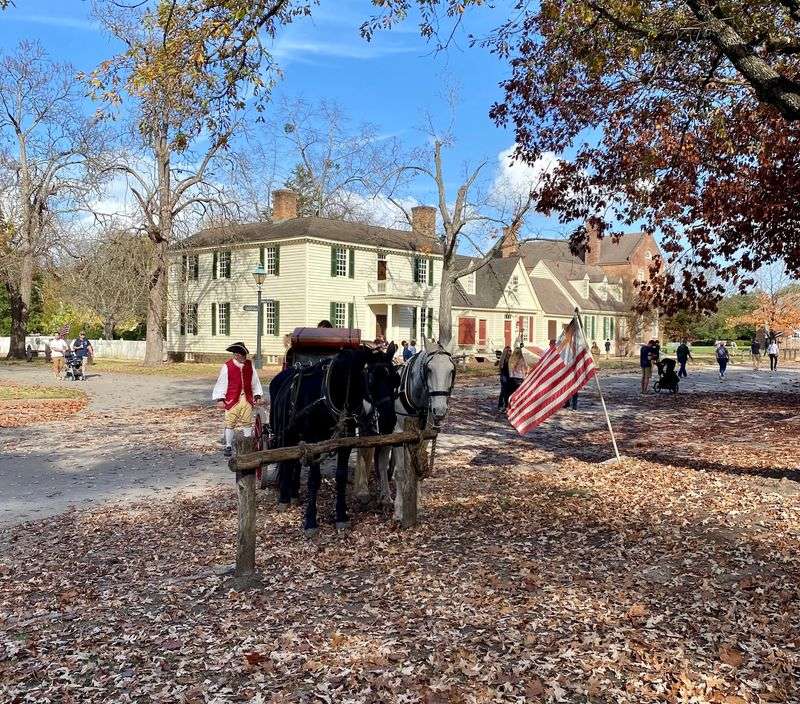
A blacksmith’s hammer can make Williamsburg feel less like a museum and more like a working colonial town.
Colonial Williamsburg is the star, with restored buildings, tradespeople, gardens, and costumed interpreters.
Before Richmond became the capital, Williamsburg played a major role in Virginia politics.
Visitors can see places linked to lawmaking, debate, religion, and daily colonial life.
The Governor’s Palace, Capitol, and Raleigh Tavern help explain how ideas about independence spread.
Good shoes matter here because the historic area covers many blocks.
Start early, check the daily schedule, and choose demonstrations that match your interests.
Children often enjoy watching crafts, hearing drum music, or joining hands-on programs.
Adults may appreciate the layers of truth behind the pretty streets, including stories of enslaved people, artisans, women, and free Black residents.
Williamsburg shines when visitors ask questions.
Behind each doorway is a bigger lesson about power, work, freedom, and change in early America.
5. Yorktown – York County
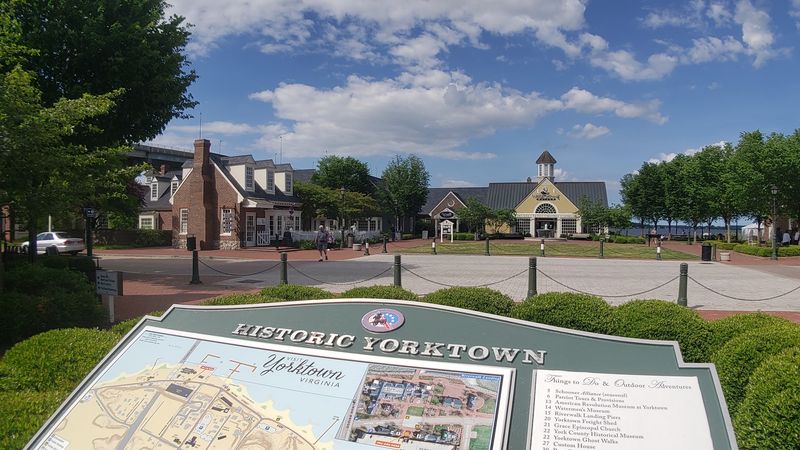
River breezes carry a huge chapter of American history through tiny Yorktown.
In 1781, British forces surrendered here after a key siege, helping bring the Revolutionary War closer to its end.
The Yorktown Battlefield, managed by the National Park Service, is the best place to begin.
Driving and walking routes lead past earthworks, cannons, and open fields where the siege unfolded.
The American Revolution Museum at Yorktown adds films, exhibits, and outdoor living-history areas.
After the battlefield, head to the waterfront for a slower mood.
Shops, restaurants, and river views make the village feel welcoming, not heavy.
Families can ride the free trolley during busy seasons, which saves steps and parking stress.
Try to visit both the serious historic sites and the relaxed riverfront, because Yorktown tells two stories at once.
It remembers a turning point in world history while still acting like a small community shaped by tides, boats, and summer sunsets.
6. Fredericksburg
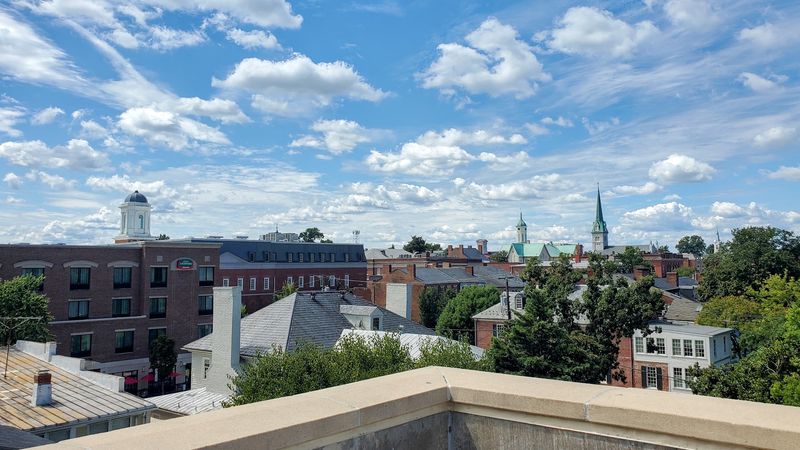
Cannon fire once shook Fredericksburg, but today its brick streets invite patient exploring.
The city stands between colonial history and Civil War memory, giving visitors many ways to understand Virginia’s past.
George Washington’s family ties run deep here.
You can visit sites connected to his mother, Mary Washington, and other early American figures.
Downtown also has eighteenth and nineteenth century buildings filled with shops, restaurants, and galleries, so history sits right beside daily life.
Civil War travelers should allow time for Fredericksburg and Spotsylvania National Military Park.
The stone wall and Sunken Road area show how fierce the 1862 battle became.
A ranger talk can make the landscape much easier to understand, especially for younger visitors.
Between museum stops, take breaks along Caroline Street or near the Rappahannock River.
Fredericksburg works well as a weekend trip because it blends serious landmarks with an active downtown.
The past feels close, but the city never forgets to feed, entertain, and welcome guests.
7. Winchester – Frederick County
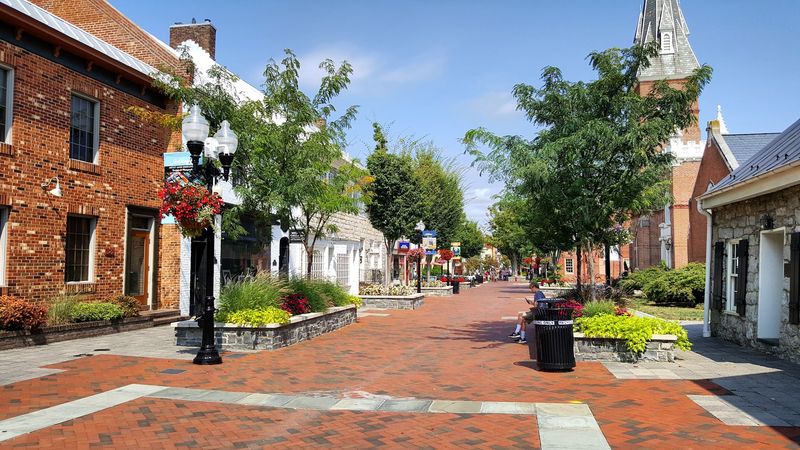
Apple blossoms may be Winchester’s cheerful symbol, yet the town’s roots reach far deeper than spring festivals.
Set in the Shenandoah Valley, Winchester grew as a crossroads for trade, travel, and conflict.
Old Town Winchester is a great starting point.
Its pedestrian mall has brick buildings, local restaurants, public art, and small shops that make strolling easy.
Nearby museums and historic homes explain the area’s frontier life and later Civil War importance.
The town changed hands many times during the Civil War because armies wanted control of the valley.
Visitors can learn more at battlefields, cemeteries, and interpretive sites around the area.
For a lighter stop, look for places linked to singer Patsy Cline, who called Winchester home.
Come hungry, since the downtown food scene gives you a nice reward after walking.
Winchester is best enjoyed as a mix: a little battlefield study, a little music history, a little shopping, and plenty of valley scenery.
8. Leesburg – Loudoun County
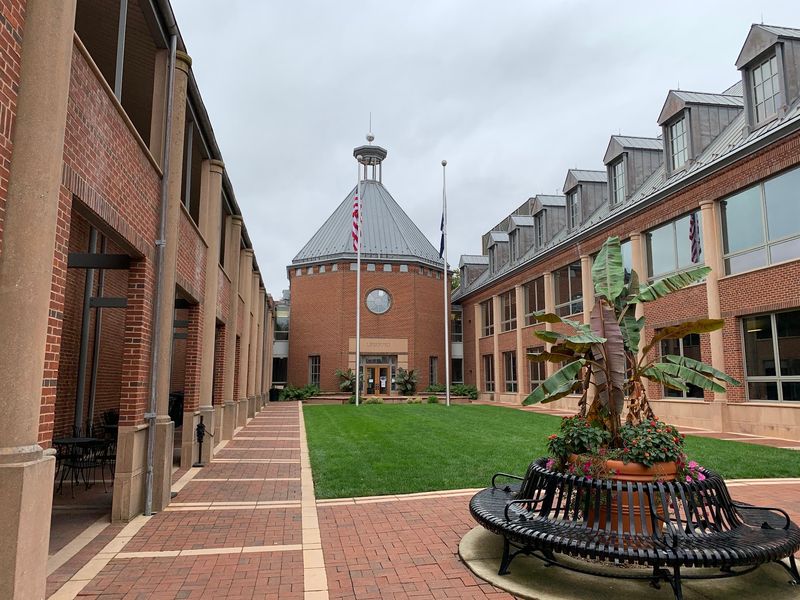
Courthouse squares have a way of collecting secrets, and Leesburg’s has gathered more than two centuries of them.
The town served as a center for Loudoun County life, law, business, and news.
Downtown Leesburg offers an easy blend of history and modern fun.
Restored buildings hold boutiques, coffee shops, restaurants, and antique stores.
The Loudoun County Courthouse area gives the streets a strong civic feel, while nearby historic homes show how the town grew.
Leesburg also sits close to important sites like Ball’s Bluff Battlefield and Morven Park.
Those stops add Civil War history, gardens, and grand estate views to a town visit.
If you like food and scenery, plan extra time for the surrounding countryside, where farms and wineries stretch across rolling land.
Parking can be busy on weekends, so arrive early and walk from one area.
Leesburg makes history feel useful and alive because old streets still support local business, community events, and everyday conversations.
9. Middleburg – Loudoun County
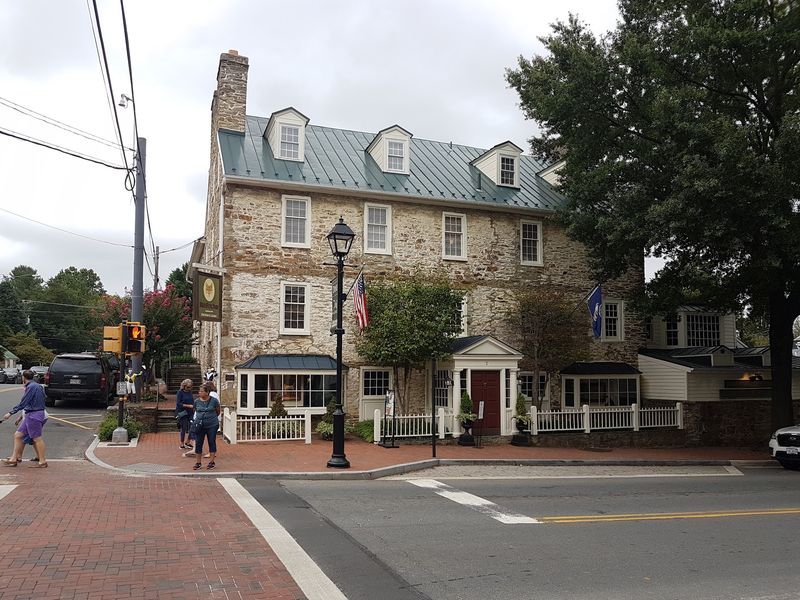
Horses are not background decoration in Middleburg.
They are part of the town’s identity, from foxhunting traditions to elegant farms spread across the surrounding Loudoun County countryside.
The village began in the late 1700s and still keeps a polished, old-Virginia look.
Main Street is lined with brick and stone buildings, small inns, art galleries, and carefully styled shops.
Even a short walk reveals why Middleburg became known as the nation’s horse and hunt capital.
Visit the National Sporting Library and Museum to understand the area’s equestrian culture through art, books, and exhibits.
Then leave time to wander, because the town is compact and pleasant.
Prices can be higher than in some small towns, so budget for a special lunch or simply enjoy window-shopping.
Country roads nearby offer beautiful views, especially in fall.
Middleburg tells a different kind of history, one shaped by sport, land, style, and rural tradition rather than battlefields or busy ports.
10. Occoquan – Prince William County
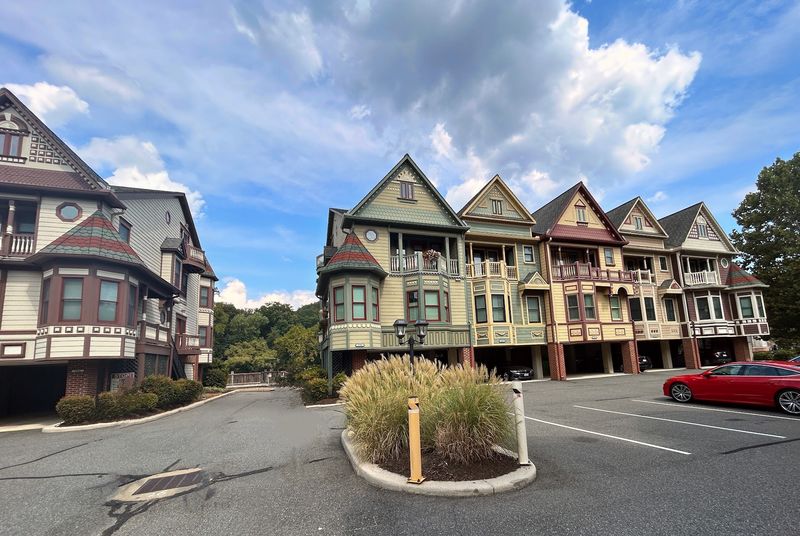
The Occoquan River gives this small town its sparkle and its story.
Long before visitors came for boutiques and brunch, waterpower helped run mills and support local industry.
Occoquan’s compact historic district is ideal for a half-day trip.
Narrow streets, colorful storefronts, and river views create a cozy setting that feels different from nearby suburban areas.
The town’s name comes from an Algonquian word often connected with water, which fits the place perfectly.
Start near the river and work your way through galleries, gift shops, and cafes.
Look for signs and markers that explain the old mill history and the town’s growth.
Because streets are small, parking can fill quickly during festivals or sunny weekends.
Arrive early or be ready to walk a bit.
Occoquan is especially good for visitors who want history without a long museum day.
Its past appears in the bend of the river, the tight street plan, and the buildings that now hold cheerful local businesses.
11. Cape Charles – Northampton County
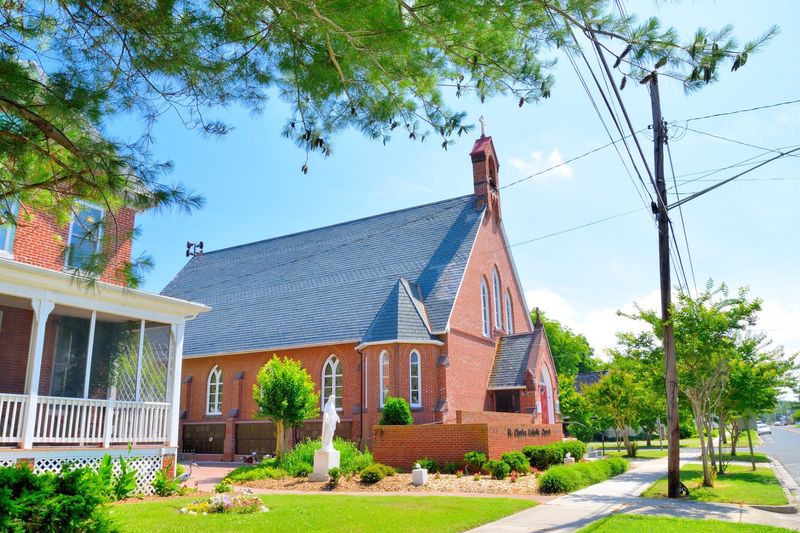
Salt air softens the edges of Cape Charles, a bay town with a railroad past and a beach-town present.
Its streets feel calm, colorful, and easy to explore.
Cape Charles grew in the late 1800s as a planned railroad and ferry town on Virginia’s Eastern Shore.
The historic district still shows that careful layout, with broad streets, porches, and many Victorian-era homes.
The old rail connection helped move people and goods across the Chesapeake Bay region.
Today, visitors come for sunsets, seafood, and a walkable downtown near the water.
The public beach is gentle and family-friendly, with shallow water that suits younger swimmers.
Bring a bike or rent a golf cart if you want to cover more ground.
Architecture fans should wander slowly and notice trim, towers, and porch details.
Cape Charles is a rare place where transportation history, coastal charm, and vacation ease all fit together.
Stay until evening, when the bay turns gold and the whole town seems to exhale.
12. Smithfield – Isle of Wight County
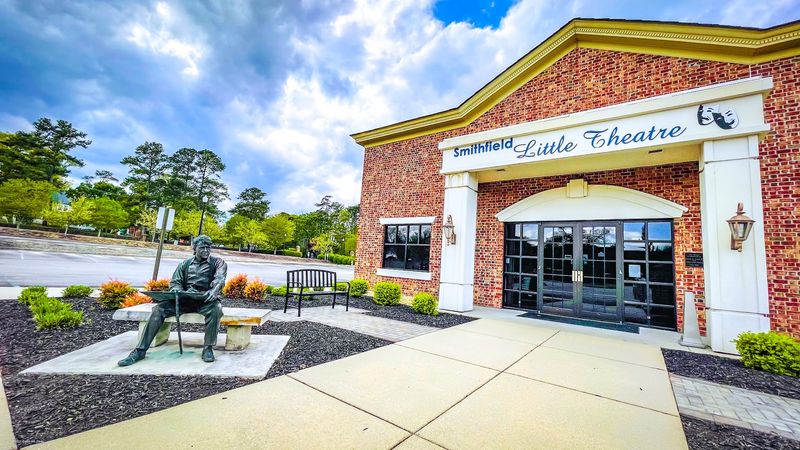
The word ham follows Smithfield everywhere, but the town is much more than a famous flavor.
Its history includes colonial homes, river trade, church life, and a downtown built for lingering.
Smithfield’s historic district has more than enough charm for a relaxed day trip.
The Isle of Wight County Museum explains local history, including the town’s food traditions and early settlement.
St. Luke’s Historic Church nearby is one of Virginia’s oldest surviving church buildings and deserves a careful visit.
Downtown streets offer shops, cafes, and architectural details that reward slow looking.
Check hours before you go, since smaller museums and sites may change schedules by season.
Food lovers should try local specialties, but leave room for walking afterward.
Smithfield’s story is practical and tasty: farms, rivers, preservation, and community pride all helped shape it.
The town proves that history does not always need a battlefield to be memorable.
Sometimes it arrives on a plate, beside a churchyard, or along a quiet street.
13. Onancock – Accomack County
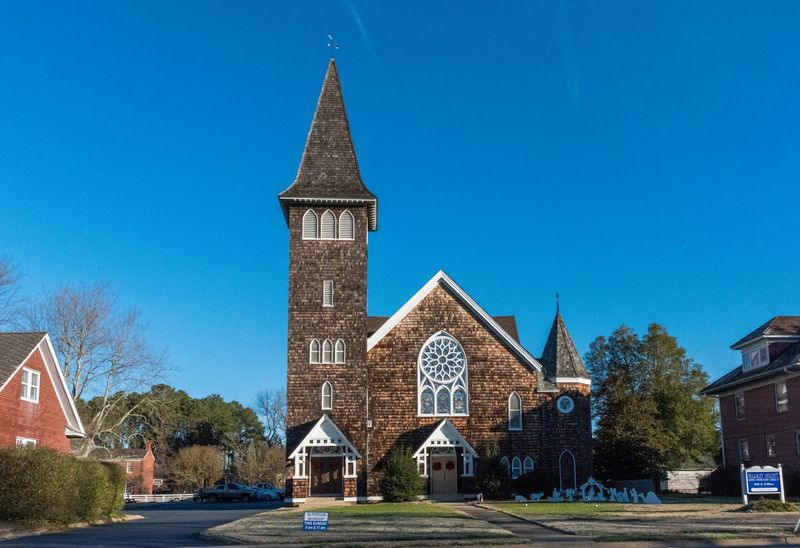
Onancock feels like the kind of place sailors might recommend in a whisper.
Tucked along Onancock Creek, the town has long depended on water, trade, and Eastern Shore grit.
In earlier centuries, the creek connected local farmers, merchants, and travelers to wider markets.
Today, the waterfront still anchors the town, with boats, sunsets, and a relaxed pace.
The streets hold older homes, small churches, galleries, restaurants, and shops that make wandering feel personal.
For a memorable visit, walk from the downtown area toward the wharf and notice how quickly land and water meet.
Kayaking, boat rides, and nearby nature trips add another layer to the experience.
Onancock is quieter than Virginia’s better-known historic destinations, which is part of its charm.
Check restaurant and shop hours, especially outside peak travel seasons.
The town suits visitors who enjoy slow discoveries rather than packed schedules.
Its stories come through creek views, weathered wood, friendly greetings, and the steady rhythm of shore life.
14. Warrenton – Fauquier County
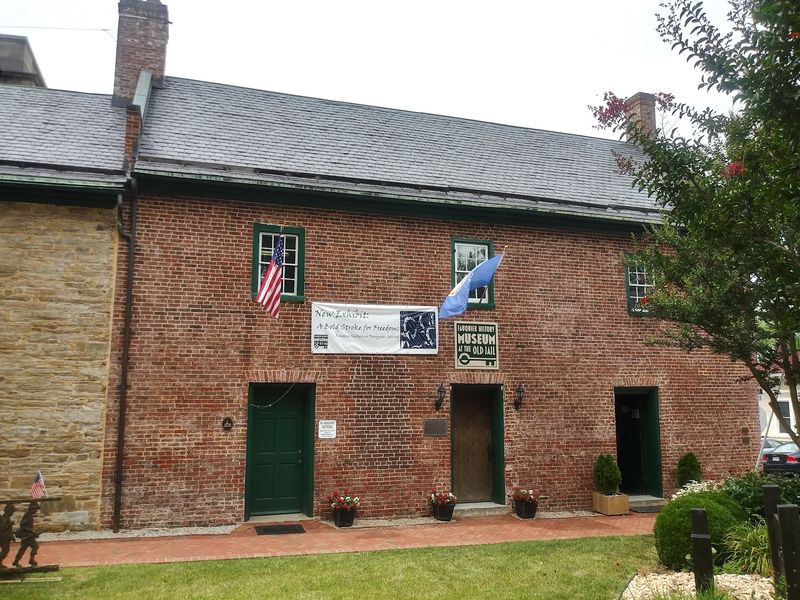
Warrenton has a polished courthouse-town feel, but look closer and the streets reveal plenty of drama.
Its location in Virginia’s Piedmont made it important for travel, trade, and wartime movement.
The Fauquier County Courthouse anchors the historic downtown, surrounded by brick buildings, restaurants, shops, and offices.
Many structures reflect the town’s nineteenth century growth, while markers and nearby sites connect Warrenton to Civil War campaigns and local figures.
Walking is the best way to take in the details.
Notice old stonework, upper-story windows, church steeples, and side streets that lead away from the main square.
The surrounding countryside adds horse farms, vineyards, and Blue Ridge views, so consider pairing town time with a scenic drive.
Warrenton is also practical for travelers coming from Northern Virginia who want history without going too far.
Visit on a market day or during a local event if you enjoy extra energy.
The town balances elegance and everyday life, making its past easy to approach.