Virginia knows how to hide its best surprises in the woods.
One minute you are walking under tall trees, and the next you hear water crashing over stone like nature turned up the volume.
These waterfall hikes are more than pretty photo spots, because they give families, friends, and solo hikers a reason to slow down, breathe fresh air, and see the state from a wilder side.
Some trails are short and easy, while others make your legs work before the big reward appears.
You will find falls tucked near mountain towns, inside famous parks, and even close to busy Northern Virginia.
Bring sturdy shoes, water, snacks, and a sense of adventure.
The paths may be muddy, rocky, or steep, but the views can stay in your memory for years.
Pick a favorite, check trail conditions, and start planning your next Virginia waterfall day.
1. Crabtree Falls – Montebello
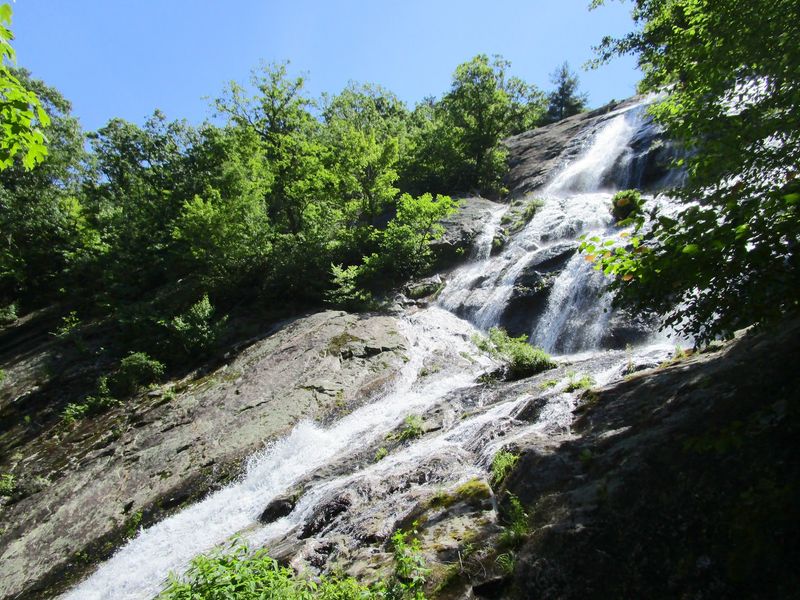
Water seems to tumble forever at Crabtree Falls, one of Virginia’s most dramatic waterfall hikes.
Near Montebello in Nelson County, this famous Blue Ridge stop drops in several long tiers, making the trail feel like a moving postcard.
The hike is about 2.5 to 3 miles round trip if you climb to the upper viewpoints.
It is steep in places, with stairs, switchbacks, and overlooks that let you rest while watching the water crash over dark rock.
Stay behind rails and signs, because the slick rocks here are dangerous and have caused serious accidents.
Good shoes matter, especially after rain, and kids should stay close on the climb.
Go early if you want easier parking and quieter views.
Fall brings bright leaves, spring brings heavy flow, and summer gives you that cool mountain mist.
Pack water, take your time, and enjoy the way each overlook reveals a new piece of the falls.
2. Cascade Falls – Pembroke
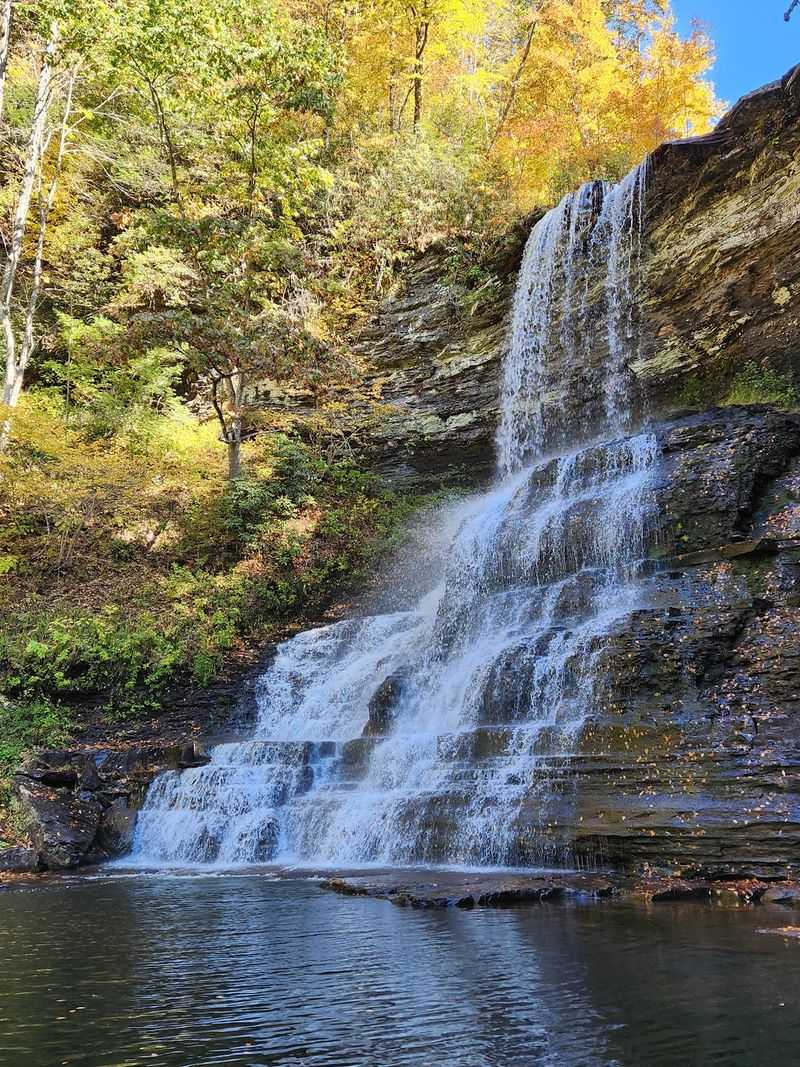
A cold creek sings beside you almost the whole way to Cascade Falls, and that steady sound keeps hikers moving.
Located near Pembroke in Giles County, this beloved trail leads to a broad 66-foot waterfall with a clear pool below.
The full loop is about 4 miles, though many people take the lower trail in and the upper trail back.
The lower route feels more exciting because it follows Little Stony Creek past bridges, boulders, and small cascades.
Families like this hike, but the path can still be rocky and wet.
Wear shoes with grip, bring a light jacket for the cool spray, and avoid climbing on slick stones near the falls.
Summer weekends can get busy, so arrive early or visit on a weekday.
The waterfall is part of the Cascades Recreation Area in Jefferson National Forest, and there is usually a small day-use fee.
The reward feels far bigger than the effort.
3. White Rock Falls – Massies Mill
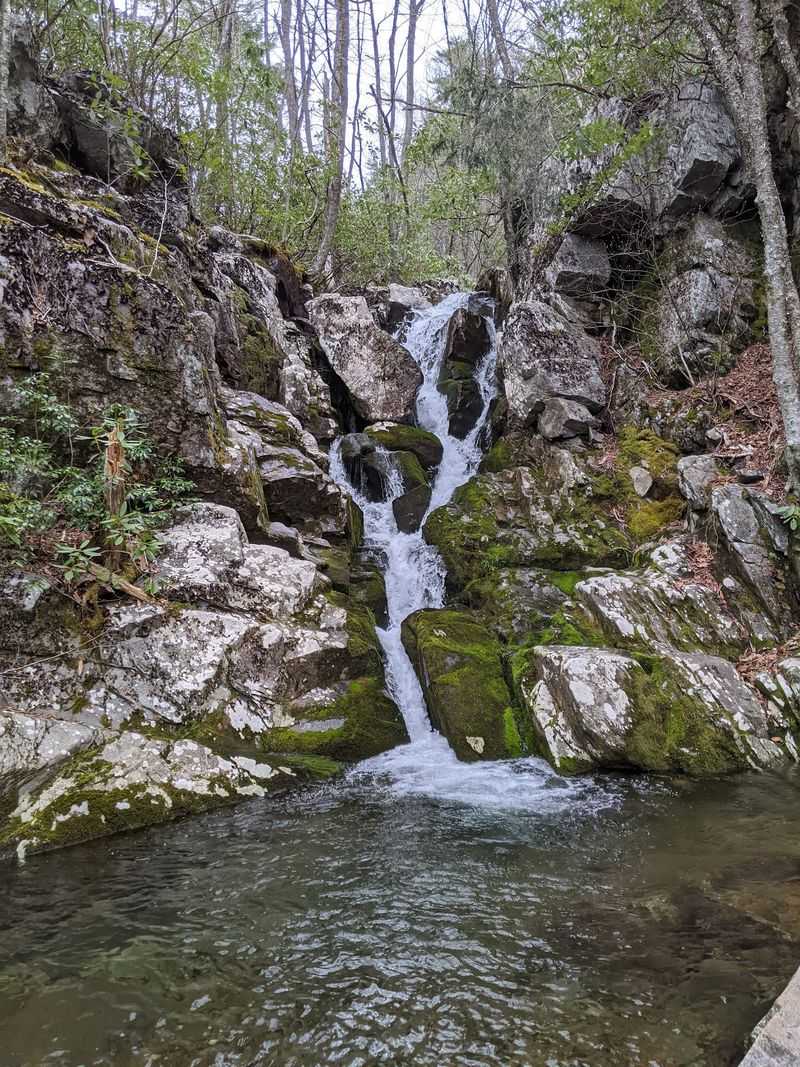
Not every waterfall needs a huge roar to win your attention.
White Rock Falls near Massies Mill offers a quieter Blue Ridge adventure, with a trail that feels peaceful, woodsy, and just challenging enough to make lunch taste better afterward.
The waterfall sits near the Blue Ridge Parkway, and hikers often reach it from the Slacks Overlook area.
Depending on your route, the hike can range from a shorter out-and-back to a longer loop of about 4 to 5 miles.
Expect rocky footing, forest shade, and stream crossings that may be tricky after heavy rain.
The falls slide over pale stone, creating a lovely place to pause, listen, and cool off without the crowds found at more famous spots.
Spring wildflowers add color, while autumn turns the ridges into a patchwork quilt.
Bring a map or downloaded trail directions, since signs can be limited.
This hike suits people who enjoy a little solitude with their scenery.
4. Dismal Falls – Narrows
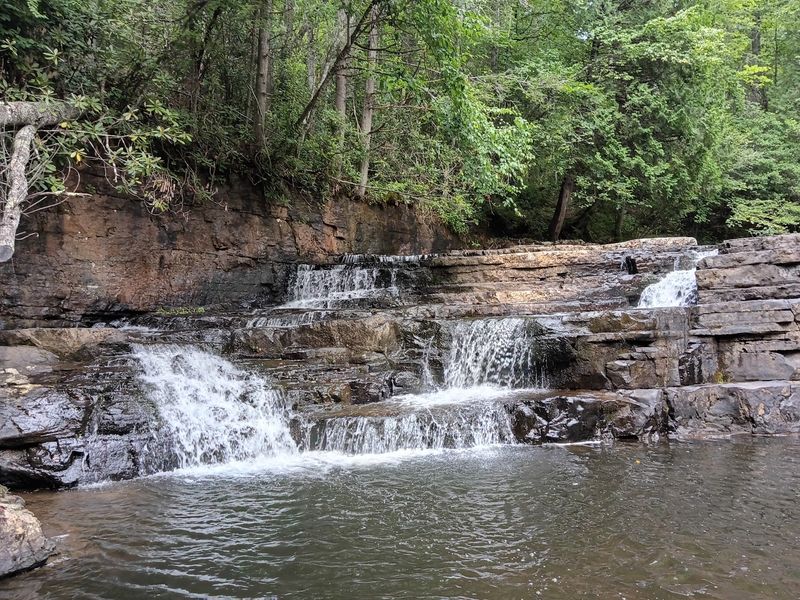
The name sounds gloomy, but Dismal Falls is anything but sad.
Near Narrows in Giles County, this wide, low waterfall spreads across rock ledges and pours into a shallow pool that feels made for a relaxed mountain break.
Many visitors reach it by a short walk from the parking area, though Appalachian Trail hikers know it as a welcome side stop.
Because the access can involve rough gravel roads, check conditions before heading out, especially after storms.
The falls are not very tall, but they make up for it with charm and easygoing beauty.
Flat rocks, moving water, and forest shade create a picnic-friendly scene, though you should still watch for slippery spots.
This is a smart pick when you want waterfall beauty without a long climb.
Bring bug spray in warm months, pack out trash, and keep pets leashed.
The area feels simple and old-fashioned, like the kind of place locals quietly love and visitors remember.
5. Comers Creek Falls – Speedwell
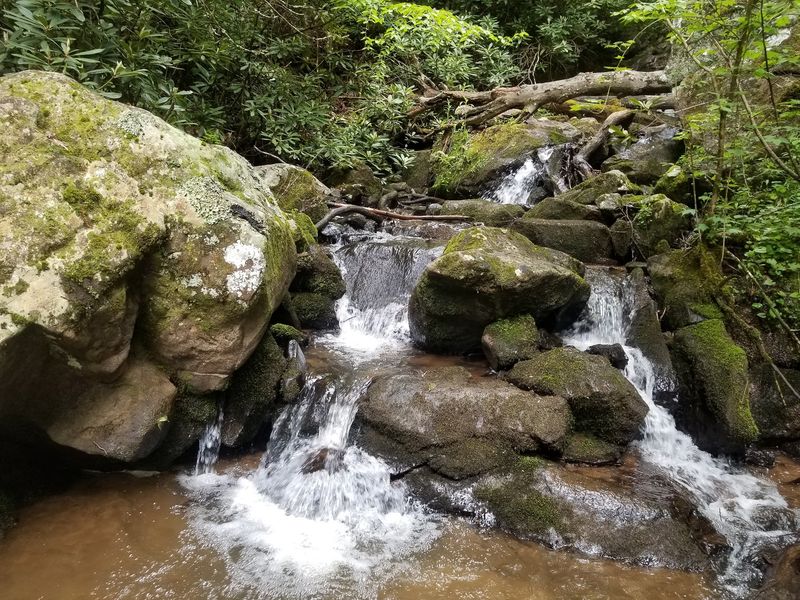
A small sign and a forest path lead to one of southwest Virginia’s sweeter surprises.
Comers Creek Falls, near Speedwell in Smyth County, rewards hikers with a pretty waterfall tucked into a leafy mountain hollow.
The hike is usually described as moderate and is often reached from the Comers Creek Falls Trail near the Mount Rogers National Recreation Area.
Expect a forested route with creek sounds, uneven ground, and enough climb to remind you that waterfalls like gravity.
The falls drop in a narrow ribbon over rock, creating a cool, shaded spot that feels far from town.
It is a fine choice for hikers who want beauty without the heavy crowds that gather at bigger-name trails.
Because the area is more remote, download directions before you lose service.
Bring water, snacks, and a basic first-aid kit, even for a shorter outing.
Wildflowers, ferns, and moss add quiet details, so slow down and notice the little things along the trail.
6. Little Stony Falls – Dungannon
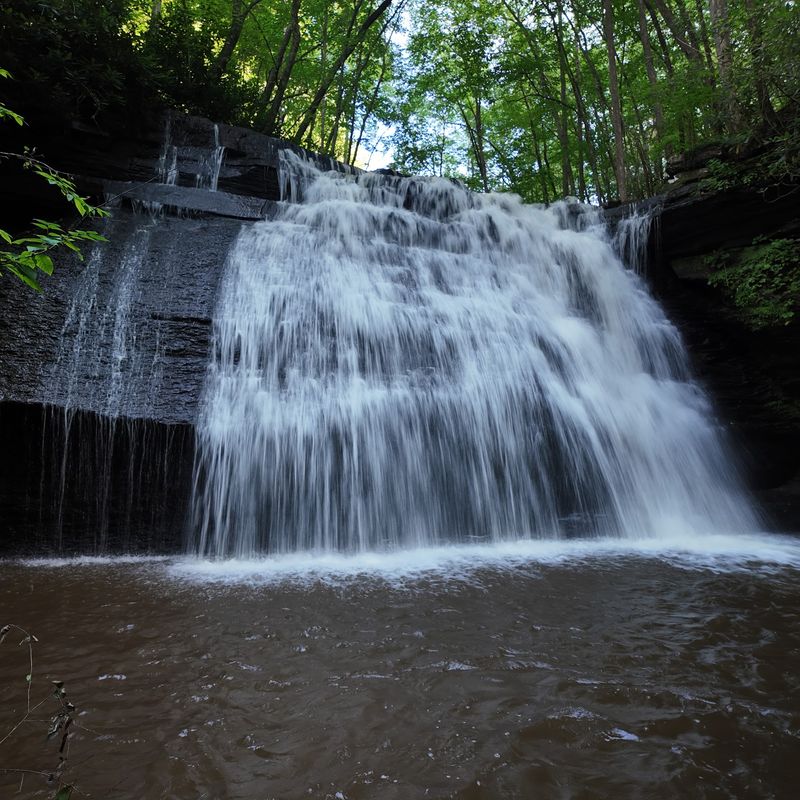
The trail to Little Stony Falls has the energy of a creek that cannot sit still.
Near Dungannon in Scott County, this hike follows Little Stony Creek through a rugged gorge filled with rapids, rock walls, and several waterfall views.
The main waterfall is often reached by a hike of roughly 2.5 to 3 miles one way, depending on where you start.
Bridges and creekside sections make the route exciting, but rain can raise water levels and make footing more serious.
Bring sturdy shoes and expect roots, rocks, and muddy patches.
The scenery feels wild in the best way, with rushing water beside you and forest closing in around the trail.
Photographers should love the mix of moving water and mossy stone.
Families with older kids may enjoy it, but younger children need close watching near drop-offs and fast water.
Plan enough time so you are not racing back, because this gorge deserves a slow, curious pace.
7. Blue Suck Falls – Clifton Forge
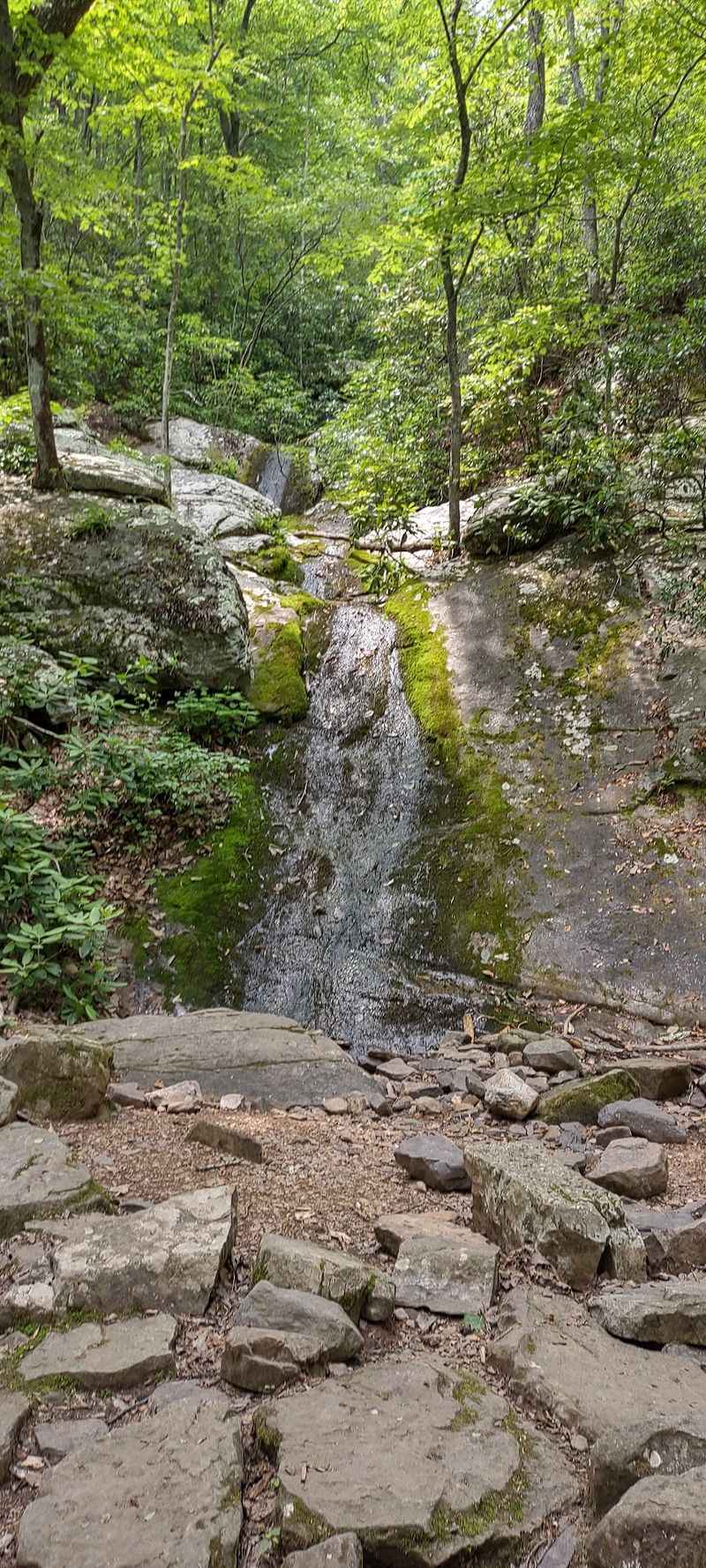
Blue Suck Falls has a strange name, and that alone makes many hikers curious.
Found in Douthat State Park near Clifton Forge, the waterfall sits along a mountain trail where the journey can be just as interesting as the water.
The Blue Suck Falls Trail is part of a larger network inside the park, so distances vary with your chosen loop.
Some routes are steep and can feel like a workout, especially when you climb away from the lake area.
The falls are often best after rain or during wetter seasons, since the flow can shrink in dry weather.
Even then, the trail offers forest views, mountain air, and a strong sense of being deep in the Alleghany Highlands.
Stop by the park office for current trail advice, especially if you are building a loop.
Douthat also has camping, cabins, fishing, and lake views, so this waterfall fits nicely into a full weekend.
Think of it as a hike with bonus state park comforts.
8. Stony Run Falls – Clifton Forge
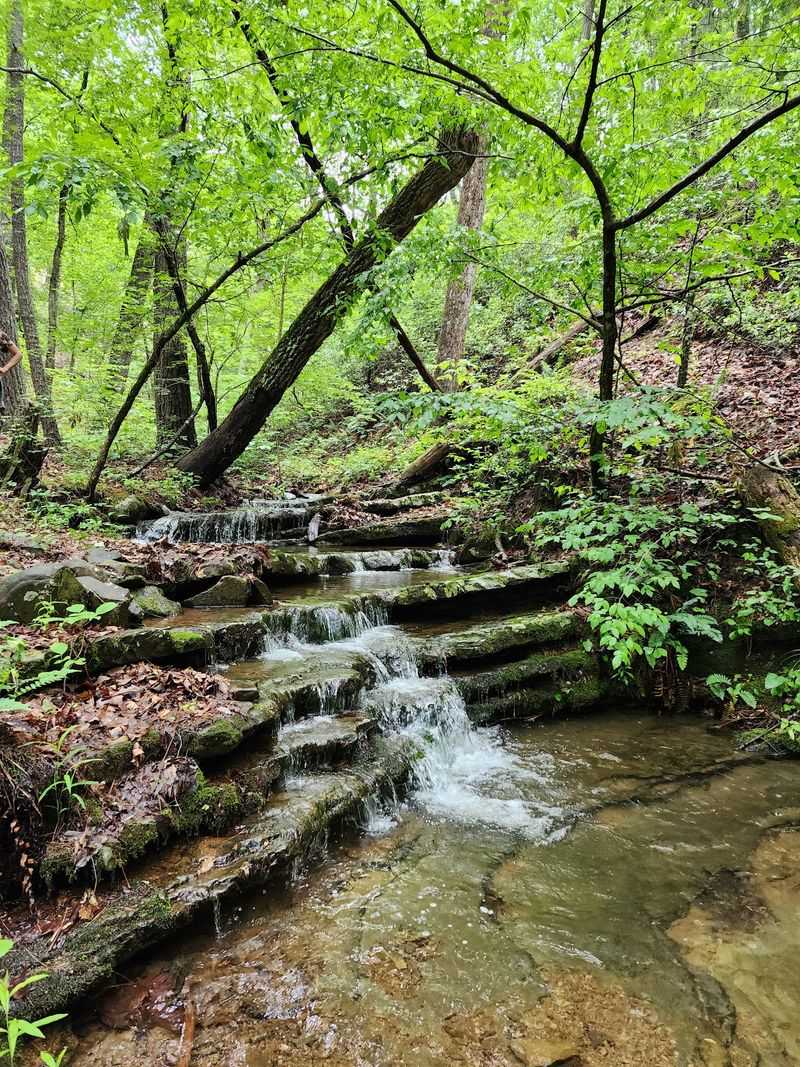
A bubbling stream keeps Stony Run Falls feeling cheerful from start to finish.
Also located in Douthat State Park near Clifton Forge, this waterfall is part of a quieter trail experience than some of the park’s tougher climbs.
Hikers can reach the falls by using the Stony Run Trail and nearby connecting paths.
The exact distance depends on your loop, so grab a park map or download one before leaving the main area.
The waterfall is not a giant, but its setting has a gentle mountain charm.
Clear water steps over rocks, birds move through the trees, and the forest gives you plenty of shade during warmer months.
This is a good option if you want a calmer outing in the same park that holds Blue Suck Falls.
After your hike, you can enjoy Douthat Lake, picnic areas, or scenic drives nearby.
Wear shoes that can handle damp ground, and visit after rain if you want stronger water flow.
9. Scott’s Run Waterfall – McLean
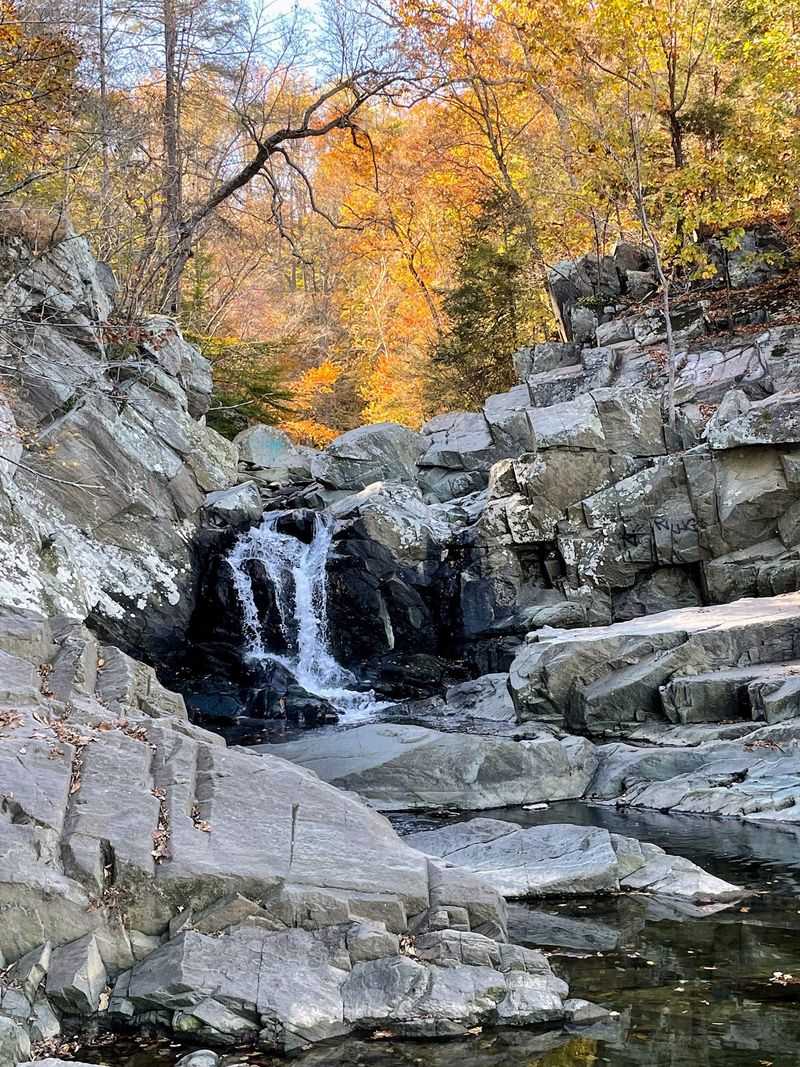
Traffic hums not far away, yet Scott’s Run Waterfall feels like a secret pocket of wildness.
Located in Scott’s Run Nature Preserve in McLean, this Northern Virginia hike gives city-weary visitors a quick escape near the Potomac River.
The walk to the waterfall can be short, often under 2 miles round trip, but the preserve has several connecting trails.
Some paths are steep, eroded, or muddy, so do not treat it like a sidewalk stroll.
The waterfall drops over rocks near where Scott’s Run meets the Potomac, creating a pretty scene that is especially refreshing in spring.
Swimming and wading are not allowed, and the area needs careful respect because heavy use has damaged parts of the preserve.
Parking fills fast on nice weekends, so morning visits work best.
Stay on marked trails, carry out every wrapper, and keep dogs leashed.
For anyone near Washington, DC, this waterfall proves you do not need a full road trip to find moving water and trees.
10. Little Mountain Falls – Stuart
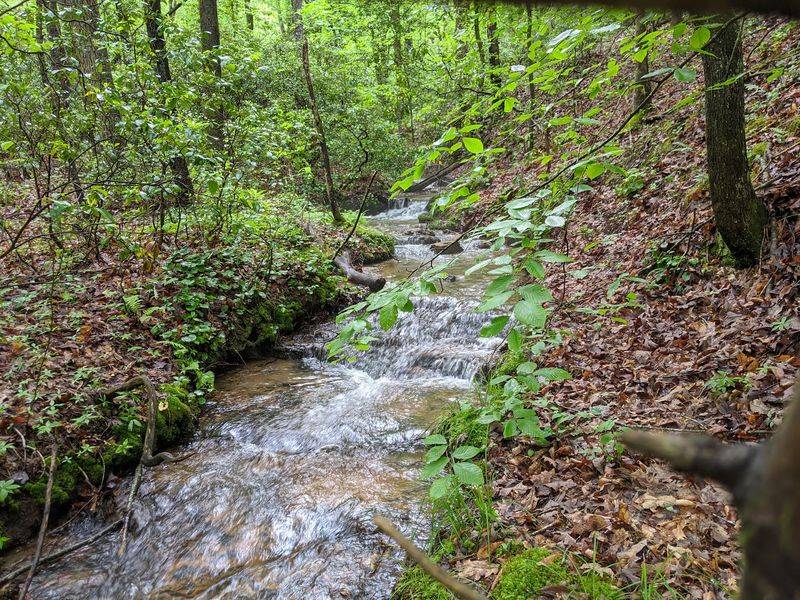
Fairy stones may get the fame here, but Little Mountain Falls gives hikers another reason to visit Stuart.
The waterfall is found in Fairy Stone State Park, a place known for its cross-shaped mineral crystals and quiet foothill scenery.
The Little Mountain Falls Trail is a loop of about 3 miles, with moderate climbing and forest paths.
It works well for hikers who want exercise without committing to an all-day mountain trek.
The falls are usually modest, so plan your visit after rain or in spring for the best flow.
Even when the water is light, the trail offers peaceful woods, rocky stream spots, and a nice break from busy roads.
Pair the hike with time at Fairy Stone Lake, a picnic, or a search for the park’s famous stones in approved areas.
Wear comfortable shoes, bring water, and check park maps before starting.
This stop feels low-key, friendly, and easy to enjoy at a relaxed pace.
11. Whiteoak Canyon Falls – Syria
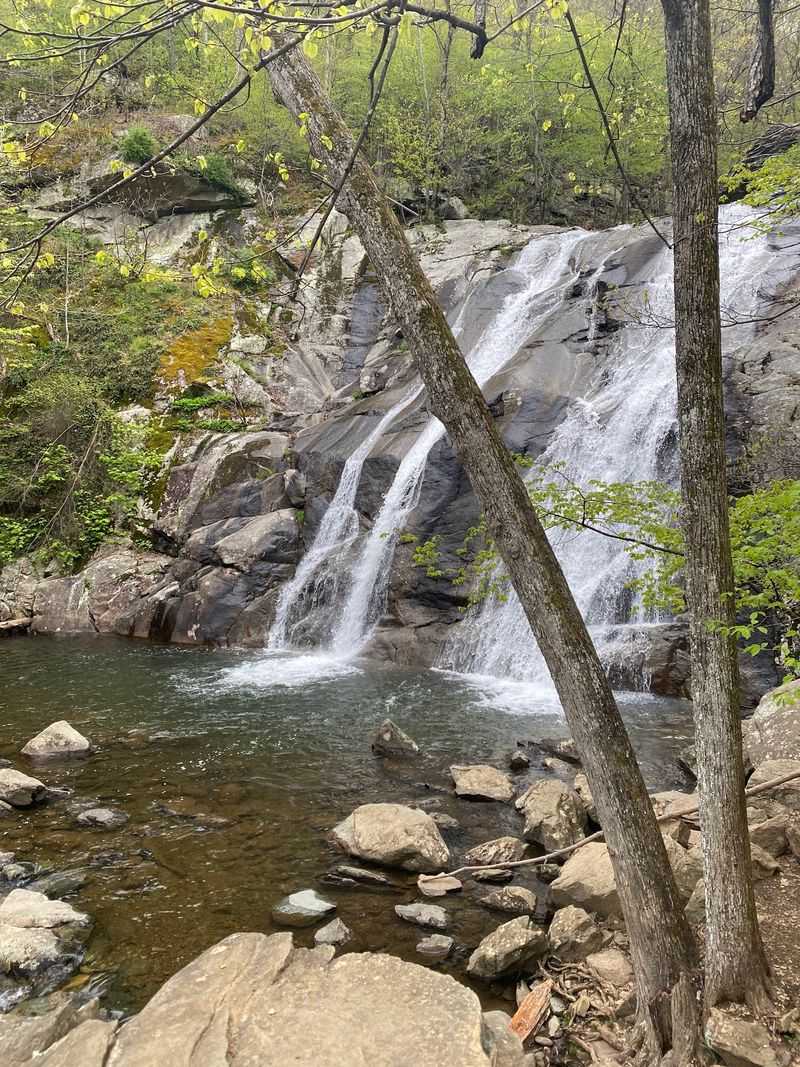
Whiteoak Canyon does not believe in giving you just one waterfall.
Near Syria, on the eastern side of Shenandoah National Park, this famous canyon holds a series of falls that make hikers keep saying, just one more viewpoint.
The full Whiteoak Canyon hike can be strenuous, especially if you connect it with Cedar Run.
Shorter out-and-back routes are possible from the lower boundary trailhead or from Skyline Drive, but every option includes elevation change.
The waterfalls vary from tall plunges to smaller cascades sliding through rock chutes.
In warm months, the cool gorge feels wonderful, though wet stones and steep sections require patience and careful steps.
Start early, because parking is limited and the trail is popular.
Shenandoah National Park charges an entrance fee if you enter through park access points, and rules protect the canyon’s fragile beauty.
Bring more water than you think you need, and save energy for the climb back.
12. Rose River Falls – Syria
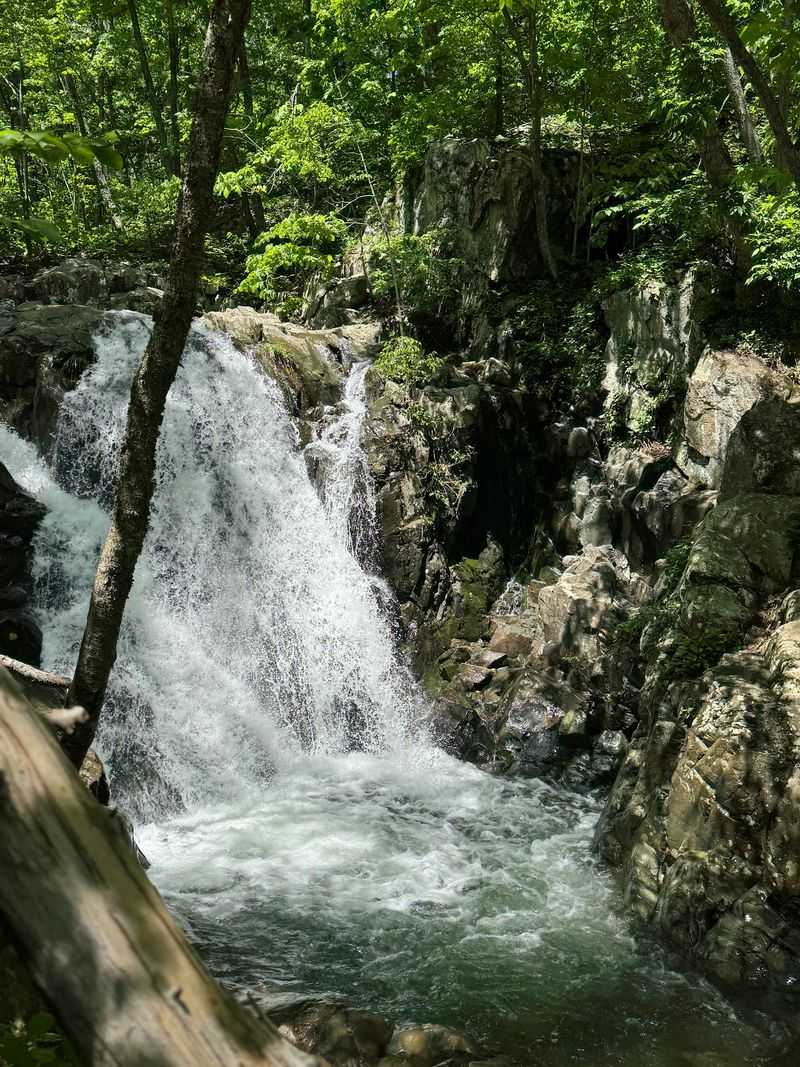
Rose River Falls feels like the friend who always brings extra snacks to the party.
Near Syria in Shenandoah National Park, the Rose River Loop offers steady creek scenery, smaller cascades, and a lovely main waterfall along one rewarding route.
The loop is commonly about 4 miles, depending on the exact path, and it is rated moderate.
Hikers descend into a forested hollow, follow water for a good stretch, then climb back toward Skyline Drive.
The main falls drop about 67 feet in a graceful rush over rock.
Nearby stream sections give you plenty of places to pause for photos, but slippery rocks make careful footing a must.
Many hikers combine Rose River with Dark Hollow Falls for a longer day, though that adds effort.
Fall colors are gorgeous, spring flow is lively, and summer shade helps on hot afternoons.
Carry water, watch the weather, and remember that the return climb feels longer when you are tired.