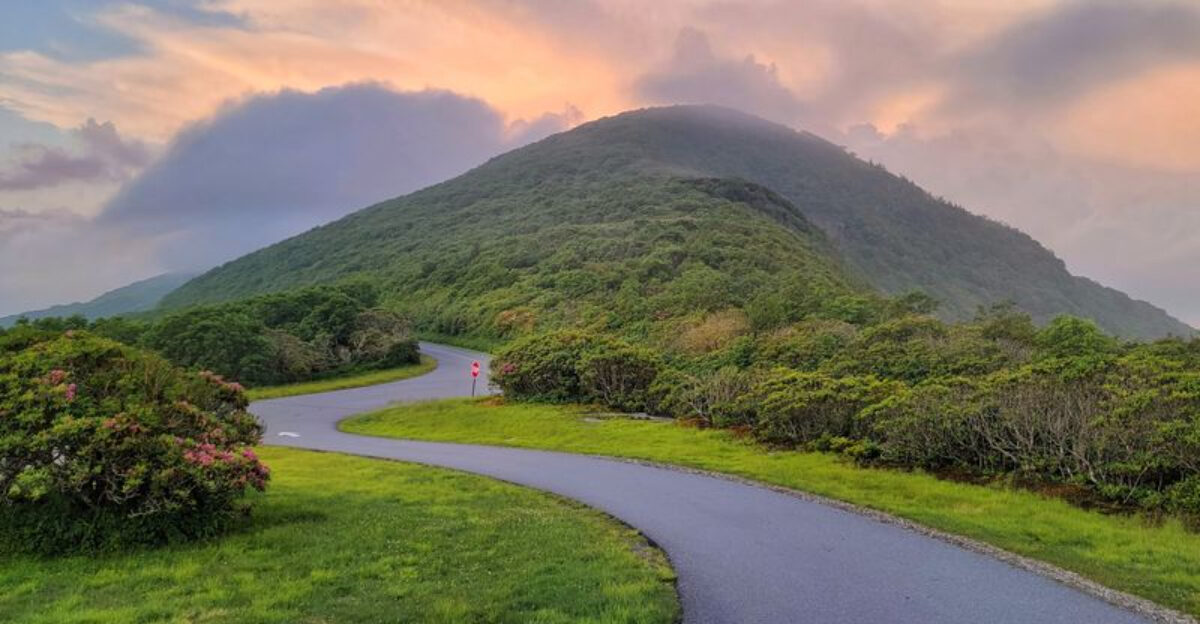
Some road trips are really about the destination, but Virginia has a way of making the drive itself the best part.
One minute you can be winding through misty Blue Ridge mountains, and the next you’re cruising past quiet farms, historic towns, rivers, or wide-open coastal scenery.
That variety is what makes getting behind the wheel here so much fun.
Virginia’s scenic routes aren’t just pretty stretches of pavement.
They’re invitations to slow down, roll down the windows, and pull over whenever the view demands it.
You might stop for a waterfall, wander through a charming small town, find an overlook you weren’t expecting, or simply enjoy a stretch of road with nowhere particular to be.
From iconic mountain roads to lesser-known byways, these 10 scenic Virginia drives turn an ordinary day on the road into something worth remembering.
Just bring a full tank, a good playlist, and enough time to take the long way around.
1. Skyline Drive – Front Royal to Rockfish Gap
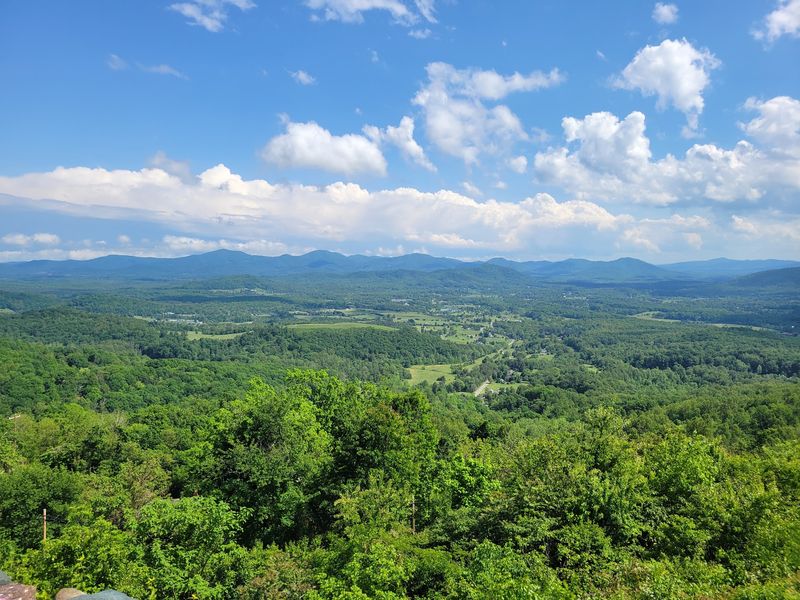
Morning fog often slips over Skyline Drive like a curtain before a show.
The road runs 105 miles through Shenandoah National Park, linking Front Royal with Rockfish Gap near Waynesboro.
Plan for slow travel, because the speed limit is 35 miles per hour and wildlife may appear near curves.
Deer, black bears, wild turkeys, and hawks are part of the experience, so keep your eyes moving and your camera ready, but never stop in the lane.
Overlooks are the real stars here.
More than 70 pullouts give you views of the Shenandoah Valley to the west and the rolling Piedmont to the east.
Sunrise feels peaceful at Hazel Mountain Overlook, while sunset can glow beautifully near Stony Man.
Bring layers, even in warmer months, because mountain weather changes fast.
Fuel up before entering the park, pack water, and consider short hikes like Limberlost or Dark Hollow Falls.
Fall color draws crowds, so start early on weekends.
Every mile feels calm, grand, and wonderfully old Virginia.
2. Colonial Parkway – Yorktown to Jamestown
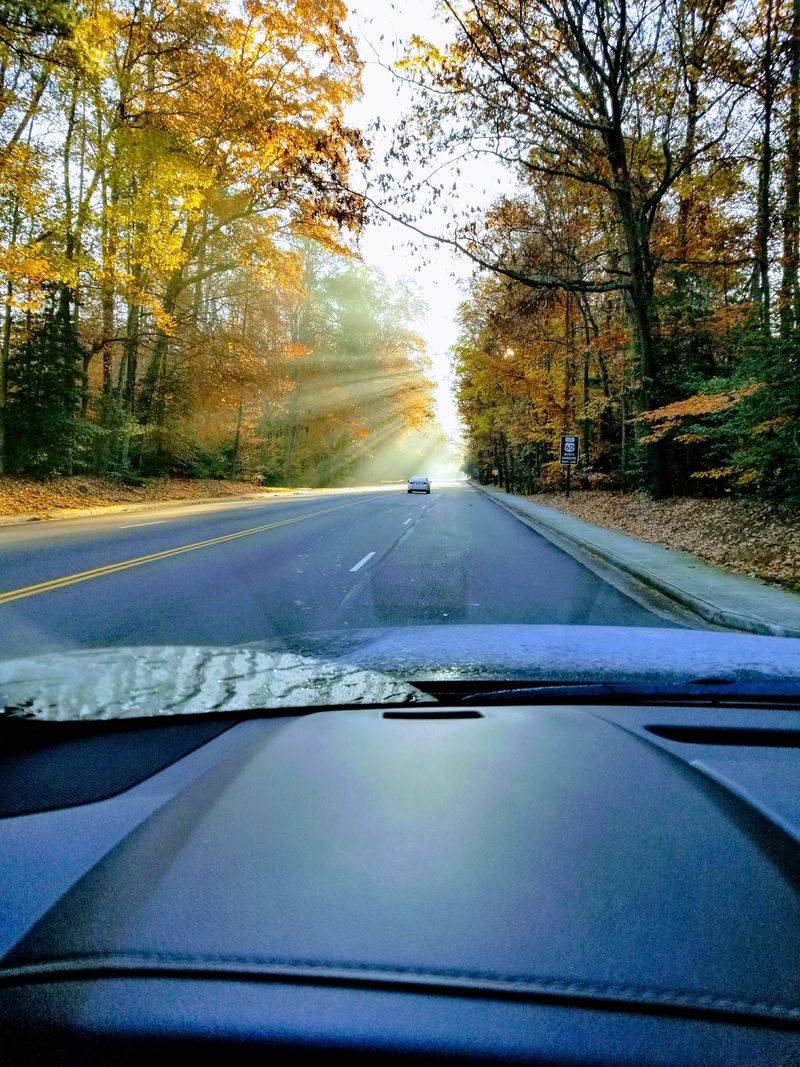
History feels surprisingly close on the Colonial Parkway, almost close enough to hear wagon wheels.
This 23 mile road links Yorktown, Williamsburg, and Jamestown, forming the main route through Virginia’s Historic Triangle.
The parkway was built to feel old on purpose.
Its rounded bridges, wooded edges, and simple signs help modern traffic fade into the background.
Unlike many scenic roads, the views mix rivers, marshes, forests, and some of the most important places in early American history.
Start in Yorktown if you like battlefield stories, then roll west toward Colonial Williamsburg for living history, shops, and brick streets.
Continue to Jamestown, where visitors can learn about the first permanent English settlement in North America.
Each stop deserves time, so avoid packing the day too tightly.
Drivers should know that some sections may close for repairs, so check the National Park Service updates before leaving.
Pack comfortable shoes, because the best moments happen outside the car.
With calm water views and deep roots, this short drive carries a big story in a small space.
3. George Washington Memorial Parkway – Arlington to Mount Vernon
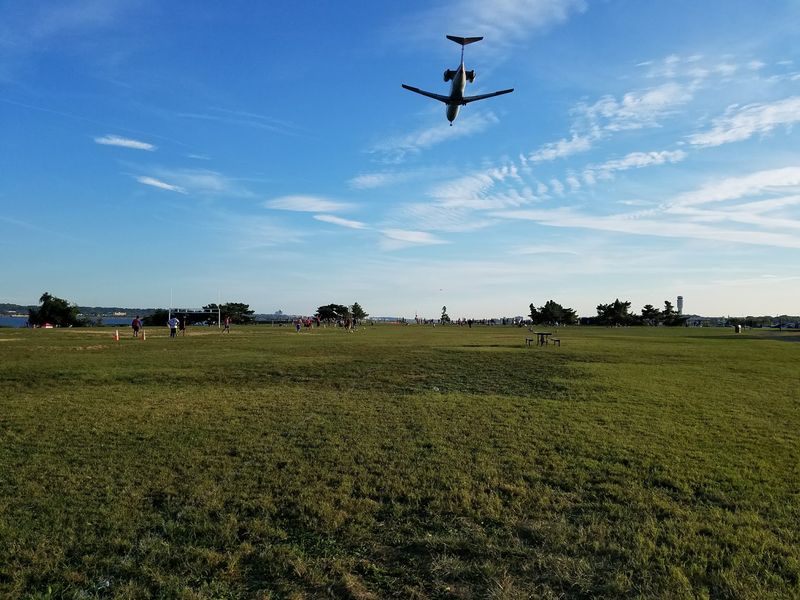
City traffic sits nearby, yet the George Washington Memorial Parkway can feel like a green escape hatch.
This road follows the Potomac River from the Arlington area toward Mount Vernon, blending nature, monuments, and American history.
The northern sections offer quick access to viewpoints, trails, and famous sites near Washington, DC.
Gravelly Point is a fun stop because airplanes pass low overhead as they approach Reagan National Airport.
Farther along, river bends and wooded stretches soften the noise of the city.
Mount Vernon gives the drive a strong finish.
George Washington’s estate includes gardens, museum exhibits, farm areas, and broad Potomac views.
Families can spend several hours there, so buy tickets ahead during busy seasons and wear shoes made for walking.
Because commuters use parts of the parkway, timing matters.
Early morning on weekends often feels calmer than weekday rush hour.
Watch speed limits carefully, since curves, cyclists, and merging traffic appear quickly.
For travelers who want history without leaving the metro area, this route turns a simple drive into a graceful riverside outing.
4. Blue Ridge Parkway – Afton to Virginia and North Carolina Border
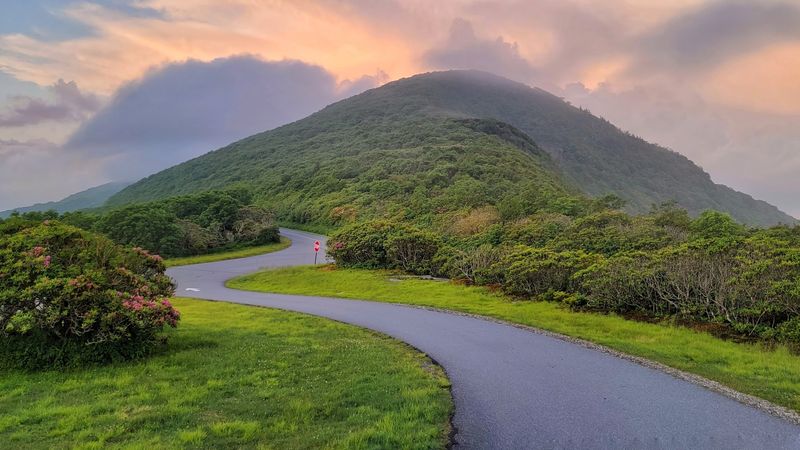
Some roads ask you to hurry, but the Blue Ridge Parkway politely refuses.
Starting near Afton at Rockfish Gap, Virginia’s stretch follows mountain ridges south toward the North Carolina border with wide views and quiet forest scenes.
This drive works best when you leave extra time.
The parkway has no commercial trucks, few roadside businesses, and a relaxed 45 mile per hour pace in many areas.
That means you should fill the gas tank, bring snacks, and check for closures before you go.
Sharp Top Mountain near Peaks of Otter makes a memorable stop.
The lake, lodge, visitor center, and trails give families a good place to stretch without turning the trip into a hard hike.
Farther south, Mabry Mill offers one of the most photographed sights on the route.
Spring brings blooming rhododendron and mountain laurel, while October paints the hills in bright color.
Cell service can fade, so download maps.
The reward is simple: mile after mile of quiet curves, blue horizons, and the feeling that time has finally slowed down.
5. Journey Through Hallowed Ground Byway – Loudoun County through Charlottesville
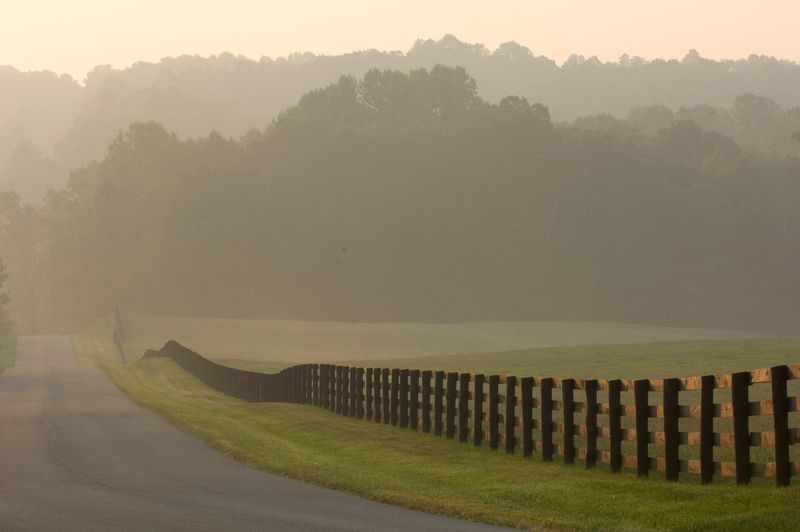
Stone walls, old farms, and battlefield markers give this byway a thoughtful mood.
The Journey Through Hallowed Ground National Scenic Byway runs through a region packed with presidential homes, Civil War sites, small towns, and rolling countryside.
In Virginia, the route begins in Loudoun County and heads toward Charlottesville, passing places such as Leesburg, Middleburg, Warrenton, Culpeper, and Orange.
The drive rewards travelers who enjoy side trips.
A quick detour may lead to a winery, a historic courthouse, a farm market, or a quiet cemetery with centuries of stories.
Monticello near Charlottesville is a major highlight, but it is not the only one.
James Madison’s Montpelier, Manassas National Battlefield Park, and charming main streets all add depth.
Build a loose plan instead of rushing from site to site.
Spring and fall suit this road especially well, when the fields look bright and the air feels comfortable.
Traffic can slow near towns, so treat that as part of the charm.
This is less of a single view drive and more of a long, layered conversation with Virginia’s past.
6. Route 11 – Shenandoah Valley
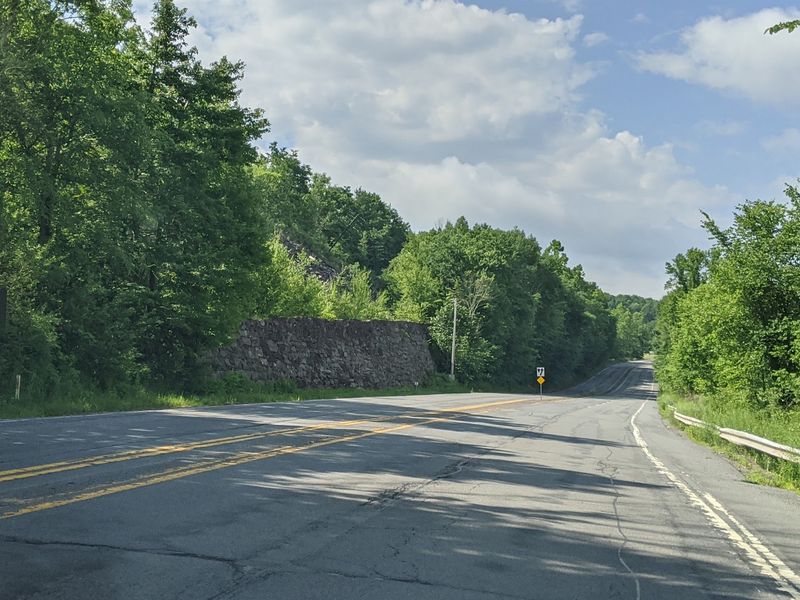
Route 11 feels like the road your grandparents might have taken before highways stole the spotlight.
It runs through the Shenandoah Valley, often close to Interstate 81, but with far more character and far less rush.
Small towns give this drive its flavor.
Winchester, Woodstock, New Market, Harrisonburg, Staunton, and Lexington each offer places to eat, browse, and stretch.
You will find old brick storefronts, courthouse squares, college campuses, antique shops, and plenty of local diners that make road snacks seem boring.
The valley scenery stays steady and soothing.
Farms spread across the lowlands, while the Blue Ridge rises on one side and the Alleghenies stand on the other.
Civil War history also appears often, especially around New Market and Winchester, where museums and markers explain how important this corridor once was.
Route 11 is a smart choice when Interstate 81 feels crowded or dull.
Use it for a full day trip or pick shorter sections between towns.
Keep your pace easy, stop for local food, and let the valley show off its quieter, friendlier side.
7. Goshen Pass Scenic Byway – Lexington
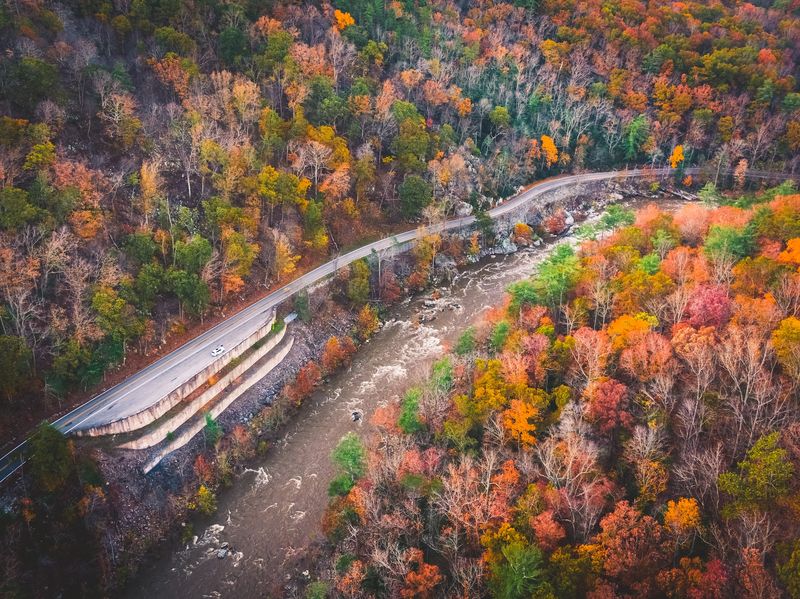
Rocks, river water, and tight mountain curves make Goshen Pass feel wilder than its short distance suggests.
Located northwest of Lexington, this scenic byway follows the Maury River through a dramatic gap in the mountains.
The best part is how close the landscape feels.
Cliffs rise near the road, trees lean over the water, and pull-off areas give you space to pause.
In warm months, people come for fishing, swimming, tubing, and picnics, though water levels and currents can change quickly.
Drivers should slow down and stay alert.
The road is narrow in places, and parking areas can fill on sunny weekends.
If you want quieter views, try a weekday morning or visit during fall, when the leaves turn gold and red against the stone walls.
Lexington makes an easy base before or after the drive.
The town has restaurants, shops, and historic sites connected to Washington and Lee University and Virginia Military Institute.
Goshen Pass may not take all day, but it delivers a rugged mountain mood that feels big, fresh, and memorable.
8. Burke’s Garden Road – Tazewell County
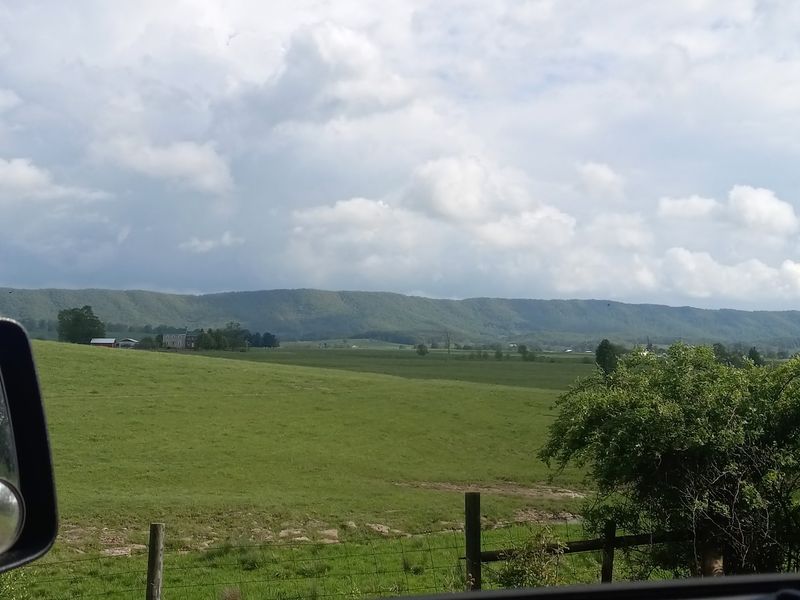
A hidden bowl of farmland sits high in the mountains of Tazewell County, and reaching it feels like finding a secret room.
Burke’s Garden, often called God’s Thumbprint, is a fertile valley surrounded by ridges.
The road into the valley twists and climbs, so take your time and keep both hands ready.
Once inside, the scenery opens into peaceful pastures, churches, barns, and quiet homes.
It is not a place for loud sightseeing or fast driving.
Respect private property and wave like a polite guest.
Cyclists love the loop around the valley, but drivers can enjoy it too.
Watch for farm equipment, horses, and narrow shoulders.
Bring water and snacks, because services are limited.
A simple picnic can feel special here, especially with mountain walls rising in every direction.
Fall adds deep color, while late spring brings soft green fields.
The nearby Back of the Dragon route attracts drivers seeking curves, but Burke’s Garden offers something gentler and stranger.
It is a slow, beautiful pocket of Virginia that feels far from ordinary roads.
9. Chesapeake Bay Bridge-Tunnel – Virginia Beach to Cape Charles
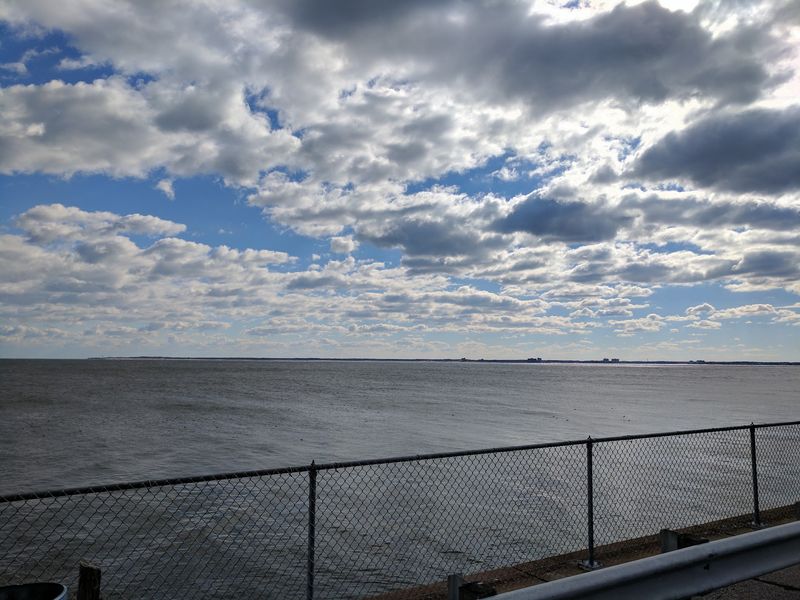
For nearly 18 miles, the Chesapeake Bay Bridge-Tunnel makes you feel as if you are driving across the edge of the sea.
The route connects Virginia Beach with Cape Charles on the Eastern Shore, using bridges, trestles, and underwater tunnels.
The engineering alone makes the trip exciting.
Two tunnel sections allow large ships to pass through major navigation channels above you.
Between them, wide bay views stretch in every direction.
On clear days, the water sparkles; on windy days, the crossing feels bold and dramatic.
Check weather before you go, especially during storms or strong winds.
Tolls apply, so have a payment method ready.
Keep your gas tank comfortable, because stopping options are limited while crossing.
Drivers who feel nervous around water should choose daylight for the first trip.
Cape Charles is a lovely reward at the north end, with a beach, shops, seafood, and a relaxed small-town pace.
Coming from Virginia Beach, the bridge-tunnel changes the whole mood of the journey.
Few drives in the state feel this open, strange, and unforgettable.
10. Eastern Shore of Virginia Scenic Byway – Cape Charles to Chincoteague
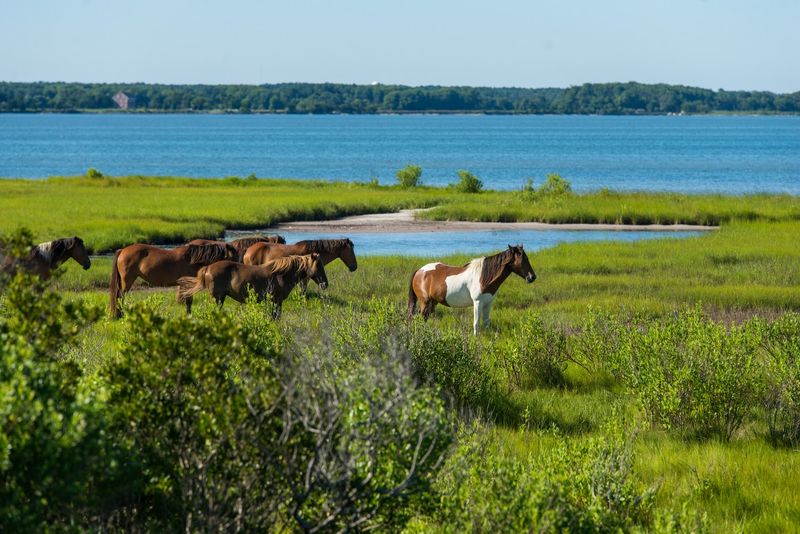
Salt air, marsh grass, and big sky give the Eastern Shore a rhythm all its own.
From Cape Charles to Chincoteague, this byway follows a narrow peninsula between the Chesapeake Bay and the Atlantic Ocean.
The landscape changes in quiet ways.
You pass farms, tiny towns, seafood shacks, birding spots, and creeks that shine in the sun.
Cape Charles starts the trip with beaches and colorful houses, while towns like Onancock and Wachapreague offer side roads worth exploring.
Nature lovers should leave time for wildlife viewing.
Chincoteague National Wildlife Refuge, next to Assateague Island, is known for migratory birds, marsh trails, lighthouse views, and the famous wild ponies nearby.
Bring binoculars if you have them, and remember that insects can be busy in warm months.
This drive feels best when you avoid rushing.
Stop for oysters, watch boats in small harbors, and take photos where the road meets open water.
Summer brings beach energy, but spring and fall are calmer.
By the time you reach Chincoteague, Virginia feels more coastal, breezy, and wonderfully different.