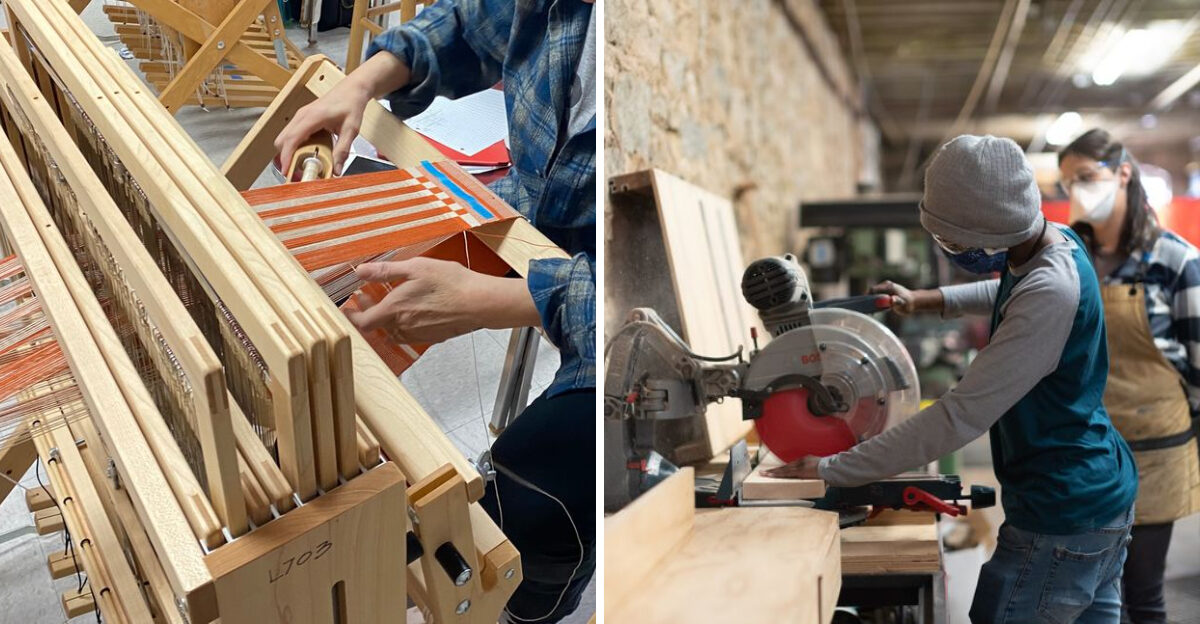
Your hands can still learn the skills that built another era.
Across Georgia, pottery wheels spin, looms click, hammers strike hot metal, and generations-old techniques are being passed from one maker to another. You don’t need to arrive with years of practice or a studio full of expensive tools.
Maybe you’ve always wanted to throw a clay pot, weave your own fabric, shape wood, or learn the fierce art of blacksmithing.
These craft schools and studios give beginners a chance to roll up their sleeves and discover what happens when creativity gets wonderfully hands-on.
Some classes feel peaceful and meditative, while others bring sparks, sweat, and plenty of trial and error.
Either way, you’ll leave with more than something you made—you’ll carry home a skill worth keeping alive.
Spruill Center for the Arts – Dunwoody
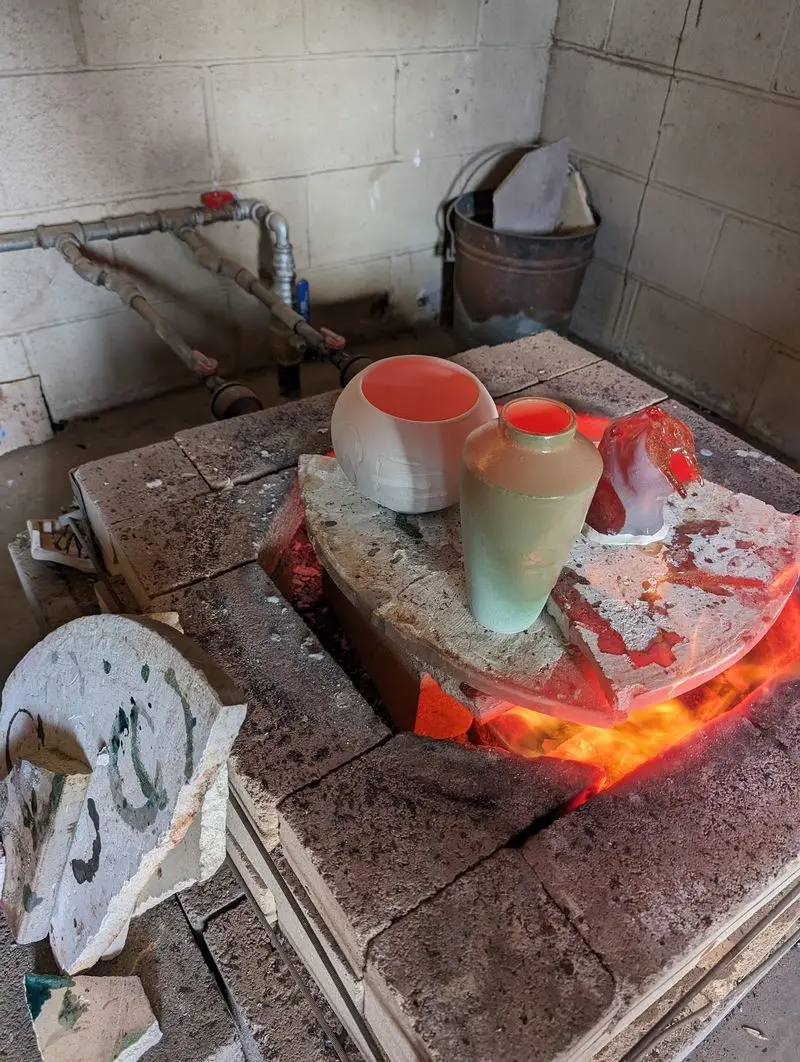
Walking into Spruill feels like stepping into a creative playground where almost every traditional craft has its own dedicated space. The center operates multiple studios under one roof, covering ceramics, blacksmithing, woodworking, fiber arts, glass, jewelry making, and additional craft disciplines.
Students can start with absolute beginner classes and gradually work their way up to advanced techniques. This setup makes it incredibly convenient for anyone who wants to explore several crafts before committing to one specialty.
You might try your hand at the pottery wheel one month, then switch to learning basic metalwork the next.
The variety here is genuinely impressive for a community arts center. Teachers bring real expertise to their subjects while keeping instruction accessible and encouraging.
Classes fill up quickly during peak seasons, so planning ahead helps secure a spot. For families or individuals who appreciate having options, this becomes a hub where creative exploration feels natural and supported rather than overwhelming.
Callanwolde Fine Arts Center – Atlanta
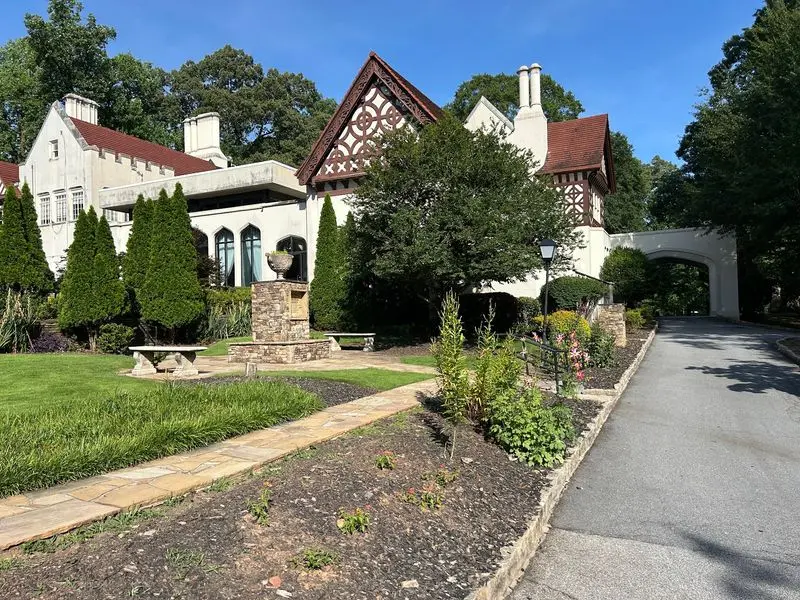
Picture learning pottery inside a 1920s mansion originally built for a Coca-Cola heir. That unusual combination defines the experience at Callanwolde, where historic architecture meets hands-on craft instruction.
The Tudor Revival estate provides a beautiful backdrop for classes in pottery, loom weaving, textile arts, jewelry, metalsmithing, blacksmithing, and printmaking.
The building itself adds character to every workshop. High ceilings and original details create an atmosphere you simply won’t find in typical studio spaces.
Students get access to proper equipment and professional instruction while surrounded by architectural history.
Class offerings rotate throughout the year, covering both traditional techniques and contemporary approaches. The combination of setting and subject matter makes this particularly appealing for anyone who values atmosphere alongside skill-building.
Beginners find the environment welcoming rather than intimidating. The center balances respect for craft traditions with an easygoing teaching style that helps new students feel comfortable making mistakes and asking questions while they learn.
MASS Collective – Atlanta
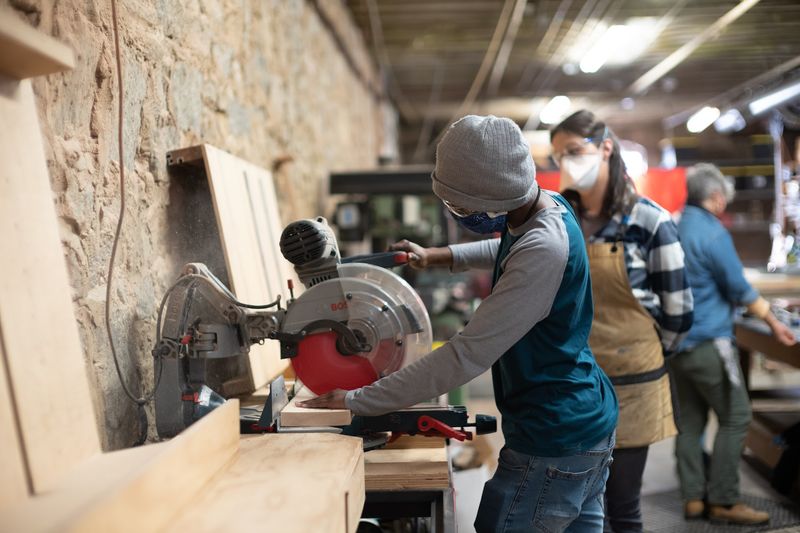
Forget sitting in rows watching demonstrations. MASS Collective operates on the principle that you learn crafts by actually making things from day one.
This community makerspace focuses on hands-on workshops where beginners tackle real projects right away.
The emphasis leans toward traditional making skills that require tools, materials, and a bit of muscle. Spoon carving workshops teach students to shape wood with hand tools.
Blacksmithing classes might have complete beginners forging their first nails within hours of arriving. The teaching approach is direct and practical.
What sets this space apart is the collaborative energy. You’re not just taking a class in isolation but joining a community of makers who share equipment, advice, and enthusiasm for creating physical objects.
The environment feels more like a workshop than a formal classroom. Students often stay involved beyond single classes, returning for open studio time or new project workshops.
For anyone tired of screen-based hobbies, this offers a refreshing return to making things that you can actually hold in your hands.
MudFire Studio & Gallery – Decatur
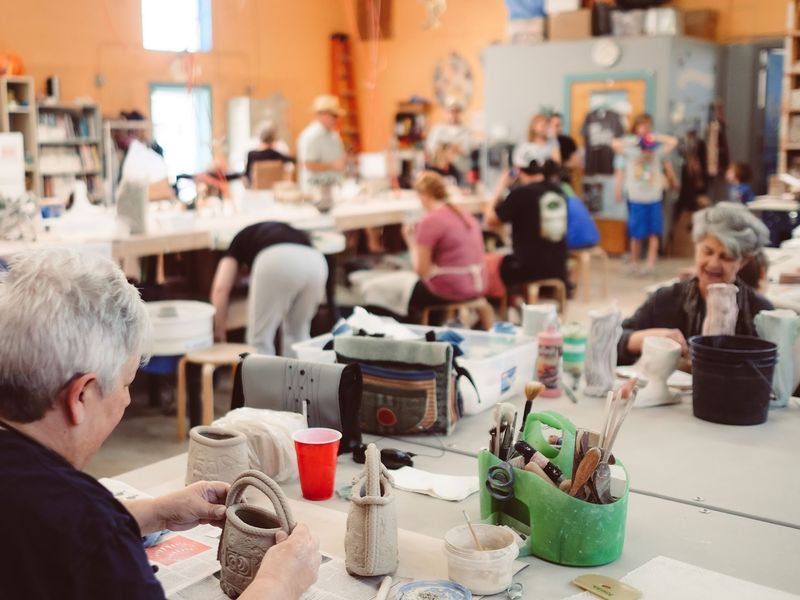
Clay becomes the star of the show at MudFire, where pottery takes center stage in every class and workshop. The studio has built its reputation specifically around ceramic arts, offering focused instruction in wheel throwing, hand-building, glazing, and firing techniques.
Beginners often appreciate this specialized approach. Instead of splitting attention across multiple craft types, students can concentrate entirely on mastering clay.
The progression feels natural, starting with basic centering on the wheel and gradually moving toward more complex forms and surface treatments.
Teachers here understand that turning a lump of clay into a functional bowl or mug requires patience and repetition. Classes provide plenty of practice time alongside instruction.
The gallery component adds inspiration, displaying finished work that shows what’s possible with dedication and skill. Students gain access to kilns and glazing materials that would be impractical to maintain at home.
For anyone who has always wanted to make their own dishes, cups, or decorative pieces, this studio removes the barriers and provides everything needed to start working with clay seriously.
Atlanta Clay Works – Atlanta
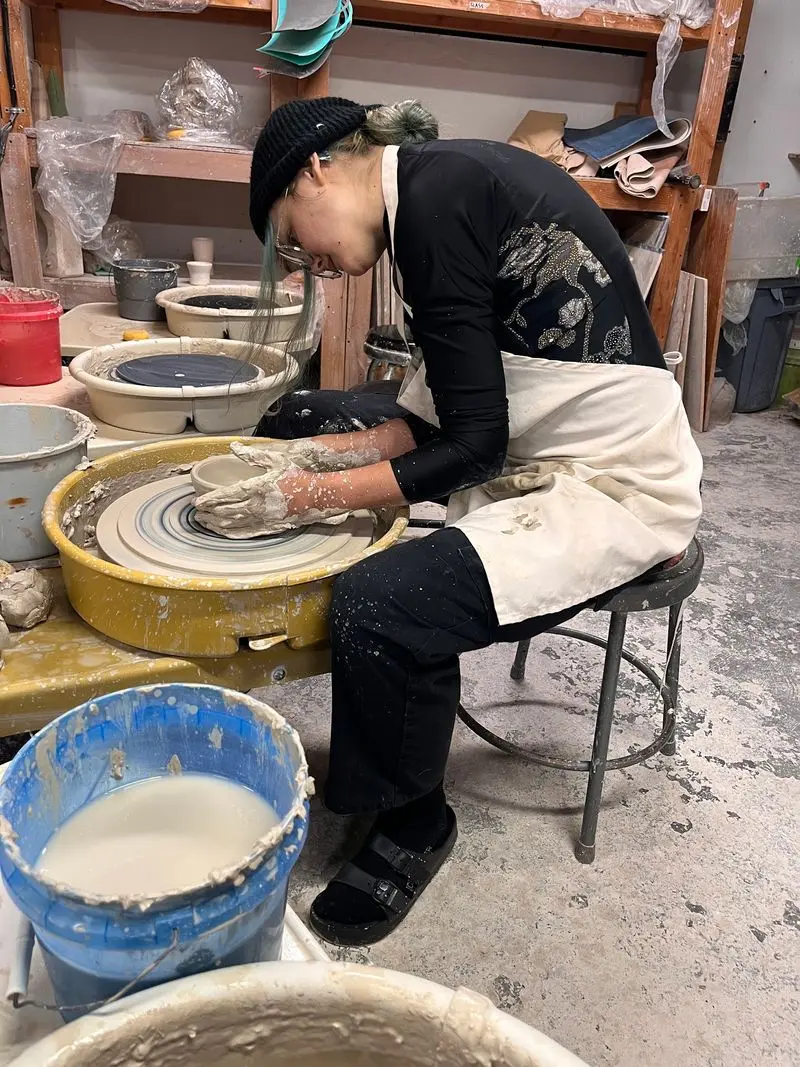
Atlanta Clay Works builds its program around structured learning that takes pottery seriously without losing sight of the fun. Students here commit to developing real skills through regular classes and dedicated studio practice time.
The curriculum emphasizes foundational techniques in both wheel throwing and hand-building. Rather than offering scattered one-off workshops, the studio encourages students to progress through levels of instruction.
This approach suits learners who want to go beyond making a single piece in a weekend workshop and actually develop competence with clay.
The tradition of pottery stretches back thousands of years, and working with clay connects students to that ancient practice. Modern potters use the same basic principles that ancient craftspeople understood, even when working in contemporary studios with electric wheels and kilns.
Studio membership options allow serious students to practice independently between classes. The combination of instruction and practice time helps skills stick.
For anyone fascinated by the idea of mastering a centuries-old craft, this studio provides a clear pathway from absolute beginner to confident potter.
Folk Pottery Museum of Northeast Georgia – Sautee Nacoochee
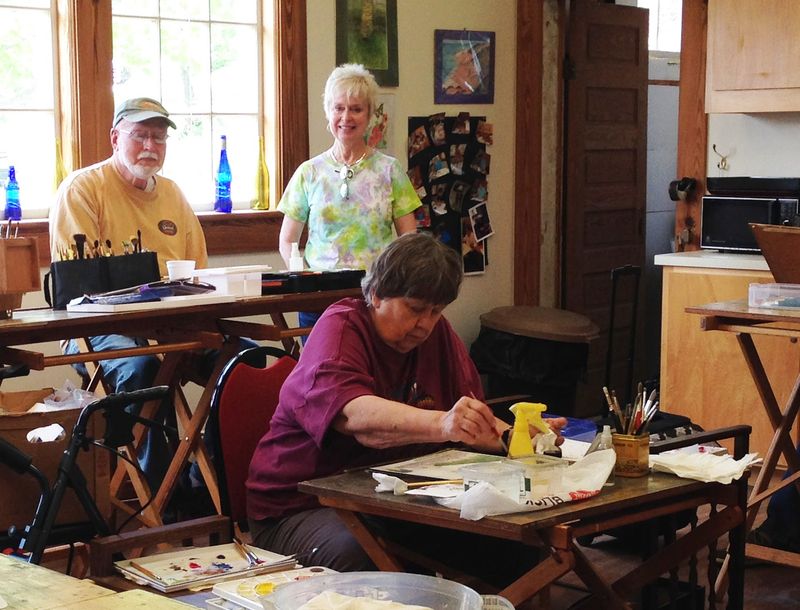
How often do you get to learn a craft in the same place where you can see its history on display? The Folk Pottery Museum combines heritage preservation with active instruction through its John Burrison Pottery Studio, creating an unusually meaningful learning environment.
The museum itself celebrates Georgia’s rich pottery traditions, showcasing work from generations of local potters. Then students can walk into the attached studio and learn those same techniques firsthand.
Pottery wheels, hand-building stations, and kilns are all available for classes and workshops.
This connection to regional craft history adds depth to the experience. You’re not just learning generic pottery techniques but engaging with methods specific to Georgia’s folk pottery tradition.
The setting in Sautee Nacoochee, surrounded by North Georgia mountains, enhances the sense of connection to place and tradition. Teachers bring knowledge of both historical practices and contemporary ceramic arts.
For students who care about cultural context alongside skill development, this museum-studio combination offers something genuinely special that commercial studios can’t replicate.
Foxfire Museum & Heritage Skill Classes – Mountain City
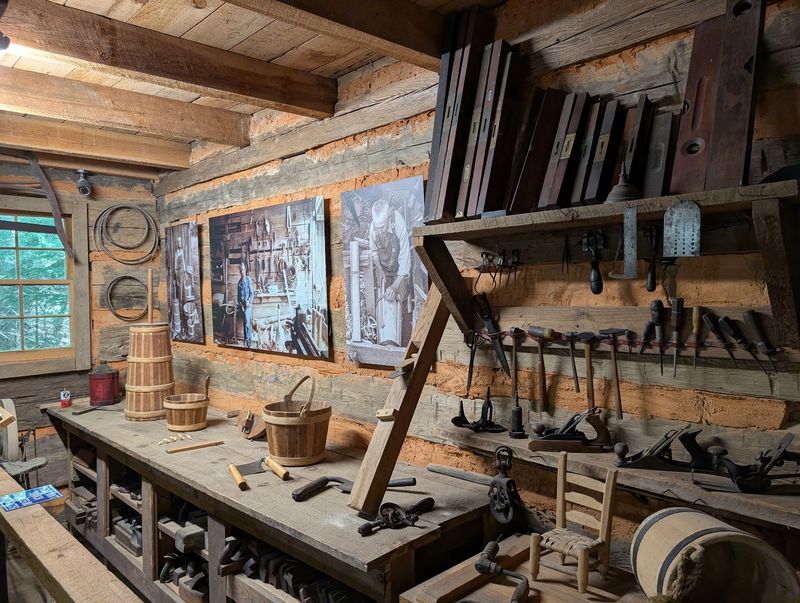
Foxfire has spent decades documenting and preserving Appalachian traditions, and now those carefully recorded skills are taught to new generations of students. The heritage classes here go straight to the heart of old-fashioned making practices.
Current offerings include basketmaking, blacksmithing, weaving, pottery, yarn spinning, felting, woodstove cooking, and other traditional crafts. These aren’t modernized versions but genuine techniques passed down through mountain communities.
The instructors often learned these skills from family members or longtime practitioners.
Classes happen in Mountain City, deep in Georgia’s northern mountains where many of these traditions originated. The setting matters.
Learning to weave or forge in the same landscape where these skills were once essential to daily life creates a tangible connection to the past. Students leave with more than just a finished basket or woven piece.
They gain appreciation for the ingenuity and resourcefulness of earlier generations who made everything by hand. For anyone specifically interested in timeless creative skills, Foxfire delivers exactly that, teaching crafts that have remained fundamentally unchanged for generations.
Southeast Fiber Arts Alliance – Chamblee
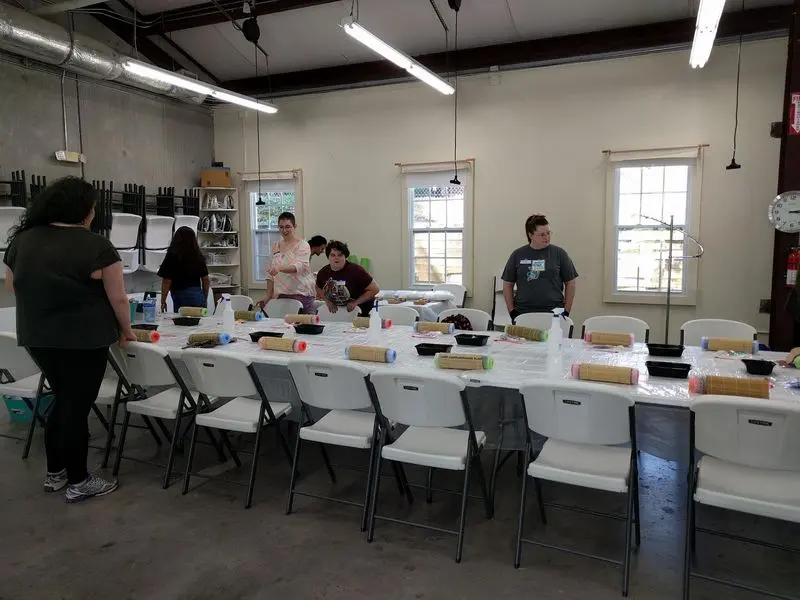
Textiles tell the story of human civilization, and at SEFAA, those stories continue through hands-on classes in weaving, spinning, natural dyeing, felting, quilting, sewing, knitting, and silk painting. The organization exists specifically to keep fiber arts alive and accessible.
Programming serves both absolute beginners and experienced textile artists looking to expand their skills. Someone might start with a basic introduction to spinning wool, then progress to natural dyeing or weaving.
The variety of offerings means students can explore different fiber techniques before specializing.
What makes fiber arts particularly compelling is their direct connection to textile traditions practiced in cultures worldwide for thousands of years. Every technique taught here links back to generations of makers who created fabric, clothing, and functional items by hand.
The alliance format creates community among fiber enthusiasts. Students can connect with others who share their interest in yarn, fabric, and thread.
Class schedules rotate throughout the year, bringing in instructors with specific expertise. For anyone drawn to textiles and fiber work, this alliance provides both instruction and a welcoming community of fellow makers.
Chattahoochee Handweavers Guild – Dunwoody
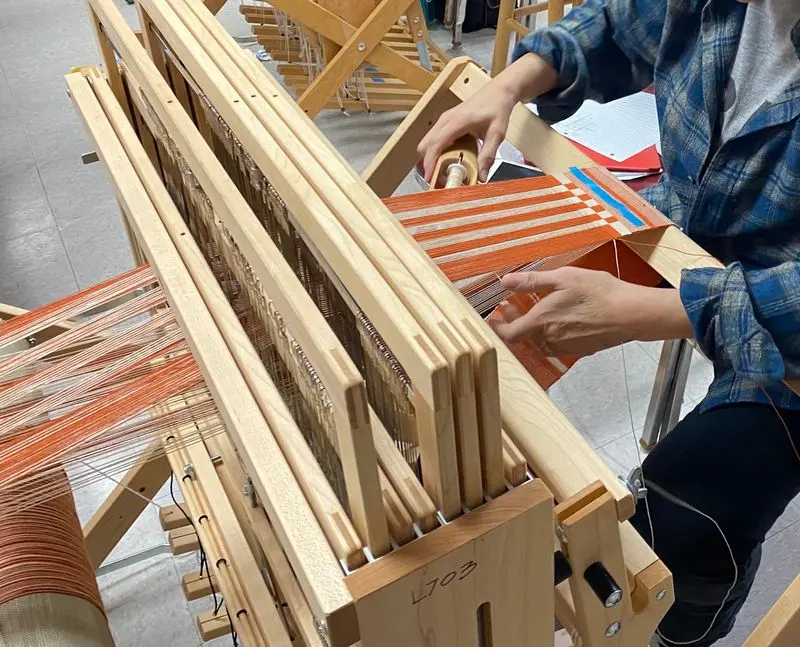
Weaving remains one of humanity’s oldest and most essential crafts. At the Chattahoochee Handweavers Guild, those ancient techniques get passed to modern students through public classes ranging from brief introductory workshops to comprehensive multi-week courses.
The guild focuses specifically on weaving and related textile work. This specialization means instructors bring deep knowledge to their teaching rather than splitting focus across multiple craft types.
Students learn proper loom operation, fiber selection, pattern reading, and finishing techniques.
Classes accommodate different commitment levels. Someone curious about weaving can start with a short workshop.
Those who catch the weaving bug can continue with longer courses that build genuine competence. The techniques learned here can be practiced on home looms and carried into future projects.
Guild members are passionate about keeping weaving traditions alive. That enthusiasm shows in how classes are taught and how students are welcomed.
For beginners, the learning curve can feel steep at first, but instructors understand the challenges and provide patient guidance. Anyone willing to invest time in learning this foundational textile skill will find strong support and solid instruction here.
Northeast Georgia History Center – Gainesville
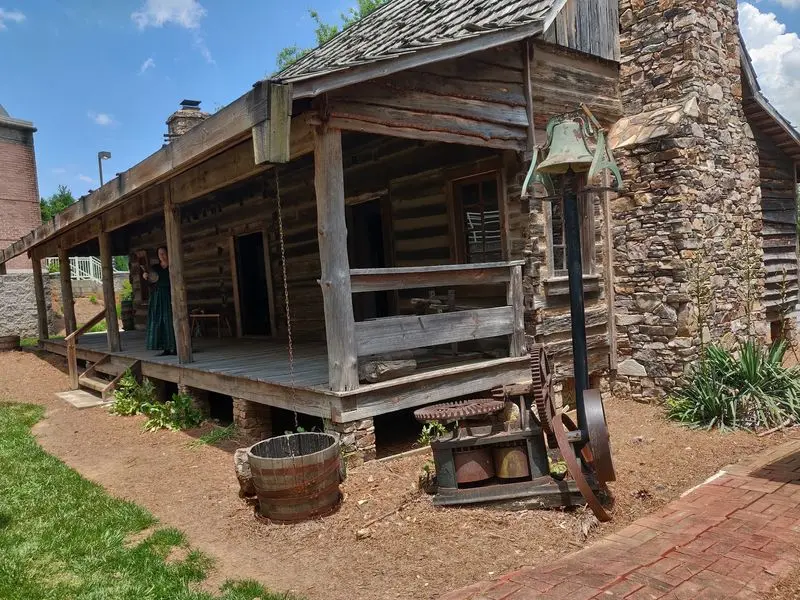
History museums usually just display artifacts behind glass. This one takes a different approach, offering heritage craft programming that lets visitors actually practice the traditional skills that shaped earlier Georgia communities.
Current class offerings include basket weaving, crochet, knitting, raw wool processing, and inkle-loom weaving. These are practical crafts that families and communities once passed down through direct instruction and observation.
Now the history center revives that teaching tradition in a modern educational setting.
The programming connects craft skills directly to their cultural and historical context. Learning to weave a basket here comes with understanding why baskets mattered in daily life and how different weaving patterns served specific purposes.
Students work with actual materials and traditional methods rather than simplified modern versions.
Classes typically attract mixed groups, from curious beginners to experienced crafters wanting to learn specific heritage techniques. The museum setting adds educational value beyond just skill acquisition.
For anyone interested in how people actually lived and worked in earlier times, learning these practical crafts provides hands-on understanding that reading or observing can’t match.
Annette Howell Turner Center for the Arts – Valdosta

South Georgia deserves access to quality craft instruction too, and the Turner Center delivers exactly that. Classes and workshops here include ceramics and fiber arts, with programming that explores both traditional and contemporary approaches to making.
The center has offered fiber programming with an interesting sustainability angle. Past workshops have taught techniques for making rugs and mats from recycled wool clothing, showing how traditional crafts can adapt to modern concerns about waste and reuse.
This kind of creative thinking keeps old skills relevant.
Ceramics classes cover standard pottery techniques while encouraging individual expression. The center maintains equipment that would be prohibitively expensive for most individuals to own, making these crafts accessible to the broader community.
Schedule and offerings vary throughout the year, so checking ahead helps ensure you catch the classes that interest you most.
For creative learners in Valdosta and surrounding areas, the Turner Center fills an important role. It proves that traditional craft education doesn’t require living in major metropolitan areas.
Small and mid-sized communities can support quality arts programming when organizations commit to serving their local populations with skill and dedication.
Metal Arts Guild of Georgia – Tucker
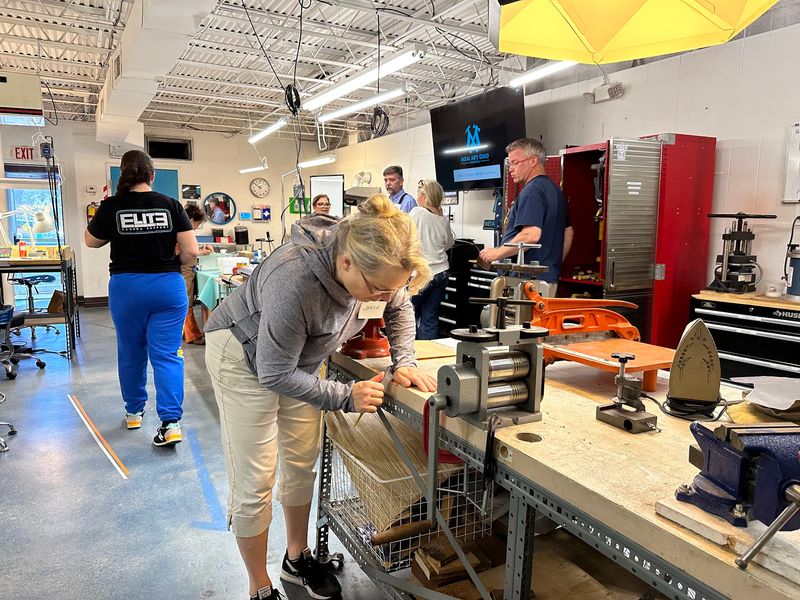
Not everyone gravitates toward soft materials like fabric and clay. Some people prefer the challenge of working with metal, and that’s where the Metal Arts Guild of Georgia comes in.
The guild provides community, resources, and learning opportunities for anyone interested in metalworking.
Techniques covered include jewelry making, metalsmithing, and other forms of hands-on metalwork. These crafts require specialized tools and safety knowledge that make learning with experienced instructors particularly valuable.
Metal responds differently than clay or fiber, demanding different skills and mindsets from students.
The guild format creates connections between metal artists at various skill levels. Beginners benefit from the collective knowledge of experienced members.
Advanced practitioners find peers who understand the specific challenges and pleasures of working with metal.
Learning to shape, join, and finish metal opens up entirely different creative possibilities than other crafts. You might start with basic jewelry making and eventually progress to larger sculptural pieces.
The fundamental techniques remain rooted in traditions developed by metalsmiths and jewelers over centuries. For anyone who has always been drawn to metal as a medium, this guild offers the right combination of instruction, community, and hands-on practice time.
Hammered Heart Forge Metal Art Studio – Sharpsburg
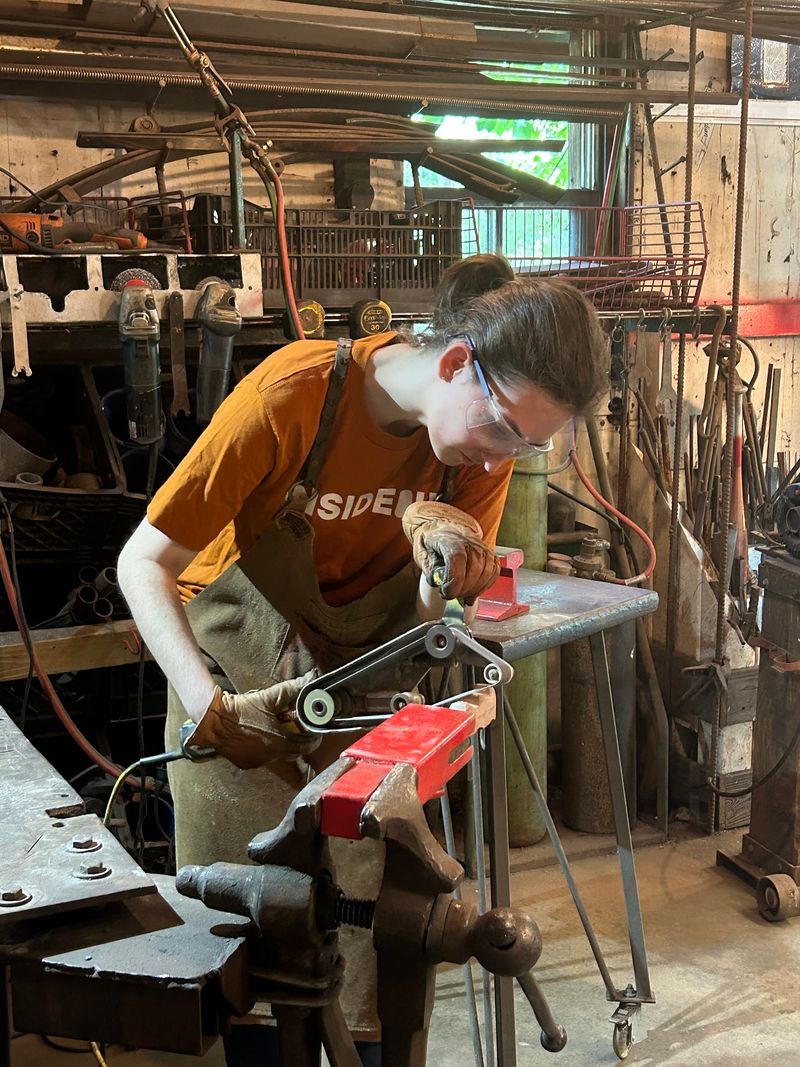
Fire, hammers, and red-hot metal create a learning experience completely unlike conventional art classes. Hammered Heart Forge specializes in teaching blacksmithing in a small forge setting where students engage directly with the heat and physical work of shaping metal.
This type of instruction focuses on traditional forging techniques. Students learn to read metal temperature by color, control hammer blows for precision, and understand how metal moves under force.
The skills are both physical and mental, requiring attention, timing, and body awareness.
Small forge environments offer advantages over larger operations. Instructors can provide more individual attention.
Students get more actual time at the anvil rather than waiting for their turn. The intimate scale makes learning feel personal and immediate.
Blacksmithing specifically fits this blog post’s theme of rediscovering traditional making skills. It’s an ancient craft that shaped human civilization for millennia before industrialization.
Learning even basic forging connects you to that long history of human ingenuity and physical creativity. For readers drawn to crafts that involve real heat, heavy tools, and transforming raw materials through strength and skill, this forge provides authentic hands-on instruction.
The Heirloom Sisters Creative Makery – Winder
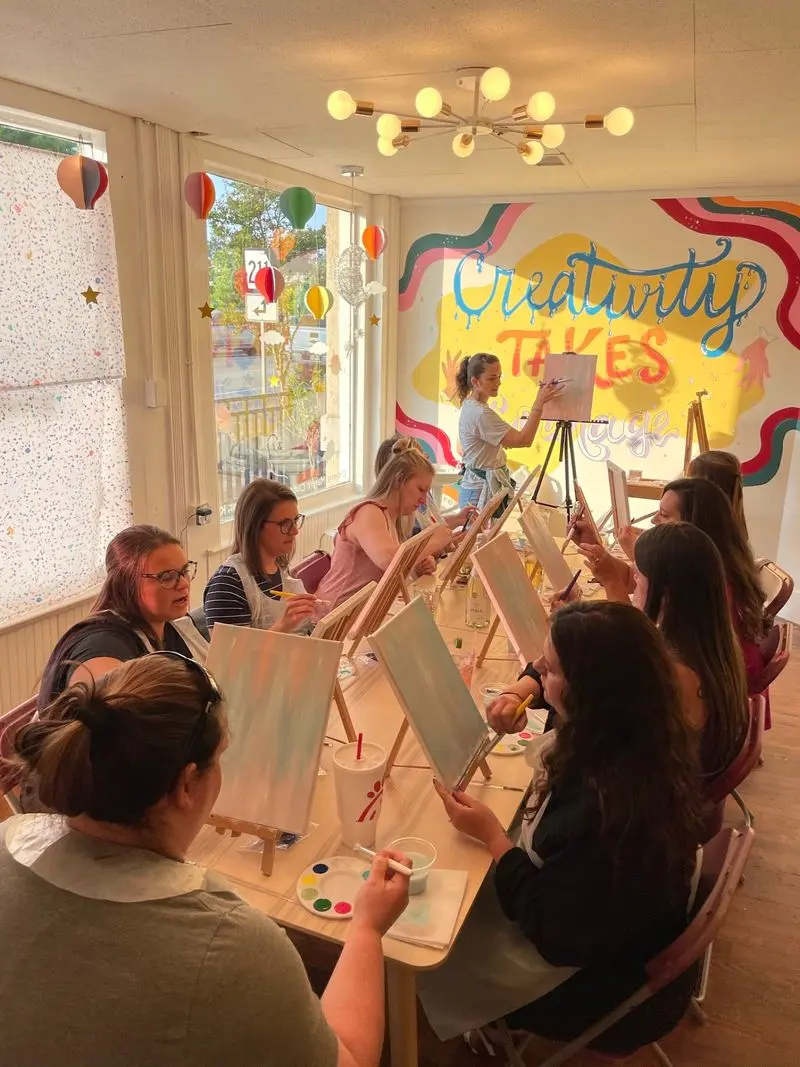
Sometimes the best place to start is somewhere that doesn’t feel intimidating. The Heirloom Sisters Creative Makery operates as an approachable community-style studio where classes and workshops make creative projects accessible rather than overwhelming.
The atmosphere here emphasizes enjoyment and experimentation over perfection. Beginners can try hands-on making without committing to expensive specialized programs.
Classes rotate through various craft techniques, giving students chances to sample different creative skills. The teaching style tends toward encouraging and supportive rather than rigidly technical.
This kind of environment works particularly well for people who want to explore creativity but feel nervous about their abilities. There’s no pressure to become an expert or produce gallery-worthy work.
The focus stays on the process of making things with your hands and the satisfaction that brings.
Community craft studios like this serve important roles in keeping traditional skills alive by making them approachable for average people. Not everyone wants to pursue crafts at advanced levels, and that’s perfectly fine.
Learning even basic hand skills enriches your life and connects you to making traditions. For readers looking for a friendly, low-pressure entry point into handmade crafts, this makery delivers exactly that welcoming environment.