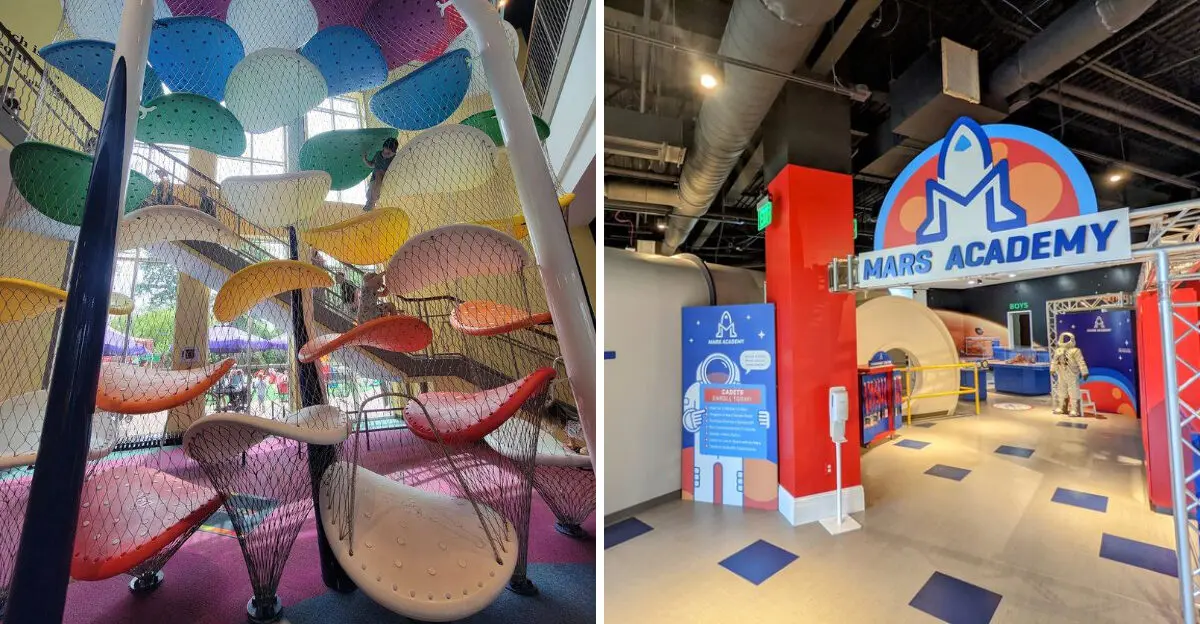
One visit to this massive children’s museum can turn into an all-day adventure before anyone is ready to leave.
The Nido & Mariana Qubein Children’s Museum in High Point gives kids 75,000 square feet to climb, create, play, experiment, and let their imaginations run wild.
With two floors of hands-on attractions, there is something new waiting around practically every corner.
Kids can pretend to explore Mars, build in the STEAM Lab, splash around at Water Works, or tackle giant climbing structures when they need to burn off some energy.
Then there is the outdoor adventure area, Dino Dig, creative play spaces, and a spectacular two-story carousel that makes the visit feel even bigger.
Pack comfortable shoes and prepare for plenty of “Can we stay a little longer?” moments. These are ten attractions families will want to put at the top of their museum itinerary.
Kids Point – Let Children Play Grown-Up in a Miniature High Point
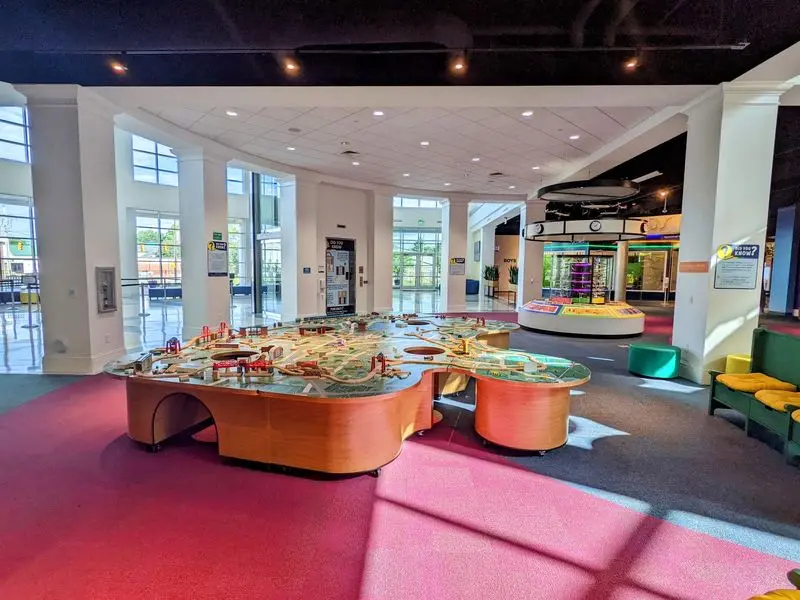
Every kid dreams of running their own business or taking care of animals like a real veterinarian. Kids Point makes that dream come true by recreating downtown High Point at kid height.
Children step into a scaled-down community where they can operate a café, design furniture in a miniature studio, or care for stuffed animals at the veterinary clinic. Each storefront is designed for role-playing, letting kids practice real-world skills while having fun.
The spaces include props, costumes, and interactive elements that make the pretend play feel genuine.
This exhibit works especially well for preschoolers and early elementary students who love imaginative scenarios. Parents often find their kids spending longer here than planned because there are so many roles to try.
One minute they’re serving coffee, the next they’re examining a patient.
Kids Point encourages social play since children naturally collaborate when running pretend businesses together. The exhibit also highlights local culture by featuring High Point’s famous furniture industry.
Families appreciate how the area combines learning with pure imagination, making it one of the museum’s standout attractions for younger visitors.
Mars Academy – Take Young Explorers on a Trip to Space
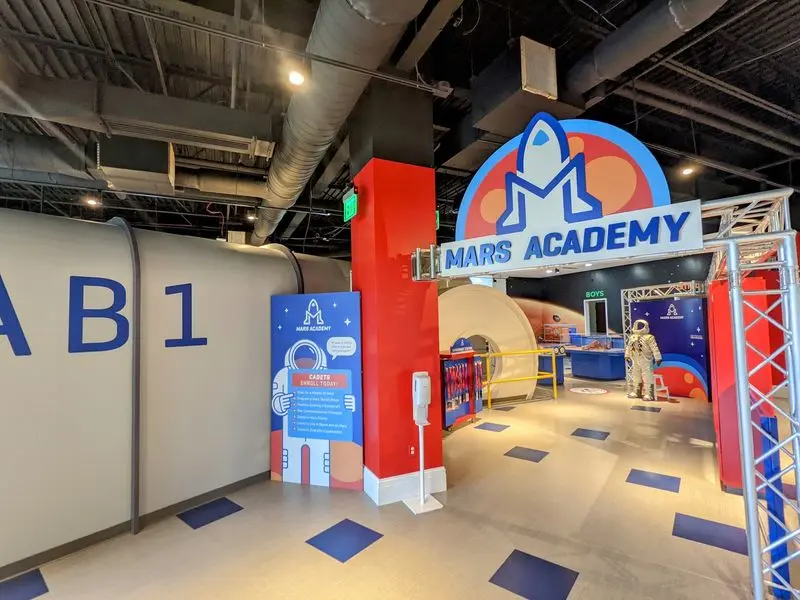
Blasting off to another planet sounds like science fiction, but Mars Academy turns that fantasy into hands-on exploration. Kids enter a space where they can imagine life as astronauts traveling millions of miles from Earth.
The exhibit features interactive elements that simulate space exploration challenges. Children might navigate a Mars rover, examine rocks from another planet, or figure out how astronauts survive in harsh conditions.
Every activity connects to real space science while keeping things age-appropriate and engaging.
What makes Mars Academy special is how it sparks curiosity about subjects kids might not encounter elsewhere. Younger children enjoy the adventure aspect while older kids dig into actual science concepts.
The space theme naturally encourages questions about planets, gravity, technology, and what lies beyond our atmosphere.
Teachers and parents notice how the exhibit makes STEM topics feel exciting rather than intimidating. The design immerses visitors in the experience instead of just presenting facts on wall panels.
Many families report that kids leave talking about becoming astronauts or scientists, which is exactly the kind of inspiration museums hope to create.
STEAM Lab – Build, Create, Experiment and Figure Things Out
Some kids learn best when their hands are busy building, tinkering, or creating something from scratch. The STEAM Lab recognizes this by offering open-ended activities that combine science, technology, engineering, art, and math in one creative space.
Unlike exhibits with predetermined outcomes, the STEAM Lab encourages experimentation and problem-solving. Children might construct bridges from everyday materials, design their own inventions, or tackle engineering challenges that require trial and error.
The space provides tools, supplies, and just enough guidance to get started without dictating exactly what kids should make.
This approach helps children develop critical thinking skills naturally. When a tower falls down, they figure out why and try again with a different strategy.
When a design works, they understand the principles that made it successful.
Parents appreciate how the STEAM Lab accommodates different age groups and interests simultaneously. A five-year-old might focus on art while their older sibling tackles complex engineering.
The open format means families can spend as much or as little time here as needed, making it perfect for fitting into any visit schedule.
Courage Climber & GiNormous – Burn Off Some Serious Energy
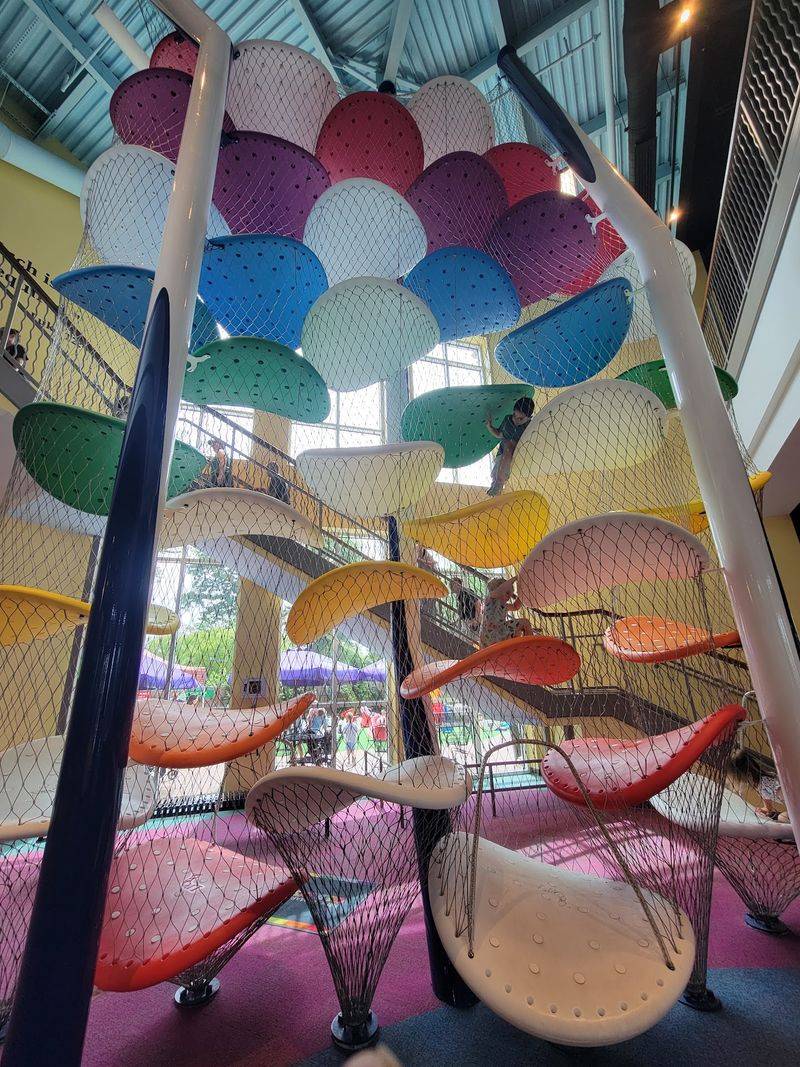
Not every museum activity involves sitting quietly or focusing intently. Sometimes kids just need to climb, jump, and move their bodies before they can concentrate again.
The Courage Climber and GiNormous give children exactly that opportunity through large-scale physical play structures. These features challenge kids to test their strength, balance, and coordination in safe but exciting ways.
Climbing walls, tunnels, slides, and nets create an indoor playground that works off excess energy while building confidence.
Physical challenges help children develop gross motor skills and spatial awareness. Conquering a difficult climb or navigating through an obstacle course gives kids a genuine sense of accomplishment.
Many parents strategically visit these areas when their children start getting restless between quieter exhibits.
The structures accommodate various skill levels, so younger children aren’t intimidated while older kids still find challenges. Watching their kids succeed at something physical often surprises parents who mostly see their children in academic settings.
These play features prove that learning environments should include movement, not just mental activities, especially for visitors who might spend several hours exploring the museum’s many attractions.
Water Works – Make a Splash While Learning Through Play
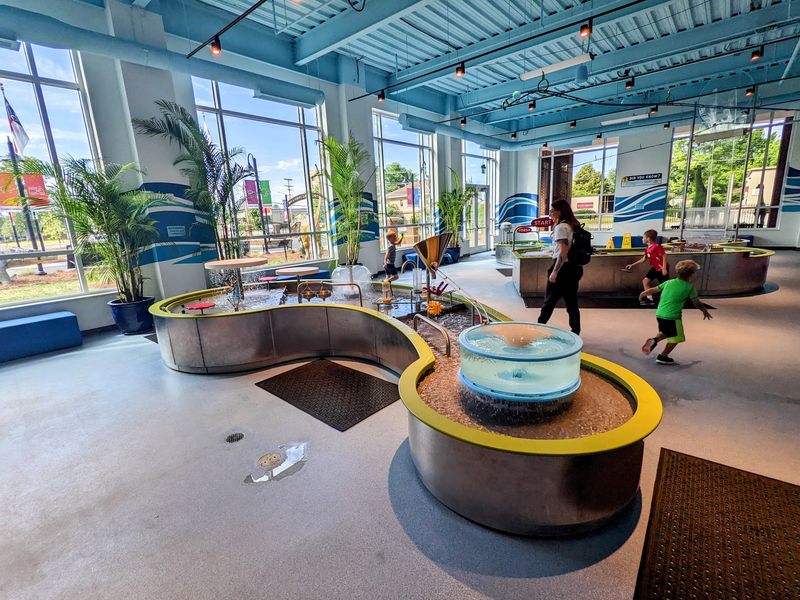
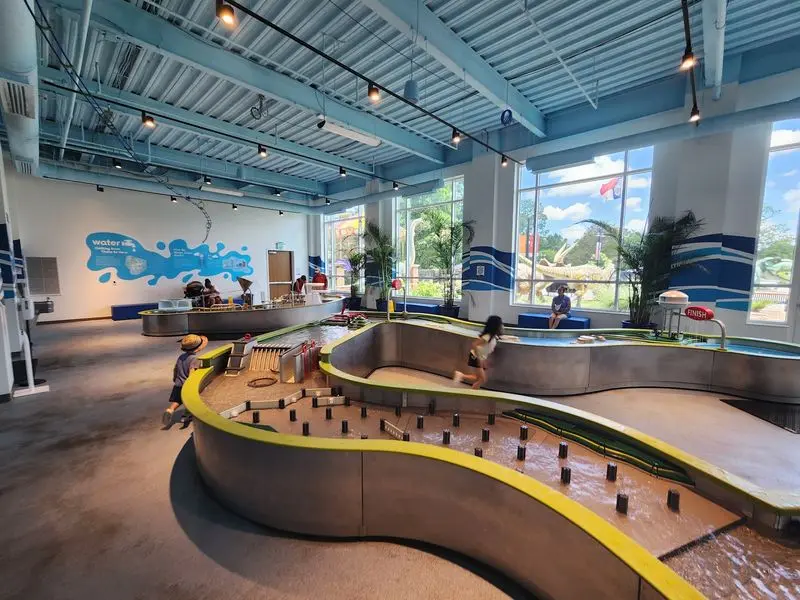
Water captivates kids in ways few other materials can match. Water Works brings this timeless form of play indoors, creating opportunities for hands-on experimentation with flow, movement, and cause-and-effect relationships.
Children manipulate water through pumps, channels, dams, and other interactive elements. They discover how water behaves under different conditions, experimenting with concepts like pressure, direction, and volume without realizing they’re learning physics.
The sensory experience keeps even the youngest visitors engaged while older children start forming hypotheses about what might happen next.
Parents should come prepared since water play typically means wet clothes. Most families consider it worth the trade-off because their kids stay focused and happy for extended periods.
The exhibit includes features that let multiple children play simultaneously, encouraging cooperation as they build waterways together or race floating objects.
Water Works adds variety to the indoor experience, offering a completely different type of interaction than building blocks or pretend play. The exhibit proves that educational content doesn’t need to feel serious or structured to be valuable, especially for kinesthetic learners who understand concepts best through direct physical experience.
Hall of Mysteries – Give Curious Kids Something to Investigate
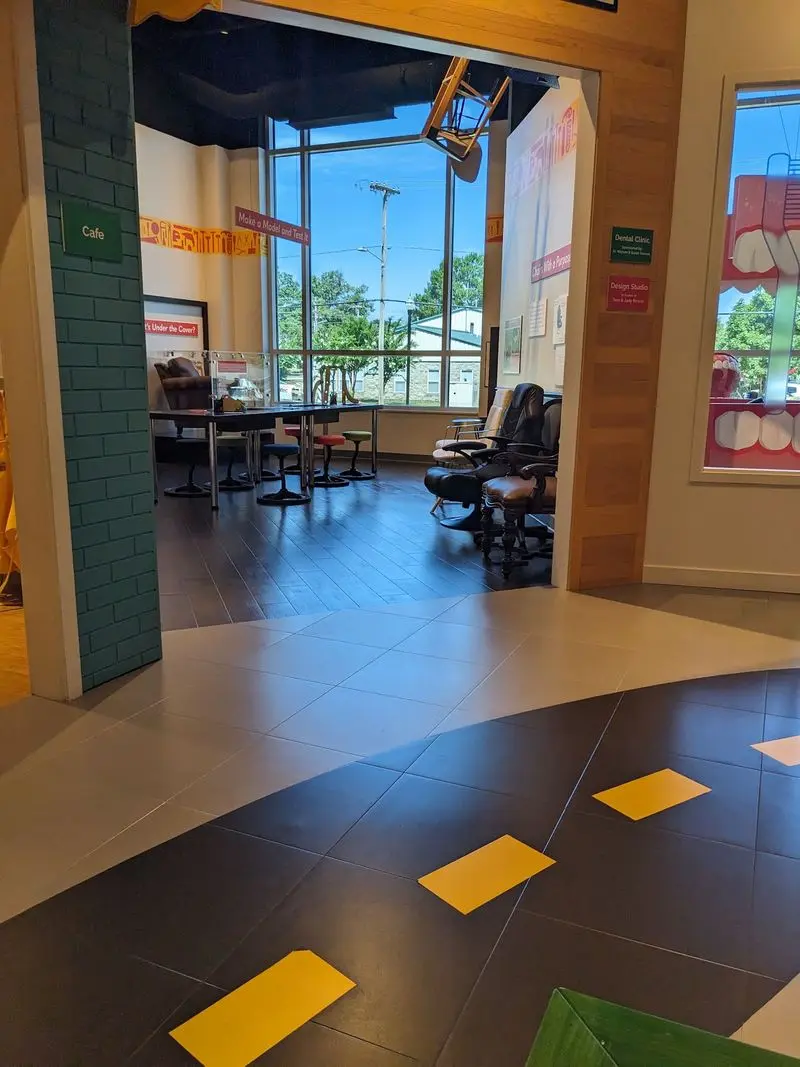
What child doesn’t love a good mystery? The Hall of Mysteries taps into that natural curiosity by presenting challenges that require observation, questioning, and logical thinking to solve.
Rather than simply displaying information, this exhibit encourages children to become investigators. They examine clues, make predictions, and test their theories through interactive elements designed to reward careful attention.
The mysteries vary in difficulty, allowing younger children to participate while still challenging older visitors who want to dig deeper.
This investigative approach teaches critical thinking skills that extend far beyond the museum. Kids learn to look closely at details, consider multiple possibilities, and understand that some questions require patience and persistence.
The format transforms learning from passive reception into active discovery.
Parents often notice their children becoming more observant and analytical as they work through the mysteries. The exhibit proves particularly effective for kids who might struggle with traditional teaching methods but thrive when learning feels like solving a puzzle.
Many families return specifically to tackle mysteries they didn’t complete on previous visits, giving the exhibit strong replay value that keeps the museum experience fresh even for repeat visitors.
Outdoor Adventure Zone & Dino Dig – Head Outside for More Exploring
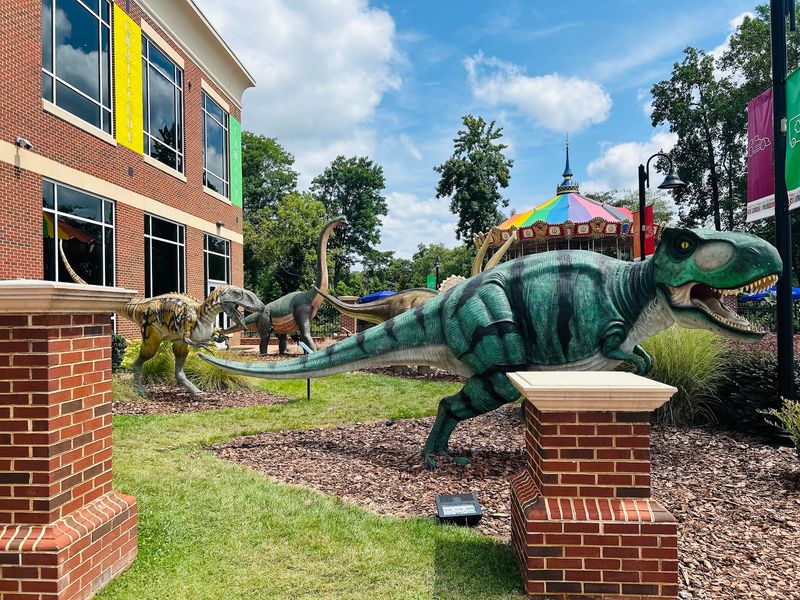
After hours inside, even the most engaging exhibits can feel limiting. The Outdoor Adventure Zone solves that problem by extending the museum experience into fresh air and sunshine.
Children explore outdoor play structures, climbing features, and open spaces designed for running and active games. The Dino Dig adds an educational twist by letting kids become paleontologists searching for fossils buried in sand.
They use brushes, tools, and excavation techniques to uncover prehistoric treasures, combining physical activity with scientific discovery.
Fossil hunting appeals to children across age groups because everyone loves finding hidden objects. Younger kids enjoy the treasure hunt aspect while older children connect the activity to real paleontology.
The outdoor setting provides a mental break from structured exhibits, giving families a chance to relax while kids continue learning through play.
Weather permitting, the outdoor area offers valuable breathing room during a full museum day. Parents appreciate having options when their children need a change of scenery or when indoor spaces feel crowded.
The combination of physical challenges and educational content makes the Outdoor Adventure Zone more than just a playground, though it certainly serves that purpose too when kids simply need to burn energy.
Double-Decker Carousel – Save Time for the Museum’s Whimsical Ride
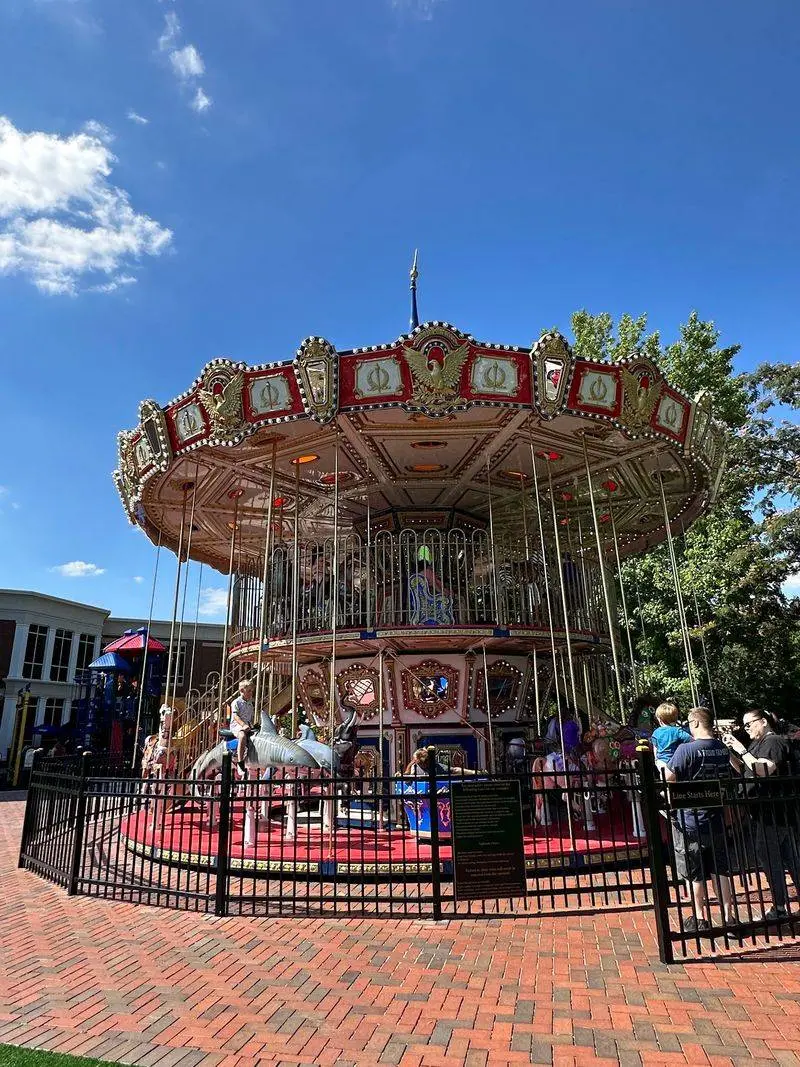
Carousels hold a special magic that never quite fades, no matter how many times you ride. The museum’s double-decker carousel brings that enchantment indoors with two full levels of hand-painted animals and ornate chariots.
Unlike standard carousels limited to horses, this one features dolphins, alligators, seahorses, and other whimsical creatures that spark imagination. Children pick their favorite animal and enjoy several minutes of classic amusement park fun without leaving the museum.
The two-level design means more families can ride simultaneously, reducing wait times even during busy periods.
Admission includes carousel rides, making it an easy addition to any visit without extra cost considerations. Many families use carousel breaks as transitions between exhibits or rewards after completing other activities.
The experience appeals to toddlers and older children alike, making it one of few attractions that truly works for entire families regardless of age differences.
The carousel’s central location makes it hard to miss, though some visitors save it for the end of their visit as a finale. Its traditional charm contrasts beautifully with the museum’s high-tech exhibits, reminding everyone that sometimes simple pleasures matter most.
Photographs on the carousel become lasting memories of special family days.
Cinema, Creative Spaces & More Hands-On Exhibits – Leave Room for Discoveries
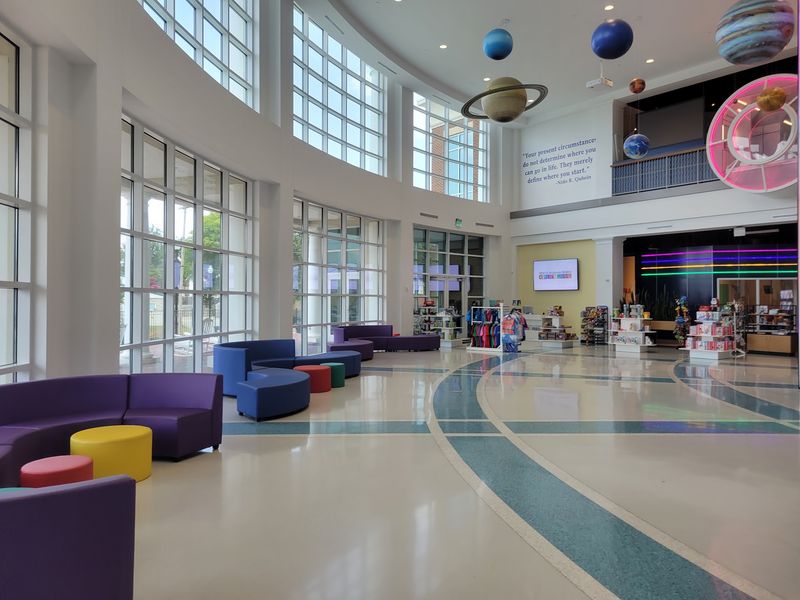
Rushing through a museum trying to see everything often means missing the best parts. With more than 17 exhibits spread across two floors, the Qubein Museum rewards visitors who leave room for spontaneous discoveries.
Beyond the headline attractions, families find engaging spaces like the on-site cinema showing educational films, creative studios where kids make art projects to take home, and LEGO building areas that occupy children for surprising amounts of time. Each smaller exhibit offers something different, from quiet activities perfect for calming overstimulated little ones to collaborative projects that bring families together.
These additional spaces serve important functions during a long museum day. Some children need breaks from high-energy exhibits, while others thrive on variety and want to sample everything available.
The creative stations let kids express themselves artistically, balancing the science-heavy exhibits found elsewhere in the building.
Many families discover their children’s favorite activity wasn’t something they planned to see but rather an unexpected exhibit they stumbled upon. This element of surprise keeps the museum feeling fresh even during multiple visits.
The sheer number of options means every child finds something perfectly suited to their interests, making the museum genuinely enjoyable for diverse groups with different preferences and energy levels.
Plan Your Visit – Know the Hours, Tickets, Parking and Family-Friendly Extras

Good planning transforms a museum visit from stressful to smooth. The Qubein Children’s Museum operates on a schedule that requires attention since hours vary by day and admission sessions are timed.
The museum closes Mondays and has limited hours Tuesdays (9 a.m. to 1 p.m.) and Sundays (1 to 5 p.m.). Wednesday through Saturday offers full days from 9 a.m. to 5 p.m.
General admission costs $15 per person, though infants 11 months and younger enter free. Parking is complimentary, eliminating one common expense families face at attractions.
Purchase tickets in advance when possible since the museum operates on scheduled admission sessions that can sell out. During the school year, weekday afternoons after 1:30 p.m. typically see smaller crowds.
The on-site café solves the lunch problem, letting families stay longer without leaving for meals.
Accessibility features include accessible parking, elevators, restrooms designed for various needs, quiet areas available upon request, sensory guides, and sensory-support items for visitors who need them. Located at 200 Qubein Avenue in High Point, the museum can be reached at (336) 888-7529 for questions.
Checking the online ticket calendar before visiting helps families secure their preferred time slot and plan around crowd patterns.