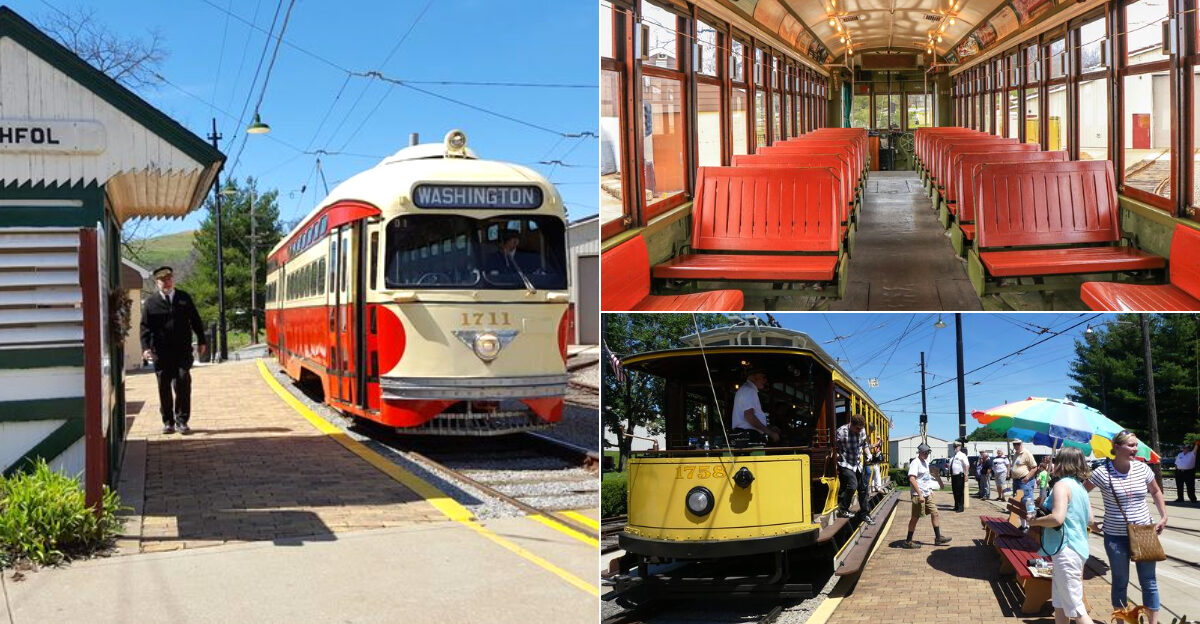
There’s something quietly remarkable about stepping onto a vintage trolley and feeling the electric hum of history beneath your feet.
Pennsylvania has always been a state that takes its transportation heritage seriously, and southwestern Pennsylvania in particular has deep roots in the streetcar era that shaped American cities.
The Pennsylvania Trolley Museum has spent decades preserving that legacy, collecting and restoring trolley cars that once carried workers, shoppers, and families across the region’s steel towns and city neighborhoods.
Whether you’re a lifelong transit enthusiast or a curious family looking for something genuinely different to do on a summer afternoon, this place consistently delivers.
Free Summer Rides Make Family Outings Easier
The happy clang of a trolley bell can turn an ordinary summer day into a small adventure.
For families watching their budgets, a kids ride free summer offer gives parents more room for snacks, souvenirs, or a return visit.
It also makes the museum feel welcoming to grandparents, cousins, and larger families who want one outing everyone can enjoy.
At the Pennsylvania Trolley Museum, the free youth ticket idea works best when adults plan ahead and check current admission details before leaving home.
Special offers can have age rules, date limits, or event exceptions, so a quick website check or phone call saves confusion at the ticket counter.
Families should also look at the daily schedule because rides and exhibit access may change with weather, staffing, or special programs.
Pack water, sunscreen, and a small camera, then give kids a simple mission, such as finding their favorite trolley color.
That turns the visit into a game instead of a lecture.
Best of all, children learn that local history is not dusty or boring, because here it moves, rings, and carries them down the track in real life together.
A Century-Old Story Kids Can Actually Ride
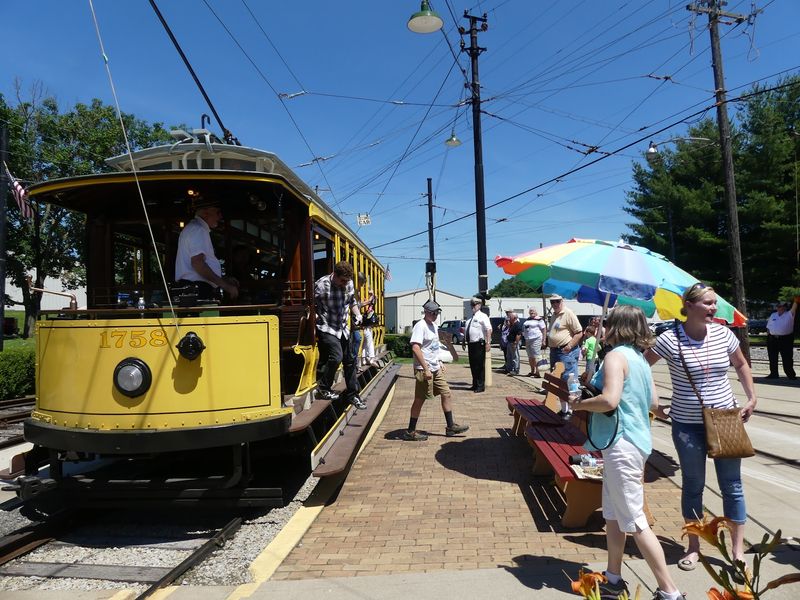
Old machines often seem far away until a child sits on a wooden seat and feels the car begin to roll.
That is the magic of a trolley museum with more than a century of transportation stories behind it.
Instead of only reading signs, visitors hear the motor, watch the doors, and notice how people once moved through towns before most families owned cars.
The museum’s collection helps kids understand how streetcars shaped daily life in Pennsylvania and beyond.
A trolley was not just a ride to school, work, or shopping.
It connected neighborhoods, helped cities grow, and gave people a dependable way to travel long before ride apps and family minivans.
Parents can make the history stick by asking simple questions during the ride.
What would you carry if this was your school bus?
How would winter feel without heated car seats?
Small talks like these help children compare past and present without feeling tested.
The age of the cars also teaches respect for repair work, because many vehicles survive thanks to patient restoration.
Kids leave knowing history is built by real hands, not just dates in books over many decades.
The Four-Mile Ride Is The Main Event
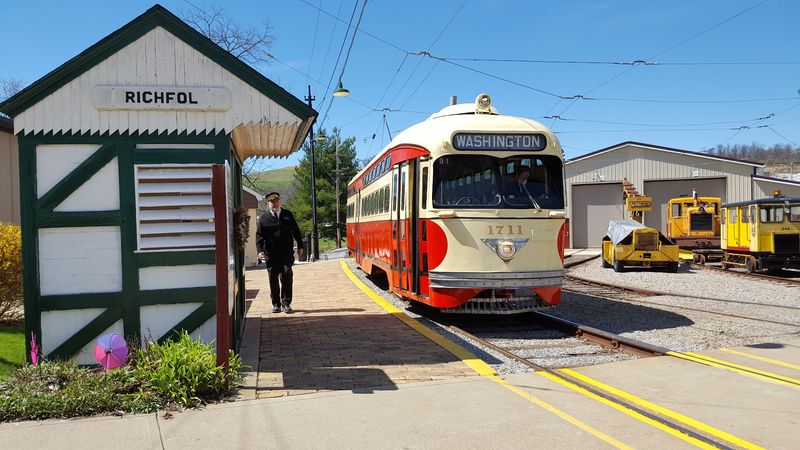
A slow ride can feel surprisingly exciting when the windows frame fields, trees, and tracks instead of highway traffic.
The museum’s scenic four-mile trolley trip is often the part children remember first, because it feels like stepping inside a moving time capsule.
The pace is gentle enough for young riders, yet different enough to feel like a real adventure.
Families should arrive with enough time to use restrooms, ask when the next car leaves, and choose seats without rushing.
Some kids love sitting near the front so they can watch the operator work.
Others prefer a window spot where they can point out birds, buildings, switches, and other details along the route.
Adults can help little riders stay engaged by turning the trip into a lookout challenge.
Ask them to spot overhead wires, track curves, old signs, or changes in sound as the trolley moves.
Those small clues show how electric rail travel works without needing a long explanation.
The ride also gives everyone a built-in rest between walking through exhibits.
For families with toddlers or tired siblings, that quiet seated time can reset the whole day.
By the time the trolley returns, kids often want another ride before leaving.
Hands-On Exhibits Keep Curious Kids Busy
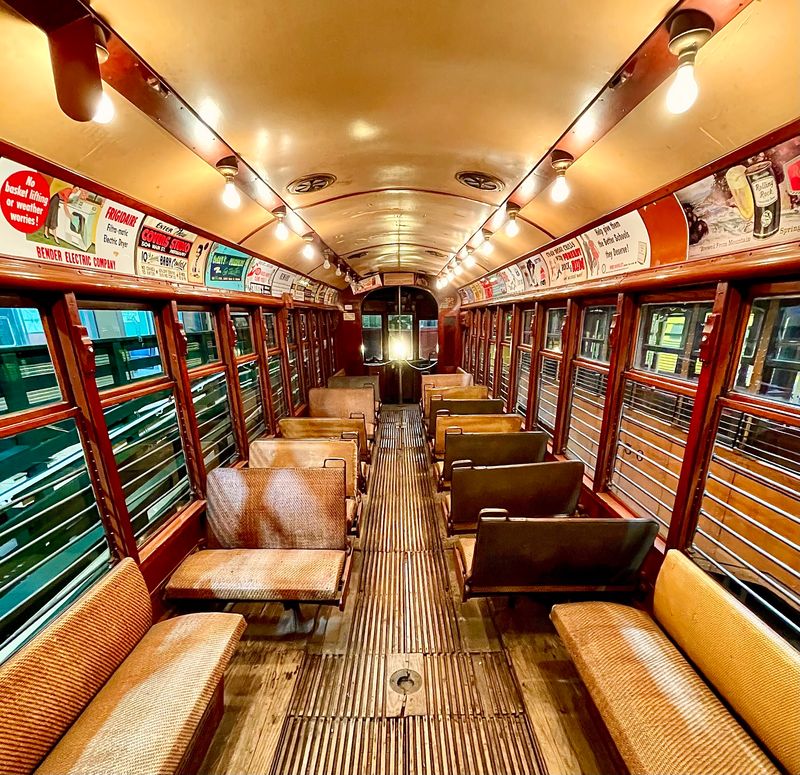
Buttons, lights, levers, and moving parts can rescue a museum day from the dreaded phrase, I am bored.
The visitor center includes interactive displays that help children connect trolley history to real actions.
When kids can touch, try, and compare, they learn without feeling stuck in a classroom.
Hands-on exhibits are especially helpful for families with different ages.
A younger child may enjoy pushing a button or watching a light flash, while an older sibling reads the panel and explains what happened.
Parents can stand nearby and guide the conversation instead of carrying the whole lesson themselves.
One smart plan is to tour the exhibits before riding, then ask kids to notice the same ideas on the actual trolley.
They might see how doors work, where passengers stand, or how operators control the car.
That link between display and ride makes the museum feel connected from start to finish.
Reviews often praise the clean, bright, modern feel of the exhibits, which matters when families spend several hours indoors and outdoors.
If a child needs a break, choose one favorite display and slow down.
A focused visit is better than rushing past everything just to say you saw it all today.
Volunteers Bring The Trolleys To Life
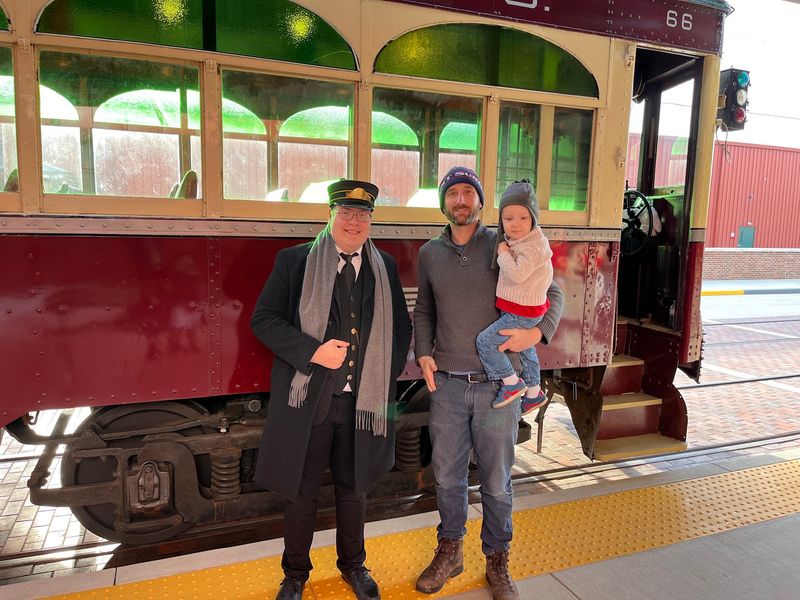
A good guide can make an old vehicle feel like a character with a voice.
Many visitors mention the museum’s friendly staff and knowledgeable volunteers, and that matters more than people may expect.
Children often remember a funny fact or kind answer long after they forget the exact year a trolley was built.
Volunteers can explain why a car looks different, how restoration happens, or what riders would have seen decades ago.
Their passion helps kids understand that museums are cared for by people, not magic.
When a child asks why a bell rings or how electricity moves the car, a patient answer can spark real curiosity.
Families can make the most of this by encouraging polite questions.
Before visiting, help kids think of one thing they want to know, such as how fast trolleys go or why tracks are shaped a certain way.
That gives shy children a starting point and makes them feel included.
It is also wise to listen for safety directions, especially around platforms, steps, and historic vehicles.
These cars were built in another era, so careful feet and calm hands are important.
With the right guidance, children feel trusted, informed, and excited to keep exploring more.
Restored Cars Turn Photos Into Keepsakes
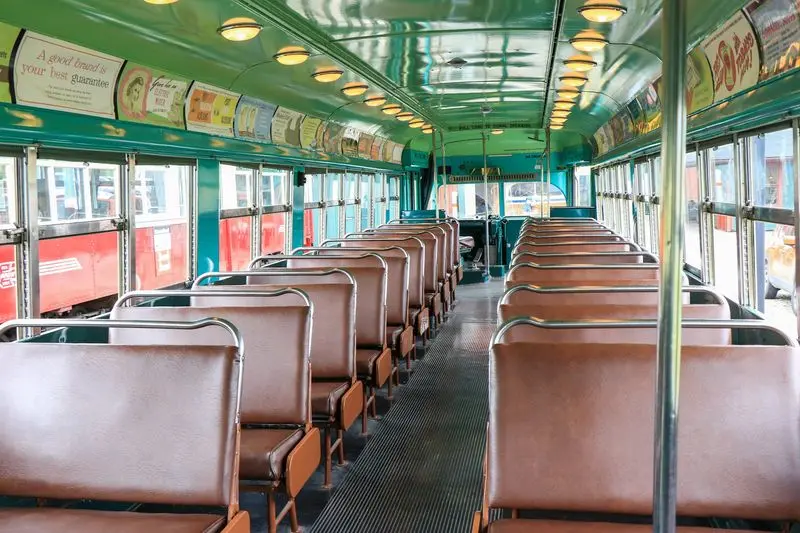
Bright paint, rounded windows, old signs, and polished details make the trolley cars natural photo spots.
Parents do not need fancy equipment to capture a memorable visit.
A phone camera is enough when the setting already has color, texture, and a strong sense of place.
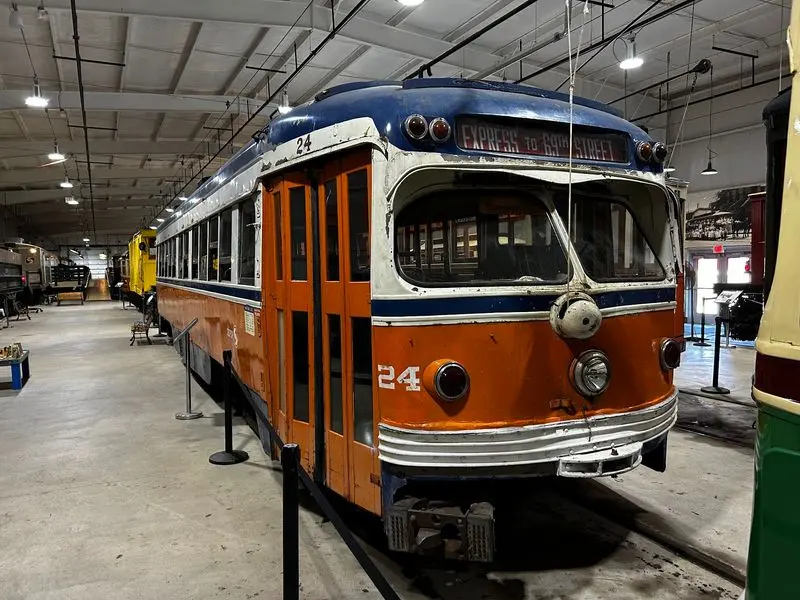
The museum is known for a large collection of vintage cars, including vehicles visitors can admire, board, or view during tours when available.
Each one tells a different story through its seats, handles, route signs, and design.
Kids may notice funny details adults miss, such as the shape of the lights or the sound of the floorboards.
For better pictures, take a few wide shots that show the whole trolley, then move closer for details like destination signs or old controls.
Ask children to stand safely beside a car rather than climbing where they should not.
Always follow posted rules, because historic equipment needs protection from rough handling.
Photo stops can also help pace the day.
After each exhibit area, choose one snapshot that shows what the family enjoyed most.
Later, those pictures can become a simple summer scrapbook, school sharing idea, or reminder that history was not only learned, but actually experienced together.
Family Comforts Help The Day Go Smoothly
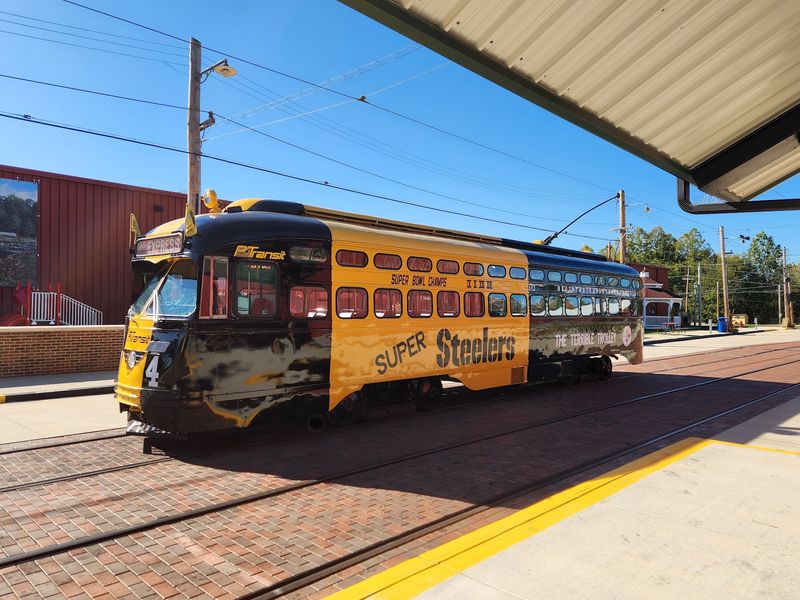
A great family attraction is not only about the big highlight.
Clean restrooms, easy parking, places to pause, and kid-friendly spaces can decide whether the day feels fun or stressful.
Recent visitors often praise the museum’s bright new facilities, helpful layout, gift shop, and areas that make families feel considered.
Parents with small children should plan the visit like a mini road trip.
Bring a stroller if needed, but be ready to park it during certain rides or tight exhibit areas.
Pack wipes, water, and a light snack for after the ride, while also checking any food rules before you go.
A playground or child-focused area can give younger visitors a chance to move between quieter museum moments.
That balance is useful because even excited kids need to wiggle.
Families with infants may also appreciate private care spaces when available, especially during a longer summer outing.
The gift shop can be a fun final stop if expectations are clear.
Set a small budget before entering, or let children choose between a souvenir and a treat later.
Simple planning keeps the focus on the experience instead of arguments.
When comfort details work well, everyone has more energy for the trolleys, displays, and stories.
Smart Planning Makes A Summer Visit Better
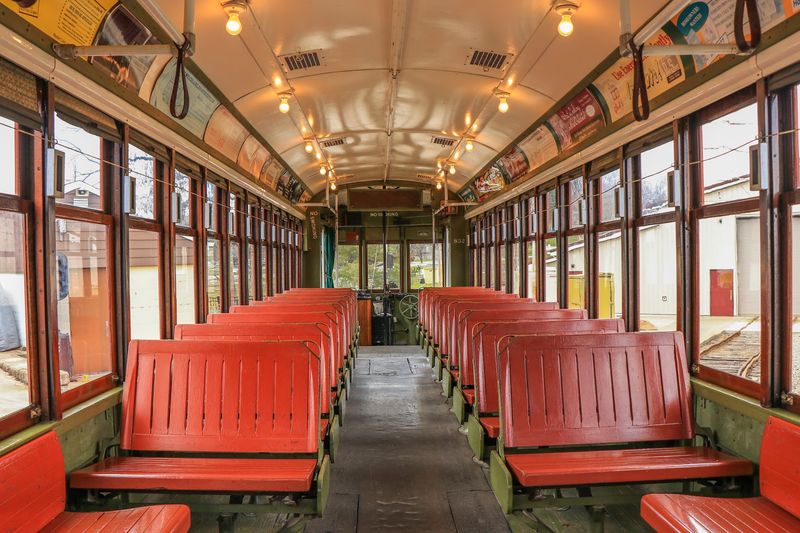
Summer fun works best when the practical details are handled before anyone buckles a seat belt.
The museum is typically open Tuesday through Sunday from 10 AM to 4 PM and closed on Monday, but families should confirm hours before traveling.
Special events, weather, restoration work, or private programs can sometimes affect schedules.
Calling ahead or checking the official website is especially helpful if you are visiting for the kids ride free promotion.
Ask about age limits, ticket rules, event dates, and whether unlimited rides are included with admission that day.
Clear answers prevent disappointment and help adults choose the best day for their group.
Arrive earlier in the day if you want a relaxed pace.
Morning visits can mean easier parking, fresher kids, and more time to explore without watching the clock.
Comfortable shoes are a must because the outing includes walking, standing, climbing steps, and moving between indoor and outdoor areas.
Keep your plan flexible, because children may fall in love with one exhibit or want to ride again.
That is not wasted time.
It means the visit is working.
A smart schedule leaves space for surprise, curiosity, and one last trolley bell before heading home.