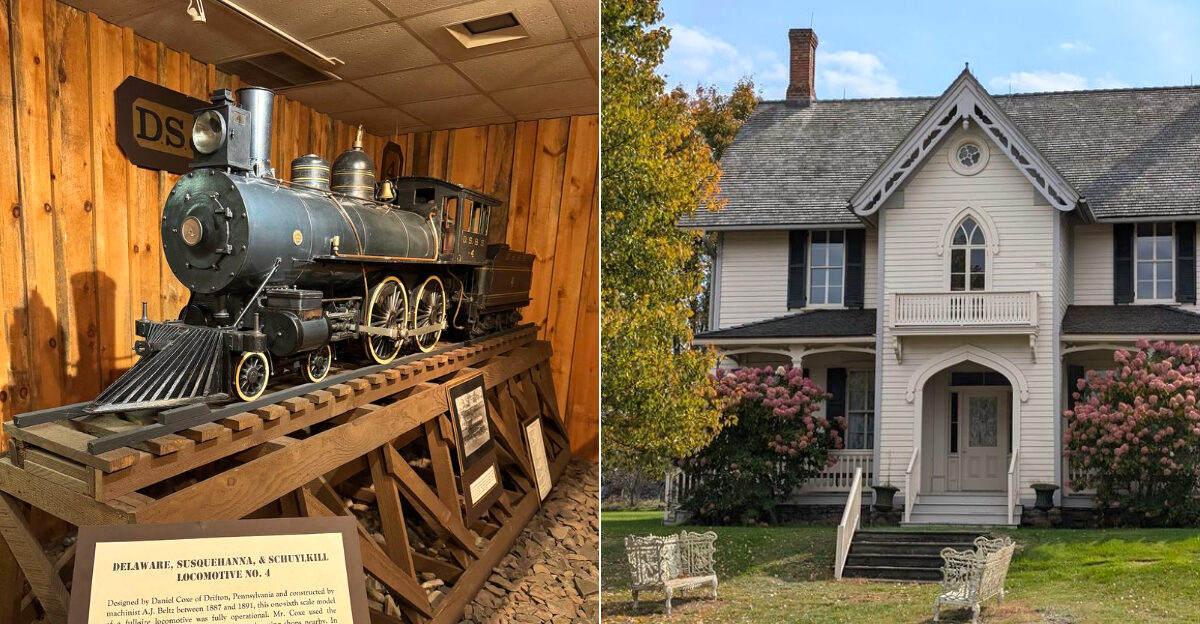
Tucked into the mountains of Carbon County, there are places in Pennsylvania where the industrial past hasn’t been smoothed over or repackaged, it’s simply been left to speak for itself.
Few places communicate that more powerfully than a company patch town, where miners and their families once lived, worked, and died in a world entirely controlled by the coal companies.
Eckley Miners’ Village near Weatherly preserves one of the last remaining intact anthracite coal towns in the country, maintaining the original structures largely as they stood in the 19th century.
The site was famously used as a filming location for the 1970 film The Molly Maguires, which only adds to its haunted, cinematic quality.
It’s the kind of place that changes how you think about history, not as dates and names, but as lived experience left behind in wood and stone.
A Main Street That Feels Frozen in Time
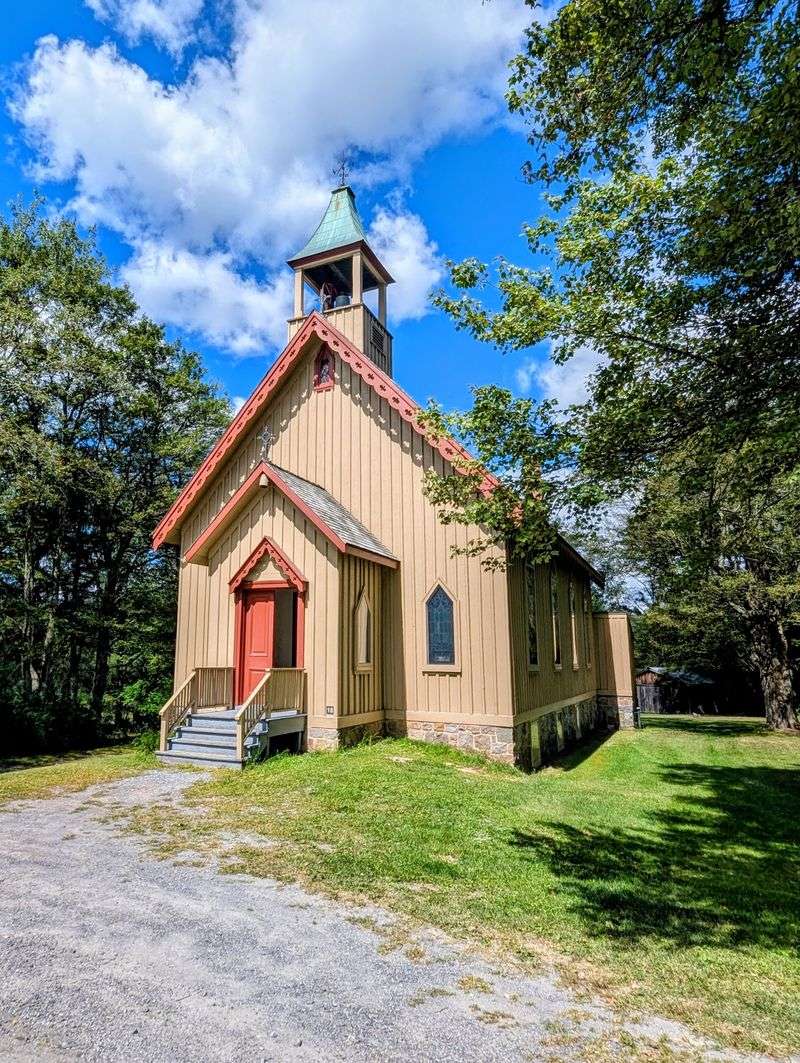
The road feels quiet enough that footsteps seem louder than traffic.Rows of small homes stand along the main street, giving visitors a clear look at how a coal company town once worked.
At Eckley Miners’ Village, 2 Eckley Main St, Weatherly, PA 18255, the setting is simple, but that is exactly what makes it powerful.
Many buildings look plain at first, yet each one points to a hard daily life shaped by anthracite coal.Families lived close to neighbors, walked to the company store, attended church, and depended on mining wages that were never easy.
The preserved street helps people picture a world before shopping centers, smartphones, and fast travel.
Plan to slow down here instead of rushing from building to building.Wear comfortable shoes, bring water, and give yourself at least forty-five minutes outside, more if the museum is open.
Some homes are not open because a few residents still live on the property, so look for signs, respect mailboxes, and treat the village like both a historic site and a real neighborhood.
Small Houses With Big Stories
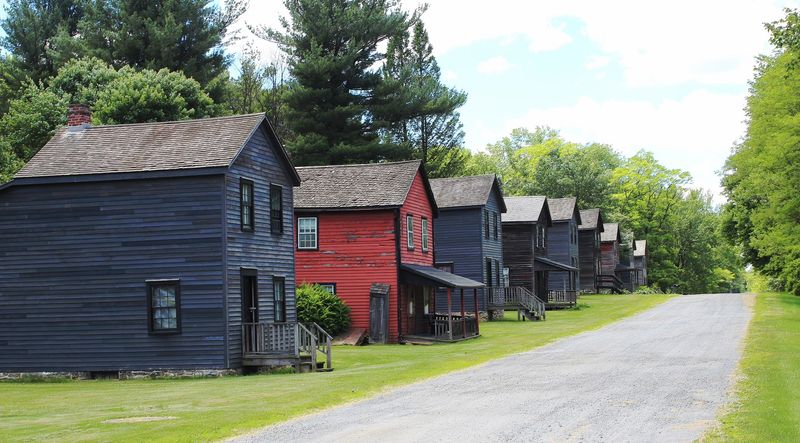
Every little house seems to whisper about crowded kitchens, coal dust, and long winter nights.The homes may look small from the road, but they held large families, daily chores, and the hopes of people chasing a better life.
Their plain shape helps visitors understand that comfort was often limited, while work and worry filled much of the week.
Inside access can be limited, and some buildings are viewed from doorways or windows.That can surprise guests who expect to walk through every room, so it helps to arrive with the right idea.
The value here is not fancy furniture or grand rooms, but the honest scale of everyday life.
Look closely at porches, yards, rooflines, and the spacing between houses.Those details show how company towns were built for order, not luxury.
Parents can turn the visit into a simple lesson by asking kids what they would miss most without modern bathrooms, large bedrooms, or easy heating, then connecting those answers to the real mining families who once called these streets home.
A Museum That Makes Coal History Clear
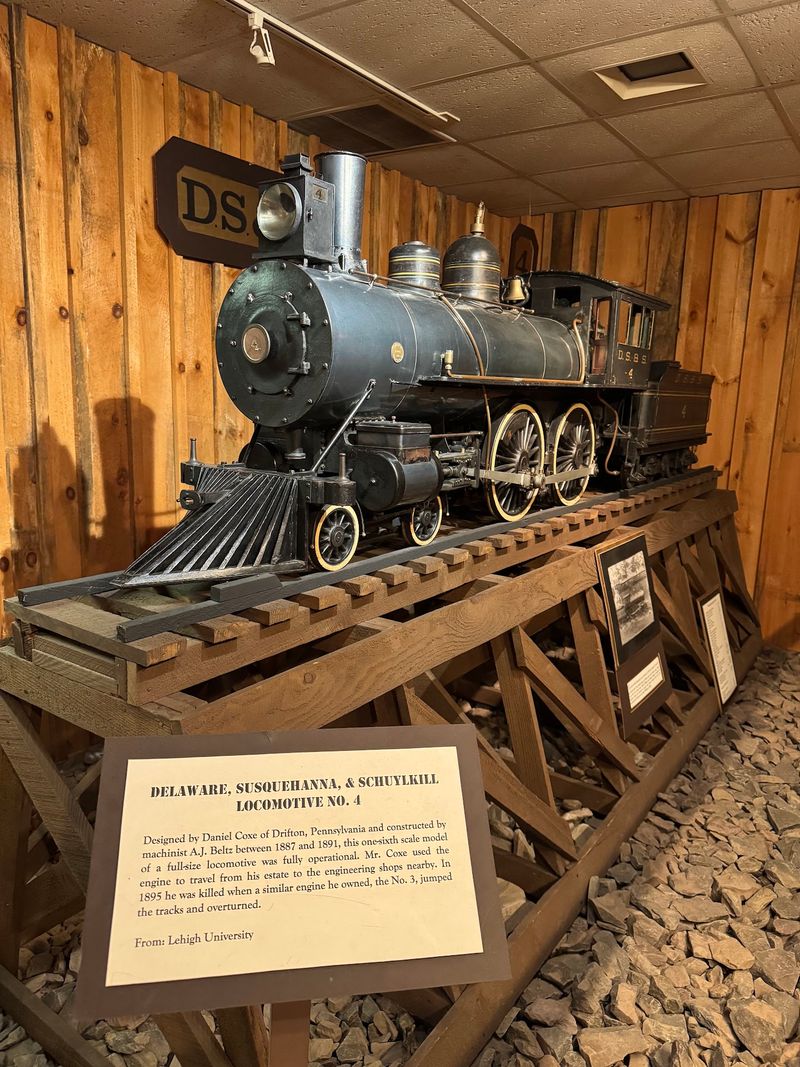
A good museum does not need to be huge to stay with you.The indoor exhibits here help explain the village before you walk outside, making the old homes, store, and streets easier to understand.
Visitors often praise the displays because they connect tools, photos, stories, and mining terms in a way that feels clear rather than confusing.
Start at the visitor center if it is open, especially if you know little about anthracite mining.The museum may include a short film, artifacts, and background on workers, families, immigration, labor, and the company system.
That first layer of context can turn a quiet walk into a much richer experience.
There is usually a fee for the museum, while walking or driving through the village may be free during open access times.Check current hours before leaving, since the site is commonly open Wednesday through Sunday from 10 AM to 4 PM and closed Monday and Tuesday.
Calling ahead is smart if you want guided tours, events, school information, or confirmation about what buildings and exhibits are available that day.
Guided Tours Add Voices to the Empty Street
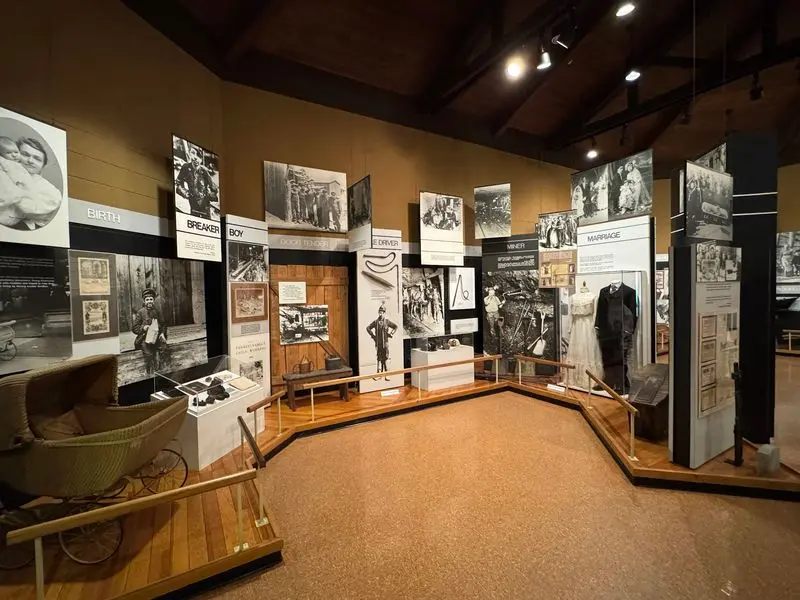
A quiet building becomes more interesting when someone tells you who may have lived there.Guided tours can add names, customs, work routines, and surprising details that are easy to miss on a self-guided visit.
Instead of only seeing old structures, guests begin to picture mothers washing clothes, children playing outside, and miners returning tired from dangerous shifts.
Tour guides and volunteers often bring local knowledge that signs cannot fully hold.They may explain why houses were placed in certain rows, how the company store affected family budgets, or what hazards miners faced underground.
Ask simple questions, because the answers can make the whole village feel more human.
If you visit during a slow weekday, tours may be limited, so check the schedule before making a special trip.Special events, reenactments, and seasonal programs can offer even deeper learning when available.
For the best experience, arrive early enough to visit the museum first, then join a tour or walk the street with fresh context, giving yourself time for photos, reading signs, and noticing small clues along the way.
The Movie Connection That Helped Save the Town
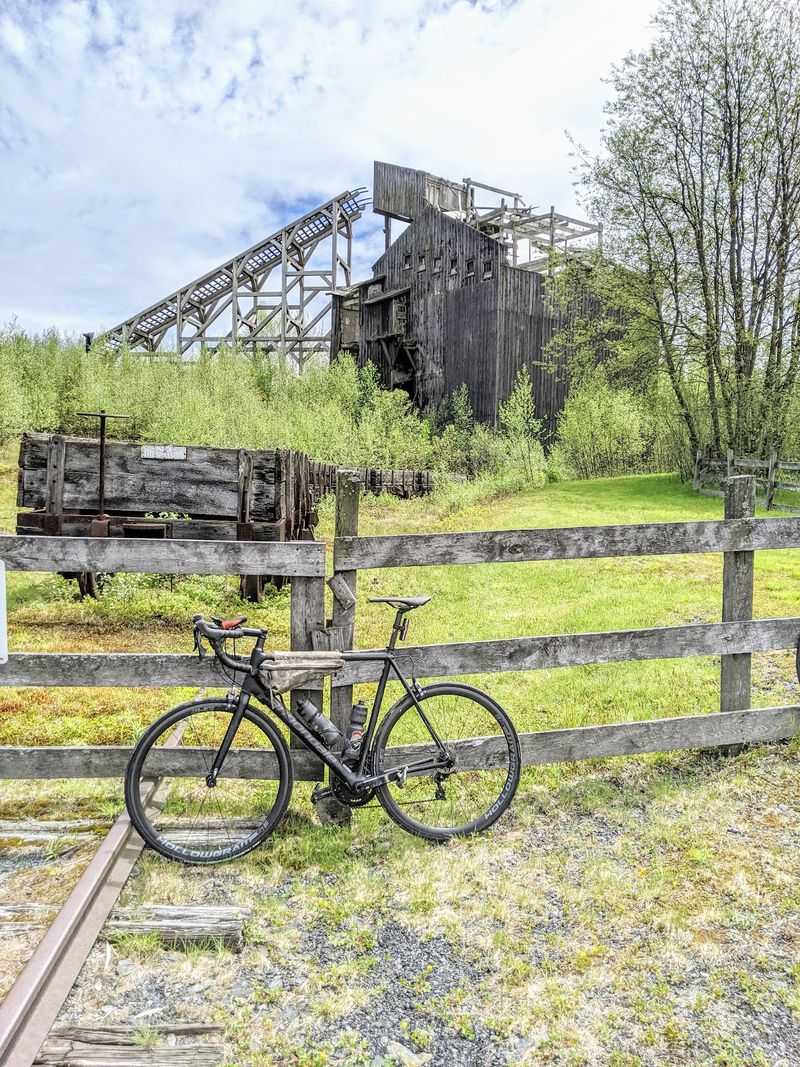
Hollywood sometimes leaves behind more than movie memories.The filming of The Molly Maguires, starring Sean Connery and Richard Harris, brought attention to the village when its future was uncertain.
That connection helped push the site toward preservation instead of loss, which is why visitors can still walk the main road today.
The film focused on labor conflict in Pennsylvania coal country, a subject tied to fear, power, and survival.While movies add drama, the setting itself carries real weight because miners truly faced dangerous work, low pay, and company control.
Seeing the place after learning about the film can make both history and cinema feel more connected.
Fans of the movie may enjoy spotting structures and views that resemble scenes from the production.Even if you have never watched it, knowing that a film crew once transformed the town adds another layer to the visit.
Before going, consider watching the movie or reading a short summary, then use your walk to compare the screen version with the quieter preserved landscape standing there now.
A Peaceful Walk With Quiet Details
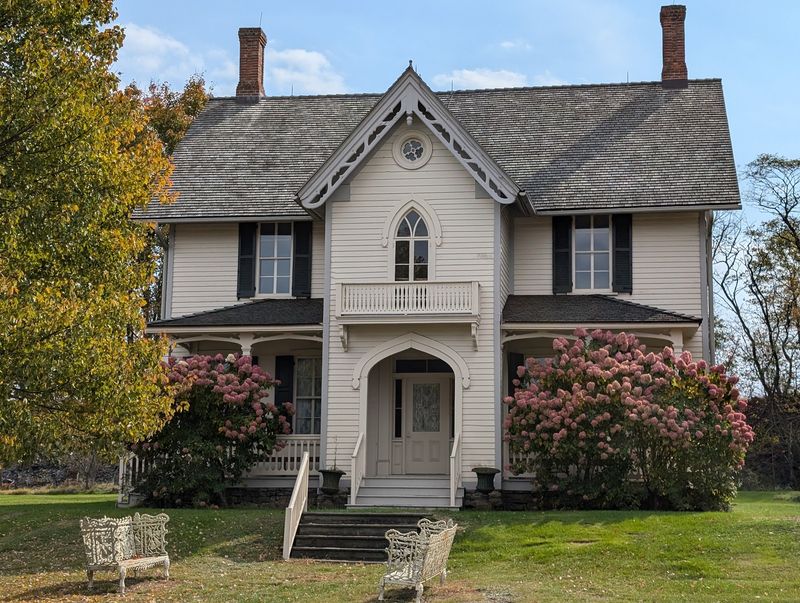
Not every historic place shouts for attention.Here, the best moments often come from slow walking, quiet looking, and noticing small details like worn steps, old sheds, stone piles, fences, and wide shade trees.
The setting can feel peaceful, even while the story behind it is difficult.
Many visitors spend about one to three hours, depending on whether they tour the museum, take photos, or stop to read signs.The main road can be explored on foot, and some people drive part of it when weather is hot or walking is difficult.
A walking visit usually gives the strongest sense of distance, layout, and atmosphere.
Bring a camera, but remember that the goal is not just taking pictures.Pause now and then to imagine the sounds that once filled the area, from wagon wheels and church bells to children calling and mining equipment in the distance.
If you like quiet travel, weekday visits may feel especially calm, though checking hours first is still wise because indoor spaces and services may not always be available.
Respect Matters Because People Still Live There
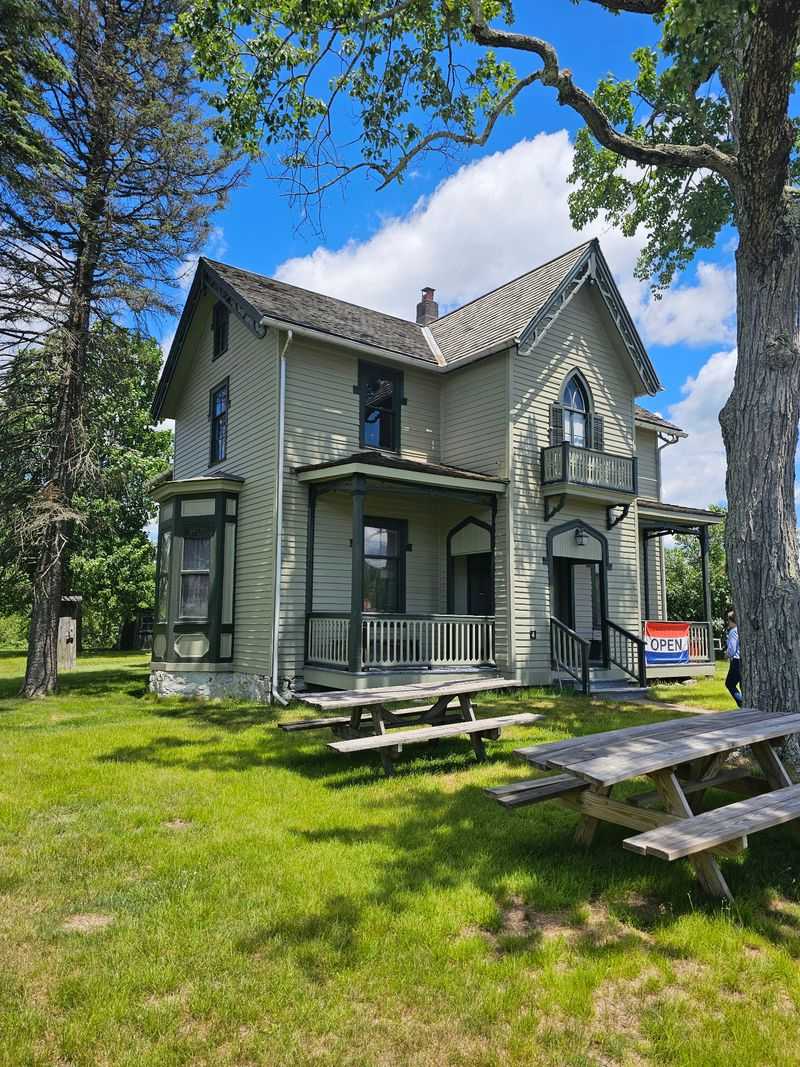
The village may look like a ghost town at first glance, but that is not the full story.A few homes still have residents, which gives the place a rare lived-in feeling instead of making it only a frozen display.
That also means visitors need to use good manners and common sense during every stop.
Mailboxes, curtains, cars, porch items, or private signs are clear clues that a building is not part of the tour.Do not peek into windows of occupied homes, walk into yards, block driveways, or treat private spaces like photo props.
Respectful behavior protects residents and helps keep the site welcoming for future guests.
Families can use this as a simple travel lesson for kids.Historic places are not theme parks, and real communities deserve care even when they are part of a museum landscape.
Stay on public paths and roads, follow posted guidance, ask staff if you are unsure, and remember that kindness is part of good exploring, especially in a place where history and daily life still share the same street.
Smart Tips for a Better Visit
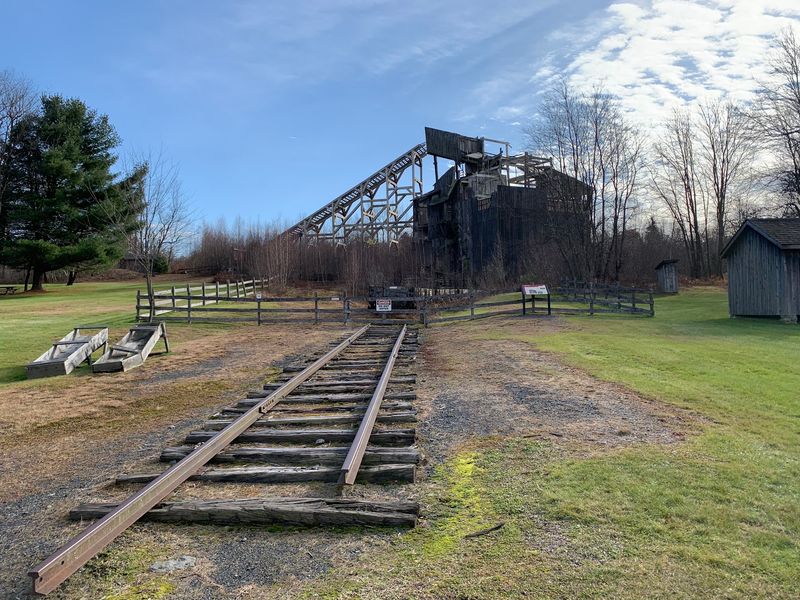
A little planning can turn a quick stop into a memorable history trip.Because the site includes outdoor walking, old roads, limited building access, and a small museum, visitors should know what to expect before arriving.
Think of it as a calm, educational outing rather than a busy attraction packed with rides or shops.
Check the official website or call before you go, especially if weather, holidays, or special events may affect access.Wear sturdy shoes, bring water, dress for sun or wind, and allow extra time if you enjoy photography.
Restrooms may be available, but it is still smart to plan ahead, particularly with children or older travelers.
Set expectations clearly for your group.Some buildings may be closed, some are only viewed from outside, and the outdoor village is the main experience for many guests.
If you enjoy coal history, preserved architecture, unusual Pennsylvania road trips, or quiet places that make the past feel close, this stop can be deeply rewarding, especially when paired with the museum, a guided tour, and patient curiosity.