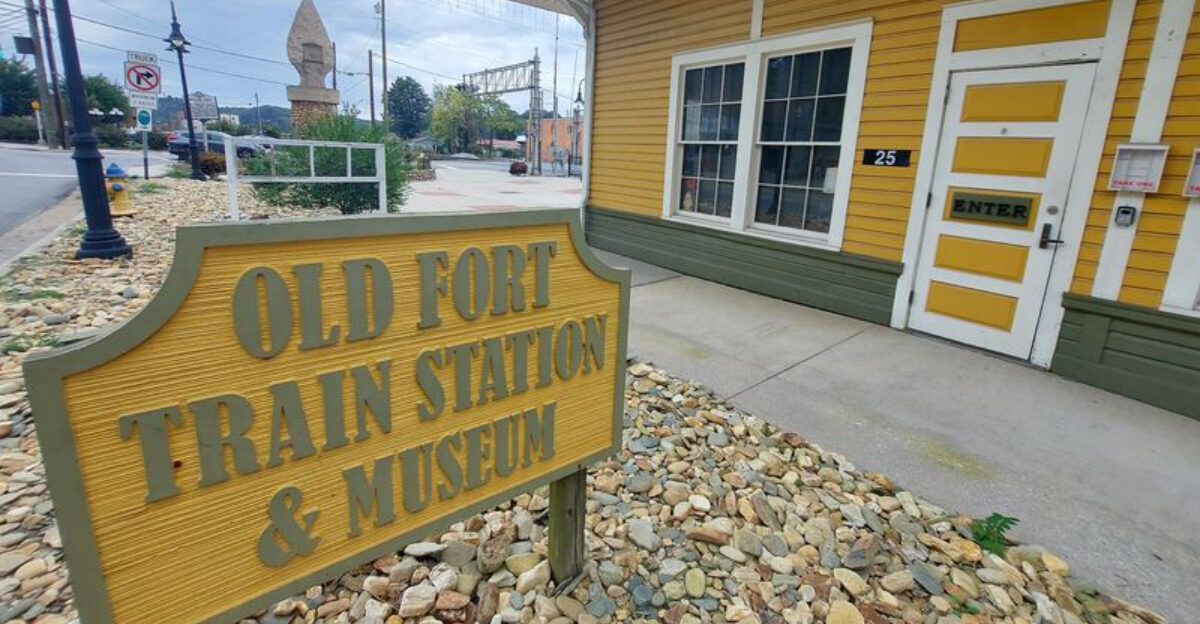
Some of North Carolina’s best small-town adventures begin beside an old railroad track.
Long before road trips became the norm, these historic depots buzzed with passengers, freight, railroad workers, and locals waiting to see who would step off the next train.
They helped shape communities and connect quiet corners of the state to places far beyond them.
Today, many of these stations still stand, carefully preserved and packed with stories. Some house museums, while others remain striking reminders of the days when trains ruled the rails.
From mountain communities to charming Piedmont towns, these depots make wonderful stops for travelers who love history, architecture, and a good excuse to wander somewhere new.
Pack your curiosity and follow the tracks. You may discover a small town you never knew you needed to visit.
Hamlet Depot & Museums – Hamlet
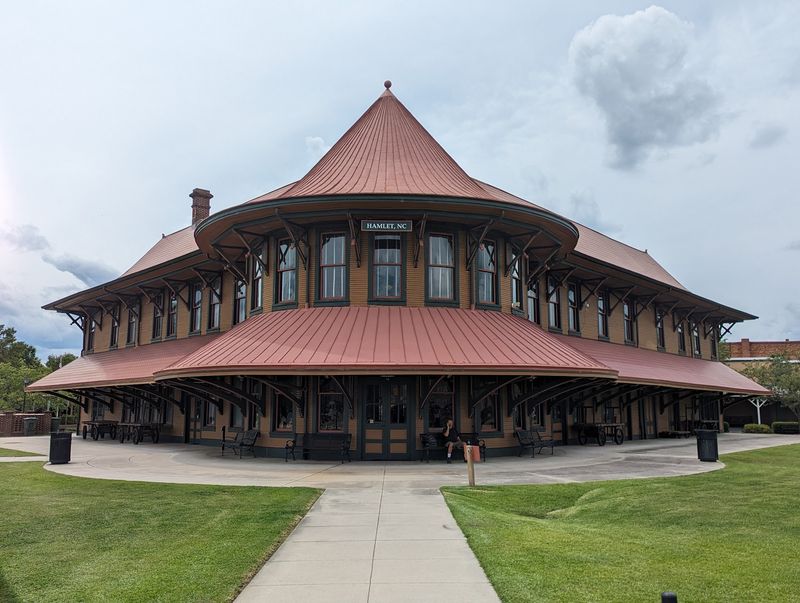
Few towns wear their railroad identity quite like Hamlet does. This community grew up entirely around the tracks, and the Hamlet Depot & Museums stands as proud proof of that heritage.
Listed on the National Register of Historic Places, the depot isn’t just a building but a testament to the town’s role as a major rail center.
Walking through the museum, you’ll discover how railroads shaped every aspect of life here. Exhibits showcase the workers, the trains, and the families who built their lives around the station.
The collection brings railroad history to life in ways that feel personal and real.
Beyond the depot, Hamlet itself rewards curious visitors. The downtown still reflects its railroad roots, with historic buildings and stories waiting around every corner.
This is where North Carolina’s railroad heritage feels most authentic and alive.
Historic Burgaw Train Depot – Burgaw
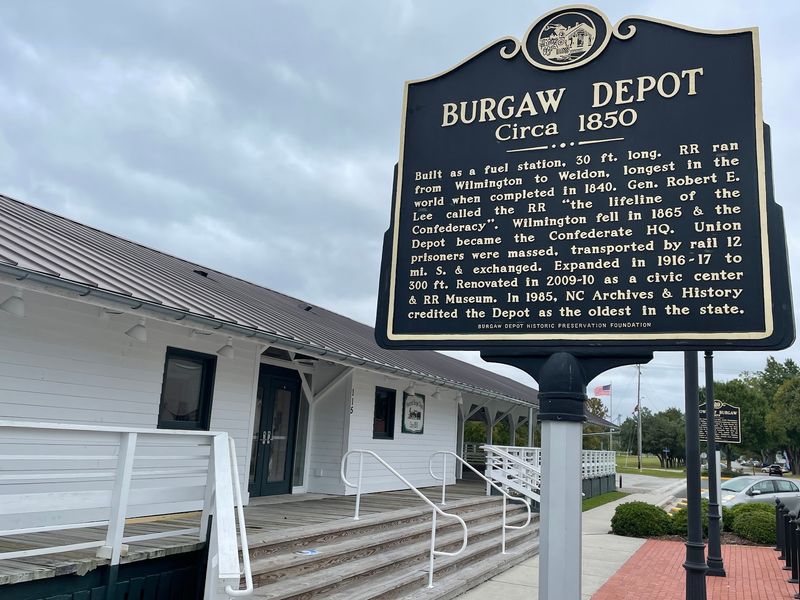
Right in the heart of downtown Burgaw sits a depot that helped build a county seat. The Historic Burgaw Train Depot has become more than a preserved building; it’s the anchor that holds the community’s historic district together.
Pender County’s seat of government grew around this station, and that connection remains visible today.
The depot’s architecture tells its own story. Clean lines and functional design reflect the practical needs of a working railroad station.
Yet there’s beauty in that simplicity, a reminder of when train travel meant everything to small Southern towns.
Exploring Burgaw after visiting the depot feels natural and rewarding. The surrounding downtown maintains its historic character, with local shops and businesses occupying buildings that remember when the train whistle marked the rhythm of daily life.
It’s a perfect spot for anyone who loves discovering authentic small-town North Carolina.
Saluda Depot Museum – Saluda
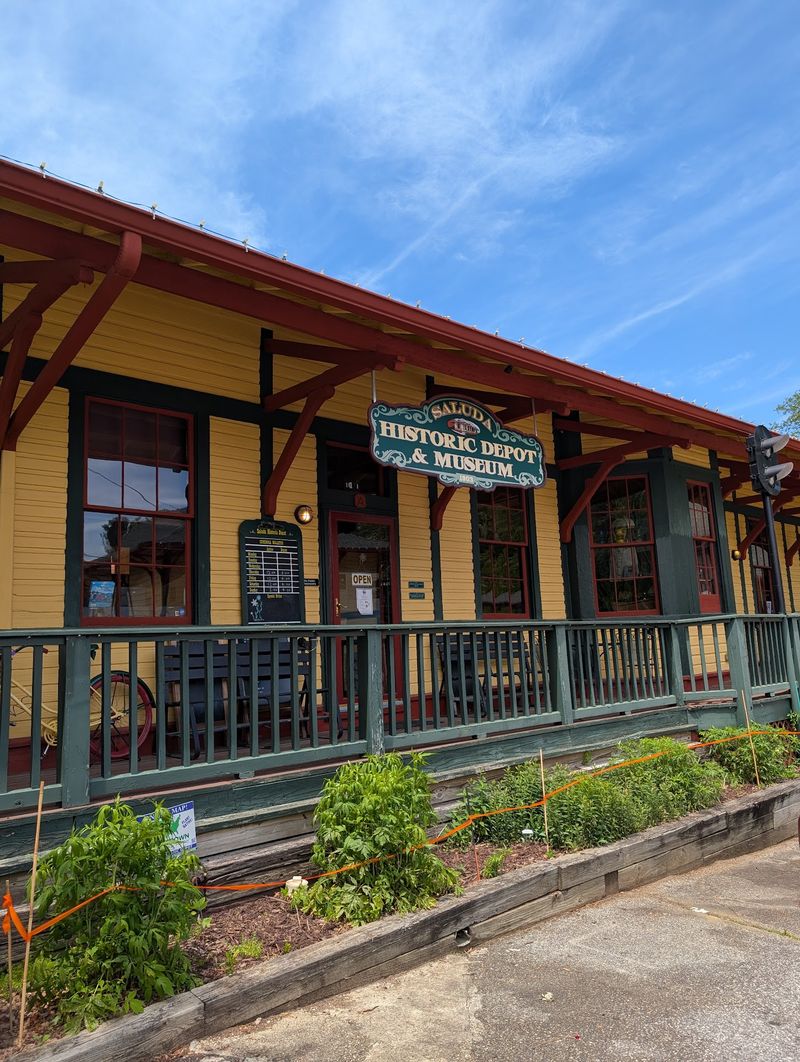
Perched in the Blue Ridge foothills, Saluda offers something completely different from flatland railroad towns. The Saluda Depot Museum preserves the challenging story of mountain railroading, where steep grades and tight curves made every journey an engineering feat.
This tiny community became a vital stop along one of the steepest mainline railroad grades in America.
Inside the museum, you’ll find artifacts and stories that explain why building railroads through these mountains took extraordinary effort. The exhibits honor the workers and ingenuity required to connect mountain communities with the rest of the state.
It’s railroad history with drama and genuine stakes.
After exploring the depot, Saluda’s downtown beckons with its quirky mountain charm. Local shops, cafes, and galleries fill historic buildings along Main Street.
The town has held onto its character while welcoming visitors who appreciate mountain towns that haven’t lost their soul.
Historic Railroad Depot – Hendersonville
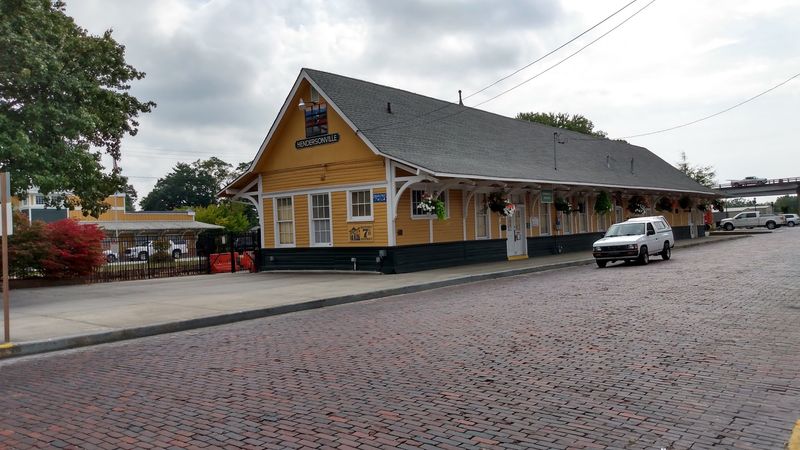
Hendersonville’s mountain-town elegance extends right through its historic railroad depot. Now serving as a museum, this beautifully maintained station shows how railroads transformed mountain communities from isolated settlements into thriving destinations.
The depot played a crucial role in bringing tourists and commerce to the area during the railroad’s golden age.
The building itself deserves attention. Its architectural details reflect the prosperity railroads brought to Hendersonville.
Inside, museum exhibits connect visitors with the era when arriving by train was the height of sophistication and adventure.
Location matters here. The depot sits within easy walking distance of Hendersonville’s vibrant downtown, where shops, restaurants, and galleries occupy historic buildings.
You can easily spend an afternoon moving between railroad history and mountain-town shopping. It’s a combination that works beautifully, giving visitors both education and entertainment in one compact, walkable area that celebrates its past.
Old Fort Railroad Museum – Old Fort
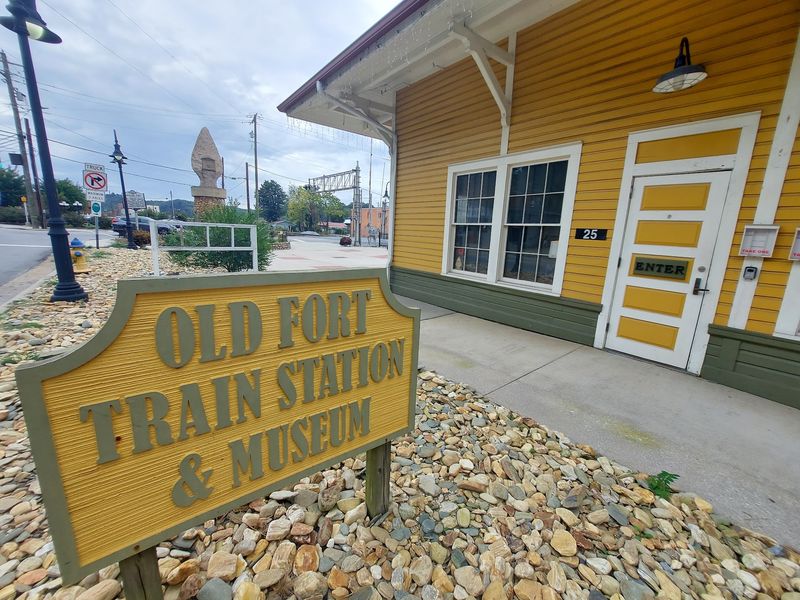
Getting trains through the Blue Ridge Mountains required serious problem-solving. Old Fort sits right where that challenge became most intense, and the Old Fort Railroad Museum tells that gripping story.
This small mountain community witnessed some of the most difficult railroad engineering in the South, and the museum preserves those achievements.
Exhibits explain how workers conquered steep grades and dangerous terrain to push tracks westward. You’ll see artifacts, photographs, and displays that bring this era to vivid life.
The museum makes technical railroad history feel exciting and human.
Old Fort itself offers more than depot history. The surrounding mountains attract hikers and outdoor enthusiasts who appreciate the area’s natural beauty.
Historic downtown buildings add character, while the mountain setting provides gorgeous scenery. It’s an ideal stop for anyone who enjoys mixing history with mountain adventures, especially those who want to understand how railroads conquered challenging landscapes.
Union Station Railroad Museum – Aberdeen
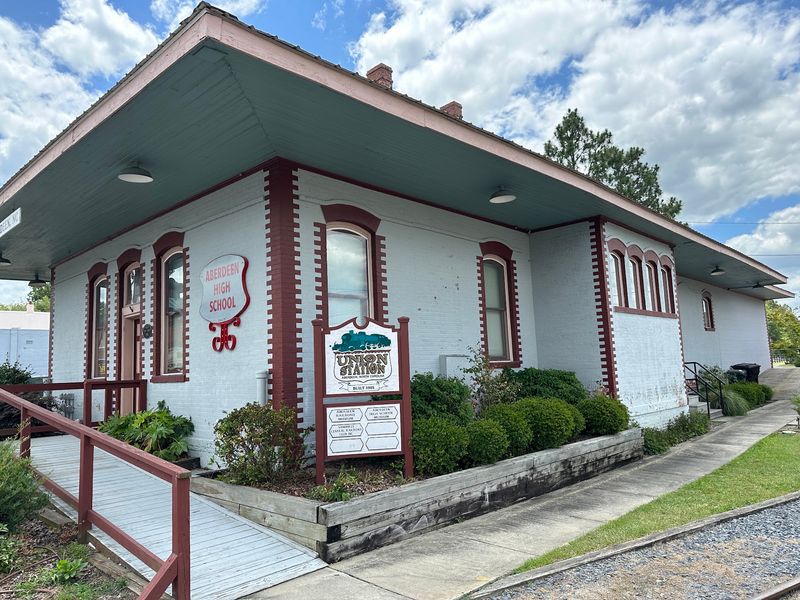
Aberdeen’s Union Station tells the Sandhills story through a railroad lens. This National Register-listed depot once connected small communities across this distinctive region with markets and travelers beyond.
The historic station has been carefully preserved, giving visitors a window into how rail transportation shaped the development of Aberdeen and surrounding towns.
Inside, the museum collection focuses on the people and commerce that moved through this station. You’ll discover how the railroad brought new opportunities to the Sandhills, changing the region’s economy and culture.
The exhibits feel personal rather than abstract, showing real connections between trains and community life.
Pairing a depot visit with a downtown stroll makes perfect sense in Aberdeen. The surrounding area maintains its small-town appeal, with local businesses and historic buildings creating a pleasant afternoon destination.
It’s the kind of place where railroad history and present-day charm blend naturally together.
Lake Waccamaw Depot Museum – Lake Waccamaw
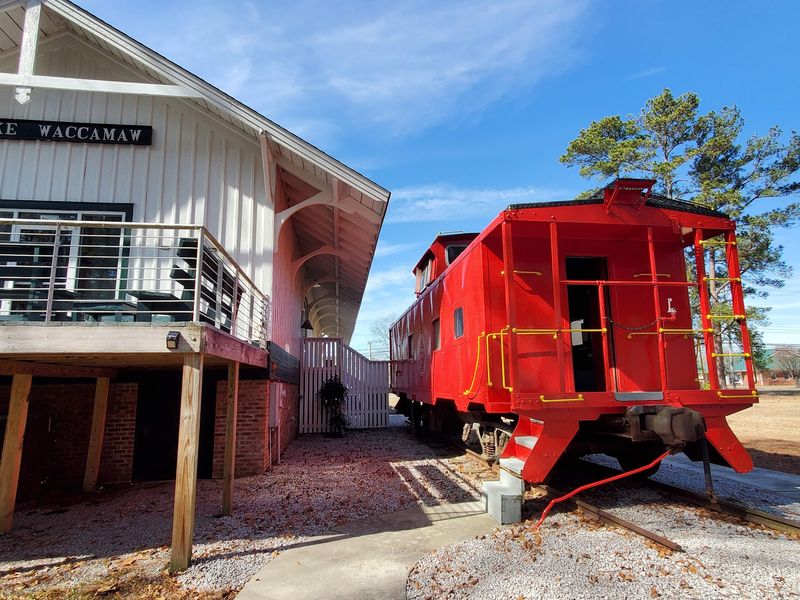
Railroad history meets natural beauty at Lake Waccamaw. The Lake Waccamaw Depot Museum sits in a community blessed with one of North Carolina’s most unusual natural lakes, creating a combination you won’t find anywhere else on this list.
The depot preserves the town’s connection to railroad transportation while the lake provides stunning scenery.
Museum exhibits showcase railroad-era artifacts and explain how train service helped develop this remote lakeside area. The building itself, documented in North Carolina’s historic depot inventory, represents small-town stations that once dotted rural rail lines.
It’s intimate and authentic, the kind of place where local volunteers share genuine enthusiasm for their town’s history.
What sets Lake Waccamaw apart is the setting. After touring the depot, you can explore the remarkable lake that gives the town its name.
The relaxed atmosphere and natural surroundings make this a refreshing stop for travelers who want history plus scenery in one package.
Morganton Railroad Depot Museum – Morganton
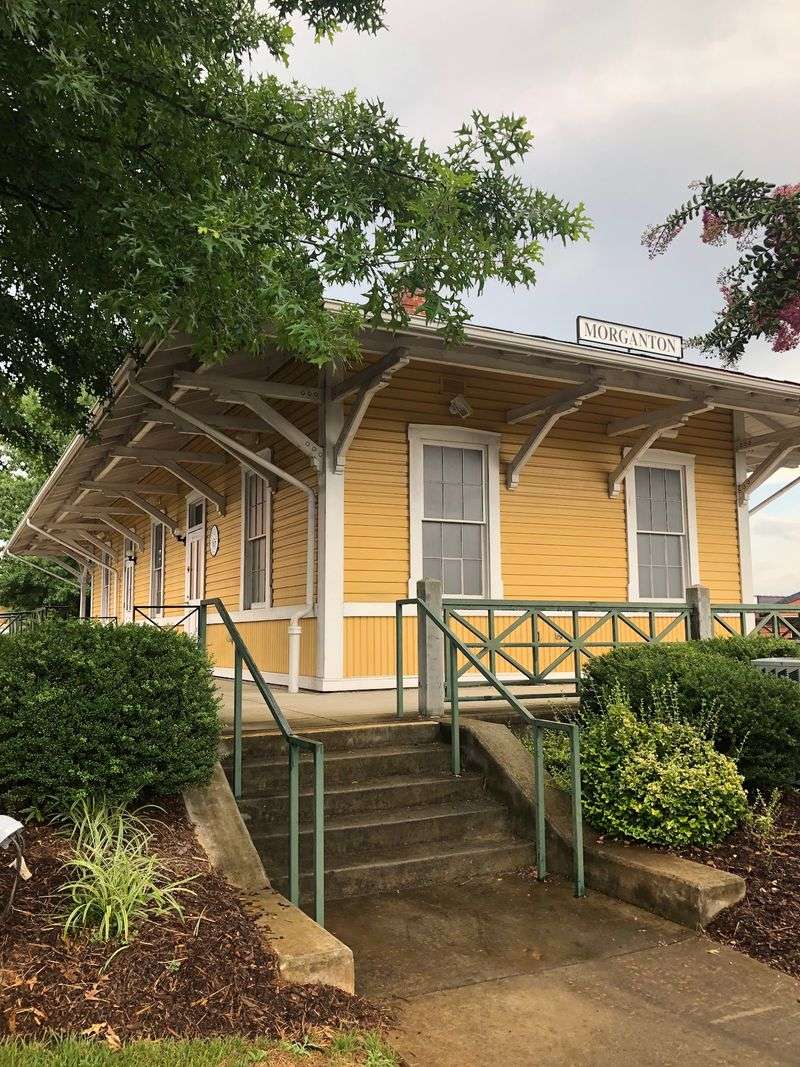
Freight transportation built Morganton’s prosperity, and the Morganton Railroad Depot Museum keeps that story alive. Unlike depots focused mainly on passenger service, this station highlights the movement of goods that powered local commerce and industry.
The foothills location made rail access essential for connecting Burke County with broader markets.
The depot building showcases practical railroad architecture designed for efficiency rather than passenger comfort. Its design reflects the serious business of moving freight through the North Carolina piedmont.
North Carolina’s preservation records document how important these freight facilities were to regional economic development.
Morganton’s historic downtown surrounds the depot with worthwhile attractions. The city maintains a strong connection to its past while offering modern amenities and interesting local businesses.
You can easily spend time exploring beyond the station, discovering how this foothills community evolved around its railroad connections. It’s history with substance, showing how trains shaped more than just transportation.
N.C. Transportation Museum – Spencer
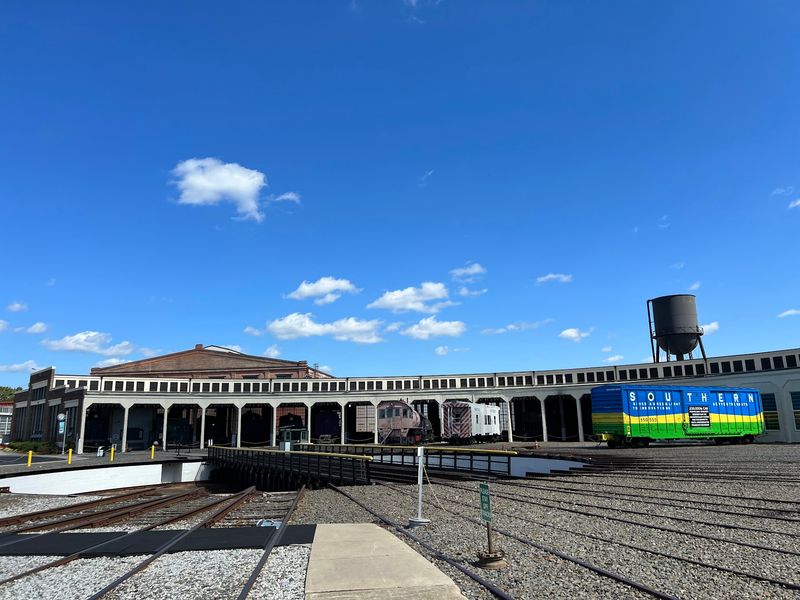
Spencer takes railroad preservation to an entirely different level. The N.C.
Transportation Museum occupies the former Southern Railway Spencer Shops, a massive complex where locomotives received maintenance and repairs starting in 1896. At its peak, nearly 3,000 people worked here, making the shops the economic heart of Spencer and surrounding communities.
Walking through the authentic depot, roundhouse, and restored railroad buildings feels like stepping back into railroad history. Real locomotives stand where they once received service.
The scale impresses immediately because this isn’t a small-town depot but an entire railroad support operation.
The museum transformed Spencer into a destination for serious railroad enthusiasts. You’ll need several hours to properly explore the site, with exhibits ranging from early steam engines to diesel locomotives.
It’s comprehensive railroad history that honors the workers, technology, and communities that made Southern Railway function. For anyone passionate about trains, Spencer delivers an experience no other stop can match.
Apex Historic Depot – Apex
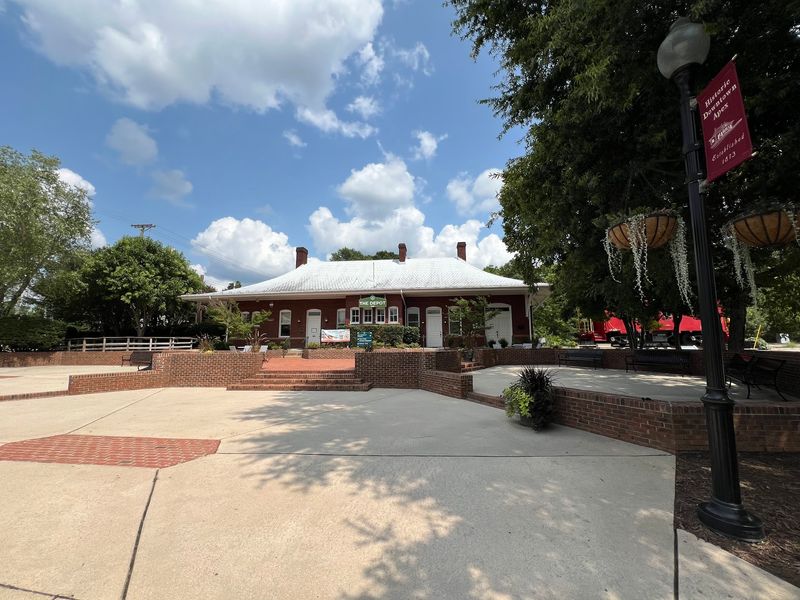
Apex rounds out this journey through North Carolina’s railroad heritage with Piedmont charm. The Apex Historic Depot shows how a railroad station can remain central to a downtown long after passenger trains stopped running.
Listed on the National Register and recognized in North Carolina’s statewide depot inventory, this building helped shape Apex’s growth from rural crossroads to thriving community.
The depot’s architecture reflects the confident prosperity of early 20th-century railroad towns. Clean lines and solid construction speak to a time when train stations represented progress and connection.
The building has been preserved with obvious care, maintaining details that help visitors imagine busy platform scenes from decades past.
Modern Apex has grown considerably, but the downtown near the depot retains its small-town appeal. The area is highly walkable, with local restaurants, shops, and businesses creating a pleasant destination.
Visiting the historic depot provides the perfect excuse to explore this charming Piedmont town.