Some Massachusetts train depots look like they were built for a fairy tale, not a railroad.
With crooked-looking rooflines, Victorian trim, cozy wooden walls, and even little stone towers, these old stations have a charm that modern train platforms simply can’t match.
Many date back more than a century, when trains were the lifeline of growing towns and passengers arrived with trunks, tickets, and somewhere important to go. Today, their tracks may be quiet, but the buildings still whisper stories of another era.
From tiny countryside stops to grand stations with remarkable architectural details, each one has its own personality.
So grab your imaginary train ticket and take a trip through Massachusetts.
These ten historic depots prove that you don’t need a time machine to experience the magic of the railroad age.
Wayland Depot – Wayland
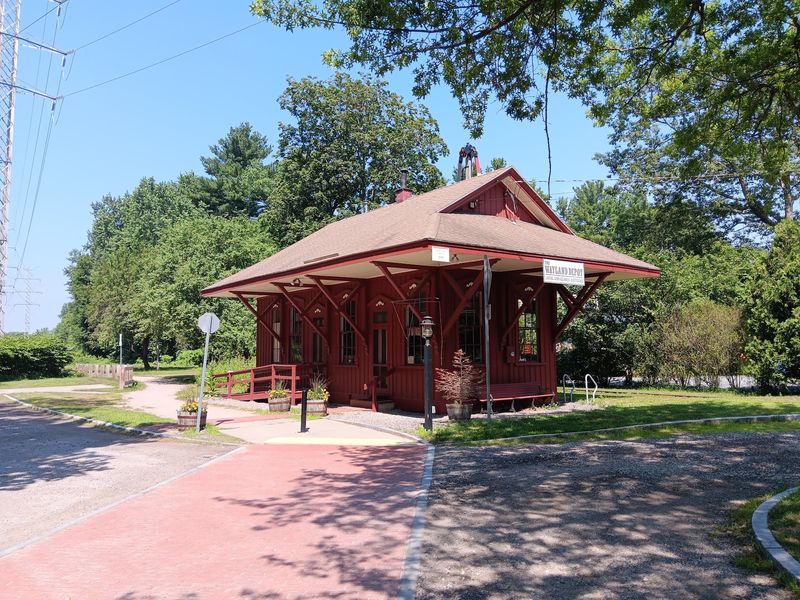
Picture a Victorian cottage nestled beside the railroad tracks, and you have got the Wayland Depot. Built in 1881 for the Massachusetts Central Railroad, this station stands out with its eye-catching red board-and-batten siding.
The Stick Style architectural details add a touch of elegance that makes it look straight out of a storybook.
Deep roof overhangs protect the building from New England weather, while its small scale gives it an intimate, welcoming feel. Unlike grand urban stations, this depot has a cozy, cottage-like appearance.
Many rural stations from this era were torn down or fell into disrepair over the decades.
Wayland Depot survived as one of the best-preserved examples of Massachusetts Central Railroad’s rural architecture. The building has served the community as a landmark and once operated as a depot gift shop.
Today, visitors can admire its well-maintained exterior and imagine passengers waiting for trains over 140 years ago. The depot’s charming character continues to delight history enthusiasts and architecture fans alike.
Chester Factory Village Depot – Chester
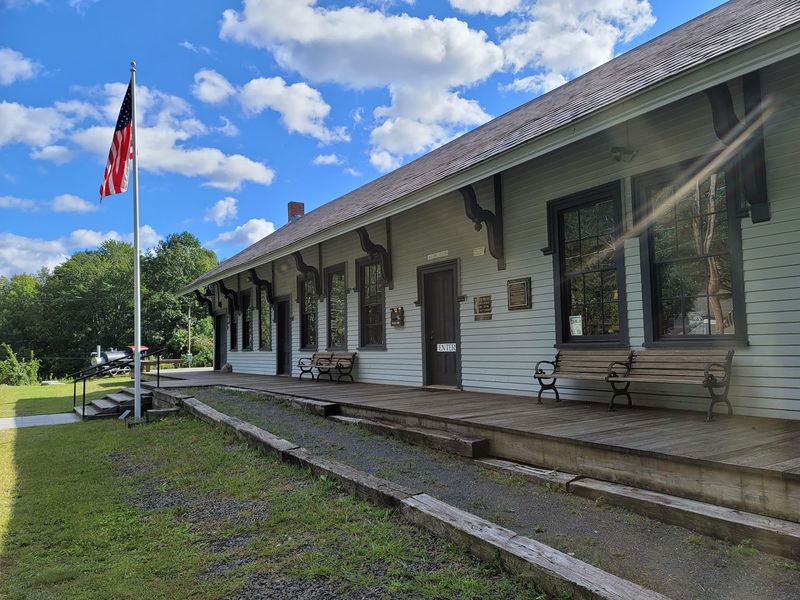
Deep in the Berkshire foothills sits one of Massachusetts’ oldest railroad buildings. Chester Factory Village Depot dates back to 1841 when the Western Railroad first opened this mountain route.
Its simple wood-frame construction and gabled roof reflect the no-nonsense building style of early American railroads.
What makes this depot truly special is its role in railroad history. Passengers traveling west would stop here for refreshments before their trains climbed the steep Berkshire grades.
Mountain railroading in the 1800s was challenging work, and this station provided a crucial rest point. The secluded setting among rolling hills adds to its old-fashioned charm.
Recognition came in 2021 when the depot earned National Historic Landmark status. This designation highlights its importance to American railroad development and mountain transportation.
The depot’s survival for over 180 years is remarkable, given that many early wooden stations burned down or were replaced. Visitors today can appreciate both its humble appearance and its outsized historical significance in connecting eastern Massachusetts to the western frontier.
Lexington Depot – Lexington
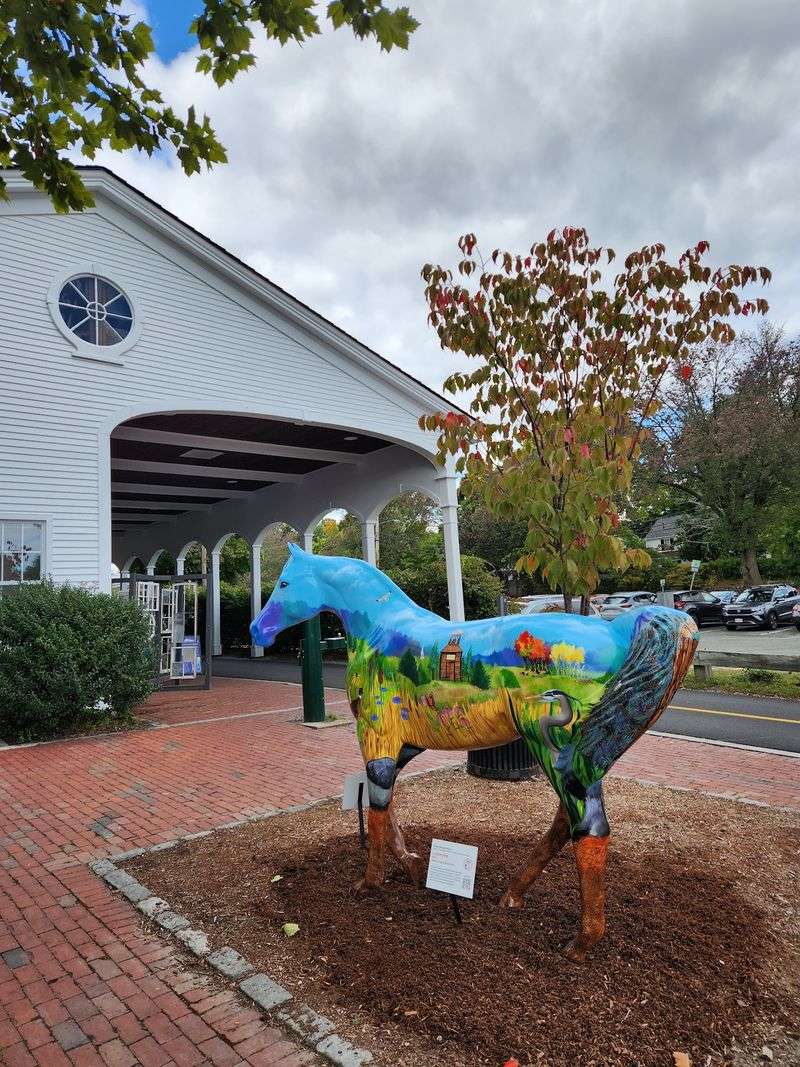
Built around 1846, Lexington Depot showcases an unusual railroad design rarely seen today. The station was constructed with an opening beneath its roof that actually provided shelter for trains and cars.
This trainshed feature made the building both a waiting room and a protective covering for railroad equipment, combining two functions in one structure.
Fire struck the depot in 1918, threatening to destroy this architectural curiosity. Remarkably, the unique trainshed opening survived the flames.
During reconstruction in the 1920s, builders added Colonial Revival details that gave the station a fresh look while honoring New England’s architectural heritage.
The combination of original railroad engineering and later decorative elements creates a one-of-a-kind appearance. Few depots anywhere combined passenger facilities with integrated train shelter in this manner.
The building stands as a testament to creative railroad design and successful preservation after disaster. Walking through the trainshed opening today connects visitors to an era when railroad architecture pushed boundaries.
Lexington Depot proves that even damaged historic buildings can be saved and adapted for future generations.
Athol Railroad Depot – Athol
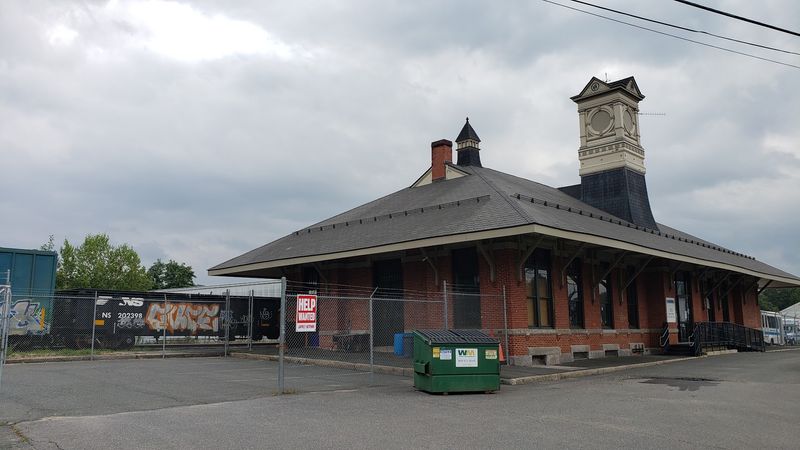
Some historic buildings retire from their original purpose, but not Athol’s railroad depot. Originally constructed in the 1870s as an elaborate two-story Victorian station, the building survived a devastating fire in 1892.
Rather than abandoning the site, the railroad rebuilt it with distinctive features including a hip roof and an attention-grabbing clock tower that became the station’s signature look.
The depot went through restoration work in the 1980s and received additional care more recently. These preservation efforts ensured the building could continue functioning.
Today, Athol Depot still serves as a transportation hub, making it exceptionally rare among Massachusetts’ historic stations.
Most old depots become museums, shops, or offices, but this one keeps its original mission alive. Passengers still wait beneath its Victorian roof, and the clock tower still marks time for the community.
The colorful history includes fire, rebirth, and continuous service across three centuries. Athol Depot demonstrates that historic preservation and modern functionality can work together beautifully, creating a living connection to railroad heritage.
Bedford Depot – Bedford
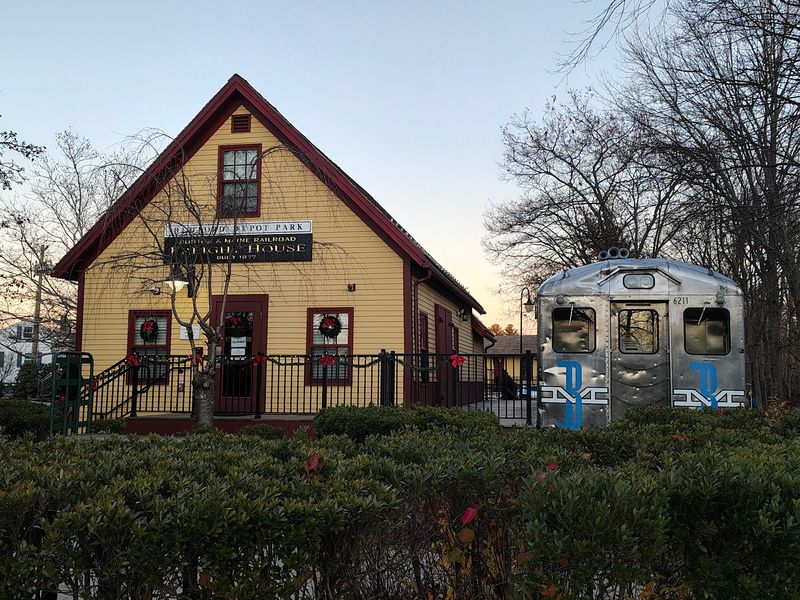
Bedford turned its old railroad grounds into something magical. Bedford Depot Park brings together multiple pieces of transportation history in one scenic location.
The 1874 depot building anchors the site with classic Victorian railroad styling. Nearby stands the 1877 freight house, reminding visitors that stations handled cargo as well as passengers.
Adding to the nostalgic atmosphere is a restored Budd Rail Diesel Car, the type of self-propelled passenger vehicle that served smaller routes in the mid-1900s. The park setting allows visitors to explore these historic structures at their leisure.
Walking among the buildings feels like stepping into a gentler time when railroads connected every small town.
Many communities demolished their old railroad facilities, but Bedford chose preservation and celebration instead. The combination of depot, freight house, rail car, and surrounding parkland creates an immersive experience.
Families can picnic while learning about local transportation heritage. The small scale of the station enhances its storybook quality, making history accessible and inviting.
Bedford Depot Park proves that historic sites become more meaningful when thoughtfully preserved together.
Stoughton Railroad Depot – Stoughton
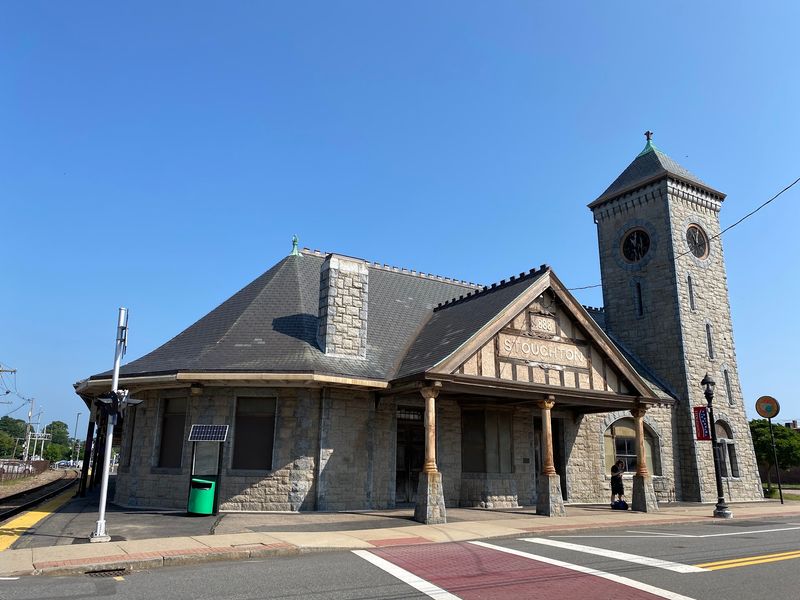
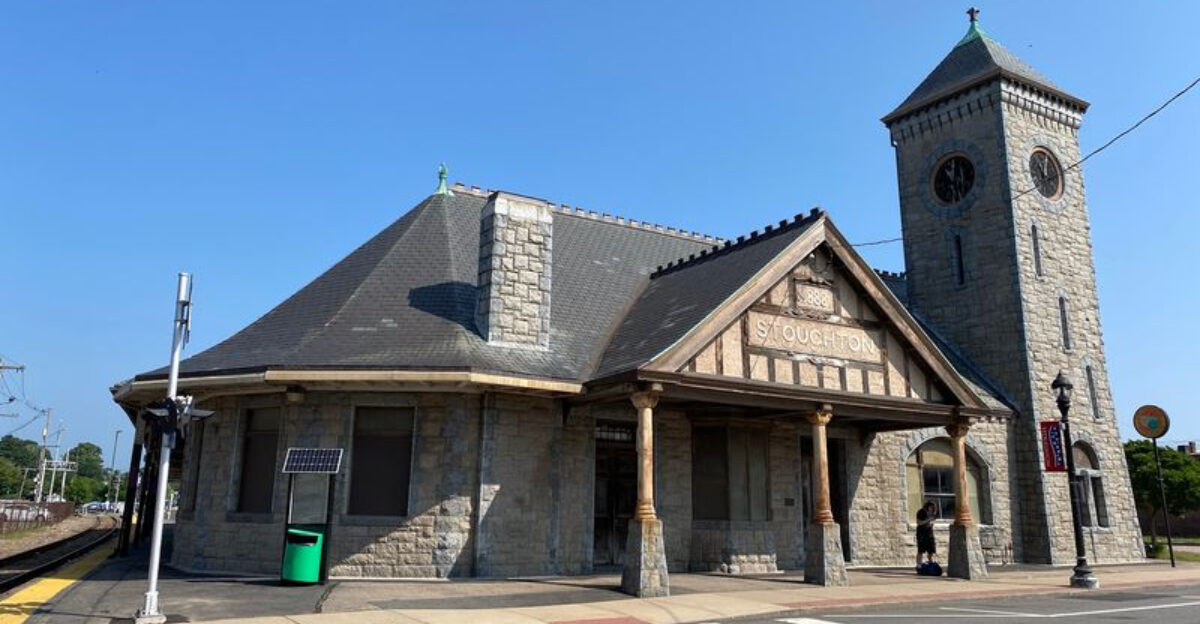
Stoughton’s 1888 depot looks like it was lifted from a children’s fairy tale. A stone turret rises from the building, topped with a clock tower that makes the station instantly recognizable.
According to Massachusetts historic property experts, this is the only surviving clock-tower rail station in the entire state. That alone makes it extraordinarily special.
The Victorian architectural character shines through every detail, from the turret’s stonework to the building’s overall proportions. For years, the depot sat vacant, its future uncertain.
Preservation advocates refused to let this treasure disappear, and work is now underway to protect the historic exterior and upgrade the structure for modern use.
The depot’s setting beside the old railroad corridor adds to its enchanting quality. Imagine horse-drawn carriages dropping passengers at this turreted station over a century ago.
The building’s fantasy-like appearance perfectly captures the romance Americans felt about railroad travel in the late 1800s. As restoration continues, Stoughton Depot will reclaim its place as a community landmark and reminder of when train stations were built to inspire wonder.
West Brookfield Railroad Station – West Brookfield
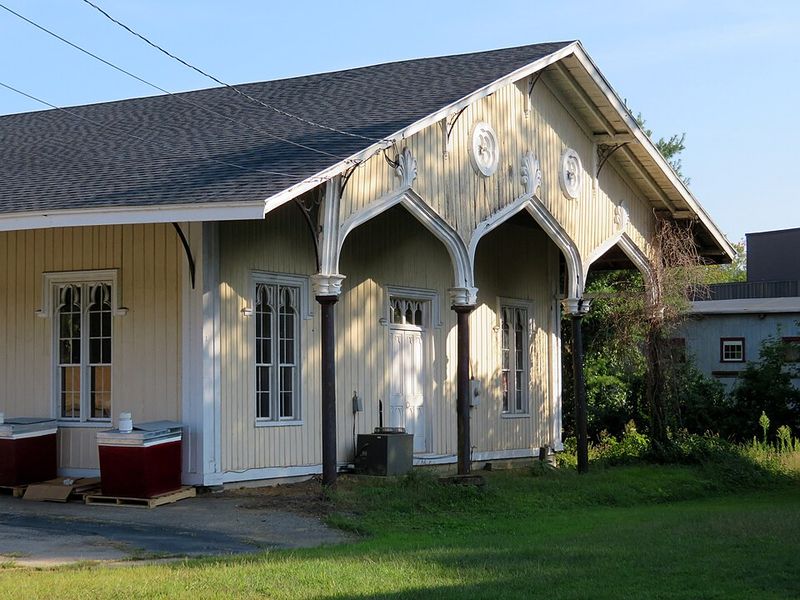
West Brookfield’s railroad story runs deeper than most towns. Several historic station buildings tell the tale of a community that grew alongside the tracks.
The current Richardsonian-style station replaced an earlier Gothic-influenced depot, showing how railroad architecture evolved. Named after influential architect H.H.
Richardson, this design style features heavy stonework and rounded arches that create a solid, permanent feel.
Today, the Quaboag Historical Society and Museum calls this station home, giving new life to the old railroad building. Inside, visitors can explore exhibits about local history and the railroad’s role in shaping the town.
The station’s location beside West Brookfield’s historic village center creates a perfect New England scene.
The nearby Quaboag River completes the picturesque setting, adding natural beauty to architectural heritage. Walking through the village, you can imagine how important the railroad was to rural Massachusetts communities.
Farmers shipped crops, travelers arrived for business, and mail connected isolated towns to the wider world. The station’s transformation into a museum ensures these stories survive for future generations, preserving both building and memory.
Stoneham Boston & Maine Railroad Depot – Stoneham
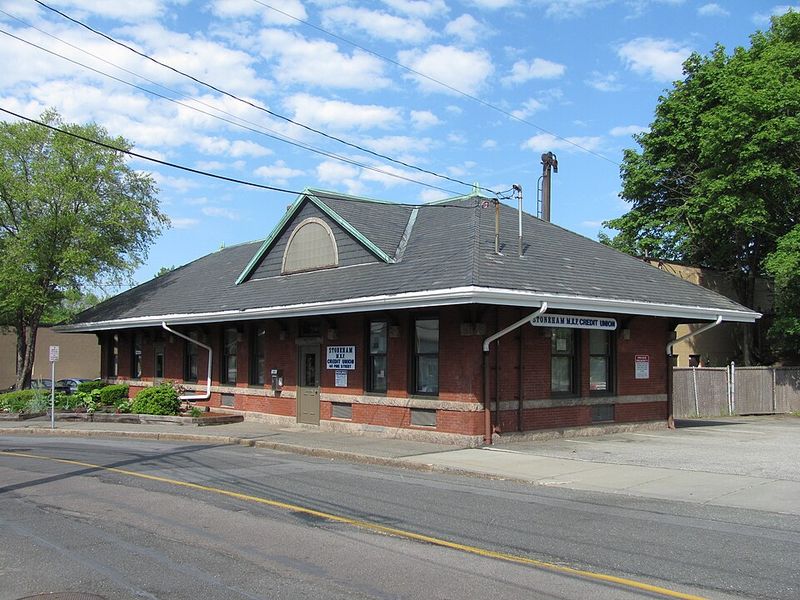
Brick construction gives Stoneham’s depot a permanence that wooden stations could never match. Built in 1895 for the Boston and Maine Railroad, this small station demonstrates the high-quality craftsmanship railroads invested in their facilities.
A solid granite foundation supports the brick walls, showing no expense was spared on materials. Large supporting brackets hold up the broad roof overhang, creating covered waiting areas for passengers.
The building has a cottage-like quality despite being a commercial structure. Its cozy scale and careful proportions make it approachable rather than intimidating.
Railroad companies understood that small-town stations needed to feel welcoming, not imposing.
National Register of Historic Places recognition came in 1984, confirming the depot’s architectural significance. Perhaps most remarkably, the building remains at its original site, unlike many historic depots that were moved or demolished for development.
Standing on the same spot for nearly 130 years, Stoneham Depot connects today’s community to generations of travelers who passed through its doors. The late-19th-century railroad architecture remains as handsome today as when it was new.
Lowell Boston & Maine Railroad Depot – Lowell
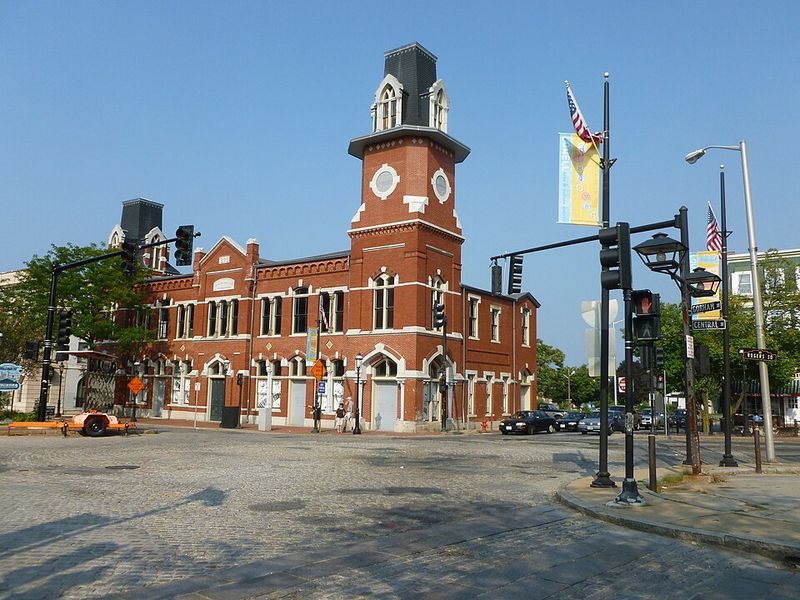
For those who prefer grander storybook architecture, Lowell’s Boston and Maine Depot delivers. The original 1876 building featured impressive towers and elaborate Victorian ornamentation that proclaimed the railroad’s prosperity and confidence.
Later alterations stripped away many of these decorative elements, leaving the depot looking plain and forgotten. Years of neglect followed as passenger rail declined and the building seemed headed for demolition.
Preservation advocates saw potential where others saw only decay. A major restoration project brought the depot back from the brink, returning much of its late-19th-century splendor.
The towers rose again, and Victorian details were carefully recreated based on historic photographs and architectural evidence.
This building’s revival proves that even seemingly lost historic structures can be saved with vision and commitment. The transformation from neglected relic to restored landmark inspires other preservation efforts.
Lowell Depot now stands as testimony to what communities can achieve when they value their railroad heritage. The elaborate architecture reminds visitors that train travel was once celebrated as modern progress, and stations were designed to reflect that optimism and grandeur.
Newton Highlands Station – Newton
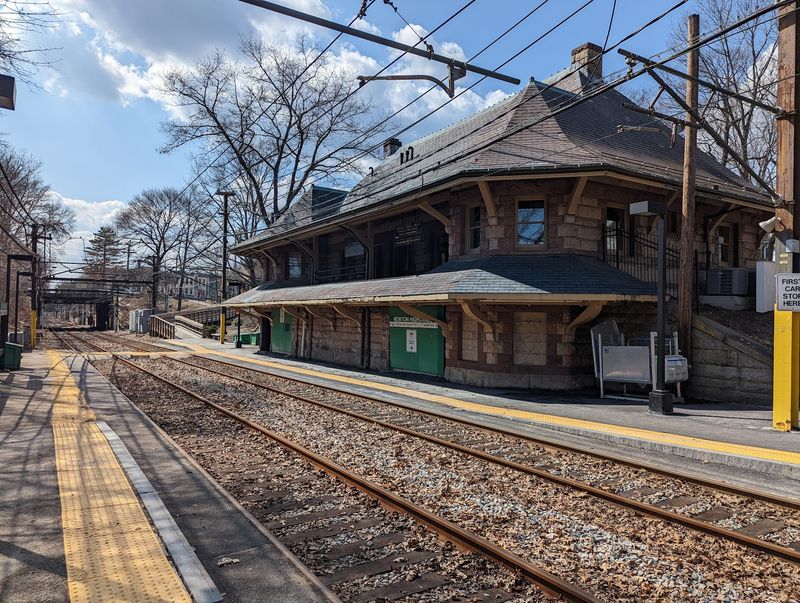
Stone and strength define Newton Highlands Station. Designed in the late 1880s during the era when H.H.
Richardson and his followers created distinctive Boston and Albany Railroad stations, this building embraces the Richardsonian Romanesque style. Rugged masonry walls give the structure a fortress-like quality.
Dramatic rooflines add visual interest and shelter to the platform areas.
What truly sets this station apart is its almost medieval character. The stonework and architectural details make it resemble a miniature castle beside the railroad tracks.
Richardson’s architectural philosophy emphasized honest materials and powerful forms, and Newton Highlands exemplifies both principles perfectly.
The station is part of Newton’s remarkable historic railroad station district, where multiple vintage depots survived. This concentration of railroad architecture creates an unusually rich heritage landscape.
Walking through the area, you can study how different architects interpreted the railroad building challenge. Newton Highlands stands out even among these distinguished neighbors with its castle-like presence.
The building proves that train stations could be both functional and romantic, serving everyday commuters while sparking imagination with architectural drama and medieval-inspired beauty.