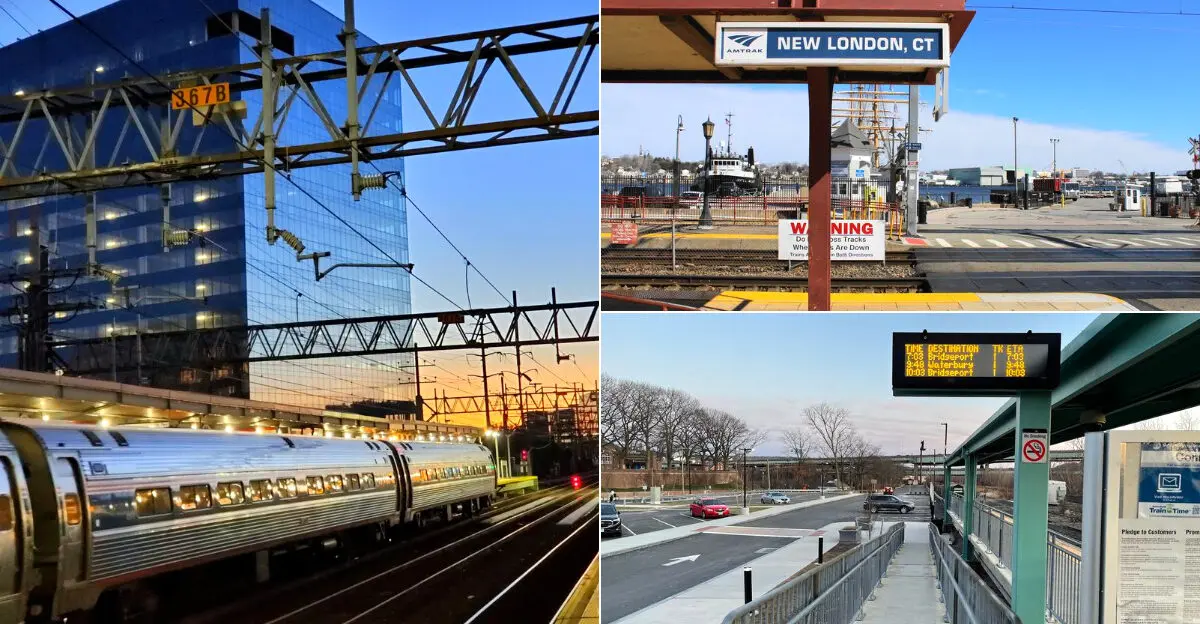
Connecticut’s train stations tell a story that the state’s highway signs never could, a history of movement and connection built in brick, stone, and iron before the car became king.
The state has a concentration of historic rail architecture that rivals much larger states, with grand union stations, modest commuter platforms, and everything in between packed into a surprisingly small footprint.
Connecticut was always a corridor state, a place people passed through on their way somewhere else, and its stations reflect that energy.
Either way, they’re worth seeking out, and the compact size of Connecticut makes it easy to visit several in a single day.
1. Hartford Union Station, Hartford, Hartford County
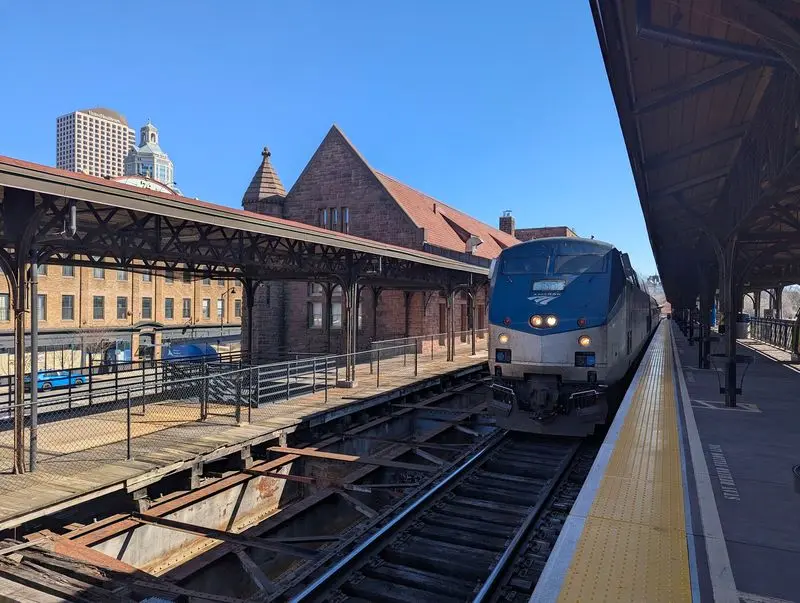
Brick arches, busy streets, and the feeling of a capital city all meet before the train even arrives.Hartford Union Station stands near downtown, where government buildings, theaters, offices, and old neighborhoods sit close together.
Its Romanesque Revival look, with heavy stone, rounded arches, and a strong tower, makes it feel more like a landmark than a waiting room.
The station opened in the late 1800s and survived fire, rebuilding, changing travel habits, and years of city growth.Today, it serves Amtrak, CTrail, buses, and local connections, so it is still a useful gateway for visitors.
If you like history, walk around the outside first, because the building tells its story through texture, shape, and scale.
From here, it is easy to visit the Connecticut State Capitol, Bushnell Park, the Wadsworth Atheneum, or nearby restaurants.Travelers should allow extra time, since parking and city traffic can be confusing during events.
Bring a camera, comfortable shoes, and a plan, because Hartford Union Station can start a full day of exploring Connecticut history.
2. New Haven Union Station, New Haven, New Haven County
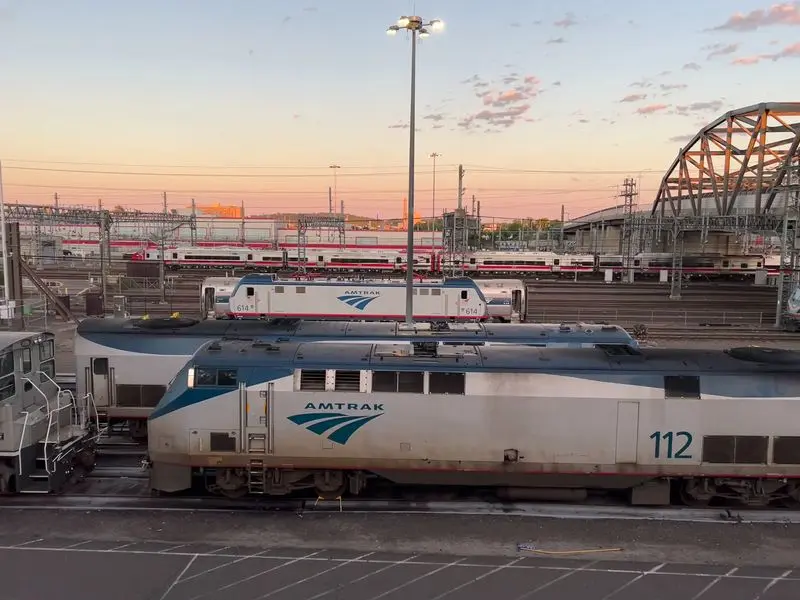
A grand lobby can make a traveler stand a little taller, and New Haven Union Station does exactly that.Designed by architect Cass Gilbert and opened in 1920, the building has a proud Beaux-Arts style with tall spaces, stone walls, and large arched windows.
Even people rushing for a train often pause to notice its classic details.
The station is one of Connecticut’s busiest rail hubs, serving Amtrak, Metro-North, Shore Line East, and CTrail.That makes it a smart starting point for trips across the state, into New York City, or toward Boston.
For visitors, the station is also a reminder that New Haven has long been a place of movement, learning, food, and ideas.
Yale University, Wooster Square, theaters, museums, and famous pizza spots are a short ride or walk away.If you visit, check train boards early, because several services share the building and platforms.
Look up, move slowly, and enjoy the mix of old design and daily life that keeps this station feeling alive.
3. Bridgeport Amtrak Station, Bridgeport, Fairfield County
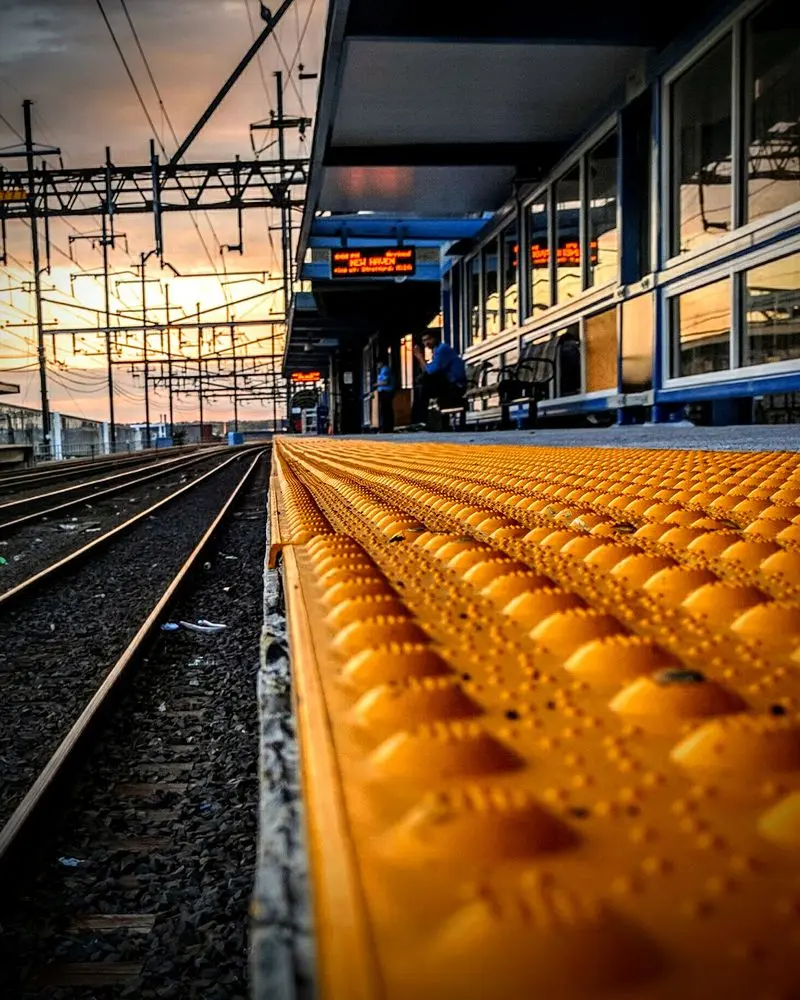
Steel rails seem to hum with city energy in Bridgeport, where trains pass close to the harbor and downtown streets.Bridgeport Amtrak Station may not look as ornate as some older depots, but its location tells a powerful story about industry, immigration, and shoreline travel.
For generations, rail lines helped people reach factories, shops, theaters, and the busy port.
The current station area serves Amtrak, Metro-North, and local bus connections, placing travelers near several city highlights.It is a practical stop, but history still shows through in the railroad corridor, surrounding brick buildings, and waterfront setting.
Bridgeport grew as a manufacturing center, and the station reminds visitors how trains carried both workers and opportunity.
Nearby, you can explore the Barnum Museum area, Seaside Park, Total Mortgage Arena, and the ferry to Port Jefferson.Plan ahead if traveling during rush hour, because platforms and streets can get crowded.
For a fuller visit, pair the station with a walk by the water, then grab a meal downtown before riding farther along Connecticut’s coast.
4. Stamford Transportation Center, Stamford, Fairfield County
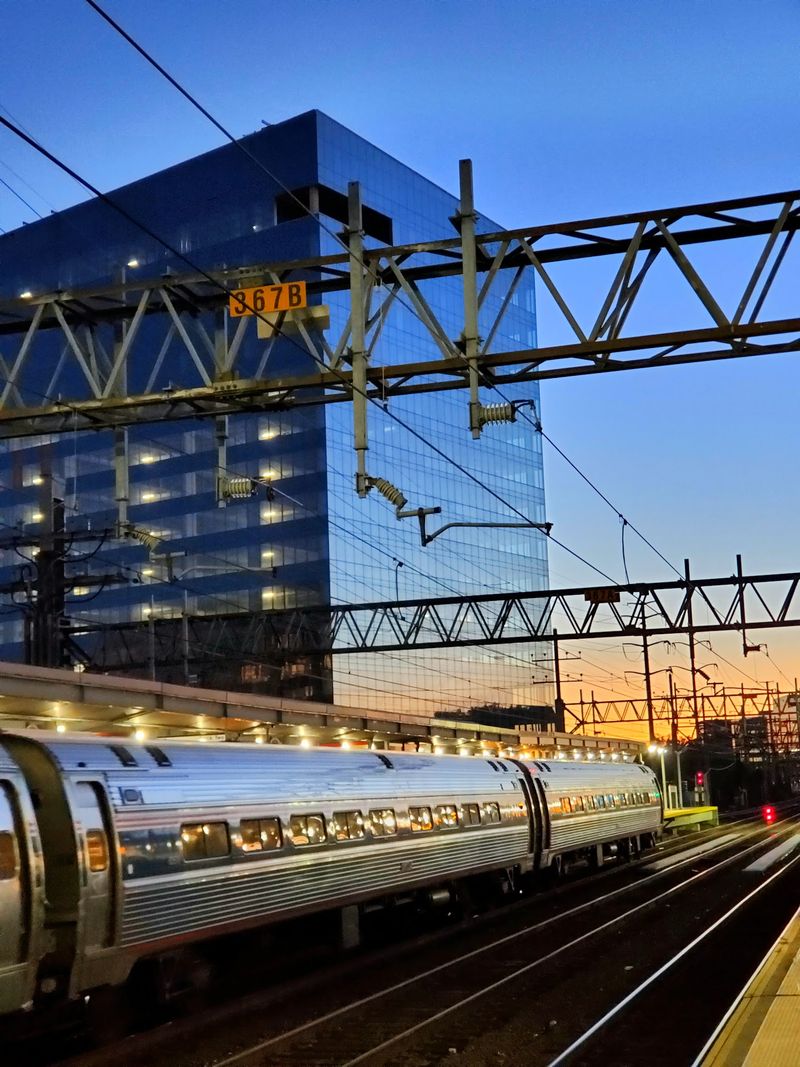
Fast trains, glassy office towers, and old railroad roots create a lively contrast in Stamford.The Stamford Transportation Center is modern compared with Connecticut’s grand stone stations, yet the site has deep rail history dating back to the New York and New Haven Railroad era.
Its story is really about how a small coastal city became a major business hub.
Today, the station is one of the busiest in the state, serving Metro-North, Amtrak, CTtransit buses, taxis, and shuttles.That constant motion can feel a bit intense, but it also makes Stamford an easy place to reach without a car.
Travelers interested in history should think beyond the building and notice the rail corridor that shaped downtown development.
From the station, restaurants, shops, Mill River Park, and the waterfront are close by.Check your platform carefully, since express and local trains move through quickly.
Stamford shows that historic importance is not only about old walls, but also about a place that keeps changing while still depending on the tracks that built it.
5. New London Union Station, New London, New London County
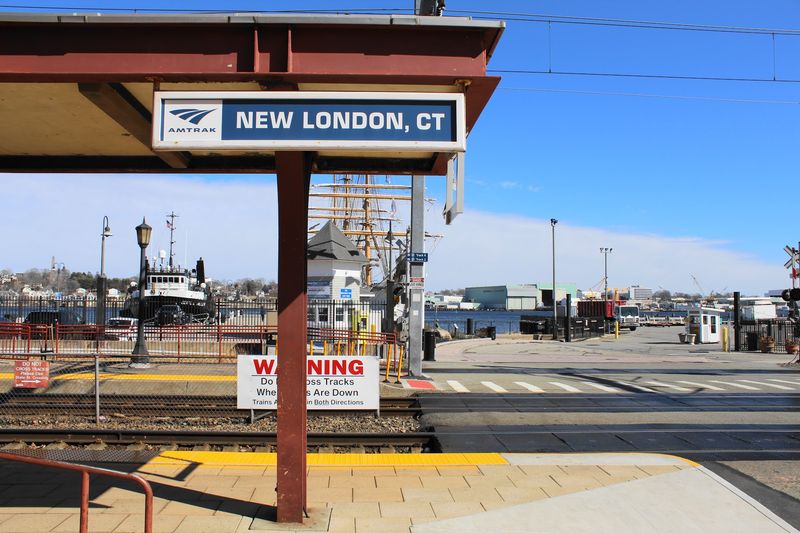
Salt air, ferry horns, and stone arches give New London Union Station a travel mood that feels almost cinematic.Designed by famous architect H.
H. Richardson and completed in the 1880s, the station is one of Connecticut’s most admired railroad buildings.
Its sturdy Romanesque style fits the waterfront, where trains, boats, and city streets have met for many decades.
The station still serves Amtrak and Shore Line East, and it sits close to ferries heading to Long Island, Fishers Island, and Block Island connections.That makes it a rare spot where rail and sea travel feel closely linked.
The building’s rough stone, broad arches, and compact shape make it easy to imagine travelers arriving with trunks, tickets, and big plans.
Walk a few minutes and you can reach the Thames River waterfront, restaurants, galleries, and the Custom House Maritime Museum.Mystic, Groton, and coastal villages are also nearby by car or train.
For the best visit, arrive early, watch the harbor activity, and let New London Union Station remind you that Connecticut history often travels by land and water.
6. Meriden Amtrak Station, Meriden, New Haven County
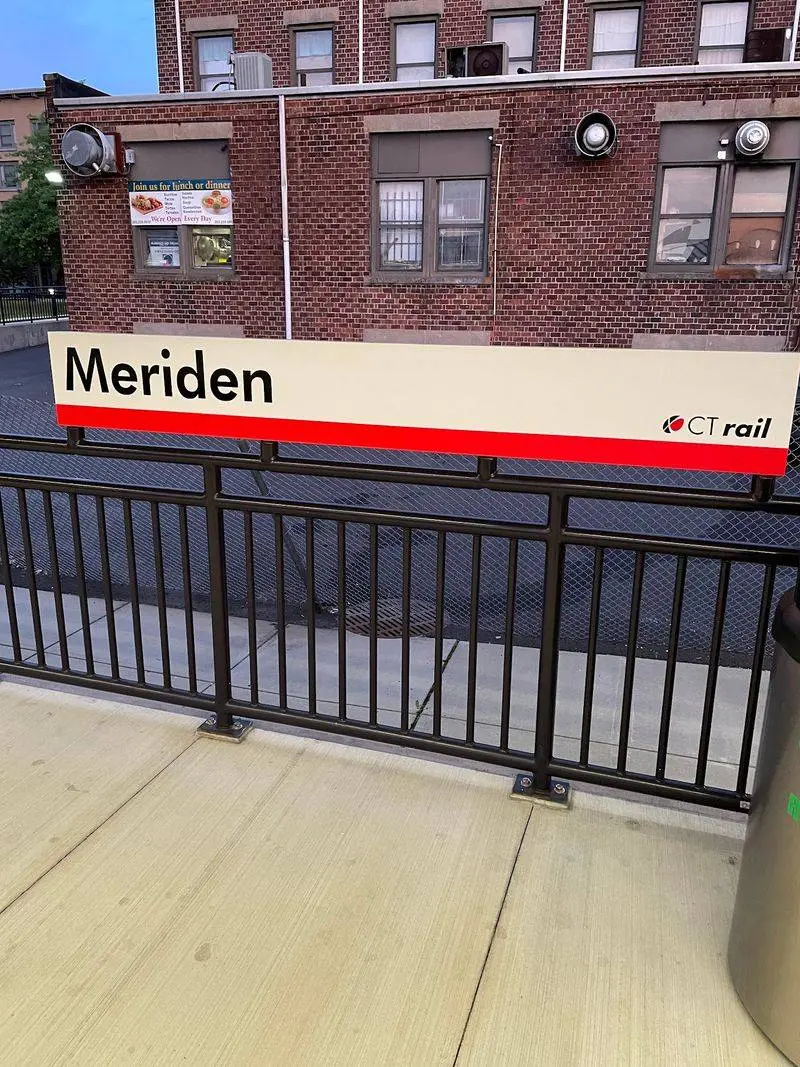
Morning light over Meriden can turn a simple platform into a doorway to central Connecticut.Meriden Amtrak Station has changed over time, and its newer facilities sit along a route that has served the city since the railroad age.
The station may feel modest, but the line helped connect Meriden’s factories, homes, and shops to Hartford, New Haven, and beyond.
Today, Amtrak and CTrail Hartford Line trains stop here, making it useful for riders who want to explore without fighting highway traffic.The surrounding downtown has been working through major renewal, including better public spaces and easier connections for walkers.
That mix of old industry and fresh planning gives the area an interesting sense of becoming something new.
Visitors can use the station as a base for Hubbard Park, Castle Craig, local eateries, and nearby hiking.Check schedules carefully, especially on weekends, because service times can vary.
Meriden rewards curious travelers who enjoy places with layers, where a modern stop sits on historic rails and points toward parks, neighborhoods, and views that many people overlook.
7. Wallingford Amtrak Station, Wallingford, New Haven County
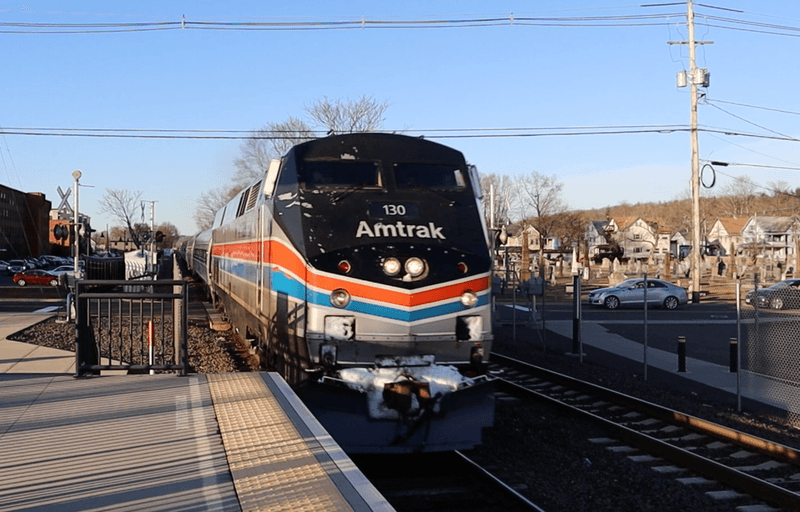
A small-town station can be just as interesting as a grand terminal, especially when the town around it invites you to wander.Wallingford Amtrak Station sits along the Hartford Line, close to a downtown filled with shops, restaurants, and older buildings.
Rail service has long helped the community stay connected to New Haven, Hartford, and larger markets.
The present station area is practical and updated, but it still belongs to a historic rail corridor that shaped local travel.Wallingford’s older depot buildings and railroad surroundings remind visitors of an era when town centers grew around train stops.
That is part of the charm, because stepping off here feels more relaxed than arriving in a large city.
Plan time for a walk through downtown, a snack from a local bakery, or a short trip to nearby parks and vineyards.Families may like the easy scale of the area, while train fans can watch Hartford Line activity from safe public spaces.
Wallingford shows how Connecticut’s railroad history lives not only in famous stations, but in everyday towns where trains still bring people in.
8. Middletown Depot, Middletown, Middlesex County
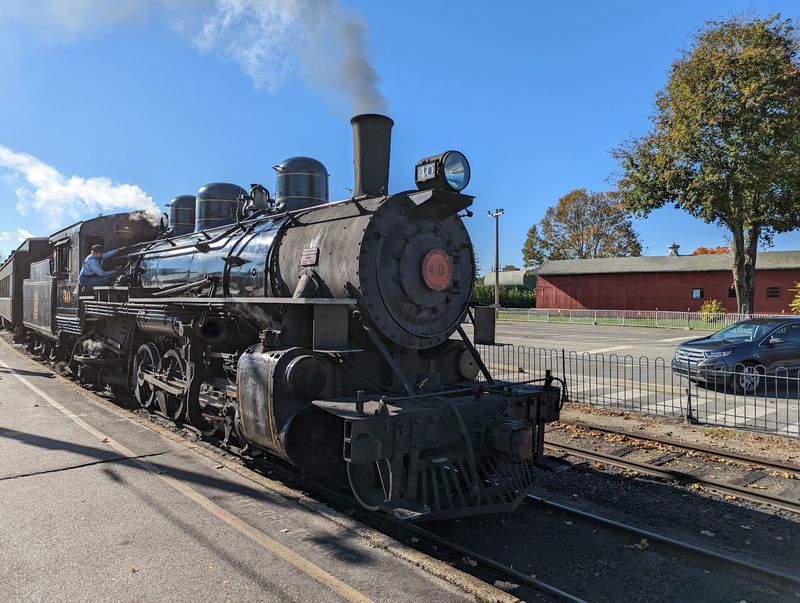
Some stations whisper instead of shout, and Middletown Depot is one of those quieter history stops.Middletown once depended on rail and river travel, with the Connecticut River helping goods move and trains tying the city to inland communities.
The depot area recalls a time when passengers, mail, and freight helped keep the downtown busy.
Unlike major stations still filled with daily passenger traffic, Middletown’s railroad story is more about memory, preservation, and local change.Rail service in the city shifted over the years, but the old depot remains a useful clue to how transportation shaped the community.
Its presence encourages visitors to look at Middletown as more than a college town or dining spot.
Nearby Main Street offers restaurants, bookstores, historic buildings, and easy access to Wesleyan University.The riverfront is also worth visiting, especially if you want to picture steamboats and trains sharing the same commercial world.
Before going, check current access and preservation details, since historic depot sites can have changing uses.Middletown Depot makes a thoughtful stop for travelers who enjoy finding history just off the main path.
9. Waterbury Depot, Waterbury, New Haven County
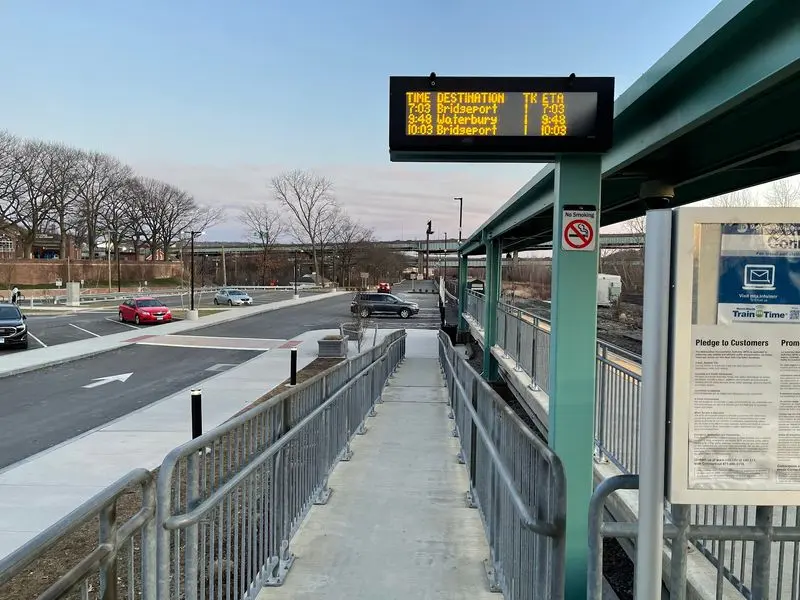
A tall clock tower can turn a railroad building into a city symbol, and Waterbury’s depot proves it.The former Waterbury Union Station, often called Waterbury Depot, was built in the early 1900s for the New York, New Haven and Hartford Railroad.
Its Italian-style tower rises above downtown and is one of the most recognizable sights in the Naugatuck Valley.
The building no longer works as a busy passenger hall in the old way, but it remains closely tied to Waterbury’s identity.The Republican-American newspaper has used the structure for many years, helping preserve a major piece of rail architecture.
Nearby passenger service continues at the Waterbury station on Metro-North’s Waterbury Branch, so the railroad story is still active.
Visitors should look for the tower from different streets, then explore downtown architecture, the Mattatuck Museum, and signs of the city’s brass-making past.Waterbury was once known as the Brass City, and trains helped carry its products far beyond Connecticut.
For history lovers, the depot is a bold reminder that transportation, industry, and local pride often share the same skyline.
10. Danbury Station, Danbury, Fairfield County
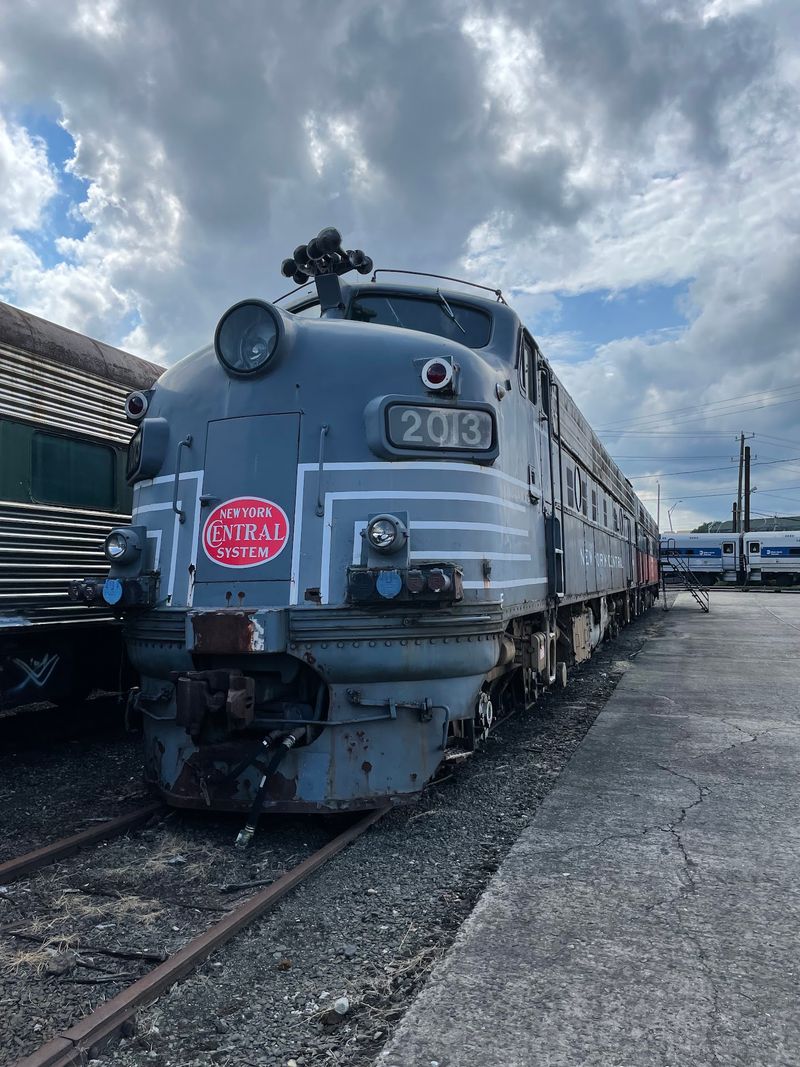
Train lovers get a special treat in Danbury, where the station area feels like a storybook with real engines nearby.Danbury Station sits at the end of Metro-North’s Danbury Branch, but its history reaches into a larger railroad past.
The city once had important rail connections that supported hat factories, freight movement, and regional travel.
The biggest bonus is the Danbury Railway Museum, located in the former Union Station building near the current passenger stop.Inside and around the museum, visitors can see vintage railcars, exhibits, model displays, and equipment that explain how trains worked.
It is a hands-on way to understand why railroad stations mattered to towns across Connecticut.
Families should check museum hours before visiting, because schedules can change by season.Downtown restaurants, shops, and Tarrywile Park are also within easy reach, so the stop can become a half-day outing.
Danbury Station stands out because it does more than move commuters.It invites people to learn, look closely, and imagine the clatter, steam, whistles, and busy platforms that once shaped the city.