Virginia has a way of hiding history in plain sight, often beside a quiet track or a small-town street.
Old train depots tell stories about busy platforms, mail bags, family trips, soldiers leaving home, and goods rolling toward cities far away.
Many of these buildings still stand because local people cared enough to save them, restore them, and give them new jobs as museums, visitor centers, or community spaces.
A depot can be more than brick, wood, and a roofline.
It can show how a town grew, how people traveled before highways ruled the map, and how railroads shaped daily life.
From mountain towns to Tidewater communities, these Virginia stations still have charm you can see in their signs, waiting rooms, platforms, and trackside views.
If you like road trips with a little mystery and a lot of character, these stops are worth adding to your list soon.
1. Beaverdam Depot, Beaverdam
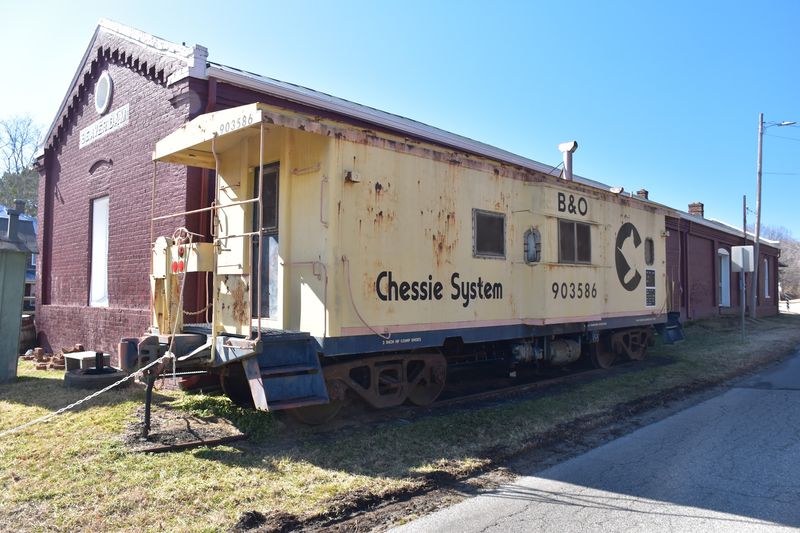
A small depot can carry a surprisingly loud echo, and Beaverdam Depot proves it the moment you picture steam-era trains stopping beside its platform.
Located in Beaverdam in Hanover County, this station reflects the rural railroad towns that helped move people, farm goods, mail, and news across central Virginia.
The depot is closely tied to the Richmond, Fredericksburg and Potomac Railroad corridor, a route that shaped travel between Richmond and points north.
Its simple form feels honest and useful, with the kind of practical design that mattered when station agents juggled tickets, freight records, and community gossip in the same day.
Visitors should slow down and look at the setting, not just the building.
The surrounding village helps explain why depots mattered so much before cars became common.
Bring a camera, check local access before you go, and pair the stop with a drive through Hanover County back roads.
Beaverdam rewards patient travelers who enjoy quiet history more than flashy attractions.
2. Cambria Depot, Christiansburg
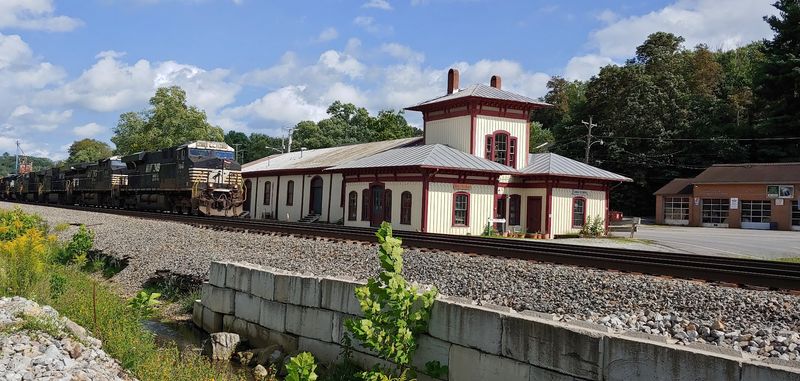
Bright brick, old rails, and a neighborhood name with deep roots give Cambria Depot a personality all its own.
Found in Christiansburg, this former station served the Cambria area when rail travel linked Montgomery County to wider markets and mountain communities.
The depot is connected to the Virginia and Tennessee Railroad story, later part of the Norfolk and Western system.
That matters because the region depended on trains for commerce, coal movement, passenger trips, and connections through the New River Valley.
The building now helps people imagine a time when arrivals and departures shaped the rhythm of the day.
A good visit starts with the details.
Notice the proportions, the trackside placement, and the way the depot sits within a community that grew around transportation.
Christiansburg has modern traffic and shopping, but Cambria Depot offers a calmer view of local life before the interstate age.
If you enjoy history, combine this stop with nearby Montgomery County heritage sites.
You will leave with a better sense of how railroads stitched mountain towns together.
3. Herndon Depot, Herndon
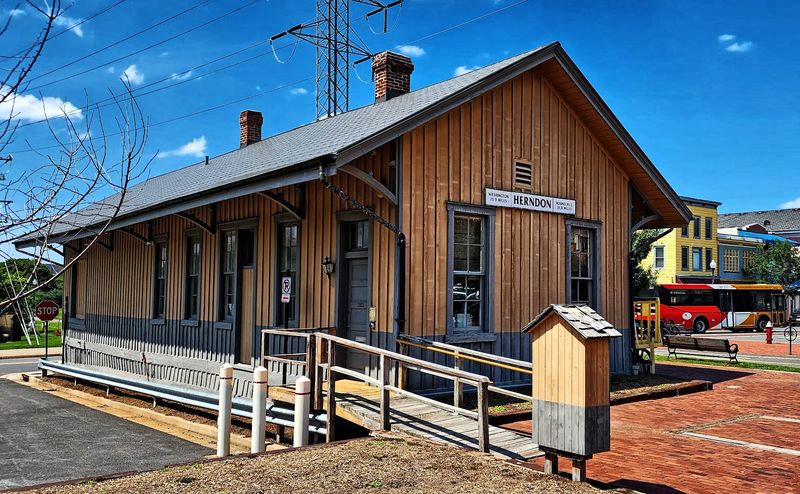
Right in the middle of Herndon, the old depot feels like a time machine parked beside a popular trail.
The Herndon Depot once served the Washington and Old Dominion Railroad, which carried passengers, milk, freight, and daily life through northern Virginia.
Today, the station is a favorite landmark near the W and OD Trail, making it easy to visit by bike or on foot.
Its brick walls and railroad displays help explain how Herndon grew from a rural village into a busy suburb.
The depot also reminds visitors that before highways and Metro plans, small stations handled the movement that kept towns connected.
Families will like this stop because it fits into a walkable downtown visit.
Grab a snack nearby, explore the trail, and look for railroad markers around the site.
The building is especially interesting because it survived massive change around it.
Herndon kept a piece of its rail past where people can still pass it every day.
That living connection gives the depot real warmth.
4. Lee Hall Depot, Newport News
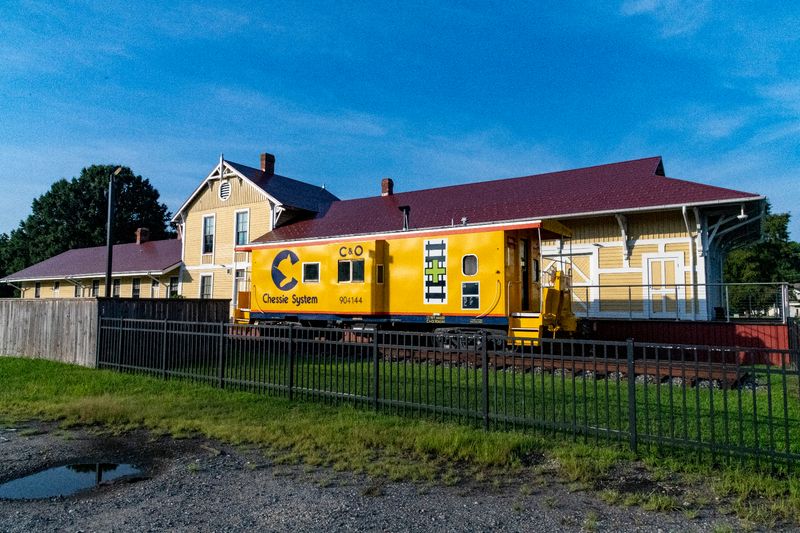
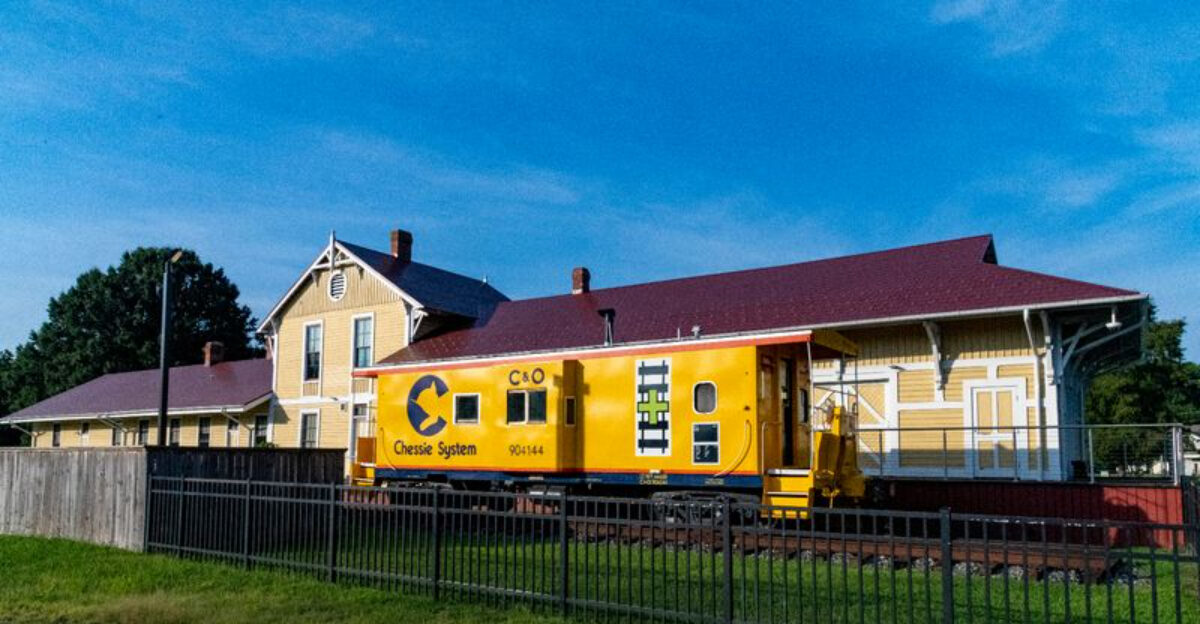
Yellow paint and trackside charm make Lee Hall Depot stand out like a postcard from another century.
Located in Newport News, this restored station tells an important story about rail travel on the Virginia Peninsula.
The depot served the Chesapeake and Ohio Railway and played a role in the movement of passengers and supplies near Hampton Roads.
During wartime and industrial growth, rail lines around Newport News carried workers, soldiers, equipment, and everyday travelers.
The station also shows how local stops connected smaller communities to ports, shipyards, and larger cities.
Plan enough time to enjoy the museum displays if they are open during your visit.
Lee Hall Depot is especially helpful for understanding how railroads supported both neighborhood life and national events.
Look at the waiting areas, signage, and platform spaces, then imagine the sounds of whistles and footsteps.
Because Newport News has many history attractions, this depot pairs well with a wider day trip.
It brings rail history down to a human scale, which makes the past easier to feel.
5. Historic Luray Norfolk & Western Passenger Station, Luray
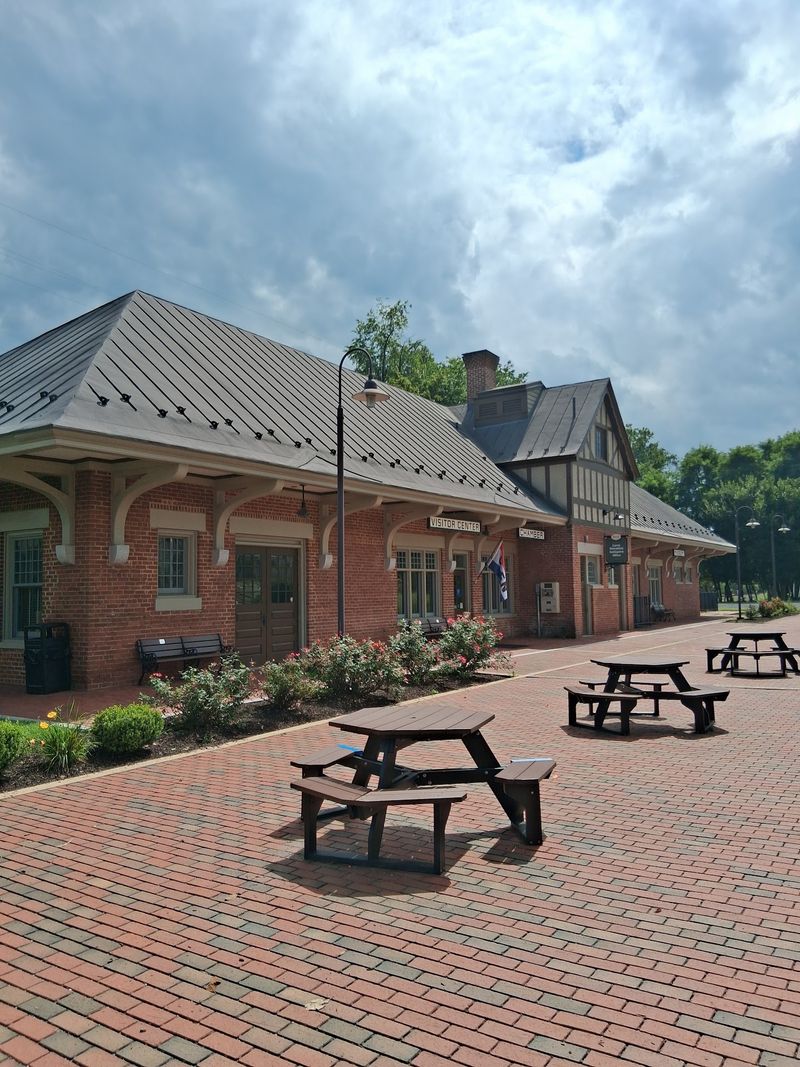
Mountain air seems to suit the Historic Luray Norfolk and Western Passenger Station perfectly.
Set in Luray in the Shenandoah Valley, the depot adds railroad character to a town already known for caves, views, and classic Main Street scenery.
The station was part of the Norfolk and Western Railway network, which helped connect valley communities with markets beyond the Blue Ridge.
Passenger stations like this one were more than travel points.
People met relatives here, sent packages, watched for visitors, and read posted schedules with real urgency.
Its architecture still gives a sense of order and movement.
Make this stop part of a slower Luray visit rather than a quick photo run.
Walk around the exterior, study the roofline and platform area, and think about how trains changed tourism in the valley.
Nearby attractions can be busy, but the depot offers a quieter kind of history.
It works well for travelers who enjoy scenic towns with layers.
The station reminds you that Luray was not just a destination by road.
It had rails, whistles, and waiting rooms too.
6. Norfolk & Western Railway Marion Depot, Marion
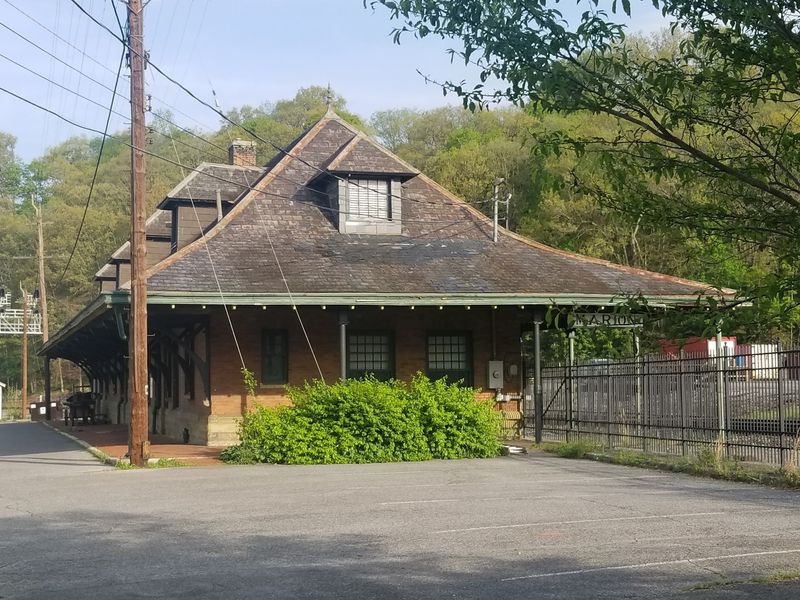
Marion’s depot has the sturdy look of a building that has heard thousands of hurried goodbyes.
The Norfolk and Western Railway Marion Depot sits in Smyth County, where mountains, industry, and small-town life all met along the rails.
Rail service helped Marion grow by moving passengers, farm products, manufactured goods, and supplies through southwest Virginia.
The depot’s design feels more formal than some rural stations, which hints at the town’s importance as a regional stop.
For many residents, it would have been the place where the wider world arrived on a schedule.
Downtown Marion makes the visit easy to enjoy.
You can explore local shops, admire older buildings, and then think about how the depot once fed energy into the business district.
Check current use and access before you go, since historic buildings may have limited hours or special functions.
The best part is the setting.
Mountains frame the story, while the depot keeps the railroad chapter visible.
It is a handsome reminder that southwest Virginia history moved by track as well as trail.
7. Boones Mill Railway Depot, Boones Mill
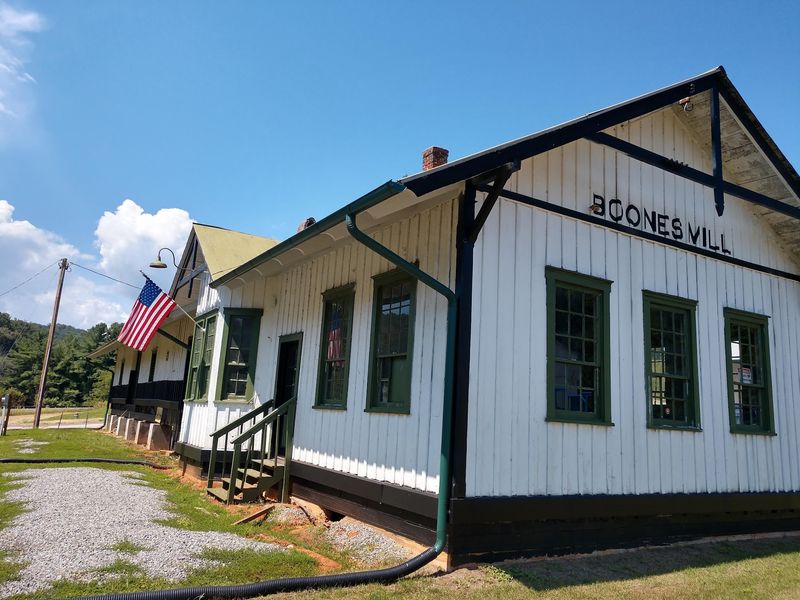
Some places feel built for a quick whistle stop, and Boones Mill Railway Depot has that friendly, compact appeal.
Located in Boones Mill in Franklin County, the depot reflects a town shaped by rail movement through the Roanoke region.
Boones Mill grew near important travel routes, and the railroad helped link local farms and businesses to larger markets.
Depots like this made shipping simpler and travel more practical.
They also created gathering places where people heard news, waited for packages, and watched the town’s connection to the outside world roll past.
Look for the relationship between the depot and the landscape.
The hills, roadways, and track corridor help explain why a station mattered here.
A visit can be short, but it should not feel rushed.
Take photos from safe public areas, respect any posted rules, and explore nearby town landmarks.
Boones Mill offers a less crowded railroad stop with plenty of local flavor.
Its depot may be modest, yet that modesty is the charm.
It shows how railroads served everyday Virginia communities, not just major cities.
8. Crewe Railroad Museum, Crewe
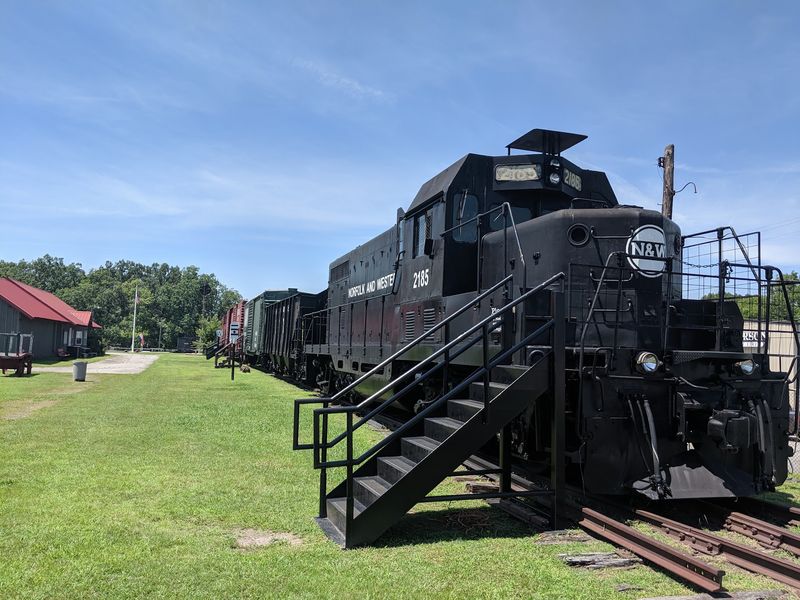
If you want trains with extra clank, color, and personality, Crewe Railroad Museum is the stop to circle on the map.
Located in Crewe, this museum celebrates a town that became closely tied to railroad operations and repair work.
Crewe developed as a major rail community along lines associated with the Norfolk and Western Railway.
Unlike a quiet depot that simply hints at the past, this museum gives visitors more to examine.
Outdoor equipment, railroad artifacts, photographs, and interpretive displays help explain how crews kept trains moving.
The town’s very name sounds like railroading, which makes the setting even better.
Give yourself time to wander and read.
Children often enjoy seeing larger pieces of equipment, while adults may appreciate the stories of workers who made the system run.
Confirm hours before visiting, since small museums can have seasonal schedules.
Crewe is a strong choice for anyone who likes hands-on history rather than just a quick landmark stop.
The depot setting, collection, and railroad-town atmosphere work together to make the story feel active, noisy, and wonderfully real.
9. Suffolk Seaboard Station Railroad Museum, Suffolk
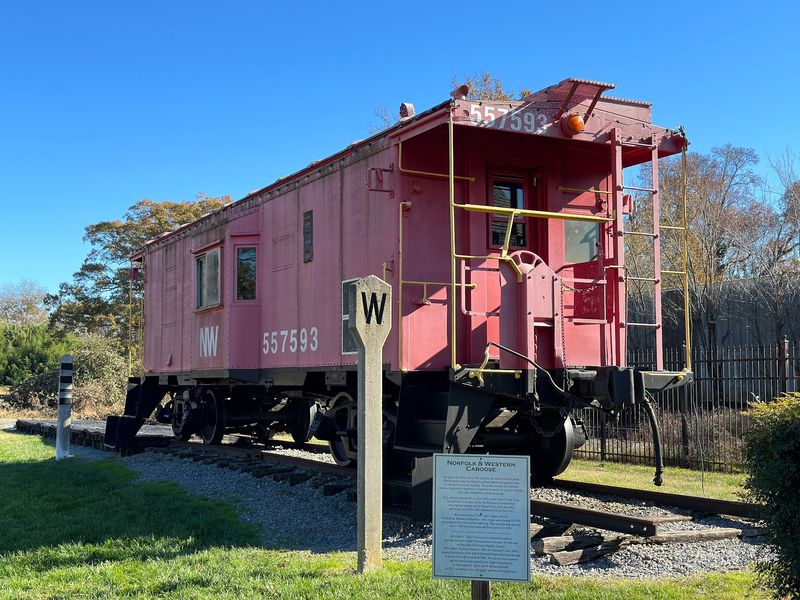
Peanut country meets rail history at the Suffolk Seaboard Station Railroad Museum, and that mix gives the place a fun local flavor.
Found in Suffolk, the restored station highlights the Seaboard Air Line Railway and the city’s role in moving goods and passengers.
The depot helped connect Suffolk to regional trade, including agricultural products that mattered deeply to the area’s economy.
Inside, museum exhibits often focus on railroad tools, photos, models, and stories from the people who worked or traveled through the station.
The building itself is part of the lesson, with details that show how depots balanced function with civic pride.
This is a good stop for curious families because it offers more context than an exterior-only landmark.
Check opening days, then allow time to enjoy downtown Suffolk as well.
The museum makes rail history feel approachable, not dusty.
You can picture travelers buying tickets, freight being checked, and station staff keeping order during busy times.
Suffolk’s depot has polish, purpose, and a strong sense of place, all tucked into a welcoming museum visit.
10. Historic Montpelier Railroad Depot, Montpelier Station
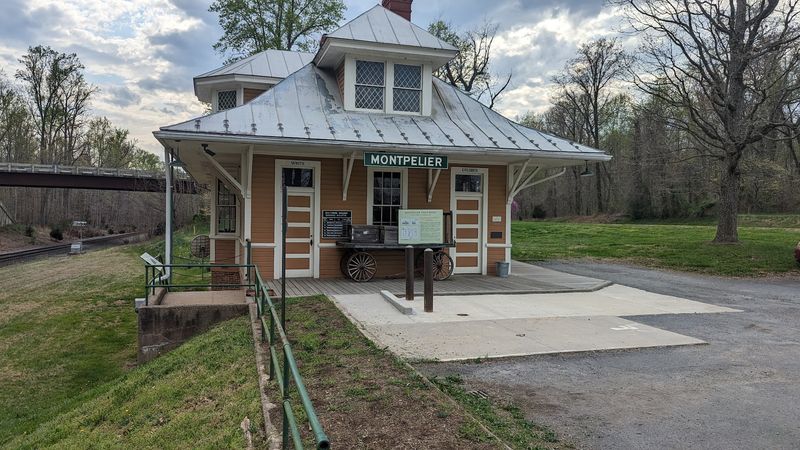
Few depots carry such a powerful second story as the Historic Montpelier Railroad Depot at Montpelier Station.
Near James Madison’s Montpelier in Orange County, the station helps tell both transportation history and African American history.
The depot served the Southern Railway and brought visitors to the Montpelier area, including people traveling to the former president’s estate.
Its waiting rooms also reveal the painful reality of segregation during the Jim Crow era.
Restored interpretation at the depot helps visitors understand how public spaces were divided and how that division shaped daily travel for Black Virginians.
Approach this site with time and attention.
It is not only charming, although its rural station setting certainly has character.
It is also a place for learning about fairness, memory, and the everyday impact of unjust laws.
Pair the depot with a visit to Montpelier for a fuller view of the landscape.
The station’s preserved spaces make history feel immediate.
By standing where passengers once waited, visitors can better understand both the reach of railroads and the human stories they carried.