Pennsylvania has always had a front-row seat to America’s railroad story, and some of its old depots still feel ready for the next whistle.
Walk up to one and you may notice brick walls, wooden benches, tall windows, and platforms that once welcomed soldiers, presidents, farmers, families, and tired travelers with heavy trunks.
These places matter because they show how towns grew, how people moved, and how railroads connected small communities to big dreams long before highways ruled the map.
From Gettysburg to Strasburg, this trip through historic stations brings a little history, a little architecture, and a whole lot of charm, with just enough rail nostalgia to make even your GPS feel underdressed.
1. Gettysburg Lincoln Railroad Station – Gettysburg
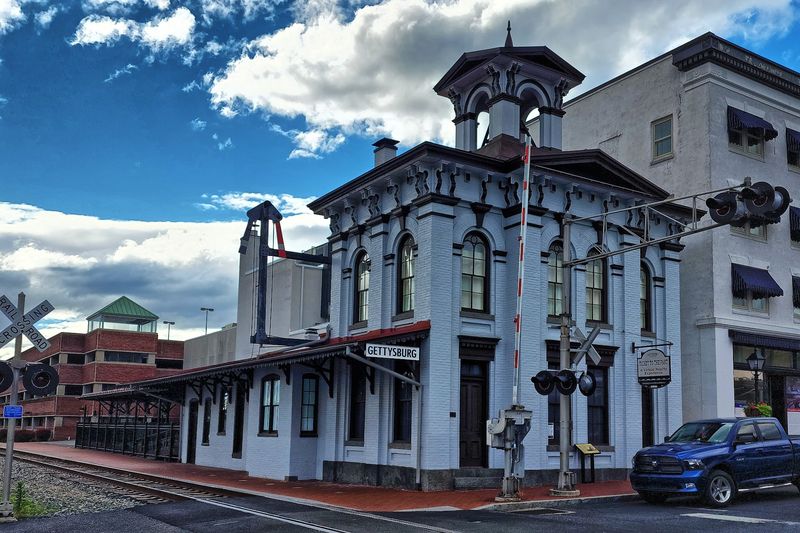
A president once arrived here, and that fact gives this small Gettysburg station a very big voice.
The Gettysburg Lincoln Railroad Station is tied to Abraham Lincoln’s 1863 visit, when he came to deliver the Gettysburg Address.
The building sits near downtown Gettysburg, making it easy to add to a battlefield or town walking trip.
Its brickwork, arched windows, and modest size remind visitors that history often moves through quiet doors, not just grand halls.
Inside, exhibits help explain how rail travel shaped the Civil War era and brought important visitors into town.
Families can use the station as a simple starting point for talking about Lincoln, the battle, and daily life during the 1800s.
Plan a stop before exploring shops, museums, or the battlefield roads.
Parking and town traffic can get busy during summer, so arrive early if you like a slower pace.
It is not the largest depot in Pennsylvania, but it carries one of the strongest stories.
Stand outside for a minute, picture steam drifting over the tracks, and Gettysburg suddenly feels much closer to 1863 than your phone’s calendar suggests.
Bring comfortable shoes, because nearby historic streets invite wandering after your visit.
2. Annville Train Station & Heritage Center – Annville
Small-town charm practically waves from the platform at Annville Train Station & Heritage Center.
Located in Annville, Lebanon County, this restored depot feels like the kind of place where everyone knew the conductor’s name.
The station preserves local railroad history and community memories, not just old timetables.
Visitors can learn how the railroad helped farmers, students, merchants, and travelers move through central Pennsylvania before cars became everyday transportation.
Its friendly scale makes it especially good for families or anyone who gets museum fatigue after ten minutes.
You can look at the building, notice the classic depot shape, and imagine passengers waiting with lunch pails, suitcases, or maybe a pie wrapped for someone down the line.
Check local hours before going, because heritage centers often rely on volunteers and special events.
If it is open, ask questions.
Volunteers usually know the best stories, including the funny ones that never fit on official signs.
Annville also pairs nicely with a Lebanon Valley day trip.
Grab a snack in town, stretch your legs, and let the depot remind you that history does not have to be huge to be memorable.
3. Derry Station Railroad Heritage Park – Derry
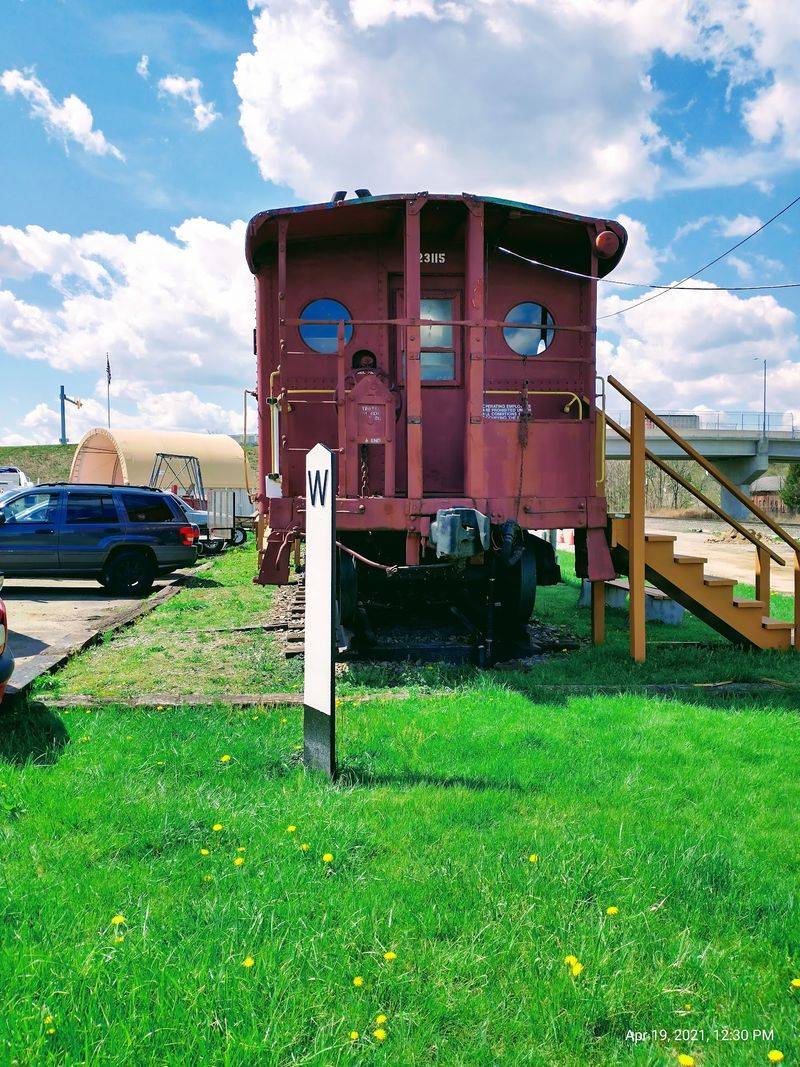
Rail fans may hear an imaginary whistle before they even park at Derry Station Railroad Heritage Park.
Set in Derry, Westmoreland County, this site honors a town that grew closely with the railroad.
Derry was once an important stop along rail lines that moved people and goods through western Pennsylvania.
The heritage park helps visitors picture that busy past with railroad-themed features, preserved station elements, and a setting that still feels connected to the tracks.
Bring kids who like trains, cameras, or anything with wheels.
The open park setting is easier to explore than a formal museum, and it gives restless visitors room to move without earning the dreaded indoor voice reminder.
Look for signs and displays that explain the area’s rail story.
They show how a depot could shape jobs, schedules, and even the rhythm of a town.
Morning or late afternoon light can make the station area especially photogenic.
Before visiting, check community listings for events, since railroad parks sometimes host gatherings, seasonal programs, or local history activities.
Derry Station Railroad Heritage Park is a relaxed stop, but it leaves a clear message.
When trains came through, small towns stood taller.
Pack water, wear walking shoes, and take time to notice the trackside details.
4. Meadville Railroad Depot – Meadville
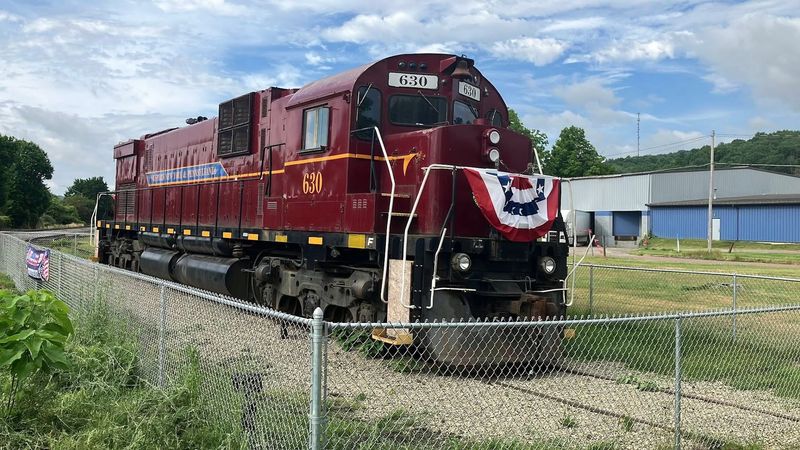
Brick, balance, and a little old railroad swagger make Meadville Railroad Depot worth a lingering look.
Found in Meadville, Crawford County, the depot reflects a time when train stations were gateways to opportunity.
Meadville’s railroad connections helped support business, travel, and industry in northwestern Pennsylvania.
A depot like this was more than a waiting room.
It was a place where news arrived, products shipped out, and relatives stepped off the train with stories from far away.
Architecture lovers should slow down and study the details.
Notice the roofline, window spacing, and sturdy materials that were built to handle weather, smoke, noise, and crowds.
Old depots often mixed beauty with practical design, which is a pretty neat trick.
If you visit, combine the stop with downtown Meadville or nearby Allegheny College.
The surrounding area adds context, because railroad growth often worked hand in hand with education, commerce, and civic life.
Respect any posted signs and current uses, since historic depots may serve new purposes today.
Even viewed from the outside, the building offers a strong sense of place.
It reminds visitors that Meadville was plugged into a larger world long before road trips came with playlists.
Bring a camera for textures, angles, and timeworn Pennsylvania character.
5. Portland Railroad Depot – Portland
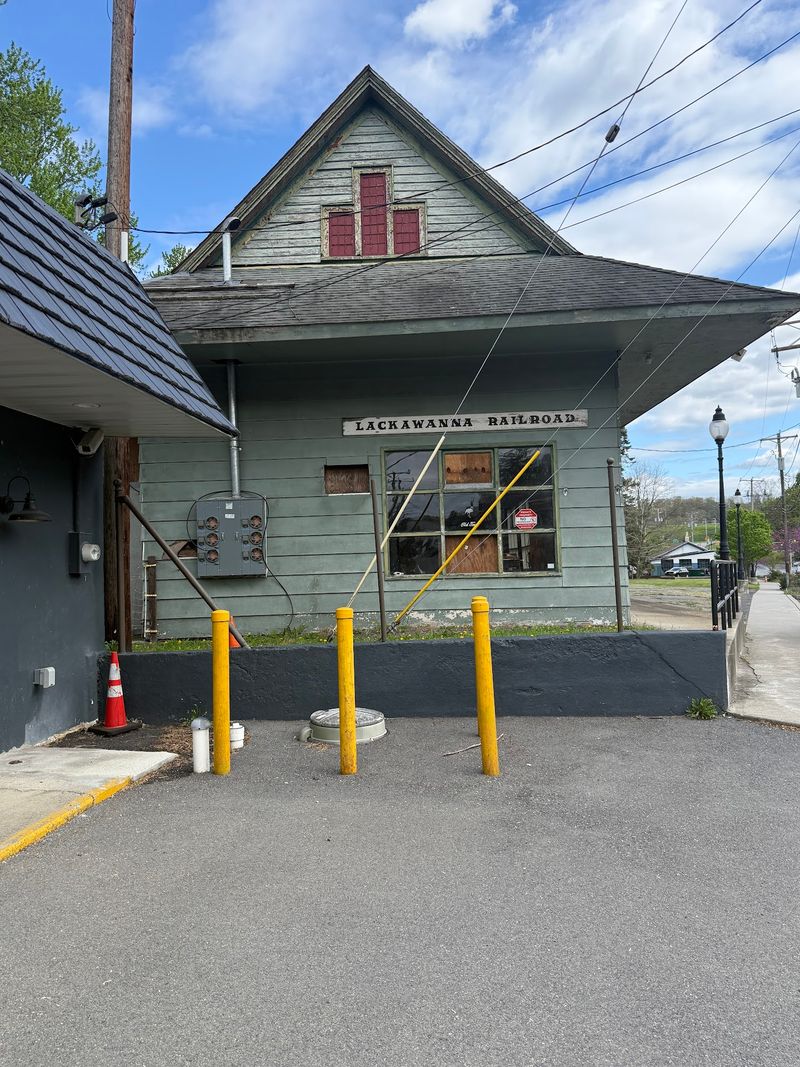
The Portland Railroad Depot has the quiet confidence of a place that has seen plenty and does not need to brag.
Located in Portland, Northampton County, it speaks to the river-and-rail story of eastern Pennsylvania.
Portland sits near the Delaware River, where transportation routes shaped local life for generations.
Railroads helped connect river towns to markets, mills, and bigger cities, giving small communities a stronger place on the map.
The depot’s appeal comes from its simplicity.
It invites visitors to imagine freight moving through, passengers waiting under the roof, and station agents keeping track of the day’s business with pencils, ledgers, and impressive patience.
Pair a visit with scenic drives along the Delaware River or nearby outdoor stops.
The area has a slower rhythm, so do not rush.
A depot like Portland’s works best when you give it a few quiet minutes.
Check access before you go, since historic railroad buildings can have changing public availability.
Even if you view it from outside, look for clues in the structure.
Door placement, platform edges, and trackside orientation all tell part of the story.
Portland Railroad Depot proves that a small station can still open a big window into Pennsylvania’s transportation past.
It is history without shouting, which is refreshing.
6. Manheim Train Station – Manheim
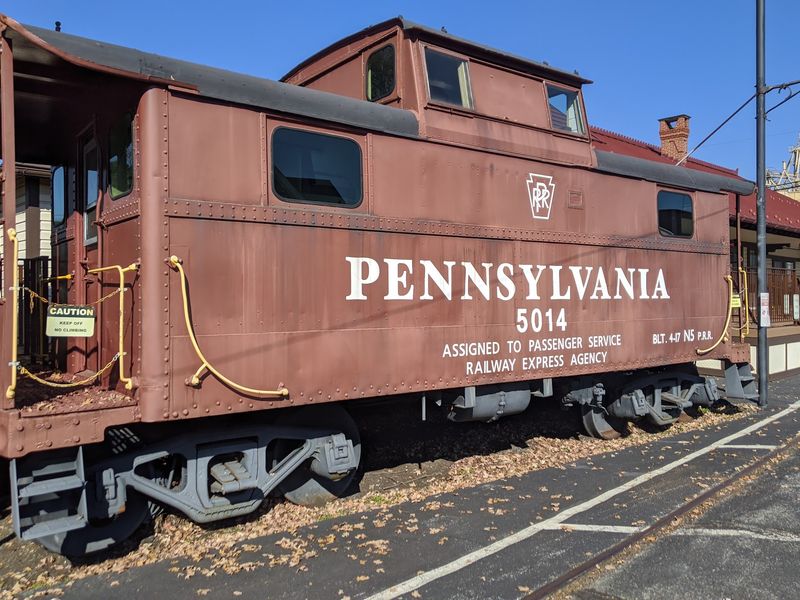
Manheim Train Station feels like the opening scene of a pleasant old postcard.
Set in Manheim, Lancaster County, it reflects the rail history of a town known for community pride and Pennsylvania Dutch Country flavor.
The station helped connect Manheim to surrounding markets and travelers when rail service was a major part of daily life.
For local farmers and businesses, the depot was not just convenient.
It was a lifeline for moving goods and staying connected.
Today, the building adds historic character to town.
Visitors can appreciate how stations were designed to be both useful and welcoming, with recognizable shapes that made arrivals and departures feel organized instead of chaotic.
Manheim is a good stop for people who enjoy mixing history with shopping, food, or a relaxed stroll.
Keep an eye out for local events, because historic buildings in Lancaster County often become gathering points for festivals, markets, or community programs.
Take a photo, but also look around the neighborhood.
The station makes more sense when you see how close it sits to everyday town life.
That is the magic here.
Manheim Train Station does not feel frozen behind glass.
It feels like a familiar neighbor with excellent stories and a very punctual pocket watch.
Visit in daylight for better detail and safer exploring.
7. Noxen Train Depot – Noxen
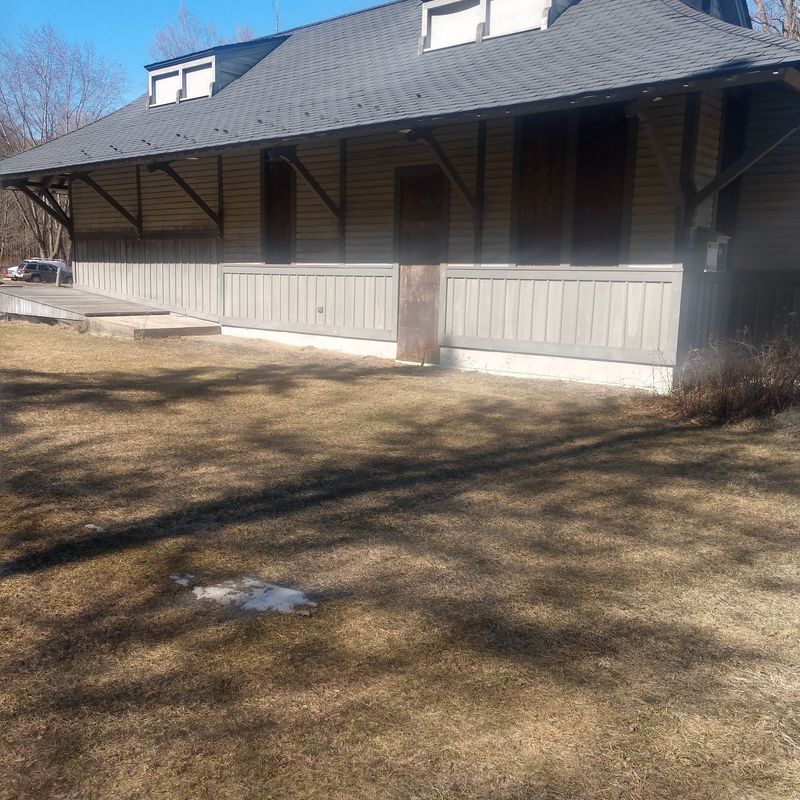
A rural depot has a special kind of poetry, and Noxen Train Depot delivers it without fancy footwork.
Located in Noxen, Wyoming County, this station reflects the railroad life of a smaller northeastern Pennsylvania community.
Places like Noxen depended on rail lines for much more than passenger travel.
Trains could move lumber, farm products, supplies, mail, and people, linking remote areas to towns that once felt much farther away.
The depot’s charm comes from its modest, practical style.
It reminds visitors that not every historic station had grand arches or marble floors.
Some simply did hard work day after day, which is honestly very Pennsylvania of them.
Before you visit, look up current preservation status and access details.
Smaller depots may be maintained by local groups or have limited public hours.
If you find community volunteers involved, give them a friendly thank-you.
Noxen is also a reminder to explore beyond the best-known tourist routes.
The surrounding countryside adds to the experience, especially for travelers who enjoy back roads, quiet scenery, and history that feels personal.
Stand near the depot and imagine the excitement when the train arrived.
In a small town, that sound could mean news, visitors, packages, or fresh possibilities rolling in right on schedule.
Bring curiosity, because it rewards slow looking.
8. Lehigh Valley Railroad Station – Easton
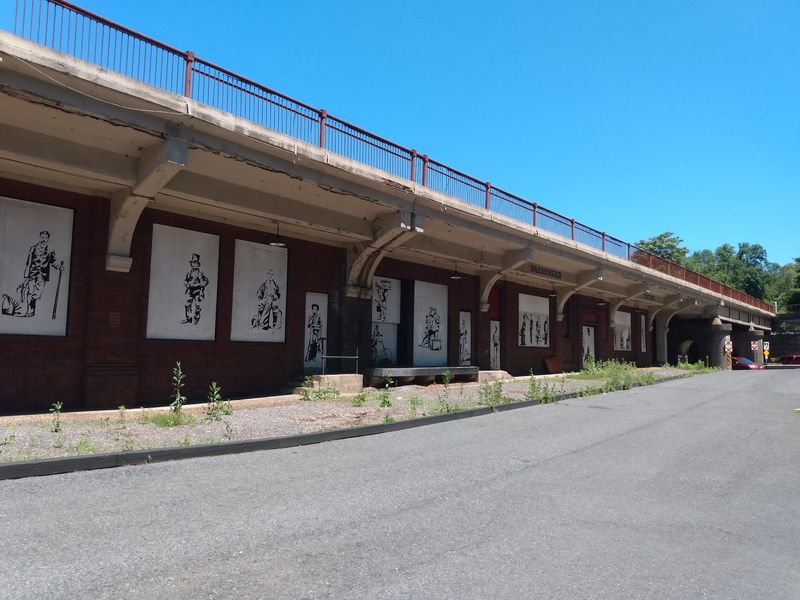
Easton’s Lehigh Valley Railroad Station carries city energy with a polished historic edge.
Located in Easton, Northampton County, it represents the power of railroading in the Lehigh Valley, a region shaped by canals, rivers, coal, and industry.
The Lehigh Valley Railroad was a major name in Pennsylvania transportation.
Its stations connected passengers and freight across a busy network, helping move anthracite coal and countless other goods through the region.
Easton makes the visit especially rewarding because the city itself has layers of history.
The station fits into a bigger story that includes the Delaware and Lehigh rivers, early American growth, and the rise of industrial communities.
Walk around the area if access and conditions allow.
Study the station’s materials and proportions, then compare them with nearby buildings.
Urban depots often had to look impressive while handling crowds, baggage, freight, and strict schedules.
Afterward, explore Easton’s downtown, restaurants, or riverfront paths.
The station works well as part of a half-day history outing rather than a quick photo stop.
It reminds visitors that railroads were not background noise.
They were engines of growth, and Easton heard them loud and clear.
For the best experience, check local preservation information and current building use before planning your route.
9. Reading Railroad Heritage Museum – Hamburg
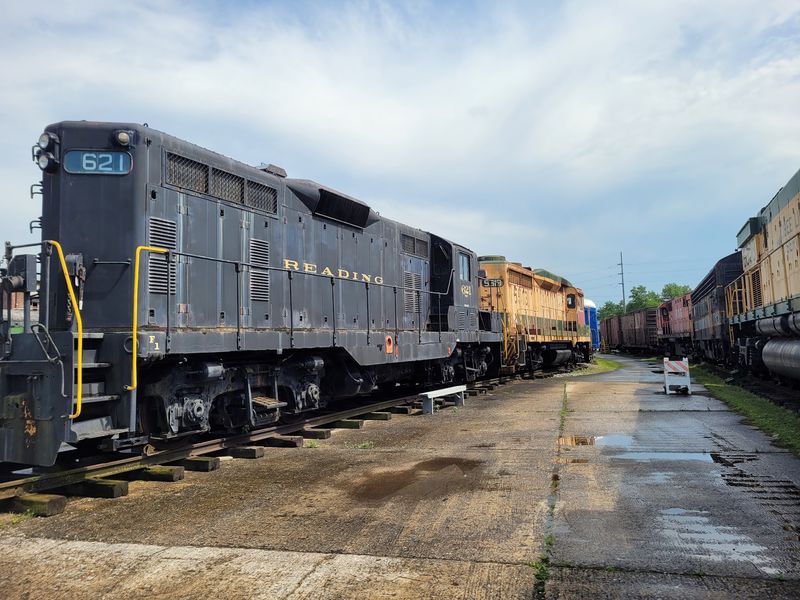
If the words Reading Railroad make you think of a Monopoly board, Hamburg has a much better lesson waiting.
The Reading Railroad Heritage Museum in Hamburg, Berks County, celebrates the real railroad behind that famous square.
The museum preserves equipment, artifacts, photographs, and stories connected to the Reading Company.
This railroad played a huge role in moving anthracite coal, passengers, and freight across Pennsylvania and beyond.
Visitors can often see locomotives, railcars, signals, and other railroad pieces that make history feel wonderfully solid.
Kids may come for the big machines, while adults often end up fascinated by the smaller details, like uniforms, tools, signs, and maps.
Give yourself enough time here.
A museum visit works best when you are not racing from display to display like a late commuter.
Check hours before leaving home, since railroad museums may have seasonal schedules.
Hamburg is also close to scenic Berks County drives, shops, and food stops, so it fits nicely into a weekend outing.
The museum is especially helpful because it explains railroad history in a focused way.
Instead of only seeing a depot, you learn about the larger system that kept trains moving.
That context makes every old station in Pennsylvania feel more alive afterward.
Bring train-loving friends, and expect many photo stops.
10. Railroad Museum of Pennsylvania – Strasburg
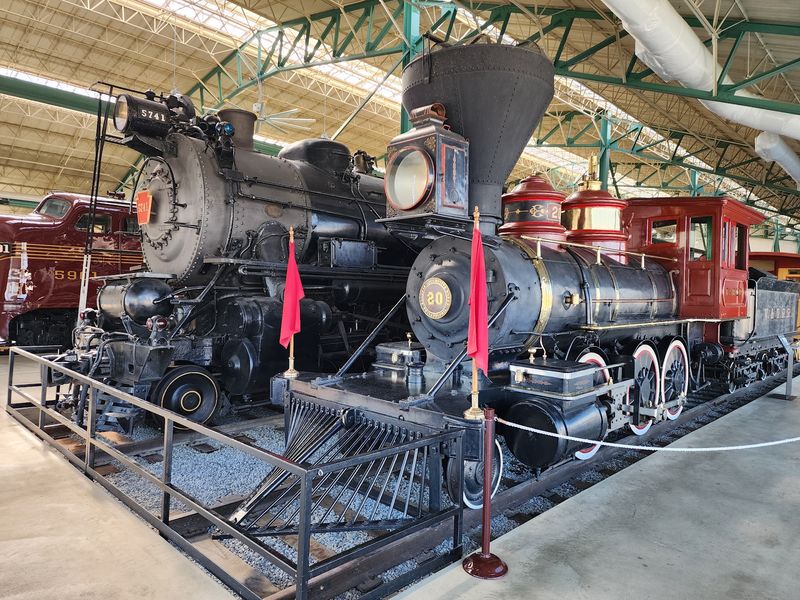
The Railroad Museum of Pennsylvania is the heavyweight champion of train nostalgia in the Keystone State.
Located in Strasburg, Lancaster County, it houses one of the nation’s major collections of historic railroad equipment.
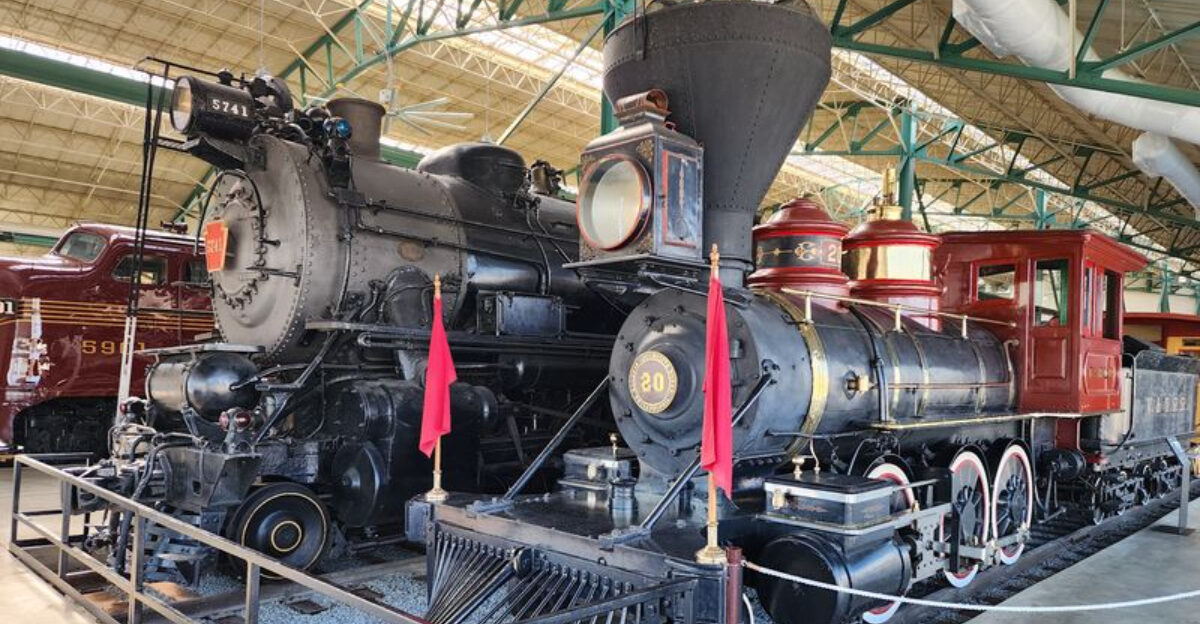
Inside, visitors can see locomotives, passenger cars, freight cars, cabooses, and displays that cover many chapters of Pennsylvania rail history.
The scale is impressive, but the museum also explains the human side, including workers, travelers, engineers, and communities.
This is the place to bring anyone who thinks a train is just a train.
After a few minutes beside a massive locomotive, opinions often change.
The machines are huge, detailed, and oddly graceful, like iron dinosaurs with better schedules.
Plan at least a couple of hours, especially if you enjoy reading exhibit panels or taking photos.
Strasburg also offers nearby railroad attractions, making the town a dream stop for families and serious rail fans.
Check tickets, hours, and special events in advance.
Hands-on programs, restoration updates, or seasonal activities can make the visit even better.
The museum gives context to every depot on this list by showing the equipment that once rolled past them.
Leave time for the gift shop, because resistance to train-themed souvenirs may be weak.
Comfortable shoes are smart, since there is plenty of ground to cover.