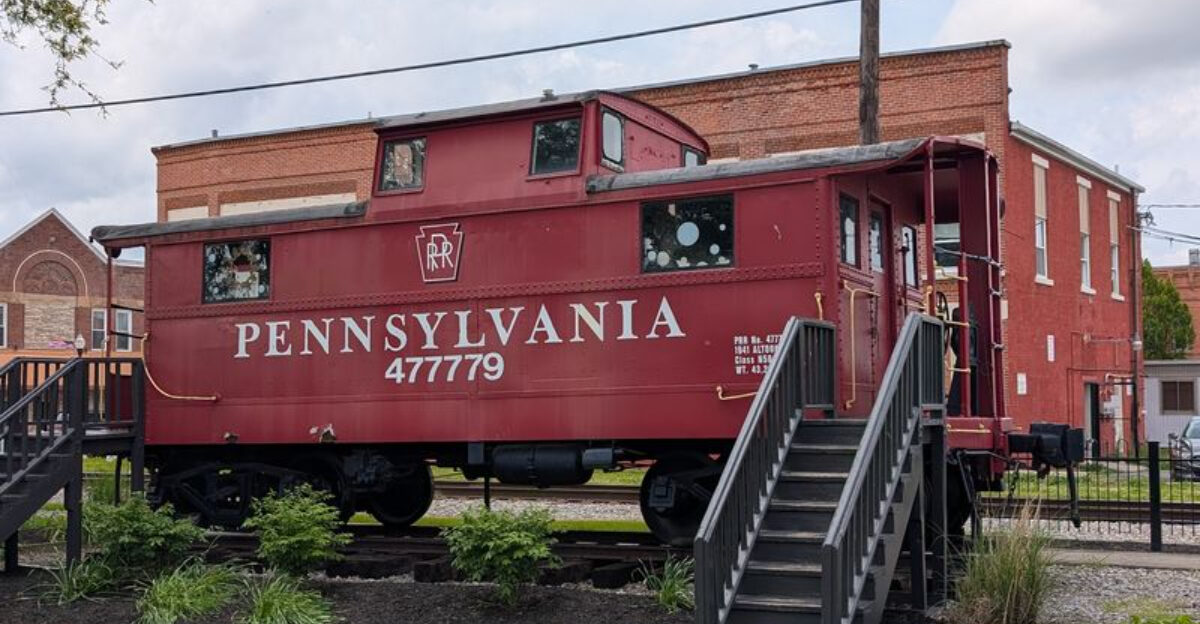
Ohio has a way of making road trips feel like time travel, especially when an old train depot appears around the bend.
These stations once welcomed soldiers, workers, dreamers, and families, and many still hold that same warm pull today.
Visiting them is a fun way to learn local history, see beautiful buildings, and slow down for a while.
From tiny village stops to grand city terminals, each depot on this list offers a story worth hearing and a reason to linger a little longer.
Some stand beside active tracks, where the rumble of passing trains still shakes the air.
Others have become museums packed with signs, maps, photos, and memories from another age.
All across Ohio, these places remind us that travel was once an event, not just a quick drive with snacks in the cup holder.
If you like history or architecture, these depots may tempt you soon.
1. Dennison Railroad Depot Museum – Dennison
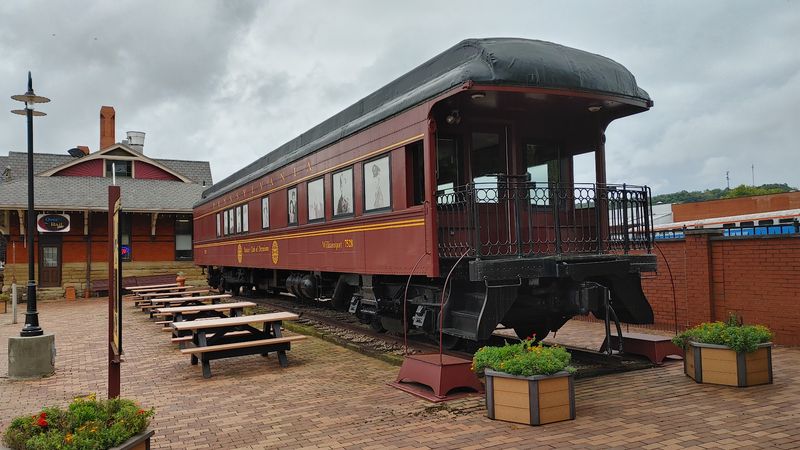
Few Ohio depots tell a bigger story than the one in Dennison.
During World War II, this station became famous as the Dreamsville, USA canteen, where volunteers greeted passing service members with food, smiles, and a little comfort before the next leg of travel.
Today, the Dennison Railroad Depot Museum in Tuscarawas County gives visitors a close look at that moving history.
Inside, you can find exhibits about rail travel, wartime life, local industry, and the people who kept trains, troops, and towns connected when the country needed steady hearts.
The building itself is worth the stop.
Its size, brickwork, and long platform remind you that railroads once shaped the rhythm of everyday life here, and the museum does a good job making those years feel clear instead of dusty or distant.
If you visit, give yourself extra time for reading signs and studying old photos.
Families with kids may enjoy turning the trip into a history scavenger hunt, while adults will appreciate how the depot balances local pride, national meaning, and the simple magic of waiting near the tracks.
2. Lake Shore & Michigan Southern Passenger Depot – Conneaut
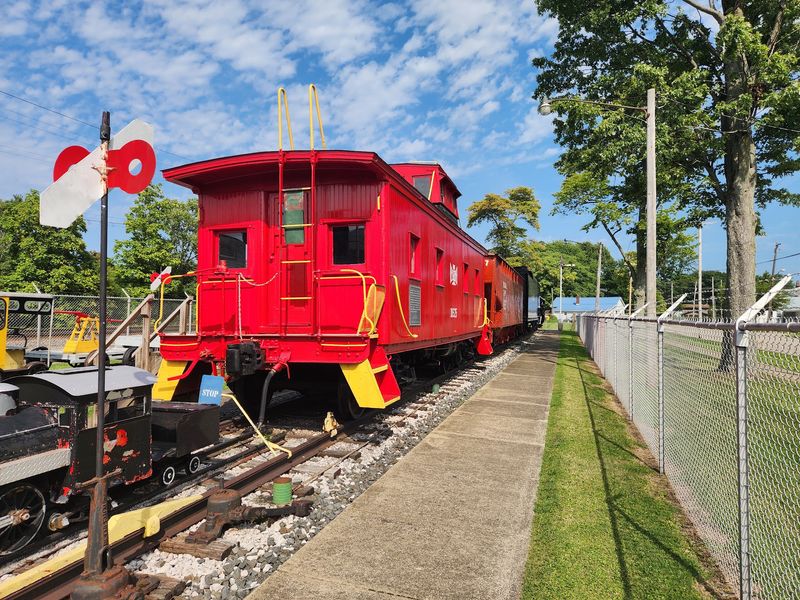
Lake breezes and railroad history make an excellent pair in Conneaut.
The Lake Shore and Michigan Southern Passenger Depot sits in Ohio’s far northeast corner, and its handsome design hints at a time when rail travel along the Lake Erie corridor felt polished, busy, and full of promise.
Built in the nineteenth century, the depot reflects the importance of Conneaut as a transportation stop tied to regional trade and travel.
Visitors often notice the building’s careful restoration first, but the deeper reward comes from learning how rail lines connected this shoreline community to bigger cities and wider markets.
Stepping near the station, you can imagine trunks being unloaded, paper tickets changing hands, and travelers checking watches with serious faces.
There is something charming about a depot that still looks prepared for company, even when the crowd is now made up of curious history fans instead of hurried passengers.
Bring a camera, because the structure photographs beautifully in changing light.
Pair your stop with a walk around Conneaut and the lake area, and the visit becomes more than a history lesson.
It turns into a reminder that great journeys once began with a platform, patience, and polished shoes.
3. Marion Union Station – Marion
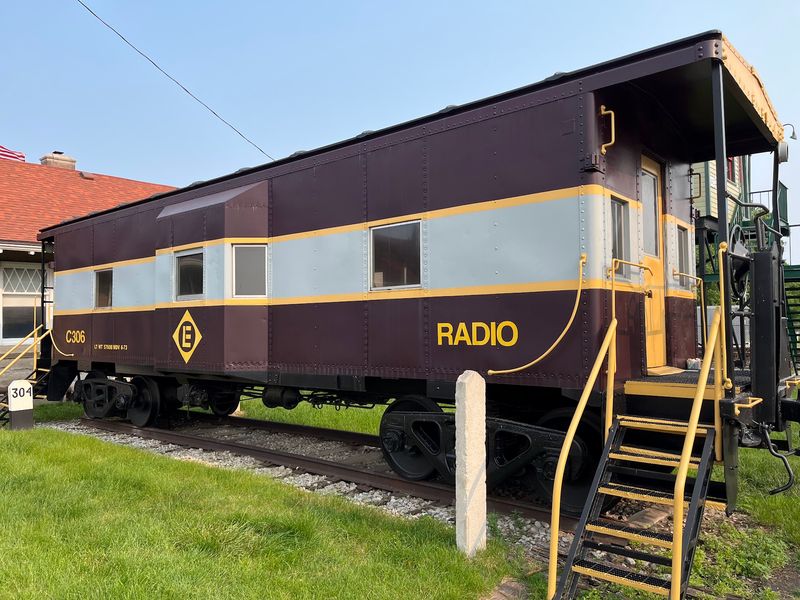
Rail fans often light up when Marion enters the conversation, and for good reason.
Marion Union Station stands in one of Ohio’s best-known railroad cities, where busy lines helped create a place that still feels tuned to the sound of wheels, whistles, and freight moving with purpose.
The station, built in the early twentieth century, reflects the importance of Marion as a crossroads for passenger and freight traffic.
Its union design brought multiple rail interests together, and that practical idea produced a landmark that feels both sturdy and elegant, like work clothes with a pressed collar.
Even if you are not a serious train watcher, the location has an energy that is easy to enjoy.
Nearby rail activity adds life to the historic setting, so a visit can give you architecture, local history, and the thrill of seeing modern trains share space with a station from another era.
A smart plan is to check local hours and events before you go, since rail heritage groups sometimes add extra context.
Spend time looking at the exterior details, then explore Marion itself.
You may leave with better photos than expected and a new respect for how one station can anchor a whole community story.
4. Peninsula Depot – Peninsula
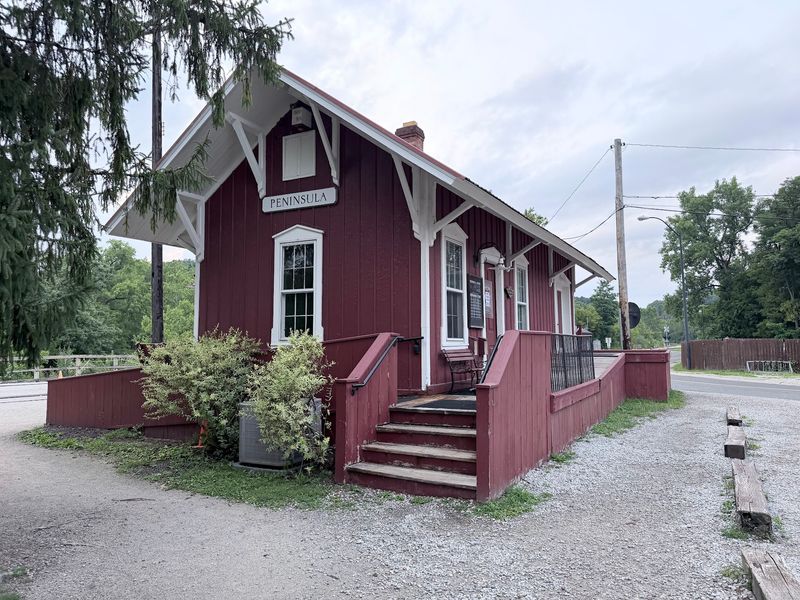
Hidden in the Cuyahoga Valley, Peninsula Depot feels like a postcard that learned how to whistle.
The village of Peninsula already has storybook charm, and the depot adds one more layer with its close ties to local rail history, scenic travel, and the slower pace many travelers crave.
The station is closely connected with the Cuyahoga Valley Scenic Railroad, which helps the area feel active rather than frozen in time.
Instead of serving only as a relic, the depot stands as part of an experience that mixes nature, history, and a little old-fashioned excitement when a train rolls in.
That setting matters.
Surrounded by one of Ohio’s most loved outdoor regions, the depot becomes a natural stop for hikers, cyclists, families, and weekend wanderers who want something beyond the usual museum visit.
You can enjoy the architecture, then step right back into woods, trails, and river valley views.
Wear comfortable shoes and leave room in your schedule, because Peninsula rewards lingering.
Grab a snack in town, browse local shops, and keep your ears open for approaching rail sounds.
Some places ask for a quick photo, but this one gently invites you to stay long enough to notice the details.
5. Olmsted Falls Depot & Model Railroad Museum – Olmsted Falls
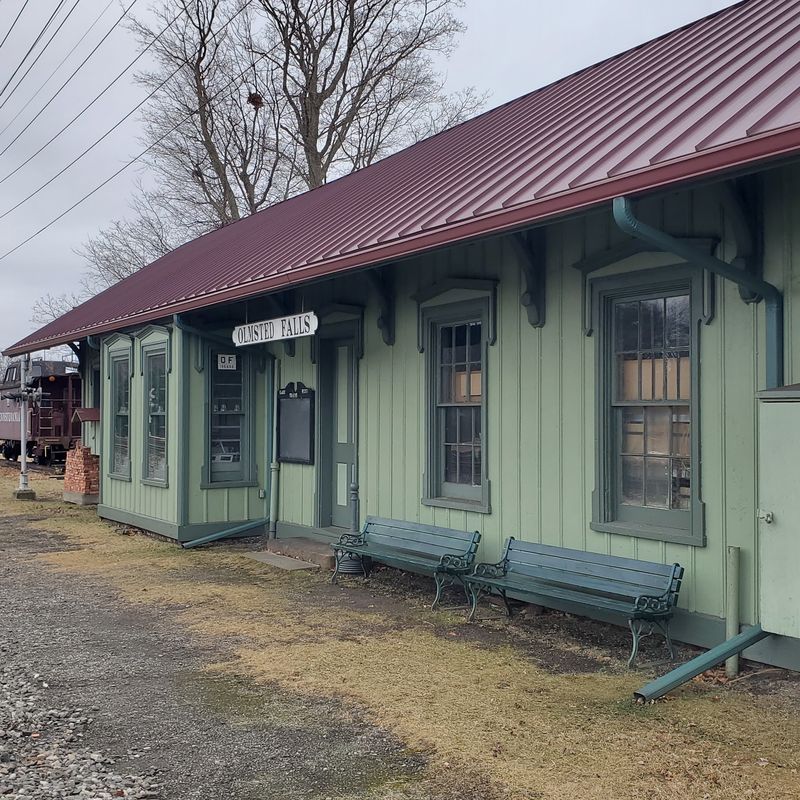
Tiny trains can steal the show, and that is part of the fun in Olmsted Falls.
The Olmsted Falls Depot and Model Railroad Museum pairs a real historic station with detailed model layouts, giving visitors a chance to enjoy railroad history at both life size and miniature scale.
The depot helps tell the story of how railroads shaped this Cleveland-area community.
Its preserved structure offers a direct link to the days when stations served as social centers, travel hubs, and gateways to opportunity, while the model displays make the mechanics and romance of railroading easier for kids to grasp.
One nice thing about this stop is its balance.
Serious history lovers can study the building and local context, while younger visitors often head straight for the moving trains, small towns, and tiny tracks built with impressive care.
Everyone wins, and nobody has to pretend a model caboose is boring.
If you are planning a family outing, this depot is a smart pick.
It is approachable, visual, and easy to enjoy without needing expert knowledge.
Spend time in the museum, then stroll around Olmsted Falls for more small-town character.
You may arrive for the models and leave talking about the real station.
6. Ada Pennsylvania Station & Railroad Park – Ada
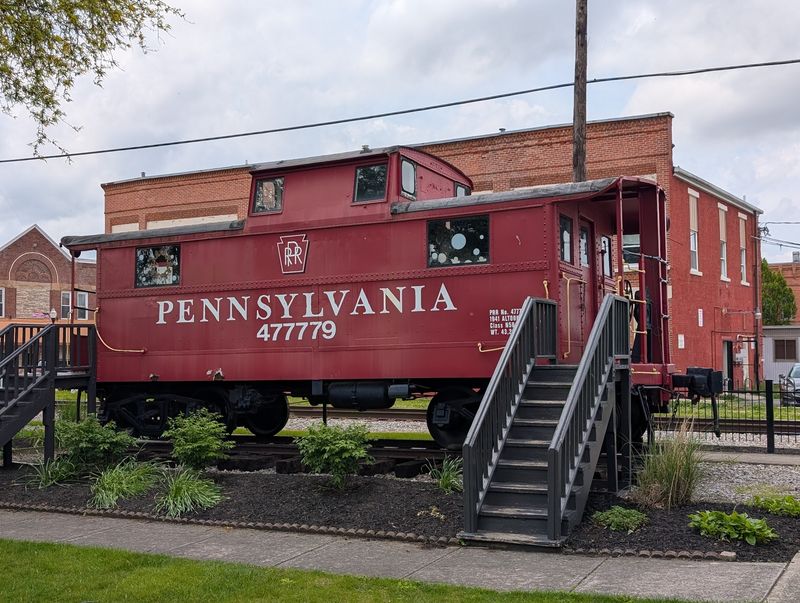
Some railroad stops charm you by staying simple, and Ada wears that style well.
The Ada Pennsylvania Station and Railroad Park offers a neat, approachable look at local train history, showing how even smaller communities held an important place in the wider web of American rail travel.
Located in northwest Ohio, the site reflects the influence of the Pennsylvania Railroad, one of the biggest rail systems in the country.
That connection gives Ada’s station extra weight, because it ties a modest town setting to a much larger story about commerce, movement, and the way rail lines stitched regions together.
The railroad park adds breathing room and context, making the visit feel relaxed rather than cramped.
Instead of rushing through exhibits, you can look around, picture trains arriving through town, and think about how stations once shaped local business, schedules, and even the daily soundtrack of a place.
Visitors who enjoy quiet history stops will likely appreciate Ada.
It does not need grand scale to make its point.
Bring water, take a slow walk, and read the signs carefully.
Sometimes the most memorable depot visits are the ones that whisper their stories instead of shouting them from the platform.
7. Nelsonville Train Depot – Nelsonville
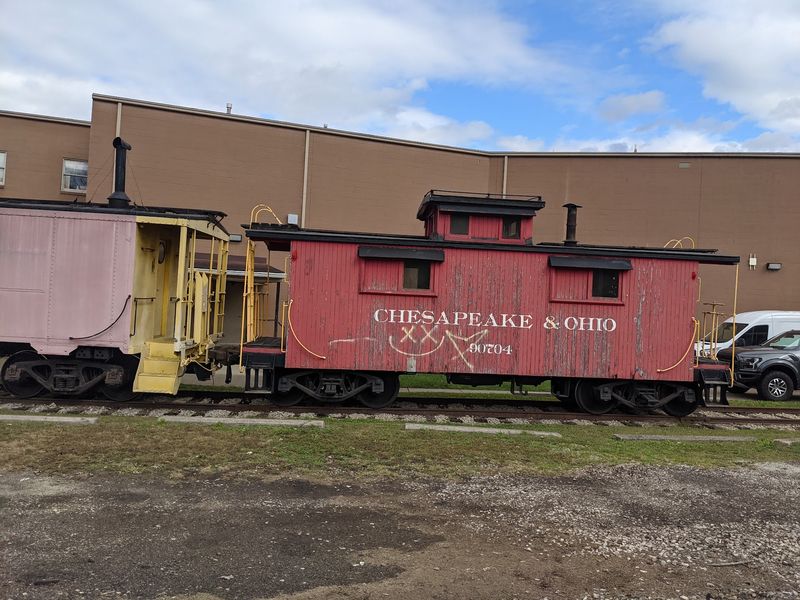
Brick walls, Appalachian setting, and a strong sense of place give Nelsonville Train Depot real personality.
In southeastern Ohio, this station reflects the region’s long ties to coal, clay, industry, and transportation, all of which helped shape the hard-working communities scattered through the hills.
Nelsonville’s railroad history is closely linked to the Hocking Valley area, where trains moved goods and people through terrain that was beautiful but not always easy.
That practical need turned depots like this into lifelines, helping local businesses grow and keeping the region connected to wider economic currents.
There is also a mood here that feels different from some northern Ohio stations.
The depot carries a rugged, grounded character, less polished perhaps, but deeply honest.
It seems built for useful work first, and that makes its survival even more appealing to visitors who like history with grit under its fingernails.
Make time to explore Nelsonville beyond the depot if you can.
The town has creative energy, local history, and a setting that rewards a slower pace.
A visit here works best when you treat it like a conversation with the region itself, one told through tracks, brick, and echoes of industry.
8. Gallipolis Railway Freight Station Museum – Gallipolis
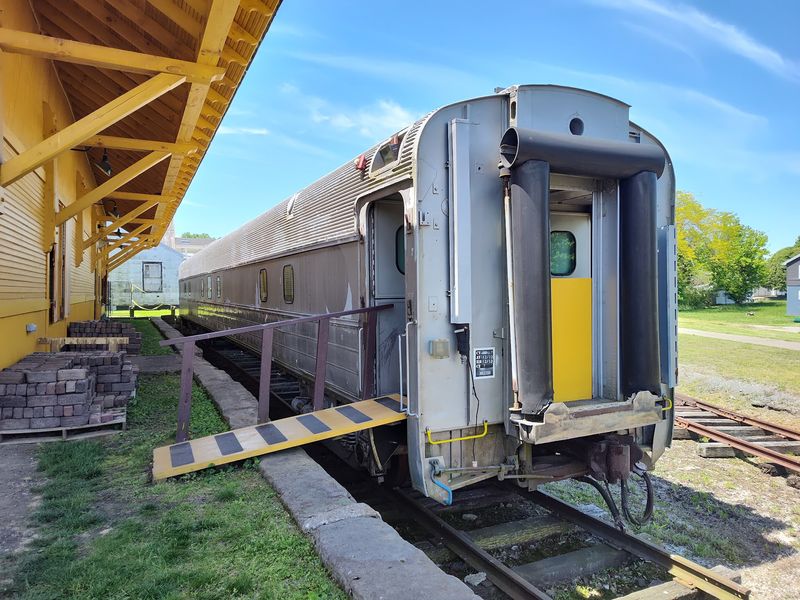
Not every memorable station welcomed passengers in fancy clothes.
The Gallipolis Railway Freight Station Museum honors the workhorse side of rail history, focusing on the buildings that handled crates, goods, and the everyday business that kept towns supplied and economies moving.
Set in Gallipolis along the Ohio River, the museum gains extra interest from its location in a community shaped by both rail and river transportation.
That combination helps visitors understand how different travel and trade networks overlapped, cooperated, and sometimes competed to serve local needs.
A freight station may sound less glamorous than a passenger depot, but do not let that fool you.
Places like this reveal how ordinary items reached stores, farms, workshops, and homes.
In some ways, they tell a fuller story about community life than polished waiting rooms ever could.
When you visit, look for the practical details in the design and displays.
Freight buildings had a job to do, and their usefulness is part of their appeal.
Pair the stop with time in downtown Gallipolis and near the riverfront.
The result is a trip that feels thoughtful, grounded, and refreshingly unshowy.
9. Bradford Ohio Railroad Museum – Bradford
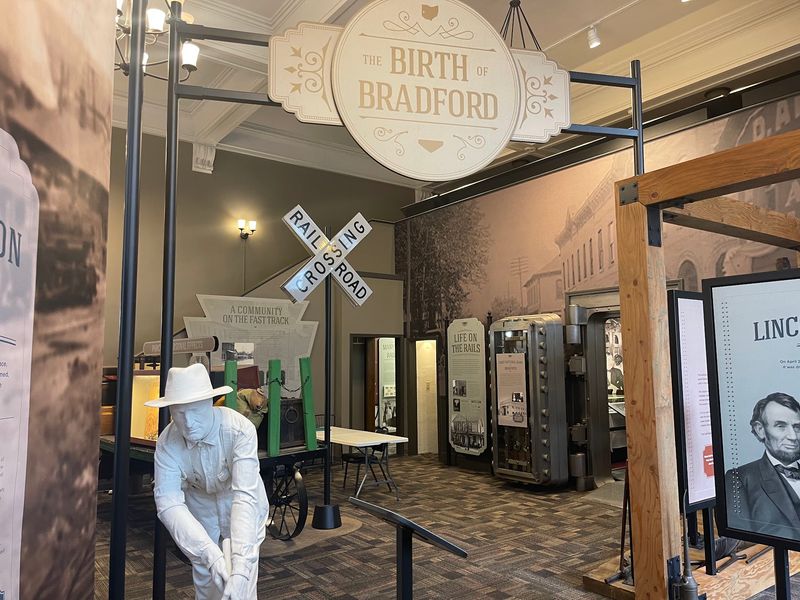
Blink and you might miss Bradford on the map, but railroad history gives it lasting pull.
The Bradford Ohio Railroad Museum proves that small towns can hold big stories, especially when local volunteers care enough to preserve the objects, memories, and buildings that larger places sometimes overlook.
The museum centers on Bradford’s rail heritage and helps explain how the village fit into broader transportation patterns across western Ohio.
That local focus is part of its strength.
Rather than trying to tell every railroad story at once, it shows how trains shaped one specific community in meaningful ways.
Visitors often enjoy stops like this because they feel personal.
You are not just seeing a restored structure.
You are stepping into a place where residents remember names, routes, jobs, and family connections tied to the tracks.
History becomes less abstract when it still has neighbors nearby.
Plan for a visit with curiosity and patience.
Smaller museums sometimes deliver the best surprises, whether that is an unusual artifact, a lively volunteer, or a detail that changes how you see the town around you.
Bradford may not be flashy, but it has the steady charm of a story told well.
10. Nordson Depot – Amherst
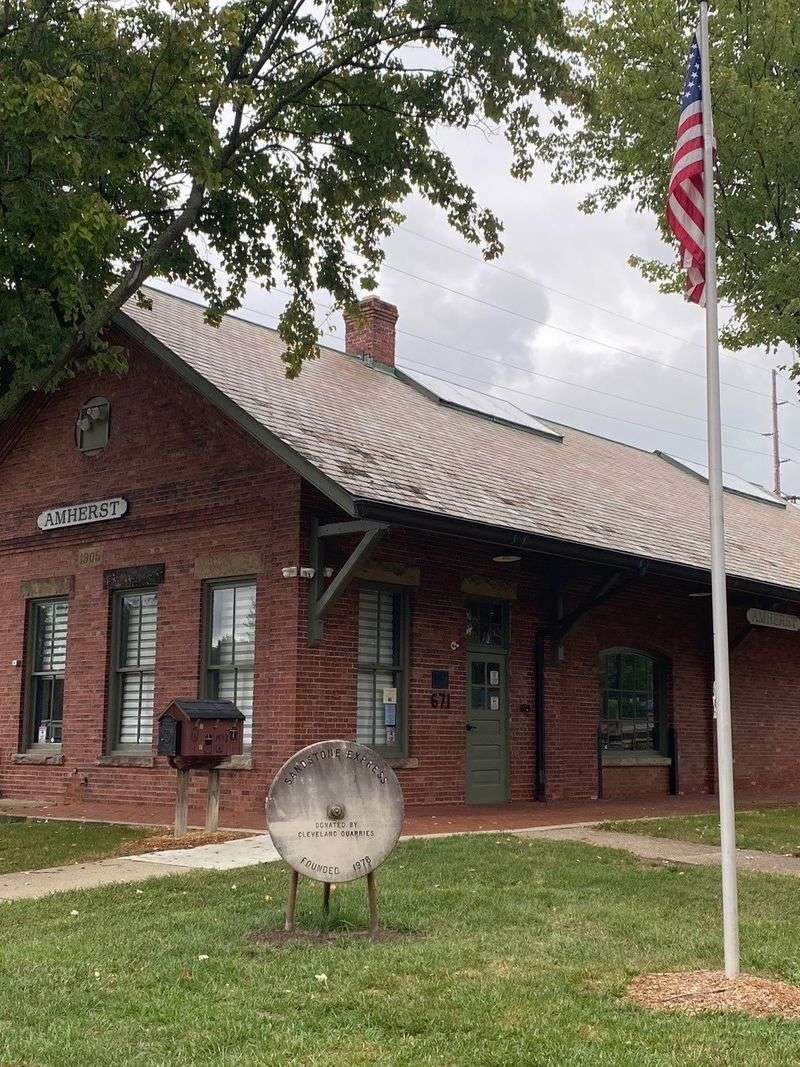
Amherst has long been known as a train town, so a historic depot fits the city like a conductor fits a cap.
The Nordson Depot stands as a preserved reminder of that identity, linking present-day visitors to the era when railroads helped define local work, travel, and civic pride.
Located in Lorain County, Amherst developed strong railroad connections over the years, and the depot reflects that heritage with straightforward appeal.
It is not just a nice old building.
It is part of a larger community memory built around schedules, industry, trackside neighborhoods, and generations who grew up hearing trains pass.
One reason this stop works so well is its setting.
Amherst still carries a railfan spirit, so the depot does not feel isolated from its roots.
Instead, it sits within a place where railroad culture remains visible, making the history easier to feel and not just read about on signs.
If you go, spend a little time exploring the city as well as the depot.
Notice how the station fits into the broader landscape and story of Amherst.
Bring your camera, stay alert for train movement nearby, and enjoy a visit that delivers both local flavor and a satisfying sense of motion.