Massachusetts has more wild places tucked into its landscape than most people realize.
Between marshes, mountains, and quiet ponds, the state offers front row seats to some genuinely impressive wildlife watching.
Birders, hikers, and curious families all find something worth the trip, whether it’s a soaring hawk or a family of deer at dusk.
Some of these spots are sprawling reservations, while others are compact sanctuaries perfect for a shorter outing.
Bring binoculars if you have them, but even without, there’s plenty to see just by slowing down.
Here are twelve Massachusetts hikes wildlife lovers should put on their weekend list.
1. Great Meadows National Wildlife Refuge, Concord, Middlesex County
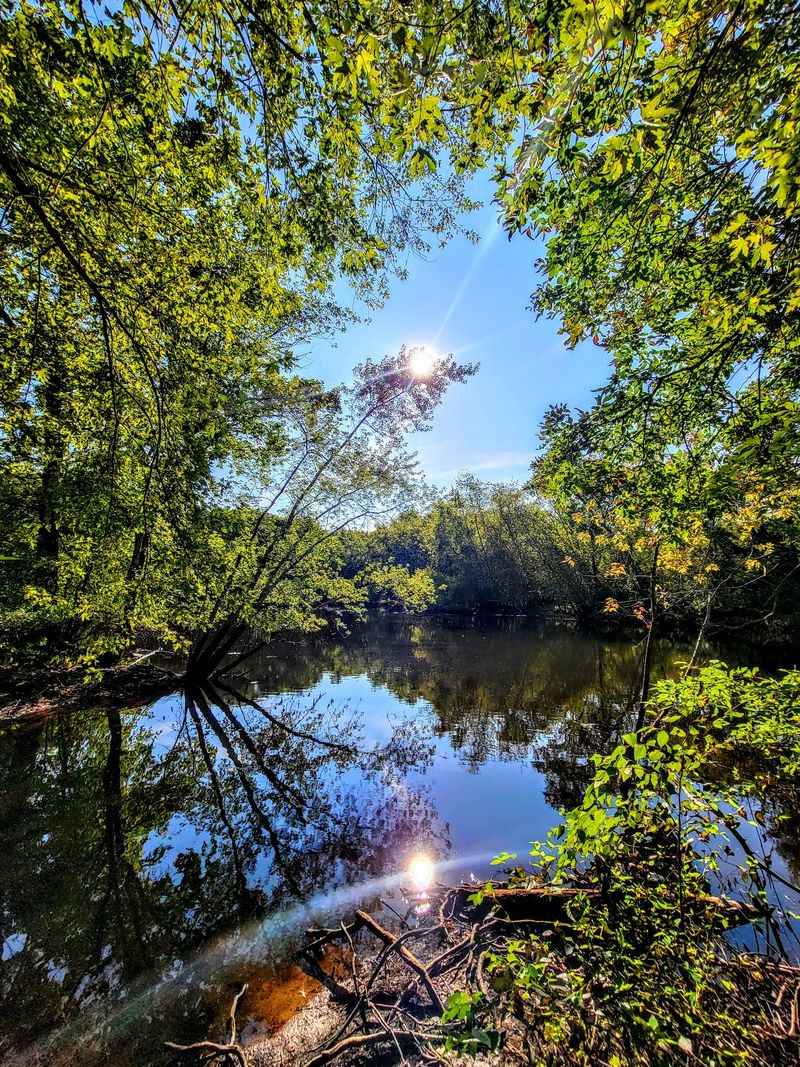
Morning mist can make the marsh feel like a secret world waking up.
At Great Meadows National Wildlife Refuge, wide wetlands stretch along the Concord and Sudbury Rivers, giving birds, turtles, muskrats, and frogs plenty of room to feed and hide.
The trails are mostly flat, so families and newer hikers can enjoy the area without a hard climb.
Bring binoculars because ducks, egrets, herons, red-winged blackbirds, and hawks often appear across the water. Spring and fall migration can be especially exciting, with new birds passing through almost every week.
Quiet walkers may also spot painted turtles sunning on logs or tracks in the mud near the path.
The Dike Trail is a favorite because it gives open views over pools and cattails.
Wear shoes that can handle wet ground after rain, and use bug spray in warm months.
Early morning is best for wildlife and cooler air. Stay on marked paths to protect nesting areas.
A notebook or phone list can turn the hike into a fun wildlife count.
2. Parker River National Wildlife Refuge, Newburyport, Essex County
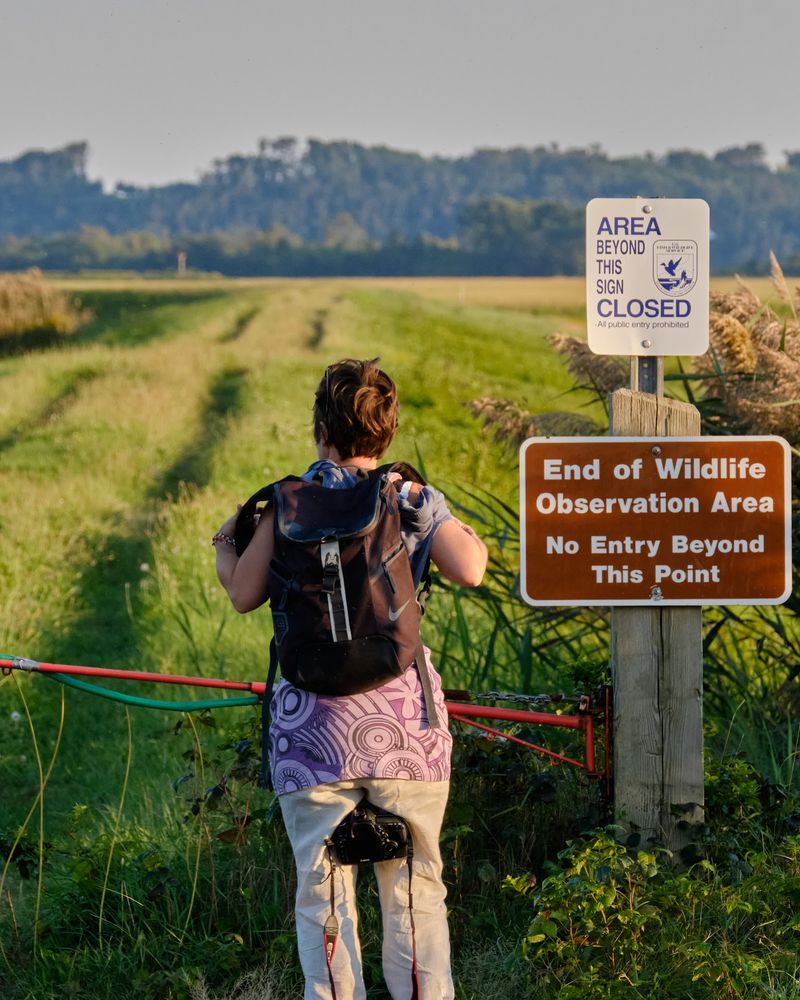
Salt air, rolling dunes, and bird calls give this coastal walk a bright, wide-open feeling.
Parker River National Wildlife Refuge, on Plum Island near Newburyport, is one of the best birding places in Massachusetts.
The refuge protects beach, dune, salt marsh, and shrub habitats, so hikers can see many kinds of wildlife in one visit.
Shorebirds run along the sand, ducks gather in marsh pools, and hawks may circle above the grasses.
During migration, the place can feel busy with movement, from tiny warblers in bushes to larger waterfowl resting in protected areas.
Several short trails and boardwalks make it easy to explore without needing a long, difficult hike.
Hellcat Wildlife Observation Area is a standout stop because its loops pass ponds, marsh, and thickets where birds feed.
Check seasonal beach closures before visiting, since some areas protect nesting piping plovers.
Bring layers because ocean wind can feel chilly even on sunny days.
A spotting scope helps, but binoculars are enough for most visitors.
Move slowly, listen carefully, and let the refuge reveal its busy coastal life.
3. Wachusett Meadow Wildlife Sanctuary, Princeton, Worcester County
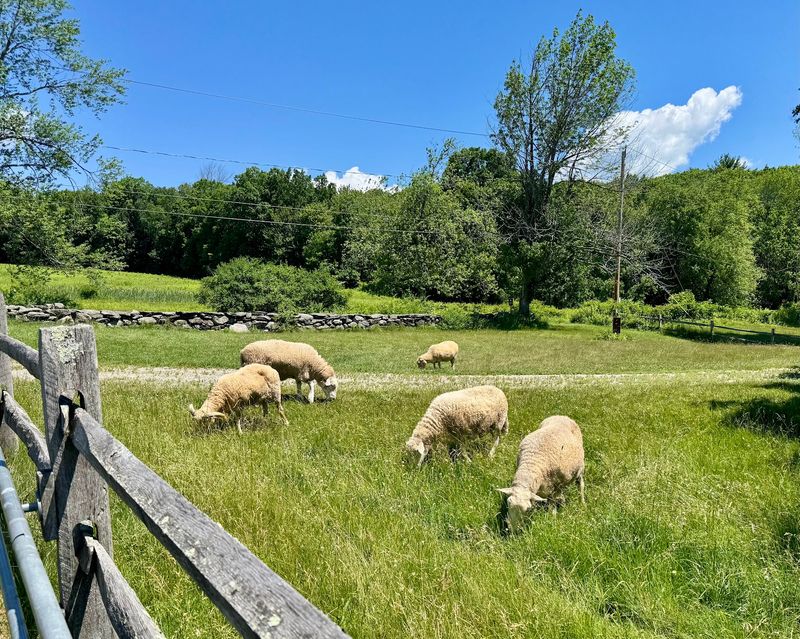
Old stone walls and open fields give this hike the cozy feeling of a New England storybook.
Wachusett Meadow Wildlife Sanctuary in Princeton mixes meadow, forest, brook, and pond habitats across a calm network of trails.
That variety makes it a strong choice for wildlife lovers who enjoy noticing different animal clues. In the fields, watch for butterflies, sparrows, bluebirds, and wild turkeys.
Near wet spots, listen for frogs and look for dragonflies skimming low over the water. In the woods, deer tracks, squirrel nests, woodpecker holes, and fallen acorns can tell their own quiet stories.
The sanctuary is managed by Mass Audubon, and its trails are well marked for easy planning.
A weekend visit can be short and relaxed or longer if you connect several loops.
Autumn is beautiful here, but spring brings loud birdsong and fresh green leaves.
Wear sturdy shoes because some paths cross uneven ground and roots.
Kids may enjoy turning the walk into a nature scavenger hunt.
Keep voices low near fields and pond edges, since wildlife often appears when people pause and watch.
4. Ipswich River Wildlife Sanctuary, Topsfield, Essex County

A chickadee landing nearby can make visitors feel as if the forest has personally said hello.
Ipswich River Wildlife Sanctuary in Topsfield is known for its peaceful woods, wetlands, and river views. Trails wind through more than a thousand acres, offering many chances to see animals in different habitats.
Beaver activity is a major highlight, and you may notice chewed tree stumps, lodges, or dams along watery sections.
Turtles often rest on logs, while wood ducks, herons, and kingfishers use the river and ponds.
In the forest, listen for nuthatches, woodpeckers, and rustling leaves that may signal small mammals nearby.
This Mass Audubon property has several loop options, so hikers can choose an easy stroll or a longer weekend outing. Some boardwalks may be slippery after rain, so step carefully.
Bring a trail map because the network has many turns. Winter can be surprisingly rewarding, with tracks showing where animals crossed snow.
The sanctuary is also famous for close bird encounters, but visitors should follow current rules about feeding wildlife.
Patience, soft footsteps, and curious eyes go a long way here.
5. Broadmoor Wildlife Sanctuary, Natick, Middlesex County
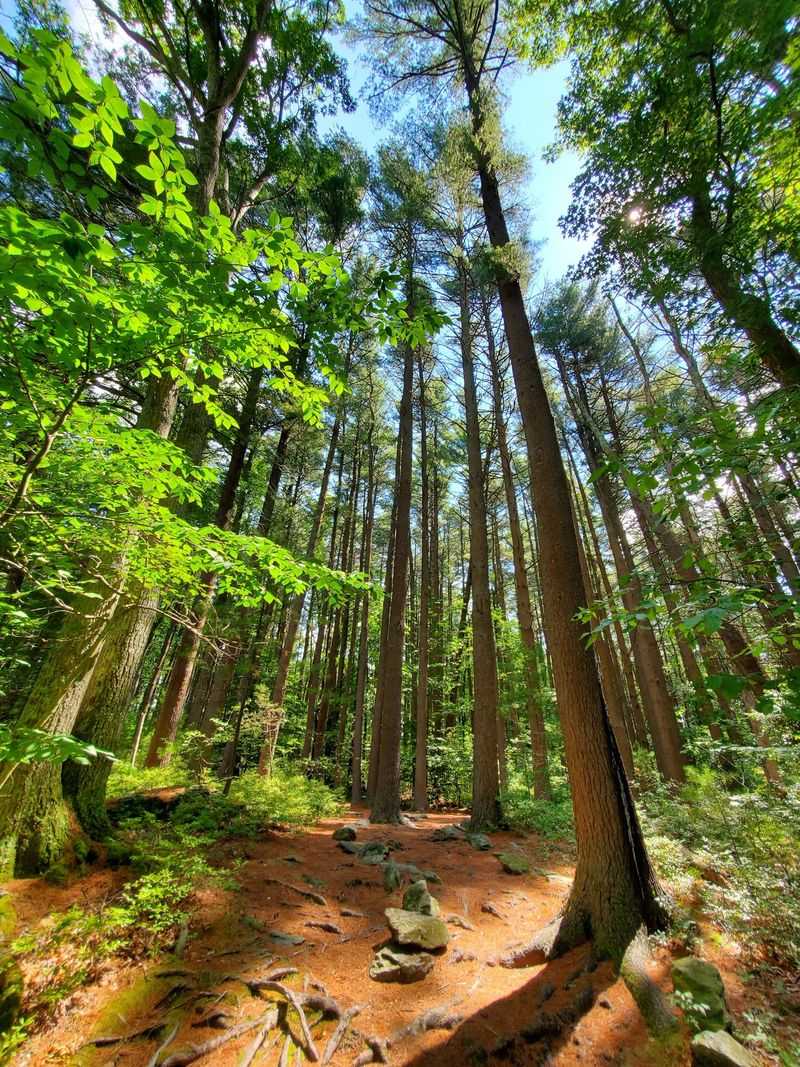
Just a short trip from busy roads, the soundscape changes to frogs, leaves, and water.
Broadmoor Wildlife Sanctuary in Natick feels surprisingly quiet for a place close to Boston suburbs.
Its trails pass marsh, forest, field, and edges of the Charles River, creating a strong mix of wildlife habitats. Boardwalks carry hikers over wetland areas where cattails, lily pads, and shallow water attract turtles, frogs, herons, and ducks.
In warmer months, dragonflies patrol the air like tiny helicopters.
Forest sections bring chances to hear woodpeckers, see chipmunks, and watch songbirds flit through branches.
The sanctuary is a good pick for families because many routes are manageable and scenic. Visitors who want a shorter walk can choose simple loops, while curious hikers can link trails for a longer visit.
Bring binoculars, especially near the marsh overlooks.
After rain, expect muddy spots and use caution on wooden surfaces.
Spring is lively with amphibian calls, summer is green and buzzing, and fall adds bright color.
Slow down at benches and viewing spots because wildlife often appears after the trail settles again.
6. Mount Greylock State Reservation, Lanesborough, Berkshire County
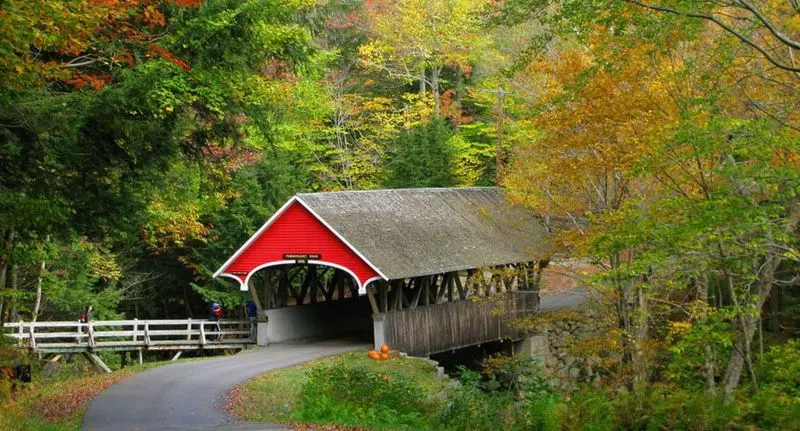
High above the valleys, the woods can feel cooler, wilder, and a little more mysterious.
Mount Greylock State Reservation in Lanesborough offers a very different wildlife hike from the marshes and beaches of eastern Massachusetts.
As the highest point in the state, it has forests that change with elevation, giving animals and birds many places to live. Hikers may see salamanders on damp trails, porcupine signs near trees, deer in quieter areas, and many kinds of forest birds.
Ravens and hawks sometimes ride the wind near open viewpoints.
During fall, migrating raptors can add extra excitement to a summit visit.
Trail choices range from short walks near the top to tougher climbs from lower areas.
Check conditions before going because mountain weather changes fast.
Carry water, snacks, layers, and a map, even for a moderate hike. Black bears live in the region, so keep food packed away and never approach wildlife.
The reward is more than the famous view.
Listen along shaded paths, scan open skies, and notice how mountain habitat creates a rugged home for creatures big and small.
7. Quabbin Reservoir, Belchertown, Hampshire County
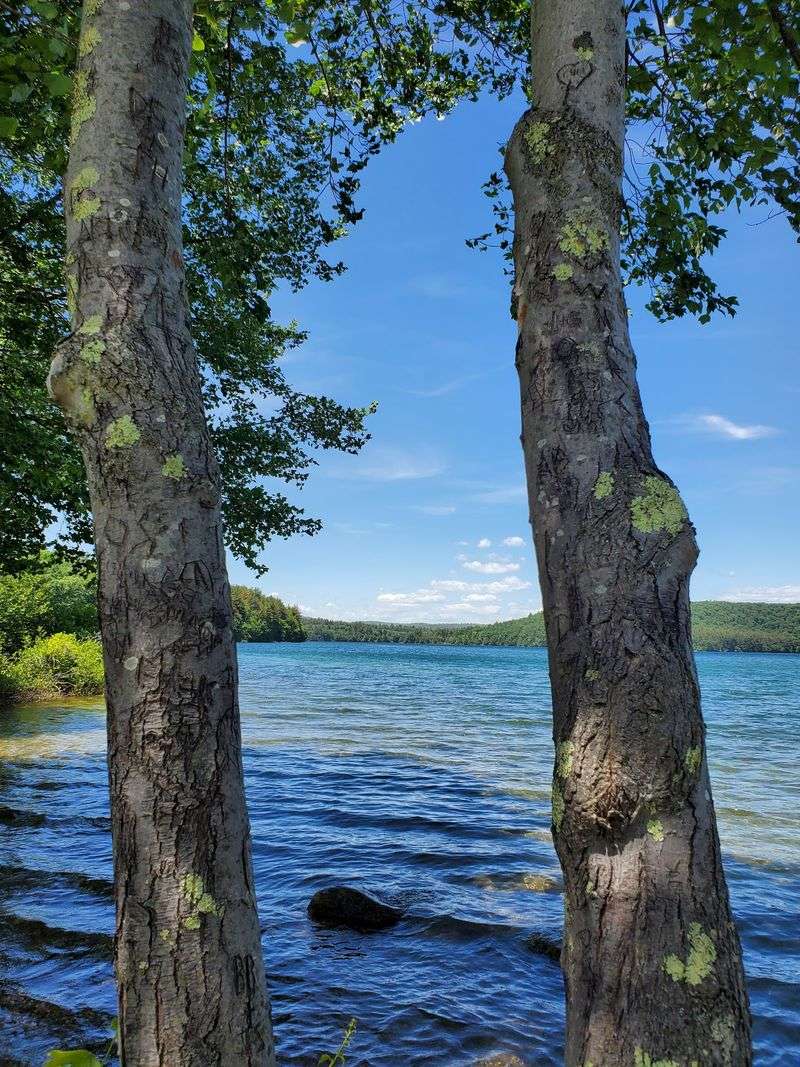
Wide water and quiet woods make this place feel larger than a normal weekend walk.
Quabbin Reservoir near Belchertown is a major drinking water source, but it is also a remarkable wildlife area.
Because much of the land is protected, animals have large stretches of forest and shoreline with limited disturbance.
Bald eagles are one of the biggest draws, and lucky visitors may spot them soaring or perched near the water. White-tailed deer, coyotes, foxes, turkeys, and many songbirds also live around the reservoir.
The water, islands, and surrounding woods create a peaceful setting for careful observation.
Hiking here often follows gates, old roads, and marked access areas rather than typical narrow trails.
Rules are strict to protect the water supply, so check current access, parking, and permitted activities before visiting. Dogs are not allowed in many areas, which helps keep wildlife safer and water cleaner.
Bring binoculars for eagle watching and long shoreline views.
Early morning and late afternoon are productive times.
Respect closed zones, carry out trash, and enjoy the rare feeling of space in central Massachusetts.
8. Wellfleet Bay Wildlife Sanctuary, Wellfleet, Barnstable County
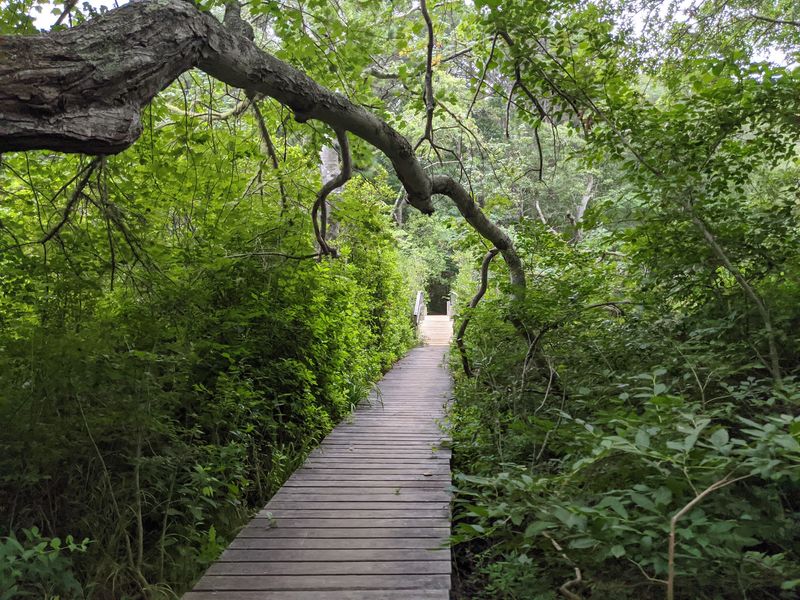
When the tide pulls back, the flats seem to turn into a busy outdoor cafeteria for birds.
Wellfleet Bay Wildlife Sanctuary in Wellfleet is a Cape Cod favorite for hikers who love coastal creatures. Trails pass through pine woods, salt marsh, sandy areas, and tidal flats, so every turn can show a new habitat.
Shorebirds search the mud for food, fiddler crabs hurry near marsh edges, and ospreys may pass overhead.
In warmer seasons, butterflies and dragonflies add color and motion near sunny paths.
The bay views are especially memorable when light spreads across the water.
Because tides shape the experience, check the tide chart before going.
Low tide can reveal feeding areas, while higher water changes where birds gather.
The trails are not usually difficult, but some sandy sections can tire your legs faster than firm ground.
Bring sun protection, water, and bug spray, especially in summer.
Mass Audubon programs often help visitors learn about local wildlife, including sea turtles and horseshoe crabs.
Walk slowly on boardwalks, scan the marsh edges, and let Cape Cod show its quieter side.
9. Moose Hill Wildlife Sanctuary, Sharon, Norfolk County
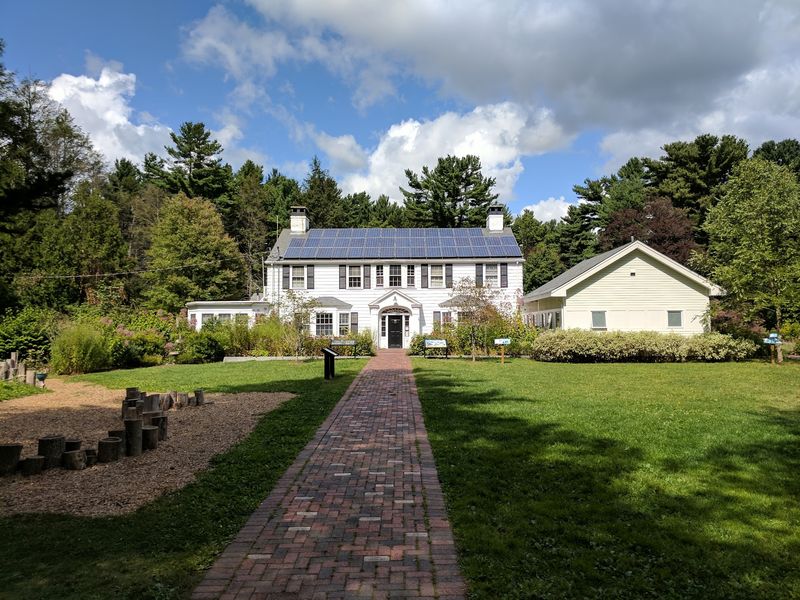
A name like Moose Hill sounds playful, even though moose are not the usual trail greeters here.
Moose Hill Wildlife Sanctuary in Sharon is Mass Audubon’s oldest wildlife sanctuary, and it still feels full of discovery.
Its trails climb through forest, meadow, swamp, and rocky areas, giving hikers a lively mix of scenery. Birds are common throughout the year, from spring warblers to winter woodpeckers.
Deer, rabbits, chipmunks, frogs, and salamanders may also appear if you move quietly.
Vernal pools are especially interesting in spring because amphibians use them for breeding before the water dries later in the year.
The trail system includes easy paths and hillier sections, so choose a route that matches your group. Wear shoes with grip because roots and rocks can make footing uneven.
The Bluff Trail offers a pleasant climb and a nice sense of being above the surrounding woods.
Families can make the hike fun by looking for animal homes, such as nests, burrows, and hollow logs.
Visit early for the best bird activity. Keep dogs at home if rules require it, and give wildlife plenty of room.
10. Notchview Reservation, Windsor, Berkshire County
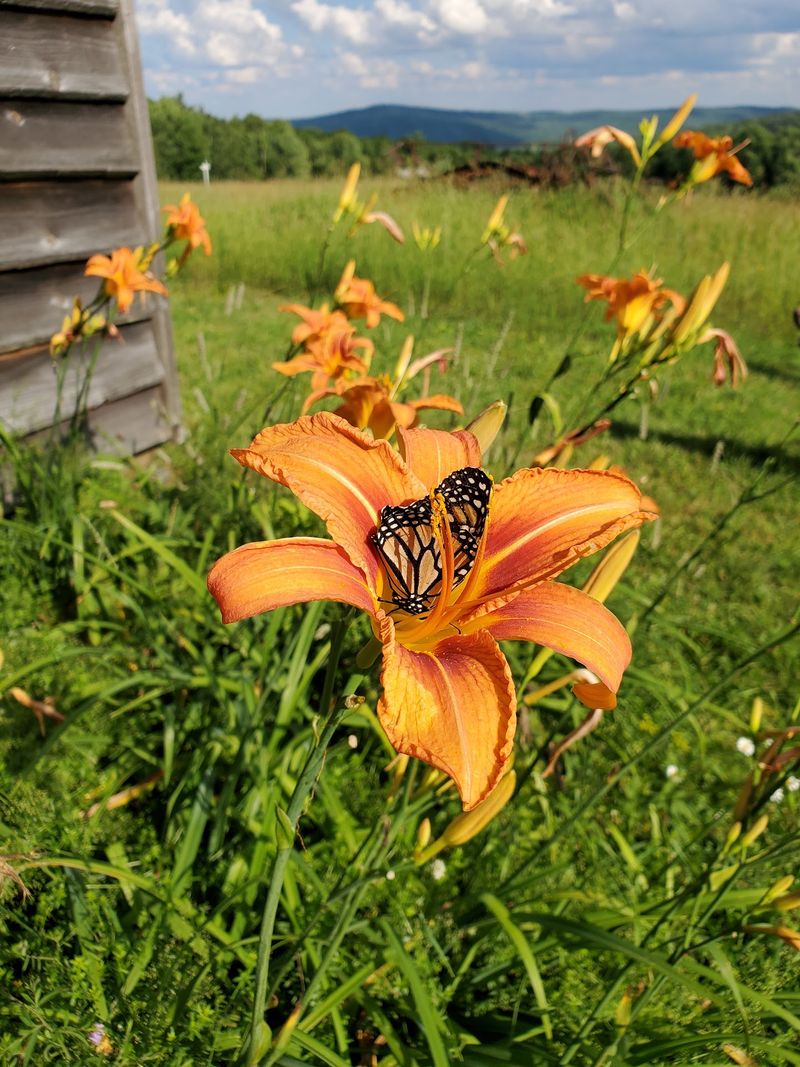
Open hilltop fields make the sky feel huge, and the breeze often carries more sound than expected.
Notchview Reservation in Windsor sits high in the Berkshires, where rolling meadows meet spruce and northern hardwood forests.
Many people know it for cross-country skiing, but its warm-weather trails are excellent for quiet wildlife walks.
Grassland birds may use the open areas, while forest edges attract warblers, sparrows, and butterflies. Deer tracks often appear on soft ground, and wildflowers bring pollinators during summer.
The cooler upland setting gives the reservation a fresh, open character that feels different from lowland sanctuaries.
Trails vary in length, with broad paths that are easy to follow.
Because the landscape is exposed in places, bring layers and sun protection. In winter, respect ski trail rules and check pass requirements before planning a snowy outing.
Spring and summer are good for birding, while fall brings bright leaves and crisp air.
A slow pace works well here because wildlife may be spread across wide spaces.
Pause at meadow edges, watch fence lines and treetops, and enjoy the quiet rhythm of the Berkshire hills.