Sometimes the best part of a hike is the moment you realize you are not alone. A bird calling from the canopy, fresh tracks crossing the trail, or movement along the water can pull your attention away from the miles and toward the living landscape around you.
North Carolina’s wildlife-friendly trails make those moments easier to find, stretching from mountain forests and cool ridgelines to coastal marshes, rivers, and quiet woodlands. Each landscape brings its own cast of creatures and its own reason to slow down.
You might pause to watch a heron along the water, listen for birds overhead, or scan the woods for signs that an animal passed through recently.
These trails invite you to experience North Carolina at a gentler pace, with nature providing plenty to notice along the way. We found 10 wildlife-friendly trails where some of our best memories started simply by stopping to look closer.
Craggy Pinnacle Trail
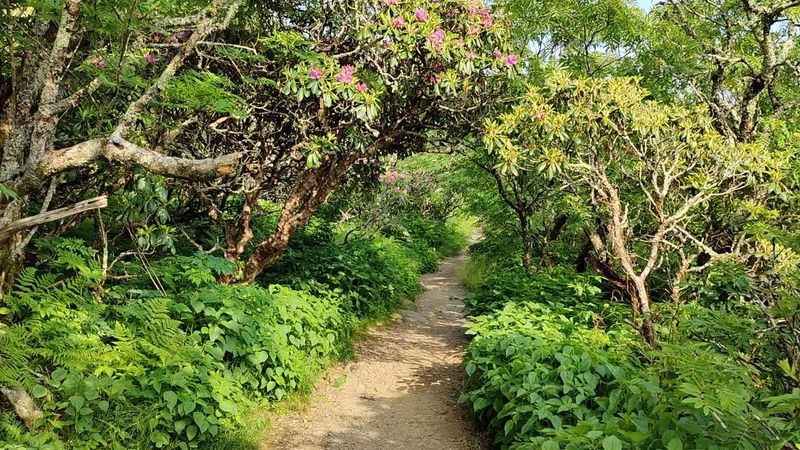
Cool air hits your face almost right away, and the whole walk feels like stepping onto a mountain balcony. Birds chatter from the shrubs, the wind moves through twisted branches, and each turn gives you a bigger sense of the high country.
It is the kind of place that makes people talk a little less and look around a little more.
Along the Blue Ridge Parkway near Asheville, Craggy Pinnacle Trail packs a lot into a short climb. The path moves through rhododendron, sweet birch, and hardy plants that survive in thin, chilly air.
By the time you reach the summit, the 360-degree view stretches across ridges in every direction, and hawks or small songbirds may pass through the open sky.
Good shoes help on the steady uphill sections, and an early start often means quieter moments for wildlife watching. Bring binoculars if you have them, but even without gear, the trail teaches a simple lesson.
Big views are wonderful, yet the fragile habitat around them deserves just as much attention.
Craggy Gardens Trail
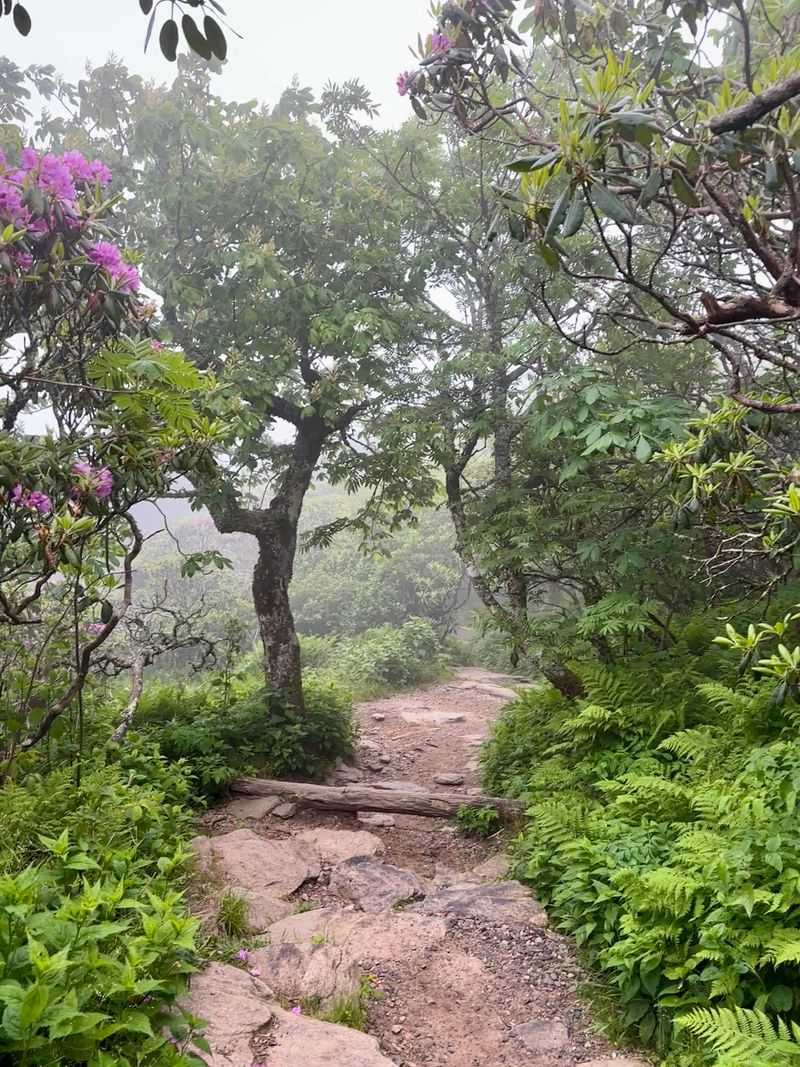
Some hikes feel like a walk through a secret garden, with color and motion tucked into every corner. Bees drift between blooms, butterflies flash past at knee height, and the mountain breeze carries a cool, green smell that lingers.
You can tell quickly that the view is only part of the story here.
Craggy Gardens Trail rises through high-elevation forest near Asheville, then opens toward broad looks at the Black Mountains. Rhododendron tunnels make parts of the route feel sheltered and quiet, while patches of wildflowers and summer blueberries bring life to the trail edges.
Birds move through the shrubs overhead, and the changing light makes every section feel a little different from the one before it.
Because the trail is fairly short, families and casual hikers can take their time instead of rushing. Stop now and then, especially around flowering areas, and listen before you move again.
Pollinators, songbirds, and small mountain creatures are easier to notice when the trail becomes less about reaching the end and more about paying attention along the way.
Graveyard Fields Loop Trail
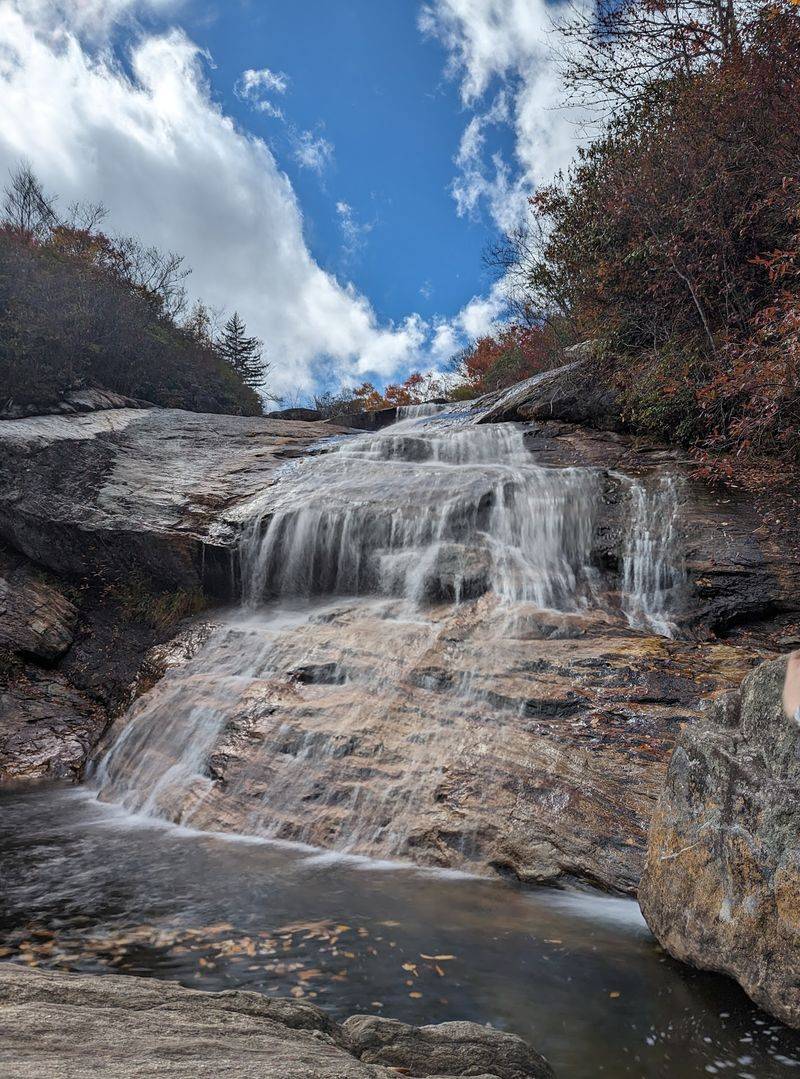
Mist, moving water, and low shrubs give this valley a mood all its own. The name may sound dark at first, but the landscape feels lively, especially when birds dart over the open spaces and the creek chatters beside the path.
It is one of those places where the waterfall draws you in, then the wider setting keeps your attention.
Graveyard Fields Loop Trail near Canton offers an easy walk through a high mountain basin with streams, wet ground, and forest all close together. That mix creates room for many kinds of wildlife, from small birds in the brush to mammals moving at the edge of the trees.
Side paths lead toward falls, including the popular Second Falls, while late summer often brings blueberries that attract both people and animals.
Waterproof shoes can be handy after rain, since the area stays damp longer than many trails. Go slowly on the boardwalks and look beyond the main cascade for movement in the valley plants.
A short outing here can feel surprisingly rich because every part of the landscape seems to support something alive.
Looking Glass Rock Trail
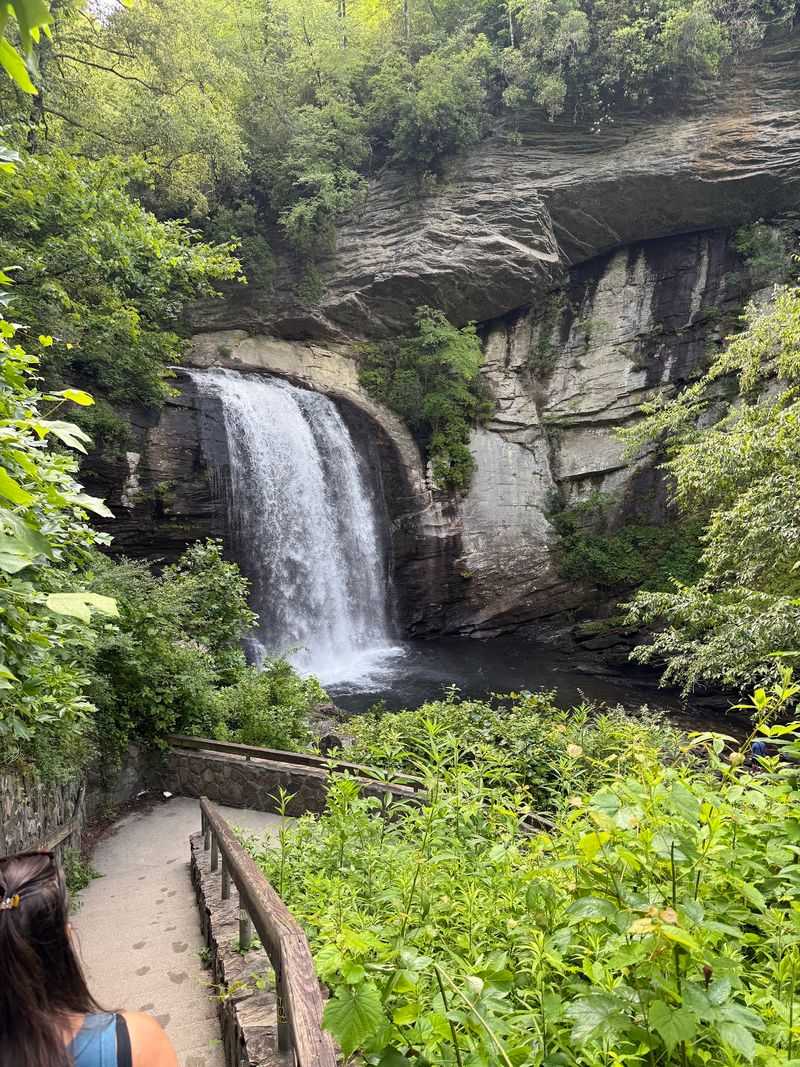
The climb starts quietly, almost gently, before your legs realize what kind of day this trail has planned. Sunlight shifts through the trees, the forest keeps changing as you gain height, and the smell of pine follows you uphill.
Hours later, the giant slab of granite ahead feels less like a destination and more like a reward you earned step by step.
In Pisgah Forest, Looking Glass Rock Trail covers about six miles round trip and asks for steady effort from the beginning. Different forest zones line the route, so bird sounds, shade, and plant life change as you rise.
When the trees finally give way to the exposed summit, the long views over Pisgah’s mountains are huge, bright, and unforgettable, with cliff areas known to attract peregrine falcons nearby.
Pack more water than you think you need, especially in warm weather, because the climb rarely lets up. Rest in the woods before stepping onto the open rock, where sun and wind can feel stronger.
Wildlife watching here is not just about the summit. The whole ascent offers signs of life if you keep noticing the forest around you.
Linville Falls Trail
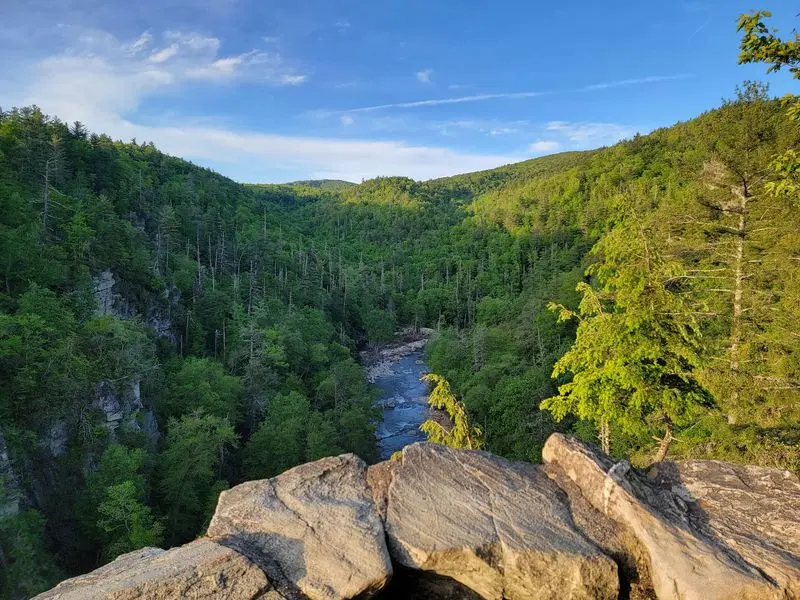
Long before you reach the overlook, you can hear the water doing its work. The sound grows from a faint rush to a steady roar, and suddenly the forest seems built around that motion.
Few places make people stop so often, not because the trail is hard, but because every opening offers another angle on something powerful.
Linville Falls Trail leads through a mixed mountain forest filled with hemlock, white pine, oak, hickory, birch, and seasonal wildflowers. Near the overlooks, the scenery opens into views of both the falls and the edge of rugged Linville Gorge.
Birds use the woodland cover, and small mammals stay close to the roots, rocks, and leaf litter, so there is often more happening than the average hiker first notices.
Stick to the open main viewpoints and check updates before you go, since nearby routes can change status. A snack at one overlook and a pause at the next can turn the walk into a slower, richer outing.
The waterfall is the headline, but the surrounding wilderness is what gives the place its lasting pull.
Hanging Rock Trail
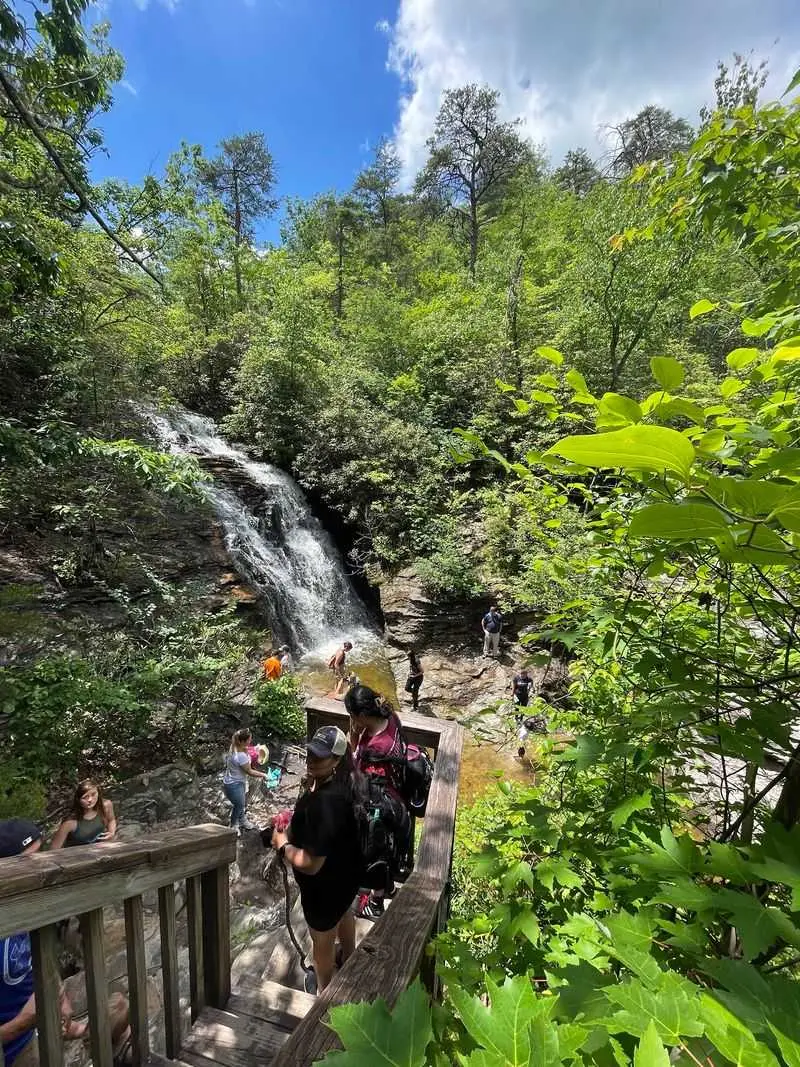
There is a moment on this hike when the trees thin, the sky widens, and the whole afternoon suddenly feels bigger. Until then, the trail keeps you in the woods, where dry leaves crunch underfoot and squirrels race over the branches.
The surprise is how quickly a forest walk turns into a sweeping overlook.
Hanging Rock Trail in Hanging Rock State Park climbs through deciduous woods toward the quartzite formation that gives the park its name. The route is moderate, but it rewards the effort with wide views over the park and out toward the Blue Ridge Mountains.
Along the way, the habitat supports deer, wild turkey, black bears, and birds that use both the forest and exposed rock areas.
Start in the morning if you want cooler temperatures and a better chance of hearing the woods wake up around you. On busy days, a slower pace can help you notice animal movement away from the main foot traffic.
The overlook gets the photos, but the changing sounds and textures on the climb are what make the memory stick.
Moore’s Wall Loop Trail
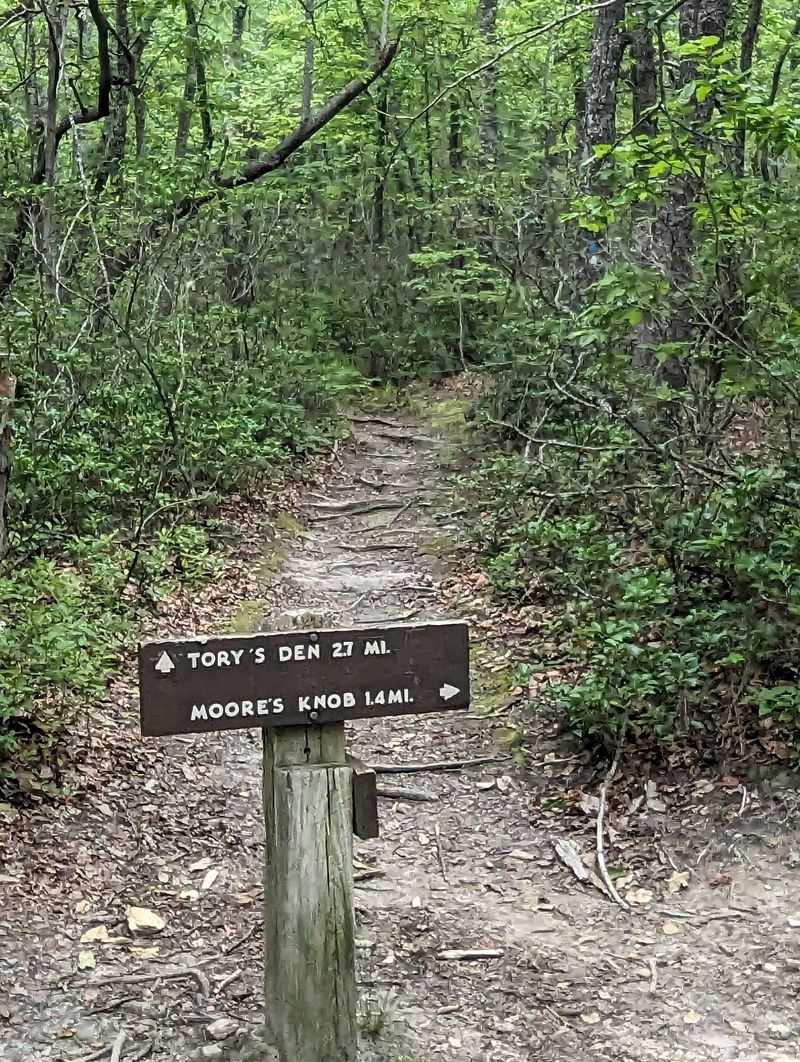
Some trails ask for grit first and scenery later. Your breathing gets louder, your steps get shorter, and then a breeze slips through the trees as if the mountain knows you need a break.
By the time the route reveals its rocky edges and far-off views, the effort becomes part of the story.
Moore’s Wall Loop Trail is one of the more demanding hikes in Hanging Rock State Park, climbing toward the highest point in the Sauratown Mountains. Forest shade, exposed sections, and dramatic rock formations give the loop a changing rhythm, and the observation tower crowns the journey with a broad 360-degree view.
Peregrine falcons, deer, black bears, and other wildlife use the surrounding habitats, especially where cliffs meet deep woods.
Good pacing matters here more than speed, so save some energy for the final stretch and for the walk back down. Take time near quieter corners of the loop, where birdsong and wind can replace the sound of footsteps.
It is a challenging trail, but it leaves behind the kind of mountain memory that feels earned in the best way.
Riverbluffs Trail
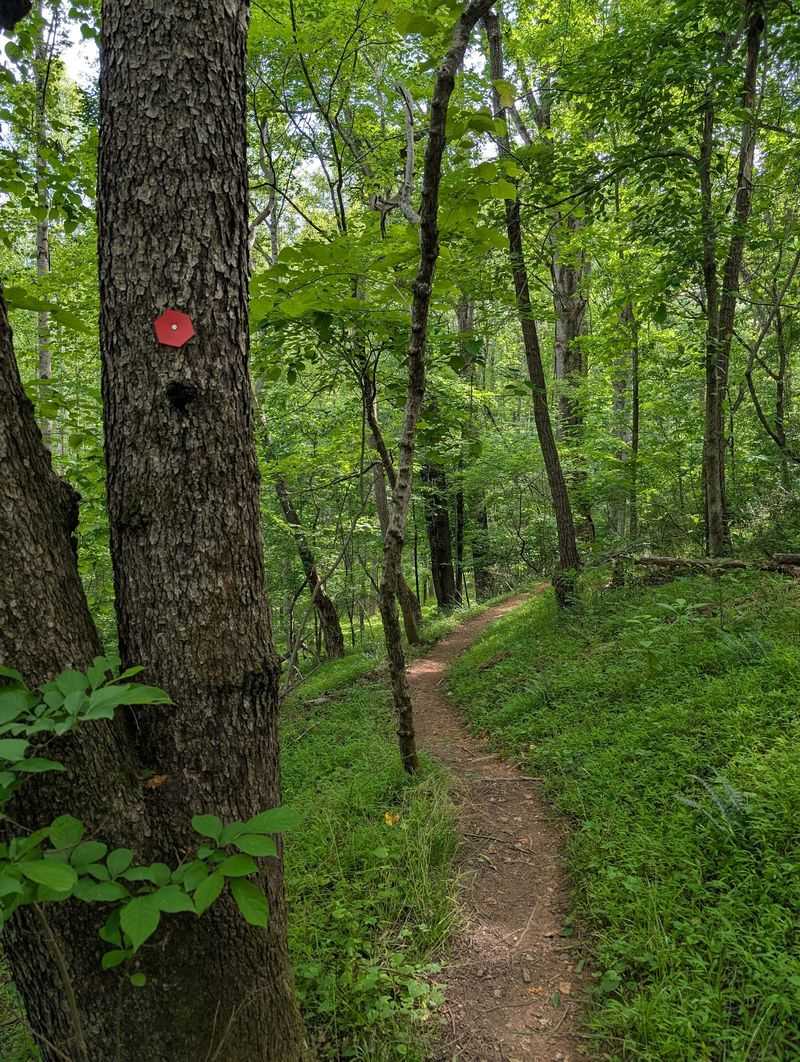
Quiet can feel full when a river is nearby. Leaves whisper overhead, water slides past the bank, and every log looks like it might already belong to a turtle warming in the sun.
Instead of demanding your attention with one huge feature, this trail wins people over through small moments that keep adding up.
Riverbluffs Trail near Danbury follows the Dan River through shaded woods and past striking bluffs that rise above the water. The route is easy enough for a relaxed outing, yet the mix of river edge, creeks, and forest gives wildlife plenty of reasons to stay close.
Birds move through the canopy, turtles rest near calmer spots, and patient hikers may notice signs of animals along the damp ground.
A simple pair of binoculars can turn this short walk into a fun scavenger hunt for feathers, tracks, and movement on the river. Because the trail is not as famous as some mountain routes, it often feels calmer and easier to enjoy at a slower pace.
That calm is exactly what makes the natural details stand out so clearly here.
Cox Mountain Trail
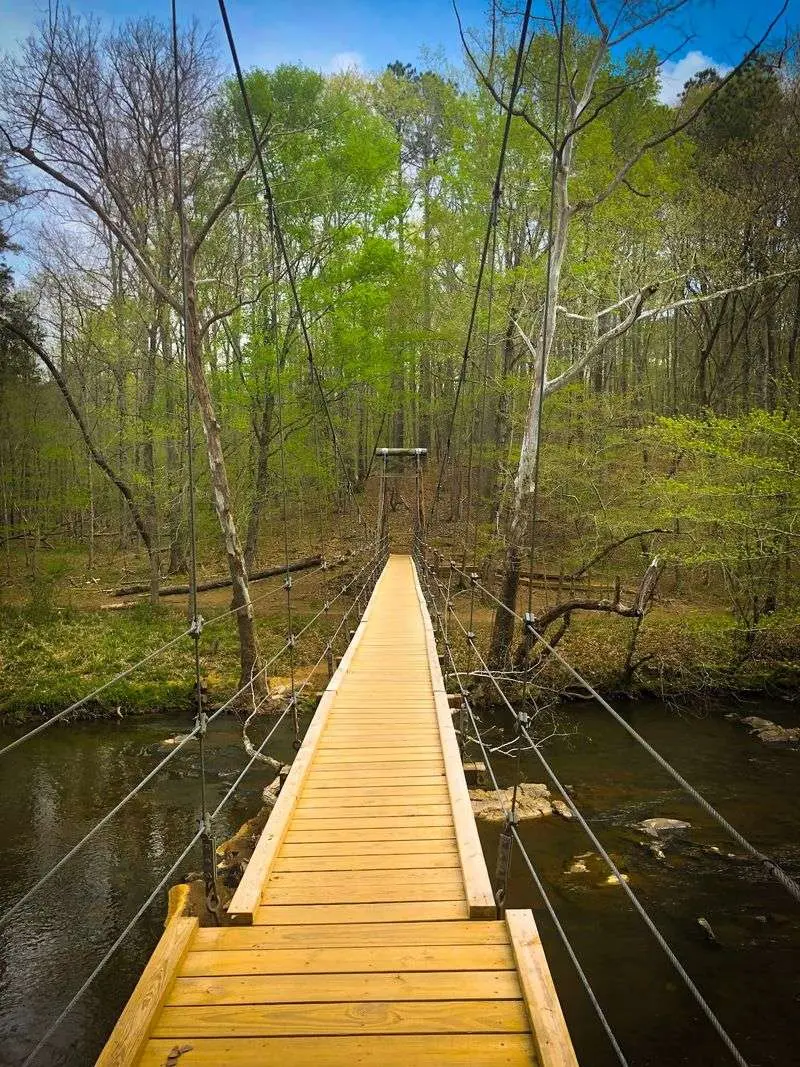
A suspension bridge has a way of making a hike feel adventurous before the hardest part even starts. Water moves under the planks, birds flicker above the river, and the route seems to invite a little curiosity with every bend.
Even close to the Triangle, the woods can feel far removed from city schedules.
Cox Mountain Trail in Eno River State Park follows the river through a lovely mix of forest, hills, and rocky shoreline. The loop is known for its bridge crossing, steady climbs, and regular chances to watch birds and other wildlife along the Eno corridor.
Tall trees shade much of the route, and the changing river views keep the experience lively from one section to the next.
Before planning a trip, check current park alerts, since access can change during closures or repairs. When the trail is open, sturdy shoes and a little extra time make a big difference, especially if you want to pause at the bridge or near the water.
It is the kind of place where a familiar region suddenly feels wild again.
Occoneechee Mountain Loop Trail
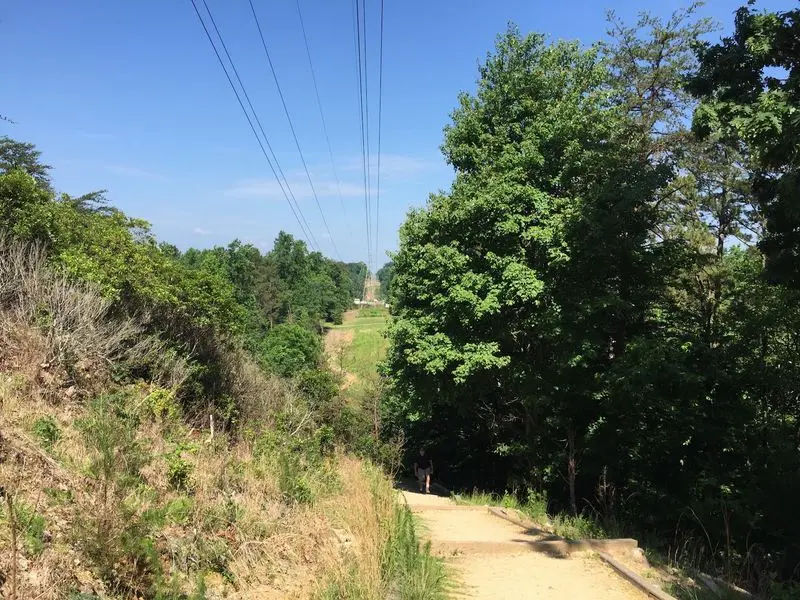
It is always a little surprising when a short drive leads to a trail that feels much older and wilder than the towns around it. The woods close in fast, oak leaves rustle overhead, and the path begins to rise with more backbone than you might expect.
For a moment, the busy Triangle feels very far away.
Occoneechee Mountain Loop Trail in Hillsborough winds through mature forest and links naturally with the Eno River corridor below. The 2.2-mile route is moderate, with enough slope and rock to keep things interesting, plus overlooks that open the landscape just when the trees have made you forget they could.
Forest birds, small mammals, and river-connected wildlife all benefit from the protected mix of woods and water nearby.
Bring a light snack and linger at the overlook rather than treating it like a checkpoint. The trail is compact, which makes it easy to repeat favorite sections or revisit in a different season.
It is not the tallest mountain in the state, of course, but its closeness to town makes its sense of escape feel especially memorable.