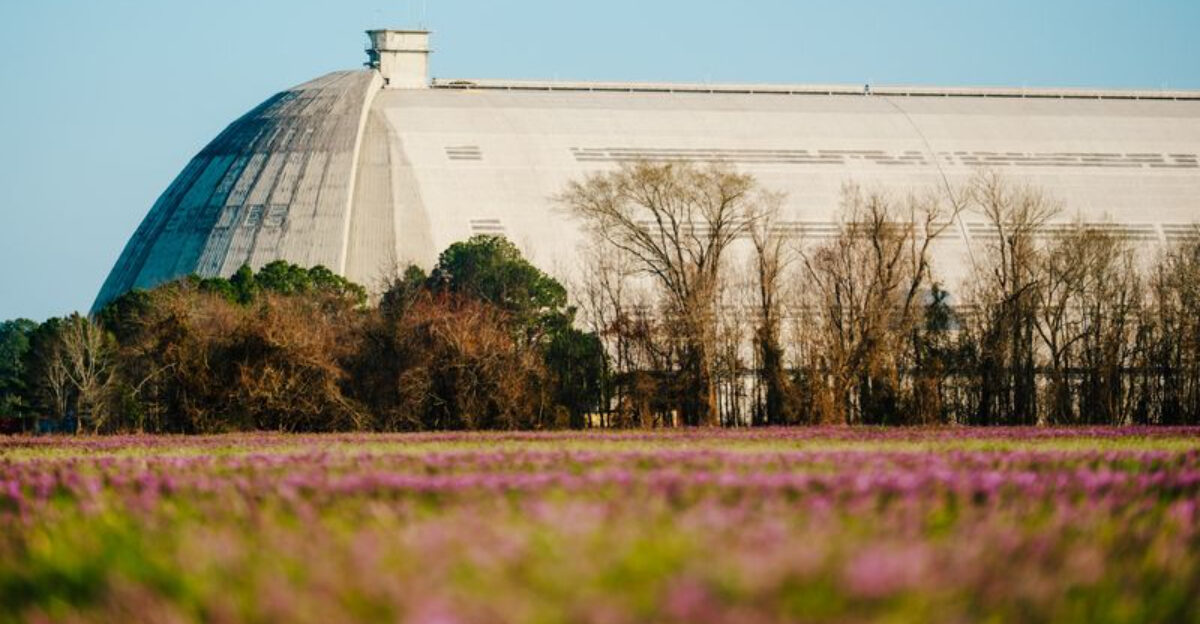
A gigantic WWII hangar still towers over the North Carolina coast, and it has quite a story to tell.
The Weeksville Dirigible Hangar in Elizabeth City once sheltered massive Navy blimps sent into the skies to watch for German U-boats and protect ships traveling along the Atlantic coast.
Standing near this enormous steel structure today, it’s easy to imagine the airships drifting through its cavernous interior and crews rushing to prepare them for another patrol.
The sheer size alone makes this place unforgettable.
For history lovers, aviation fans, and curious road trippers, Weeksville offers a rare glimpse into a side of WWII history that doesn’t get much attention.
This remarkable survivor turns an ordinary stop in northeastern North Carolina into a fascinating journey through America’s wartime skies.
Discover the Massive Hangar That Still Stands From WWII
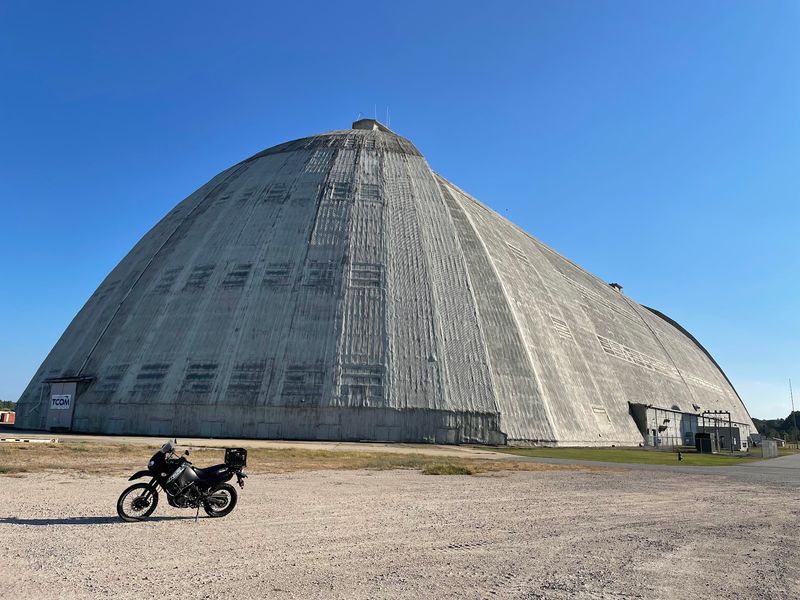
Standing over 17 stories tall and stretching more than 1,000 feet long, the Weeksville hangar dominates the flat coastal landscape of northeastern North Carolina. Its enormous steel ribs curve overhead to form a dome-like structure wide enough to swallow multiple football fields.
When you first glimpse this giant from a distance, you immediately understand why it grabs everyone’s attention.
The U.S. Navy built this incredible facility during the early 1940s as part of its lighter-than-air program.
Engineers designed the hangar specifically to shelter and service the massive blimps used for coastal defense during World War II. The enormous steel framework had to be strong enough to protect airships from Atlantic storms and spacious enough to allow crews to work on several blimps simultaneously.
Walking near the structure today, you can barely imagine the engineering challenges workers faced constructing such a building during wartime. The sheer size still impresses visitors more than 80 years later.
Learn Why the Navy Built a Blimp Base in Weeksville
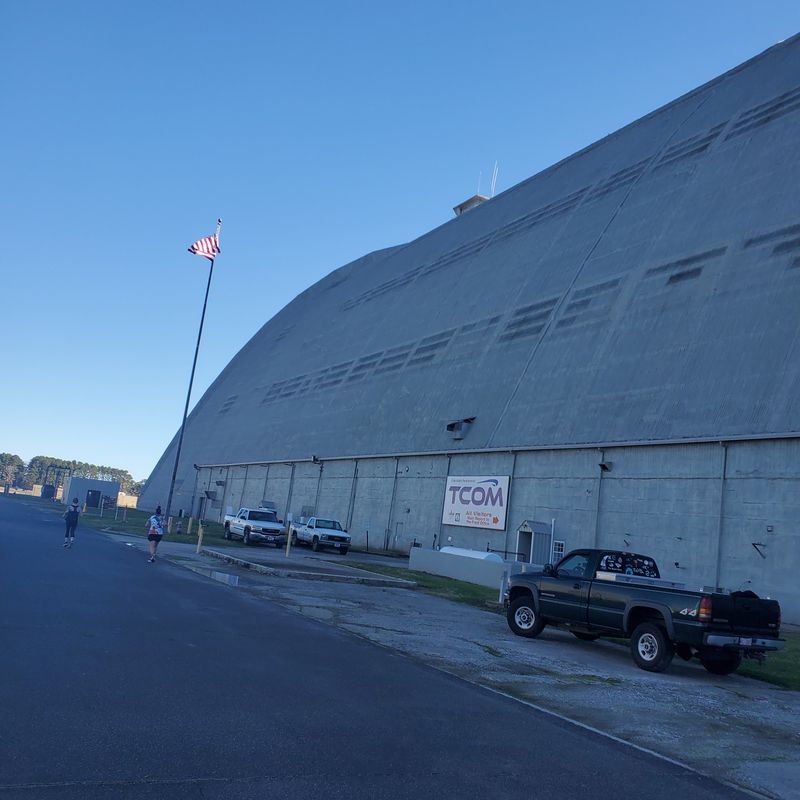
Geography made all the difference when Navy planners looked for the perfect blimp base location. Elizabeth City sits just inland from North Carolina’s vulnerable coastline, close enough to reach threatened shipping lanes quickly but protected from direct ocean storms.
The flat terrain offered plenty of room for runways, hangars, and support buildings without expensive grading work.
German U-boats had been sinking American merchant vessels up and down the Eastern Seaboard throughout 1942. Coastal waters near Cape Hatteras became particularly dangerous hunting grounds for enemy submarines.
Navy commanders desperately needed surveillance aircraft that could patrol for hours watching for periscopes and torpedo wakes.
Weeksville became part of the solution to this urgent problem. The base joined a network of coastal airship stations stretching from Massachusetts to Florida, all working together to protect vital shipping routes.
Its strategic position allowed blimps to patrol northward toward Virginia or southward along the Outer Banks, covering the shipping lanes where tankers and cargo vessels sailed closest to shore.
See Where the Famous Navy K-Class Blimps Were Housed
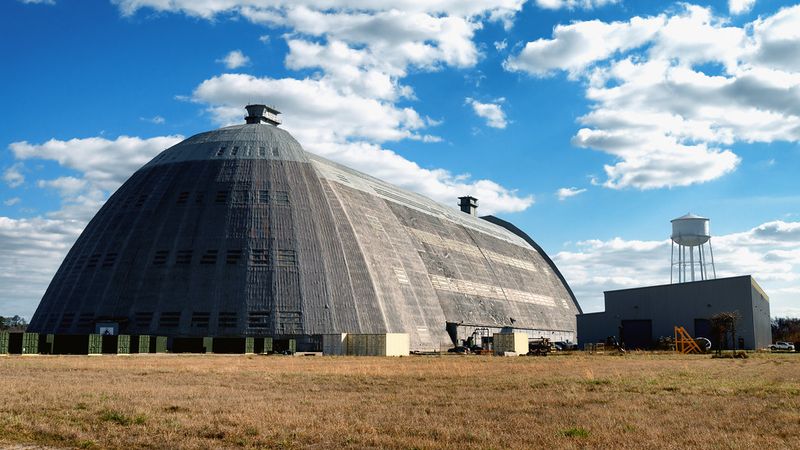
Picture a cigar-shaped balloon longer than a city block, powered by engines and filled with helium. That describes the Navy K-class airships that called Weeksville home during the war years.
These remarkable flying machines measured roughly 250 feet from nose to tail and could stay airborne for more than 30 hours on a single mission.
The hangar had to accommodate multiple K-class blimps at once. Each airship needed careful handling because strong winds could damage the delicate envelope or control surfaces.
Inside the protective steel structure, crews performed maintenance, replaced worn parts, and prepared blimps for their next patrol. The enormous doors at each end allowed blimps to enter and exit safely regardless of wind direction.
These airships carried depth charges, machine guns, and sophisticated radar equipment for their era. Their missions included submarine spotting, convoy escort duty, search-and-rescue operations, and mine detection.
Though slow compared to airplanes, blimps offered unique advantages that made them valuable coastal defense tools throughout the Atlantic campaign.
Imagine the Hangar at Full WWII-Era Operation

Close your eyes and picture this scene from 1943. Railroad tracks crisscross hundreds of acres, carrying fuel, supplies, and equipment to various station buildings.
Sailors in work uniforms hustle between barracks, hangars, and administrative offices. The roar of blimp engines echoes across the field as airships depart for patrol or return from long missions over the Atlantic.
Naval Air Station Weeksville covered an enormous footprint during its wartime peak. Besides the giant hangar, the facility included smaller support hangars, maintenance shops, fuel storage tanks, ammunition bunkers, crew quarters for hundreds of personnel, mess halls, a hospital, and recreation buildings.
Mooring masts dotted the surrounding fields where blimps could be tethered outdoors during good weather.
Ground crews worked around the clock servicing airships between missions. Mechanics checked engines and control systems.
Riggers inspected the fabric envelope for tears or weak spots. Electronics specialists tested radar and radio gear.
The entire operation hummed with constant activity focused on one goal: keeping blimps flying over threatened coastal waters.
Understand How Blimps Helped Protect North Carolina’s Coast
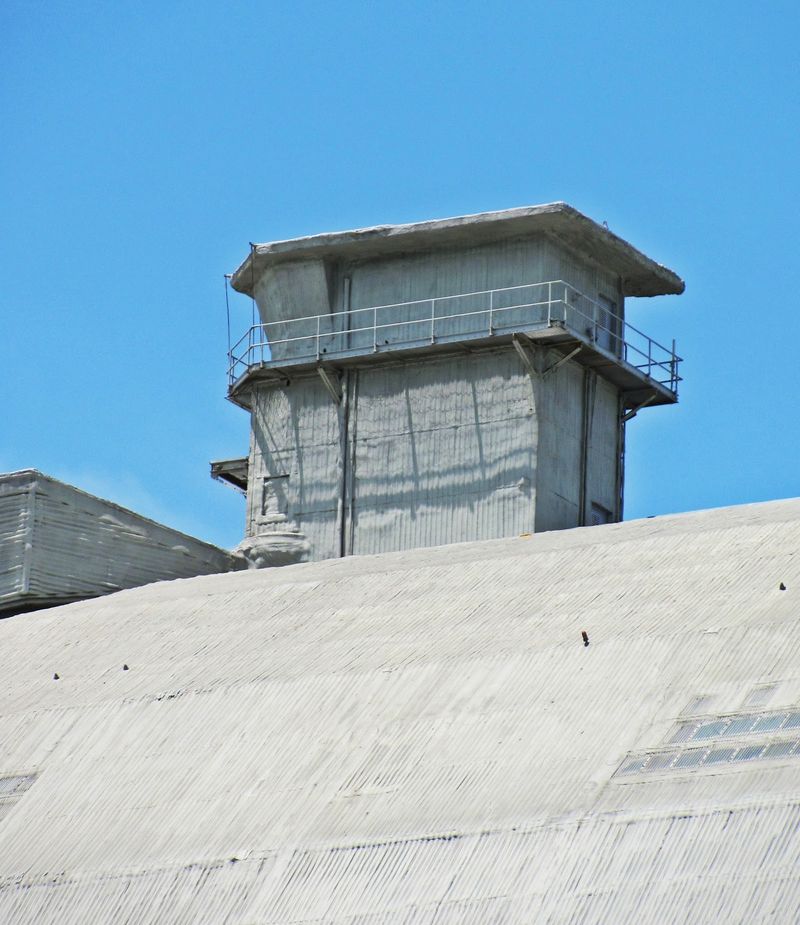
Speed wasn’t everything when hunting submarines. Blimps could cruise at just 60 miles per hour, but their ability to loiter over one area for hours made them perfect submarine hunters.
They hung in the sky like patient watchdogs, scanning the waves below for telltale signs of enemy activity.
Radar equipment let blimp crews detect surfaced submarines from miles away. Sharp-eyed observers watched for periscope wakes, oil slicks, or suspicious disturbances in the water.
Radio operators maintained constant contact with Navy ships and coastal stations, reporting anything unusual. When blimps spotted U-boats, they could drop depth charges or call in faster warships to make the kill.
Perhaps more importantly, blimps escorted merchant convoys through dangerous waters. Their mere presence discouraged submarine attacks because U-boat commanders knew the airships could quickly summon destroyers.
German submarines preferred attacking undefended targets rather than risking confrontation. Throughout the war, no American convoy escorted by blimps ever lost a single ship to submarine attack.
Look Into the Story of the Second Weeksville Hangar
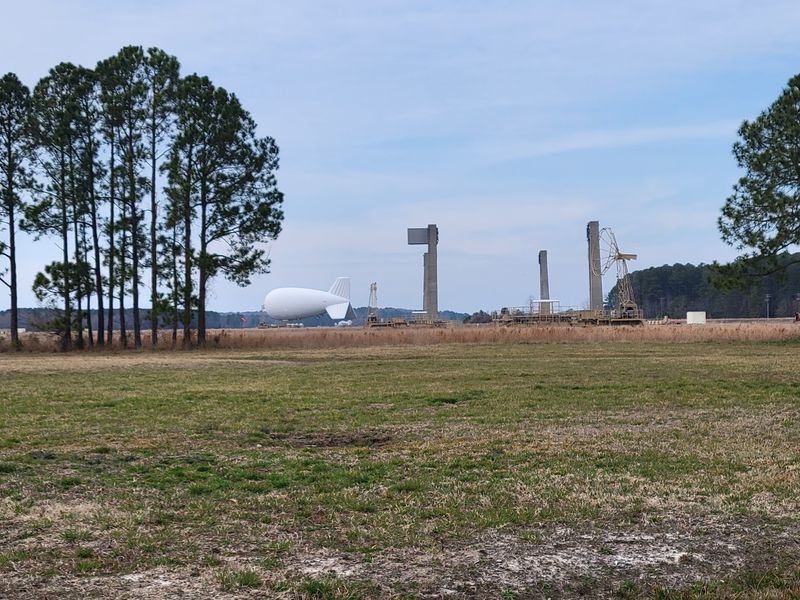
Steel became precious as gold during wartime, rationed carefully for tanks, ships, and weapons. When the Navy needed additional hangar space at Weeksville after 1942, engineers turned to wood instead.
The result became one of the world’s largest wooden structures, a magnificent feat of timber engineering that stood beside the steel hangar for more than 50 years.
Builders created an enormous arched framework using massive wooden beams laminated together for strength. The wooden hangar matched the steel one in length and could shelter just as many blimps.
Carpenters and construction crews worked at breakneck speed to complete the project, knowing that every day of delay meant one less blimp protecting coastal shipping.
Tragedy struck on a July morning in 1995 when fire raced through the historic wooden structure. Despite desperate efforts by local firefighters, the hangar burned to the ground in just hours.
The loss devastated aviation historians and local residents who had grown up seeing both hangars silhouetted against the sky. Today only the steel hangar remains, making it even more precious as a survivor.
See How the Site Survived After the Navy Left
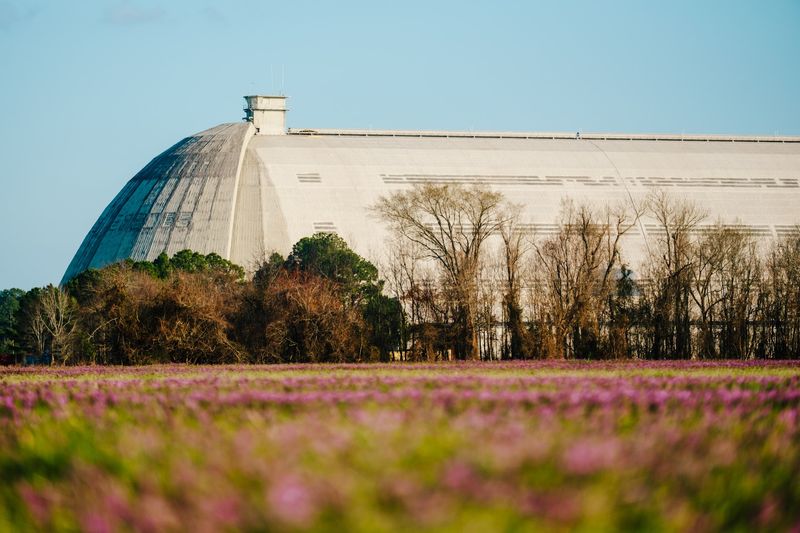
Military bases often fade into ghost towns after closure, but Weeksville found new life serving different missions. The Navy shut down Naval Air Station Weeksville in 1957 as the military phased out its lighter-than-air program.
For most people, that would have meant the end of the story, but the massive hangar proved too useful to abandon.
Private companies recognized the building’s unique value for aerospace work. During the early space race years, the facility supported NASA’s Project Echo, an experimental communications satellite program.
The enormous indoor space provided perfect conditions for assembling and testing large balloon satellites before launch. Engineers appreciated having such a vast, weatherproof workspace for delicate operations.
Eventually, airships returned to Weeksville under civilian operators. The hangar went back to its original purpose, sheltering modern blimps used for advertising, surveillance, and research purposes.
Today TCOM uses the facility for specialized aerospace projects, keeping the historic building active and maintained rather than letting it deteriorate. The military structure found peaceful purposes while remaining true to its aviation heritage.
Appreciate Why This Hangar Is Such a Rare Historic Survivor
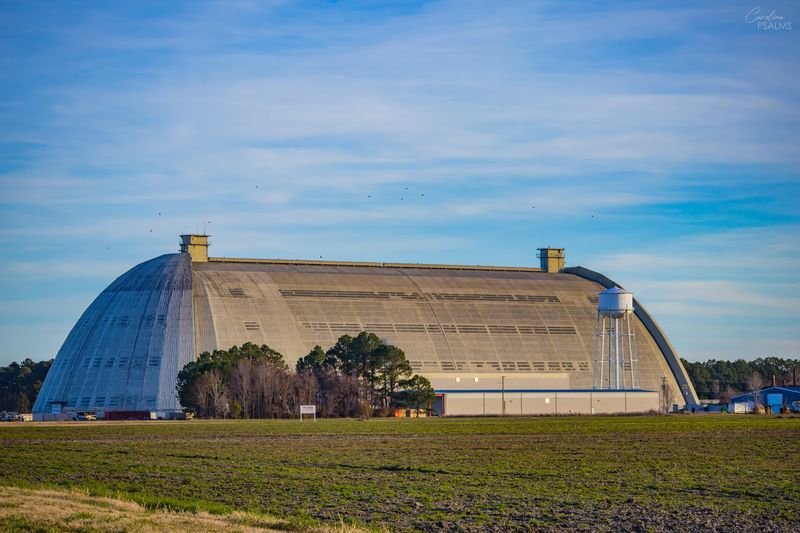
Scrap metal dealers demolished most airship hangars decades ago. The enormous steel frameworks contained thousands of tons of valuable material that companies eagerly recycled for other purposes.
Economic pressures outweighed historical sentiment at former military bases across the country, and one by one, these remarkable structures disappeared from the American landscape.
The Weeksville hangar represents something increasingly precious: a tangible connection to America’s WWII lighter-than-air naval program. Only a handful of similar structures survive nationwide, and even fewer remain in active use.
Each lost hangar erases a little more of our understanding about how extensively the military relied on blimps for coastal defense.
Preservation isn’t always easy when buildings this large require constant maintenance. The steel framework needs regular inspection and repairs to prevent rust damage.
The enormous roof must stay watertight to protect anything stored inside. Finding practical uses for such specialized spaces challenges property owners.
Weeksville succeeds where many sites failed precisely because the hangar continues serving aerospace purposes rather than sitting empty and neglected.
What to Know Before You Go
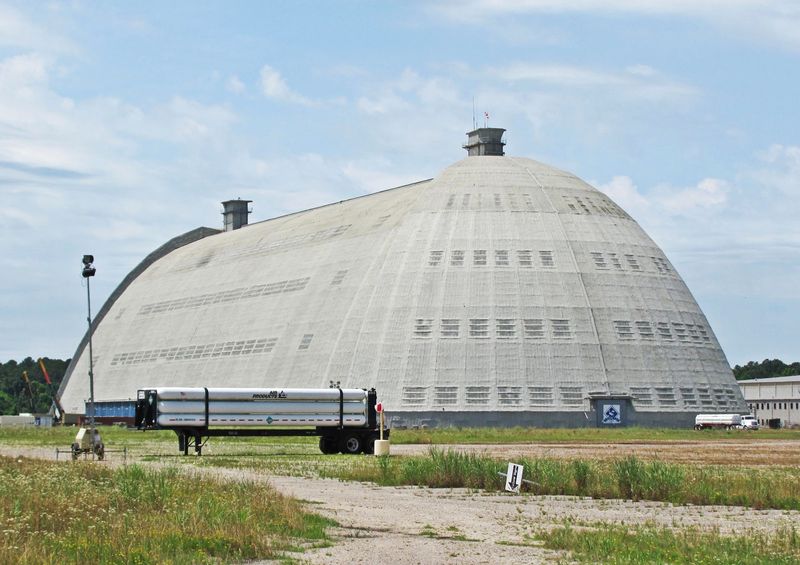
Planning makes the difference between disappointment and a rewarding visit. The hangar sits at approximately 173 T Com Drive in Elizabeth City, though GPS directions may need verification.
Remember that this remains an active private industrial facility, not a conventional tourist attraction with visitor centers and gift shops. Public access stays restricted because ongoing operations require security and safety protocols.
Limited tours happen by prearrangement according to Elizabeth City’s official aviation trail information. Call 252-330-5555 to inquire about current availability and scheduling requirements.
Confirm everything before making the trip because tour policies can change based on facility operations. Without a confirmed tour reservation, plan on viewing the historic structure from permitted public areas instead of attempting property access.
Smart visitors pair the hangar with other Elizabeth City aviation history attractions for a fuller day trip. Research the Navy’s K-class blimp program and the Battle of the Atlantic beforehand so you understand the hangar’s wartime importance.
Bring photography equipment but respect all posted signs, private property boundaries, and current site restrictions. Stay on public property for photos and never cross marked boundaries without explicit permission.