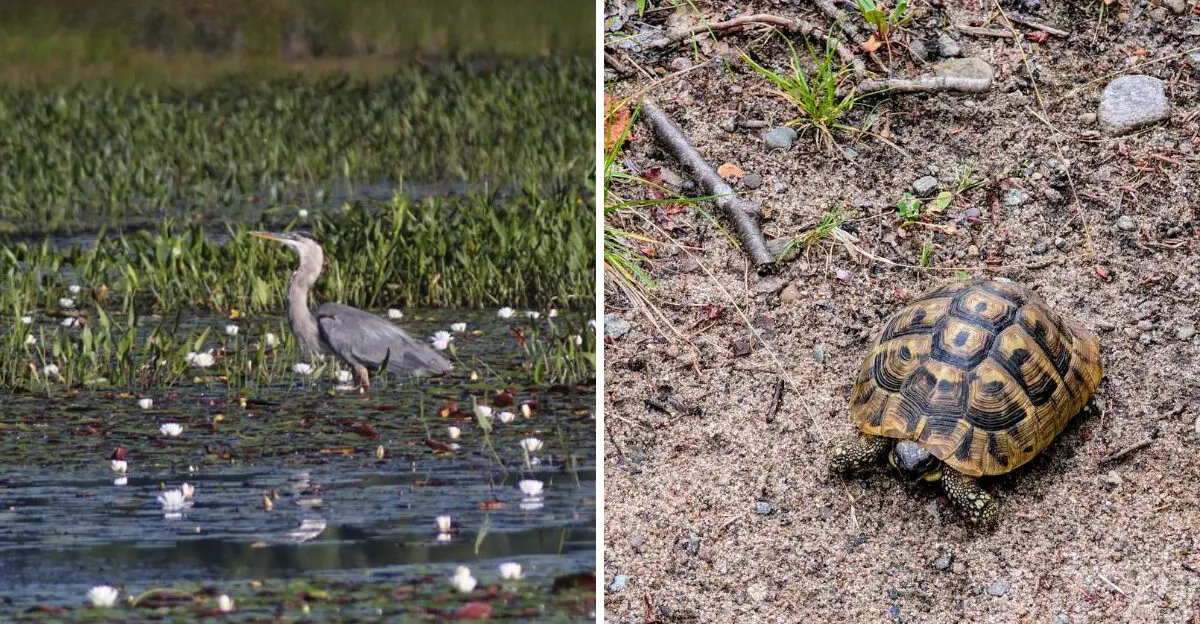
Forget racing to the summit—New York’s wildest moments might be waiting beside the trail.
Some hikes are all about chasing that perfect overlook, but these trails have a sneaky way of stealing your attention.
A rustle in the brush, a bird calling from the treetops, or a bald eagle gliding overhead can bring the whole hike to a sudden stop.
From quiet Adirondack bogs filled with hard-to-spot birds to Catskill forests and reservoirs where wildlife thrives, these paths reward hikers who slow down and pay attention.
Bring binoculars, keep your camera ready, and resist the urge to hurry.
You might start the day thinking about the view from the top, only to spend half your hike watching the trees, scanning the water, and wondering what will appear next.
On these ten New York hikes, wildlife can easily steal the show.
Bloomingdale Bog Trail – Saranac Lake
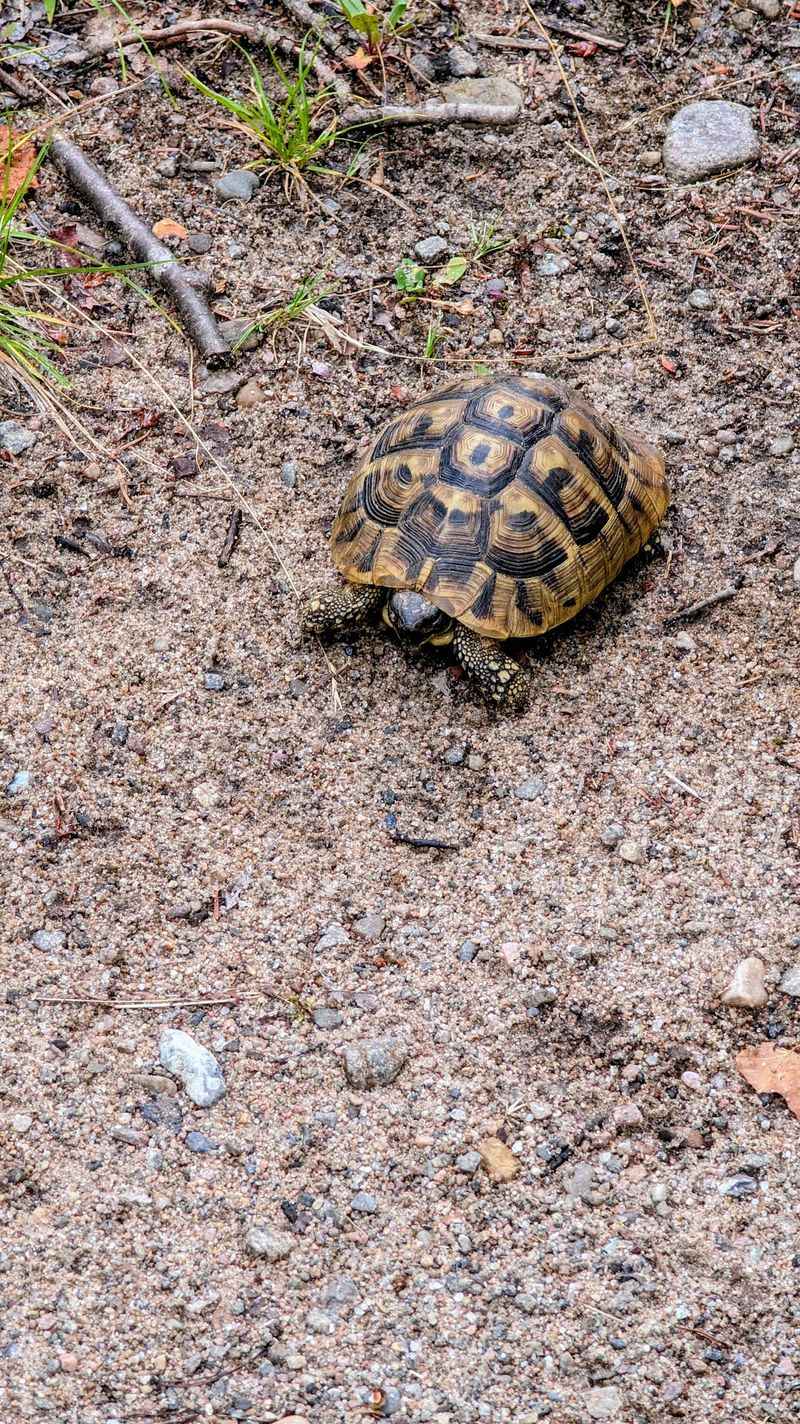
Stretching 3.6 miles through one of the Adirondacks’ most fascinating ecosystems, this flat trail delivers exactly what wildlife watchers crave. The open bog landscape makes spotting movement surprisingly easy compared to thick mountain forests.
You won’t need to strain your neck looking up steep slopes here.
Canada Jays often show up unannounced, hopping between conifer branches with curious energy. Boreal Chickadees flit through the northern woods while Black-backed Woodpeckers hammer away at dead trees.
During migration season, warblers turn the bog into a busy rest stop.
The surrounding conifer forest creates perfect conditions for patient observers. Rather than racing through, successful wildlife spotters pause frequently and scan the tree line.
Early morning visits reward hikers with the most activity.
Families appreciate the gentle terrain, which lets kids focus on spotting creatures instead of watching their footing. Bring field guides and cameras with good zoom capabilities.
This bog proves that dramatic elevation isn’t necessary for memorable wildlife encounters in the Adirondacks.
Balsam Mountain Loop – Catskill Mountains
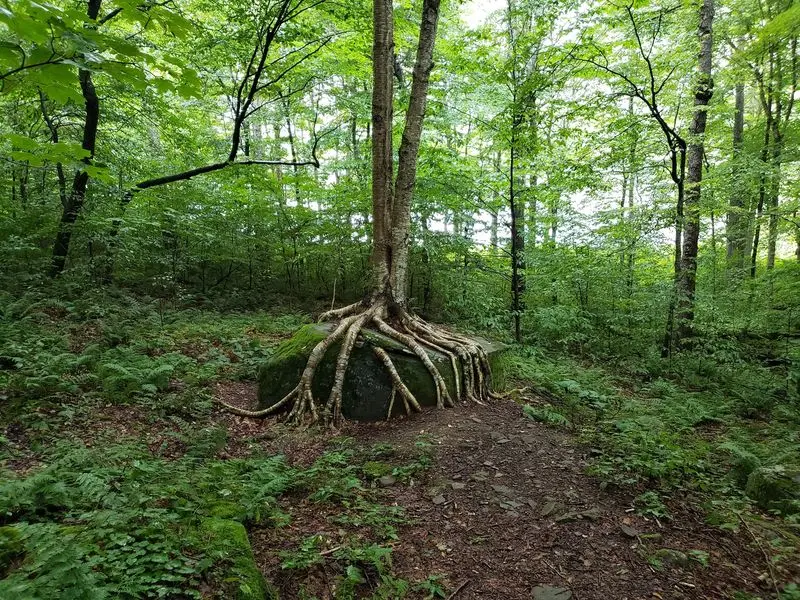
Covering roughly 9.4 miles, this legitimate mountain challenge somehow manages to keep wildlife encounters front and center. Summit views definitely reward your effort, but the forest between trailhead and peak often steals the show.
Deer tracks crisscross muddy sections while bird calls echo through the canopy.
Quieter trail sections transform into natural observation zones where forest creatures go about their daily routines. Patient hikers who stop and listen often catch rustling in the undergrowth or glimpse movement through the trees.
The surrounding wilderness feels genuinely wild, not like a groomed park.
Morning starts give you the best chance at spotting deer browsing near the trail. Various bird species inhabit different elevation zones, so your species list grows as you climb.
Turkey occasionally surprise hikers by appearing around bend.
The mix of effort and reward makes this loop particularly satisfying. You’ll earn your summit celebration, but you’ll also collect wildlife memories throughout the journey.
Serious hikers appreciate trails that deliver both physical challenge and natural encounters worth discussing later.
Slide Mountain Wilderness – Catskills
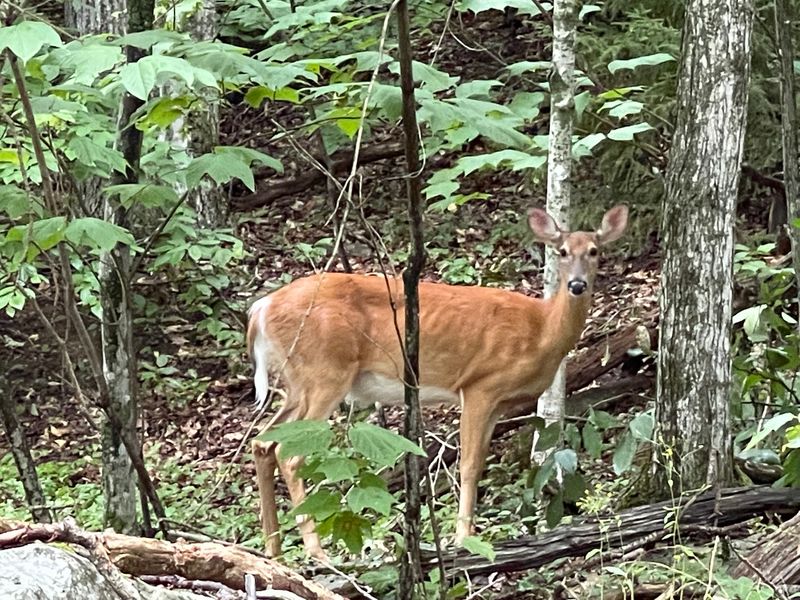
New York’s tallest Catskill peak sits inside a massive wilderness where wildlife encounters sometimes matter more than reaching the top. The Department of Environmental Conservation specifically mentions black bears, deer, turkey, beaver, fisher, and coyote roaming these woods.
That’s quite a guest list for one hiking area.
Smart hikers scan the forest floor for tracks and scat while moving through. Wet areas near streams attract various creatures seeking water, making those spots perfect for quiet observation.
Bird activity fills the air with songs that change as elevation increases.
Rather than summit-obsessed racing, this wilderness rewards slow, observant movement. Fisher sightings remain rare but possible for lucky visitors.
Beaver activity becomes obvious near water sources where gnawed trees and dams reshape the landscape.
The sheer size of this wilderness means wildlife has plenty of undisturbed habitat. Early season hikers often spot fresh bear signs, while autumn brings increased deer activity.
Carrying binoculars makes sense here, as does making occasional stops to simply listen and watch the surrounding forest come alive.
Frick Pond Loop – Catskills
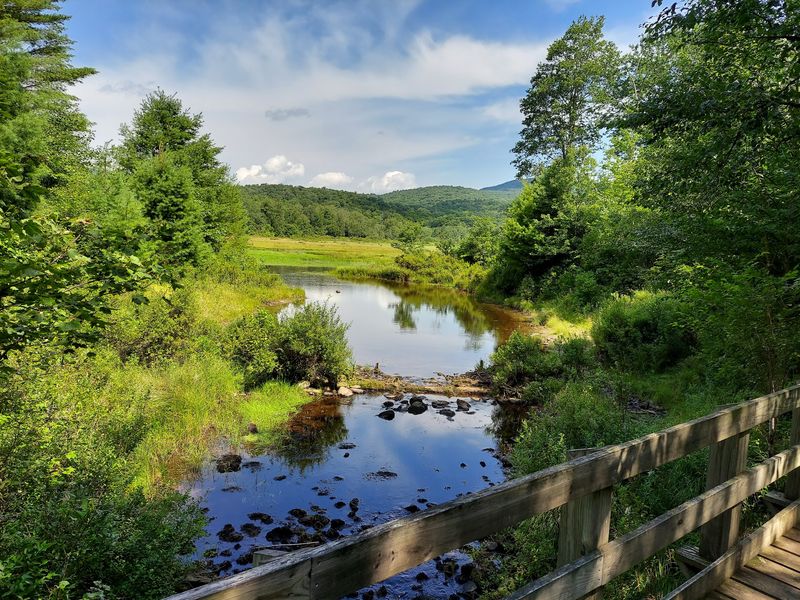
At just 2.2 miles, this compact loop packs remarkable habitat diversity into a manageable distance. Forest, pond, wetland, and boardwalk sections create distinct zones where different creatures thrive.
That variety explains why wildlife watchers favor this trail over longer, more monotonous routes.
The pond itself acts as a natural gathering spot for observation. Waterfowl paddle across calm surfaces while shoreline birds hunt for insects and small fish.
Wetland areas buzzing with life attract species that avoid drier forest zones.
Boardwalk sections let you float above fragile wetland habitat without disturbing it. These elevated walkways provide excellent vantage points for scanning vegetation and water.
Dragonflies patrol in summer while migrating birds stop by during spring and fall.
Families with younger kids appreciate the short distance and varied scenery that holds attention. Rather than slogging through miles of similar forest, everyone stays engaged by constantly changing surroundings.
The pond provides a peaceful lunch spot where patient observers often spot turtles, frogs, and diving birds going about their business completely unbothered by respectful human visitors nearby.
Adirondack Rail Trail at Lake Colby – Saranac Lake
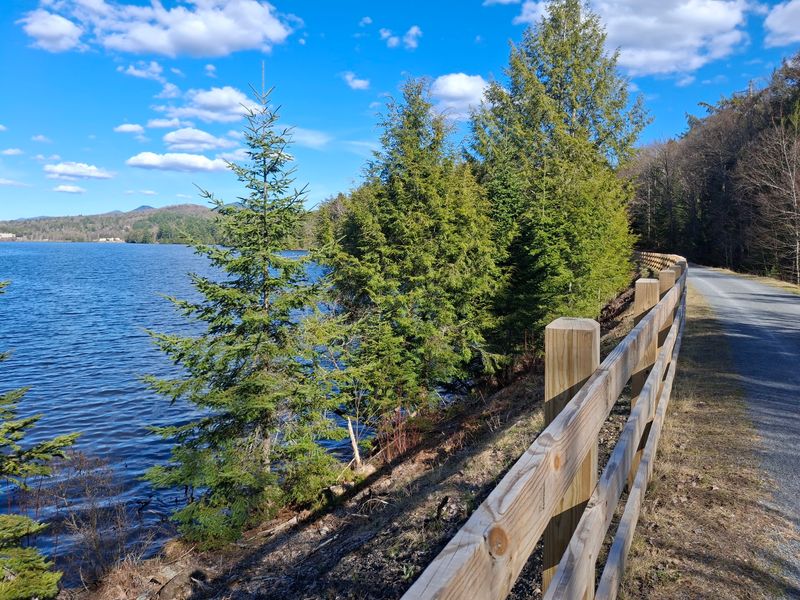
Forget exhausting summit climbs when this rail trail delivers prime Adirondack wildlife watching without the knee-punishing elevation. Near Lake Colby, the route weaves through mixed forest and several wetland areas that migrating ducks find irresistible.
The relatively flat terrain lets you focus attention on surroundings rather than footing.
Wetland birds gather in marshy sections where insects provide abundant food. Forest species hop between trees along the corridor while water-loving creatures populate pond edges.
The changing habitat means you’re constantly entering new ecological zones with different residents.
Stopping frequently actually improves the experience here rather than slowing you down. You never know what might appear around the next bend when habitats shift so regularly.
Spring migration brings impressive waterfowl variety while summer fills the air with songbird activity.
The converted rail bed creates easy walking that senior hikers and families appreciate. Binoculars become essential equipment on this trail where distance viewing enhances observations.
Birds often ignore trail users, treating the path as just another landscape feature rather than a threat to flee from immediately.
Paul Smith’s College VIC Trails – Adirondacks
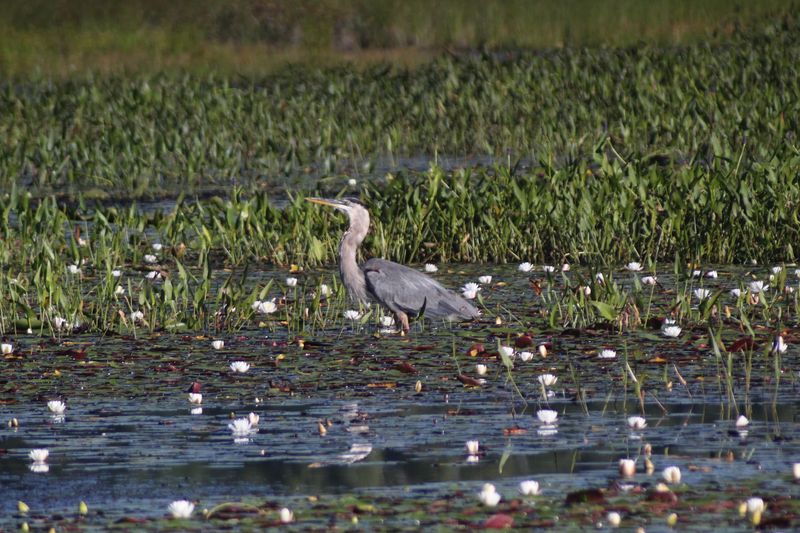
Thousands of acres containing wetlands, forests, ponds, and other habitats create what might be the ultimate wildlife-watching destination on this list. The Visitor Interpretive Center practically designed these trails for slow-paced observation rather than fitness challenges.
Elevation gain takes a back seat to creature encounters here.
Beaver ponds showcase engineering marvels where these industrious rodents reshape entire landscapes. Wetland areas attract birds and aquatic wildlife while interpretive features help visitors identify what they’re actually seeing.
Educational elements enhance understanding without feeling like school assignments.
Multiple trail options let you customize distance and habitat focus based on interests and energy levels. Some paths emphasize wetlands while others wind through forest zones.
The variety means repeat visits never feel repetitive.
This ranks among the strongest choices for people who’d rather identify wildlife than chase summit views. Families benefit from the educational approach that keeps kids engaged and learning.
The VIC proves that well-designed trail systems can prioritize natural observation over physical achievement while still delivering satisfying outdoor experiences that visitors remember and want to repeat.
North-South Lake Trails – Catskills
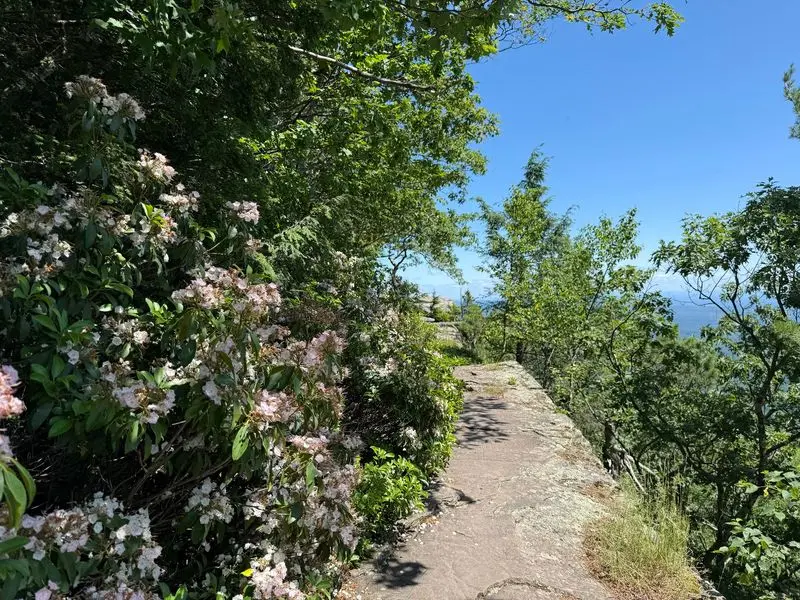
Wooded trails, lake shoreline, and mountain habitat blend together in this area where wildlife diversity truly impresses. The Department of Environmental Conservation’s species list reads like a nature documentary cast: deer, black bears, red squirrels, turkey, ruffed grouse, hawks, owls, songbirds, geese, and mallards.
That’s remarkable variety for one hiking destination.
The lake itself draws waterfowl while surrounding forests shelter mammals and land birds. Different habitats mean you’re essentially exploring multiple ecosystems during one outing.
Hawks circle overhead while smaller birds flit through understory vegetation.
Early morning visits catch deer drinking at the water’s edge before human activity increases. Owl calls echo through evening hours for hikers who time their visits accordingly.
Red squirrels provide constant entertainment with their chattering protests and acrobatic branch-hopping.
The mix of water and forest creates natural transition zones where species from both environments overlap. These edge habitats often produce the most wildlife activity.
Rather than fixating on reaching overlooks, smart visitors treat the lake and surrounding woods as destinations themselves, worth extended observation and patient watching that reveals hidden creatures.
Mine Kill State Park Trails – Schoharie County
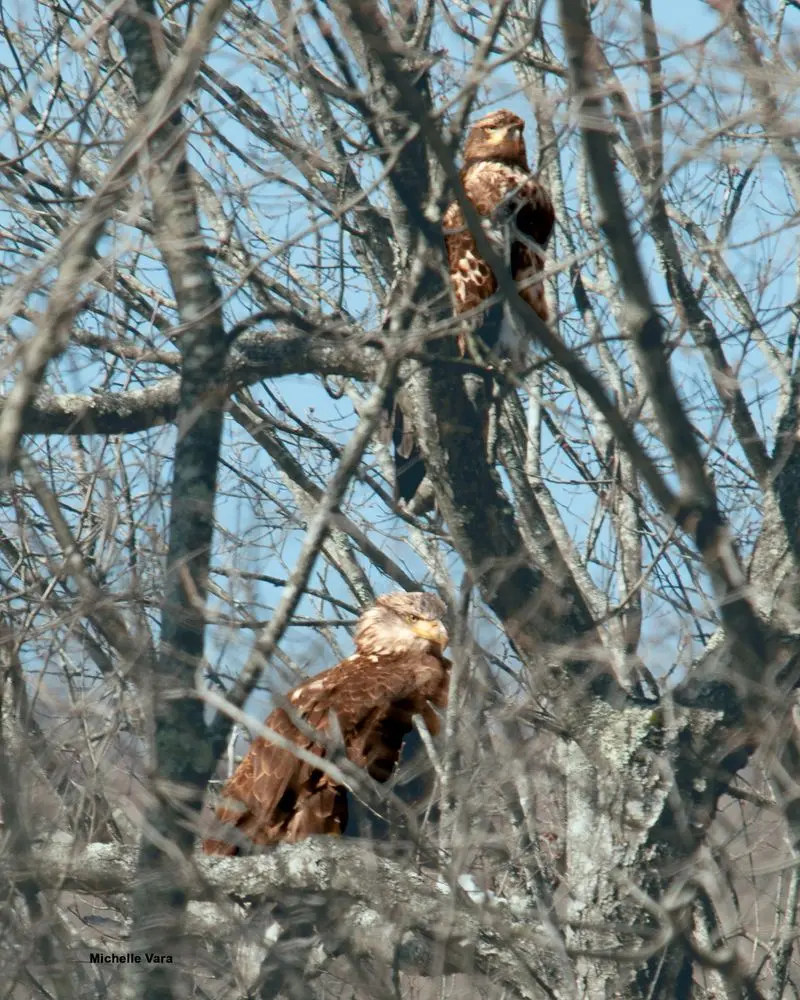
Being part of the New York State Birding Trail automatically signals this park’s wildlife credentials. Bald eagles top the impressive species list, joined by wild turkeys, Scarlet Tanagers, Eastern Bluebirds, chickadees, warblers, and numerous others.
Bird-focused hikers find exactly what they’re seeking here.
Rather than racing toward viewpoints, successful visitors slow down and tune into bird calls coming from surrounding woods. Spring brings migrating species while summer features nesting residents.
Autumn migration creates another busy period worth experiencing.
Bald eagle sightings remain special moments that stop hikers in their tracks. These majestic raptors often soar overhead or perch in tall trees surveying the landscape.
Scarlet Tanagers flash brilliant red through green foliage like flying jewels.
The park’s participation in the official birding trail means habitat management considers bird populations. This intentional approach creates better wildlife-watching conditions than random forest hiking.
Serious birders appreciate locations specifically recognized for avian diversity. Bringing field guides and recording apps helps identify unfamiliar calls, turning each hike into a learning experience that builds ornithological knowledge over time through repeated visits.
Ashokan Reservoir Trail – Catskills
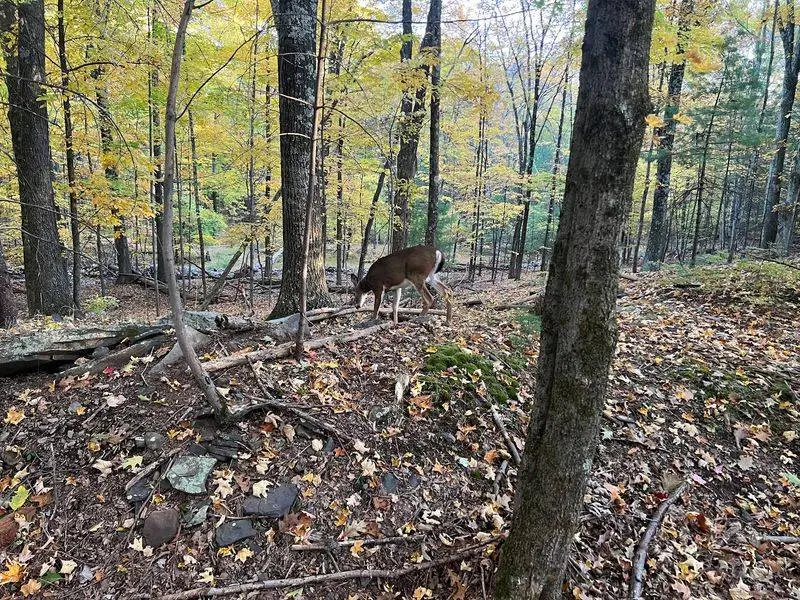
These relatively easy reservoir trails offer completely different wildlife experiences compared to steep mountain hikes. Open water, shoreline, forest, and broad mountain views combine to create excellent bird-spotting conditions.
Bald eagles frequently appear, making even casual walkers stop and stare skyward.
The reservoir’s massive size attracts waterfowl and fishing birds throughout the year. Shoreline areas provide habitat for species that need both land and water access.
Forest sections along the trail shelter typical woodland creatures.
What makes this trail particularly appealing is wildlife access without brutal backcountry commitment. You don’t need advanced fitness or navigation skills to enjoy nature here.
Families, seniors, and beginners find welcoming terrain that still delivers memorable creature encounters.
Eagles often fish the reservoir waters, diving dramatically to snatch prey. Watching these powerful raptors hunt creates unforgettable moments that don’t require summit views as backup entertainment.
The combination of easy walking and quality wildlife opportunities explains this trail’s popularity among observers who prioritize animals over altitude. Sunset visits add beautiful lighting to an already scenic setting where patience often rewards watchers with special sightings.
Mount Arab Trail – Adirondacks
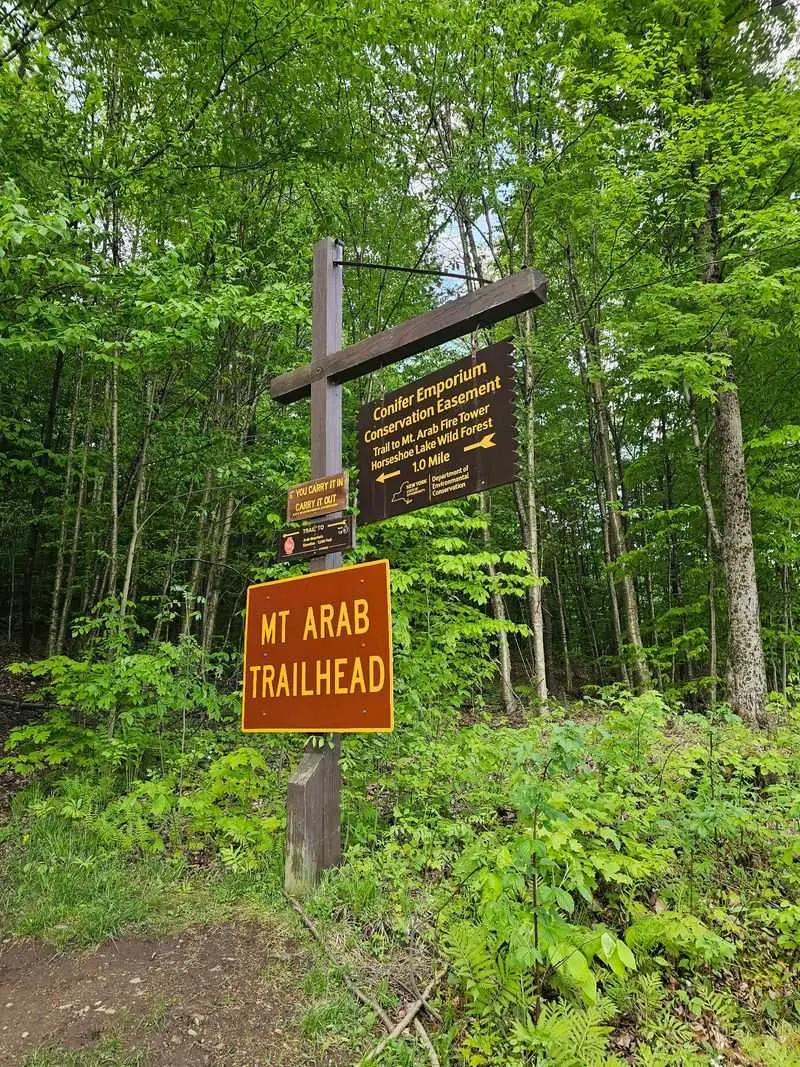
Proof that all-day treks aren’t necessary for wildlife-rich Adirondack experiences, this roughly 2-mile hike delivers impressive variety. Northern forest surrounds the trail before reaching the summit fire tower.
That forest journey holds most of the wildlife action worth discussing.
The surrounding Adirondack landscape supports remarkable bird and mammal diversity despite the short distance. Forest birds fill the canopy with songs while ground-dwelling creatures leave tracks and signs.
Observant hikers spot evidence of nocturnal visitors even during daytime walks.
The tower provides panoramic views that satisfy traditional summit-seekers. However, rushing past the forest approach means missing where wildlife actually concentrates.
Smart hikers take their time moving through trees, pausing frequently to listen and observe.
Short doesn’t mean boring when habitat quality remains high. The northern Adirondack environment creates conditions where species variety surprises first-time visitors.
Morning starts maximize activity levels as creatures move about feeding and establishing territories. The compact distance makes this perfect for introducing younger hikers to wildlife observation without overwhelming them with exhausting mileage that destroys enthusiasm before skills develop properly through enjoyable experiences.