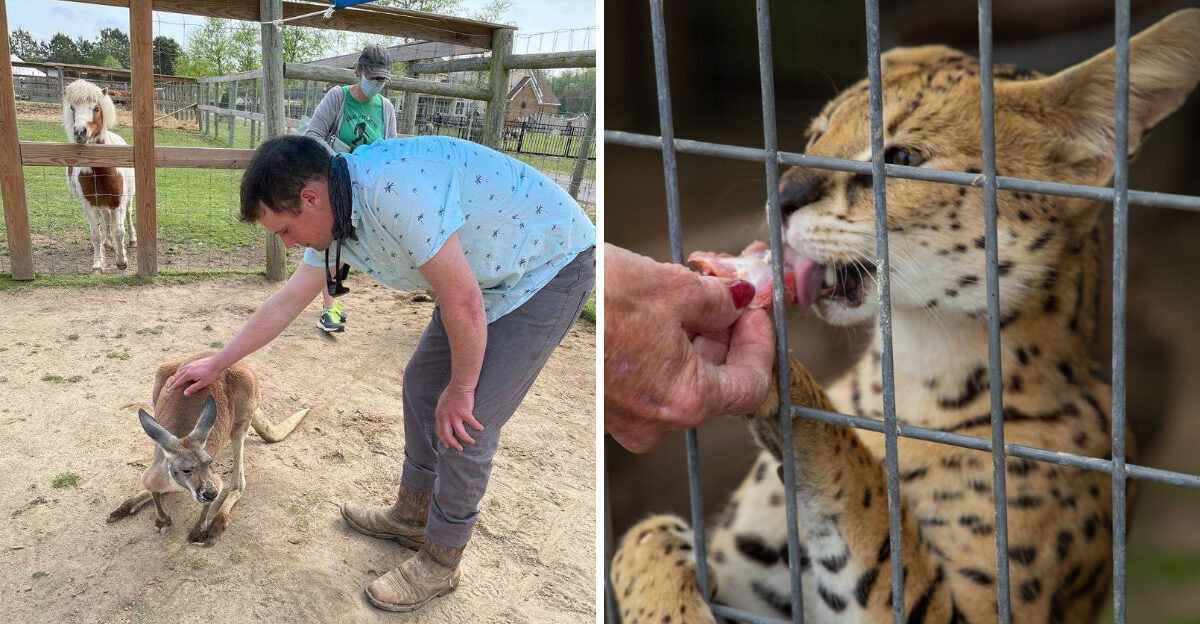
Forget everything you think you know about a family zoo day.
At It’s A Zoo Life in Macclesfield, North Carolina, families can get remarkably close to exotic animals instead of simply peering at them from behind a fence. Guided tours bring visitors into animal habitats, turning an ordinary outing into something kids will talk about long after they get home.
Imagine standing near a sleepy sloth, watching a curious capybara, or getting close enough to feed a kangaroo.
The sanctuary is home to a huge variety of animals, from lemurs and coatimundis to zebras, camels, reptiles, and more.
For animal-loving families, this is the kind of place where every turn can bring a surprise.
Come ready for muddy shoes, big smiles, plenty of questions, and some seriously unforgettable animal encounters.
Meet the Animals at It’s A Zoo Life
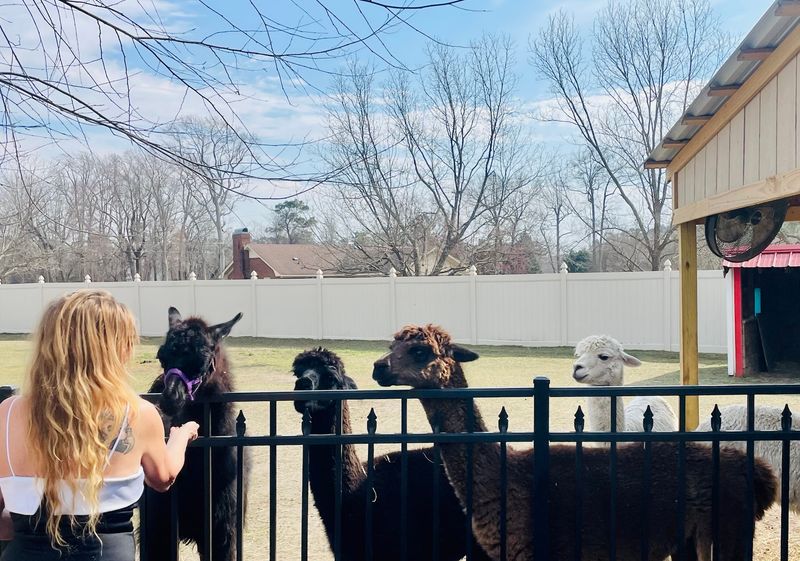
Walking through the gates here feels nothing like entering a typical zoo. Families find themselves in a small, intimate setting where animals roam in spacious habitats designed for interaction rather than observation from afar.
Every visit revolves around guided experiences that bring families directly into these spaces. Staff members open gates and walk groups through enclosures, creating moments where children can stand just feet away from creatures they’ve only seen in books or documentaries.
The sanctuary houses more than 150 exotic animals, ranging from Australian marsupials to South American mammals to African species. Each one receives personalized care from staff who know their names, personalities, and favorite treats.
This personal approach makes every tour feel special. Rather than rushing past exhibits checking off a list, families spend quality time learning about each resident’s story, background, and unique characteristics from guides who genuinely care about these animals.
The hands-on format appeals especially to children who learn better through direct experience than passive observation.
Get Up Close With Friendly Kangaroos and Wallabies
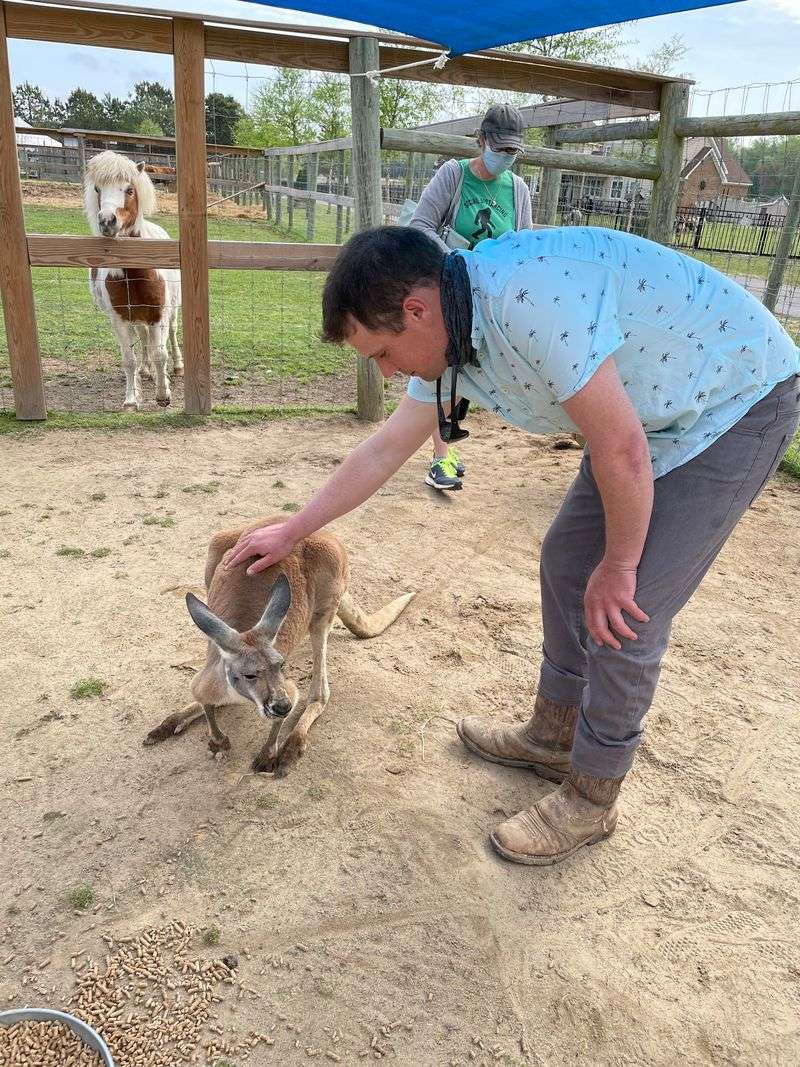
Australian animals rarely appear at small American sanctuaries, making the kangaroos and wallabies here particularly exciting for young visitors. These bouncing marsupials have become some of the sanctuary’s most popular residents, drawing squeals of delight from children who’ve never encountered them outside of picture books.
During guided tours, families enter the habitat where these animals spend their days. The marsupials have grown accustomed to human visitors and often approach groups with curiosity, especially when feed bags come out.
Guides share fascinating details about how kangaroos and wallabies differ despite their similar appearances. Kids learn about their powerful hind legs, their unique hopping movement, and the pouches where mothers carry their young joeys.
Children discover how these animals behave in their native Australian habitat compared to life at the sanctuary. The educational component never feels forced or boring because families are literally standing among the animals while learning.
Many visitors describe the kangaroo encounter as a trip highlight their children talk about for months afterward.
Say Hello to a Sloth
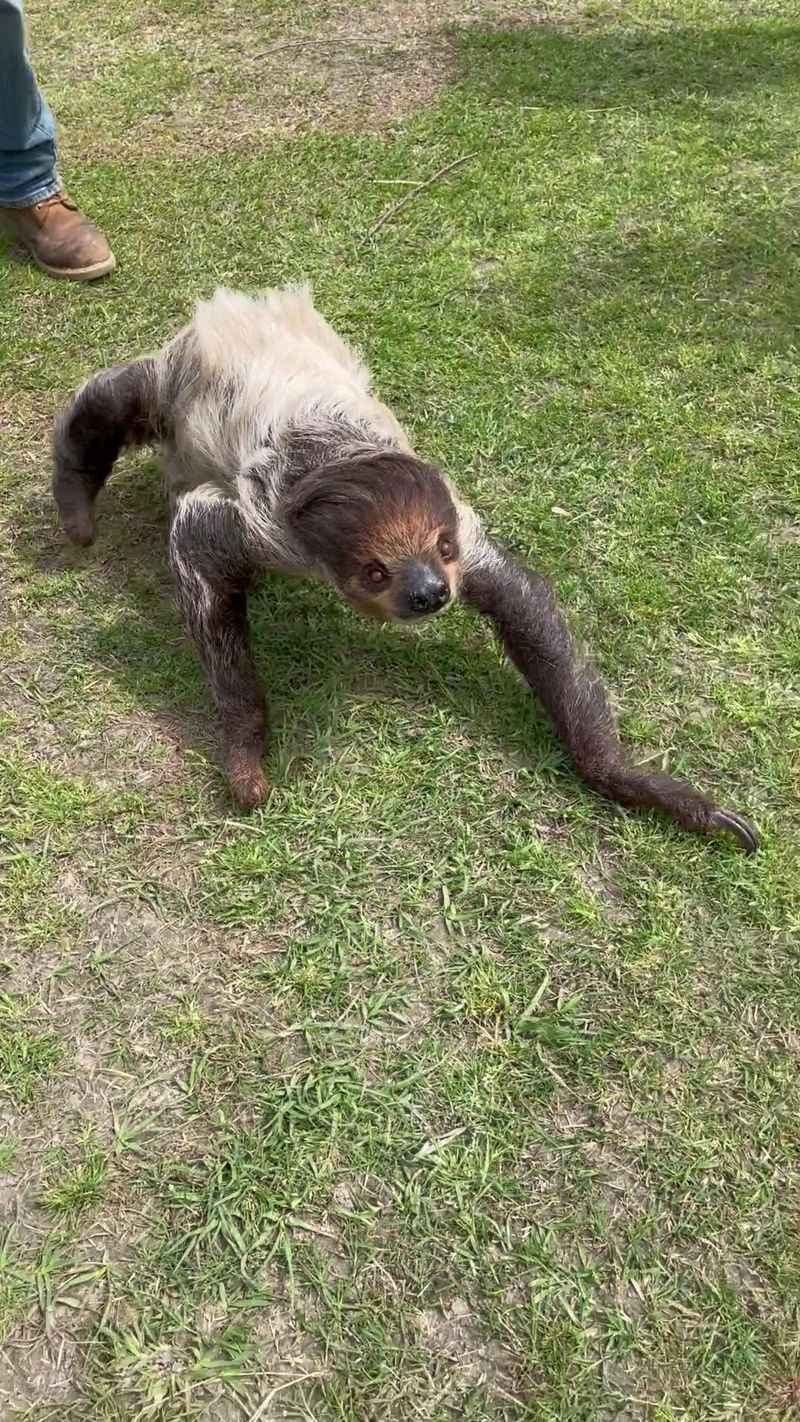
Sloths have captured the hearts of children everywhere thanks to their famously slow movements and endearing expressions. The sanctuary’s resident sloth gives families a chance to observe this unusual mammal up close, which simply isn’t possible at most zoos.
During regular tours, visitors can watch the sloth moving through its habitat at its characteristically unhurried pace. Guides explain why sloths evolved to move so slowly and how this adaptation helps them survive in their native rainforest environment.
For families wanting an even more memorable experience, the sanctuary offers dedicated sloth encounters. These special sessions provide extended time with this fascinating creature, allowing children to observe details like the sloth’s long claws, thick fur, and surprisingly strong grip.
Kids are often amazed to learn how different sloths are from other mammals. They digest food incredibly slowly, sleep up to 20 hours daily, and can turn their heads nearly all the way around.
The sloth encounter frequently becomes the highlight for younger children who find this gentle animal irresistible.
Meet the Capybaras and Patagonian Cavies
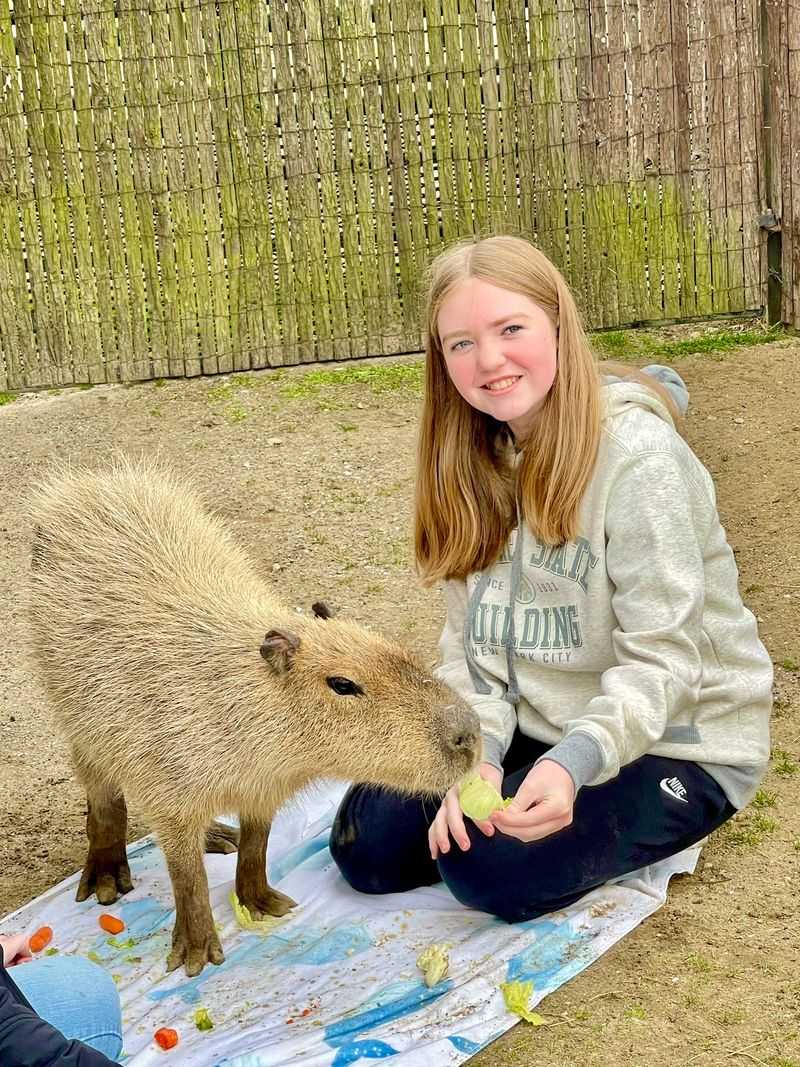
Most children have never heard of capybaras until they visit this sanctuary. These oversized rodents from South America hold the title of world’s largest rodent, reaching weights over 100 pounds.
Seeing a capybara for the first time often surprises families. They look somewhat like giant guinea pigs with webbed feet, sporting dense brown fur and blunt noses.
Despite their size, capybaras have remarkably calm temperaments.
The sanctuary also houses Patagonian cavies, another South American rodent species that resembles a cross between a rabbit and a small deer. These long-legged creatures move with surprising speed and grace compared to their bulkier capybara cousins.
Guides explain how both species live in their native habitats. Capybaras spend much of their time near water, while Patagonian cavies prefer open grasslands.
Both are social animals that live in groups.
Special encounters are available for families who want extended time with these unusual creatures. Children love feeding these gentle giants and learning about their surprising behaviors and adaptations.
See Lemurs, Coatimundis and Porcupines
The animal roster at this sanctuary includes species rarely seen outside major metropolitan zoos. Ruffed lemurs from Madagascar rank among the most striking residents, with their bold black-and-white markings and fox-like faces.
Lemurs behave differently from typical zoo animals. They’re incredibly vocal, producing loud calls that echo across the sanctuary.
Their acrobatic movements through climbing structures captivate children who watch them leap and swing.
Coatimundis add another exotic element to the collection. These raccoon relatives from Central and South America have long, flexible snouts and ringed tails.
They’re curious and active, constantly exploring their surroundings and investigating anything new.
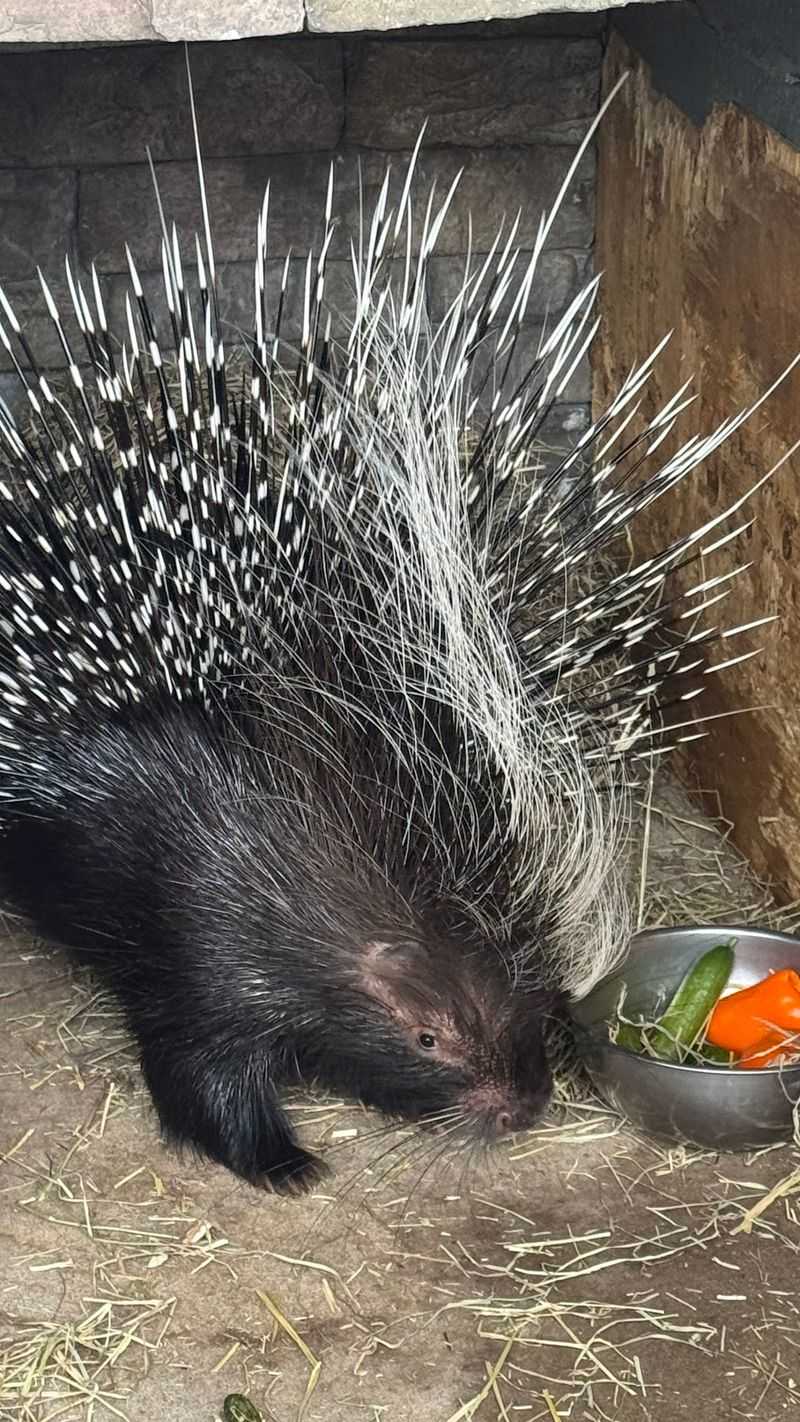
Porcupines round out this eclectic group. Up close, their quills create an impressive defensive display.
Guides explain how porcupines can’t actually shoot their quills despite the common myth, and demonstrate the difference between the soft fur on their bellies versus the sharp quills on their backs.
Each of these animals offers something completely different, making this section particularly educational for children learning about biodiversity across continents.
Come Face-to-Face With a Zebra and Camel
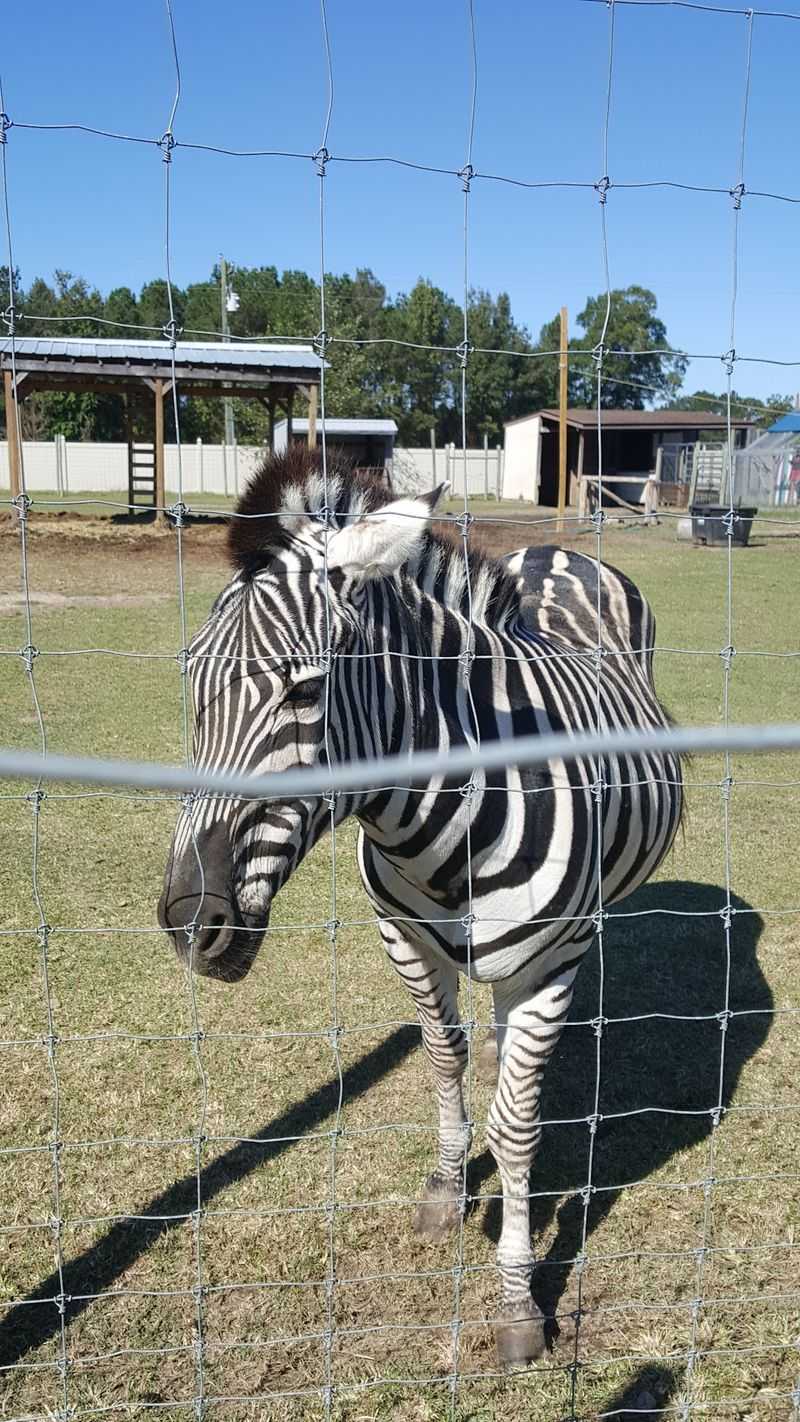
Large animals always create memorable moments, and this sanctuary doesn’t disappoint. Zebras and camels provide the wow factor typically associated with major safari parks, yet here families encounter them in an intimate, accessible setting.
Standing next to a zebra reveals details impossible to notice from behind zoo barriers. Each zebra’s stripe pattern is completely unique, like a fingerprint.
Their stripes continue underneath their bellies, and up close, families can see how the black and white creates an optical effect.
The camel offers an equally impressive experience. These desert-adapted animals stand surprisingly tall, and their thick eyelashes and split lips fascinate children.
Guides share how camels survive extreme desert conditions and explain the purpose of their famous humps.
Both animals have adapted to life at the sanctuary and remain comfortable around human visitors. Families can observe their eating habits, watch them interact with each other, and learn about their care requirements.
For many children, meeting a zebra or camel represents their first encounter with an African animal outside of books or screens.
Explore the Reptile Side of the Zoo
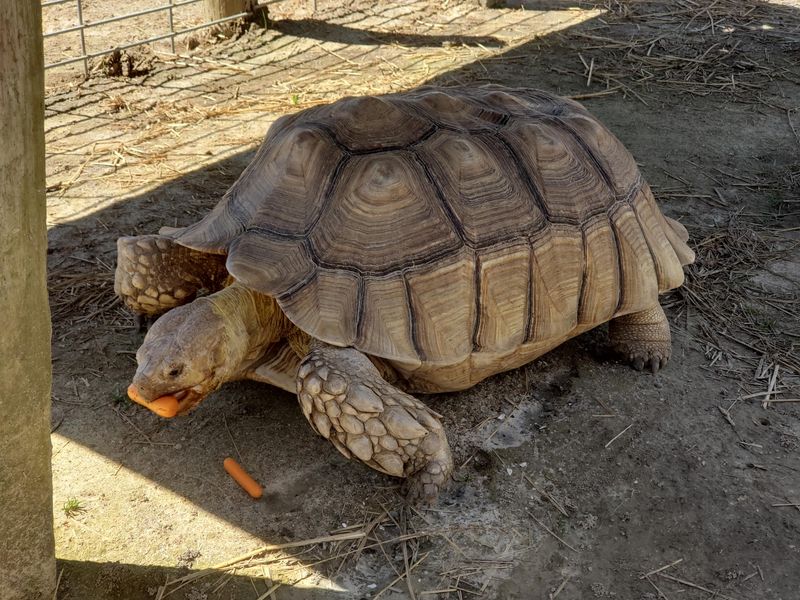
Not every child prefers furry animals, and the sanctuary recognizes this with its dedicated reptile barn. Tortoises lumber across their enclosure floors, showcasing the slow determination these ancient creatures are known for.
The reptile collection provides variety for families whose interests extend beyond mammals. Scales, shells, and different textures replace fur, offering a completely different tactile and visual experience.
Special reptile encounters allow children who love these cold-blooded creatures to spend focused time learning about their care, behavior, and biology. Guides explain how reptiles regulate their body temperature differently than mammals and why they need specific heat sources and humidity levels.
Tortoises particularly captivate young visitors. Their armored shells, wrinkled skin, and deliberate movements seem prehistoric.
Some tortoises at the sanctuary have lived for decades, creating connections across generations.
The reptile barn adds educational depth to the visit. Children discover that animal diversity extends far beyond cute and cuddly mammals, learning to appreciate creatures that many people overlook or fear.
This exposure often sparks lasting interest in herpetology and conservation.
Learn About Animals From a Guide Who Knows Them Personally
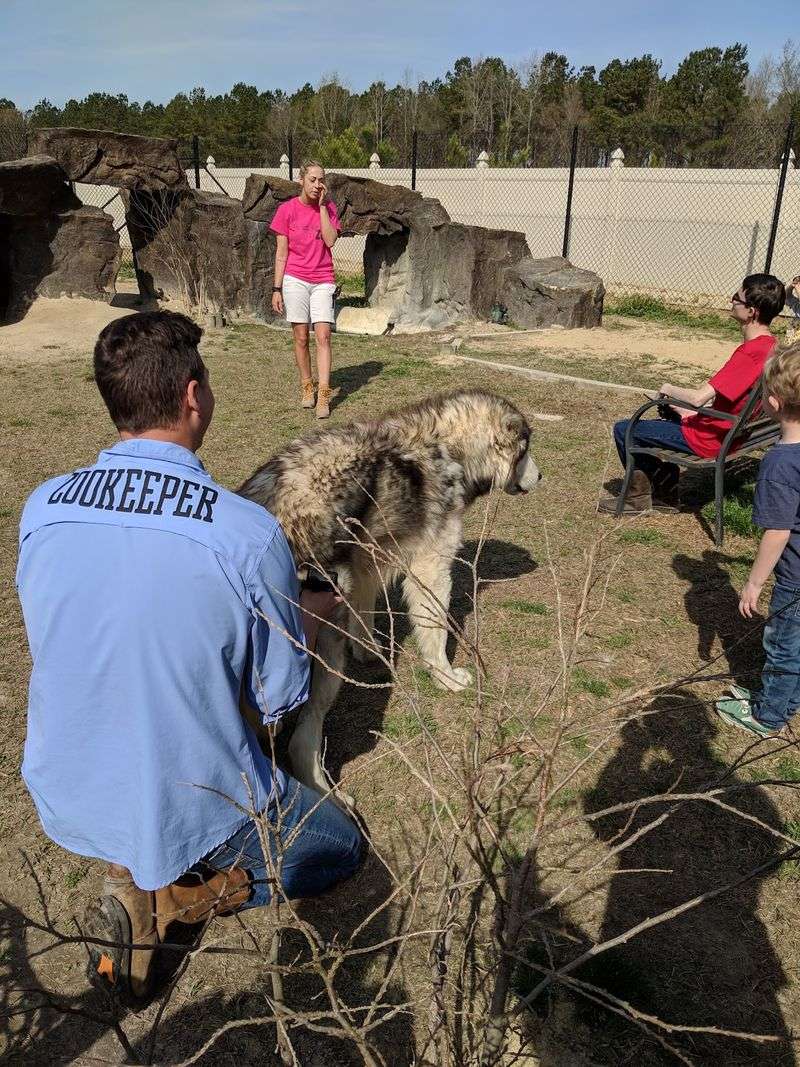
Every tour at this sanctuary includes knowledgeable guides who don’t just recite memorized facts. These staff members have raised many of the animals from infancy, creating bonds that transform standard tours into something more meaningful.
Guides share stories about each animal’s personality, quirks, and preferences. They explain which animals love attention, which prefer quieter moments, and how each resident’s background shaped their current behavior.
This personal connection makes information stick with children far better than traditional zoo placards. When a guide explains that a particular lemur loves bananas while another prefers grapes, kids remember because they’ve just watched those preferences in action.
Staff members also discuss each animal’s native habitat and the challenges these species face in the wild. Education about conservation happens naturally when families are standing among the animals rather than reading signs from behind barriers.
The guides’ genuine affection for their animal charges becomes obvious during tours. Children pick up on this enthusiasm, leaving with not just knowledge but also appreciation for the work involved in animal care and conservation efforts.
Make It a Hands-On Family Adventure
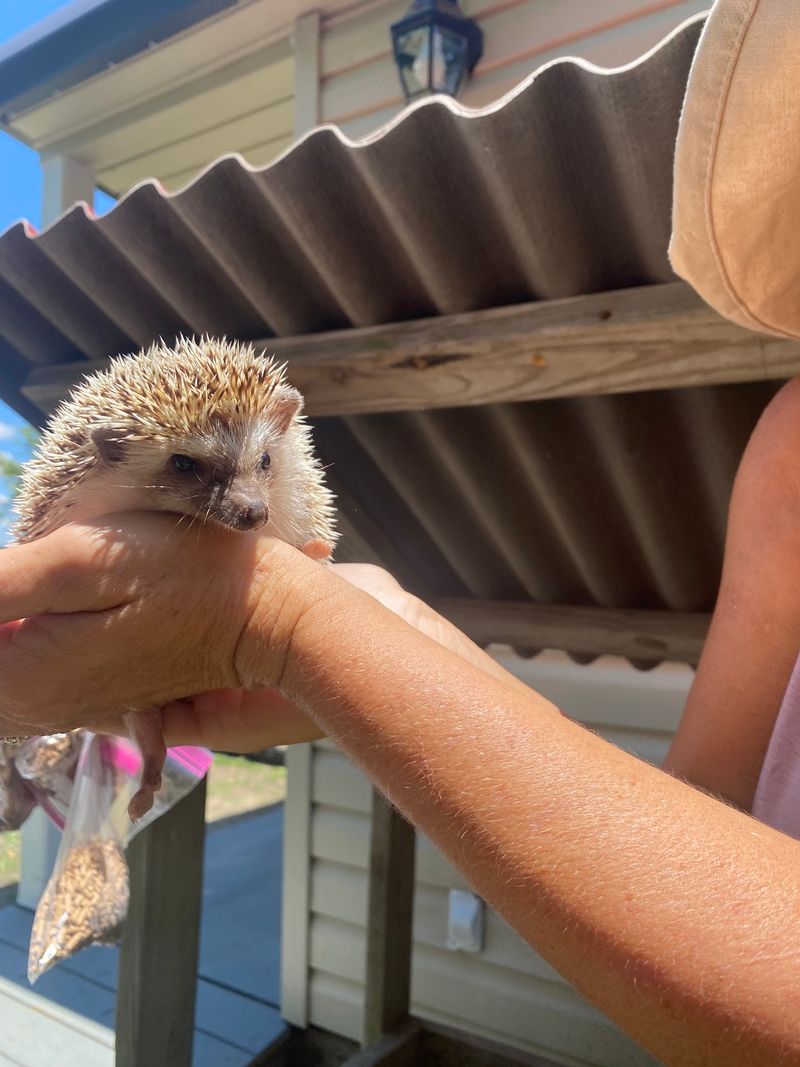
Checking animals off a viewing list works fine at traditional zoos, but this sanctuary operates on a completely different philosophy. Every guided tour emphasizes interaction, giving families chances to feed, observe, and learn through direct participation.
The basic tour already includes hands-on encounters with numerous animals throughout the property. Families move from habitat to habitat, meeting residents and learning their individual stories.
Feed bags can be purchased for an additional fee, turning observation into active participation.
For families wanting deeper experiences with specific animals, special encounters are available. Dedicated sessions with sloths, capybaras, ruffed lemurs, and coatimundis provide extended time focused on these particular species.
These optional encounters let children who’ve fallen in love with a certain animal spend extra time learning everything about that species. The small-group or private format means kids can ask questions and receive personalized attention from guides.
The hands-on approach creates lasting memories that passive observation simply cannot match. Children remember touching, feeding, and interacting far longer than they remember simply looking at animals through glass or across moats.
Plan Your Visit
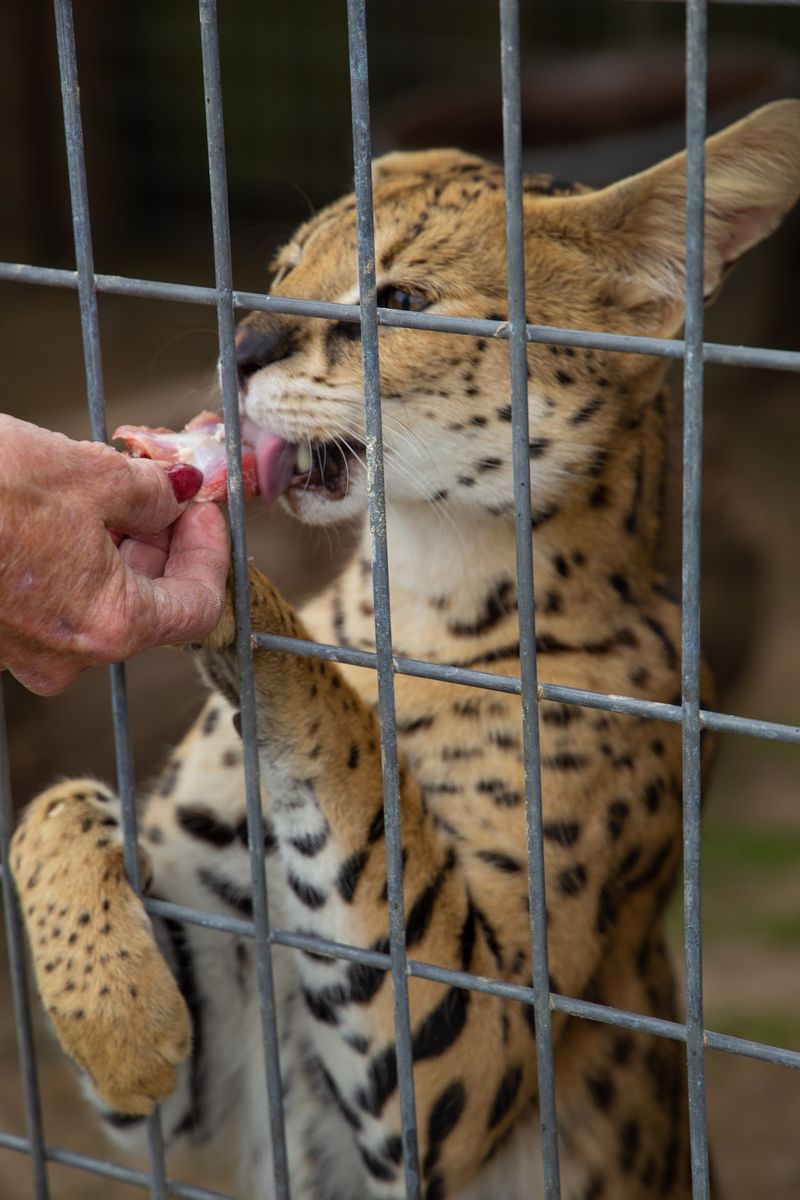
Unlike typical zoos with open visiting hours, this sanctuary operates exclusively by appointment through guided tours. Families must book ahead rather than simply showing up, ensuring every group receives personal attention and proper time with the animals.
Current pricing runs $25 for visitors ages six and older, $15 for children ages three through five, and free admission for toddlers two and under. Feed bags cost extra but add significantly to the interactive experience.
The sanctuary sits at 4313 NC-42 in Macclesfield, North Carolina, with 252-266-7974 listed as the contact number for reservations and questions. Families should call ahead to book tours and confirm current schedules.
Closed-toe shoes are required for outdoor animal experiences. This practical requirement protects feet during walks through various habitats where animals roam freely.
Tour schedules may vary seasonally, so families should verify availability when booking. Weather can also affect tour formats, as many animals live in outdoor habitats.
Checking directly with the sanctuary before finalizing travel plans ensures the best possible experience.