Some Massachusetts restaurants serve dinner with a side of pure magic.
Walk through the right door, and suddenly you’re sitting beneath candlelight, beside a roaring fireplace, or overlooking boats gliding across the harbor.
The setting isn’t just decoration—it becomes part of the meal.
Across Massachusetts, historic inns, restored barns, cozy taverns, and waterfront dining rooms create memorable places to linger over a plate. Some feel frozen in time, while others turn up the drama with stylish interiors and sweeping views.
These 15 restaurants prove that a great meal can be about far more than what’s on the table. Bring your appetite, but don’t forget to look around.
The room itself might be the part you remember long after the last bite.
The Old Inn on the Green – New Marlborough
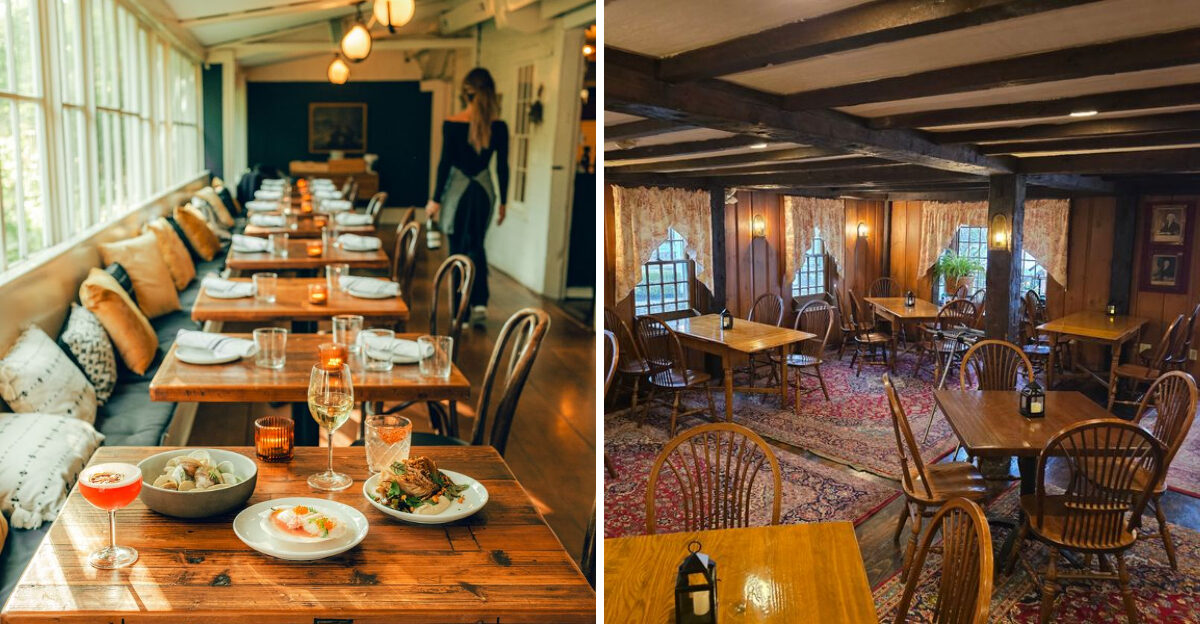
This 18th-century former stagecoach stop is one of the most atmospheric restaurants in the Berkshires. The dining rooms are famously lit almost entirely by candlelight, creating an intimate, old-world setting that makes a special dinner feel like stepping into another century.
Flickering candles cast shadows across historic walls while servers move quietly between tables. The lack of electric lighting isn’t just a gimmick.
It transforms the meal into something almost theatrical, where conversation feels more private and every bite seems more deliberate.
Located in New Marlborough, the inn has maintained its historic character while serving modern seasonal cuisine. Wide-plank floors creak underfoot, and the low ceilings remind you that people were shorter when this building first opened.
The Berkshires setting adds natural beauty outside, but inside, it’s all about that soft golden glow.
Special occasions feel genuinely special here. The combination of candlelight, history, and careful cooking makes it worth the trip into rural Massachusetts for an evening that lingers in your memory.
The 1761 Old Mill – Westminster
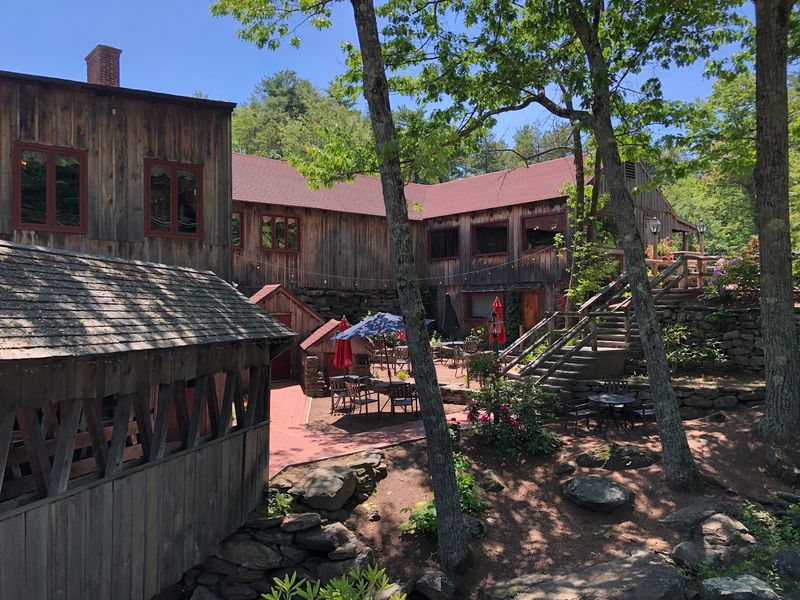
Built as a sawmill in 1761, this historic property now houses a restaurant surrounded by water and New England scenery. The exposed historic character and outdoor seating overlooking the river make the setting every bit as memorable as the food.
Water flows beneath and around the building, creating a soundtrack that makes every meal feel more peaceful. Original timber framing shows the craftsmanship of colonial builders, while large windows bring in natural light that changes throughout the day.
You can watch the seasons shift from your table.
The riverside location means outdoor dining in warmer months becomes an event itself. Trees shade the patio, ducks paddle by, and the rushing water creates white noise that makes conversation easy.
Inside, the mill’s bones remain visible in the ceiling beams and stone foundation.
Westminster isn’t exactly a tourist hotspot, which keeps this spot feeling like a local secret worth discovering. The history isn’t just decoration here.
It’s part of the structure, reminding diners that good buildings can last centuries when people care for them properly.
Salem Cross Inn – West Brookfield
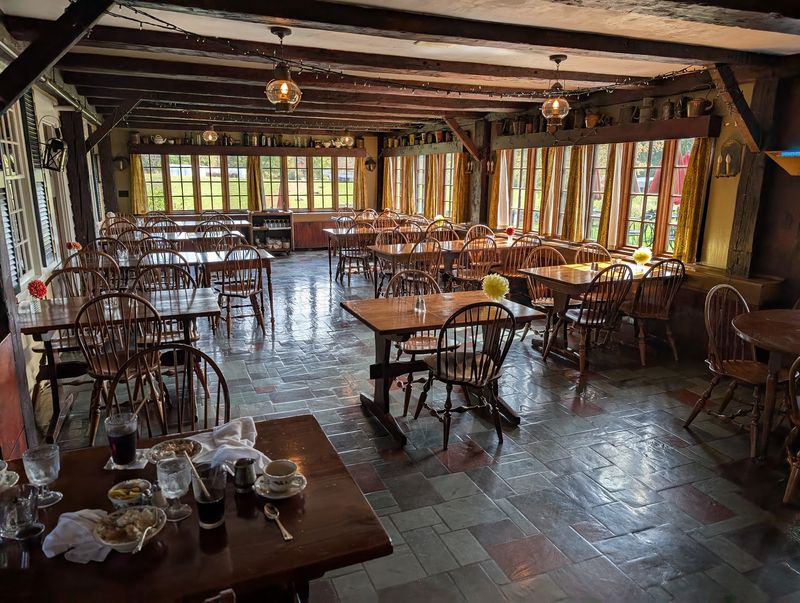
Dating to 1705, this restored historic inn delivers the kind of cozy atmosphere people hope to find in a classic Massachusetts restaurant. Wide-plank floors, low ceilings, fireplaces, and old-fashioned rooms give dinner a distinctly colonial feel.
The building has survived over three centuries of New England winters, and you can sense that resilience in the thick walls and sturdy construction. Multiple dining rooms mean different moods depending on where you sit.
Some areas feel formal, while others have the warmth of someone’s farmhouse kitchen.
Fireplaces crackle during colder months, filling rooms with the smell of woodsmoke that takes you straight back to earlier times. The inn sits on working farmland, so the rural setting extends the historical experience beyond the dining room.
Through the windows, rolling fields look much as they did when the property first opened.
The menu leans into traditional New England fare, which makes perfect sense given the surroundings. Eating pot roast or prime rib in a room lit by firelight feels right.
This is comfort food served in comfortable surroundings that have welcomed guests for over 300 years.
Longfellow’s Wayside Inn – Sudbury
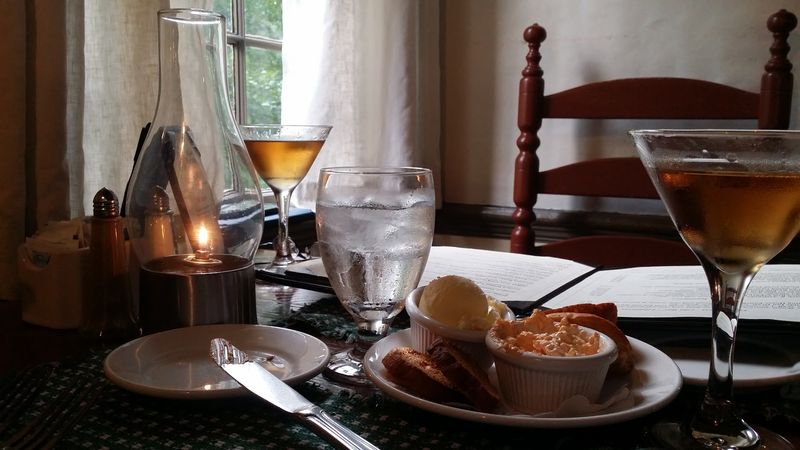
The centuries-old inn provides an atmospheric backdrop filled with timber framing, historic rooms, fireplaces, and traditional New England character. Dining here feels less like stopping at a restaurant and more like becoming part of the property’s long history.
Established in 1716, this is the oldest operating inn in America, and that legacy shows in every corner. The building was once immortalized in Henry Wadsworth Longfellow’s poetry, adding literary significance to the historical importance.
Low doorways force taller guests to duck, a reminder that modern heights weren’t the norm centuries ago.
Each dining room tells its own story through period furniture, paintings, and artifacts collected over generations. Fireplaces anchor several spaces, providing both warmth and a focal point that draws people together.
The creaking floors and settling sounds give the inn a living quality that newer buildings lack.
The property includes a working grist mill, chapel, and extensive grounds that extend the experience beyond dinner itself. Visitors often arrive early to explore before their reservation.
The food honors New England traditions without feeling stuck in the past, balancing history with contemporary expectations.
The Pheasant – Dennis
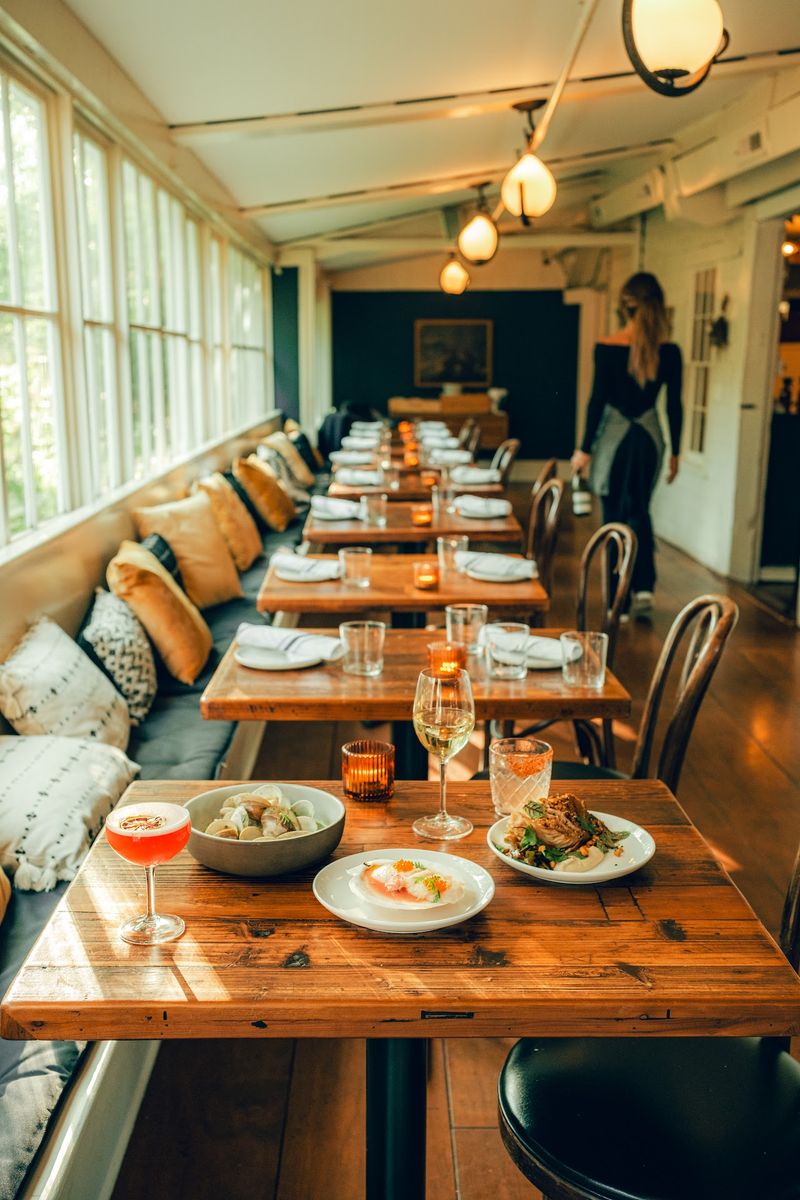
Set inside a centuries-old restored barn on Route 6A, The Pheasant combines rustic architecture with a polished dining experience. Wood-filled interiors and the surrounding Cape Cod setting give the restaurant a warm, sophisticated personality.
The barn’s original bones remain visible throughout, with massive beams overhead and weathered wood that tells stories of earlier uses. But this isn’t rough country dining.
The restoration brought refinement without erasing character, creating spaces that feel both upscale and genuinely connected to Cape history.
Route 6A cuts through some of Cape Cod’s most charming towns, and The Pheasant fits perfectly into that landscape. The building could have been demolished decades ago, but someone saw potential in those old timbers.
Now it serves as proof that historic structures can adapt to new purposes while maintaining their essential nature.
Soft lighting emphasizes the wood tones and creates intimate pockets throughout the dining room. Tables are spaced generously, giving conversations privacy even when the restaurant fills up.
The menu matches the setting by combining Cape seafood traditions with more contemporary preparations that surprise returning guests each season.
The Red Lion Inn – Stockbridge
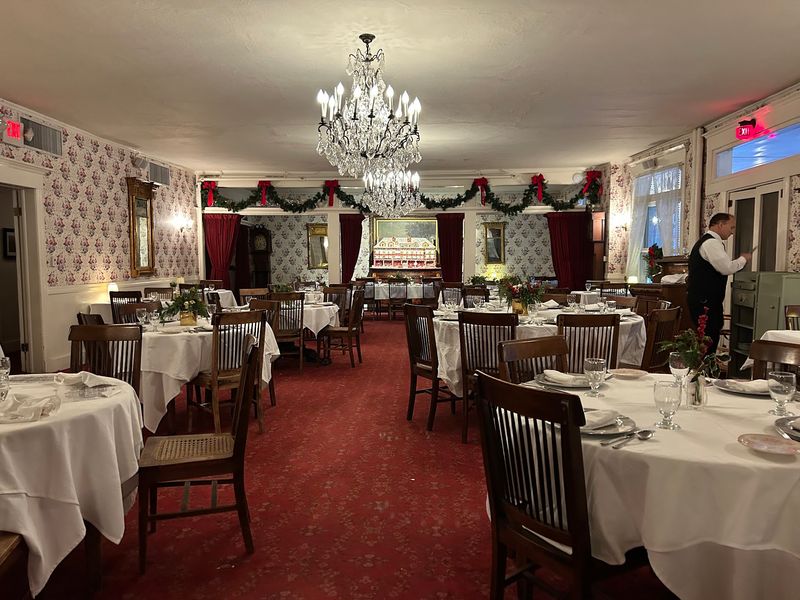
The Red Lion Inn is practically synonymous with old-fashioned Stockbridge charm. Its Main Dining Room delivers an upscale New England atmosphere, while the historic tavern offers a more relaxed room filled with memorabilia and character.
Norman Rockwell painted scenes of Stockbridge that captured an idealized American town, and The Red Lion Inn appears in that picture-perfect vision. The white clapboard exterior and welcoming front porch have greeted travelers since 1773.
Walking through the front door means entering a space that has hosted centuries of conversations, celebrations, and quiet meals.
The Main Dining Room brings formality without stuffiness, with white tablecloths and attentive service that makes occasions feel special. Downstairs, the tavern loosens things up with dark wood, lower ceilings, and walls covered in antiques and local history.
Both spaces work because they’re authentic to the building’s past rather than recreated themes.
Stockbridge draws visitors year-round, but the inn feels particularly magical during New England’s classic seasons. Fall foliage frames the building in brilliant colors, while winter snowfall transforms it into a Christmas card scene that actually exists.
Publick House Historic Inn – Sturbridge
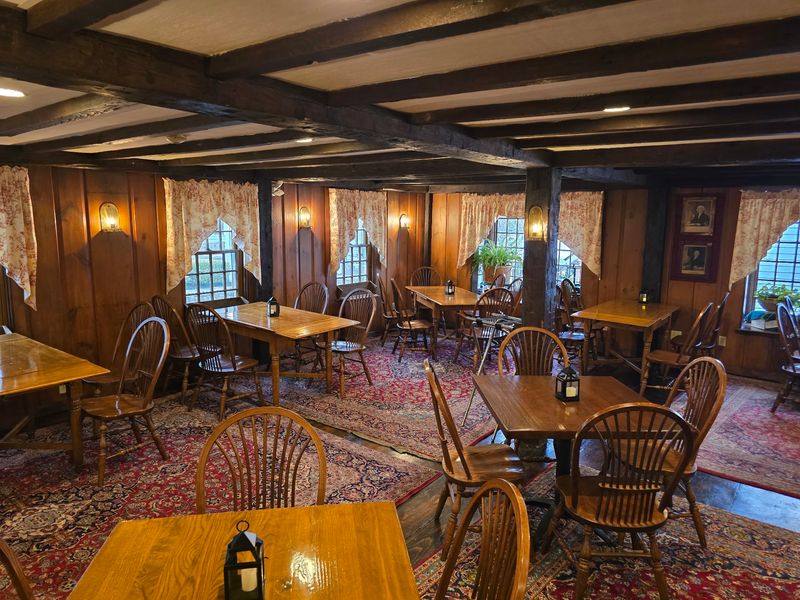
Few Massachusetts restaurants can compete with the atmosphere inside this historic inn. Post-and-beam ceilings, wide-plank floors, fireplaces, and traditional tavern spaces create a setting that feels pulled directly from colonial New England.
The building dates to the Revolutionary era, when Sturbridge served as a stop between Boston and more western settlements. That history isn’t just mentioned on a plaque outside.
The structure itself tells the story through its construction methods, materials, and layout that made sense for 18th-century travelers.
Multiple dining areas mean different experiences depending on what you’re after. The main tavern has the convivial atmosphere of a public house where strangers became friends over shared meals.
Other rooms feel more intimate, suited to family gatherings or quieter conversations. Fires burn in the hearths during colder months, adding both warmth and the crackling soundtrack that makes everything feel cozier.
Sturbridge is already known for Old Sturbridge Village, the living history museum nearby, so the Publick House fits perfectly into an area that values its past. The menu focuses on hearty, traditional fare that matches the surroundings perfectly.
Grove at Briar Barn Inn – Rowley
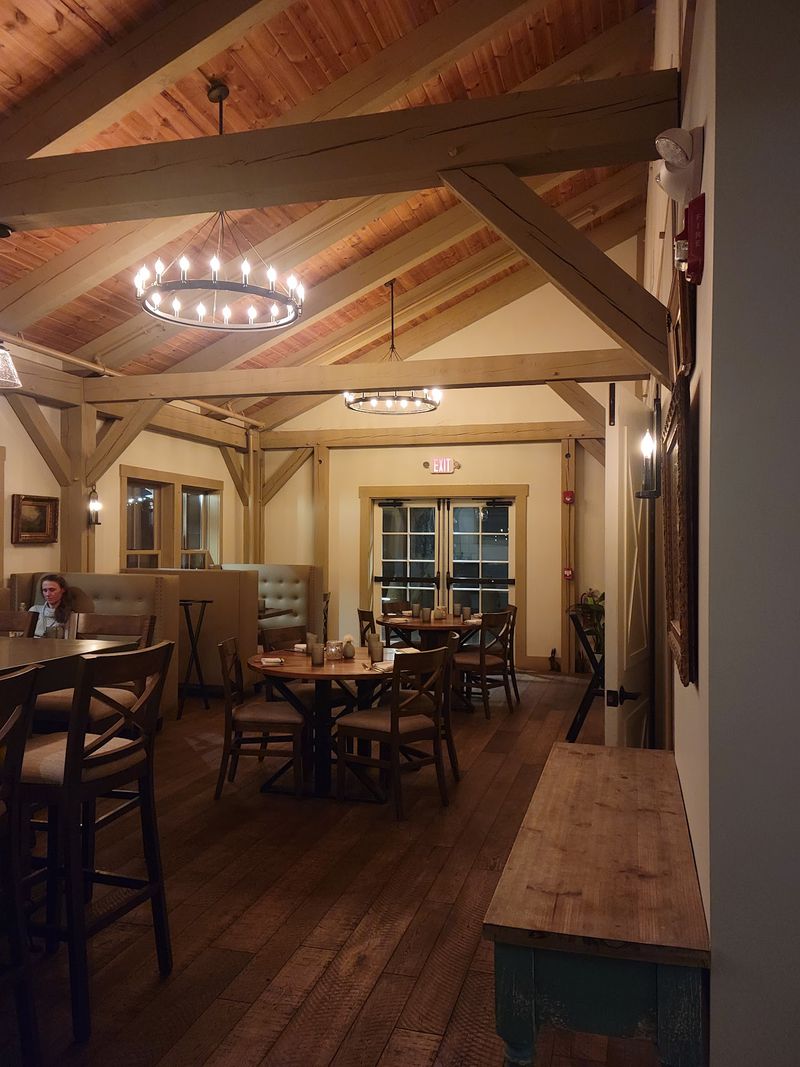
Located in a beautifully designed post-and-beam barn, Grove takes rustic New England architecture and gives it a refined restaurant setting. Natural light, farmhouse tables, multiple bar areas, and outdoor seating make the surroundings part of the experience.
Rowley sits in Massachusetts farm country, and Grove honors that agricultural heritage through thoughtful design. The barn structure provides impressive height and openness that modern buildings struggle to replicate.
Large windows flood the space with daylight, changing the mood from breakfast through dinner as the sun moves across the sky.
Unlike some barn conversions that feel too polished, Grove maintains enough roughness to feel authentic. Exposed wood shows its natural grain and imperfections.
The combination of rustic bones and contemporary comforts creates a balance that appeals to different tastes simultaneously.
Multiple seating options mean you can have different experiences depending on when you visit. The bar areas buzz with energy during evening hours.
Outdoor spaces let diners enjoy New England weather during the brief perfect months. Tables near windows capture views of surrounding fields that remind you this isn’t suburban sprawl but actual countryside worth preserving.
Boston Sail Loft – Boston
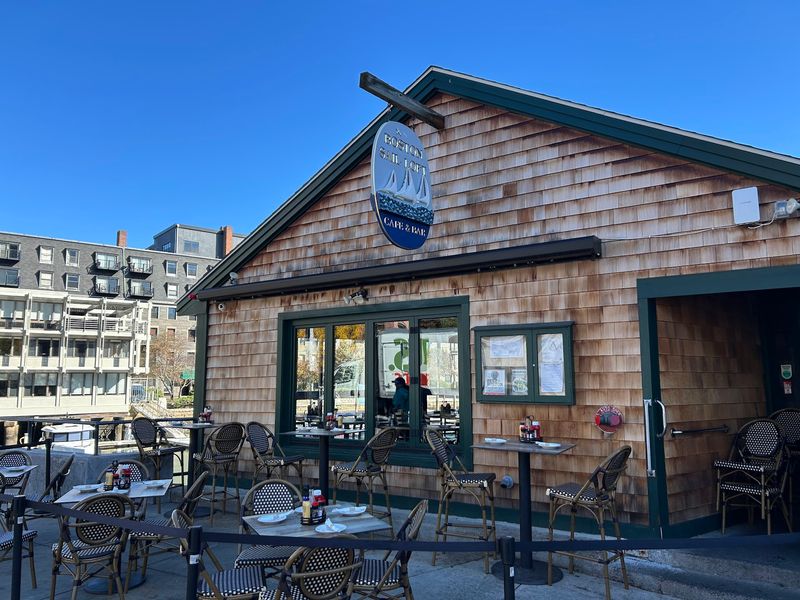
This waterfront favorite puts diners right beside Boston Harbor, giving the meal a breezy maritime backdrop. It’s a great choice for showing that an impressive atmosphere doesn’t have to mean formal dining – sometimes harbor views, boats, and a lively room are enough.
Boston’s relationship with the water defines much of the city’s identity, and eating at the Sail Loft reinforces that connection. Boats bob at nearby docks while seagulls circle overhead hoping for dropped fries.
The smell of salt water mixes with cooking seafood, creating a sensory experience that landlocked restaurants can’t duplicate.
The atmosphere leans casual and welcoming rather than stuffy or pretentious. Families, tourists, and locals all find common ground at tables overlooking the harbor.
During warmer months, outdoor seating becomes prime real estate where you can feel the breeze and watch harbor traffic cruise past.
The location near historic sites means many visitors stumble upon this spot while exploring, but it has earned loyalty beyond convenience through consistent quality. Harbor views provide natural entertainment that makes waiting for food more enjoyable and turns ordinary meals into memorable experiences worth photographing.
Pier 6 – Charlestown
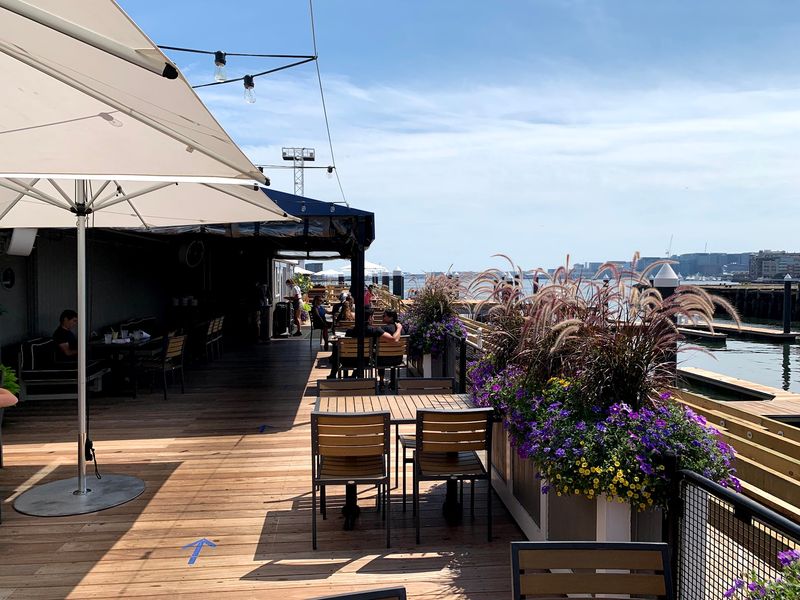
Pier 6 has one of the city’s most striking settings, with views across the harbor toward the USS Constitution and Boston skyline. The nautical surroundings give seafood and cocktails an unmistakable coastal-Boston feel.
Charlestown’s waterfront has transformed dramatically over recent decades, and Pier 6 represents the modern evolution of harbor dining. Floor-to-ceiling windows maximize the views, making the water and skyline feel like part of the dining room itself.
During sunset hours, the changing light creates a natural show that rivals any entertainment.
The USS Constitution sits nearby, adding historical weight to contemporary dining. That ship launched in 1797, creating a timeline that stretches from colonial shipping to today’s pleasure boats and tour vessels.
Watching the harbor reminds you that Boston built its wealth and identity around these waters.
The menu focuses heavily on seafood, which makes perfect sense given the location. Eating lobster or oysters while watching boats navigate the harbor creates a connection between what’s on your plate and where it came from.
The restaurant attracts both tourists seeking Boston’s maritime heritage and locals celebrating occasions that deserve special surroundings.
Union Oyster House – Boston
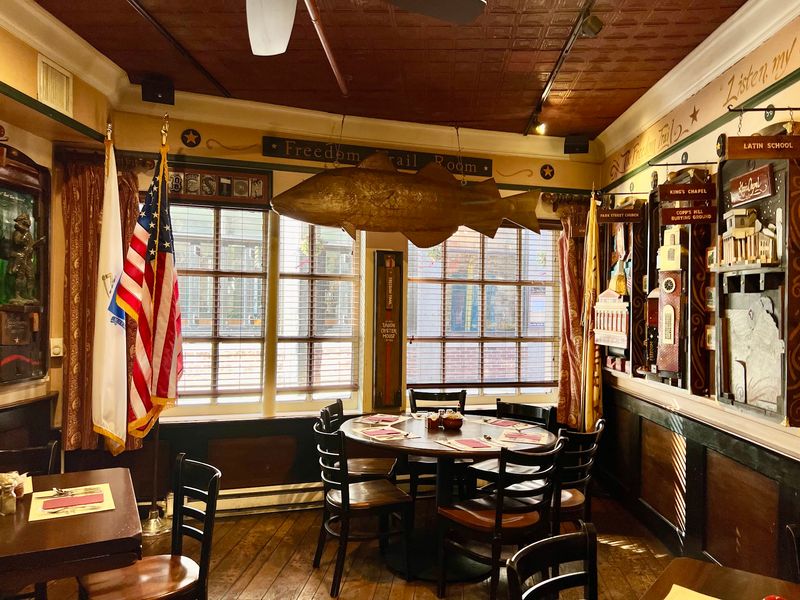
One of Boston’s most historic restaurants, Union Oyster House delivers an atmosphere that’s impossible to replicate in a modern dining room. Its old brick, wood, narrow rooms, and layers of history make the setting a major reason to visit alongside the seafood.
Established in 1826, this restaurant has served customers continuously through nearly two centuries of Boston history. The building itself predates the restaurant, adding even more years to its story.
Narrow staircases, low ceilings, and tight corners reflect older construction standards that modern fire codes would never allow.
The raw bar has achieved legendary status, with shuckers working steadily to keep up with demand for oysters, clams, and other bivalves. Sitting at that curved bar, watching skilled hands open shells, connects you to a tradition that extends back generations.
The restaurant doesn’t just claim history, it wears it in every creaking floorboard and worn surface.
Famous patrons have included presidents, celebrities, and countless ordinary Bostonians who made this place part of their regular routines. That accumulated experience gives the atmosphere depth that new restaurants can’t manufacture regardless of their design budgets or vintage decorating choices.
Warren Tavern – Charlestown
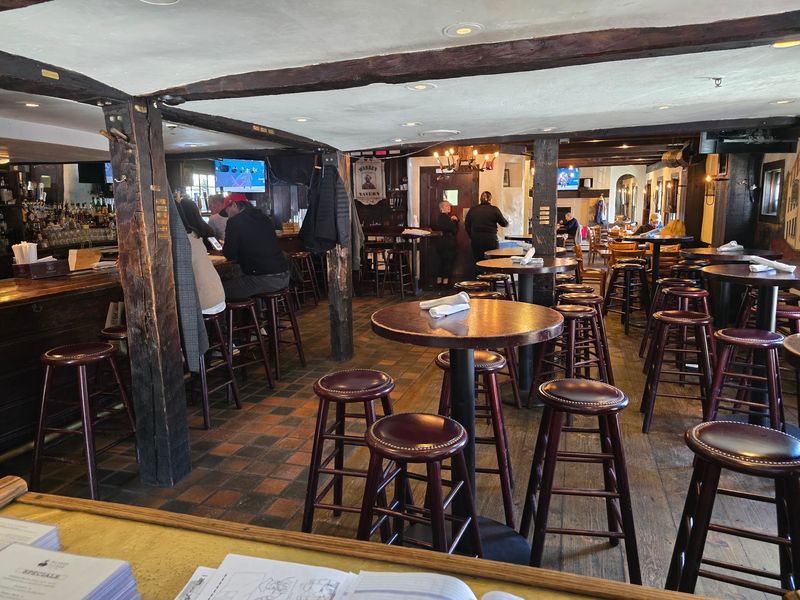
Dating to the 18th century, Warren Tavern gives diners the cozy, lived-in atmosphere of an authentic old Boston pub. Dark wood, historic details, and intimate rooms make it particularly appealing for anyone who wants atmosphere without white-tablecloth formality.
The tavern opened in 1780, making it one of the oldest drinking establishments in Massachusetts. Paul Revere supposedly stopped here, along with George Washington and other historical figures whose names appear in textbooks.
But the space doesn’t feel like a museum. It remains a functioning neighborhood tavern where locals gather alongside history-seeking visitors.
Low ceilings and dark wood create a den-like coziness that makes winter evenings particularly inviting. The narrow rooms and tight corners mean conversations stay private even when the bar fills up.
Charlestown has changed dramatically around this building, but stepping inside means traveling back to an era when taverns served as community centers.
The menu offers elevated pub fare that respects tavern traditions while meeting modern expectations. The combination of historical authenticity and contemporary quality attracts people seeking substance over style.
This isn’t atmosphere as decoration but as the genuine article, maintained through centuries because communities valued keeping these gathering places alive.
Yvonne’s – Boston
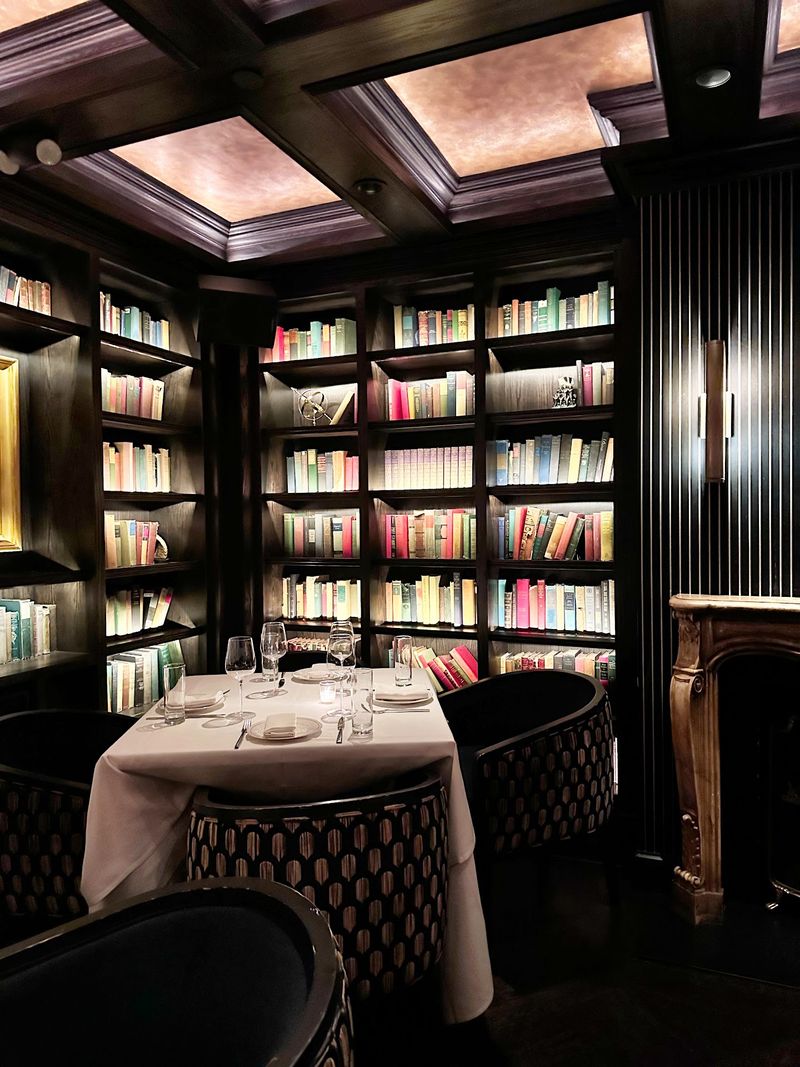
Hidden behind an understated entrance, Yvonne’s transforms a former private dining club into a glamorous, moody restaurant and lounge. Plush interiors, dramatic lighting, and a lively late-night energy make this one of the city’s strongest choices when ambiance is part of the evening.
The space occupies what was once a members-only club, and that exclusive heritage influences the design. Velvet seating, dim lighting, and carefully curated decor create an atmosphere that feels both vintage and current.
The room transitions throughout the evening from dinner destination to cocktail lounge, changing energy as night deepens.
Downtown Boston has plenty of restaurants, but few capture Yvonne’s specific mood. The dramatic lighting casts flattering shadows while candles on tables add warmth to the darkness.
It feels like stepping into another era when supper clubs represented sophisticated nightlife and getting dressed up mattered.
The menu matches the surroundings with creative cocktails and dishes designed for sharing and lingering. This isn’t a place for quick meals but for extended evenings where the atmosphere becomes part of the entertainment.
The combination of excellent food, strong drinks, and seductive design makes occasions feel more memorable than everyday outings.
Gibbet Hill Grill – Groton
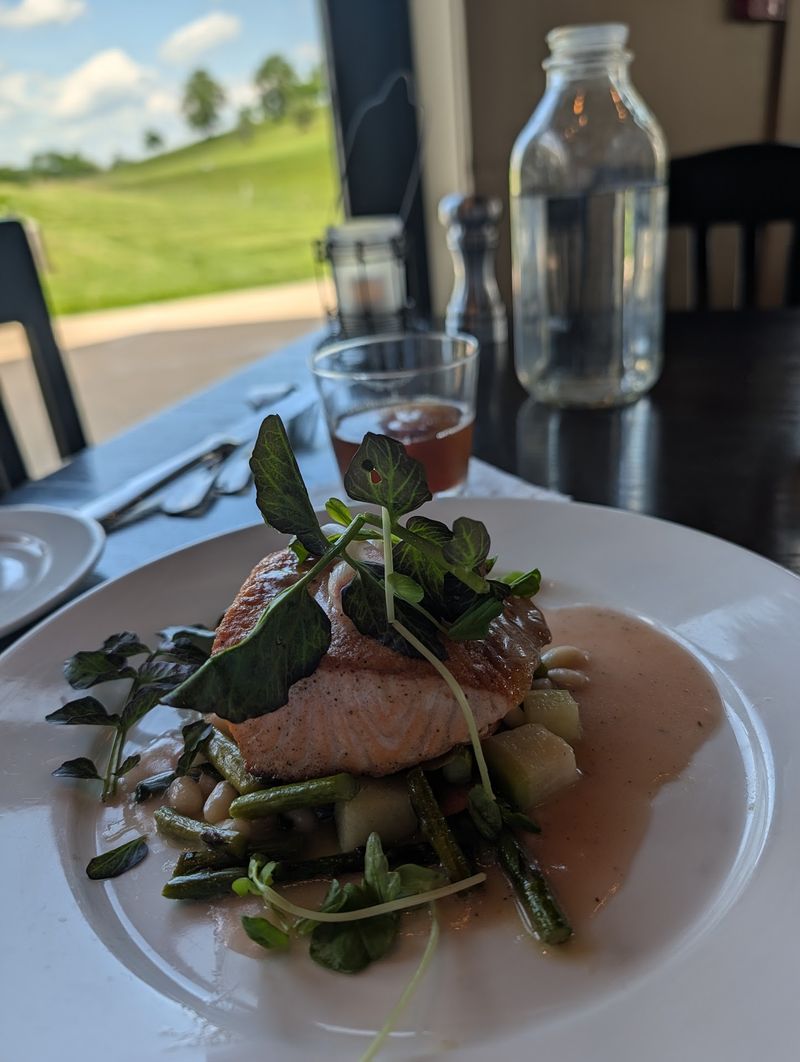
Set amid the Gibbet Hill farm property, this restaurant brings together rustic architecture, pastoral scenery, and a destination-worthy dining experience. The setting gives the meal a strong sense of place that you simply can’t get from a typical suburban restaurant.
The farm connection isn’t marketing spin but operational reality. Gibbet Hill raises cattle and grows produce used in the restaurant’s kitchen, creating a farm-to-table experience that’s literally true.
Looking out the windows means seeing the landscape that supplies your dinner, connecting the food to its source in the most direct way possible.
Groton sits far enough from Boston that the countryside still feels rural and open. Rolling hills, grazing animals, and seasonal changes create a constantly shifting view that makes return visits feel different.
The farmhouse design uses natural materials and large windows to emphasize rather than compete with the surroundings.
Eating here requires some planning since it’s not a spur-of-the-moment neighborhood spot. That intentionality makes meals feel more special.
The drive through rural Massachusetts becomes part of the experience, reminding diners that not everything worth having sits conveniently close to major highways or city centers.
Field & Vine – Somerville
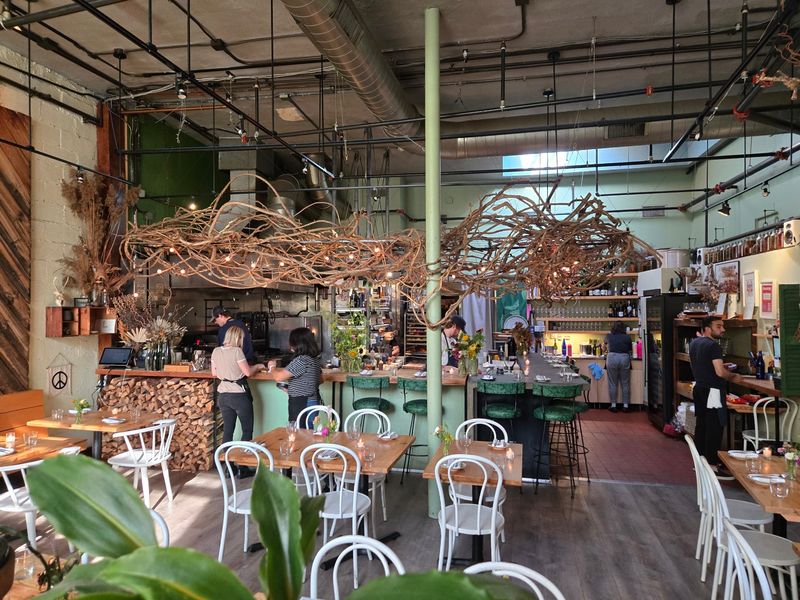
Tucked into a quieter corner of Somerville, Field & Vine offers a more intimate type of atmosphere, with a cozy dining room suited to lingering over shared plates and drinks. It’s a good contemporary counterpoint to the historic inns and waterfront restaurants elsewhere on the list.
The space embraces smaller scale dining where fewer tables mean more attention and a neighborhood feel that large restaurants can’t replicate. Warm lighting creates pockets of intimacy even when seats fill up.
The design avoids trendy excess, focusing instead on comfortable simplicity that lets food and conversation take center stage.
Somerville has transformed from Boston’s scrappy neighbor into a dining destination itself, and Field & Vine represents that evolution. The restaurant serves creative small plates designed for sharing, encouraging the kind of communal dining that turns meals into social events.
The wine program draws serious attention from people who care about what fills their glasses.
This isn’t about dramatic architecture or centuries of history but rather about creating a welcoming space where people want to spend entire evenings. Sometimes impressive atmosphere means grand gestures, but sometimes it means getting the small details right and making guests feel genuinely welcomed rather than merely served.