Sometimes the best adventures start with a completely wrong search.
We were looking for something totally unrelated when Iowa’s craft schools kept popping up, each one offering a reason to put down the phone and make something with your hands.
Glassblowing, blacksmithing, pottery, woodworking—the rabbit hole got better with every click.
These aren’t just places for seasoned artists. Many welcome curious beginners who have never touched a pottery wheel, swung a hammer, or worked with molten glass before.
And that is what makes them so much fun to discover.
You can walk in expecting a random afternoon and walk out with a handmade piece, a new skill, or a hobby you never saw coming.
Here are 10 Iowa craft schools worth finding.
Villages Folk School – Keosauqua
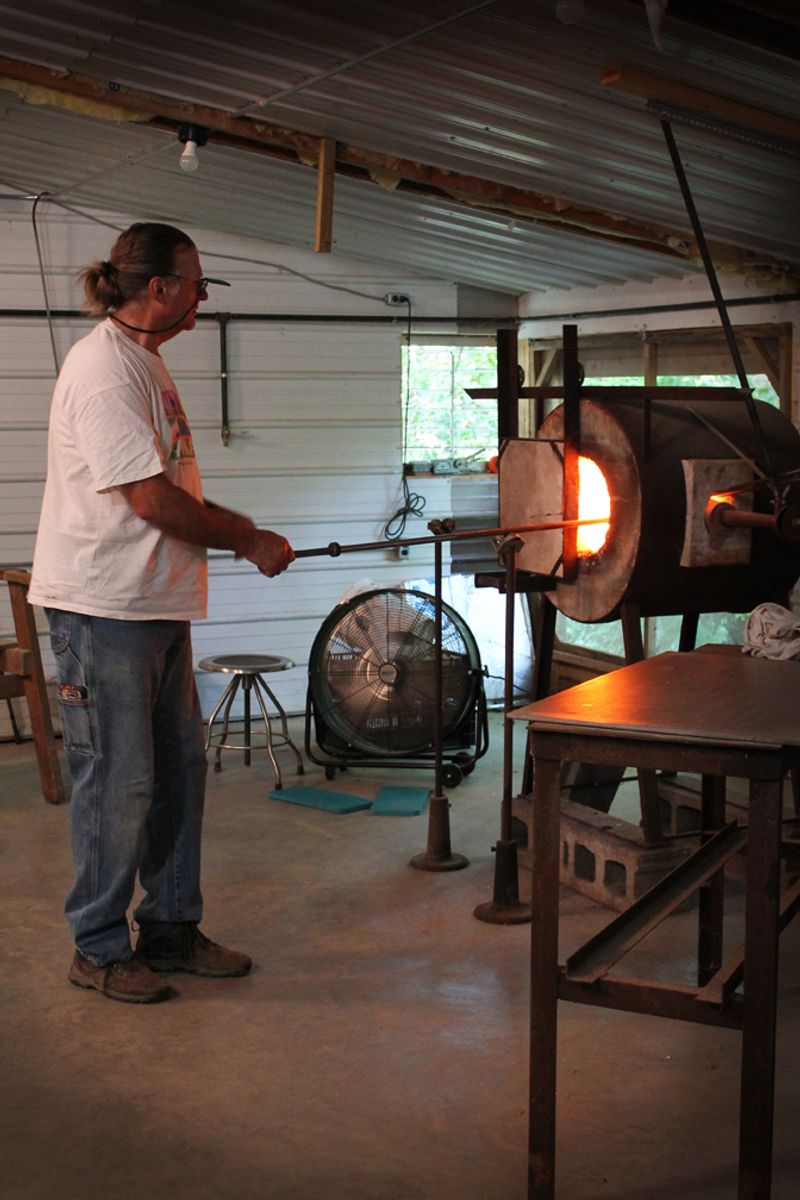
Walking into this place feels like stepping back in time to when people actually made things with their hands instead of ordering them online. The school sits in tiny Keosauqua and offers an astonishing range of traditional craft classes that most modern Americans have never even tried.
Students can choose from blacksmithing sessions where they hammer hot metal into useful objects, pottery workshops that get clay under their fingernails, or glassblowing experiences that involve serious heat and skill. Other classes cover weaving, leatherwork, letterpress printing, natural dye techniques, and woodworking fundamentals.
The instructors know their crafts inside and out, making complex techniques feel approachable for beginners. Class sizes stay small, so everyone gets plenty of individual attention and hands-on time with materials and tools.
Whether you want to forge a knife, throw a bowl, or weave fabric from scratch, this school delivers the real deal without any shortcuts or simplified versions.
Vesterheim Folk Art School – Decorah
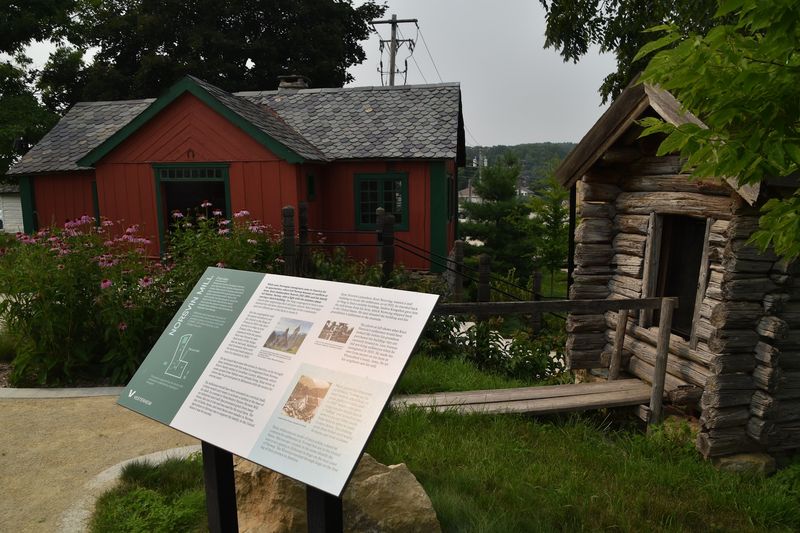
Decorah ranks among Iowa’s prettiest towns, and tucked right into its scenic landscape sits a folk art school dedicated to keeping Scandinavian traditions alive. Vesterheim specializes in Nordic-inspired crafts that connect students to their heritage or introduce them to entirely new cultural techniques.
Beginners find themselves welcomed just as warmly as experienced makers. Classes cover rosemaling (decorative painting), woodcarving, weaving, needle arts, and other traditional Scandinavian skills passed down through generations.
The instructors often come from Norway, Sweden, or Denmark, bringing authentic methods and stories to every lesson.
Anyone looking to try something outside their comfort zone will appreciate how the school balances cultural preservation with creative experimentation. You might start the day knowing nothing about Norwegian woodcarving and finish with a completed project that actually looks good.
The combination of skilled teaching, beautiful surroundings, and fascinating cultural history makes this stop worth the trip, even if Scandinavian heritage is not part of your background.
Iowa Ceramics Center & Glass Studio – Cedar Rapids
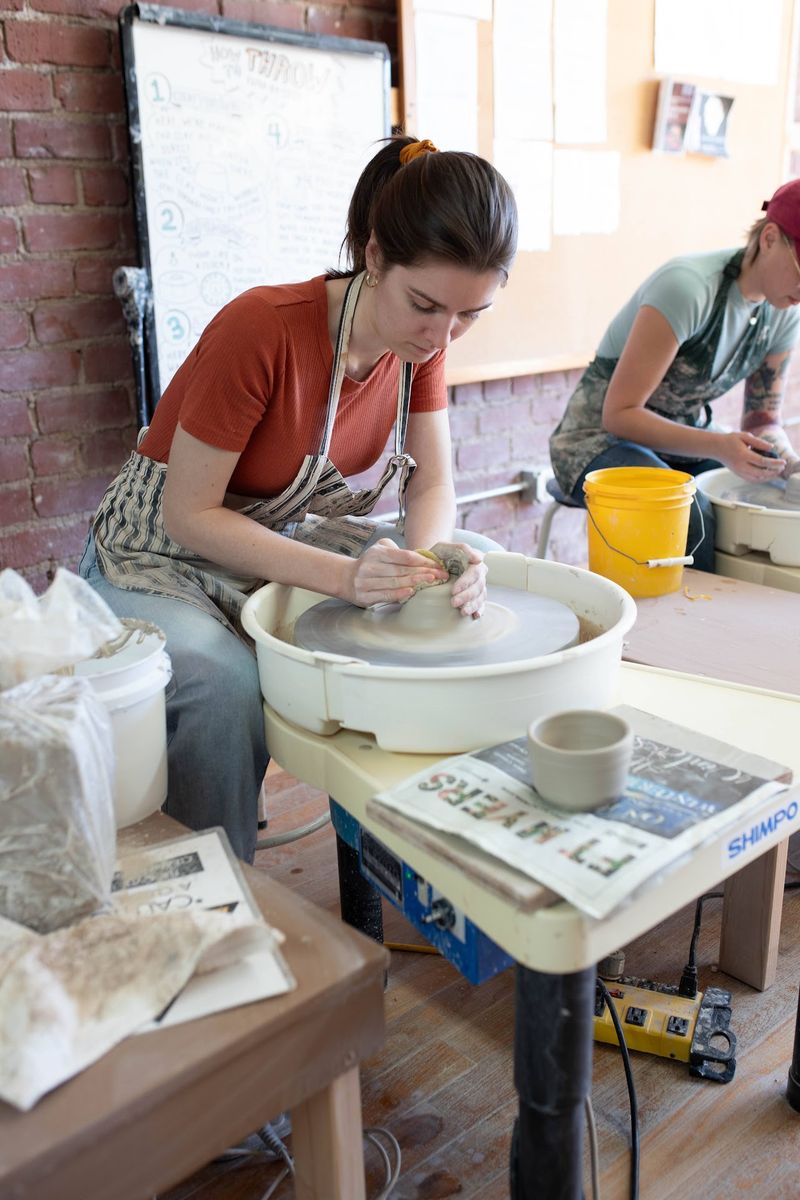
Ever wondered what throwing a pot on a wheel actually feels like, or whether working with glass requires some kind of special talent? This Cedar Rapids center removes the mystery by offering approachable classes that let curious people find out firsthand.
The facility runs multi-week pottery courses where students learn fundamental techniques like centering clay, pulling walls, and trimming finished pieces. Warm-glass classes teach fusing, slumping, and other methods that do not require the extreme heat of traditional glassblowing.
Shorter workshops give visitors a chance to experiment without committing to a full session.
Instructors understand that most students arrive with zero experience, so they structure lessons to build confidence gradually. The studio provides all necessary equipment and materials, which means newcomers can try pottery or glass work without buying expensive tools first.
By the end of even a single workshop, students usually walk away with something they made themselves, plus enough knowledge to decide whether they want to continue exploring the craft.
Beadology Iowa – Iowa City
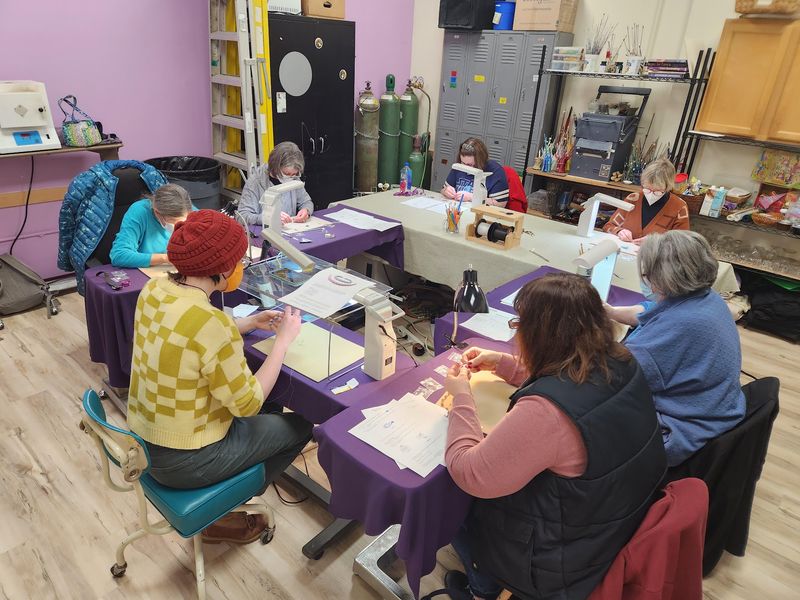
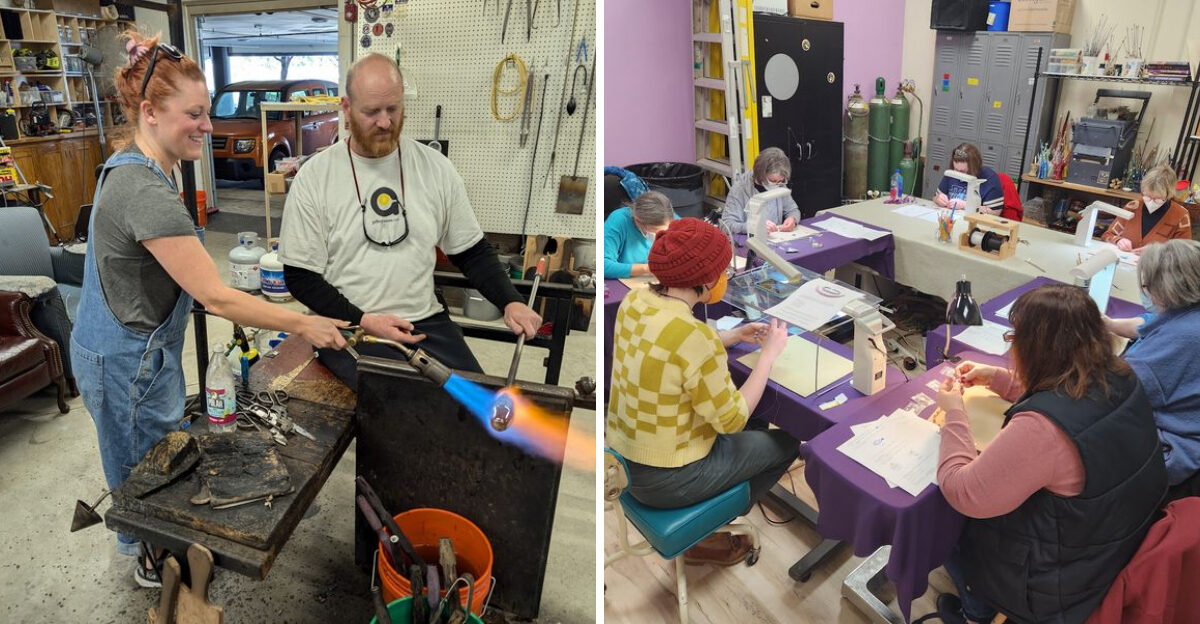
What looks like just another small bead shop turns out to offer way more than supplies for simple bracelets. Beadology Iowa runs hands-on classes in jewelry making, metalworking, lampworking, bead weaving, and other techniques that push beyond basic stringing projects.
Lampworking classes let students melt glass rods with torches to create custom beads in wild colors and patterns. Metalworking sessions teach soldering, texturing, and forming metal into professional-looking jewelry components.
Bead weaving courses explore intricate patterns that require patience and precision but produce stunning results.
The instructors clearly love what they do, and their enthusiasm rubs off on students who might have assumed jewelry making meant nothing more than threading beads onto elastic cord. Class sizes stay manageable, so everyone gets help when they need it.
Curious beginners discover plenty of unusual projects to try, and the shop’s extensive supply selection means students can continue experimenting at home after their class ends. It proves that a tiny storefront can hide serious creative potential.
JJ Gaffers – Des Moines
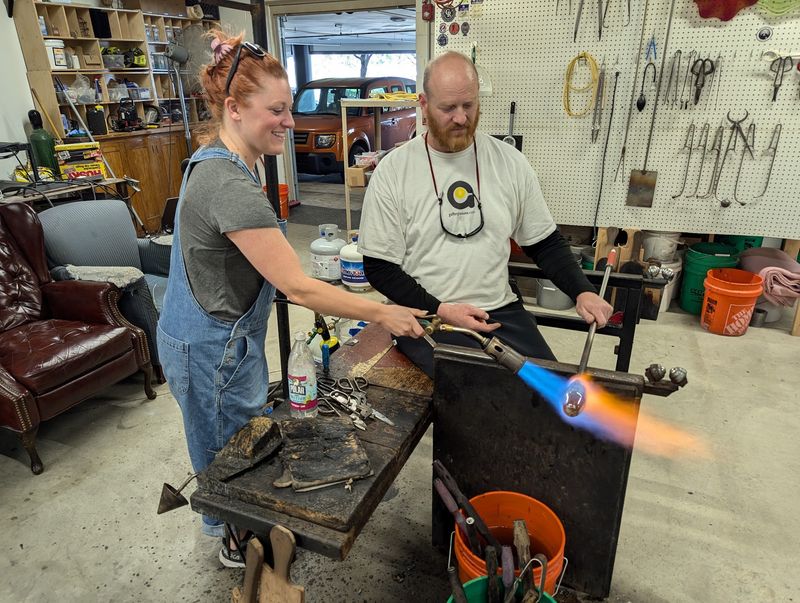
Anyone who thinks craft classes sound boring has obviously never watched molten glass get transformed into functional objects. This glass studio at Mainframe Studios brings heat, drama, and serious skill to the crafting experience.
JJ Gaffers offers glassblowing classes where students learn to gather molten glass on the end of a pipe, shape it using various tools and techniques, and create everything from decorative bowls to drinking glasses. The process involves working with material heated to over 2,000 degrees, which naturally adds excitement and requires focused attention.
Demonstrations show how experienced artists control the glass through precise movements and timing.
Instructors guide students through each step, making sure safety stays the top priority while still letting participants do real glassblowing work. The studio’s professional equipment and setup mean students get an authentic experience, not some watered-down version designed for tourists.
Even watching the process teaches you to appreciate handmade glass objects in a completely new way, and actually trying it yourself creates memories that last way longer than anything you might buy at a store.
Bloom and Bark Glass Blowing Studio & Natural Farm – Keosauqua
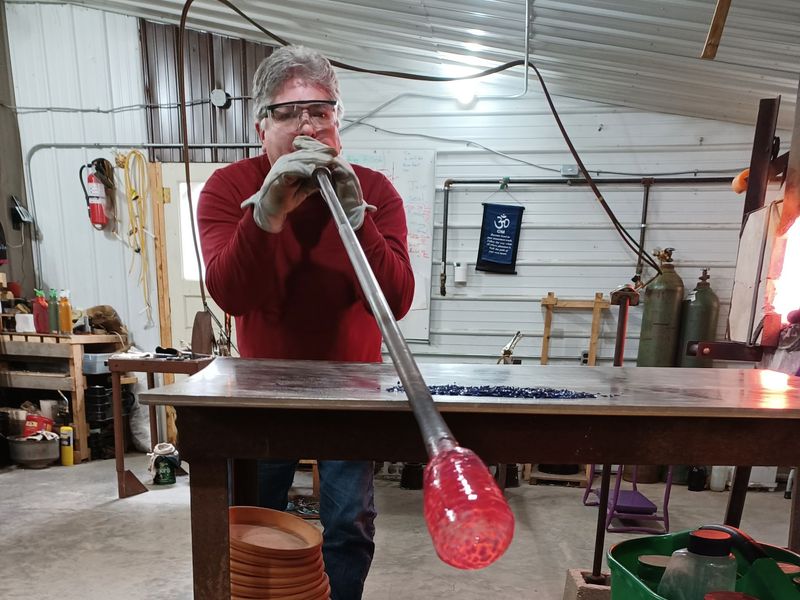
Part working farm, part glass studio, and completely unexpected, this Keosauqua spot delivers one of those experiences you will definitely tell people about later. The combination sounds odd until you visit and realize it actually makes perfect sense.
Bloom and Bark offers hands-on glassblowing experiences that put students directly into the creative process. Unlike demonstrations where you just watch, these sessions let participants work with molten glass themselves, shaping it into finished pieces under expert guidance.
The rural setting adds to the charm, turning what could be a standard craft class into a memorable countryside adventure.
Students leave with glass objects they created with their own hands, plus stories about learning an ancient art form in the middle of Iowa farmland. The instructors balance patience with high standards, helping beginners succeed without lowering expectations.
Farm animals wander nearby while you work with 2,000-degree glass, which somehow feels both surreal and perfectly natural. It proves that Iowa’s craft scene extends well beyond city studios into surprising rural locations.
Amana Arts Guild – Amana
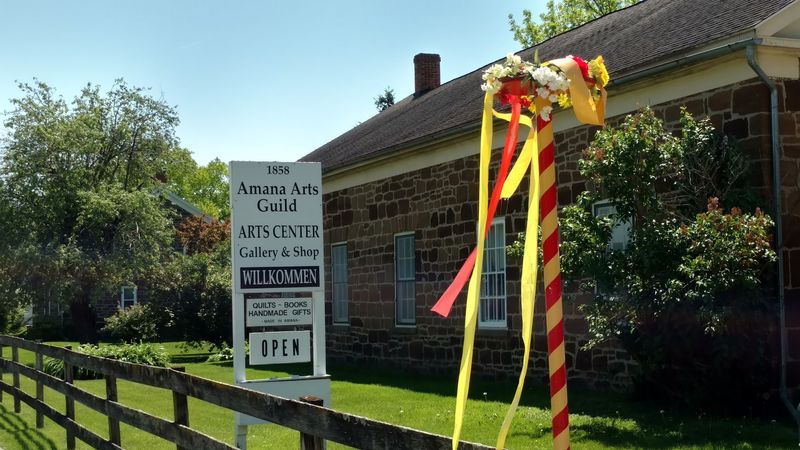
The Amana Colonies already draw visitors interested in history and tradition, but the Arts Guild adds an interactive layer that most tourists miss entirely. Its class offerings change with the seasons, covering crafts you might not expect to find in a small Iowa community.
Students can try blacksmithing and feel the satisfaction of shaping hot metal with hammer and anvil. Basketry classes teach traditional weaving techniques using natural materials.
Tinsmithing, woodworking, and rug weaving sessions connect participants to skills their great-grandparents might have known. Photography and painting courses round out the schedule with more modern creative options.
The guild fits perfectly into this list because it constantly surprises people with its range and authenticity. Instructors often practice these crafts professionally or have studied them for decades, so students learn genuine techniques instead of simplified craft-fair versions.
The historic setting reinforces the connection to traditional skills, while the welcoming atmosphere makes even complicated crafts feel accessible. Whether you live nearby or just pass through the colonies, checking the class schedule might lead to your next favorite hobby.
Des Moines Art Center Art School – Des Moines
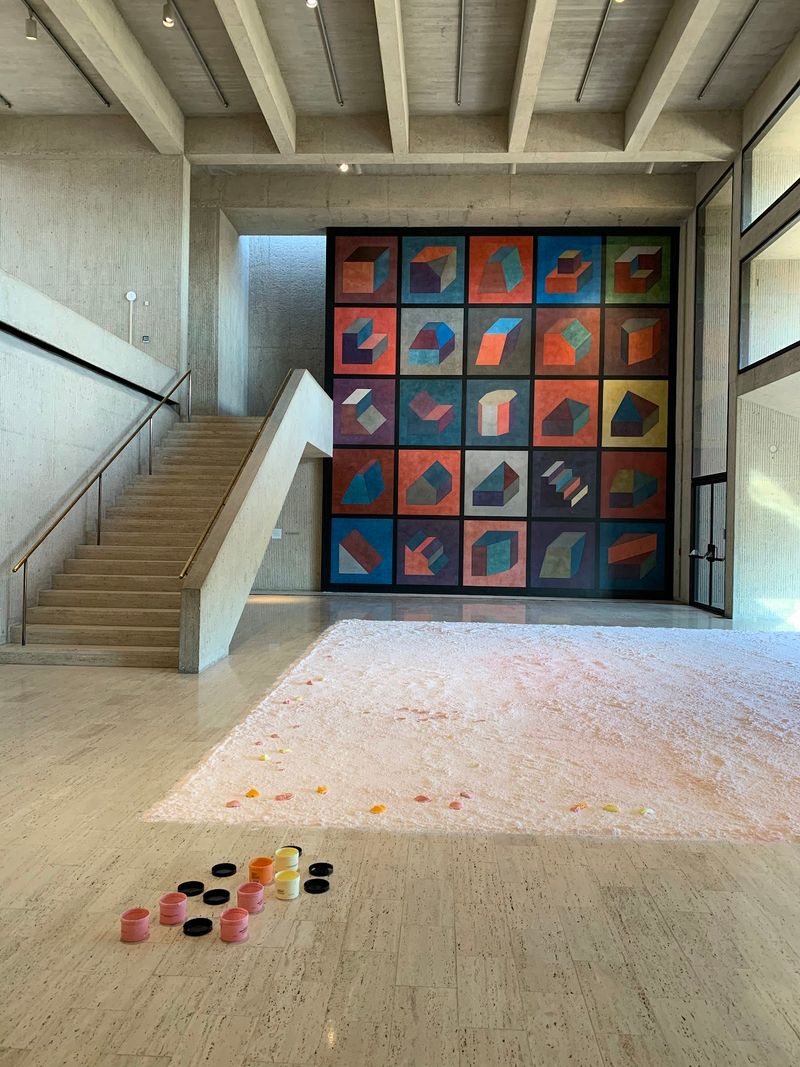
Most people visit the Des Moines Art Center to look at paintings and sculptures, then head home. What they miss are the hands-on studio classes happening in the same building, covering everything from ceramics to metalwork.
The Art School runs courses for adults, teenagers, and younger students, mixing traditional art instruction with craft-focused workshops. Ceramics classes teach wheel throwing, hand-building, and glazing techniques.
Jewelry and metals sessions cover sawing, soldering, and stone setting for creating professional-quality pieces. Printmaking workshops explore etching, screen printing, and other methods.
Calligraphy courses bring historical writing techniques into modern practice.
Instructors balance artistic expression with technical skill-building, so students learn proper methods while developing their own creative voices. The museum setting provides daily inspiration, with world-class art visible just steps away from the studios.
Class schedules accommodate working adults, and the quality of instruction matches what you would find at much more expensive programs. It transforms the art center from a place you visit occasionally into a creative community you can actually join and learn from regularly.
Kunzler Studios and Gallery – West Des Moines
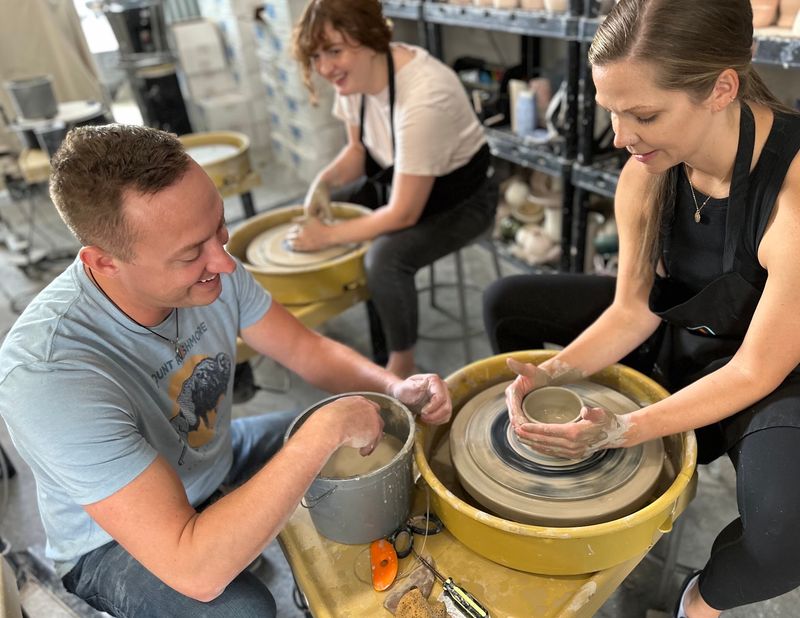
For people seeking a quieter, more focused pottery experience, this West Des Moines studio offers exactly that kind of environment. The emphasis stays firmly on working with clay and developing real skills rather than rushing through trendy projects.
Kunzler Studios teaches fundamental pottery techniques in a setting that encourages concentration and steady progress. Students learn to center clay on the wheel, shape it into functional forms, and understand how different clays and glazes behave.
The studio atmosphere feels professional but welcoming, attracting serious hobbyists and curious beginners alike.
Class sizes remain small, giving everyone ample time with equipment and personal instruction when needed. The gallery component lets students see what skilled potters can achieve, providing both inspiration and realistic goals.
Many students discover that pottery becomes their creative outlet, offering a meditative break from digital screens and office work. The studio proves that traditional crafts still hold appeal for modern people looking for something that feels worlds away from their normal routines.
It delivers hands-on learning without gimmicks or shortcuts.
AR Workshop Ankeny – Ankeny
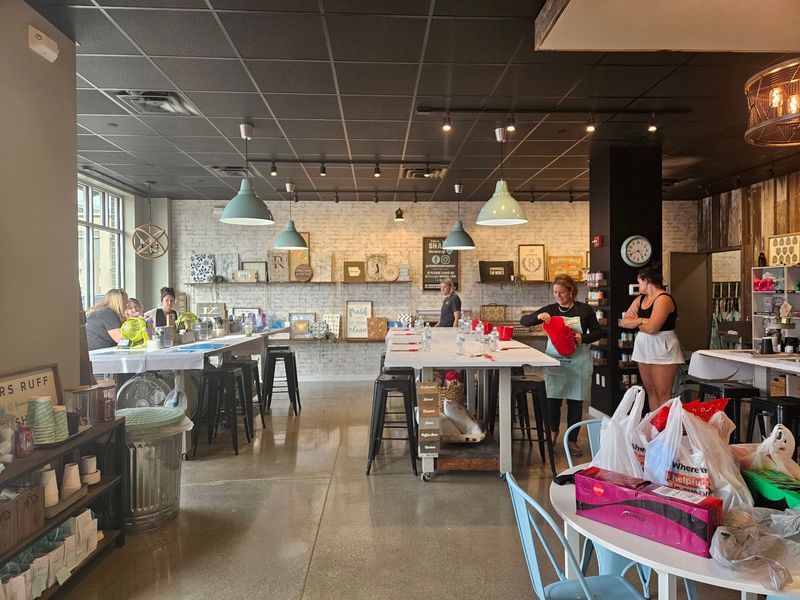
This hands-on DIY studio represents exactly the kind of unexpected discovery that inspired this entire list. AR Workshop Ankeny welcomes complete beginners who simply want to create something with their own hands, no previous experience required.
Instructor-led workshops guide participants through projects like personalized wood signs, canvas paintings, decorative pillows, and other home decor items. Each session includes all necessary materials and tools, plus step-by-step instruction that makes success achievable even for people who claim they are not crafty.
Projects get completed in a single visit, so guests leave with finished pieces ready to display or gift.
The social atmosphere adds to the appeal, with many participants attending as groups or celebrating special occasions. Unlike traditional craft classes that focus on mastering techniques over multiple sessions, these workshops prioritize fun and finished results.
It serves people who want the satisfaction of making something themselves without committing to learning a whole new skill. The approachable format proves that getting creative does not always require weeks of practice or expensive equipment investments.