Forget another afternoon of scrolling—South Carolina has a much better way to spend it.
All across the state, craft schools and hands-on workshops are giving curious visitors a chance to make something with their own two hands.
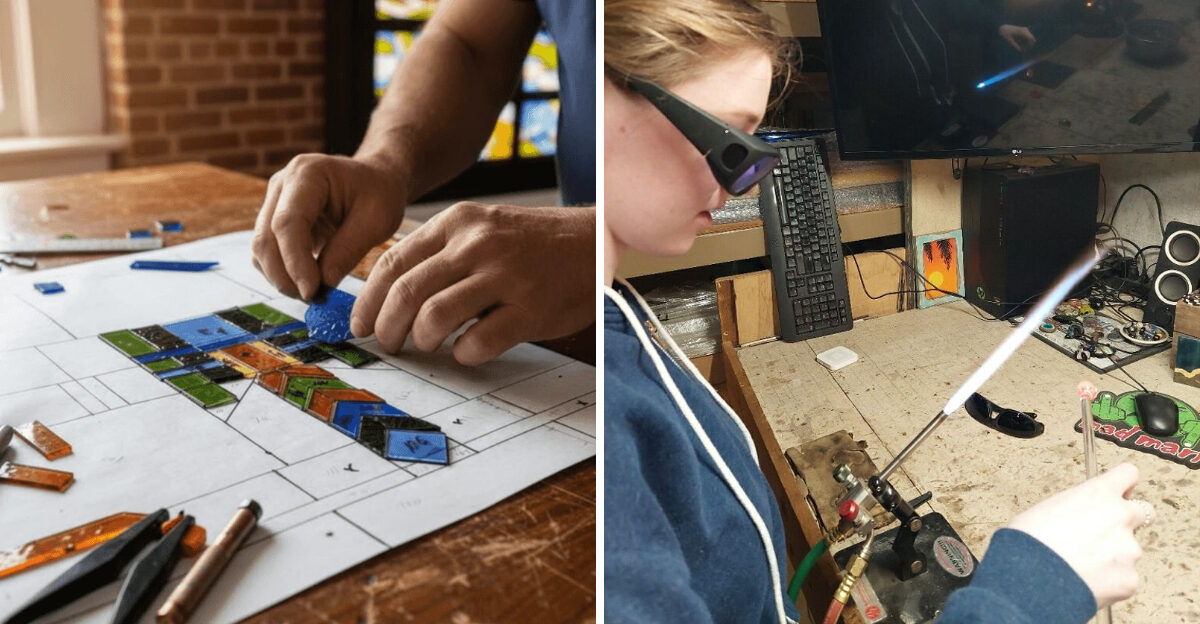
You might heat metal in a blacksmith’s shop, shape clay on a pottery wheel, or watch a glowing piece of glass become something you can take home.
We set out to try ten places where learning a craft is part of the adventure.
Some are tucked inside historic buildings, while others bring traditional skills into modern studios. Each one offers a different kind of escape from the usual weekend routine.
And the best part? You don’t have to be an expert.
Just show up ready to get your hands dirty, learn something new, and maybe discover a hobby you never knew you needed.
Hagood Mill Historic Site – Pickens
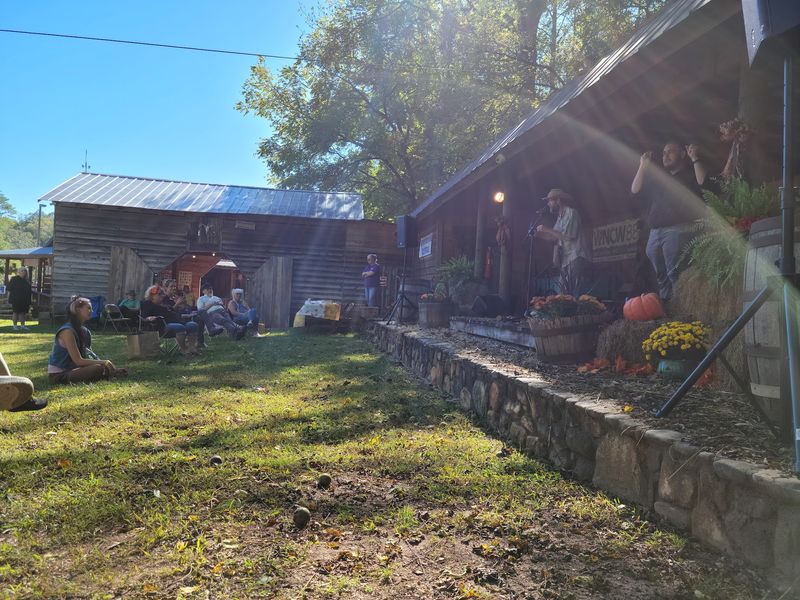
Walking onto the grounds feels like stepping through a portal into the past. The mill’s weathered wood and working water wheel set the stage for something most of us have only seen in history books.
Blacksmithing 101 classes here cover practical fundamentals that metalworkers relied on for centuries. Students learn drawing, tapering, bending, scrolling, and twisting techniques while working with actual forge equipment.
The instructors guide participants through each process step by step, making sure everyone leaves with both knowledge and confidence.
What makes this location particularly special is how the setting reinforces what you’re learning. You’re not just picking up a new skill in some anonymous classroom.
The surrounding historic buildings and demonstrations of other traditional crafts create a full living-history experience that helps visitors understand how these techniques fit into daily life generations ago.
Classes fill up quickly during peak seasons, so planning ahead is smart. The hands-on nature of the instruction means class sizes stay small, giving everyone plenty of individual attention from experienced blacksmiths.
Anderson Arts Center – Anderson
Sometimes you want to try something creative without signing up for an entire semester. That’s exactly what makes the Anderson Arts Center such a practical choice for curious beginners.
Adult workshops here focus on accessible mediums like pottery and printmaking. The instruction style assumes you’re starting from scratch, so previous experience isn’t necessary.
Teachers walk participants through basic techniques, then help them apply those skills to create finished pieces they can actually take home.
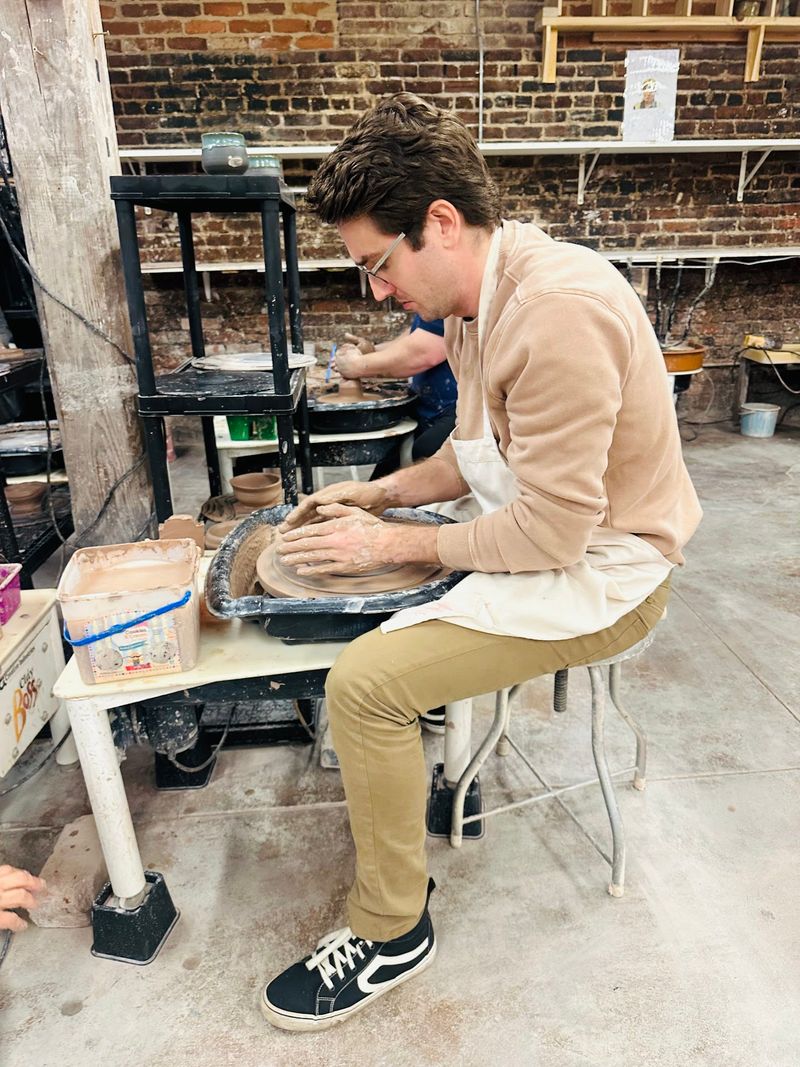
The pottery classes are especially popular because they balance instruction with creative freedom. You’ll learn how to center clay on the wheel, build up the walls of a vessel, and finish pieces properly.
But instructors also encourage personal expression, so your finished bowl or mug reflects your own style.
Printmaking workshops follow a similar approach. Students learn the technical process, then get to experiment with designs and colors.
The center provides all necessary materials and equipment, which removes a major barrier for people who want to explore these crafts without investing in expensive supplies upfront.
School of Mountain Arts & Heritage at Holly Springs Center – Pickens
The acronym SOMAH might not trip off your tongue easily, but the experience here definitely sticks with you. This place brings together an impressive variety of traditional skills under one roof.
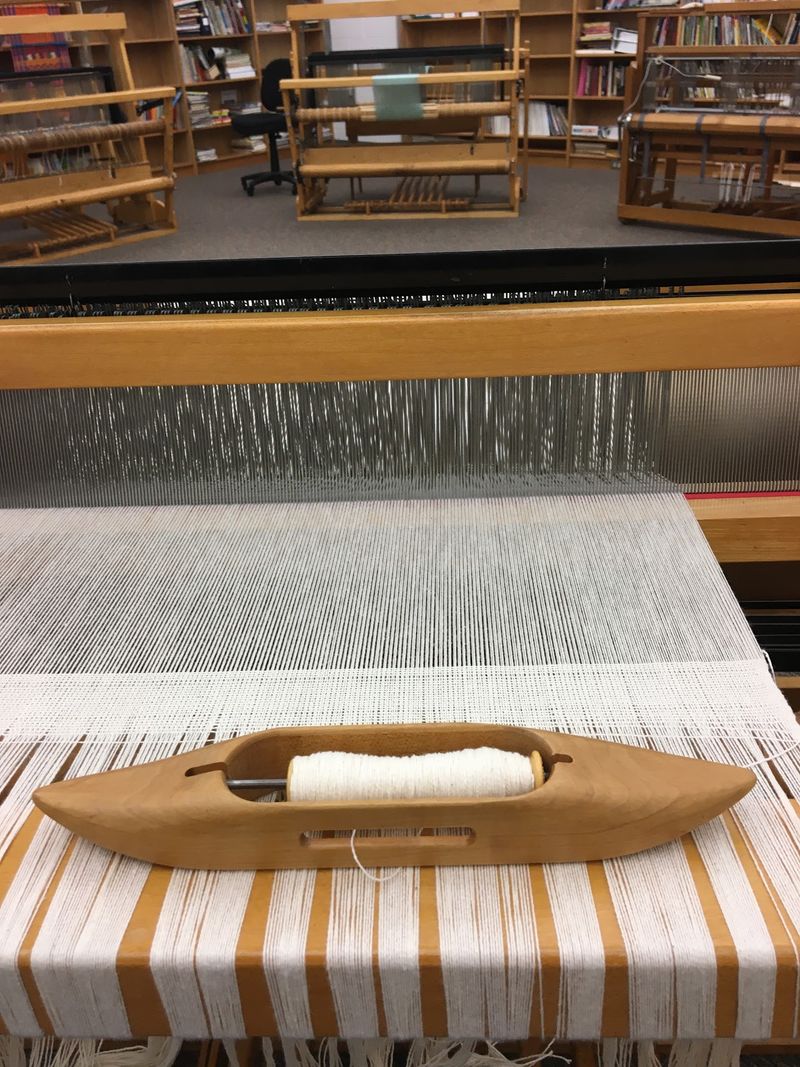
Woodworking, pottery, stained glass, textiles, and visual arts all share space here. The pottery program alone offers both wheel throwing and handbuilding techniques, giving students multiple ways to work with clay.
What really sets SOMAH apart is the open studio option available after you’ve completed introductory classes.
That continuation opportunity means your first class doesn’t have to be a one-time thing. Many students come back regularly to keep practicing and developing their skills.
The open studio access lets you work independently while still having instructor support available when needed.
The mix of crafts also creates an inspiring environment. While you’re working on your pottery piece, someone nearby might be cutting stained glass or weaving at a loom.
Seeing different creative processes happening simultaneously often sparks new ideas and interests you hadn’t considered exploring before.
Greenville Center for Creative Arts – Greenville
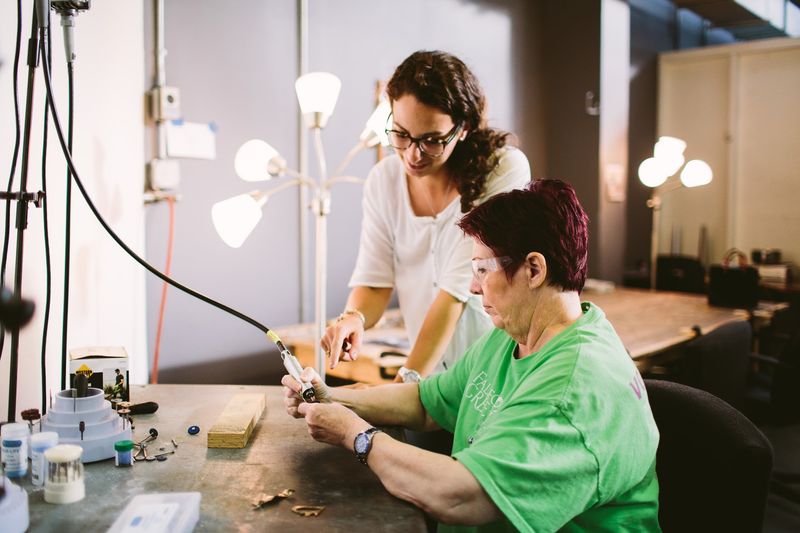
Former schoolhouses have a certain charm that purpose-built facilities can’t quite match. High ceilings, big windows, and rooms that remember decades of learning create an atmosphere that feels both comfortable and inspiring.
This center connects visitors with working artists and local makers who actually practice their crafts professionally. That direct access to experienced creators changes the learning dynamic.
You’re not just following instructions from a manual; you’re picking up techniques and insights from people who use these skills regularly in their own work.
Studio art, painting, drawing, and ceramics form the core offerings. Classes tend to run several hours, giving participants enough time to really get into a project rather than just scratching the surface.
The longer sessions mean you can work through problems, experiment with different approaches, and finish with something substantial.
The versatility here is notable. Whether you want to try wheel-thrown pottery, explore watercolor techniques, or experiment with mixed media, the center provides both instruction and materials.
That variety makes it easy to sample different creative disciplines without committing to specialized equipment or lengthy programs.
The William Felton School of Crafts – Taylors
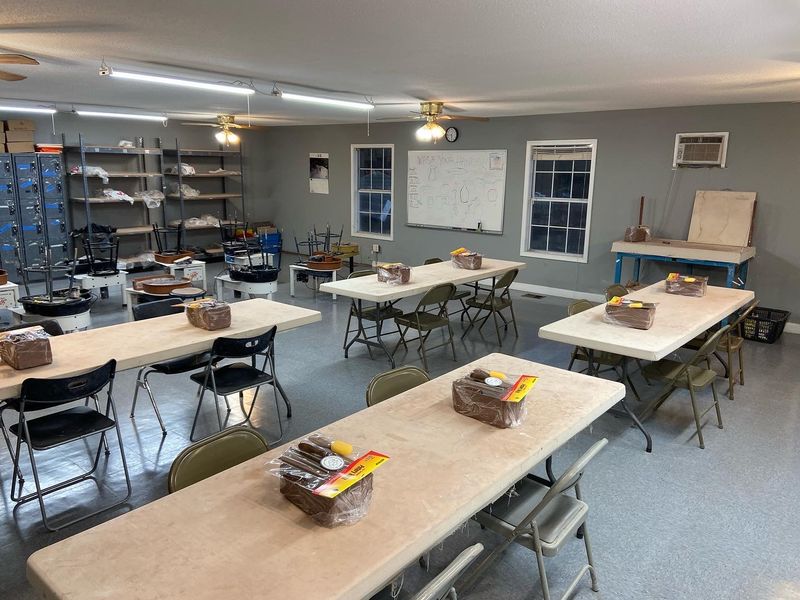
Bigger isn’t always better, especially when you’re trying to learn something new. This smaller craft school proves that focused, personalized instruction often beats sprawling arts complexes.
The intimate setting means class sizes stay manageable. Instructors can give individual attention to each student, answering specific questions and helping troubleshoot when techniques don’t work quite right the first time.
That kind of support makes a real difference when you’re developing unfamiliar skills.
Rather than trying to be everything to everyone, the school concentrates on doing specific creative disciplines really well. The instructor-led approach emphasizes learning through doing, with plenty of hands-on practice built into each session.
Teachers don’t just demonstrate techniques and send you off to figure things out alone; they work alongside students throughout the process.
Many participants appreciate the lack of pressure here. Classes move at a comfortable pace that allows for questions and exploration.
The goal isn’t to rush through material but to make sure everyone understands the fundamentals and feels confident applying them.
One Eared Cow Glass – Columbia
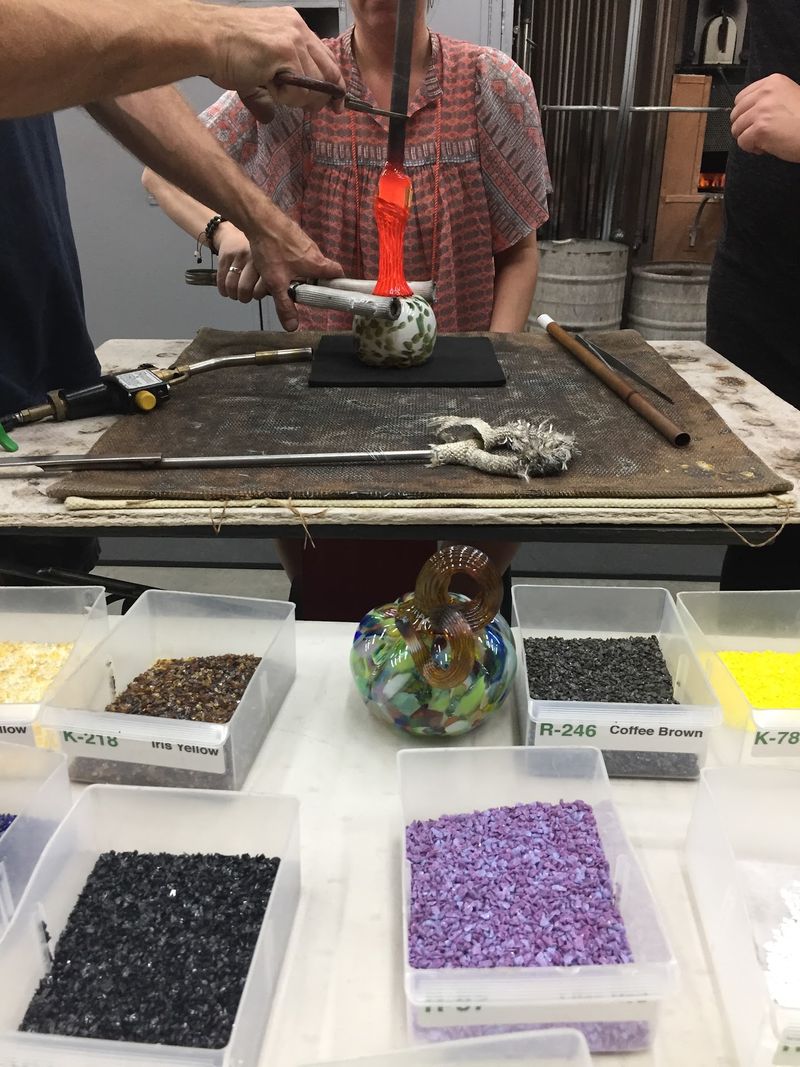
Operating since 1991 gives this studio plenty of credibility in the glassmaking world. More than three decades of experience means the instructors here have taught thousands of students and refined their teaching methods considerably.
Glassblowing involves working with material heated to extreme temperatures, which sounds intimidating at first. The studio handles those concerns by providing thorough safety instruction and maintaining careful supervision throughout each session.
Students learn proper techniques for gathering molten glass, shaping it on the blowpipe, and controlling temperature as they work.
Project options include ornaments, paperweights, pumpkins, and flowers. Each piece teaches different fundamental techniques, so your choice partly depends on which skills you want to learn.
Paperweights, for example, focus on color application and basic shaping, while flowers require more advanced manipulation of heated glass.
Public demonstrations run regularly for visitors who want to watch the process before committing to a class. Seeing experienced glassblowers work helps demystify the craft and shows what’s actually involved.
The visual spectacle of glowing glass being shaped and colored makes these demonstrations entertaining even if you never pick up a blowpipe yourself.
Conway Glass – Conway
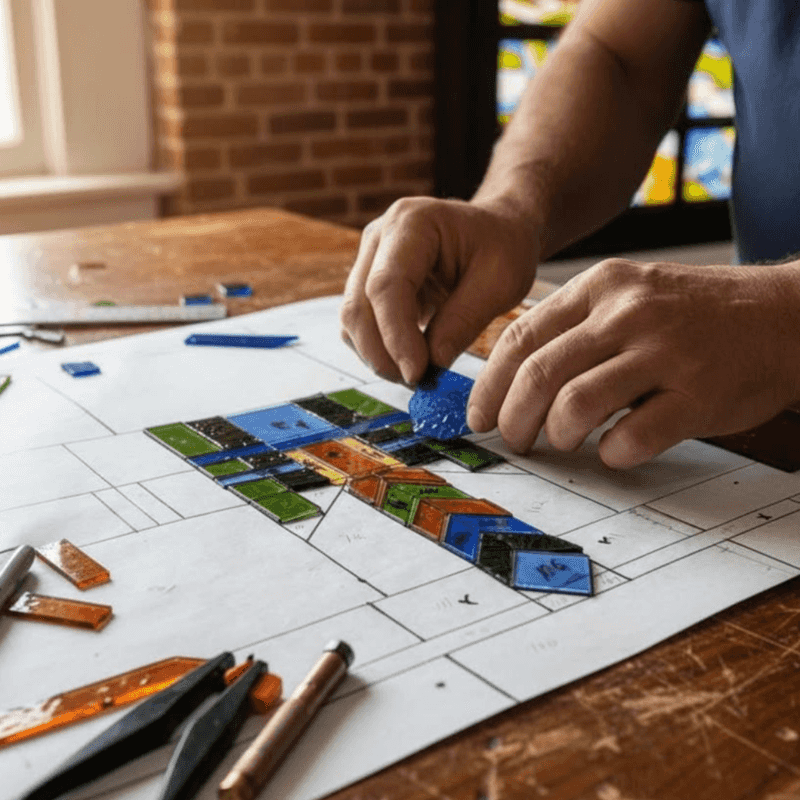
Having both glassblowing and stained glass instruction under one roof creates interesting possibilities. Students can explore different aspects of working with glass without needing to find separate schools for each discipline.
The workshop structure accommodates complete beginners while also welcoming people who’ve taken classes before and want to keep developing their skills. That flexibility means you could start with a one-day glassblowing session to test your interest, then return for stained glass classes later if that appeals to you more.
Glassblowing here follows similar patterns to other studios, with students learning to gather and shape molten glass into functional or decorative objects. Stained glass workshops take a completely different approach, focusing on cutting, grinding, and assembling pieces of colored glass into finished designs.
Both disciplines require precision and patience, but the techniques and tools differ dramatically.
Many participants find that trying both mediums helps them appreciate the versatility of glass as a creative material. The hot, immediate nature of glassblowing contrasts sharply with the careful, measured process of cutting and assembling stained glass.
Each offers its own satisfactions and challenges.
Samson Glass – Myrtle Beach
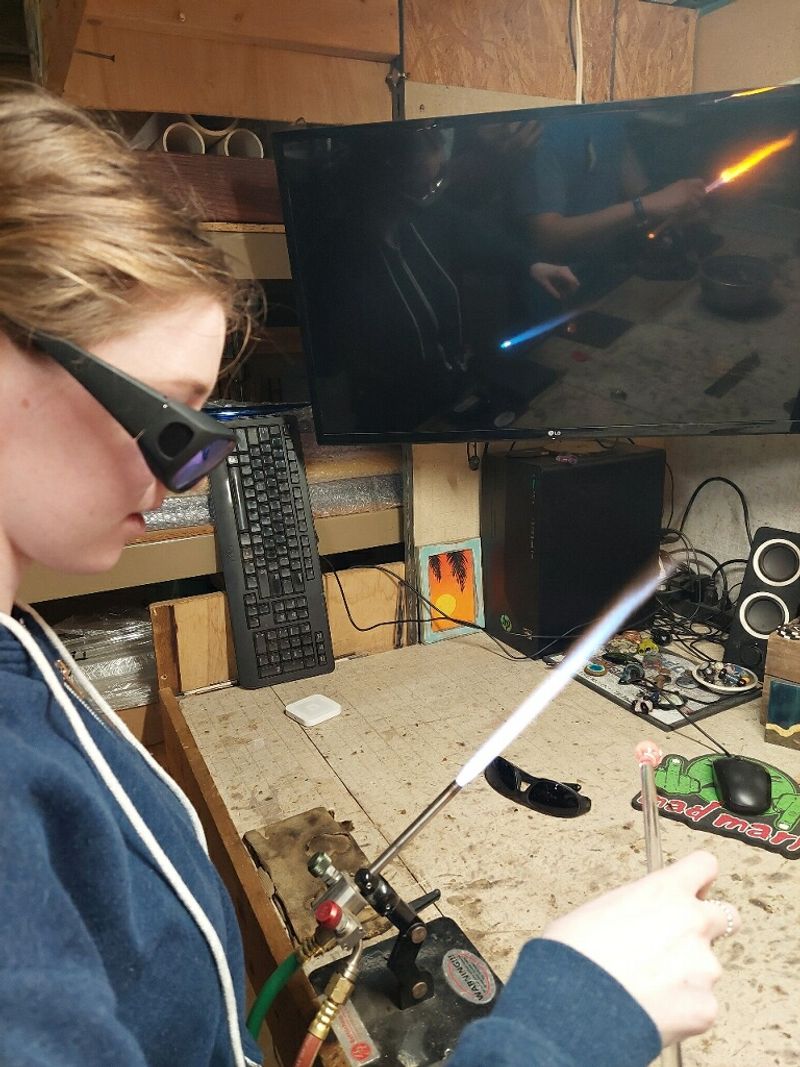
Coastal locations bring their own energy to creative experiences. Salt air, beach atmosphere, and vacation vibes create a setting that feels more relaxed than typical classroom environments.
Flameworking differs from traditional glassblowing in important ways. Instead of working with large furnaces, artists use specialized torches to heat and manipulate smaller glass rods and tubes.
The scale feels more manageable for beginners, and the techniques adapt well to shorter workshop sessions.
Project options like marbles and pendants make perfect sense for this approach. These smaller items can be completed in a single session, giving participants finished pieces to take home without requiring multiple visits.
The pendant workshops prove especially popular because students leave with wearable art they actually created themselves.
The beginner-friendly focus means instructors expect students to arrive with zero experience. Classes start with basic safety protocols and torch operation before moving into shaping and color techniques.
The hands-on nature of the instruction ensures everyone gets comfortable with the equipment and completes at least one successful piece during their session.
South Carolina Artisans Center – Walterboro
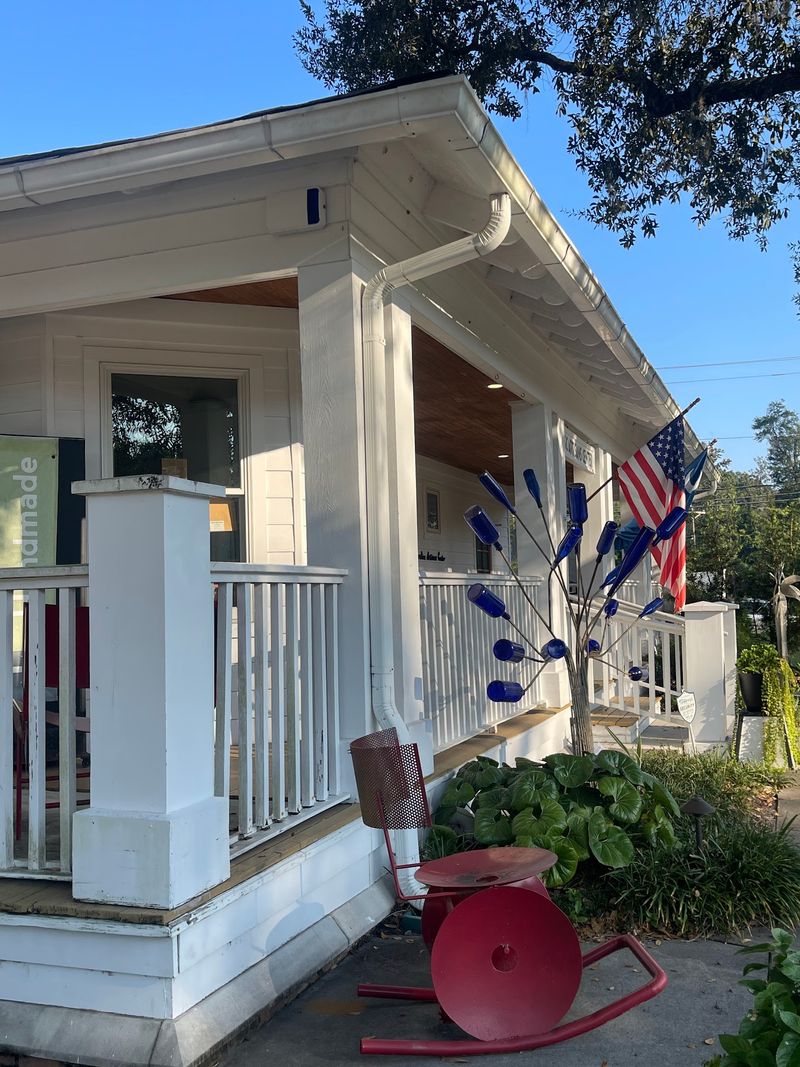
Victorian architecture provides an elegant backdrop for traditional Southern craftsmanship. The restored cottage housing this center adds historical context to the artwork displayed inside.
Work from hundreds of South Carolina artists fills the space, covering an impressive range of disciplines. Pottery, glass, jewelry, fiber arts, woodwork, and sweetgrass baskets all share space here.
That breadth gives visitors a comprehensive overview of the state’s creative traditions and contemporary craft scene.
The center goes beyond simple display, offering hands-on classes and regular craft demonstrations. Watching skilled artisans work provides insights that wall labels can’t match.
You see how sweetgrass basket makers weave their intricate patterns, how potters achieve specific glaze effects, or how woodworkers select and shape their materials.
Classes let curious visitors move from observation to participation. The demonstration element proves particularly valuable because you can watch a technique demonstrated before trying it yourself.
That combination of seeing and doing reinforces learning and helps students understand why certain methods work better than others. The center’s focus on traditional Southern crafts also connects participants to regional heritage and artistic lineages that stretch back generations.
Philip Simmons Artist Blacksmith Guild – North Charleston
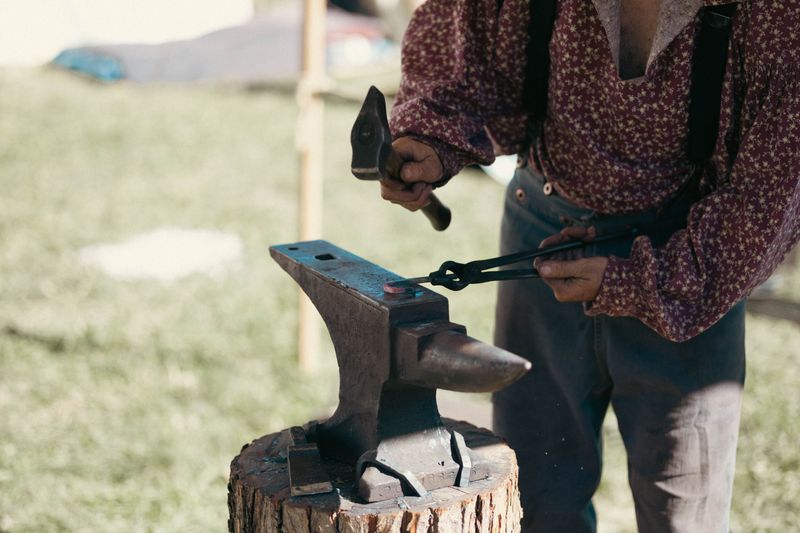
Philip Simmons earned legendary status for his ornamental ironwork throughout Charleston. Gates, railings, and decorative pieces created during his seven-decade career have become iconic examples of traditional Southern metalworking artistry.
The guild established in his name continues that legacy by offering opportunities to learn and practice authentic blacksmithing techniques. This goes far beyond typical beginner workshops.
The focus centers on preserving and passing forward specific skills and aesthetic traditions associated with Lowcountry ironwork.
Students learn how metal responds to heat, how to shape it using traditional tools, and how to create the scrolls, twists, and decorative elements that characterize Charleston-style ironwork. The instruction connects technical skills to cultural heritage, helping participants understand the historical and artistic context of what they’re learning.
For anyone tired of standard painting classes or generic craft workshops, this offers something genuinely distinctive. The combination of traditional metalworking skills and specific regional artistic traditions creates a learning experience that feels both challenging and culturally meaningful.
The Lowcountry connection adds depth that makes the experience memorable long after the metal cools.