A weathered lighthouse, an old mining site, or a quiet trail through a historic landscape can reveal a side of Wisconsin that is easy to miss. Look closely, and the scenery begins to tell stories about the people who lived, worked, traveled, and built communities here long before today’s visitors arrived.
Across Wisconsin, historic parks preserve connections to Native nations, early settlers, miners, lighthouse keepers, and generations of workers. These places pair open landscapes and walking trails with landmarks that give the past a physical presence.
A simple afternoon outdoors can become a chance to understand how the land and its people have changed over time.
We followed local recommendations and found parks where history feels naturally woven into the landscape. Here are 13 historic parks in Wisconsin that locals pointed us toward—and we’re glad they did.
A Walk Through Living History
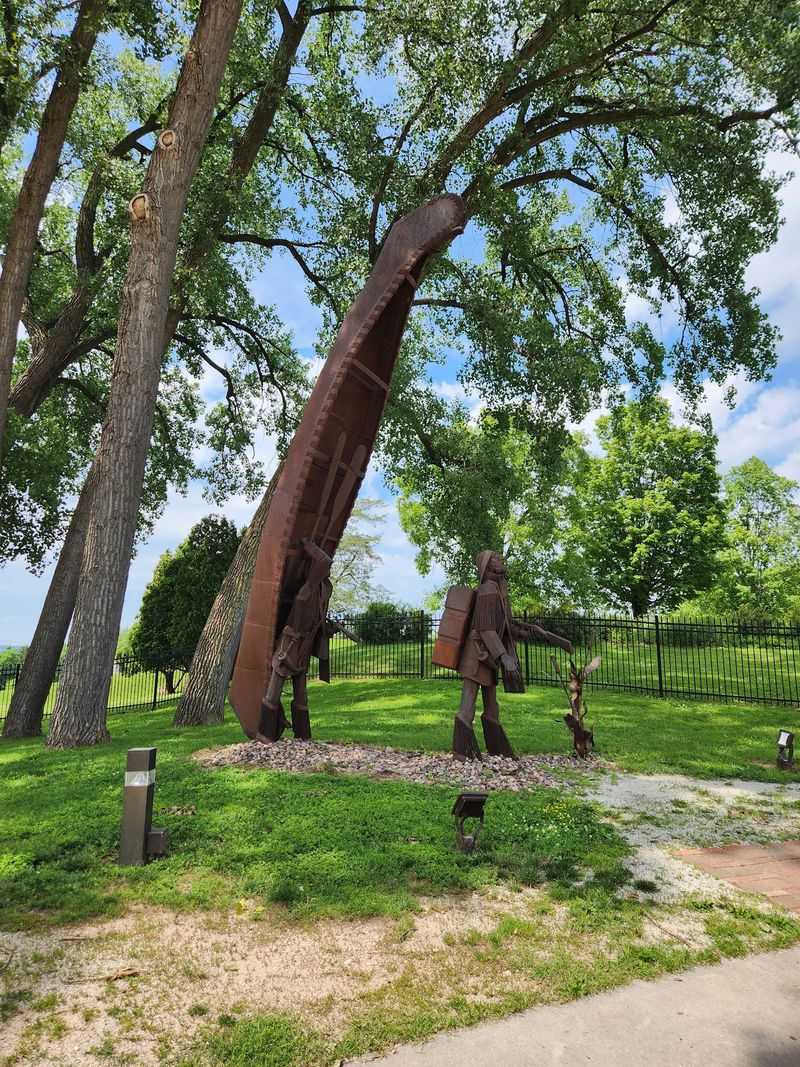
The smell of old wood and fresh grass hits you first, and suddenly the modern world feels far away. A quiet stroll here can turn into a small time trip, with corners that look like they belong to trappers, farmers, teachers, and shopkeepers from another age.
That feeling is exactly why Heritage Hill State Historical Park in Green Bay stays with people. Historic buildings from across northeastern Wisconsin were moved here or preserved on site, creating one walkable landscape that tells stories from the fur trade, early settlement, and the first years of statehood.
One minute you are peeking into a log cabin, and the next you are standing near a church or print shop, imagining the sounds that once filled those rooms. Kids usually enjoy the hands-on feel, while adults tend to notice the details, like tools, furniture, and worn floorboards.
Go with comfortable shoes and a little curiosity. Reading the signs helps, but simply wandering works too, because the park is built to let history feel close, easy, and surprisingly human.
Earthworks Older Than You Expect
At first glance, the wide fields seem calm and simple, but the ground here has been shaped by human hands for centuries. Once you realize that, every rise in the grass feels more meaningful, and the silence starts to feel deep instead of empty.
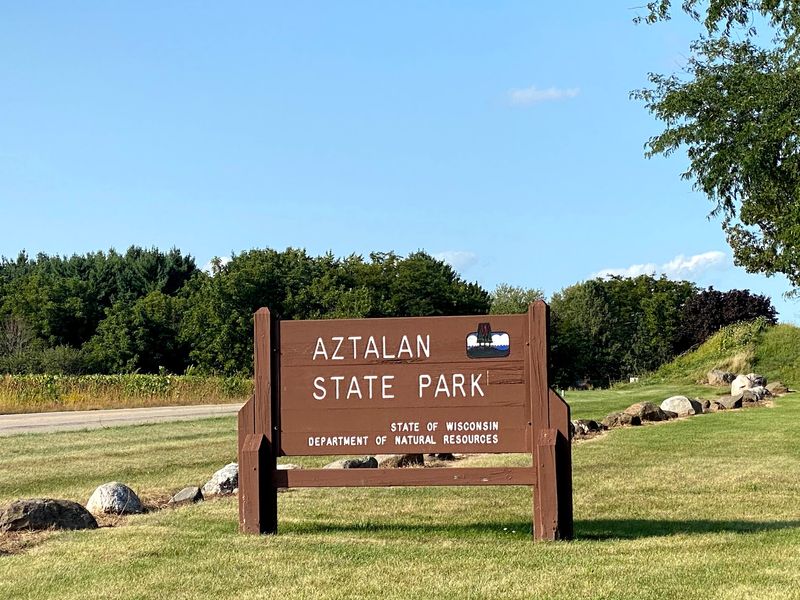
Aztalan State Park near Jefferson protects one of Wisconsin’s most important ancient sites. Long before Wisconsin became a state, this area held a large village with ceremonial mounds, stockade walls, and a community connected to a much bigger world of trade and tradition.
The reconstructed palisade helps visitors picture how the settlement may have looked, and the broad views make it easier to imagine daily life here. Families often bring a picnic, then spend time walking slowly and reading about archaeology, because the story becomes more powerful when you let it sink in.
Try visiting on a mild day when the light stretches across the field. Nothing flashy competes for attention, which is part of the point, because Aztalan quietly reminds you that Wisconsin’s history began long before written records.
Where Wisconsin’s Oldest Stories Rest
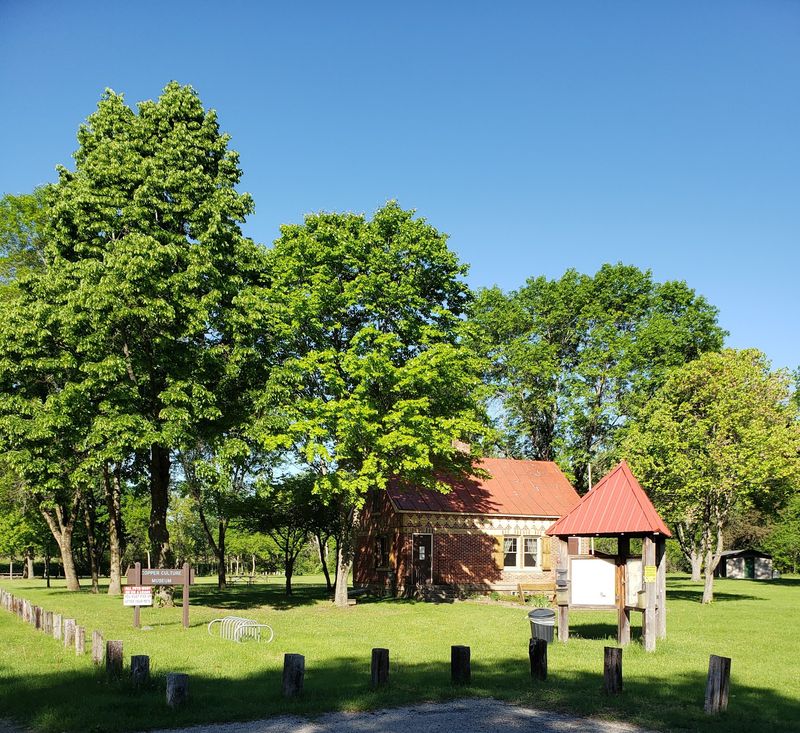
Some places ask you to lower your voice without posting a sign. The stillness here has that kind of pull, and it makes sense once you learn that the land holds one of the oldest known chapters of human life in Wisconsin.
Copper Culture State Park in Oconto protects a prehistoric cemetery linked to the Old Copper Complex. People living here thousands of years ago used copper to make tools and objects, leaving behind evidence of skill, trade, and daily life that still shapes how we understand the region.
The park is not huge, and that works in its favor. Instead of rushing from sight to sight, visitors can spend time with the museum displays, look closely at artifacts, and begin to picture a world that existed long before roads, towns, or state borders appeared.
Bring a thoughtful mood rather than a packed schedule. This is the kind of stop that rewards patience, especially if you enjoy places that feel quiet, respectful, and a little humbling, because the story here reaches back farther than most travelers expect.
Bluffs, Mounds, And A Deeper Past
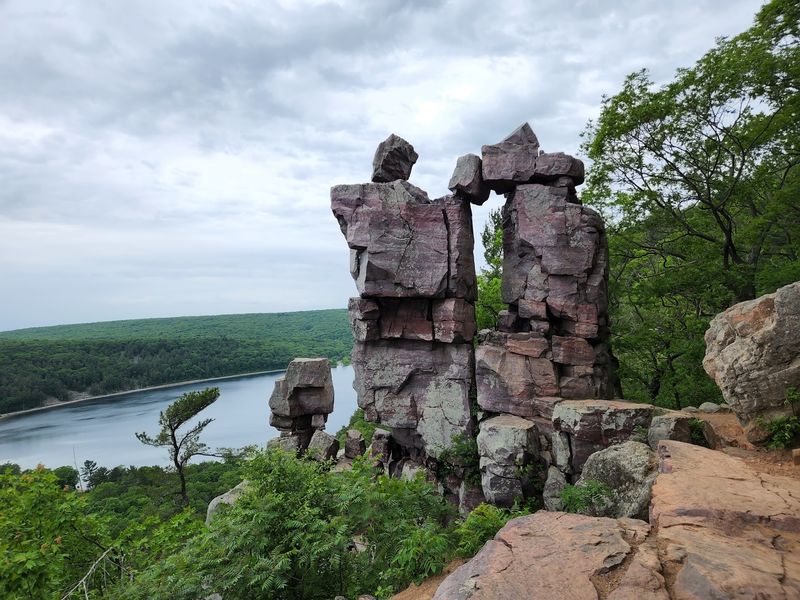
Most people arrive ready for the lake and cliffs, then end up surprised by the older story beneath the scenery. Between the dramatic bluffs and busy beaches, there is a quieter layer of meaning that has been here far longer than the hiking maps.
Devil’s Lake State Park near Baraboo is famous for its views, but its history is just as compelling. The landscape is tied to Ho-Chunk culture and includes ancient effigy and burial mounds, while the park itself became one of Wisconsin’s early state parks in the early twentieth century.
You can also spot the hand of the Civilian Conservation Corps in stone buildings and park features that still shape the visitor experience. That mix of Indigenous history, conservation, and Depression-era work gives the park a rare sense of time stacked in layers.
Start early if you want both the overlooks and the history to sink in. After the morning light hits the water, take a slower trail and read the interpretive signs, because Devil’s Lake rewards visitors who look past the obvious postcard view.
A Lighthouse Above The Bay
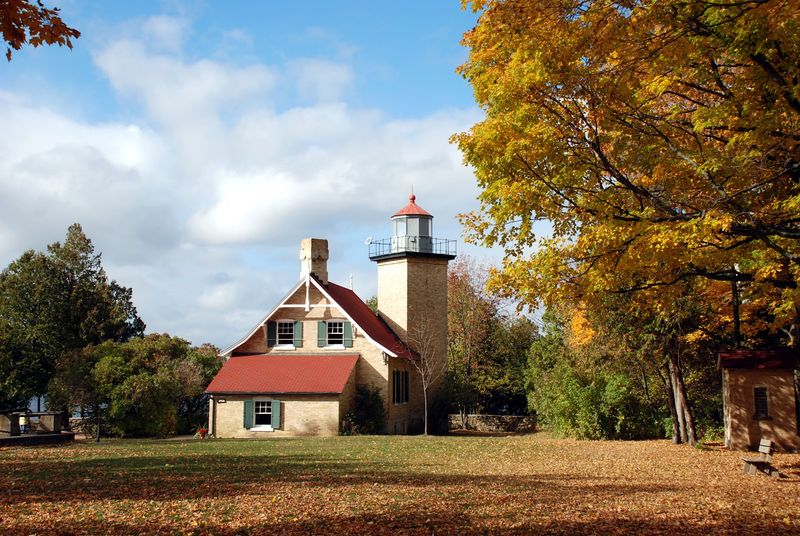
Lake air has a way of sharpening everything, from the smell of pine to the bright line where water meets sky. Up on the bluff, the mood turns almost cinematic, and it is easy to imagine the years when sailors depended on a steady light from shore.
That scene comes alive at Peninsula State Park in Fish Creek, home to the Eagle Bluff Lighthouse. Beyond the famous tower, the park also carries stories of Indigenous presence, pioneer settlement, old fishing communities, logging activity, and the early days of Door County tourism.
One of the best ways to experience the history is to pair a lighthouse visit with a scenic drive or shoreline walk. You may notice old park structures and traces of earlier recreation traditions, including areas shaped during Civilian Conservation Corps projects that helped define the park’s character.
Plan enough time to linger instead of racing to the next viewpoint. A simple stop for a fish boil in town afterward somehow fits the mood, because Peninsula blends local flavor, big views, and a strong feeling that the past still quietly lives here.
The Island That Feels Far Away
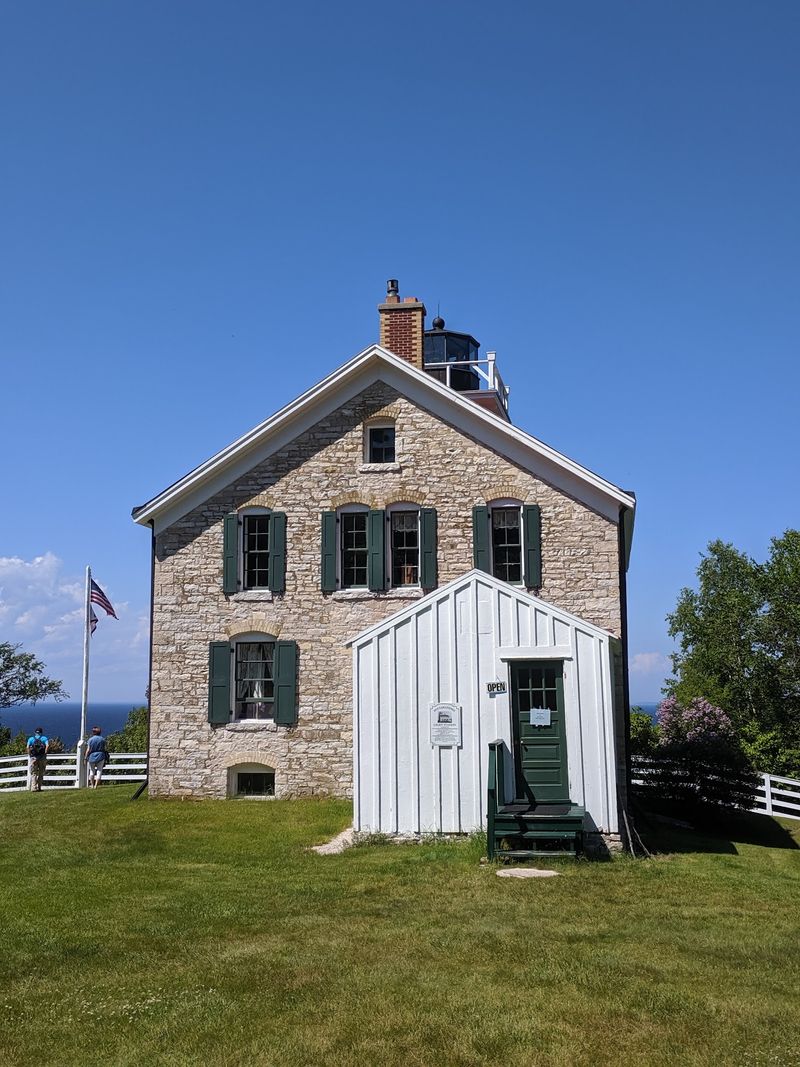
Getting there is part of the magic. By the time the ferry ride is over and the shoreline comes into view, regular routines already feel left behind, which makes the island’s old stories easier to imagine and somehow easier to believe.
Rock Island State Park, off Washington Island, holds some of Wisconsin’s most memorable maritime history. The Pottawatomie Lighthouse stands as the oldest lighthouse in the state, while historic cemeteries and remnants of settlement point to lives shaped by weather, distance, and the demands of Lake Michigan.
There is also the unusual legacy of inventor Chester Thordarson, whose presence adds another layer to the island’s character. Visitors often remember the wind, the stillness, and the feeling that every building and path had to be earned here, not simply placed for convenience.
Pack light, wear sturdy shoes, and give yourself time to look outward as much as inward. Rock Island is worth visiting because the history does not feel separated from the landscape at all.
The water, the isolation, and the past are tied tightly together.
Dunes With Layers Of Memory
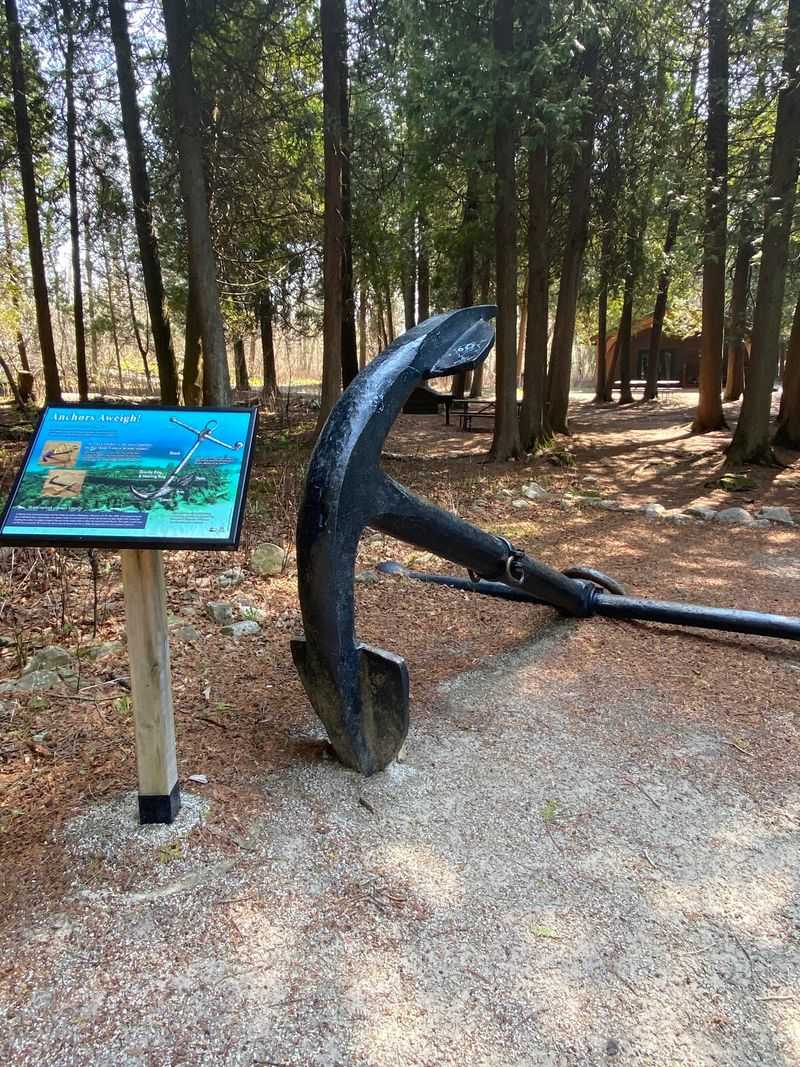
The sand moves, the shoreline shifts, and yet the human story here runs incredibly deep. A walk across these dunes can feel light and breezy on the surface, but the land has preserved traces of many different people who lived, fished, traveled, and adapted here.
Whitefish Dunes State Park near Sturgeon Bay is one of Wisconsin’s richest archaeological landscapes. Evidence from several occupations, stretching from ancient Indigenous communities through the late 1800s, gives the park a layered identity that goes far beyond its striking beach views.
Visitors often come for the tall dunes and cool lake breeze, then find themselves reading about North Bay, Heins Creek, and Oneota connections to the area. Historic fishing operations and stories of shipwrecks in Whitefish Bay add a rugged shoreline chapter that makes the place feel both beautiful and a little haunted.
Try walking slowly along the trails before heading to the water’s edge. The park is especially rewarding if you enjoy scenery with context, because here the landscape is not just pretty.
It acts like a record, holding centuries of life in plain sight.
Clifftop Views And Quarry Echoes
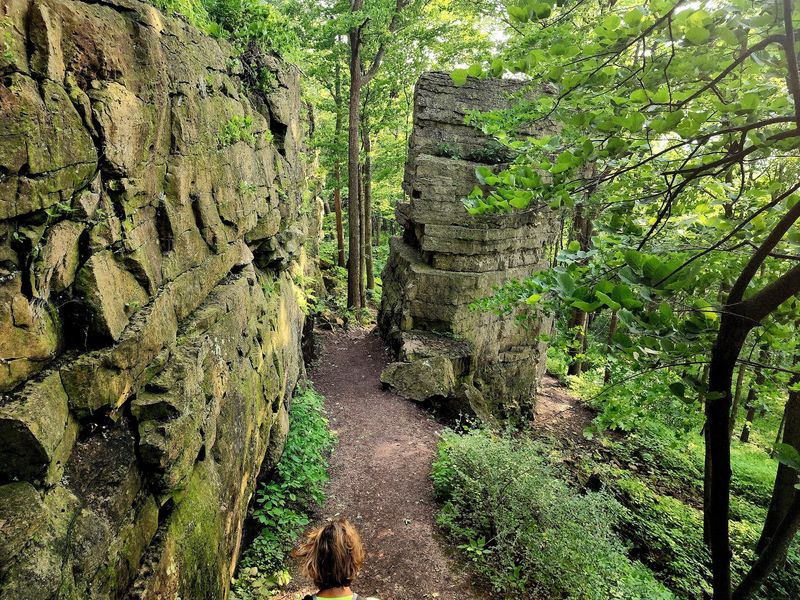
From above, the lake looks calm and wide, almost gentle, but the history on this bluff is anything but simple. Ancient ceremony, hard labor, immigrant life, and industrial ambition all left marks here, which gives the park an energy that feels richer than a typical scenic stop.
High Cliff State Park near Sherwood combines Indigenous and industrial history in a way few places can. The park includes effigy mounds, reminders of a sacred past, along with traces of limestone quarrying, lime kilns, a company town, and an old general store dating to the 1850s.
That contrast is what makes a visit memorable. You can admire the view over Lake Winnebago, then turn around and picture workers hauling stone or families building lives around a demanding industry that once powered local growth.
Good walking shoes help, especially if you want to explore beyond the first overlook. Bring water, take your time, and pay attention to the interpretive stops, because High Cliff works best when you let its stories unfold piece by piece instead of treating it like just another viewpoint.
A Tower Built For Tiny Bullets
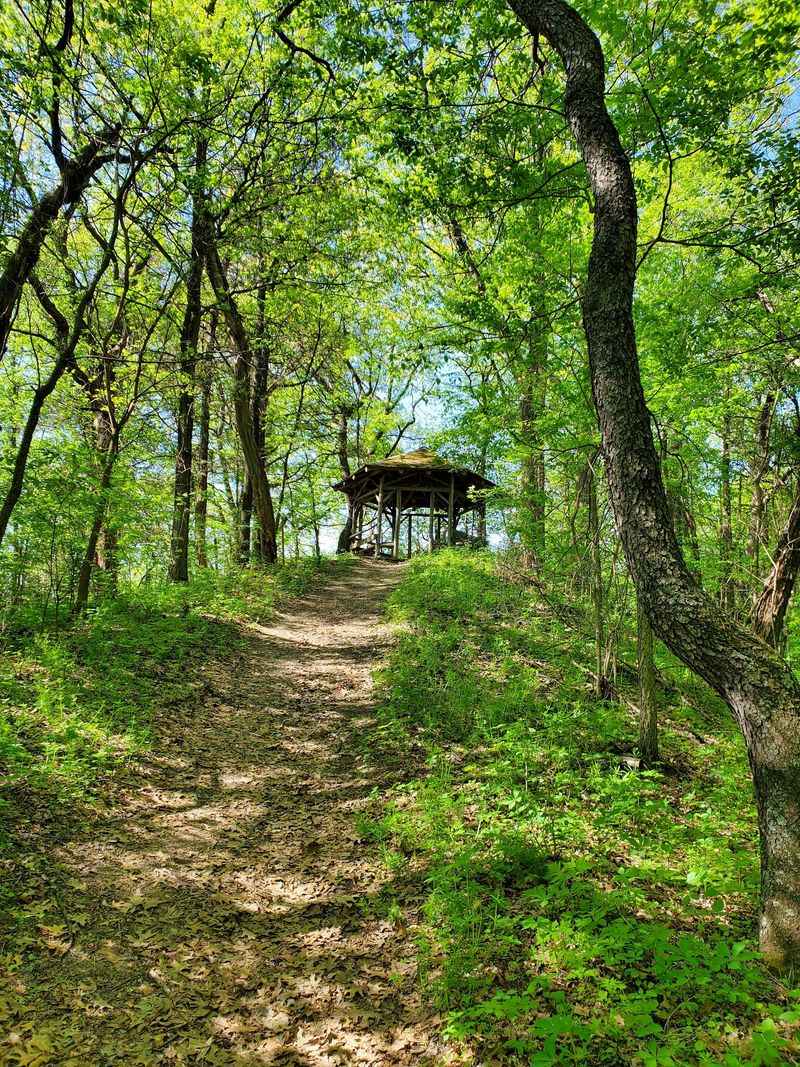
It sounds almost unbelievable at first, like the setup to a frontier science lesson. A tall tower, molten lead, and tiny round shot made by gravity alone is not the kind of story most people expect to find tucked into Wisconsin’s rolling countryside.
That unusual history defines Tower Hill State Park near Spring Green. Its standout landmark is the surviving shot tower from the state’s lead-mining era, where hot lead was dropped down a tall shaft so it could form into smooth pellets before landing in water below.
The engineering is fascinating, but the setting tells an even bigger story. Nearby once stood the village of Helena, tied to a mining boom that shaped the local economy and then faded, leaving behind one of the state’s most distinctive industrial relics.
Come ready to imagine noise, heat, and motion in a place that now feels quiet. If you pair the visit with nearby river views or a stop in Spring Green, the day gains a nice rhythm, but the tower itself is what lingers in memory long after you leave.
Where Wisconsin’s Park Story Began
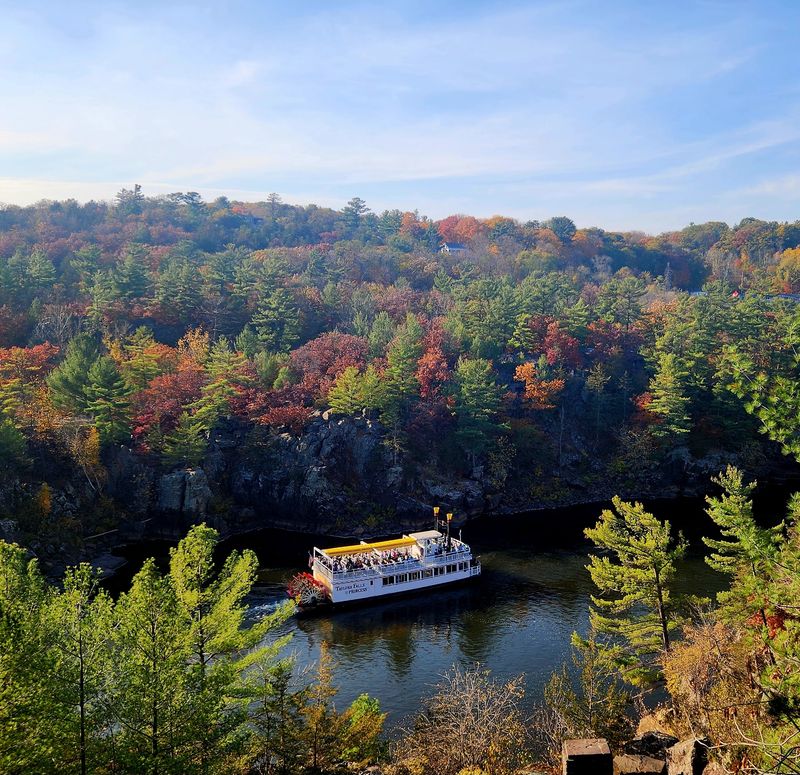
Some places feel important the second you step out of the car. The cliffs are bold, the river moves with purpose, and the whole setting carries the kind of presence that makes you understand why people fought to protect it more than a century ago.
Interstate State Park in St. Croix Falls is Wisconsin’s oldest state park, established in 1900. Set along the Dalles of the St. Croix, it helped launch a broader conservation idea in the state, proving that dramatic landscapes were worth preserving for the public.
The rock formations are the main visual draw, but the history of park-making matters too. Early efforts to save this gorge shaped what Wisconsin’s park system would become, and the Ice Age information adds another layer by explaining the geologic power behind the scenery.
Visit when you have time for both overlooks and context. A quick stop gives you the cliffs, but a slower visit gives you the full story, and that is the real reward here, because Interstate feels like the opening chapter of Wisconsin’s outdoor heritage.
A Governor’s Estate Above The River
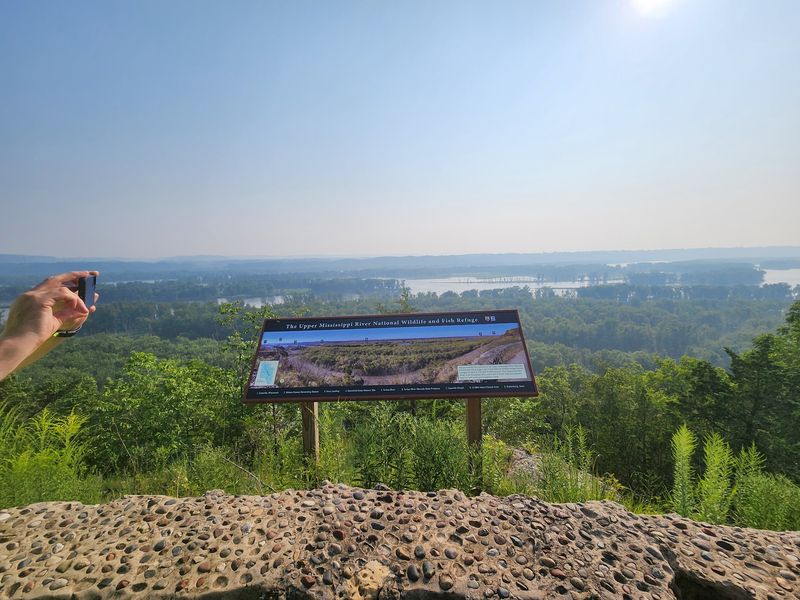
There is something quietly grand about an old estate, especially when open land stretches toward a river valley and the buildings still suggest ambition, status, and everyday work. You do not need to love politics to feel the weight of a life once centered here.
Nelson Dewey State Park near Cassville preserves the Stonefield estate of Wisconsin’s first governor. The Gothic Revival home and surrounding farm buildings reveal how leadership, wealth, and agriculture came together on one property during the nineteenth century.
Walking the grounds gives you more than names and dates. You start to picture carriage traffic, farm routines, and the practical side of maintaining a large rural estate, which makes the governor’s story feel less distant and more tied to real daily life.
Give yourself time to enjoy the overlook as well as the historic features. The Mississippi River views add a calm, sweeping backdrop that suits the place, and the whole experience works best when you treat it like both a landscape and a biography written in stone, wood, and fields.
Two Rivers, Countless Stories
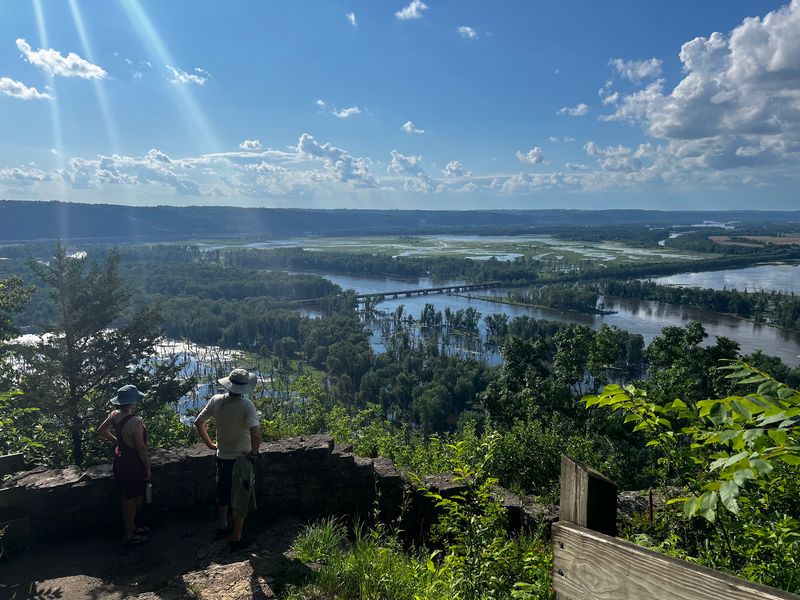
When two big rivers meet, the landscape already feels significant before you learn a single fact. Add high bluffs, old trails, and centuries of human presence, and the place begins to feel less like a park and more like a crossroads of Wisconsin history.
Wyalusing State Park near Bagley carries that kind of depth. Indigenous mound sites connect the area to ancient communities, while later chapters include French exploration, fur trading, early farming, lead-mining influence, and Civilian Conservation Corps work during the Great Depression.
The overlook where the Wisconsin and Mississippi rivers come together is one of those views that makes people stop talking for a minute. Once the scenery pulls you in, the historical context makes the visit even stronger, because you realize many groups were drawn here for practical and cultural reasons.
Sunrise or early evening are especially good times to go. Bring binoculars if you have them, and leave room in your schedule to read the markers, because Wyalusing rewards both the traveler chasing views and the one looking for a fuller sense of place.
Waterfalls With A Logging Past
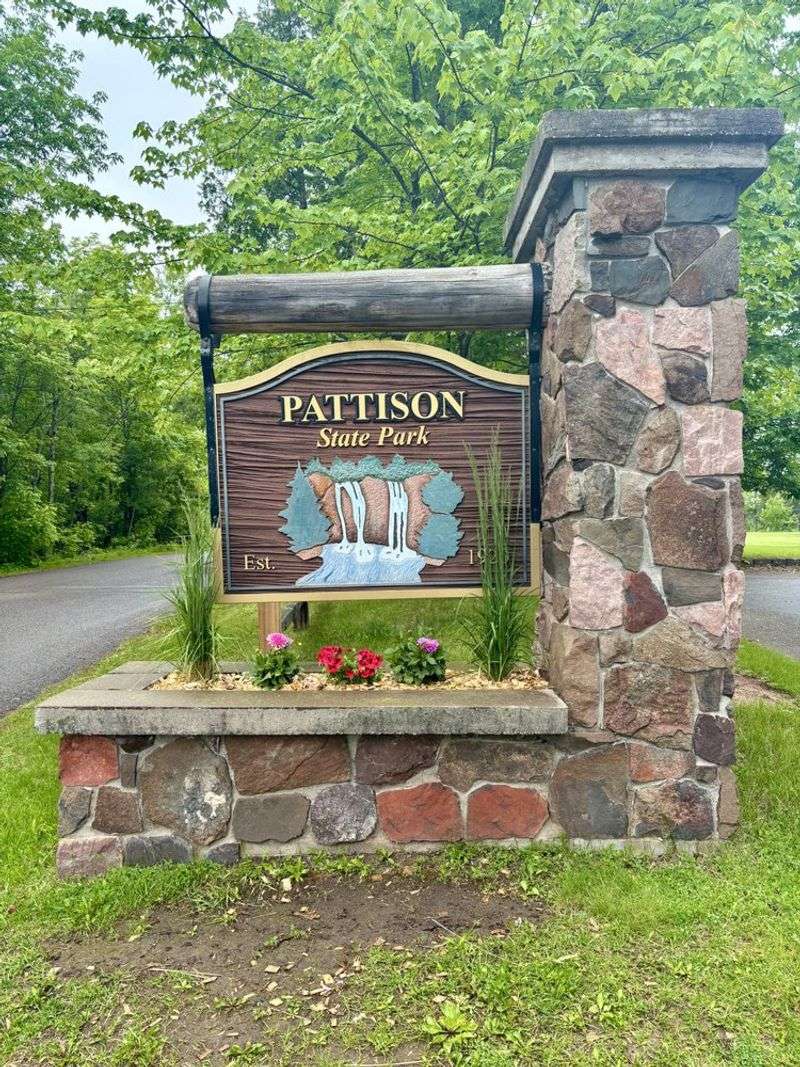
The roar of falling water tends to grab all the attention, and here it deserves to. Still, once the first wow moment passes, the land begins to reveal a rougher history shaped by prospectors, loggers, workers, and travelers moving through Wisconsin’s northern edge.
Pattison State Park near Superior is best known for Big Manitou Falls, but the park holds much more than a dramatic view. Indigenous use of the landscape came first, followed by copper prospecting, logging activity tied to Martin Pattison, and major improvements built by the Civilian Conservation Corps.
That mix gives the park a sturdy, hard-working character. Trails and structures feel connected to the landscape rather than pasted onto it, and the stories of lumber camps and Depression-era crews fit naturally with the sound of water cutting through rock.
Bring a camera, but also pause long enough to notice the built details around you. The falls are unforgettable, of course, yet the park becomes more interesting when you understand that people have been drawn to this powerful place for many different reasons over time.