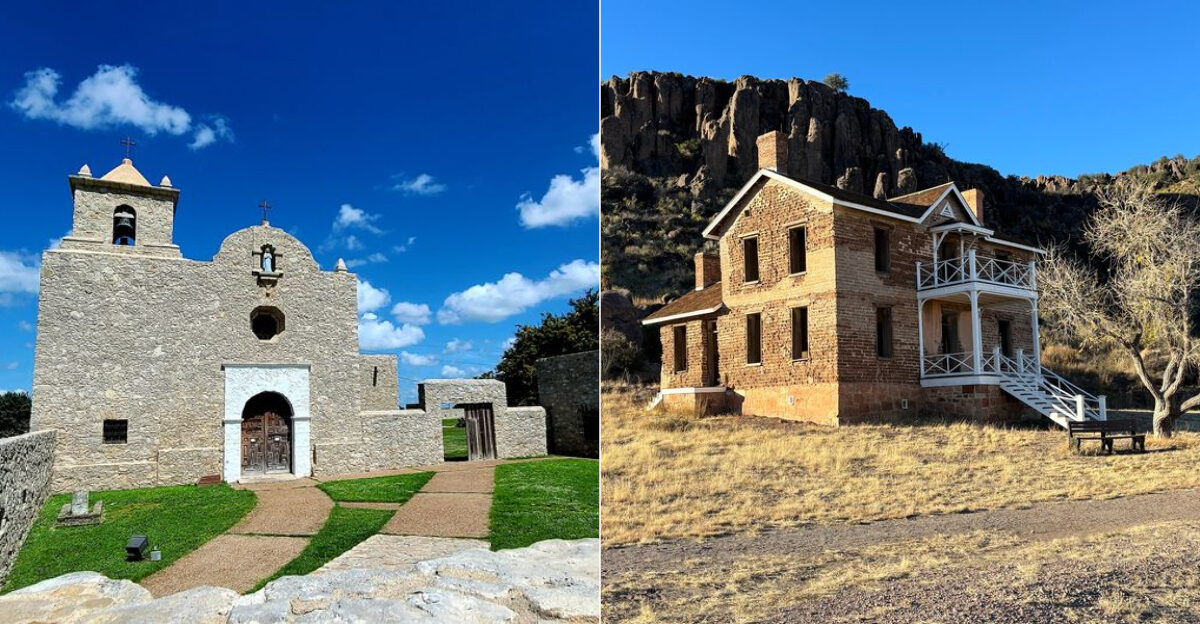
A weathered stone wall, an old mission, or a quiet battlefield can make the past feel remarkably close. In Texas, some of the most compelling stories are found not in crowded museums but across landscapes where people once lived, fought, worked, and built communities.
Across the state, Texas historic parks preserve places connected to missions, forts, battlefields, ranches, and vanished towns. Walking through these sites gives visitors a chance to notice the details that bring history into focus, from old structures and foundations to trails that follow the paths people once traveled.
The scenery adds another layer, making these visits feel like genuine outings rather than lessons from a textbook.
We visited with modest expectations and left with plenty to think about. Here are 11 Texas historic parks that surprised us with just how fascinating they could be.
Goliad State Park & Historic Site
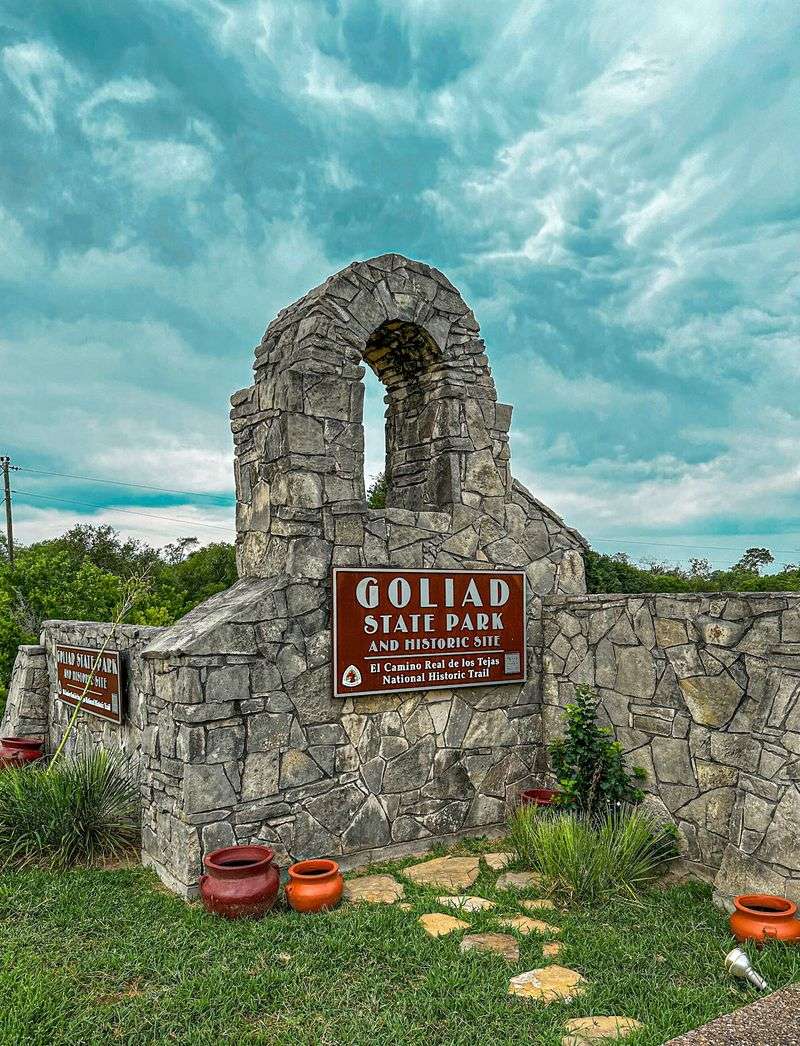
Sunlight on white walls can make a centuries-old place feel oddly calm, even when the stories behind it are anything but peaceful. Birds chatter in the trees, and then a mission courtyard appears, simple and bright against the South Texas sky.
That first sense of stillness is what makes Goliad State Park & Historic Site so memorable. Mission Espiritu Santo looks carefully ordered, yet it holds layered stories of Spanish missionaries, Native communities, settlers, and soldiers.
Walking through the chapel and stone corridors helps you picture daily routines, from prayer to cooking to hard work under the heat. A Civilian Conservation Corps visitor center adds another piece of Texas history in one stop.
Take time to see Mission Rosario too, where the ruins feel more raw and weathered. The contrast between the rebuilt mission and the broken remains tells its own story about time, loss, and preservation.
Bring water, wear good walking shoes, and slow down here. The site rewards visitors who read the signs, notice the details, and let the place unfold at its own pace.
Washington-on-the-Brazos State Historic Site
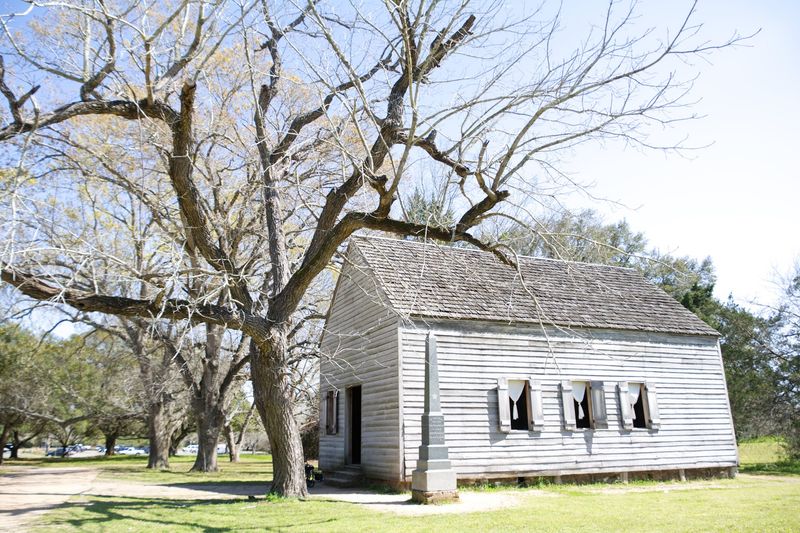
A grassy field by a river does not seem like the kind of place where history changes direction. Then you stand there a little longer, and the quiet starts to feel important instead of empty.
Washington-on-the-Brazos State Historic Site marks the place where Texas declared independence in 1836, and that fact lands harder in person than it does in a textbook. The replica of Independence Hall gives shape to the moment, but the larger grounds make it easier to imagine the tension, hope, and urgency people felt.
Nearby, Barrington Living History Farm adds a different mood, with farm tools, animals, and costumed interpreters showing what life looked like after the big speeches were over.
One of the best parts is how the site connects major history to regular daily life. You can learn about politics in one building and then see a kitchen garden or wagon at the farm.
That mix keeps the visit grounded and real. Go when the weather is mild, and leave enough time to walk slowly between areas instead of rushing from sign to sign.
San Jacinto Battleground State Historic Site
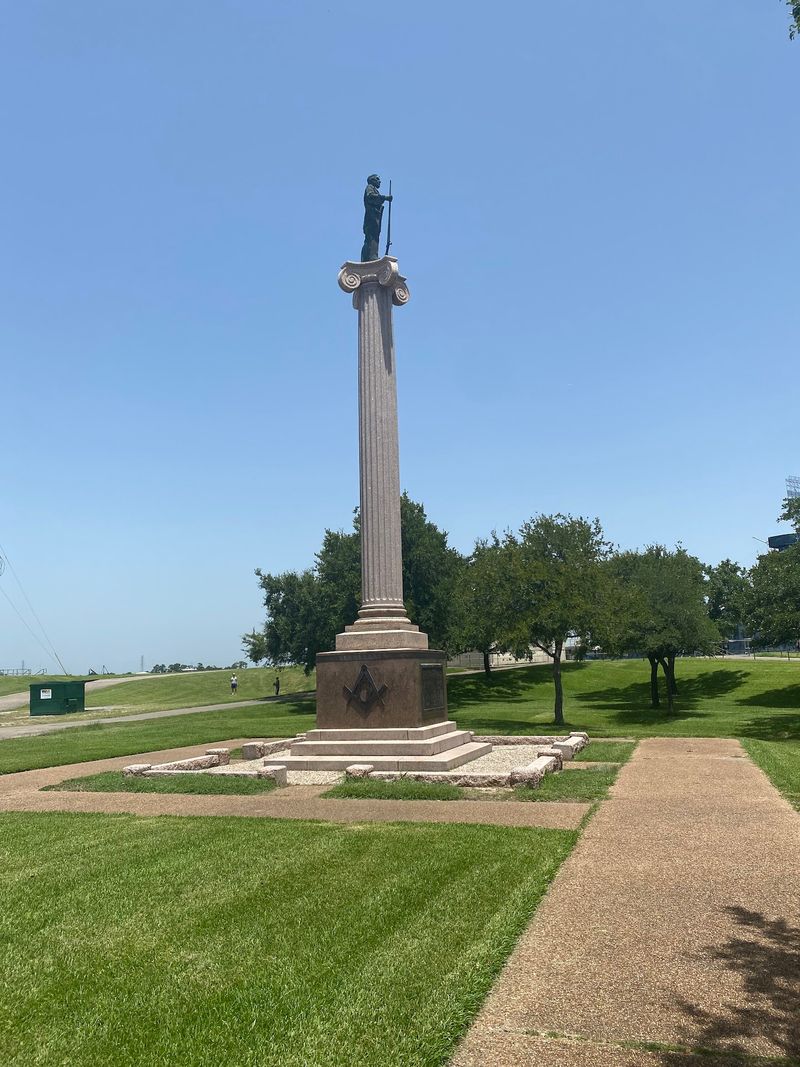
Few places surprise you with scale the way this one does. The monument rises so high above the flat land that the whole battlefield suddenly feels larger, heavier, and more serious than expected.
At San Jacinto Battleground State Historic Site, the open prairie marks the ground where Texas won independence in a fast, decisive battle. Reading that fact is one thing.
Looking across the field while cars hum faintly in the distance is another, because it reminds you how much the landscape has changed while the meaning of the place has stayed strong. The monument, museum, and broad views work together to turn a brief battle into a full story with real stakes.
If you go up to the observation area, the layout of the land becomes easier to understand. Inside the museum, artifacts add detail that helps the event feel human, not just heroic.
Families with older kids will find plenty to talk about here, especially about how quickly history can shift. Wear comfortable shoes, bring a camera, and spend time outside before heading indoors.
The field itself does a lot of the teaching.
Fannin Battleground State Historic Site
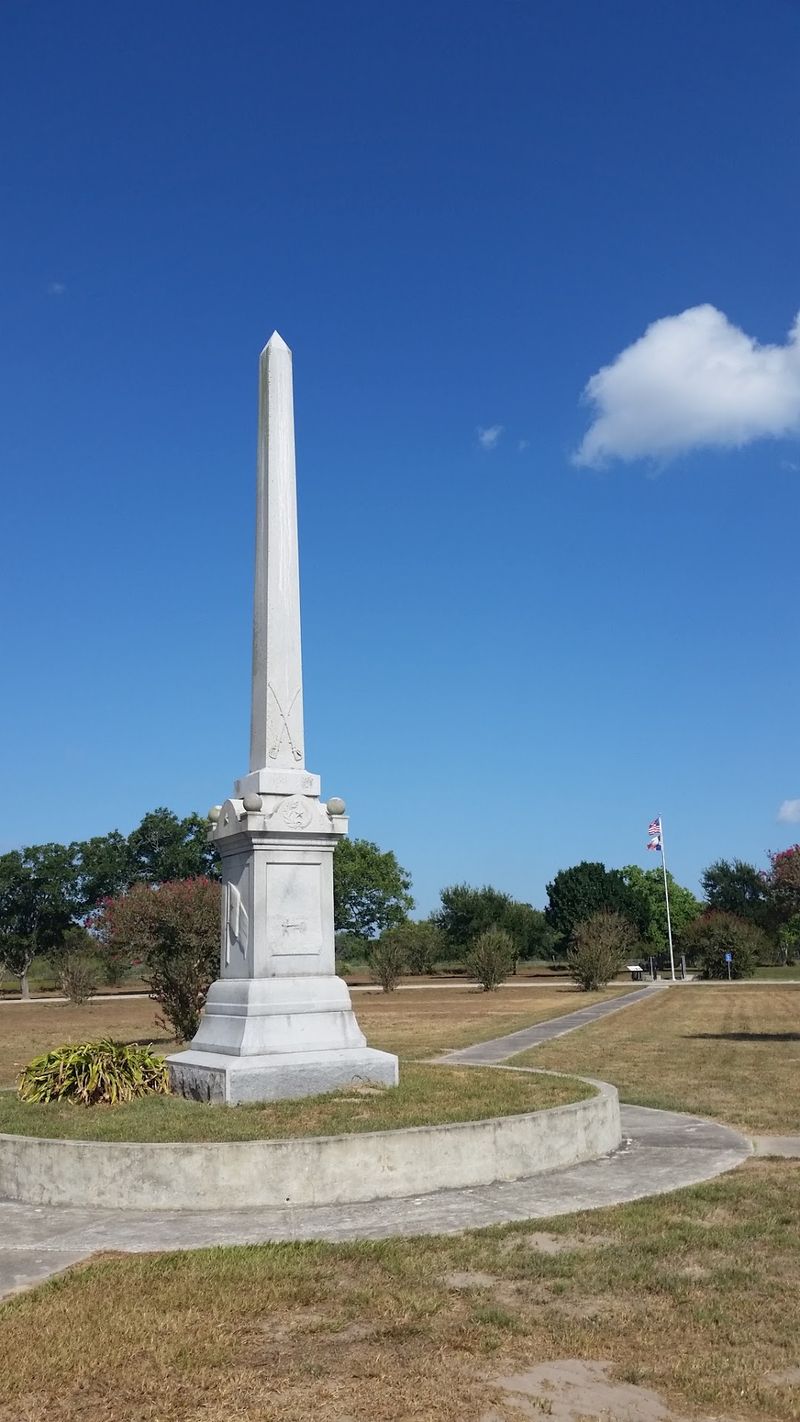
Some historic places do not hit you with grand buildings or huge crowds. Instead, they speak through silence, and that quiet can be more powerful than anything loud or dramatic.
Fannin Battleground State Historic Site is one of those places. The grounds are modest, but the story behind them carries real weight.
Here, visitors learn about the surrender of James Fannin and his men during the Texas Revolution, an event tied closely to the cry, Remember Goliad. The memorial obelisk gives the site a clear focal point, while the open space around it leaves room for reflection rather than spectacle.
What stayed with us most was how easy it was to imagine confusion and fear in such a calm setting. There is also a historic gin-press screw on site, a small but striking detail that roots the story in the wider life of the region.
This stop works best when you arrive ready to read, pause, and think. It is not flashy, and that is exactly why it lingers.
Pair it with nearby Goliad sites for fuller context.
Presidio la Bahía State Historic Site
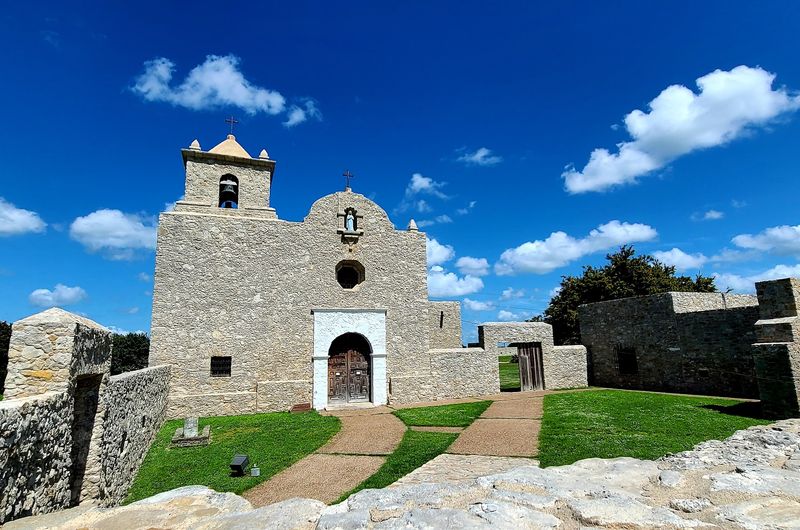
Heavy wooden gates change the mood the second you pass through them. Outside feels ordinary enough, but inside the walls, the air seems slower, almost guarded, as if the fort still remembers its job.
Presidio la Bahia State Historic Site is one of those rare places that feels solid in every sense. The preserved Spanish frontier fort gives you thick walls, open courtyards, and a chapel that immediately pulls your eye.
It is easy to picture soldiers, families, priests, and travelers moving through the same enclosed spaces. Later Texas Revolution history adds a more painful layer, especially once you learn about its connection to the Goliad Massacre.
The chapel is worth extra time because it softens the military feel of the site and reminds you that forts were also places where everyday life happened. Children often notice the walls first, while adults may linger on the stories behind them.
Bring a hat in warm weather, since the sun can be strong in the open areas. For anyone trying to understand colonial Texas and revolutionary Texas together, this site makes that overlap feel strikingly clear.
San Felipe de Austin State Historic Site
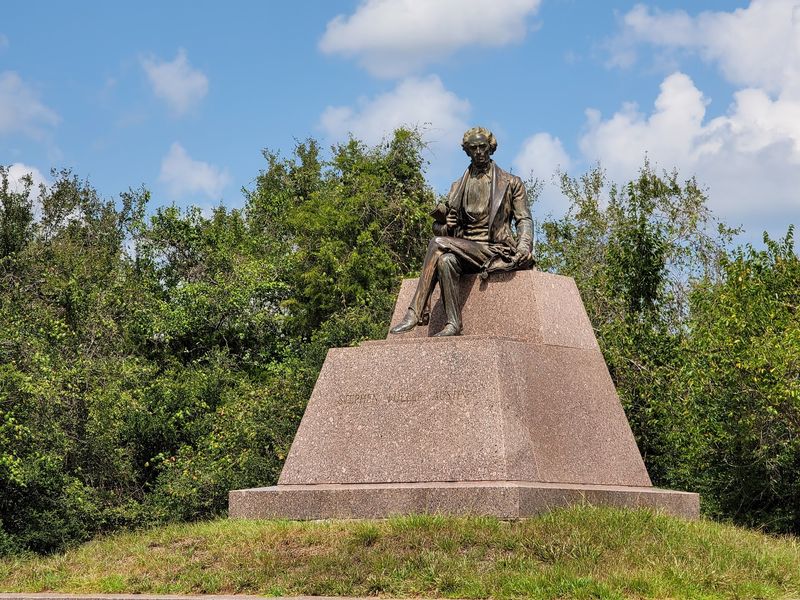
It takes a little imagination to love a vanished town, but that is part of the charm here. You are not looking at a fully frozen village.
You are piecing together a place from traces, reconstructions, and stories.
San Felipe de Austin State Historic Site was once the center of Stephen F. Austin’s colony, and seeing the location in person makes that history feel far less abstract.
The museum gives helpful context, especially if you are fuzzy on early Texas settlement. Outside, walking paths cross the old townsite, and reconstructed buildings suggest what the community may have looked and felt like when wagons, trade, and local debate shaped daily life.
What makes the visit work is the balance between archaeology and storytelling. You are not being told to admire only what survived.
You are being asked to imagine what stood here and why it mattered. That can be surprisingly moving.
Kids who like maps and old objects may enjoy the museum most, while adults often appreciate the broader story of risk and ambition. Visit with patience, and the place slowly builds itself in your mind.
Fort Griffin State Historic Site
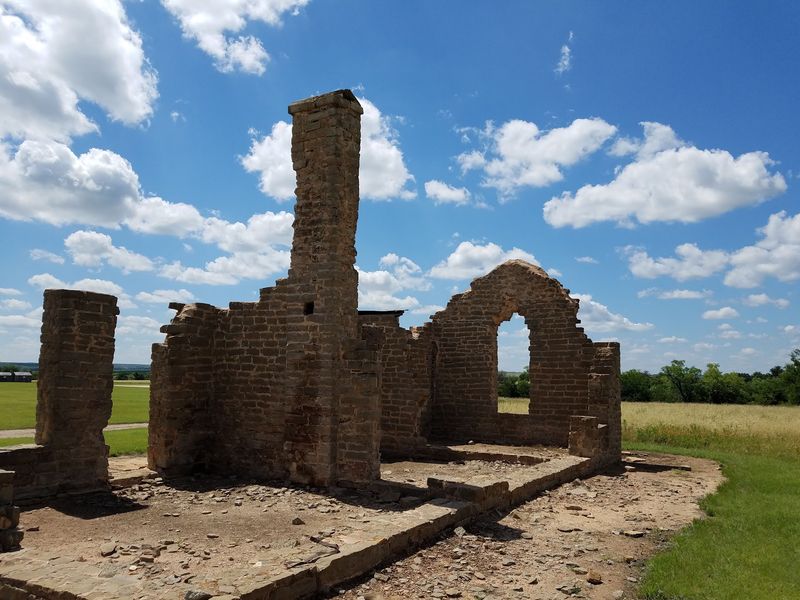
Wind does a lot of the storytelling at this site. It moves through broken walls and open grass in a way that makes the old frontier feel less like a chapter and more like a lonely, unfinished sentence.
Fort Griffin State Historic Site has ruins rather than polished restoration, and that rougher look is part of its strength. Established after the Civil War, the fort once stood near a lively and often rowdy frontier region shaped by soldiers, buffalo hunters, and cattle traffic.
Today, chimneys, stone remains, and wide-open views help you sense both the isolation and the activity that once met here.
It is a good place for visitors who like history with a little grit still on it. Nothing feels overly staged, so your imagination has room to work.
The landscape also helps explain why military posts mattered in such remote places. If you can, visit when the light is softer in the morning or late afternoon, because the ruins photograph beautifully then.
Read about the area before you go, and the scattered remains start to feel less empty and much more alive.
Fort McKavett State Historic Site
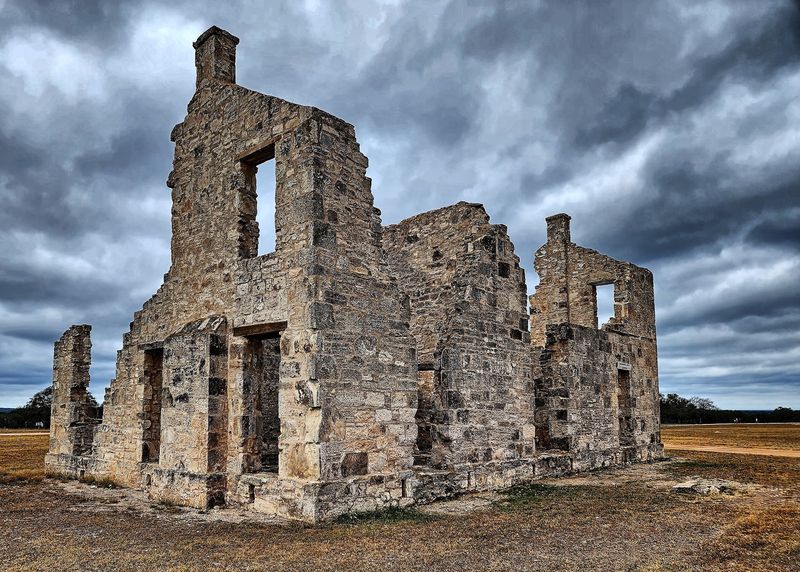
Order can be beautiful when it sits in the middle of a wild landscape. Long rows of pale stone buildings and open ground give this site a calm, balanced look that makes the old military post feel surprisingly welcoming.
Fort McKavett State Historic Site preserves one of the best surviving frontier forts in Texas, and its restored structures help visitors picture real daily life instead of only battles. You can move through officers’ quarters, barracks, and other buildings while learning about soldiers, families, and Buffalo Soldiers who spent years in this isolated place.
Because so much of the post still stands, it becomes easier to imagine chores, meals, school lessons, and routines under a hard sky.
The site feels especially strong for travelers who want room to wander. Instead of squeezing history into one museum hall, it spreads the story across the land itself.
Bring water and sun protection, because the open areas can get hot quickly. What makes Fort McKavett memorable is not just preservation.
It is the way the fort still feels like a small community, with every building adding another piece to the picture.
Fort Davis National Historic Site
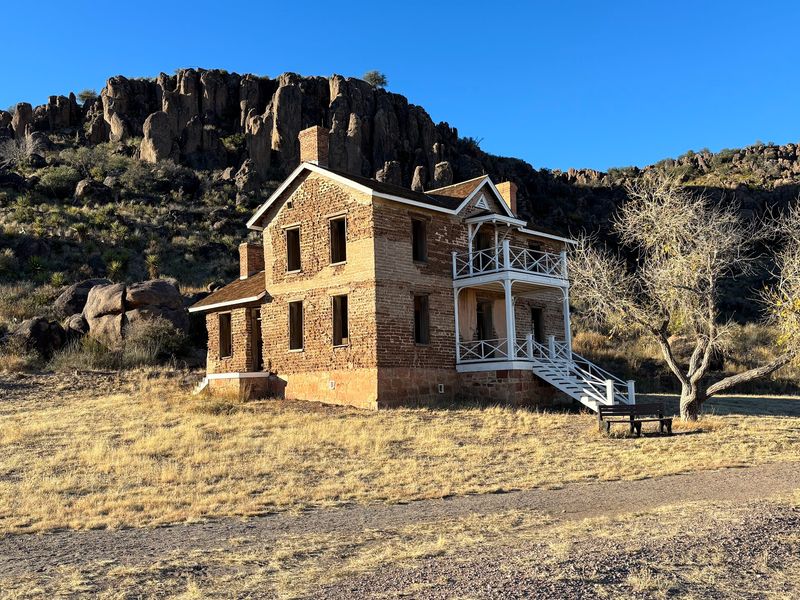
Mountains in the background instantly change the feeling of a fort. Instead of a flat defensive post, you get a dramatic setting where every building seems connected to distance, weather, and the long effort of holding a remote line.
Fort Davis National Historic Site is one of the most complete frontier posts in the Southwest, and it feels wonderfully tangible. Restored buildings let you walk through barracks, officers’ quarters, kitchens, and other spaces furnished to reflect the late 1800s.
The story of the Buffalo Soldiers adds depth and importance, reminding visitors that the people stationed here came from different backgrounds yet shared the same hard conditions.
One of the smartest ways to see the site is to mix indoor stops with outdoor views. The exhibits explain the details, but the surrounding Davis Mountains explain the mood.
Hike to an overlook if you have the energy, because seeing the full post from above makes its design and purpose much clearer. Cooler months are especially pleasant here.
Even if you think military history is not your thing, Fort Davis has enough scenery and texture to change your mind.
Fort Leaton State Historic Site
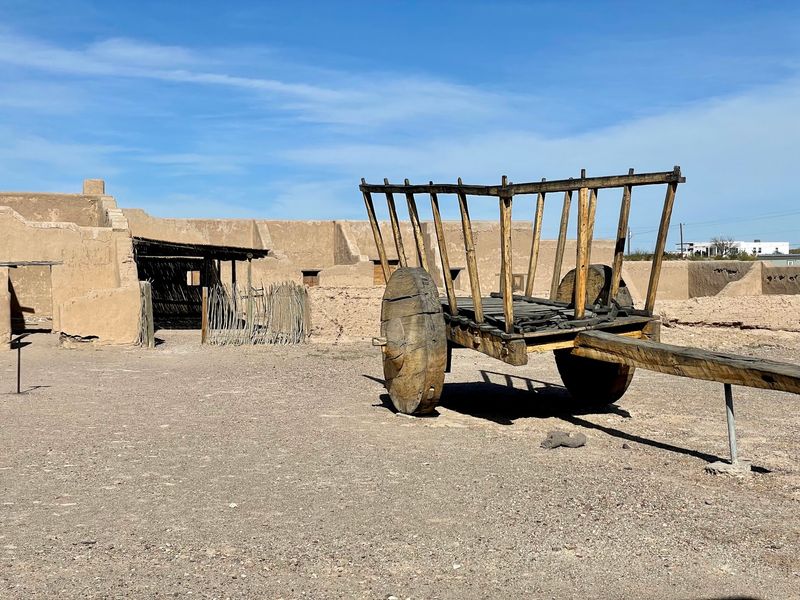
Dust, adobe, and big desert light give this place a look you do not easily forget. Before you even learn the history, the building tells you it was meant for survival, trade, and a little bit of protection.
Fort Leaton State Historic Site sits near Presidio and preserves a huge adobe trading post from the Texas-Mexico frontier. Unlike a classic military fort, it feels more domestic and businesslike, though no less tough.
Thick walls, interior rooms, and the courtyard suggest a place where travelers could rest, barter, argue, and wait out danger on the Chihuahua Trail. That mix gives the site a distinct personality compared with the other historic parks on this list.
Because the structure is so different from stone forts and mission compounds, it stays in your head. You start thinking about goods coming through, languages being spoken, and how far away everything must have felt in the nineteenth century.
The desert setting helps with that picture. If you are already driving FM 170, this is an especially rewarding stop.
Go slowly through the rooms, and notice how architecture itself reveals what frontier life demanded.
Kreische Brewery & Monument Hill State Historic Sites
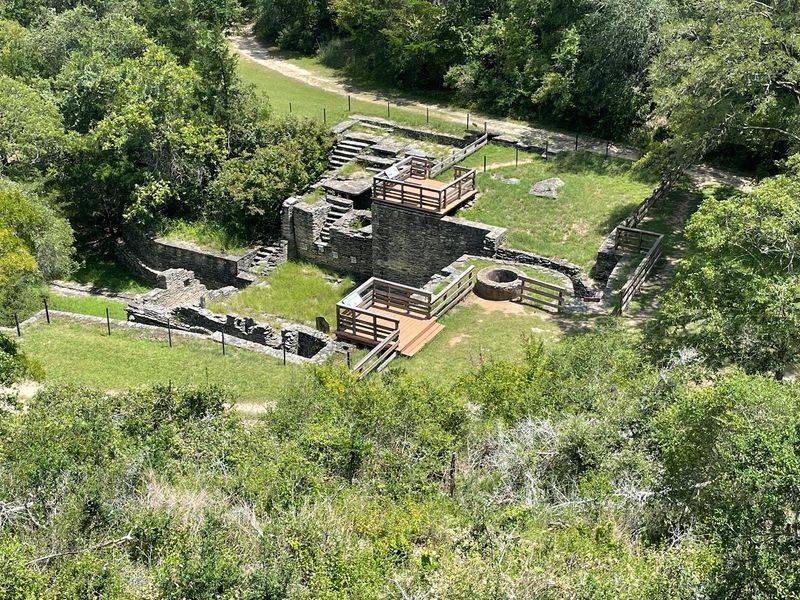
Not many places combine grief, river views, and old beer history in one walk. Yet somehow it works, and the strange mix is exactly what makes this hilltop stop so memorable.
Kreische Brewery and Monument Hill State Historic Sites sit above the Colorado River near La Grange, where the setting is beautiful even before the history starts unfolding. Monument Hill honors Texans connected to the Dawson Massacre and Mier Expedition, giving the grounds a solemn note.
A short distance away, the ruins of Kreische Brewery tell a different story about German immigration, work, and the making of bluff beer in the nineteenth century.
That sharp shift in tone keeps the visit interesting from start to finish. One moment you are reflecting at a memorial, and the next you are peering at brewery ruins and thinking about how ambitious Heinrich Kreische must have been.
The trails between areas help tie the site together, and the river overlook is worth pausing for. Wear shoes with decent grip, especially after rain.
This is a thoughtful stop for travelers who like history that refuses to fit into one neat category.