There’s something about handing a carrot to a curious goat that never quite gets old.
Massachusetts is full of farms and sanctuaries built for exactly that kind of moment, tucked between rolling New England hills.
Some are working farms that opened their barns to visitors, while others are dedicated animal sanctuaries offering second chances to rescued creatures.
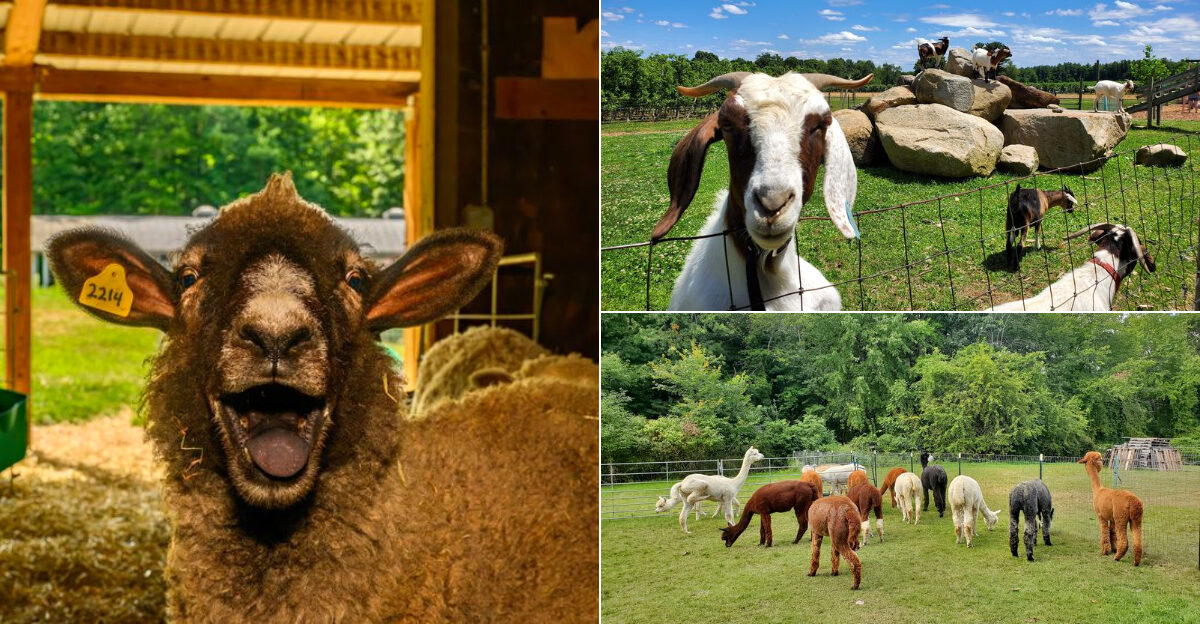
Alpacas nuzzle up for treats, sheep wander over expecting attention, and gentle old barn cats supervise it all from a hay bale.
Here’s where to go the next time you want to feed, pet, and just be near some animals for an afternoon.
1. Davis Farmland, Sterling, Worcester County
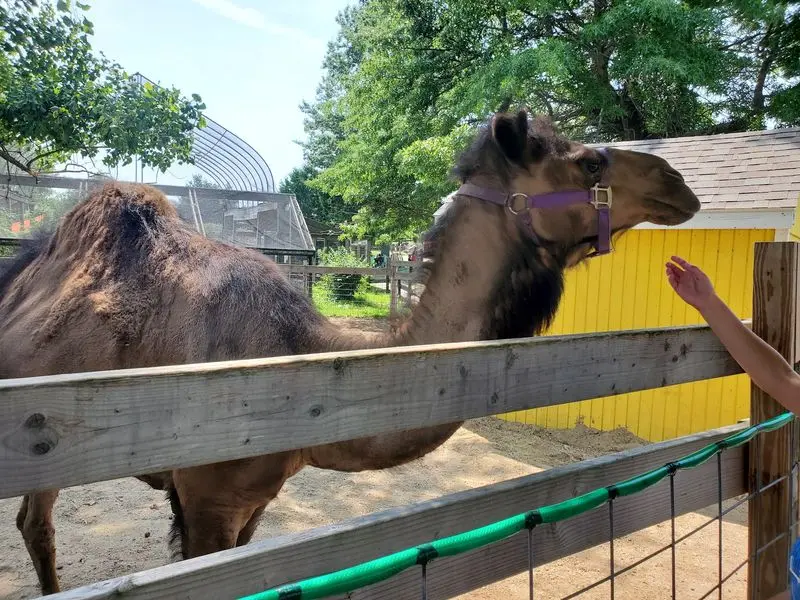
A chorus of bleats, snorts, and happy kid laughter sets the mood before you even reach the pens.
Davis Farmland in Sterling is built for hands-on animal time, especially for younger children who want safe, close contact.
The farm is known for rare and heritage breeds, so visitors may meet animals they do not see every day.
Families can bottle-feed babies during certain seasons, brush goats, visit calves, and watch farm staff guide each activity.
The setup feels playful, but it also teaches children how to move slowly, use quiet voices, and treat animals with care.
Parents will like that many animal areas are designed with kids in mind, making the visit feel relaxed instead of rushed.
Before going, check the farm calendar because hours and animal programs change with weather and season.
Bring washable clothes, closed-toe shoes, and hand wipes, even though washing stations are usually available.
The splash area and play zones can turn the trip into a full-day adventure.
For a first farm visit, this place offers a cheerful mix of learning, feeding, petting, and memory-making.
2. Tougas Family Farm, Northborough, Worcester County
Apple baskets, berry-stained fingers, and barnyard chatter make this farm feel like a classic New England outing.
Tougas Family Farm in Northborough is best known for pick-your-own fruit, but the barnyard animals add extra charm.
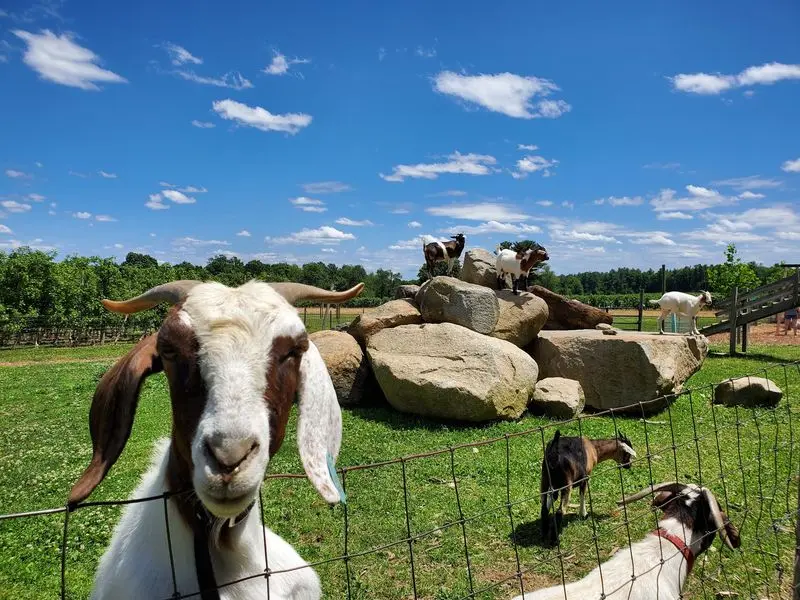
After walking the orchards, visitors can stop by to watch goats, chickens, ducks, and other farm friends going about their day.
The animal area is simple, friendly, and easy to enjoy between picking apples, blueberries, peaches, or pumpkins.
Young visitors often love comparing animal sounds, watching goats climb, and learning that farms are busy places in every season.
Food rules can change, so always follow posted signs and staff directions before offering anything to an animal.
The farm store is another highlight, with cider donuts, produce, and treats that make the visit feel complete.
Weekends can get crowded during fall, so arrive early if you want a calmer barnyard stop.
Wear shoes that can handle dirt paths and bring water for warm picking days.
For families who want fruit, fresh air, and a quick animal connection, Tougas is an easy favorite.
3. Drumlin Farm Wildlife Sanctuary, Lincoln, Middlesex County
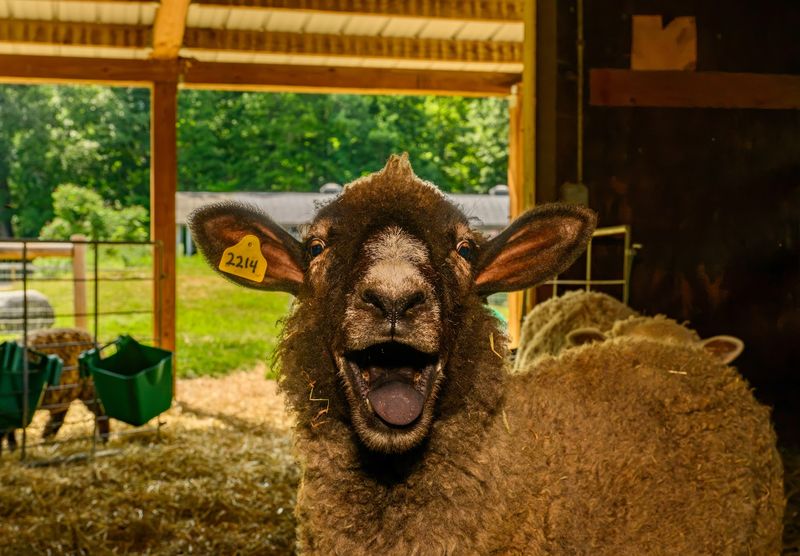
Quiet trails, red barns, and birdsong give this place a peaceful feeling from the start.
Drumlin Farm Wildlife Sanctuary in Lincoln blends a working farm with native wildlife education, making it different from a simple petting zoo.
Visitors can meet sheep, goats, chickens, pigs, and cows while also learning about animals that live in Massachusetts forests, fields, and wetlands.
Mass Audubon manages the sanctuary, so care, teaching, and conservation are central to the experience.
Some animals are watched rather than touched, especially wildlife ambassadors that cannot safely return to the wild.
That boundary becomes a helpful lesson, because connecting with wildlife also means respecting space and natural behavior.
Families can walk trails, visit the farmyard, join seasonal programs, and see how food, habitats, and animals are connected.
Check the schedule before visiting, since special feeding talks, wool activities, and family programs may require registration.
The paths include hills, so sturdy shoes are useful, and a stroller with strong wheels helps younger children.
Drumlin Farm is ideal for curious visitors who want a thoughtful, nature-centered animal encounter.
4. Great Brook Farm, Carlisle, Middlesex County
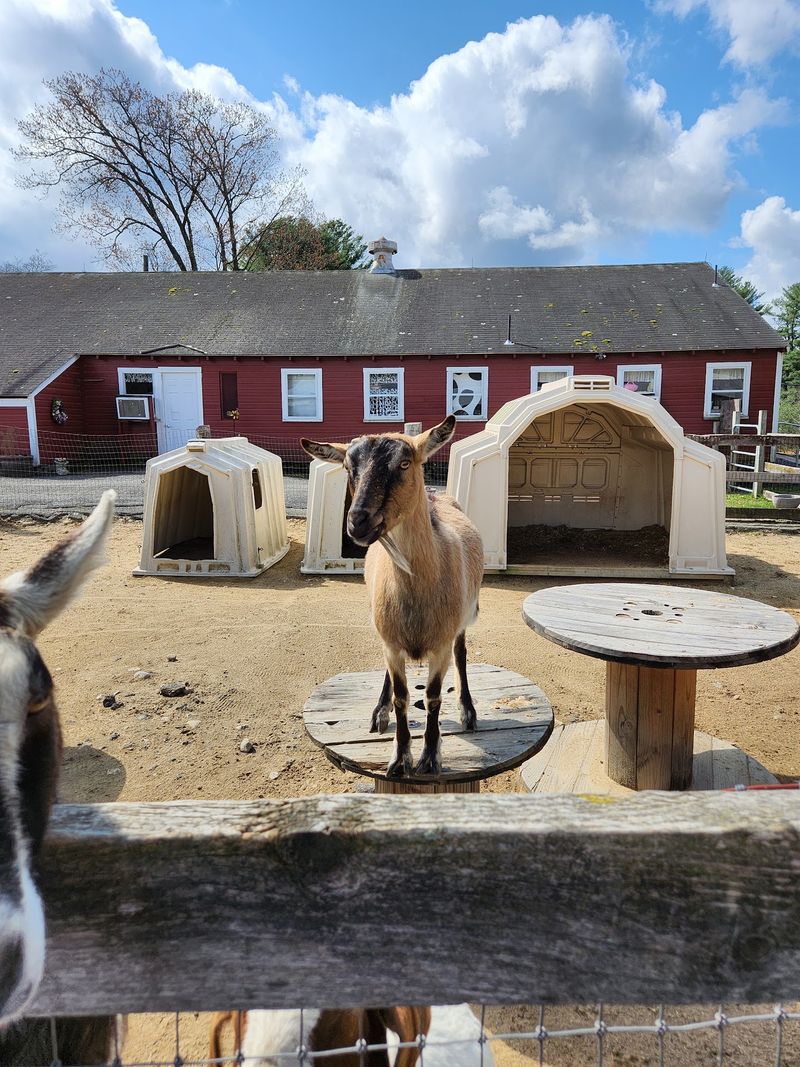
The smell of hay and the sight of dairy cows make Great Brook Farm feel wonderfully old-fashioned.
Located in Carlisle, this working farm sits inside Great Brook Farm State Park, so visitors get animals and outdoor exploring in one trip.
The dairy operation is the main attraction, and families can often see cows near the barns or in nearby fields.
Because it is a real working farm, the experience is more about watching and learning than constant petting.
That can be valuable for children, who see that milk, chores, barns, and animal care are part of daily farm life.
The famous ice cream stand adds a sweet reason to linger after meeting the herd from a respectful distance.
Trails around the state park wind past woods, ponds, stone walls, and open land, so plan extra time for walking.
Follow signs carefully, since some areas are for farm staff only and animals need calm space.
Bug spray, sneakers, and a small picnic can make the day smoother.
For visitors who enjoy real farm rhythms, fresh air, and a scoop of ice cream, Great Brook Farm is a satisfying stop.
5. Harvard Alpaca Ranch, Harvard, Worcester County
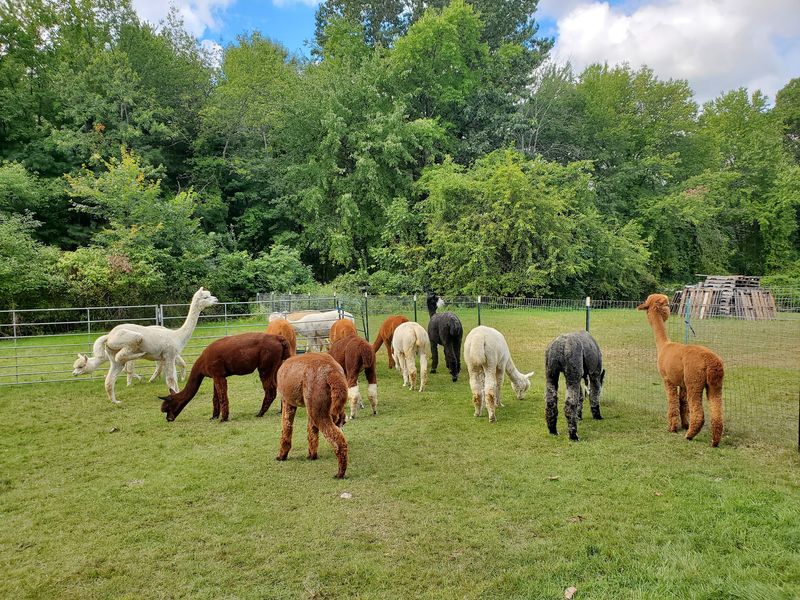
Soft eyes, fuzzy faces, and curious humming sounds make alpacas hard to resist.
Harvard Alpaca Ranch in Harvard offers a quieter kind of animal encounter, focused on meeting these calm, woolly animals up close.
Alpacas are smaller than llamas and are usually valued for their soft fleece, which is turned into warm yarn and clothing.
Visits may include feeding, gentle photos, and learning how ranch staff care for the herd through the year.
Because alpacas can be shy, guests should move slowly, keep voices low, and let the animals choose how close they want to come.
That patience often pays off when one stretches its neck forward for a treat.
Check ahead for tour times, farm events, and shopping hours, since small ranches often welcome visitors by appointment or on special days.
A farm store visit can help children connect the animal to the finished socks, hats, or yarn on the shelf.
Closed-toe shoes are smart because pastures can be uneven.
For anyone who loves a peaceful setting and animals with big personalities, this ranch offers a sweet and memorable visit.
6. Winslow Farm, Norton, Bristol County
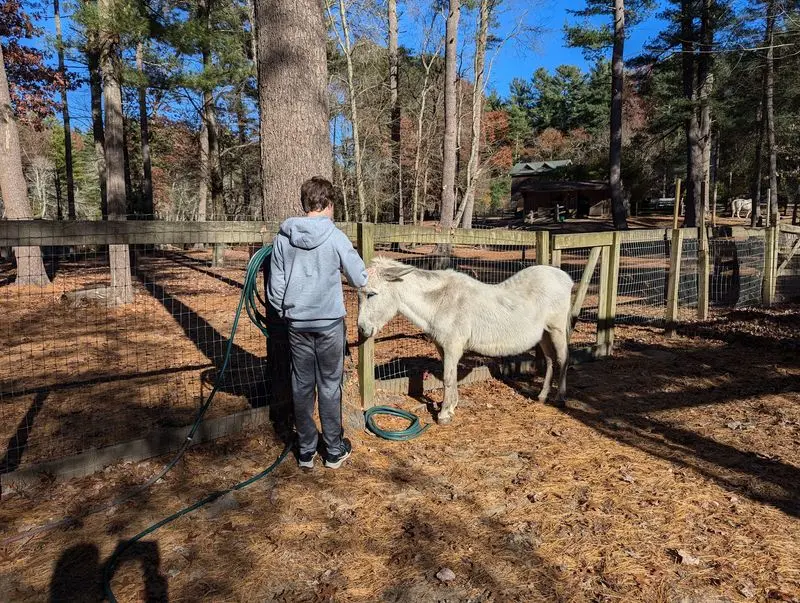
A rescued animal sanctuary feels different from a regular farm because every animal has a story.
Winslow Farm in Norton gives visitors a chance to meet animals that found safety, care, and a second chance.
Goats, horses, donkeys, ducks, pigs, peacocks, cats, and other residents may be seen around the peaceful property.
The mood is gentle and reflective, with a focus on kindness rather than entertainment.
Visitors can often pet certain animals, but the best approach is to let staff or volunteers explain who enjoys attention and who prefers space.
That helps children understand that animals have feelings, habits, and boundaries, just like people do.
Since sanctuaries depend heavily on donations and volunteers, admission, gift shop purchases, or wish-list items can truly help.
Before visiting, check open hours and weather updates, because schedules may change for animal care needs.
Move slowly on paths, close gates carefully, and never feed animals without permission.
For families who want a meaningful encounter, Winslow Farm offers more than cute photos.
It shows how compassion, patience, and responsible choices can change an animal’s life.
7. Natural Resources Trust Sheep Pasture, Easton, Bristol County
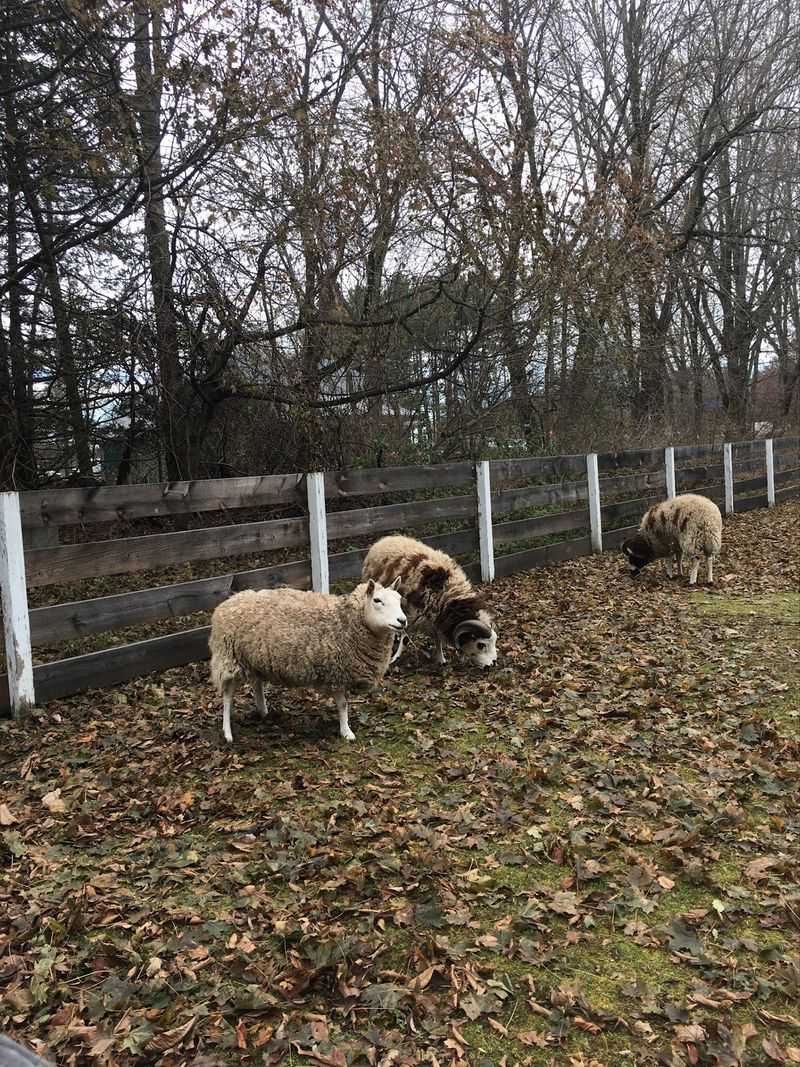
Open fields and old stone walls make Sheep Pasture feel like a step into Easton’s farming past.
Run by the Natural Resources Trust, this community favorite combines conservation land, farm animals, trails, and environmental education.
Visitors may see sheep, goats, chickens, rabbits, and other animals depending on the season and programs offered.
The setting works especially well for families who want an easy, low-key outdoor day.
Children can observe animals, learn why pastures need care, and discover how farms and wild habitats can share the same landscape.
Special events, camps, and educational programs often add chances for guided learning and closer animal experiences.
Because the property is also a conservation area, respect matters.
Stay on marked paths, do not feed animals unless staff allow it, and give wildlife room along the trails.
Bring comfortable walking shoes, sunscreen, and maybe a notebook for kids who like sketching animals or plants.
Seasonal festivals can be lively, while ordinary weekdays may feel quiet and spacious.
For a simple visit with farm charm, fresh air, and nature lessons, Sheep Pasture is a welcoming Bristol County choice.
8. Cider Hill Farm, Amesbury, Essex County
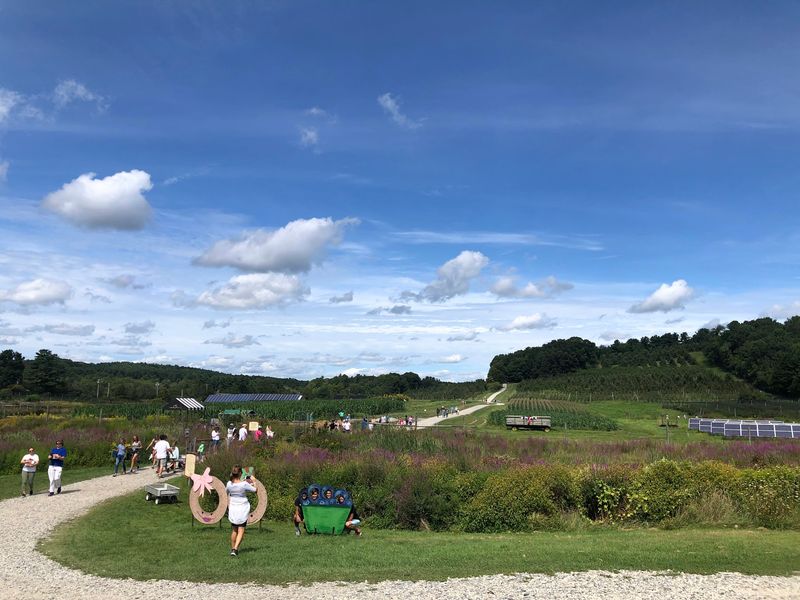
Warm cider donuts and goat antics are a pretty strong reason to slow down in Amesbury.
Cider Hill Farm mixes orchard fun with friendly barnyard moments, making it a favorite for families on the North Shore.
The farm has a bright, welcoming feel, with fruit picking, gardens, a farm store, and animals adding energy to the visit.
Goats are often the stars, especially when they climb, nibble, or pose with goofy confidence.
Depending on the season and farm setup, guests may be able to watch or feed animals in designated areas.
Always use approved feed and follow signs, since animal diets are carefully managed for their health.
Plan your visit around what is in season, from strawberries and blueberries to apples and pumpkins.
Fall weekends can be very busy, so weekday mornings are better for families who want more space.
Bring a cooler if you plan to buy produce, and leave time for the store, where local food and treats are part of the fun.
Cider Hill Farm is a happy blend of snacks, scenery, and animal curiosity, perfect for a cheerful day outside.
9. Unity Farm Sanctuary, Sherborn, Middlesex County
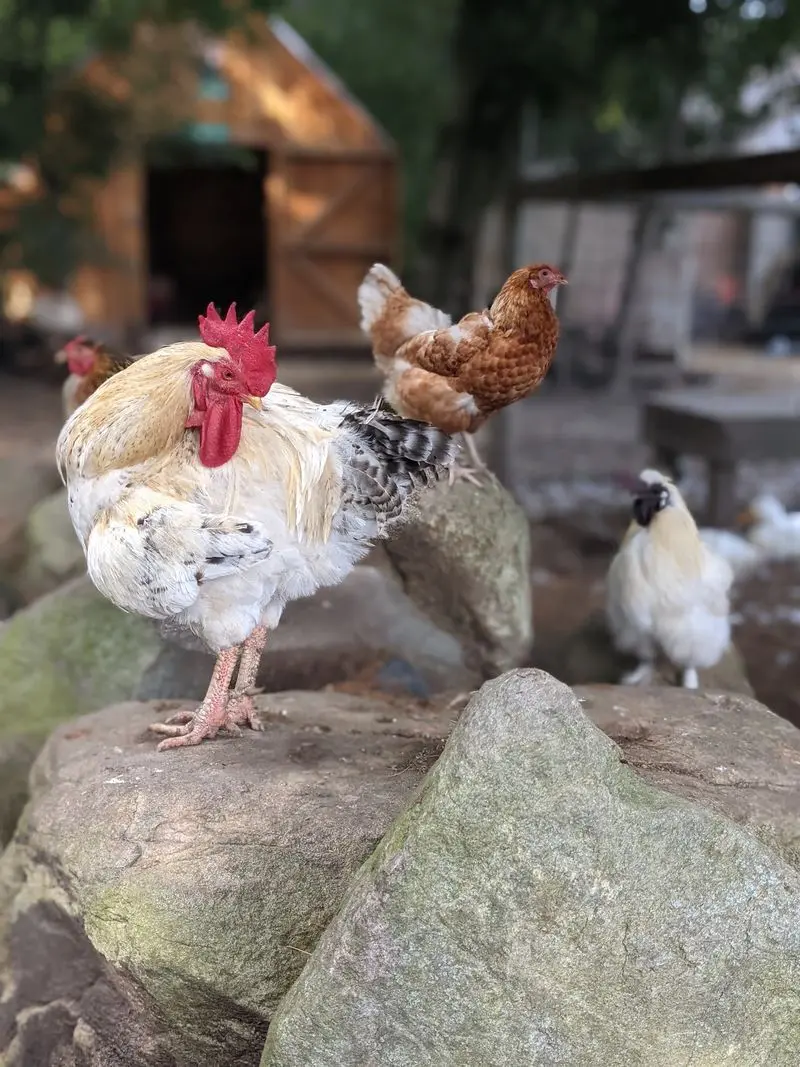
Kindness is the main lesson at this quiet sanctuary tucked into Sherborn.
Unity Farm Sanctuary cares for rescued farm animals and invites visitors to see them as individuals, not attractions.
Cows, goats, sheep, pigs, horses, ponies, llamas, alpacas, and birds may be part of the experience, depending on the tour.
Guided visits help guests learn each animal’s background, personality, and daily care needs.
Some residents may enjoy gentle attention, while others are best admired from a little distance.
That mix teaches an important point, real connection starts with respect.
Reservations are often needed, so check the sanctuary website before making plans.
Wear sturdy shoes, dress for mud or grass, and prepare children for calm behavior around rescued animals.
Many sanctuaries ask visitors not to bring outside food, because even healthy-looking snacks can upset an animal’s stomach.
A visit here can spark thoughtful talks about adoption, farm animal welfare, and how people can help through donations or volunteering.
The pace is slower than a busy petting zoo, but that is part of its power.
Unity Farm Sanctuary offers a heartfelt encounter for visitors ready to listen, learn, and care.
10. Dalby Farm, Scituate, Plymouth County
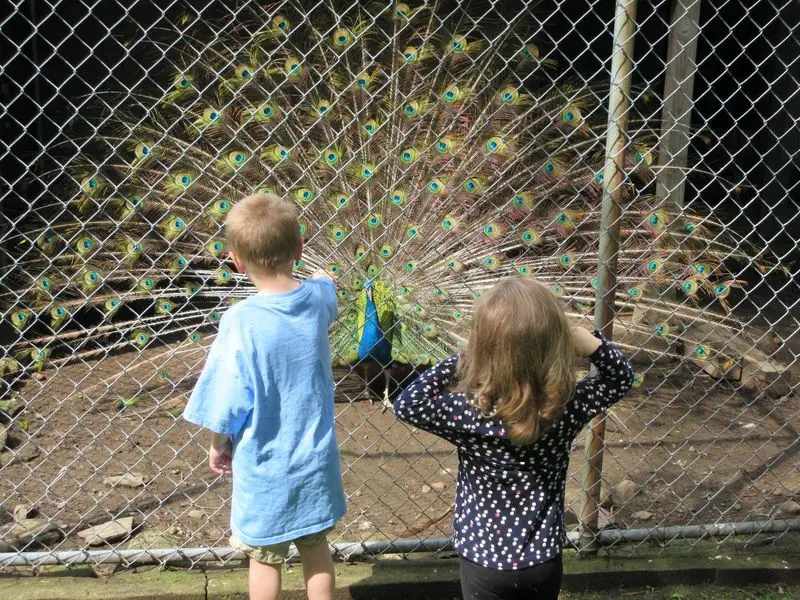
There is a cozy, seaside-town charm to meeting farm animals in Scituate.
Dalby Farm offers a small, friendly setting where children can enjoy goats, sheep, chickens, ducks, and other animals without feeling overwhelmed.
The farm’s size makes it easy for families to move at a relaxed pace and spend time watching each animal’s behavior.
Seasonal events, birthday parties, and educational visits often bring extra chances for hands-on learning.
Kids may learn how animals are fed, why clean bedding matters, and how different species communicate.
A goat reaching for attention or a chicken scratching through straw can become a simple but memorable lesson.
Check open days before visiting, since smaller farms may adjust hours for weather, events, or animal care.
Closed-toe shoes are best, and younger children should be reminded to use flat hands when feeding is allowed.
Do not chase animals, even when they look playful, because calm visitors help everyone stay safe.
Dalby Farm is a good pick for South Shore families who want a gentle farm outing close to home.
It feels personal, cheerful, and easy to enjoy.
11. Southwick’s Zoo, Mendon, Worcester County
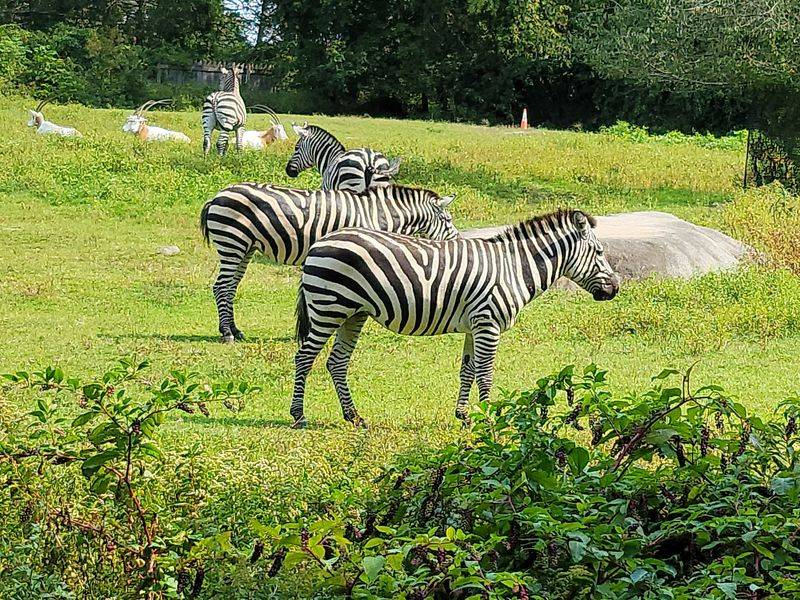
A giraffe’s long purple tongue can turn an ordinary zoo day into a story kids repeat for weeks.
Southwick’s Zoo in Mendon is one of Massachusetts’ biggest animal attractions, with chances to connect through special feeding and walk-through experiences.
Depending on the season and schedule, visitors may feed giraffes, meet deer, ride through exhibits, or watch animal presentations.
The zoo has many species, so it works well for families with different interests.
Some guests head straight for the giraffes, while others love birds, reptiles, big cats, or the petting area.
Paid extras and feeding times can change, so review the daily schedule as soon as you arrive.
Comfortable shoes matter because the grounds are large and involve plenty of walking.
Bring water, sunscreen, and patience on busy summer days.
Teach children to keep fingers flat during approved feeding and to respect barriers everywhere else.
Southwick’s Zoo offers a more energetic animal encounter than a quiet farm, with shows, rides, food stands, and many exhibits.
For visitors who want variety and a few close-up moments, it can be a full and exciting day.