Florida has a reputation for flat horizons and beach views, but that’s only part of the story.
Scattered across the state are towers that quietly rise above mangroves, marshes, and citrus groves, offering perspectives most visitors never see.
Some are historic landmarks built decades ago as roadside attractions, complete with observation decks and old-fashioned charm.
Climb any of them and Florida suddenly looks different, layered with wetlands, barrier islands, and rooftops stretching toward the horizon.
We found ten Florida observation towers that reveal a side of the state most people simply drive past.
Here’s where to go the next time you want a higher perspective on the Sunshine State.
1. Citrus Tower in Clermont, Lake County,
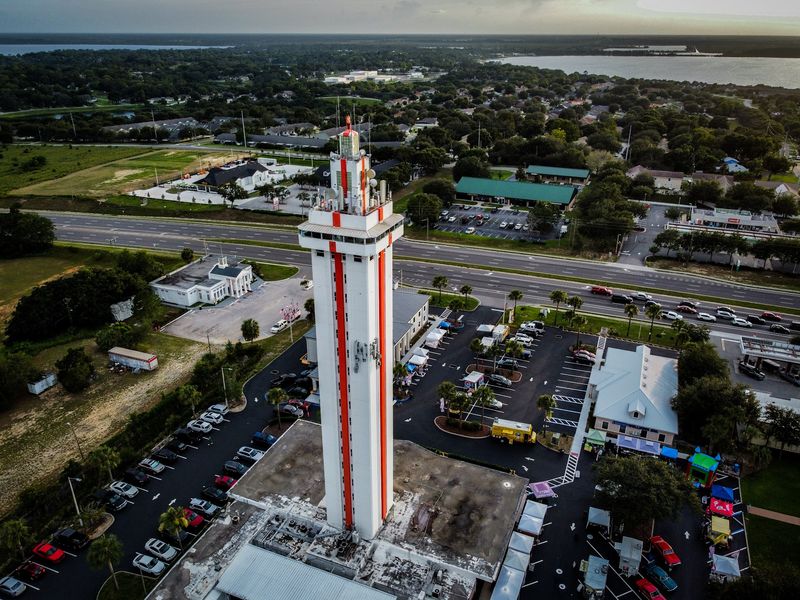
Long before roller coasters filled central Florida maps, rolling hills and orange groves gave Clermont its famous skyline.
The Citrus Tower in Clermont, Lake County, still carries that old roadside charm, even though the view has changed a lot since it opened in 1956.
From the glassed-in deck, you can spot lakes, neighborhoods, and the gentle rise of land that feels almost unusual in flat Florida.
The tower was built so travelers could admire miles of citrus trees, and that history makes the visit feel like stepping into a postcard.
Today, fewer groves remain, but the lookout helps explain how agriculture shaped this part of the state.
Go on a clear morning for softer light and better long-distance views.
Families will like that the elevator makes the experience easy, with no tough climb required.
Afterward, explore downtown Clermont or walk near Lake Minneola to connect the view with the landscape below.
For visitors who only know Orlando attractions, this tower offers a quiet reminder that central Florida once smelled like blossoms, fruit, and sun-warmed soil. Bring binoculars, because distant lakes and birds are easier to enjoy through the windows.
2. Bok Tower in Lake Wales, Polk County,
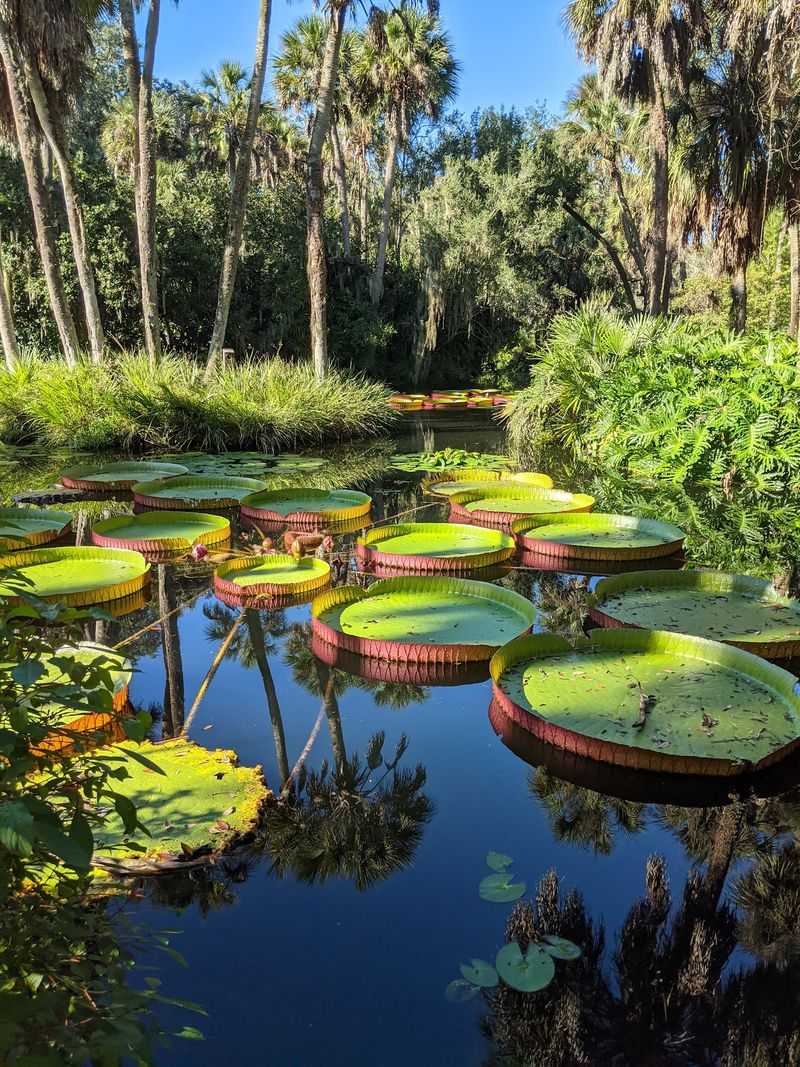
High on one of Florida’s highest points, bells drift across gardens instead of traffic noise.
Bok Tower in Lake Wales, Polk County, is not a typical climb-up lookout, yet its hilltop setting reveals a rare Florida scene of height, design, and calm.
The Singing Tower rises 205 feet above carefully planned gardens, with Lake Wales Ridge stretching around it.
Edward Bok created the sanctuary as a gift to the American people, and it opened in 1929.
Visitors cannot usually go inside the tower, but the outside views, trails, and carillon music make the whole place feel lifted above everyday life.
Look for sandhill plants, butterflies, and birds that depend on this ancient ridge habitat.
The best visit is slow, so wear comfortable shoes and give yourself time for shaded paths.
Families can enjoy the children’s garden, while photographers often love late afternoon light on the stonework.
Bring water, check the music schedule, and pause near the reflection pool. The tower teaches a simple lesson: Florida’s beauty can be quiet, formal, and deeply rooted in place.
3. Lake Placid Tower in Lake Placid, Highlands County,
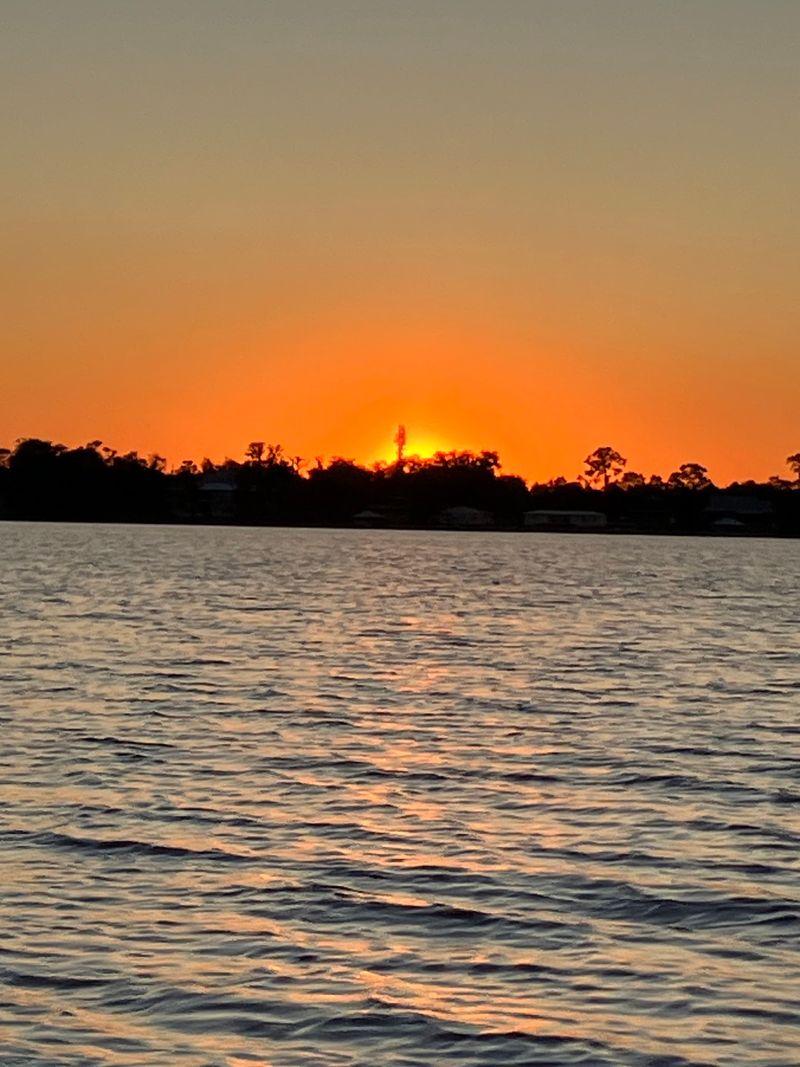
A bright little town known for murals and caladium fields also holds one of Florida’s stranger sky-high memories.
Lake Placid Tower in Lake Placid, Highlands County, was built during the roadside attraction era, when tall viewpoints tempted drivers to stop, look, and stay awhile.
The tower has not always operated like a polished modern attraction, so visitors should check current access before planning a trip.
Even from outside, it sparks curiosity about how small Florida towns welcomed travelers before fast theme-park vacations took over.
The surrounding area is the real reward, with lakes, quiet streets, farms, and colorful murals telling local stories.
If access is available, the height gives a broad look at Highlands County’s open spaces and water-filled landscape.
Pair the tower with a mural walk through town for a relaxed day that feels very different from coastal Florida.
Spring and early summer can bring caladium color in nearby fields, while winter offers pleasant walking weather.
Bring a camera, but also bring patience, since historic attractions can change hours or conditions. The tower’s charm rests in its reminder that Florida travel was once slower, quirkier, and full of roadside surprises.
4. Anne Kolb Nature Center Observation Tower in Hollywood, Broward County,
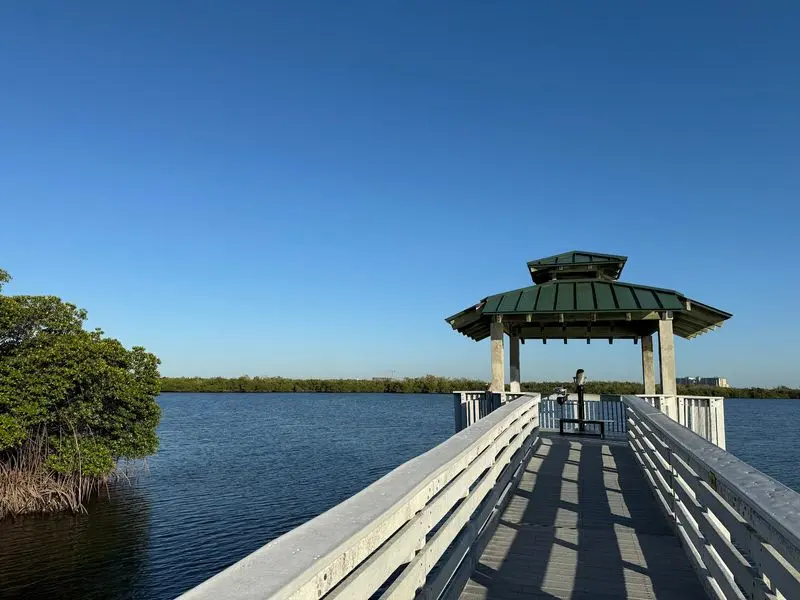
Mangroves hide a whole city of roots, fish, crabs, and birds just minutes from busy beach roads.
The Anne Kolb Nature Center Observation Tower in Hollywood, Broward County, lets visitors rise above West Lake Park and see how wild South Florida still survives beside traffic and condos.
The tower is reached through a nature center area with boardwalks, trails, and exhibits that explain the mangrove ecosystem.
From above, the water channels look like green puzzle pieces, with egrets, herons, and sometimes ospreys moving through the scene.
This is a smart stop for anyone who wants nature without driving deep into the Everglades.
Go early for cooler air, fewer crowds, and better bird activity.
Bug spray helps, especially after rain, and closed-toe shoes are useful on trails.
Kayak rentals or paddling tours can add another view of the same habitat from water level.
The tower works well for families because the climb is short and the learning is easy to see. After looking out, stop inside the visitor center so kids can connect the wide view with the small creatures living below.
5. Observation Tower at Big Lagoon State Park in Pensacola, Escambia County,
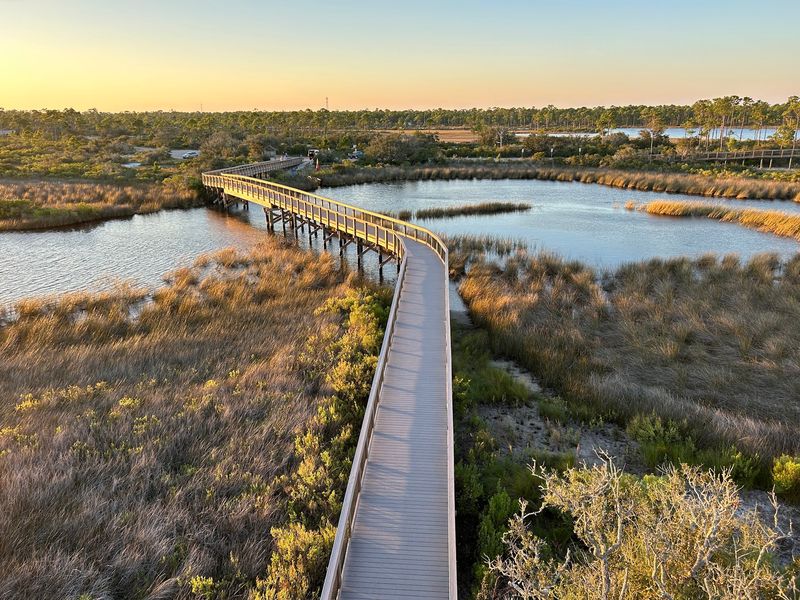
Salt air, pine scent, and marsh grass meet in a corner of Florida that feels closer to the Gulf than to any postcard beach crowd.
The Observation Tower at Big Lagoon State Park in Pensacola, Escambia County, gives a wide look across wetlands, lagoon water, and the start of the Great Florida Birding and Wildlife Trail.
The park protects important coastal habitat near Perdido Key, where fresh and salty environments mix.
From the tower, watch for herons, osprey, shorebirds, and shifting colors in the grass as wind moves through.
Bring binoculars, because birds often stay far enough away to blend into the marsh.
The tower pairs well with hiking trails, paddling, camping, or a picnic under shady trees.
Morning visits are usually cooler and quieter, while sunset can turn the lagoon gold.
Check trail conditions after storms, since coastal parks can change quickly.
For travelers who only see Pensacola’s sand and surf, this overlook adds another layer to the trip. It shows how barrier islands, lagoons, and marshes work together as nurseries, shelters, and feeding grounds for wildlife.
6. Emerson Point Tower in Palmetto, Manatee County,
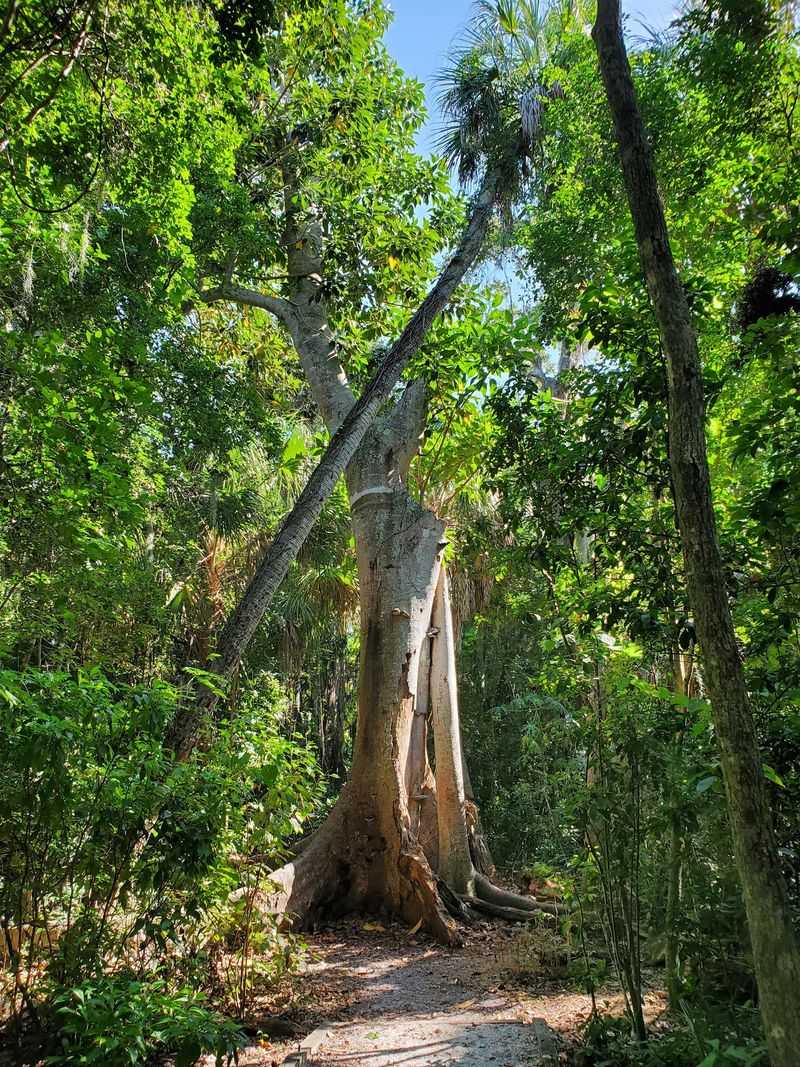
At the mouth of the Manatee River, old shell mounds and bay breezes share the same quiet ground.
Emerson Point Tower in Palmetto, Manatee County, stands inside Emerson Point Preserve, a place where natural beauty and deep history sit side by side.
The tower gives visitors a raised look toward Tampa Bay, the Manatee River, mangroves, and nearby islands.
Trails wind through coastal hammock, wetlands, and areas tied to Indigenous communities who lived here long before modern Florida took shape.
Take your time reading signs, because the preserve tells stories that are easy to miss if you rush straight to the view.
The climb is rewarding but not overwhelming, making it a good stop for active families.
Sunrise brings soft light over the water, while late day often adds cooler air and bird movement.
Bring water, sunscreen, and shoes that can handle sandy paths.
Kayakers can also explore nearby waters for a different angle on the same shoreline. From the top, the preserve feels like a meeting place of tides, trees, history, and wide Florida sky.
7. Delnor-Wiggins Pass State Park Observation Tower in Naples, Collier County,
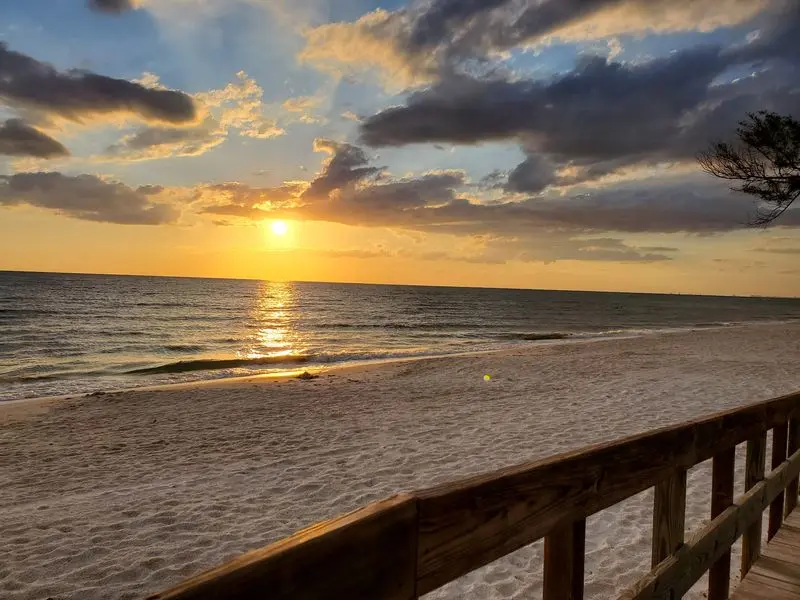
Beach days feel different when you step back from the shoreline and notice the dunes, pass, and coastal plants doing quiet work.
The Delnor-Wiggins Pass State Park Observation Tower in Naples, Collier County, offers a better understanding of one of southwest Florida’s treasured beach parks.
Views may include Gulf water, Wiggins Pass, mangroves, sea oats, and boats moving between inland bays and open water.
The area is loved for swimming, shelling, fishing, and birdwatching, but the tower helps visitors see the park as habitat, not just sand.
Arrive early because parking can fill, especially in winter and on weekends.
Conditions can also shift after hurricanes or restoration work, so check park updates before going.
Bring reef-safe sunscreen, water, and a hat, since shade can be limited near the beach.
Birders should scan for pelicans, terns, and wading birds around the pass.
After the climb, walk the beach slowly and notice how dunes protect inland areas from wind and waves.
The tower turns a pretty beach stop into a clearer lesson about Florida’s fragile coast.
8. Boca Ciega Millennium Park Observation Tower in Seminole, Pinellas County,
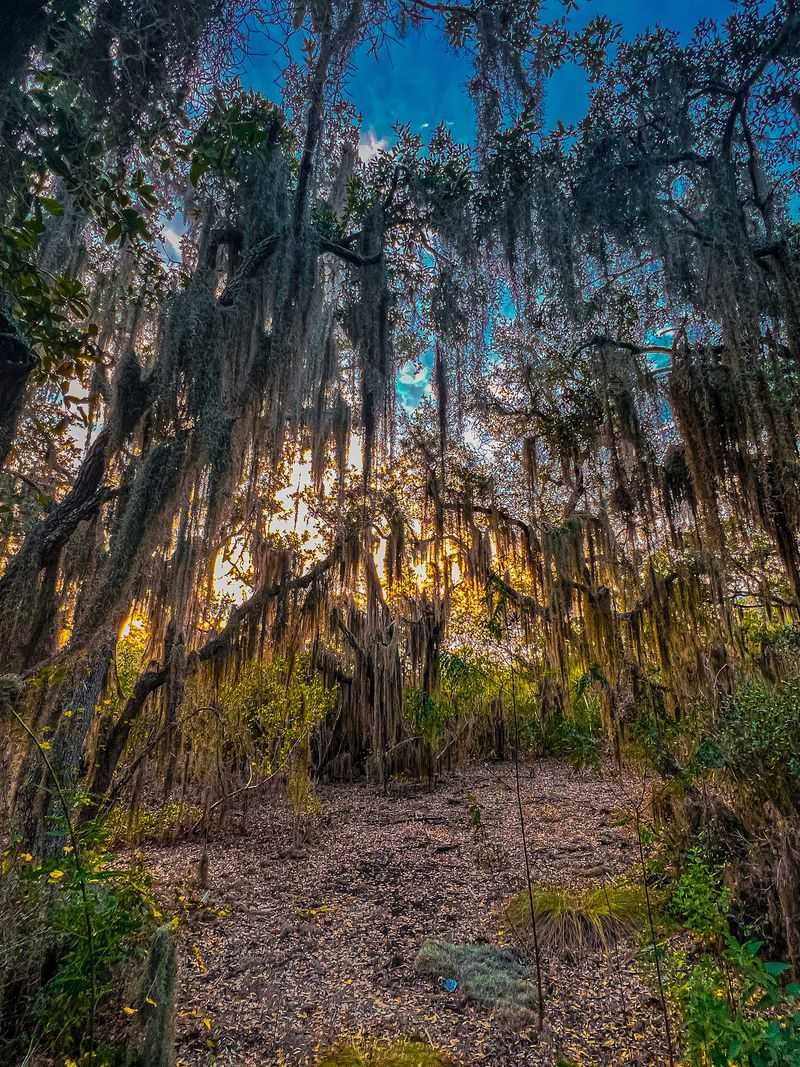
Between neighborhoods, traffic lights, and beach traffic, a wooden tower rises over a pocket of bayfront calm.
Boca Ciega Millennium Park Observation Tower in Seminole, Pinellas County, is a local favorite for seeing Boca Ciega Bay without the noise of a packed shoreline.
The park includes boardwalks, picnic areas, trails, and mangrove edges that attract birds and small wildlife.
From the tower, the view opens across shallow water, islands, and coastal development, making the contrast easy to understand.
It is a good place to show kids how mangroves protect shorelines and give young fish a safe place to grow.
Bring binoculars for spotting herons, ibis, pelicans, and maybe dolphins farther out in the bay.
The climb is manageable, but stairs can feel warm in the sun, so morning or late afternoon is best.
Pack lunch if you enjoy simple parks with room to slow down.
Unlike big-ticket attractions, this stop feels casual and useful. It reveals how much life can fit into a green space tucked inside one of Florida’s busiest coastal counties.
9. J.N. Ding Darling National Wildlife Refuge Tower in Sanibel Island, Lee County,
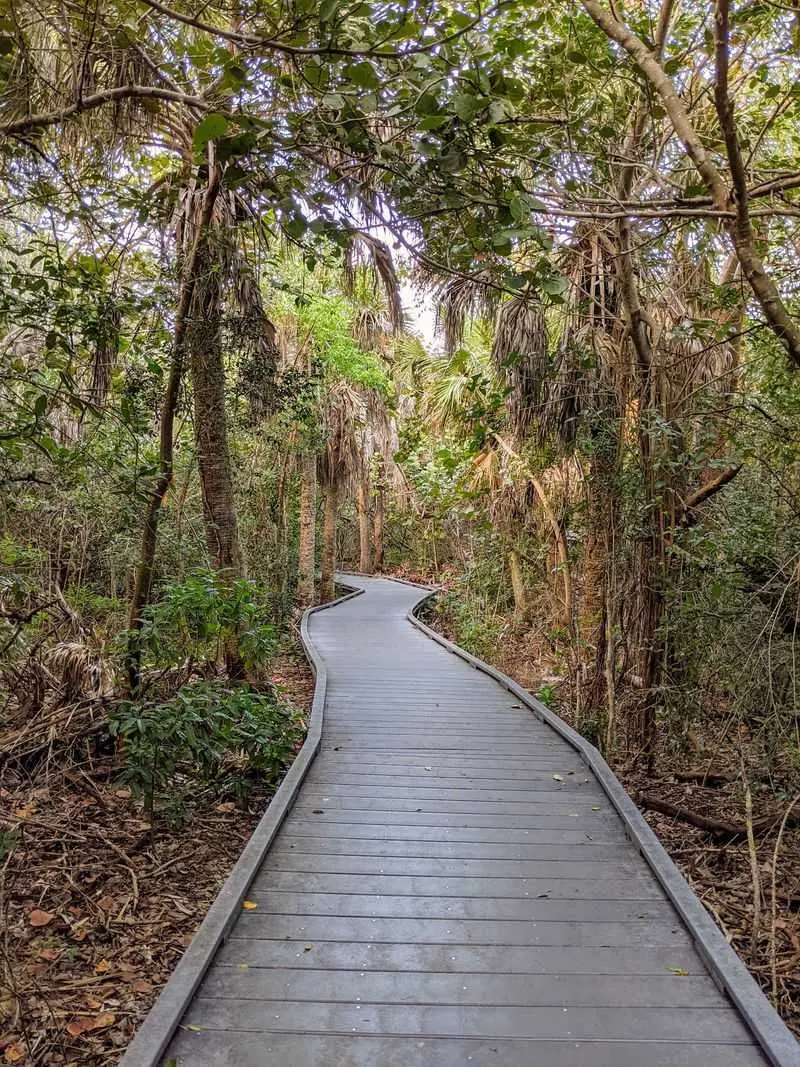
Some mornings on Sanibel seem painted with spoonbill pink, heron blue, and the silver shine of tidal flats.
The J.N. Ding Darling National Wildlife Refuge Tower in Sanibel Island, Lee County, gives visitors a patient place to watch that living picture change.
The refuge is famous for migratory birds, mangroves, and shallow waters rich with food for wildlife.
Along Wildlife Drive, overlooks and raised viewpoints help guests scan for roseate spoonbills, white pelicans, egrets, alligators, and fish jumping in the shallows.
The tower experience is less about height alone and more about staying still long enough to notice movement.
Check tide charts before visiting, because low tide often brings more feeding birds into view.
Bring binoculars, a camera with zoom, water, and patience.
Cycling the refuge can make the day feel slower and more connected than driving.
Because storms can affect trails and structures, always review current refuge information before arrival. For many travelers, this stop changes Sanibel from a shelling destination into a world-class wildlife classroom with wings, roots, mud, and sky.
10. Apollo Beach Nature Preserve Observation Tower in Apollo Beach, Hillsborough County,
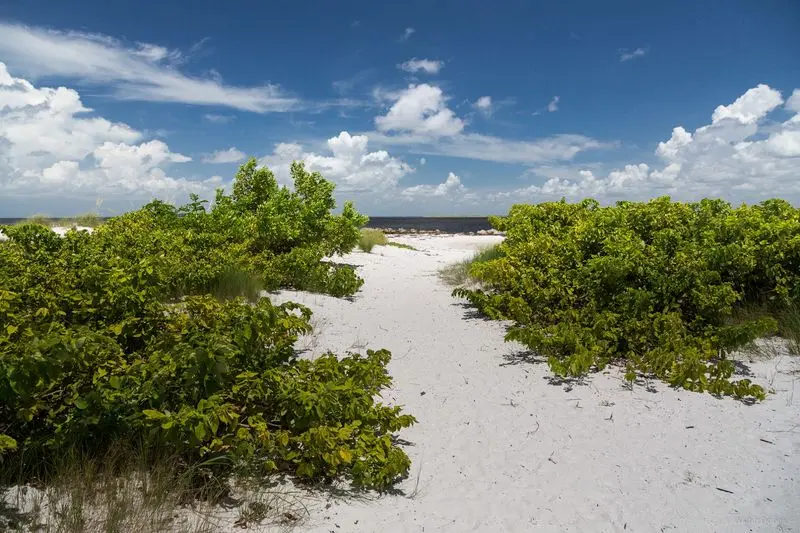
A short walk from suburban streets, Tampa Bay suddenly spreads wide with shorebirds, breezes, and sunset colors.
Apollo Beach Nature Preserve Observation Tower in Apollo Beach, Hillsborough County, helps visitors see a restored shoreline that many drivers pass without noticing.
The preserve sits along Tampa Bay and includes sandy paths, mangroves, water views, and habitat created to support coastal life.
From the tower, look for pelicans, gulls, herons, and boats crossing the bay.
The view also shows how nature and industry share space in this part of Florida, including distant power plant structures and developed shorelines.
That contrast makes the preserve especially interesting, because it is not a perfect wilderness, but a real working coast.
Visit near sunset for beautiful light, but bring a flashlight if you stay late.
Swimming is not the main draw here, so plan for walking, watching birds, and taking photos instead.
Wear sun protection, since shade is limited in open areas. The tower proves that even near busy communities, careful restoration can give people and wildlife a valuable place to breathe.