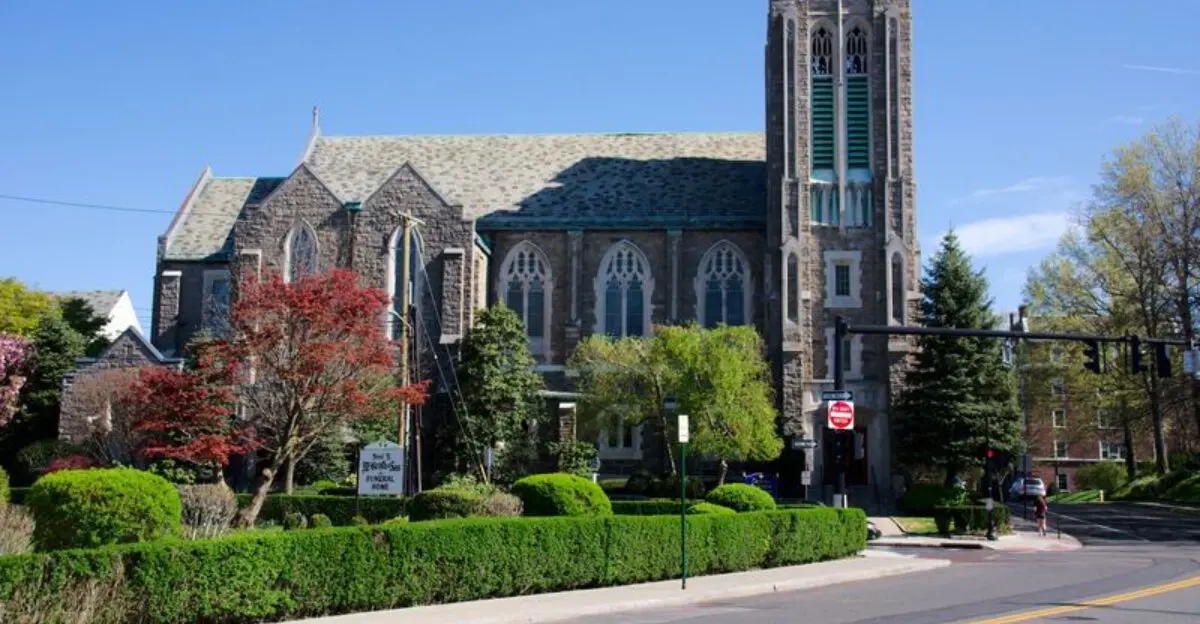
New York has flashy towers, famous museums, and busy streets, but some of its richest places sit quietly beyond the loudest crowds.
I wanted to see what makes these pricey towns feel so special, so I looked past the big gates and polished storefronts to notice the parks, schools, water views, train stations, and little daily details.
Some towns felt grand and old-fashioned, while others had beach air, village charm, or a cozy main street where people actually stopped to talk.
Come along for a friendly tour of places where high home prices meet history, beauty, and strong local pride, and see which one would make you slow down for a second look.
You may be surprised by how different each stop feels, even when the price tags all sit near the top of the state.
Pack your curiosity, wear comfortable shoes, and keep your camera ready today.
1. Old Westbury
Peacocks would not look out of place on some Old Westbury lawns, and that says a lot about the town’s style.
Wide roads curve past grand estates, tall trees, and stone walls that seem to hide whole worlds behind them.
The mood feels quiet, old-money, and carefully protected.
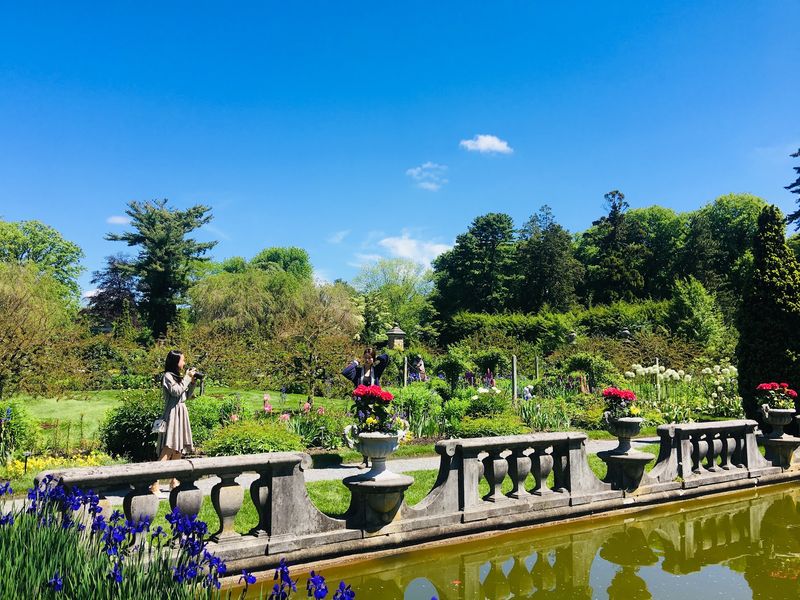
A visit to Old Westbury Gardens helps explain the appeal fast.
The former Phipps family estate has a mansion, formal gardens, ponds, and paths that make everyday noise feel far away.
Bring comfortable shoes, because the grounds are larger than they first appear.
Living here is expensive because land is scarce, lots are large, and privacy matters.
Many homes sit on several acres, which is rare so close to New York City.
Families also value the nearby private schools, golf clubs, and easy drives to North Shore villages.
If you explore, do not expect a busy downtown packed with shops.
Old Westbury works best as a slow drive, a garden visit, and a chance to admire space.
Its luxury whispers instead of shouts, which makes it feel especially confident.
2. Scarsdale
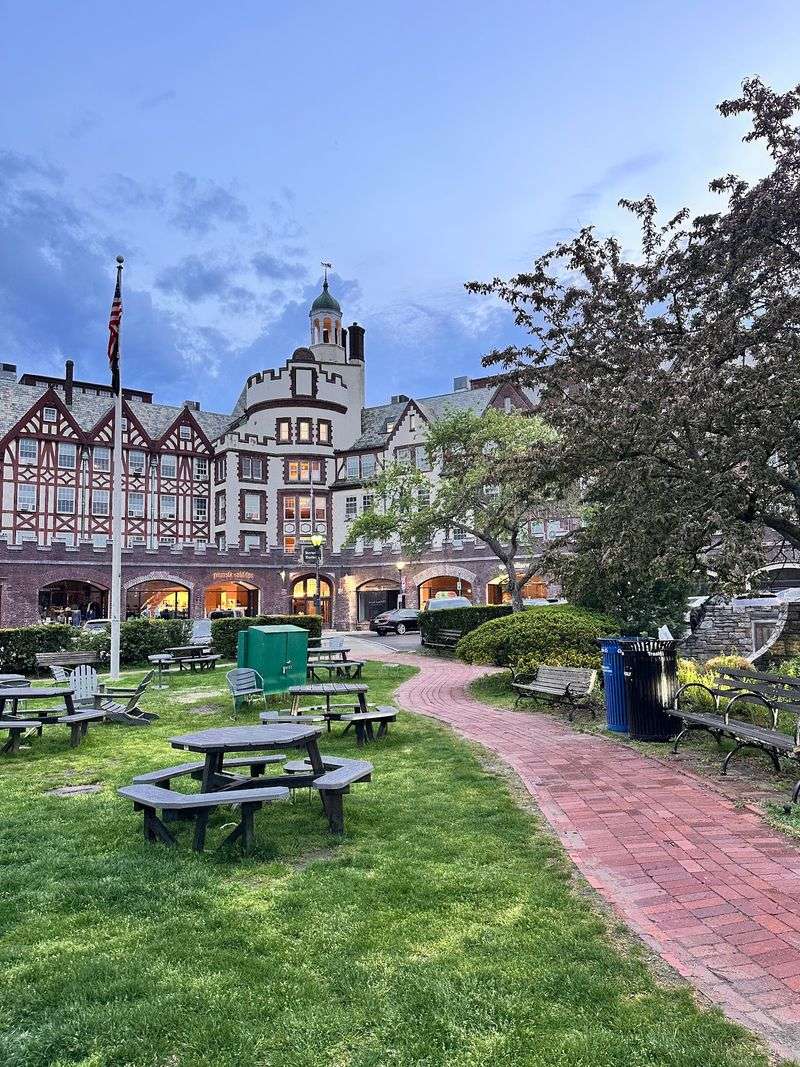
The train station in Scarsdale feels like a neat little promise: city access without giving up leafy calm.
Commuters step off Metro-North and land near tidy shops, brick sidewalks, and streets that look ready for a magazine photo.
Everything feels polished, but not cold.
Scarsdale has long been known for excellent schools, and that reputation helps push prices sky high.
Buyers often come for the education, short commute, and graceful homes, then stay for the steady neighborhood feeling.
Tudor, Colonial, and modern houses sit on well-kept blocks with serious curb appeal.
For visitors, the village center is the easiest place to start.
Grab coffee, walk around, and notice how close the train is to daily errands.
It gives the town a practical edge that many luxury areas lack.
One helpful tip: Scarsdale is not only about money.
Local parks, youth sports, library programs, and community events give it a lived-in feel.
The wealth is visible, yes, but the town’s real strength is how smoothly it blends ambition with ordinary family routines.
3. Rye
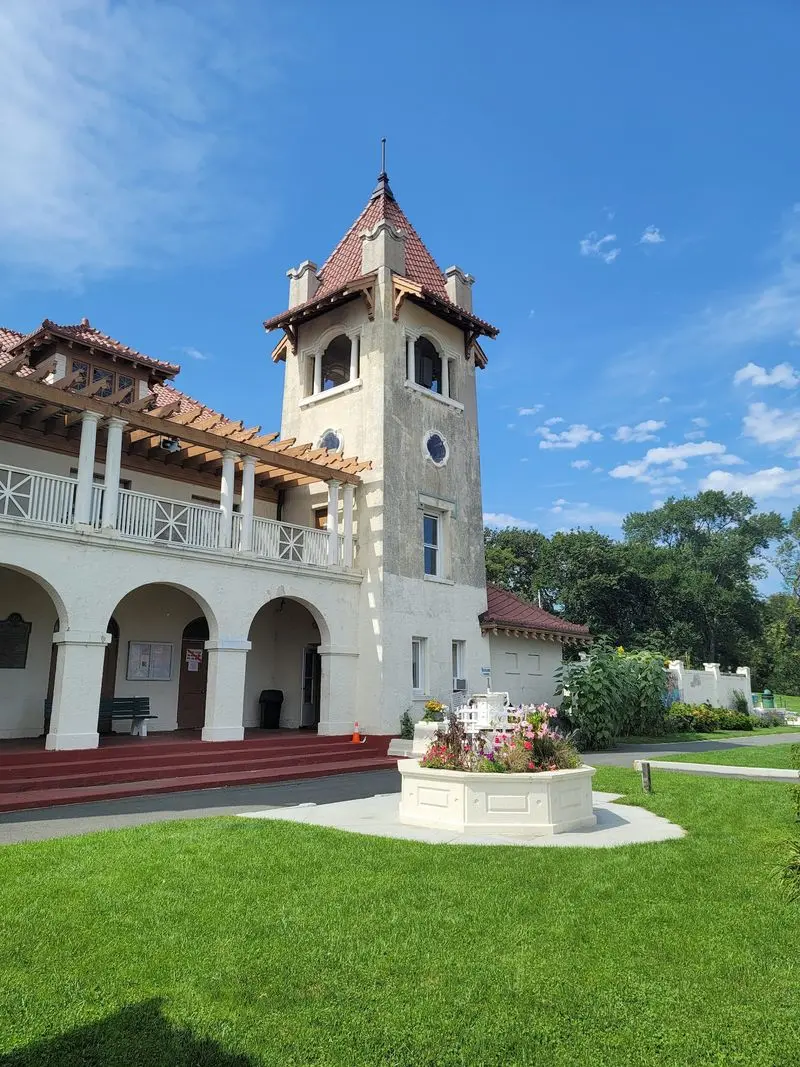
Salt air sneaks into Rye before you even reach the water.
This Westchester town has a bright coastal personality, with Long Island Sound nearby, boats bobbing in marinas, and parks that make weekends feel a little longer.
It is rich, but it also knows how to have fun.
Rye Playland adds a rare twist to the luxury setting.
The historic amusement park opened in 1928 and still gives the town a splash of summer color.
Families can ride, stroll, or simply enjoy the waterfront views without needing a private beach club.
Home prices stay high because Rye offers strong schools, a quick train ride to Manhattan, and a downtown that feels useful instead of showy.
Restaurants, bakeries, and small shops sit close enough for easy errands.
That walkable center gives the town real charm.
If you go, plan time for Rye Town Park or the shoreline paths.
The best parts are not hidden behind gates.
Rye stands out because it mixes serious money with sea breezes, kid-friendly places, and a cheerful sense that life should include ice cream after dinner.
4. East Hills
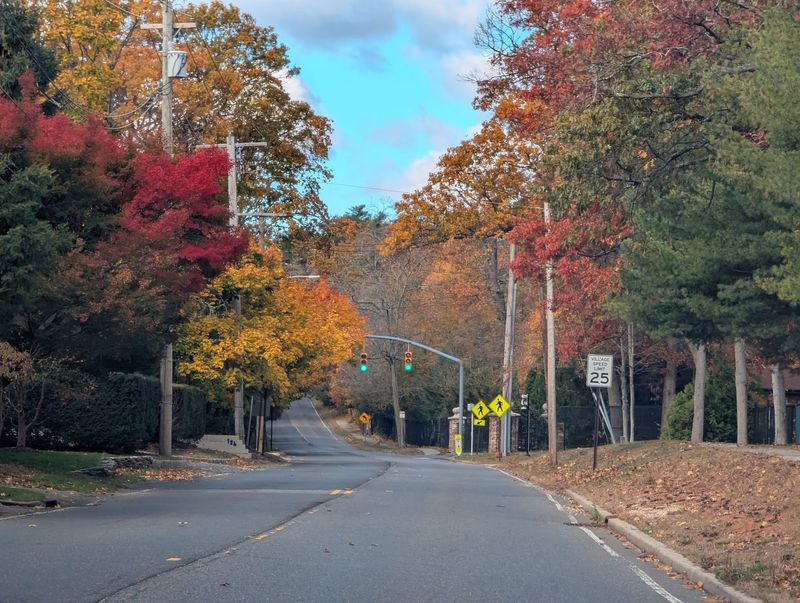
A guarded gate is not the whole story in East Hills, but it hints at the careful planning here.
This Nassau County village feels orderly, green, and very family-focused.
Streets are calm, homes are large, and the pace is quieter than nearby shopping hubs.
The standout feature is East Hills Park, a residents-only recreation area with pools, sports fields, trails, a theater, and playgrounds.
For families, it works almost like a private resort close to home.
That kind of shared space adds real value beyond square footage.
East Hills also benefits from its location near Roslyn, major roads, and Long Island Rail Road stations.
Residents can reach restaurants, schools, doctors, and shops without feeling stuck in traffic all day.
The convenience is a big part of the price.
Visitors may find fewer tourist-style sights than in older villages, so look at how people live instead.
Notice the neat landscaping, the quiet streets, and the community spaces built for daily use.
East Hills feels expensive because it sells comfort, safety, and a very polished version of suburban routine.
5. Southampton
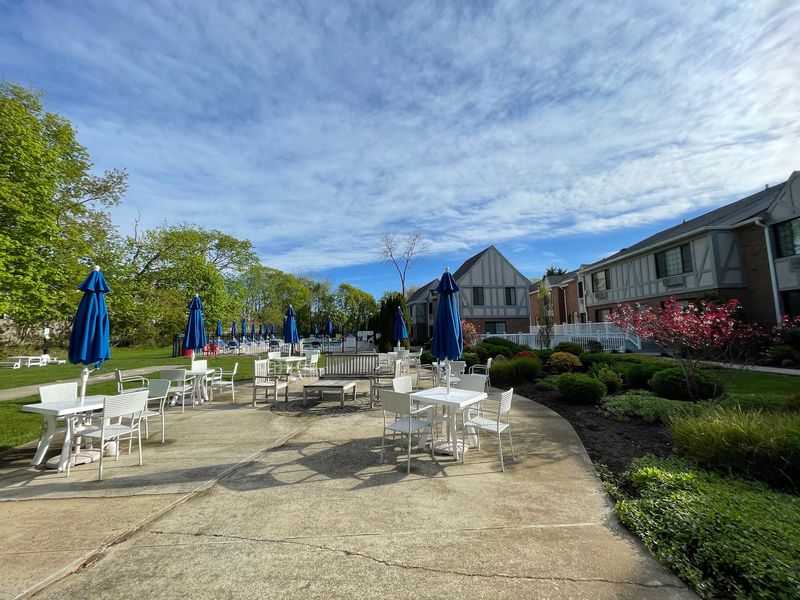
Hydrangeas, beach bikes, and cedar-shingled mansions make Southampton look like summer learned how to dress well.
The village has deep roots, founded in 1640, yet it still feels like a stage for modern Hamptons life.
History and glamour share the same sidewalks.
Jobs Lane and Main Street give visitors an easy starting point.
You can browse boutiques, stop for lunch, and admire old buildings without needing a party invitation.
Nearby museums and historic homes add substance to the famous beach image.
The beaches are the major draw, and they help explain the prices.
Clean sand, ocean access, and limited land create fierce demand.
During peak season, the village grows busy, so parking rules and beach permits matter more than visitors may expect.
Southampton feels different from quieter wealthy towns because it has a social buzz.
People come to see, be seen, relax, shop, and escape the city heat.
My best advice is simple: visit early in the day, wander slowly, and save time for the ocean.
The money is obvious, but the light is the real luxury.
6. Sands Point
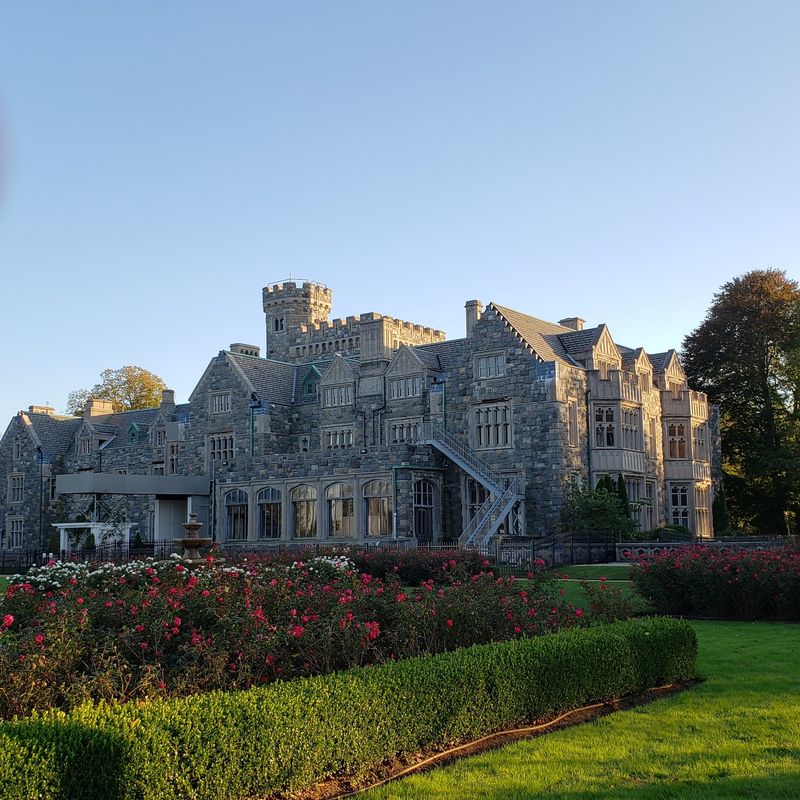
Castle energy is real in Sands Point.
The village sits on a quiet peninsula in Nassau County, where wooded lanes lead to water views, grand homes, and the famous Sands Point Preserve.
It feels a little mysterious, like a storybook with excellent real estate taxes.
The preserve is the best public window into the village’s past.
Its mansions, including Hempstead House and Castle Gould, connect to the Gold Coast era, when wealthy families built huge estates along Long Island’s North Shore.
Trails and lawns make the history easy to enjoy.
Prices rise because Sands Point offers privacy, waterfront property, and a strong sense of separation from busier areas.
Many homes have sweeping lawns or views of Long Island Sound.
Even non-waterfront streets often feel tucked away and peaceful.
For a smart visit, spend time at the preserve instead of just driving past gates.
You will get nature, architecture, and a feel for why the area became famous.
Sands Point is not flashy in a beach-town way.
It is cinematic, quiet, and a bit dramatic, which makes it unforgettable.
7. Sagaponack
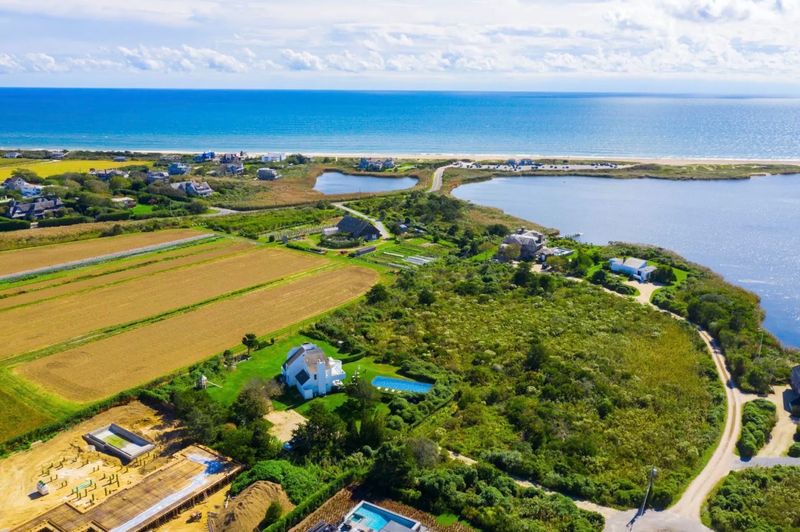
Potato fields beside multimillion-dollar homes sound made up, yet Sagaponack makes that contrast feel normal.
This tiny Hamptons village has open farmland, ocean beaches, and some of the highest home values in the country.
Its beauty comes from space as much as sparkle.
The town’s farming past still shapes its look.
Flat fields, weathered barns, and quiet roads break up the line of big modern houses.
That open feeling is rare in the Hamptons, where every acre can attract huge demand.
Sagaponack is not the place for a busy main street adventure.
Visitors should expect quiet drives, beach access rules, and scenery that rewards patience.
Nearby Bridgehampton and East Hampton offer more restaurants and shops when you want activity.
What makes Sagaponack special is restraint.
The wealth is massive, but the landscape often feels simple: sky, crops, dunes, and ocean air.
If you visit, treat it gently.
Pull over only where allowed, respect private roads, and enjoy the strange magic of a place where farm country and elite beach life share the same horizon.
8. Bronxville
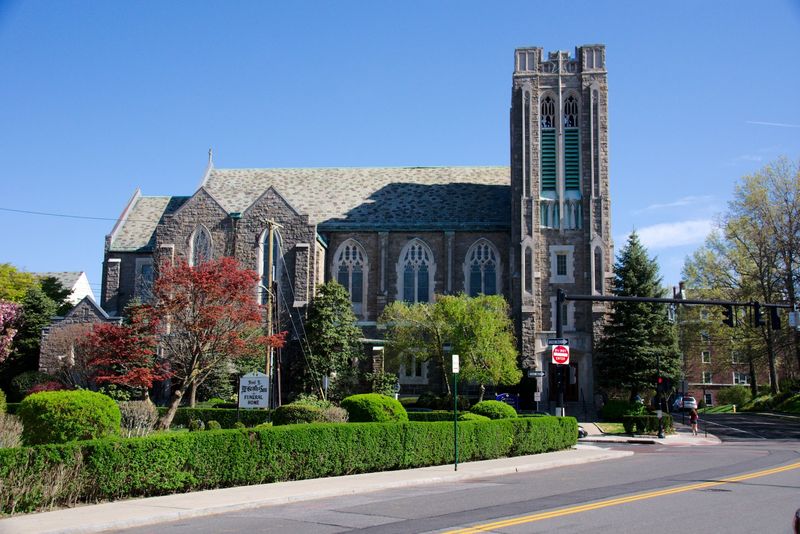
Bronxville feels like someone designed a village for people who love errands on foot.
The downtown is compact, charming, and close to the Metro-North station, which makes daily life feel almost old-fashioned.
You can imagine walking to coffee, school, dinner, and the train.
Only about 15 miles from Midtown Manhattan, Bronxville commands high prices because it offers rare convenience with a small-village mood.
Many homes are handsome Tudors, Colonials, and apartments with prewar character.
The streets feel cared for without seeming frozen.
Schools, commute time, and walkability drive much of the demand.
Families like the close-knit layout, while commuters appreciate not spending forever getting to the city.
The Bronx River Parkway Reservation also adds green space nearby for walks and bike rides.
If you visit, skip the car for a while.
Start near the station, explore Pondfield Road, and look up at the architecture.
Bronxville’s luxury is not about giant lawns or ocean views.
Its special trick is making high-end suburban life feel village-sized, social, and surprisingly easy to navigate.
9. Larchmont
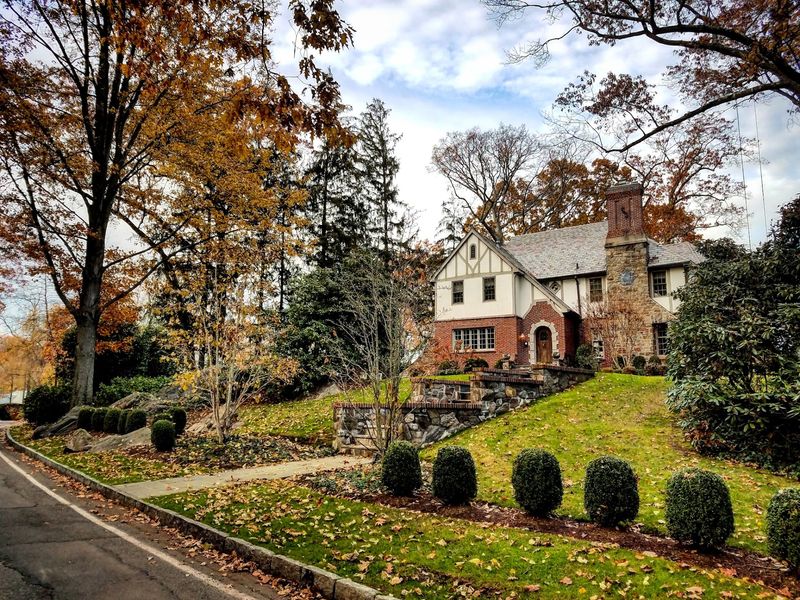
Sailboats give Larchmont its wink.
The village has a breezy, friendly feeling, with Long Island Sound close by and a downtown that invites quick stops to become long strolls.
It feels polished, but not stiff.
Larchmont’s appeal starts with balance.
It has strong schools, a reasonable train commute, pretty homes, and a village center filled with useful shops and restaurants.
Manor Park, with rocky shoreline views, is one of the prettiest places to understand the town’s character.
The housing market stays costly because many buyers want exactly this mix.
They get waterfront beauty without giving up sidewalks, neighbors, and easy city access.
Older homes add charm, while renovated ones bring the price tags people expect in top Westchester towns.
A visitor tip: come when the weather is clear and walk near the water if access is open.
Then head into town for a snack or coffee.
Larchmont does not need to brag.
Its strongest feature is how naturally it blends sea air, community life, and the kind of streets where people wave because they actually know each other.
10. Great Neck Estates
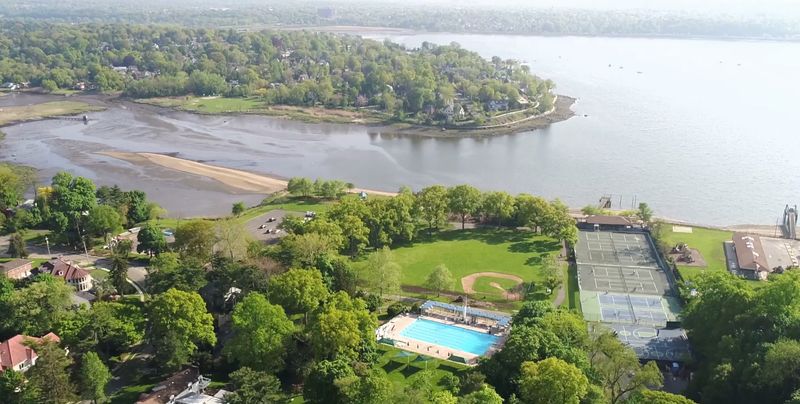
Great Neck Estates feels like a pocket-sized retreat with city lights never too far away.
Part of the larger Great Neck peninsula, this village offers leafy streets, handsome homes, and prized access to the North Shore lifestyle.
It is quiet, but highly connected.
One reason prices climb here is the commute.
Great Neck has Long Island Rail Road service that can bring riders into Manhattan faster than many farther suburbs.
For people who work in the city, that time savings matters a lot.
The village also has its own private park and waterfront recreation for residents, which adds a resort-like touch.
Nearby shopping and dining in Great Neck make life convenient without forcing people to leave the peninsula.
The area also has a long history as a desirable address for professionals, families, and commuters.
If you explore, notice the mix of privacy and access.
Streets can feel calm, yet major roads, trains, and services sit close by.
Great Neck Estates stands out because it does not feel remote.
It feels like a carefully tucked-away base camp for people who want comfort and speed.
11. Garden City
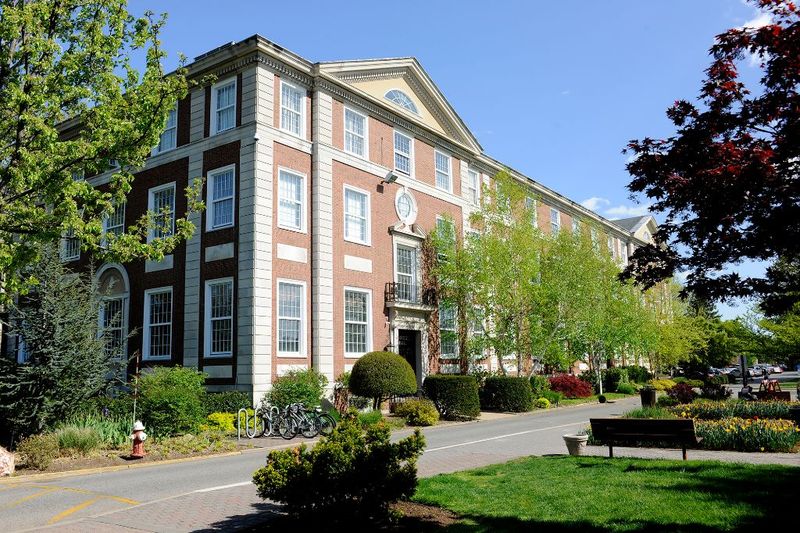
Garden City has the confidence of a place with a plan.
Wide avenues, tidy lawns, and stately homes create a calm rhythm that feels different from many crowded Long Island communities.
The village was developed in the late 1800s by Alexander Turney Stewart, and that planned feel still shows.
The downtown offers restaurants, shops, and train access, so residents get convenience along with beauty.
The Garden City Hotel adds a landmark touch, while nearby museums and colleges bring steady activity.
It feels elegant, but also practical.
High prices come from strong schools, large homes, central Nassau County location, and a reputation built over generations.
Buyers often like that Garden City feels established rather than trendy.
Streets have a classic look, and many blocks seem built for porch lights, bikes, and evening walks.
For visitors, Franklin Avenue is a good starting point.
Walk, eat, and then drive the residential streets to see the scale of the village design.
Garden City is not beachy or hidden behind forested gates.
Its luxury comes from order, history, and a polished everyday life that runs with impressive smoothness.