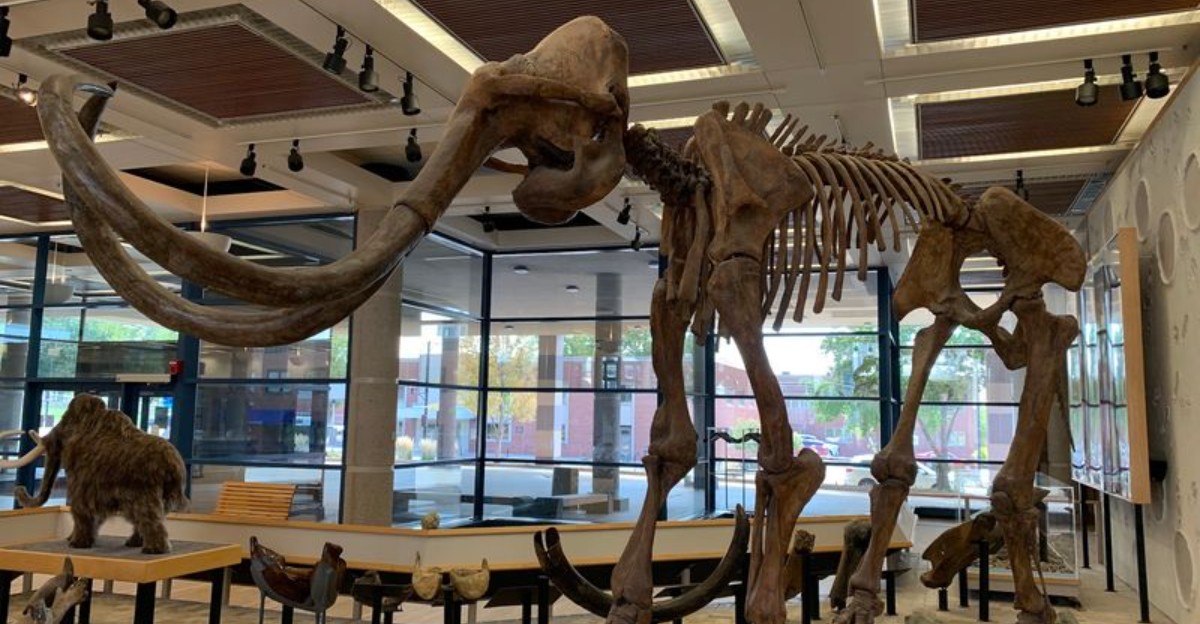
Iowa knows how to surprise people, and its biggest museums prove it fast.
One minute you are looking at river fish, old maps, giant trucks, or famous movie gear, and the next minute you spot another gallery, a hidden hallway, or a room full of stories you did not expect.
That sense of discovery matters because museums help kids and grown-ups connect facts, places, and people in a way that feels real.
They turn school subjects into adventures you can walk through.
Across the state, these museums cover art, science, history, nature, war service, immigration, and even life on the open road.
Some are packed with hands-on exhibits, while others impress you with beautiful buildings and treasures that seem to keep going and going.
If you like places where curiosity stays busy and your feet get a workout, Iowa has plenty of corners worth turning for curious families and travelers.
1. National Mississippi River Museum & Aquarium – Dubuque
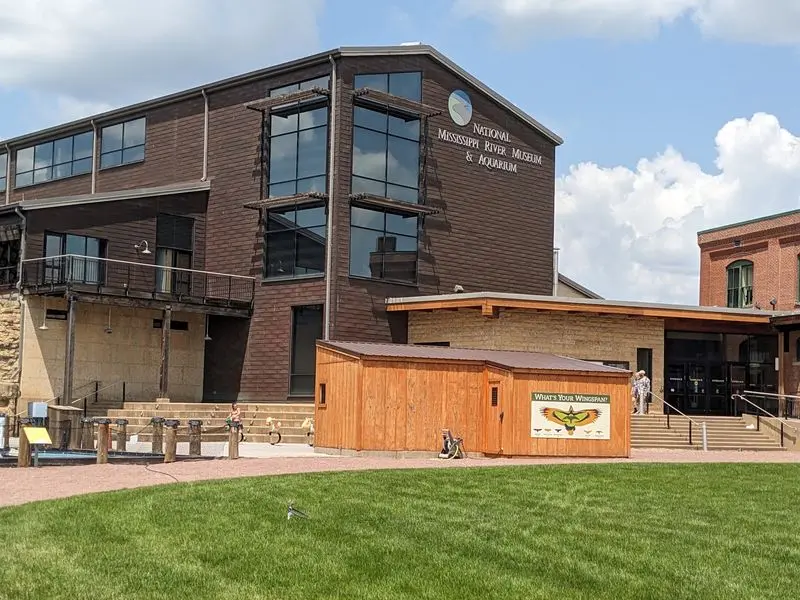
River towns know how to tell a story, and this Dubuque favorite tells several at once.
The National Mississippi River Museum & Aquarium mixes regional history, working river culture, and live animal exhibits, so every turn feels like a change of channel on the most interesting TV in town.
Inside, you can move from giant fish tanks to displays about dredges, shipping, and wooden boats without feeling lost.
Kids usually race toward the aquariums first, but adults often linger over artifacts that explain how the Mississippi shaped jobs, trade, and daily life across the Midwest.
One smart tip is to give yourself more time than you think you need.
Outdoor areas, touchable exhibits, and special demonstrations can stretch a visit easily, and that is a good problem to have when the weather in Dubuque cooperates.
What makes the place feel extra big is its variety.
A family can talk about otters, engines, flood history, and river science in one afternoon, then leave with the odd but satisfying feeling that they somehow visited three museums wearing one very clever name.
2. Putnam Museum and Science Center – Davenport
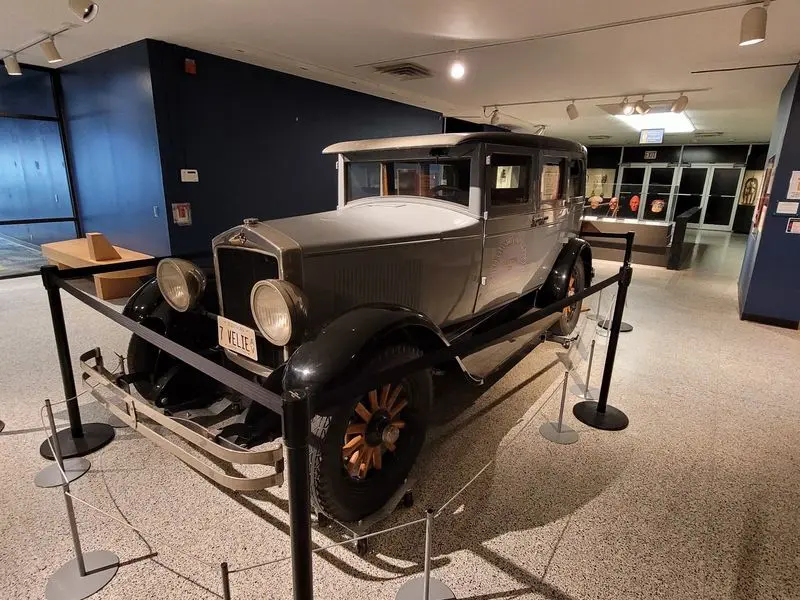
Buttons, bones, and big ideas all seem to live happily together at the Putnam Museum and Science Center in Davenport.
It is the kind of place where a child can poke at a science activity, stare at ancient-looking objects, and then sprint off to another gallery before the grown-ups finish reading the sign.
The museum covers science, history, and culture, which keeps the experience moving.
You might find regional exhibits that explain life in the Quad Cities, then step into spaces focused on natural history or hands-on learning that make school topics feel much less like homework.
Families should check the schedule before arriving because shows and rotating exhibits can add even more ground to cover.
If you visit with younger kids, break the trip into sections and plan a snack stop, since the building invites a lot of zigzag walking.
What gives the Putnam its around-every-corner energy is the way it changes pace.
One room asks you to think, another asks you to touch, and another quietly reminds you that museums are really giant curiosity machines with better lighting and fewer loose screws.
3. Figge Art Museum – Davenport
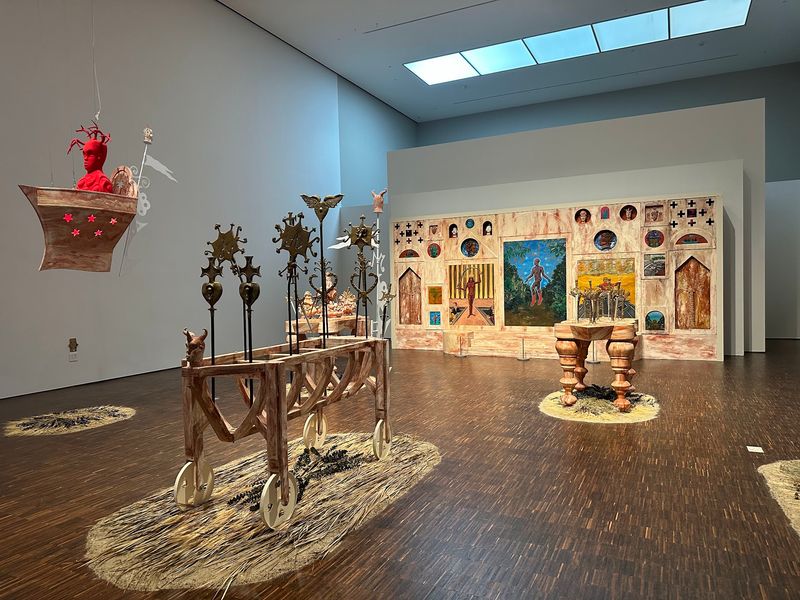
Glass, light, and quiet surprises make the Figge Art Museum feel bigger than many first-time visitors expect.
Sitting in downtown Davenport near the Mississippi River, the building has a sleek look outside, but inside it opens into galleries that invite you to slow down and notice details you would normally miss.
The collection ranges across American art, regional work, and changing exhibitions, so the experience never feels stuck in one mood.
One minute you are looking at a bold modern piece, and the next you are standing before art that captures Midwestern life with a softer, steadier voice.
People who think art museums are too serious often do well here because the layout keeps things manageable.
Start at the top, wander at your own speed, and use the benches when a favorite painting earns a second or third look.
Davenport has several strong museums, yet the Figge brings a different kind of adventure.
Instead of loud gadgets or giant machinery, it offers visual treasure hunts, unexpected color, and the pleasant shock of realizing that an hour disappeared while you were simply staring at a wall.
4. State Historical Museum of Iowa – Des Moines
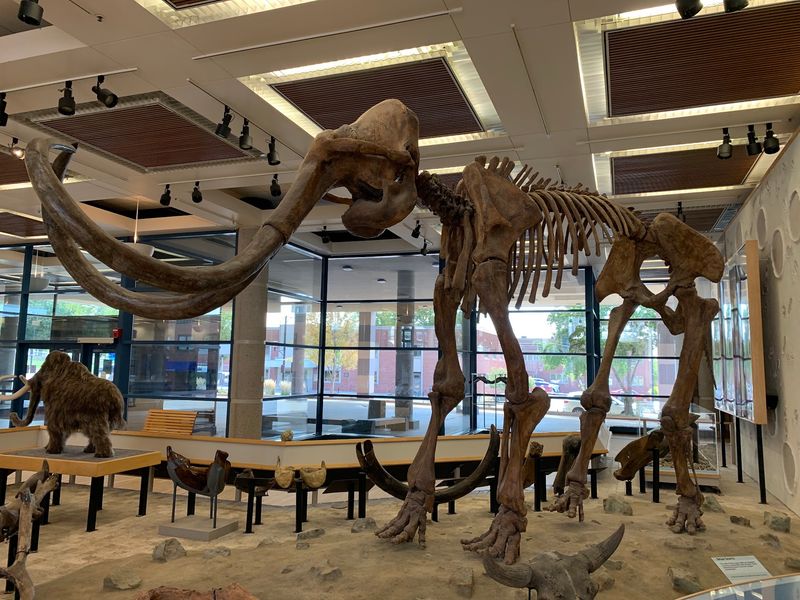
History can feel dusty in the wrong hands, but this Des Moines museum keeps it awake and moving.
The State Historical Museum of Iowa gathers objects, stories, and statewide milestones in a way that helps visitors see how ordinary people, big events, and local places all fit together.
Exhibits cover many parts of Iowa life, from early settlement and farming to politics, business, and community change.
Because the museum looks at the whole state, each gallery adds another layer, almost like flipping through a very large family scrapbook with better labels.
A practical tip helps here: do not rush past the smaller objects.
Clothing, signs, tools, and household items often explain daily life better than giant timelines do, and they give kids easy entry points for asking smart questions.
Its location in Des Moines also makes it easy to pair with other downtown stops, but save enough energy for the museum itself.
The deeper you go, the more Iowa stops being a flat shape on a map and starts acting like a place packed with lively, surprising human stories.
5. Iowa State Capitol Complex – Des Moines

A government building may not sound like a museum giant at first, yet the Iowa State Capitol Complex in Des Moines keeps proving that idea wrong.
Between the grand Capitol, its displays, artwork, memorial spaces, and nearby historic buildings, the grounds offer a layered look at state history and civic life.
The Capitol itself is the showstopper, with its golden dome, sweeping staircases, and richly decorated rooms.
Visitors often come for architecture, then end up spending extra time with exhibits and historical details that explain how Iowa has governed itself across changing eras.
Bring comfortable shoes and look up often.
Ceilings, railings, paintings, and stonework reward slow walkers, and guided tours can help you catch stories you might miss if you simply wander through admiring the shiny parts.
What makes the complex feel so large is the combination of beauty and meaning.
You are not just seeing a famous building.
You are moving through the stage where laws were debated, decisions were made, and public history settled into the walls like an echo that never fully leaves.
6. National Czech & Slovak Museum & Library – Cedar Rapids
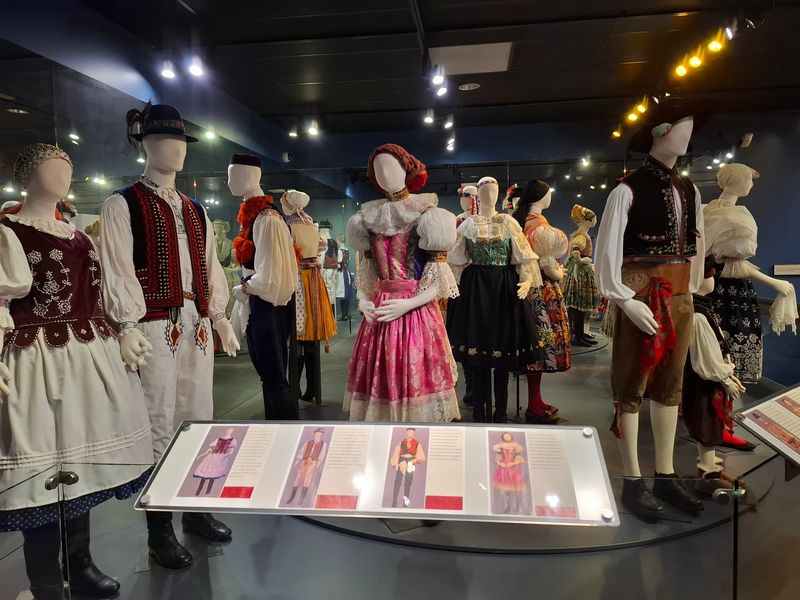
Heritage museums can sometimes feel narrow, but this one opens outward in all directions.
The National Czech & Slovak Museum & Library in Cedar Rapids uses personal stories, immigration history, culture, and art to show how one community’s journey connects to much bigger world events.
Visitors will find exhibits about family traditions, political struggles, language, music, and the experience of building a new life in America.
Because the museum balances emotion with clear information, it works well for school-age kids, grandparents, and anyone who likes history that feels close enough to touch.
Plan enough time for both museum galleries and library-related spaces if available during your visit.
Temporary exhibits can shift the mood in fun ways, so checking ahead is a smart move for travelers who enjoy catching something special.
Cedar Rapids has strong cultural stops, yet this museum stands out for turning identity into an adventure.
You begin with names, food, clothing, and old-country customs, then suddenly realize you are also learning about resilience, memory, and how communities carry home with them even after crossing an ocean.
7. Cedar Rapids Museum of Art – Cedar Rapids
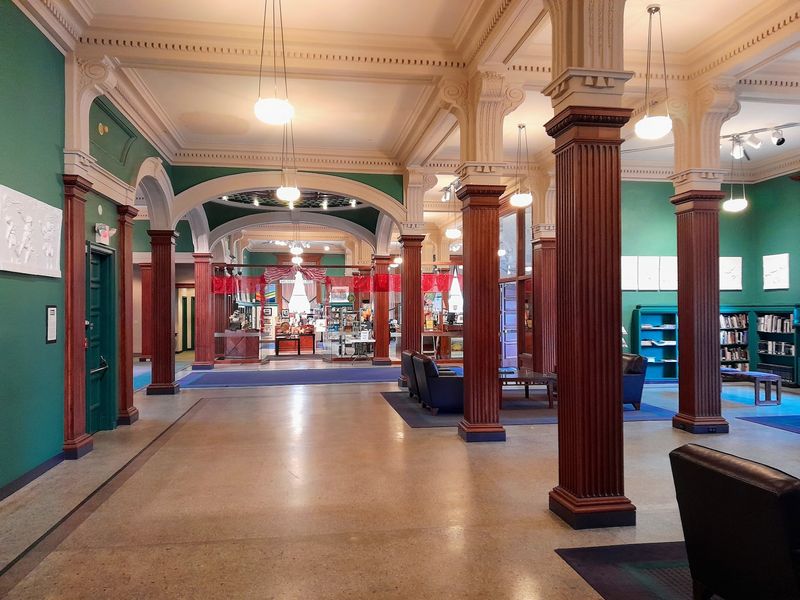
Some museums whisper instead of shout, and the Cedar Rapids Museum of Art knows exactly how to use that voice.
Tucked into downtown Cedar Rapids, it offers a thoughtful trip through American and regional art, with a strong connection to Grant Wood that gives the whole place extra Iowa character.
The galleries feel welcoming rather than overwhelming, but they still hold enough variety to keep you alert.
Paintings, changing exhibitions, and carefully arranged spaces encourage slow looking, which is museum language for stopping long enough to notice things your first glance skipped completely.
If you visit with friends or family, try a simple challenge: everyone picks one artwork and explains why it stood out.
That small game works especially well here because the museum gives people room to react without feeling rushed or talked over.
What keeps the experience fresh is its sense of discovery by detail.
Cedar Rapids has rebuilt and reshaped itself many times, and this museum reflects that steady creative spirit, proving a collection does not need booming sound effects to send visitors home with buzzing brains and favorite new corners.
8. Vesterheim – Decorah
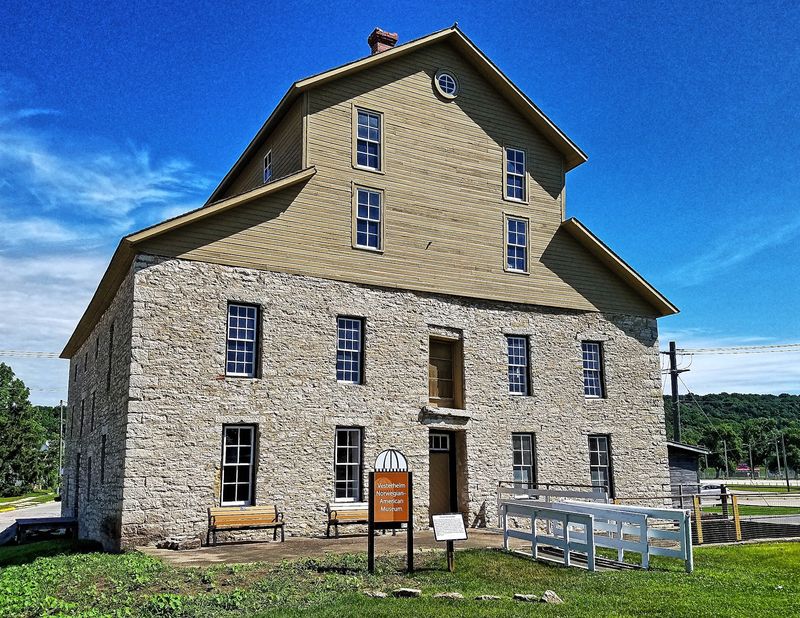
Decorah already feels charming before you reach Vesterheim, and then the museum raises the bar.
Known for celebrating Norwegian American history and culture, Vesterheim spreads its stories across galleries and historic buildings, creating a campus that feels part museum, part time machine, and part beautifully organized rabbit hole.
Inside, you can see folk art, textiles, woodwork, and objects tied to immigrant life in the Upper Midwest.
Step outside and the setting changes again, with historic structures that help visitors picture how families lived, worked, worshiped, and kept traditions alive in a new land.
Because the museum campus invites walking, weather matters here more than at a single-building museum.
Wear shoes that can handle both indoor floors and outdoor paths, and leave space in your schedule for classes, demonstrations, or seasonal events when available.
Vesterheim feels large not because it is flashy, but because it layers beauty, skill, and memory so well.
A carved chest leads to a family story, a family story leads to migration, and suddenly a small town in northeast Iowa opens into a much wider map of cultural belonging.
9. Iowa 80 Trucking Museum – Walcott
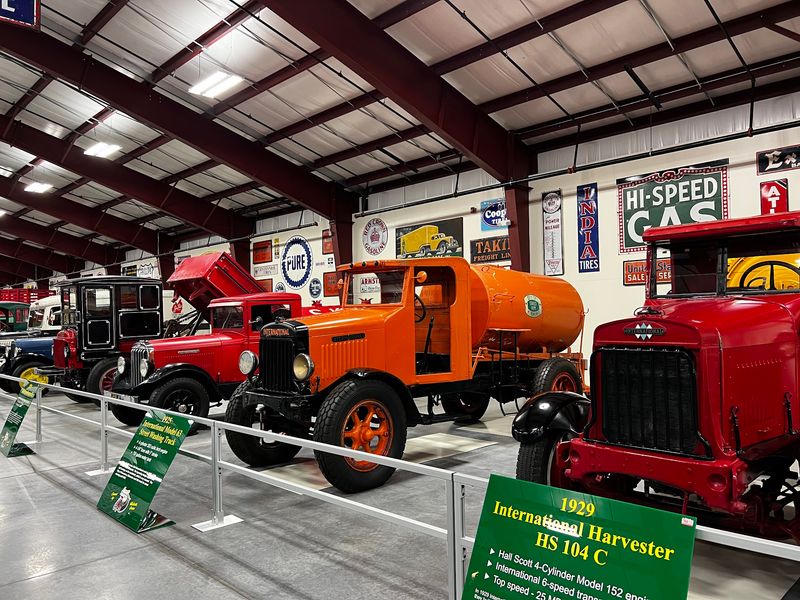
Chrome, horsepower, and a whole lot of road history give this Walcott museum its own rumbling personality.
The Iowa 80 Trucking Museum celebrates trucking with restored vehicles, transportation artifacts, and enough mechanical charm to make even people who cannot name engine parts start acting like experts.
Rows of old trucks show how design, comfort, and hauling power changed over time.
You get a close look at machines that once carried goods across America, and the displays help explain how trucking shaped business, travel, and everyday life far beyond the highway.
Pairing a visit with the nearby Iowa 80 Truckstop makes the stop even more memorable, especially for road-tripping families.
Kids usually love the size of the rigs, while adults enjoy seeing how much work and style went into vehicles built for long days and longer miles.
The museum feels bigger than expected because each truck has its own character.
One looks proud, another looks stubborn, and another seems ready to honk at modern traffic for lacking proper manners.
In Walcott, transportation history is not parked quietly in a corner.
It practically revs at you.
10. University of Iowa Museum of Natural History – Iowa City
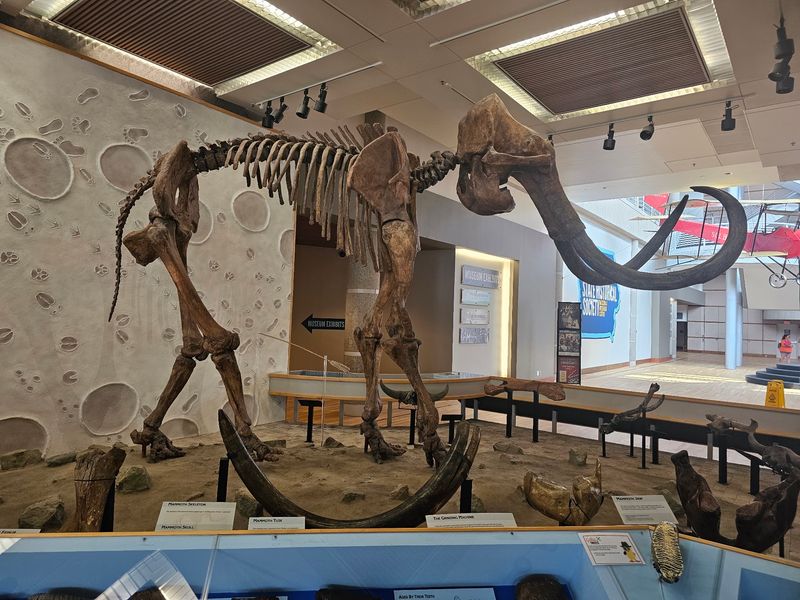
Few places capture old-school museum magic better than the University of Iowa Museum of Natural History in Iowa City.
Walk in, and you get that wonderful feeling that science is about to unfold through fossils, animals, habitats, and displays that make the natural world seem both huge and surprisingly close.
Its classic dioramas and natural history exhibits are a major draw, especially for visitors who love the mix of education and atmosphere.
The museum has a timeless personality, the sort that makes children press closer to the glass while adults remember their own school field trips.
Since it sits in a university setting, it is easy to build a full Iowa City day around your visit.
Give yourself time to read labels, not just scan them, because many of the best surprises come from learning how local and global nature stories connect.
What keeps the museum feeling large is the jump in scale from one gallery to the next.
A small shell, a towering skeleton, a bird scene, a prehistoric clue, and suddenly your brain is traveling through ecosystems and eras faster than your shoes are moving across the floor.
11. Sullivan Brothers Iowa Veterans Museum & Grout Museum of History & Science – Waterloo
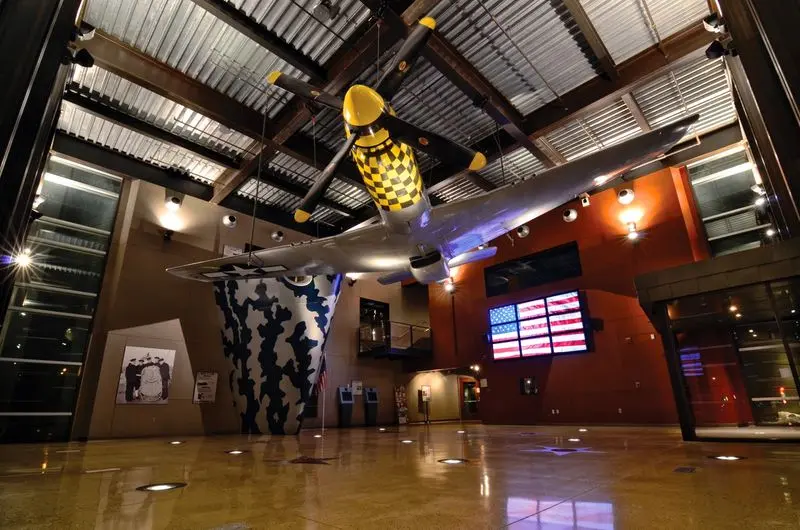
Waterloo gives museum fans a two-for-one experience that still feels like more.
The Sullivan Brothers Iowa Veterans Museum and the Grout Museum of History & Science work together as a strong museum complex, blending military history, regional stories, and science-minded exhibits into a visit with real range.
The veterans museum is especially moving, honoring service members through personal items, uniforms, photographs, and wartime history.
Named for the five Sullivan brothers from Waterloo, it adds emotional weight that helps visitors remember military service as lived experience, not just a chapter title.
Nearby Grout spaces widen the trip with local history and science themes, so the day never stays in one lane.
Families who travel with mixed interests often appreciate that setup, since one person can study historical detail while another hunts for a more hands-on display.
Give this Waterloo stop extra time because the museum complex rewards patience.
You may arrive expecting a straight path through war history, but you leave having learned about community, invention, sacrifice, and the many ways one city can hold onto memory while still inviting new questions around the next corner.
12. John Wayne Birthplace & Museum – Winterset
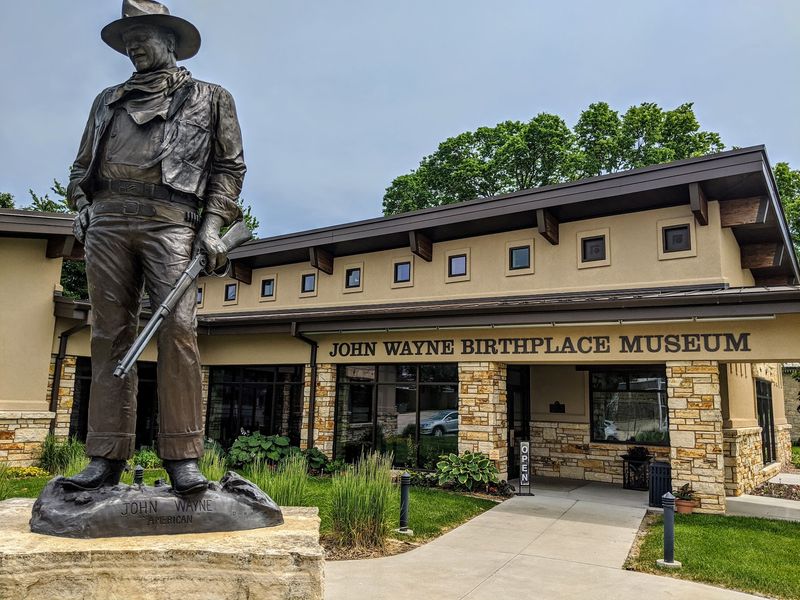
Boots, movie legends, and a little bit of swagger greet visitors in Winterset.
The John Wayne Birthplace & Museum combines celebrity history with a surprising amount of memorabilia, turning a stop that sounds small on paper into a bigger, richer look at one of Iowa’s most famous native sons.
You can visit the birthplace home and then spend time in the museum, where film-related objects, posters, costumes, and personal items build a fuller picture of Marion Robert Morrison, better known as John Wayne.
Fans of classic Westerns will have plenty to discuss before they even reach the parking lot.
Even travelers who are not devoted movie buffs usually find something to enjoy because the collection reflects Hollywood history as well as one actor’s life.
Winterset itself adds charm, making the museum an easy fit with a broader day of local sightseeing.
The place feels larger than expected because fame leaves a long trail.
One display leads to another role, another role leads to another era of filmmaking, and pretty soon you realize a quiet Iowa town is helping tell a big American story, complete with cowboy hats and memorable one-liners.