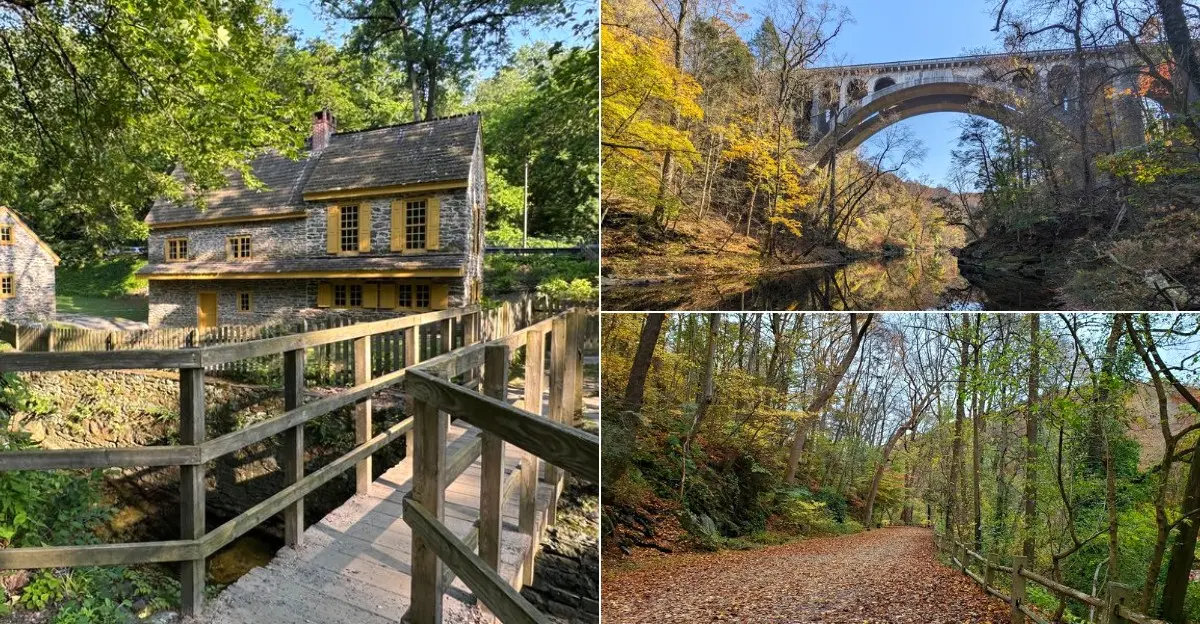
It’s easy to forget you’re still inside city limits once the tree canopy closes in overhead. A creek tumbles alongside the road, catching sunlight as it winds between mossy rocks.
Stone bridges and old mill buildings hint at a history that goes back generations. Runners, cyclists, and horseback riders all share this same quiet corridor of green.
The air even seems to cool a few degrees once you’re deep inside the valley. This drive follows Valley Green Road along Wissahickon Creek in Philadelphia, and it feels like a world away from the city just beyond the trees.
Sometimes the best escape is closer than you think.
A Creekside Road With a Storybook Mood
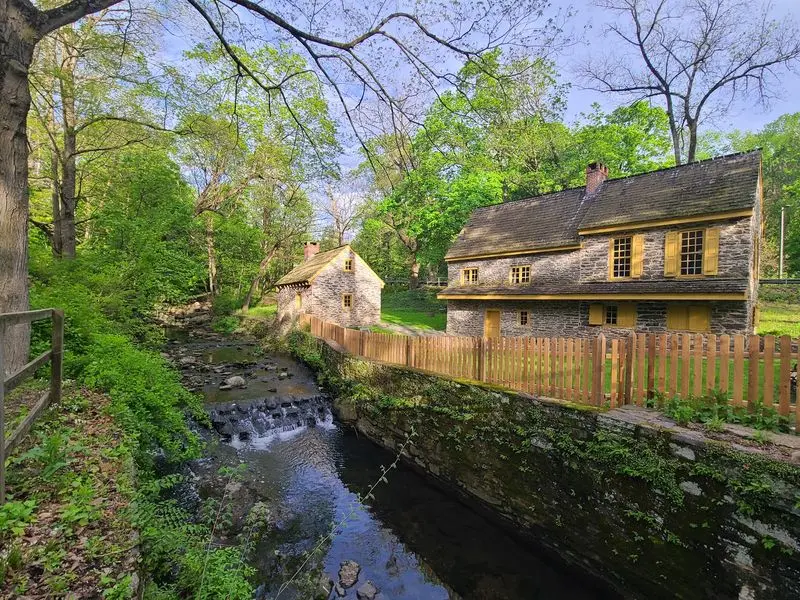
Leaves lean over the road like a green roof, and the creek keeps pace beside you.
That quiet mix of water, shade, and curves makes the drive feel slower than the city around it.
Even a short ride can feel like stepping into a hidden chapter of Philadelphia.
The route follows the Wissahickon Valley, a wooded gorge known for steep hills, rocky banks, and old stonework.
Drivers should move carefully because the road is narrow in places, and walkers or cyclists may be nearby.
Keeping your speed low helps you notice the creek, bridges, and forest edges without feeling rushed.
Valley Green Rd, Philadelphia, PA 19128, is the focus of this journey, and its charm comes from how close nature sits to the pavement.
Bring patience, especially on pleasant weekends when more visitors arrive.
For the best first impression, visit in the morning, when the light is soft and the park feels calm.
A simple drive here can become a reset button.
Roll down the window, listen for moving water, and let the road set the pace.
The Feeling of Leaving the City Behind
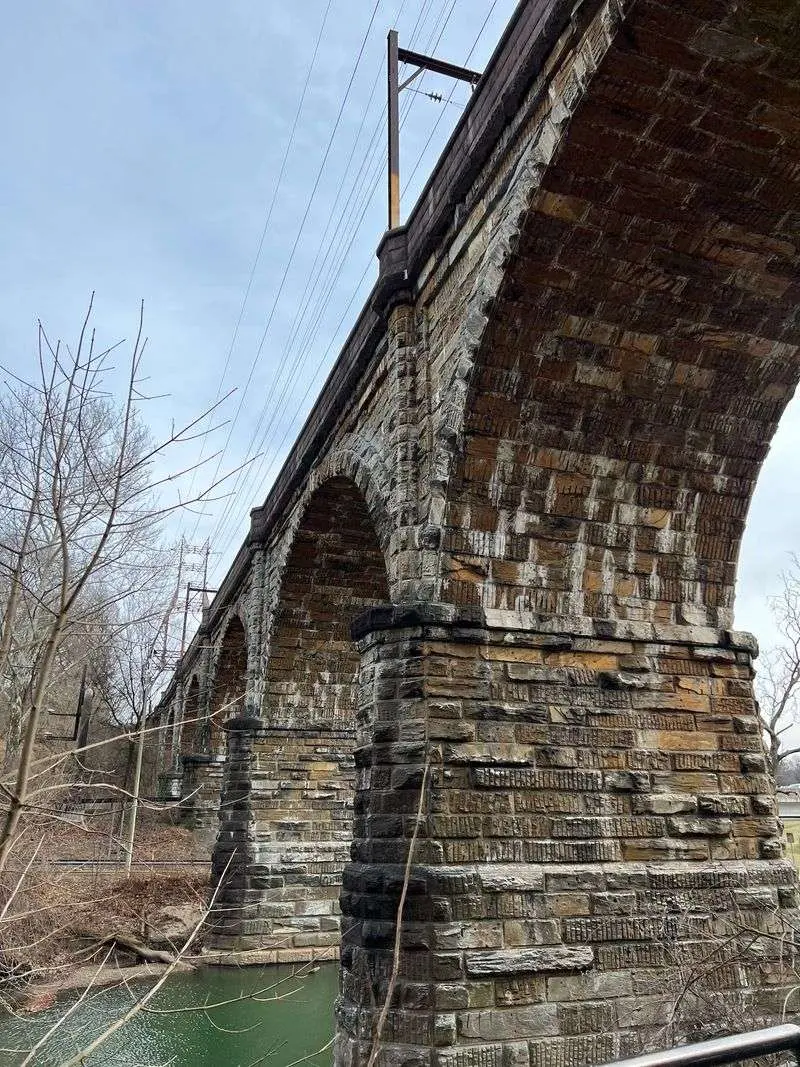
One turn into the valley can make horns, traffic lights, and rowhouses fade from your mind.
The road sinks into a wooded pocket where rock, water, and trees become the main view.
That contrast is the reason many people remember the drive after only one visit.
Philadelphia is still close, but the valley uses sound and shade to change the mood.
Instead of storefronts, you see trunks rising from the slopes.
Instead of rushing crowds, you hear creek water, birds, and tires rolling over a quiet lane.
For visitors, the best approach is to treat the drive as a slow scenic route, not a shortcut.
Plan extra time so you can pause where parking is allowed and take in the setting.
Check park rules and road conditions before you go, especially after heavy rain or winter weather.
The magic is not loud or fancy.
It comes from small surprises, like a bend revealing mossy stones or a flash of water below.
That is how a road inside a major city can feel wonderfully far away.
Wissahickon Creek as the Quiet Guide
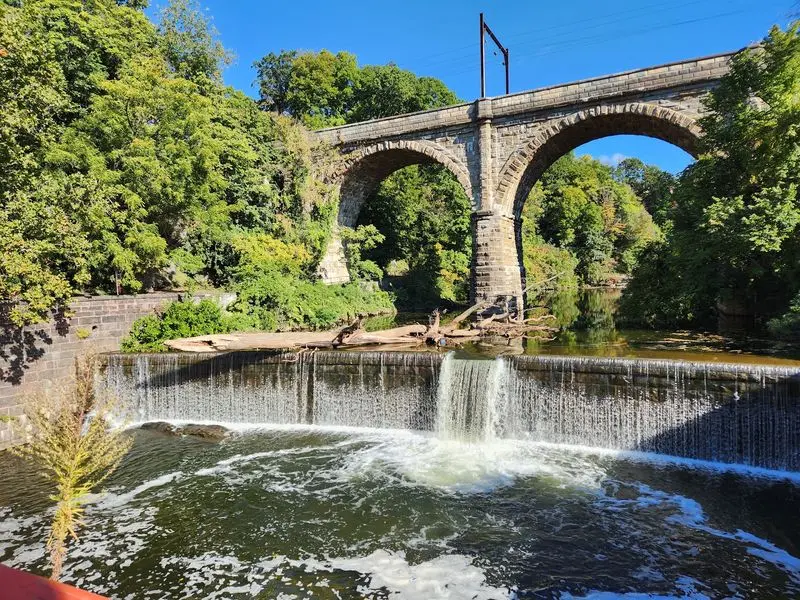
Water does more than decorate the view here.
It guides the whole experience, curving through the valley and giving the road its calm rhythm.
As you travel beside the creek, the landscape seems to move at the speed of the current.
Wissahickon Creek has shaped the gorge for ages, cutting between wooded slopes and exposed rock.
Its banks have long drawn walkers, riders, and people looking for cool air on warm days.
The creek also supports wildlife, so patient visitors may spot ducks, songbirds, squirrels, or fish shadows near the rocks.
Good creekside manners help protect the place.
Stay on marked paths when you leave your car, avoid climbing unstable banks, and never toss trash near the water.
After storms, the creek can rise quickly, so admire it from a safe distance.
Photography is easy here because the water changes with light and season.
Cloudy days bring silver reflections, while fall adds gold and rust colors.
Even if you never step far from the road, the creek gives the drive its steady, peaceful voice.
Curves, Stone, and Woodland Drama
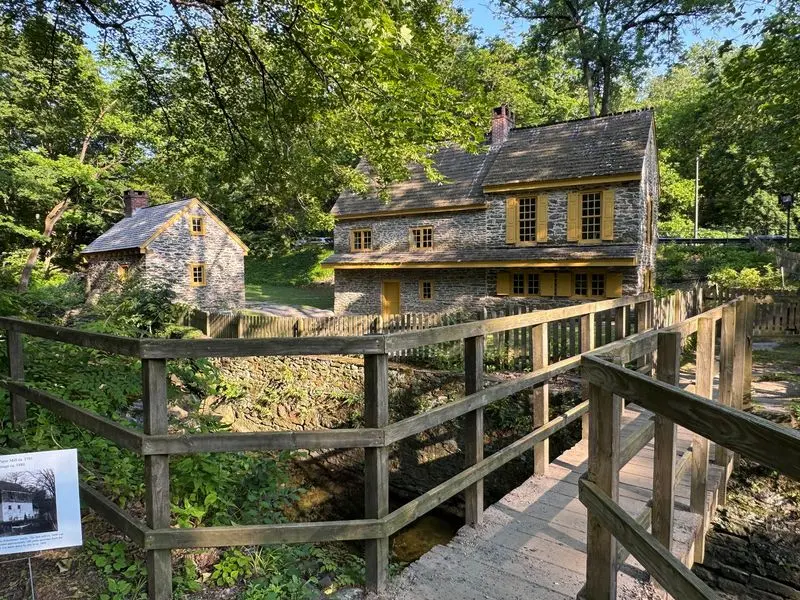
The road does not run in a straight line, and that is part of the fun.
Each bend brings a new scene, from shadowed rock faces to open glimpses of the creek.
The drive feels hand-built for people who enjoy small discoveries.
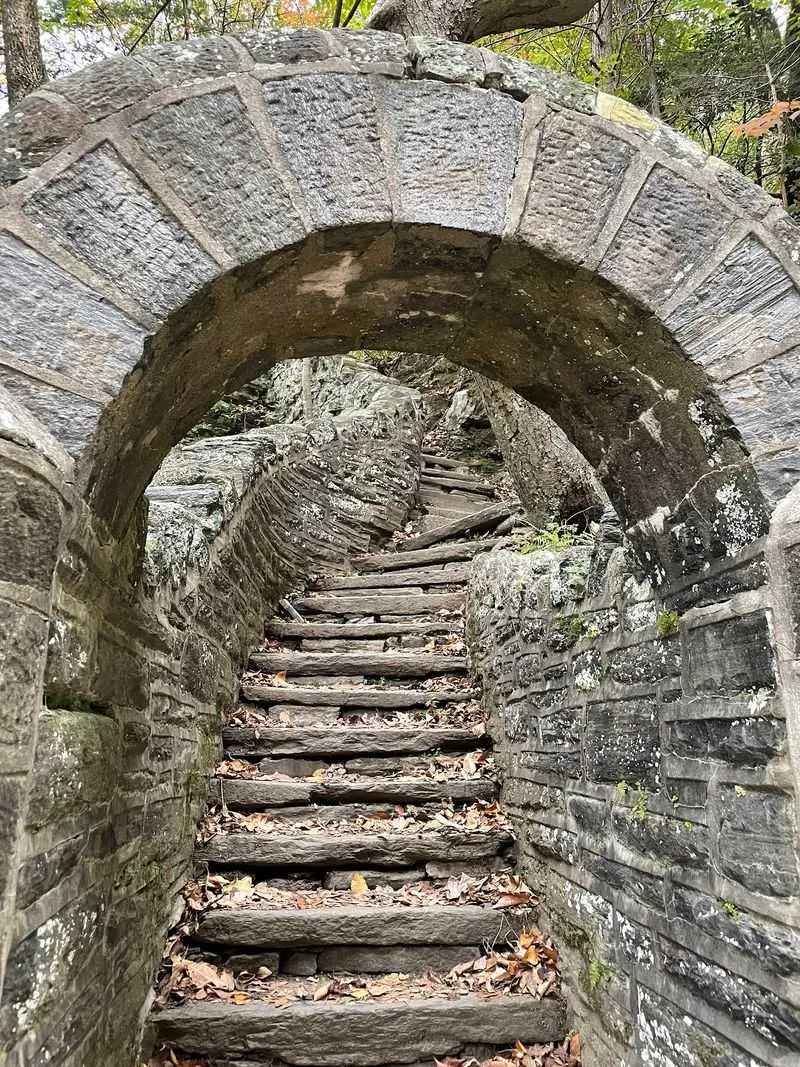
Stone walls and old masonry add a sense of age to the valley.
They remind visitors that this area has been used, loved, and cared for across many generations.
The mix of rugged nature and crafted stone gives the route a look that feels both wild and historic.
Because the road curves and visibility can change quickly, careful driving is important.
Keep both hands ready, watch for people crossing, and avoid sudden stops unless it is safe.
If you want to take photos, use legal parking areas rather than pulling onto soft shoulders.
Children may enjoy counting bridges, rocks, or sharp turns from the back seat.
Adults may notice how the valley hides the skyline and softens the noise of nearby neighborhoods.
Together, those details create a scenic ride that feels much bigger than its length.
A Drive That Pairs Well With a Walk
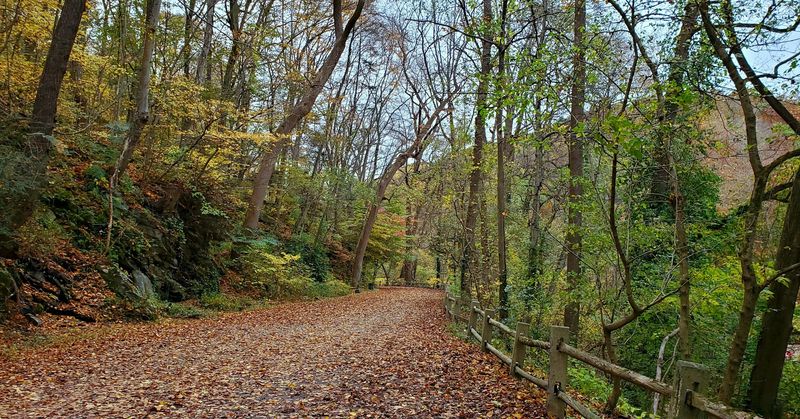
A car window gives you the preview, but your feet can finish the story.
The area around the road connects with beloved paths in Wissahickon Valley Park, making it easy to turn a drive into a short outdoor break.
Even a gentle stroll can add texture to the trip.
Before you park, look for posted signs and marked spaces.
Popular times can fill quickly, so having a backup plan helps avoid circling or blocking traffic.
Comfortable shoes are useful because trails may include dirt, stones, mud, or uneven ground.
A short walk lets you notice things that driving can hide.
You might see tree roots gripping the hillside, small plants growing between rocks, or ripples where the creek meets a shallow bend.
Bring water, keep pets leashed, and carry out everything you bring in.
Families can keep the outing simple by choosing a nearby path and setting a time limit.
There is no need to hike for miles to enjoy the valley.
The road and the trails work together, giving visitors both an easy scenic ride and a closer look at nature.
Seasonal Colors Change the Whole Ride
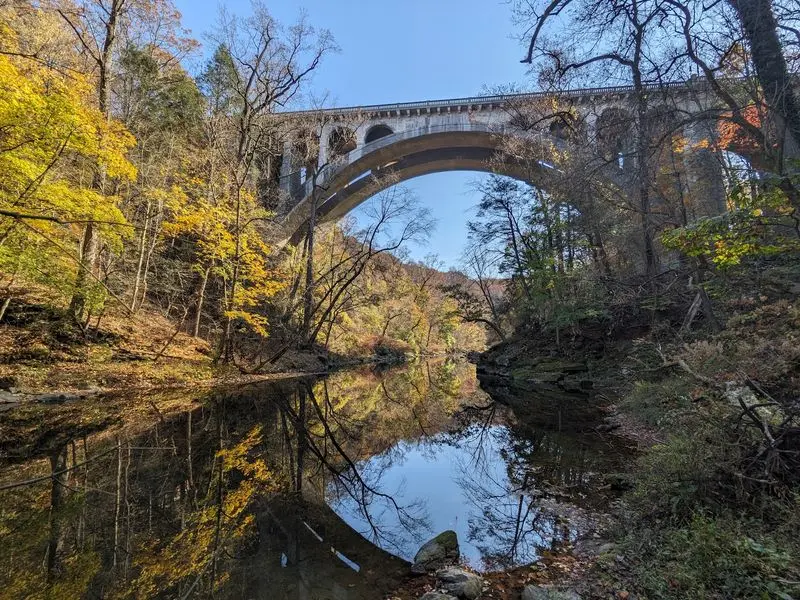
Every season seems to repaint the valley with a different brush.
Spring brings fresh green leaves and bright creek banks, while summer turns the road into a shaded tunnel.
Fall may be the showiest time, with orange, yellow, and red leaves glowing above the water.
Winter has its own quiet beauty, especially when bare branches reveal more of the rocky slopes.
Still, cold weather can bring slick spots, fallen limbs, or limited visibility after storms.
Checking local conditions before driving is smart, especially if freezing rain or snow is in the forecast.
For leaf color, mid to late autumn is often a favorite, though timing changes each year.
Early mornings can be peaceful for photos, and cloudy days can make colors look richer.
In warmer months, go earlier or later in the day to avoid the busiest crowds.
Visitors should remember that beauty can attract traffic.
Pack a little patience, drive slowly, and respect anyone walking, running, or biking nearby.
The reward is a route that never feels exactly the same twice, even if you have driven it many times.
Nature Close Enough for a Quick Escape
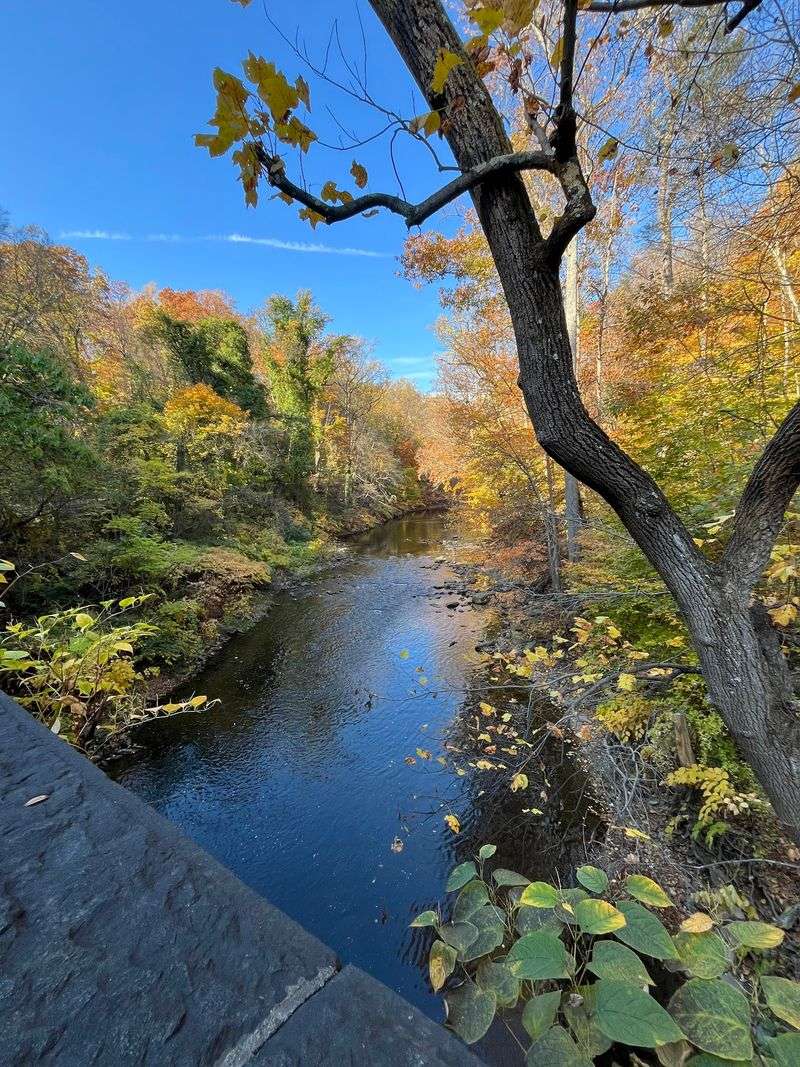
Some escapes require a suitcase, but this one only needs a little free time.
The valley is close enough for a lunch break, an after-school outing, or a quiet Sunday ride.
That easy access is a big reason people treasure it.
For locals, the road can become a familiar place to clear the mind.
For visitors, it offers a surprising side of Philadelphia beyond museums, restaurants, and historic streets.
The setting shows how much natural beauty can fit inside city limits.
Planning makes the quick trip smoother.
Use a map before you lose focus in the curves, and decide where you hope to stop.
Cell service may vary in wooded areas, so it helps to know your route ahead of time.
Keep the visit simple if you are short on time.
Drive slowly, enjoy the creek views, and leave room for a brief pause if parking is available.
The best part is that the road does not demand a full day.
It offers a pocket of calm whenever the city starts to feel too loud.
Smart Tips for a Respectful Visit
A beautiful road stays beautiful when visitors treat it with care.
That means driving slowly, parking only where allowed, and giving space to walkers, runners, cyclists, and other drivers.
Small choices can protect both people and the landscape.
Trash is one of the easiest problems to prevent.
Bring a bag for wrappers, bottles, tissues, or snack leftovers, then take it with you.
If you see wildlife, enjoy the moment without feeding animals or trying to get too close.
Noise matters in a narrow wooded valley.
Loud music, honking, or shouting can break the calm that people come to enjoy.
A quieter visit lets everyone hear the creek, birds, and leaves moving in the wind.
Weather also deserves respect.
Rain can make paths muddy and roads slick, while storms can leave branches or debris behind.
Choose safe shoes if you plan to walk, and be willing to change plans if conditions look poor.
The goal is simple.
Leave the drive as peaceful as you found it, so the next person can feel that same welcome breath of green inside Philadelphia.