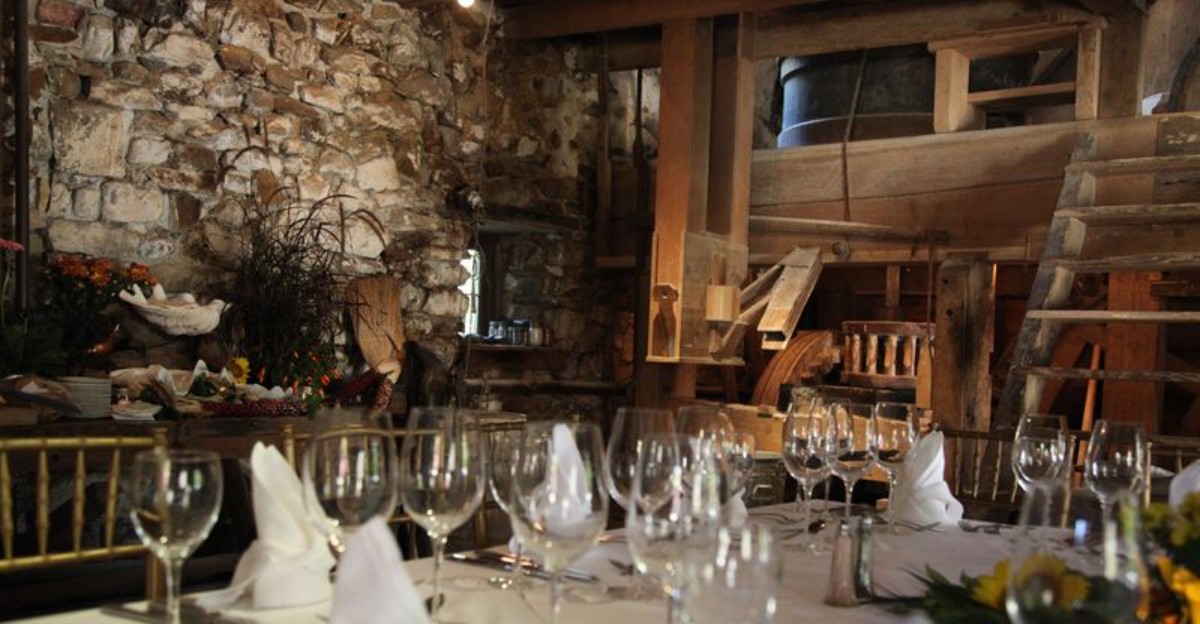
Some places make history feel dusty, but The Mill at Anselma makes it feel alive, loud, and wonderfully close.
This preserved Pennsylvania grist mill is not a typical restaurant stop, and visitors should know it is best described as a historic landmark with tours, events, trails, and working mill demonstrations.
Still, the title captures the dream of sitting near an old mill, hearing water and gears, and imagining the meals that once began with fresh-ground grain.
If you love old buildings, family outings, and places with a real story, this Chester Springs treasure gives you plenty to enjoy before you ever think about what is on the table.
Its wooden beams, turning machinery, quiet pond, and helpful volunteers create the kind of visit that feels both simple and special.
Bring your curiosity, check the schedule, and give yourself time to wander slowly here.
A Meal-Sized Serving Of Living History
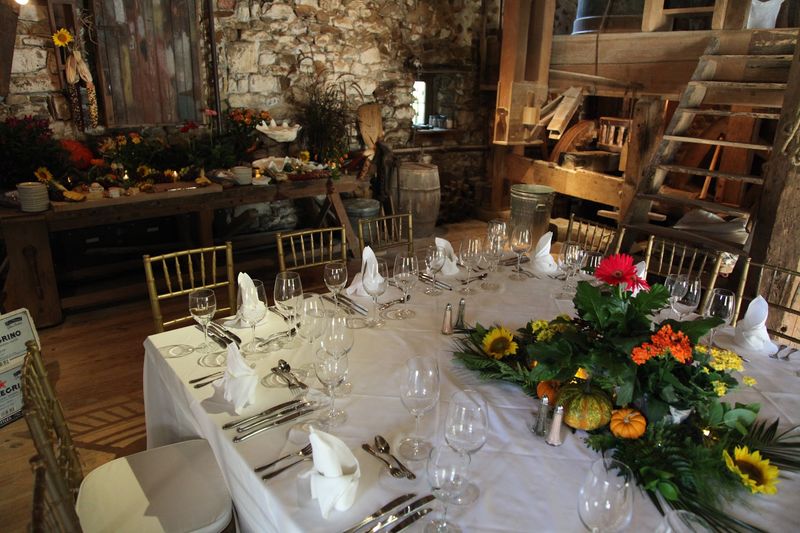
The smell of old wood can make a place feel like a time machine.
The Mill at Anselma Preservation and Educational Trust, Inc. gives visitors that feeling without adding any make-believe.
It is a real historic grist mill, carefully preserved so people can see how grain once became flour and cornmeal.
The building still holds equipment that helped feed nearby families long before grocery stores filled every town.
While the title may make you picture a restaurant table, visitors should plan for a history stop rather than a regular dining room.
The fun comes from seeing how food used to begin, with stones, water power, belts, bins, and patient skill.
That makes the site a neat choice for anyone who loves food stories, old tools, or Pennsylvania heritage.
Go with questions in mind.
Ask volunteers how the millstones work, what grains were common, and why mills mattered so much to early communities.
You may leave with a better understanding of bread, farms, and the work behind everyday meals.
For kids, the moving parts can turn a history lesson into something they can actually hear and picture clearly.
Water, Wheels, And Wonderful Noise
Clatter, splash, rumble, and grind can be more exciting than any screen.
On demonstration days, The Mill at Anselma shows why water power was once a big deal.
Instead of pushing a button, millers depended on flowing water, smart design, and sturdy wooden machinery.
When the equipment moves, visitors can watch energy travel from one part of the mill to another.
That action helps the whole building make sense.
The water wheel, gears, belts, and stones are not just museum pieces sitting still.
They belong to one connected system built to do a serious job.
Seeing it work makes the past easier to understand, especially for children who learn best by watching real things happen.
Before you visit, check the official schedule so you do not miss a milling demonstration.
Reviews often praise the chance to see the mill in action, and many visitors say the volunteers explain each step well.
Stand where guides suggest, listen closely, and take a few photos when allowed.
The noise may surprise you, but it is part of the charm.
It reminds everyone that flour once came with muscle, timing, water, and plenty of clever thinking.
Volunteers Who Turn Old Gears Into Good Stories
A good guide can make a wooden gear feel like the star of the show.
Visitors often praise the volunteers at The Mill at Anselma, and that praise makes sense.
Old machinery can look confusing at first.
A helpful person can point to one belt, one chute, or one stone and suddenly the whole process becomes clear.
The best tours feel like conversations.
You can ask simple questions, and nobody expects you to arrive as a history expert.
Want to know how grain was lifted?
Curious about what happens when stones grind too closely?
Wondering why mills became gathering places?
A volunteer may be able to connect those details to daily life in early Pennsylvania.
Families should encourage children to speak up, too.
A kid who asks why the wheel turns may learn more than they would from a textbook page.
Adults can enjoy the deeper parts, such as restoration work, local farming history, and the care needed to keep old equipment safe.
If you enjoy people who love what they do, plan extra time for the tour.
Their enthusiasm gives the mill its warmest voice.
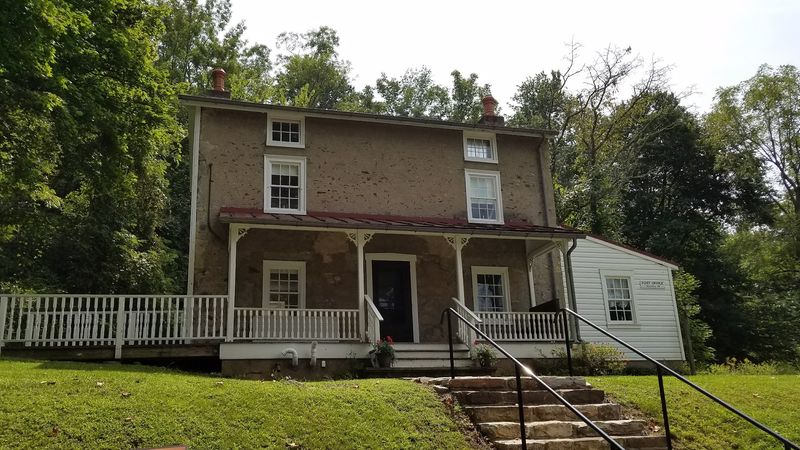
A Chester Springs Stop With A Clear Address
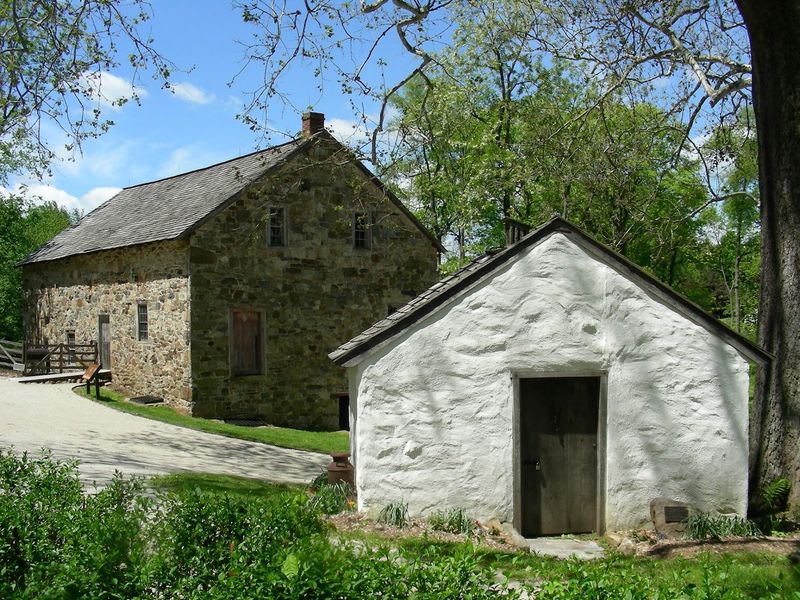
Finding the place is easy, but timing your visit takes a little care.
The Mill at Anselma Preservation and Educational Trust, Inc. is located at 1730 Conestoga Rd, Chester Springs, PA 19425.
It is listed as a historical landmark and has a strong visitor rating of 4.8 stars from 60 Google reviews.
Current posted hours show it closed Monday through Friday, open Saturday from 10 AM to 4 PM, and open Sunday from 1 PM to 4 PM.
Because one reviewer mentioned arriving during a confusing Sunday schedule, it is smart to confirm hours before leaving home.
You can call +1 610-827-1900 or check anselmamill.org for current tour days, special events, and demonstration details.
That planning matters because the site is not open like a normal restaurant or daily attraction.
A quick check can save disappointment and help you arrive when the mill, grounds, or special programs are ready for guests.
If you are driving from nearby towns, build in time for a relaxed visit.
The setting rewards slow walking, careful looking, and a little patience.
Think of it as a small adventure with a historical payoff.
Trails That Add Fresh Air To The Visit
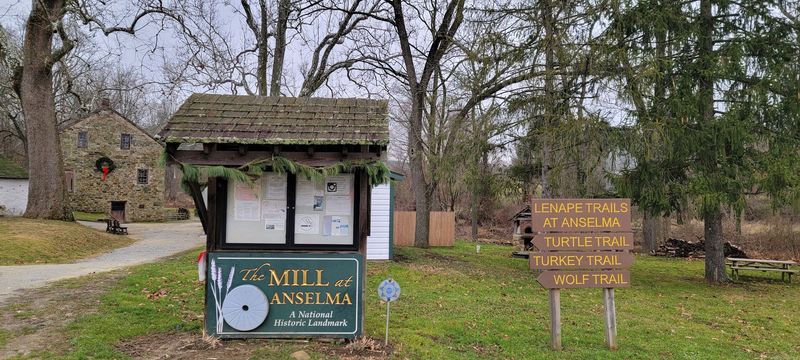
After the gears and grain, your legs may want their own little field trip.
The grounds around The Mill at Anselma include short walking trails that many visitors mention with real affection.
They are not meant to be a long mountain hike.
Instead, they offer a calm way to stretch, look around, and enjoy the land that surrounds the mill.
Reviews mention trails, nature, animal life, and quiet scenery.
That mix helps the site feel bigger than one building.
A mill needed water, paths, nearby farms, and people moving through the area.
Walking outside lets you picture that world more clearly.
It also gives children a chance to burn energy between tour moments.
Wear comfortable shoes, especially after rain, and keep an eye on uneven ground.
If you bring a dog, check current rules and keep your pet leashed, as past visitors have described the property as dog friendly on leash.
Bring water in warm weather and move at an easy pace.
The trails can turn a quick history stop into a fuller outing, especially for families who like mixing learning with fresh air and a bit of wandering.
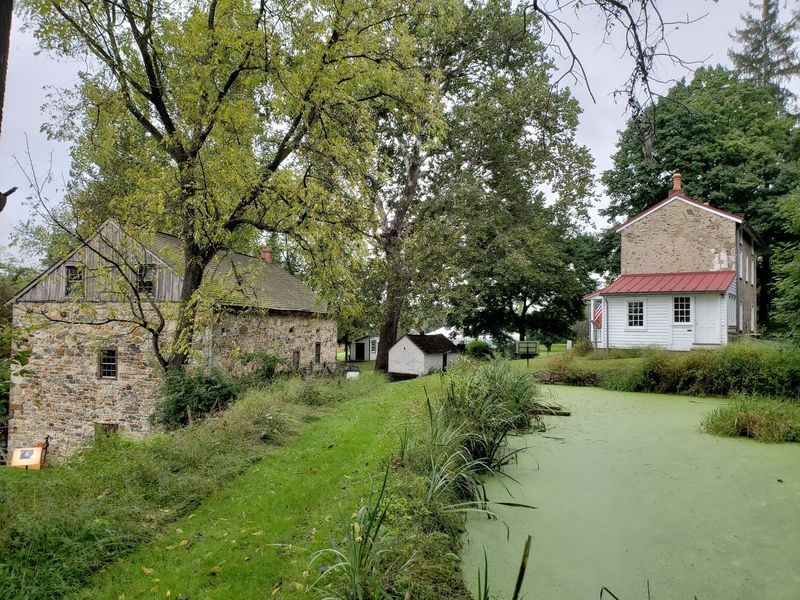
The Pond Scene Feels Like A Postcard
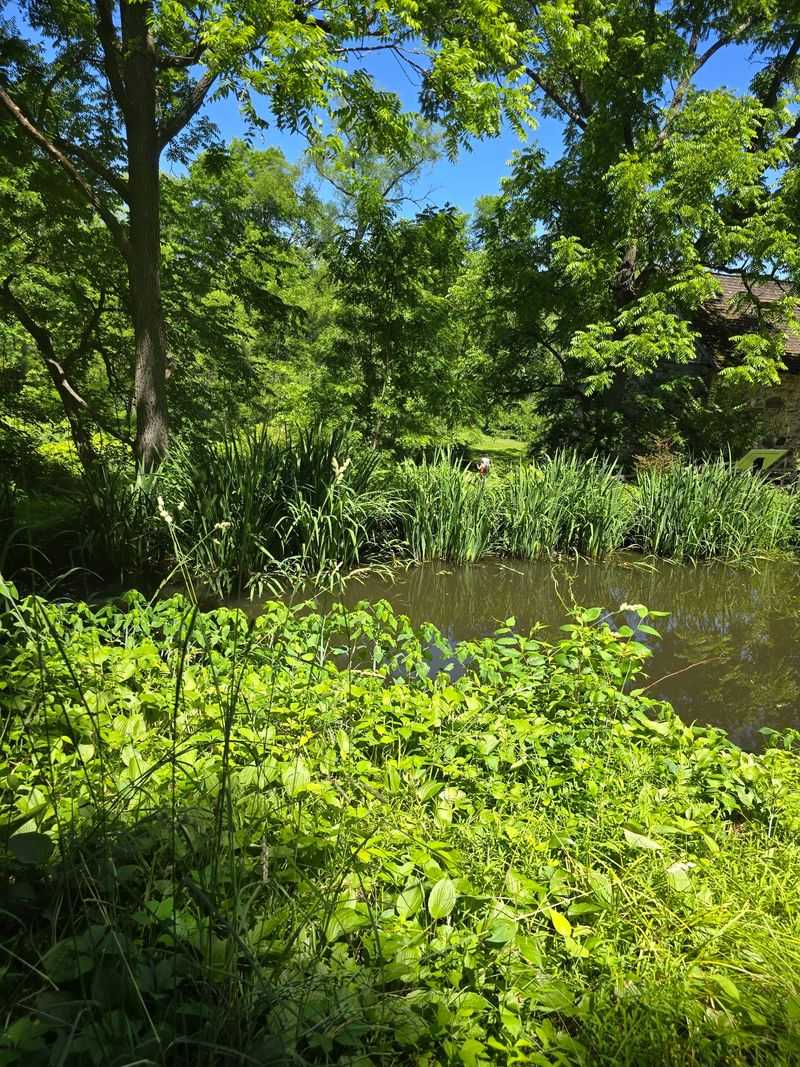
Still water has a funny way of making old buildings look even older.
Several visitors mention the pond and nearby views as part of the Mill at Anselma experience.
That makes perfect sense for a grist mill site.
Water was not just decoration.
It was power, transportation, sound, and life for the mill.
Today, the pond adds beauty and helps guests understand why the location mattered.
Take a slow look before rushing back to the car.
Reflections, trees, birds, and the quiet shape of the land all add to the mood.
Photographers may find simple shots here, especially when the light is soft.
Families can use the pond area as a pause point after a tour, letting younger visitors settle down while adults enjoy the view.
As with any outdoor spot, stay on marked paths and watch children near water.
The goal is to enjoy the scene while protecting the property.
A few quiet minutes by the pond can make the mill feel less like a single attraction and more like a whole historic landscape.
It is a peaceful reminder that useful places can also be beautiful.
Family Events Give The Old Mill New Energy
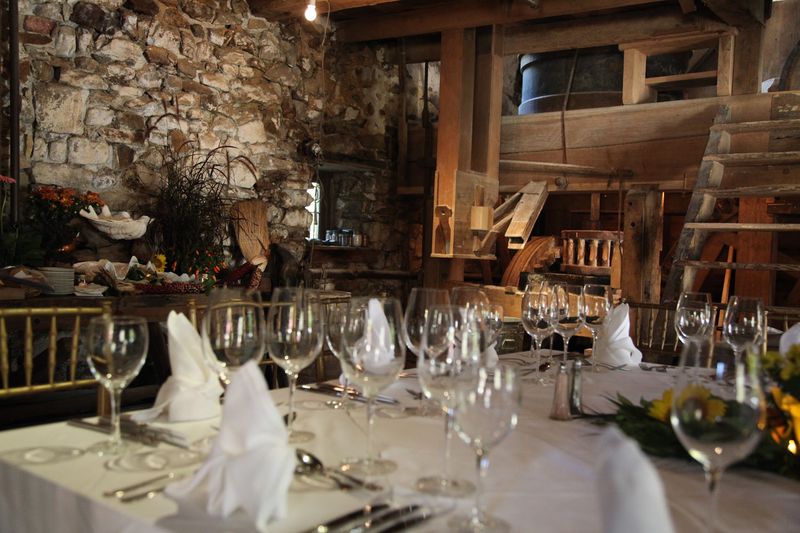
Strawberries, Santa visits, and old millstones make an unexpectedly fun team.
Reviews mention family events at The Mill at Anselma, including strawberry festival fun and Santa days.
Those gatherings add a lively layer to a place that already has plenty of history.
Instead of only reading signs, families can connect the site with music, treats, crafts, photos, or seasonal traditions.
Special events are often the best choice for visitors with young children.
A regular tour can be fascinating, but an event gives kids more variety.
They might watch part of a demonstration, walk the grounds, enjoy a treat, and meet volunteers who know how to keep things friendly.
That mix can help history feel welcoming rather than serious.
Check the website or call ahead for event dates, prices, and details.
Some programs may be seasonal, weather dependent, or tied to volunteer availability.
Arriving early can also help with parking and give you more time to explore before crowds build.
If you like low-key local outings, these events can feel refreshing.
They support preservation while giving families a reason to return more than once a year.
A Smart Stop For Curious Kids And Grown-Ups
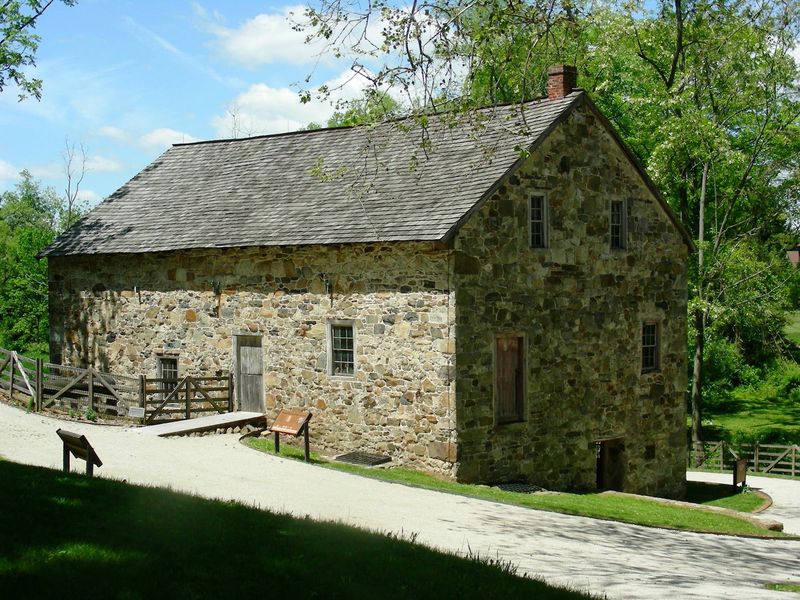
Some classrooms have desks, and some have millstones.
The Mill at Anselma works well for curious visitors because it connects many subjects at once.
History shows up in the building.
Science appears in the water power.
Math hides in the gears and belts.
Food culture appears when grain turns into meal.
That makes the visit useful for families, homeschool groups, local history fans, and anyone who likes hands-on learning.
Before going, help kids notice simple things.
Ask them to listen for sounds, spot wooden parts, count belts, or imagine carrying sacks of grain.
Small challenges keep them focused without making the trip feel like homework.
Adults can look for bigger themes, such as preservation, community support, and how technology changed daily life.
The site is also a reminder that historic places survive because people care for them.
Admission, donations, event attendance, and respectful visits all help protect the mill for future guests.
If the gift shop is open, check for items connected to the mill or local grain history.
A small purchase can become a memory, especially after seeing where the story began.
Leave with muddy shoes, better questions, and a fresh respect for old Pennsylvania skill.