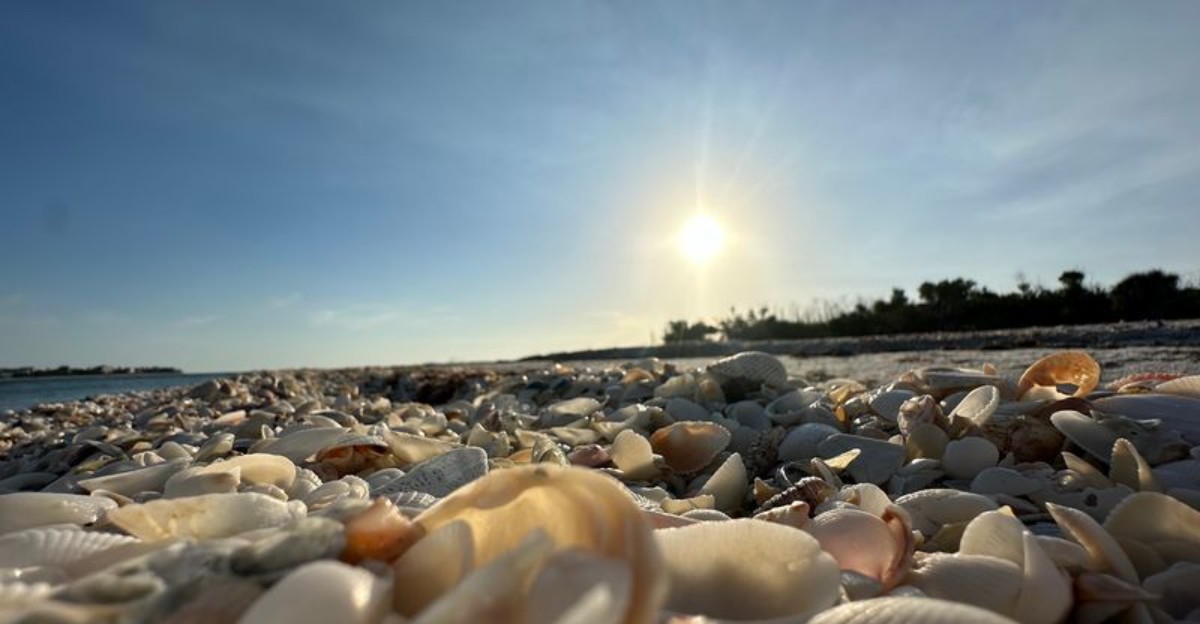
Cayo Costa State Park feels like the kind of beach people whisper about, then secretly hope nobody else finds.
Turquoise Gulf water rolls onto a quiet barrier island, leaving behind piles of shells that look freshly poured from a giant treasure bucket.
Because the park sits off the coast near Captiva, you cannot simply drive up, park, and race to the sand, and that remote feeling helps keep the beach wild, clean, and full of surprises.
If you love shelling, dolphins, bright water, sandy paths, and places that still feel a little untamed, grab your hat, pack extra water, and come see why this Florida park has earned so many happy stories from visitors.
Shells Arrive Like Tiny Gifts From The Gulf
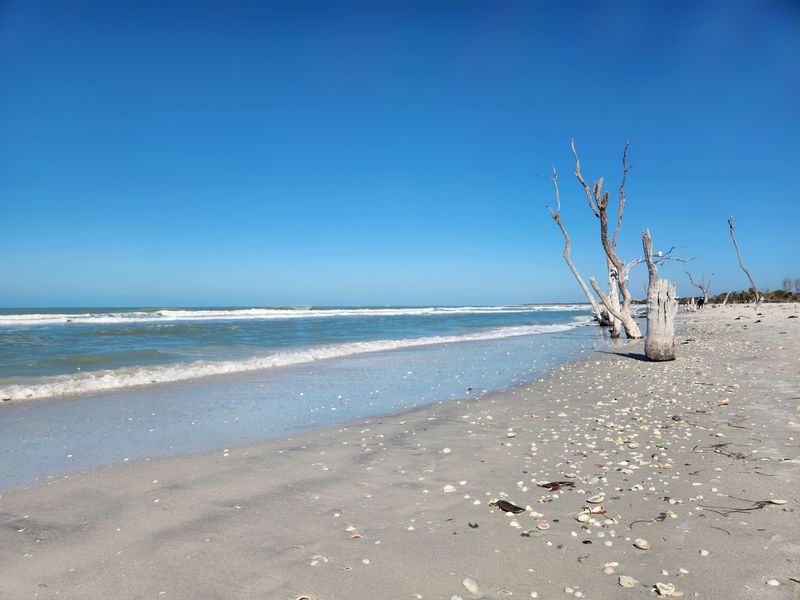
A soft rattle follows each wave at Cayo Costa, almost like the beach is sorting treasure by sound.
Shells gather here because Gulf currents, tides, storms, and the island’s shape work together like a slow moving delivery crew.
Many visitors come for lightning whelks, olives, scallops, cockles, and coquinas, but the best finds often appear after windy weather or an early morning high tide.
Walk slowly, keep your eyes low, and look where wet sand meets the newest wrack line.
Unbroken shells are special because many beaches grind them down before they reach shore.
Cayo Costa State Park gives them a better chance by staying less crowded and more natural than many road-access beaches.
Bring a mesh bag, but collect with care, since live shells must stay in the water.
If a shell has an animal inside, set it back gently.
Take photos of huge piles, choose a few empty favorites, and leave the rest for birds, crabs, and the next excited beachcomber.
Turquoise Water Makes The Shell Hunt Feel Dreamy
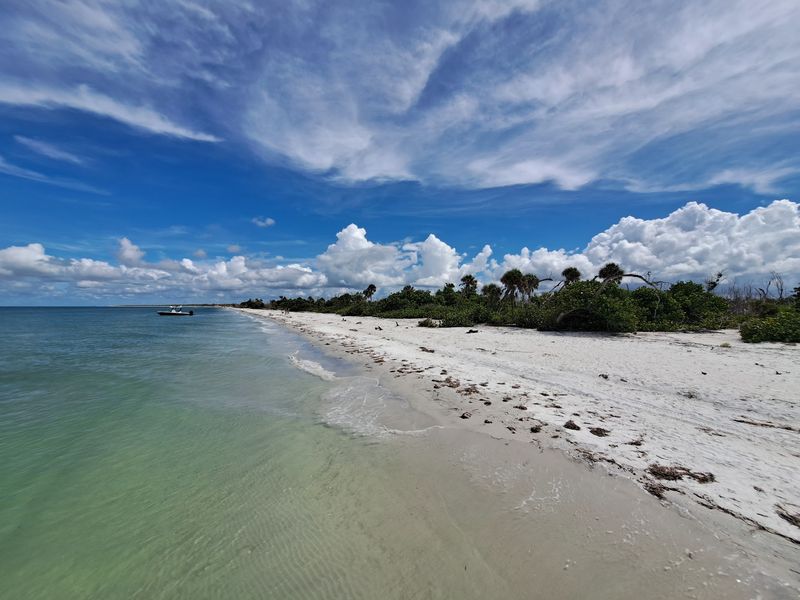
That blue-green water can stop a conversation in the middle of a sentence.
At Cayo Costa State Park, the Gulf often looks clear enough to show shells before your toes reach them.
Calm days make the hunt easier because you can watch the water pull back and reveal small shapes in the sand.
A shell that looks plain when dry may glow pink, gold, or purple when wet, so check the shallow wash before moving on.
The water is beautiful, but it deserves respect.
Waves can change with wind, boat traffic, and weather, so swim only when conditions feel safe and keep children close.
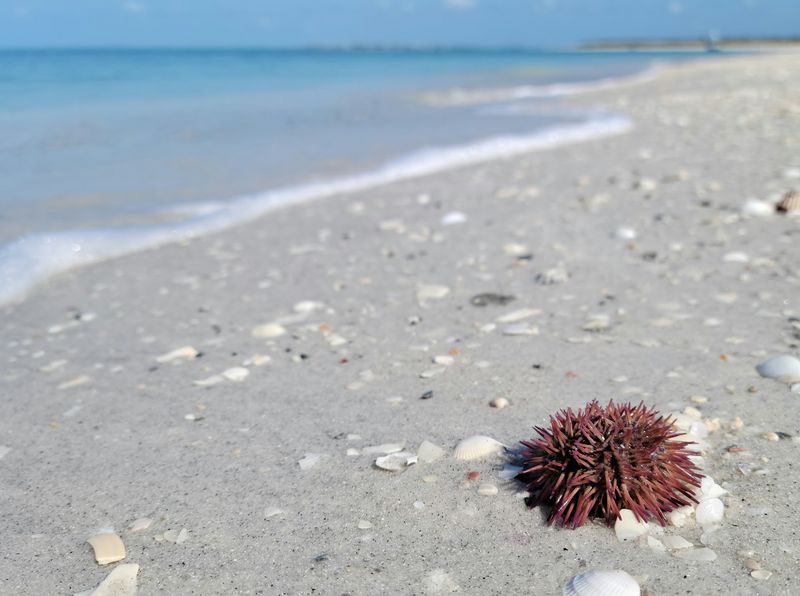
Water shoes help protect feet from sharp shell edges, sea urchins, and hidden bits of rough material.
Sunglasses with polarized lenses can also help you spot shells below the surface.
Pack a towel you do not mind getting sandy, because sitting at the waterline is part of the fun.
Sometimes the best beach memory is not the rare shell, but the moment a clear wave rolls over your hands.
A Boat Ride Turns The Beach Day Into An Adventure
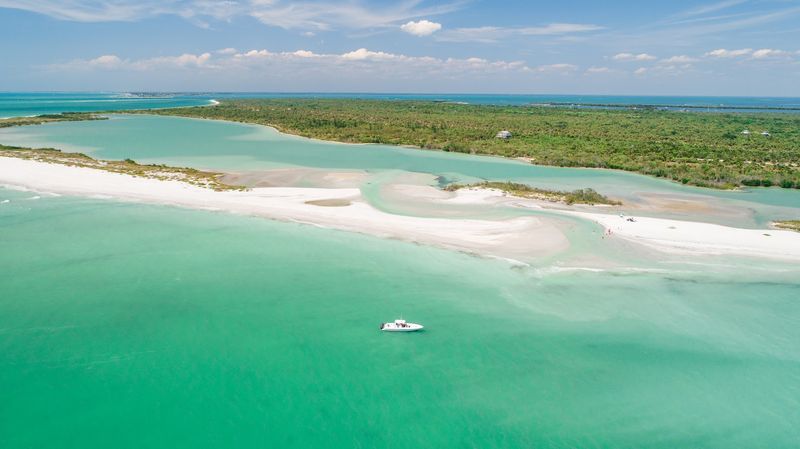
The trip begins before your feet touch the sand, and that is part of the charm.
Cayo Costa State Park is a barrier island state park at Captiva, FL 33924, reachable only by private boat or approved boat services, depending on current access updates.
The park is rated 4.7 stars by hundreds of Google reviewers, and many mention that getting there takes planning.
Hours are listed as 8 AM to 5 PM daily, but visitors should check the official Florida State Parks website or call +1 941-964-0375 before going, especially after storms or service changes.
Once you arrive, expect a slower pace.
Reviews often describe a sandy walk from the docks toward the Gulf beach, sometimes with tram service available for a small fee when operating.
Bring what you need for the day, including water, snacks, sunscreen, bug spray, and shade.
Remote beaches reward prepared visitors.
Forget something small and you may laugh about it later, but forget water and the adventure turns uncomfortable fast.
Nine Miles Of Beach Give Shellers Room To Roam
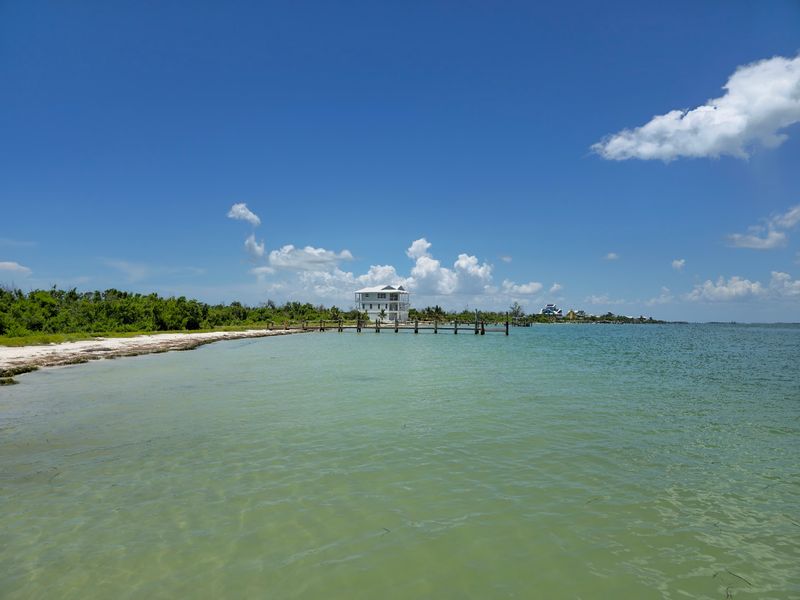
Some beaches feel crowded after ten steps, but this island lets your shoulders drop.
Cayo Costa State Park has about nine miles of beach, which means shell hunters can spread out and explore different stretches instead of crowding one spot.
Each section can feel different.
One area may hold tiny coquinas, while another may stack larger shells near driftwood, seaweed, or a sloping sandbar.
If one stretch looks picked over, keep walking.
A simple plan helps.
Start near the main beach access, then move slowly in one direction for thirty minutes before turning back.
Mark your path with a landmark, not just footprints, because tide and wind can erase tracks quickly.
Bring a small backpack so your hands stay free for balancing, photos, and gentle digging in loose shell piles.
Weekdays often feel calmer than weekends, based on visitor reports.
The reward is not just more shells.
It is the rare feeling of hearing waves, birds, and your own footsteps without a row of umbrellas blocking the view.
Wildlife Adds Surprise To Every Shelling Walk
A dolphin fin can appear so close to shore that everyone forgets the shells for a minute.
Visitors often report seeing dolphins around Cayo Costa, and manatees may also pass through nearby waters when conditions are right.
Birds patrol the shoreline, crabs hide among shell piles, and fish flash in the shallows.
The park’s wild feeling comes from more than its remote location.
It comes from sharing the beach with creatures that still treat it as home.
Give wildlife space, even when it seems friendly or calm.
Dolphins and manatees should never be chased, fed, touched, or crowded.
Nesting and feeding birds need room too, especially along quiet stretches where people may not notice them right away.
A zoom lens or phone camera used from a respectful distance gives you the memory without causing stress.
Watch where you step in shell beds, since small animals can tuck into damp spaces.
The beach is most exciting when you treat every ripple, track, and flutter as part of the show.
Rustic Comfort Keeps The Island Feeling Real
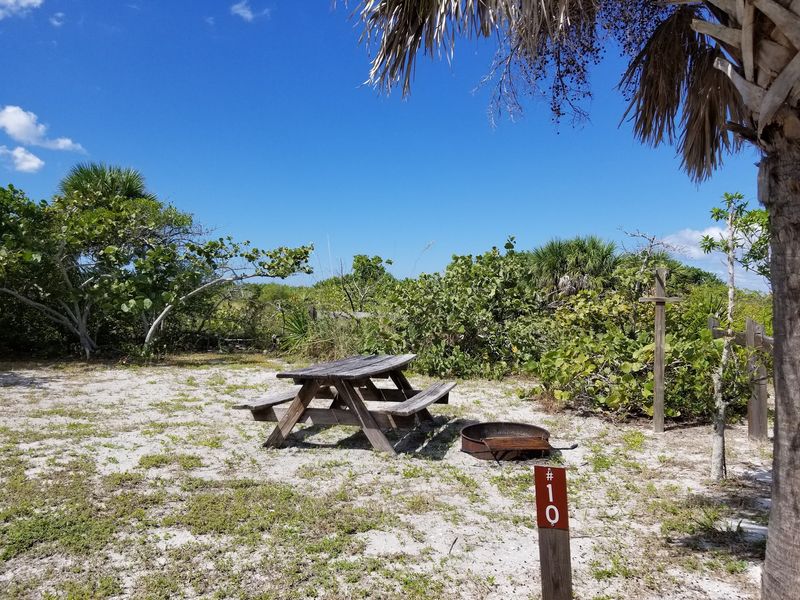
Do not expect resort music, pool towels, or a waiter carrying frozen drinks.
Cayo Costa’s charm is rougher, quieter, and more memorable than that.
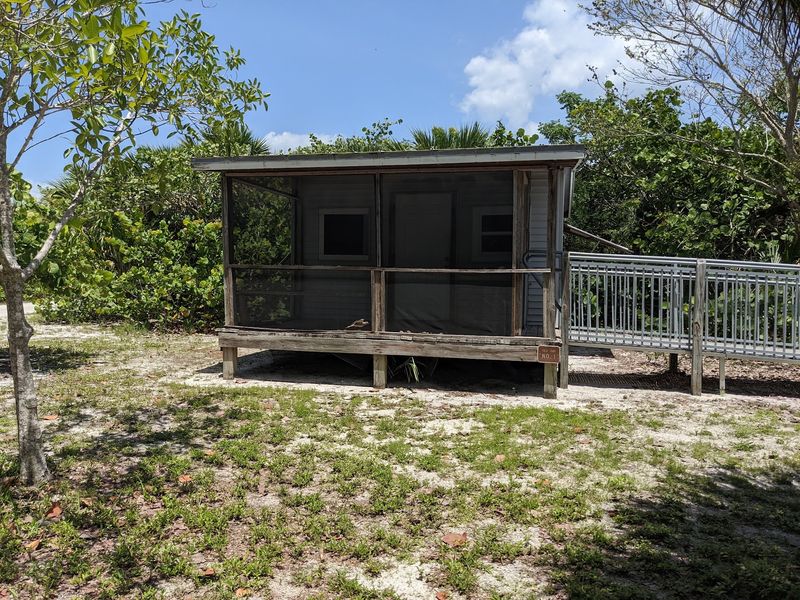
Reviews describe primitive camping, cabins, trails, breezes scented with saltwater, and nights dark enough for stargazing.
Facilities may include restrooms, running water in some areas, a ranger station, and limited supplies when available, but conditions can change.
Always confirm current camping, cabin, tram, and store status before planning an overnight stay.
Pack like you are visiting a beautiful place that will not solve every problem for you.
Bring food, drinking water, a flashlight, battery packs, insect protection, sunblock, a first aid kit, and sturdy bags for packing out trash.
If staying overnight is available, store food carefully because wildlife can be bold around campsites.
Bugs, including mosquitoes and no-see-ums, can be fierce, especially in warm months.
Still, many campers call the island magical.
A little discomfort can feel worth it when waves replace traffic and stars brighten the sky.
Trails And Bikes Stretch The Day Beyond The Shore
A shell bag is fun, but tired legs tell the fuller island story.
Beyond the beach, Cayo Costa State Park includes sandy paths, coastal plants, and forested areas that make the island feel larger than a single shoreline.
Reviews often mention bikes as a smart way to cover more ground when rentals are operating.
Walking works too, but distances can feel longer in heat, soft sand, and bright sun.
Take your time and plan rest breaks.
Trails can lead you through palms, scrub, and open sandy stretches where the Gulf breeze comes and goes.
Use a map from the ranger area if available, and ask staff about closures or washed-out sections.
After storms, barrier islands can change quickly.
Closed paths protect both visitors and fragile land.
Bring water even for a short walk, because shade can be limited.
A bike ride or trail stroll also gives shell hunters a break from bending over.
When you return to the beach, the water looks even brighter, and the shell line feels new again.
Smart Timing Can Turn Good Shelling Into Great Shelling
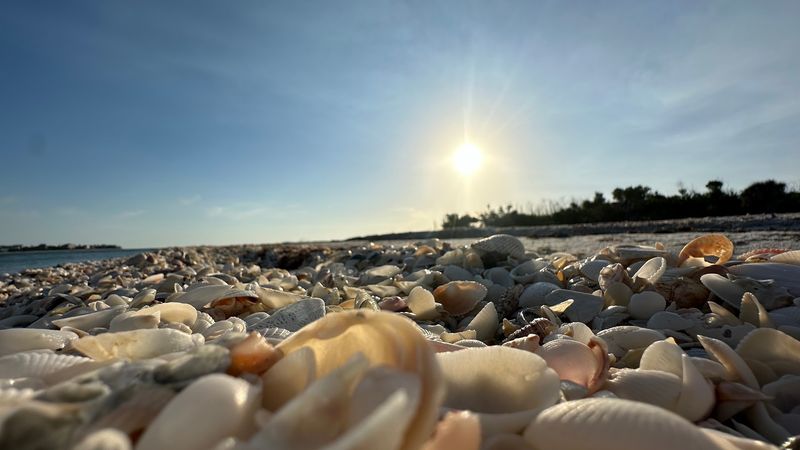
The best shelling often belongs to the person who arrives patient, not rushed.
Early morning can be excellent because fewer footprints have crossed the beach.
Low tide can expose fresh areas, while a falling tide may leave neat rows of shells behind.
After strong winds or rough water, shell piles can grow quickly, though conditions may also bring seaweed, urchins, or debris.
Check weather and marine conditions before traveling by boat.
Move slowly and scan in patterns.
Look near the waterline, along darker shell ridges, beside driftwood, and around small dips where waves drop heavier pieces.
Avoid taking live shells, and know that park rules may limit collecting, so check official guidance before filling your bag.
A small scoop, water shoes, and a container for fragile finds can help protect delicate shells.
If the beach seems empty at first, wait through a few wave sets.
Cayo Costa rewards quiet attention.
One minute you see plain sand.
The next, a perfect whelk rolls in like it had your name on it.