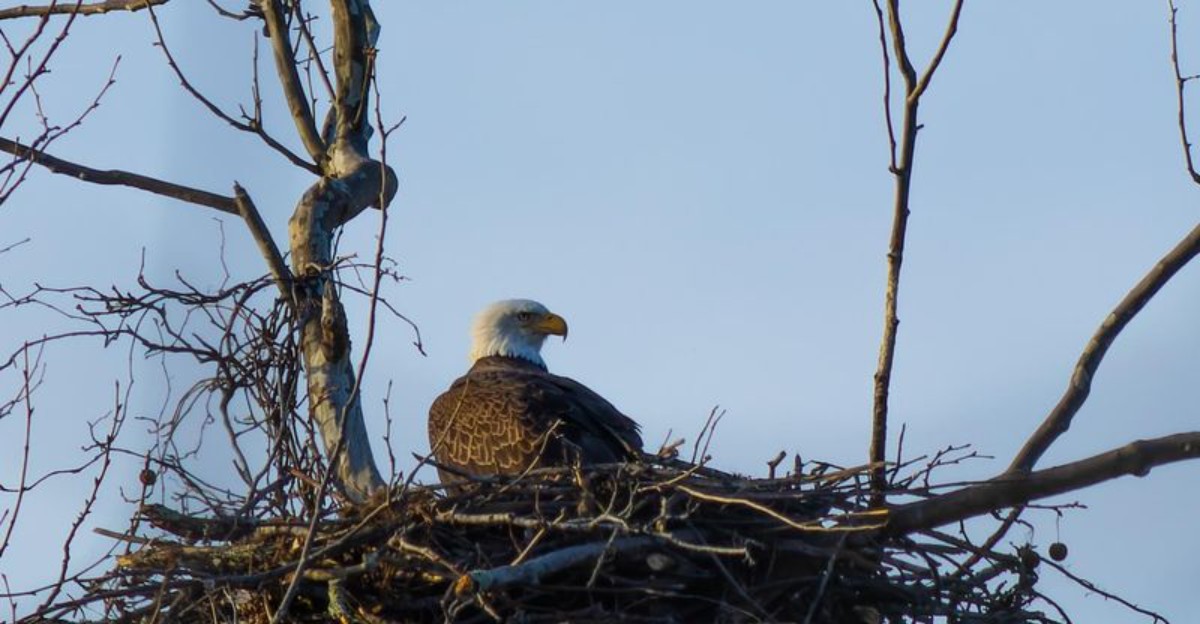
Morning feels different when a heron lifts from the marsh or a warbler flashes yellow in the trees.
Virginia has quiet refuges, beach paths, swamp boardwalks, and hidden preserves where birds turn an ordinary walk into a story you will want to tell later.
These places matter because they protect nesting areas, migration stops, forests, wetlands, and shorelines that birds need to survive.
Pack water, bring binoculars if you have them, walk slowly, and let the day surprise you with wings, songs, tracks, and views that make you forget your phone for a while.
1. Weyanoke Bird & Wildflower Sanctuary – Norfolk
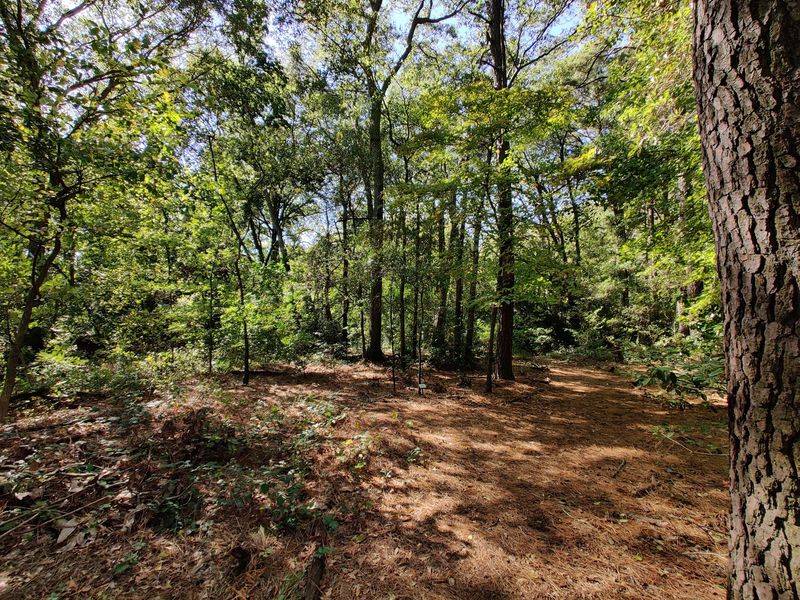
A tiny green pocket can feel like a secret clubhouse for birds, and Weyanoke Bird & Wildflower Sanctuary in Norfolk has that quiet charm.
Tucked near the Elizabeth River area, it offers a calm break from city traffic, with trees, shrubs, and seasonal blooms drawing small birds close to the path.
Bring patience more than speed here.
Cardinals, wrens, chickadees, woodpeckers, and migrating warblers may appear in quick flashes, so pause often and listen before moving ahead.
Spring brings flowers and birdsong, while fall can reward careful watchers with travelers stopping for food and rest.
The sanctuary works best as a slow morning visit, not a rushed hike.
Wear comfortable shoes, use insect repellent in warm months, and keep voices low because the space is compact.
Young birders can enjoy it too, since the trails feel manageable and discoveries happen close by.
For a nice outing, pair Weyanoke with a stroll through nearby Norfolk neighborhoods or waterfront spots.
It proves that a memorable bird morning does not always need a huge wilderness.
Sometimes a small sanctuary, a shaded path, and one bright bird are enough.
2. Back Bay National Wildlife Refuge – Virginia Beach
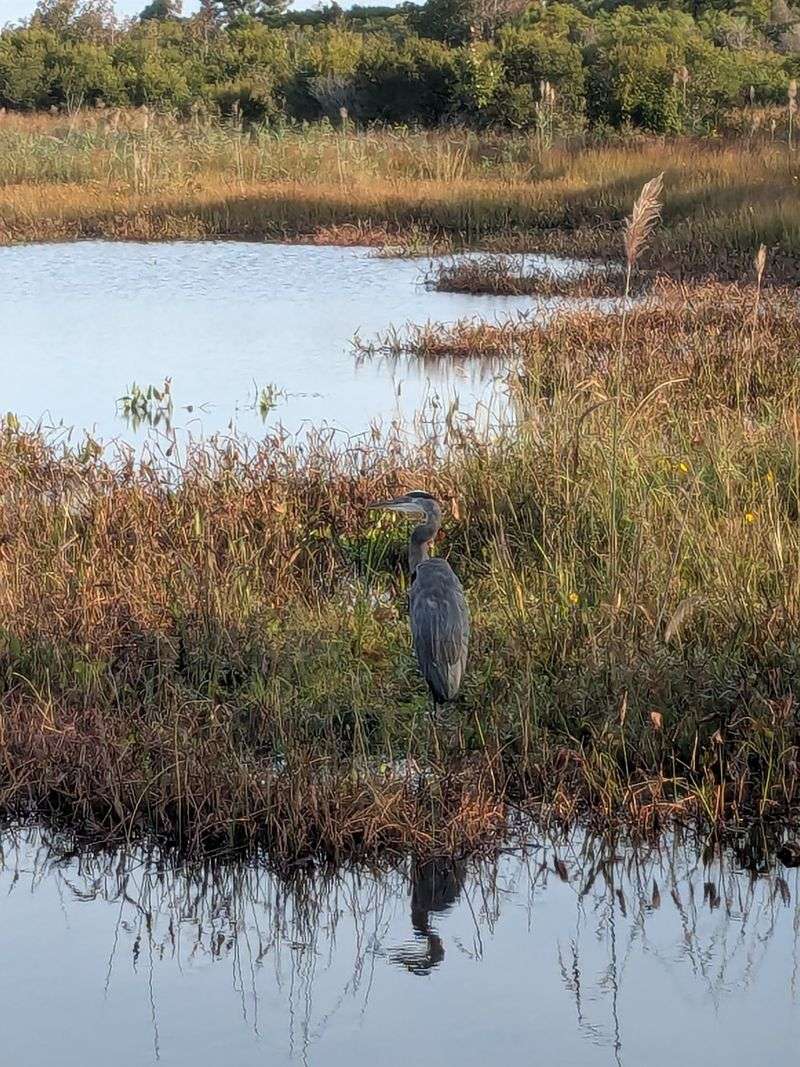
Salt air, marsh grass, and the sound of wings make Back Bay National Wildlife Refuge feel bigger than a morning plan.
Located in southern Virginia Beach, near Sandbridge and False Cape, this refuge protects beaches, dunes, woodlands, ponds, and marshes along an important Atlantic flyway.
Waterfowl are the stars in colder months.
Snow geese, tundra swans, ducks, herons, egrets, and shorebirds use the refuge as a feeding and resting stop.
During migration, the mix can change from week to week, which gives repeat visits a treasure-hunt feeling.
Start early for the softest light and the best bird activity.
The Bay Trail and boardwalk areas offer good views without needing a long walk, while more adventurous visitors can explore farther when trails and seasonal access allow.
Check refuge alerts before you go, since weather, nesting seasons, and management work can affect routes.
Binoculars help here because many birds feed across open water or distant flats.
A windbreaker is smart, even on mild days, because coastal breezes can surprise you.
Back Bay turns a simple beach-area morning into something wild, wide, and wonderfully alive.
3. Elizabeth Hartwell Mason Neck National Wildlife Refuge – Lorton
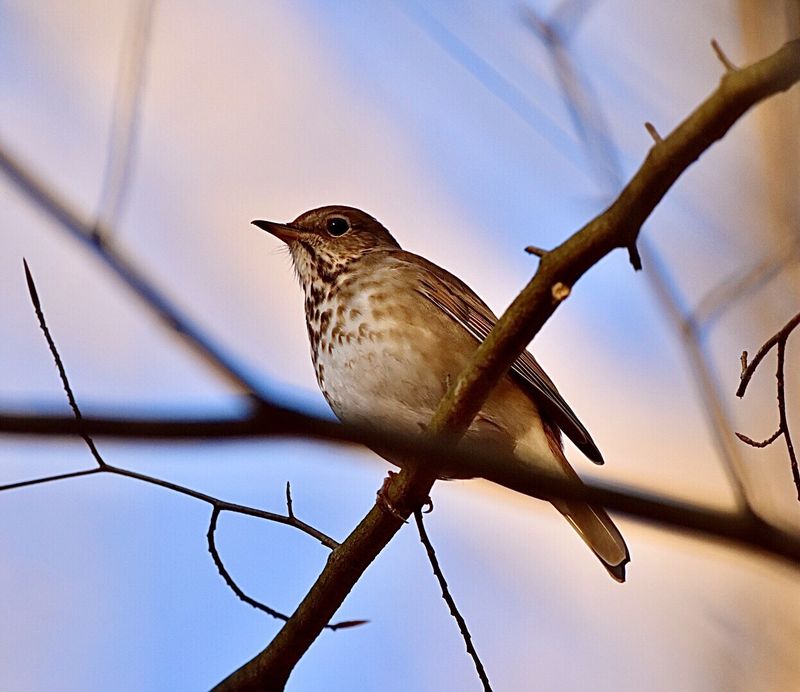
Bald eagles give this refuge its headline moment, but the quiet woods do plenty of storytelling too.
Elizabeth Hartwell Mason Neck National Wildlife Refuge sits in Lorton on a peninsula along the Potomac River, where forests, marshes, and shoreline protect vital habitat close to busy Northern Virginia.
The refuge helped support one of the region’s best-known eagle recovery areas, and visitors still come hoping to spot those broad wings overhead.
Ospreys, herons, woodpeckers, songbirds, and waterfowl also use the area, especially near wetland edges and open water.
Plan a relaxed visit and check public access information before leaving home, because some parts of the refuge are managed mainly for wildlife protection.
Nearby Mason Neck State Park can pair well with the trip, offering additional trails and water views while keeping the same peaceful peninsula feeling.
Morning is ideal because birds move before the day gets noisy.
Bring binoculars, stay on marked routes, and resist the urge to get too close to nests or perched raptors.
Seeing an eagle here feels special not only because it is beautiful, but because it reminds visitors how protected land can help wildlife recover.
4. Great Dismal Swamp National Wildlife Refuge – Suffolk
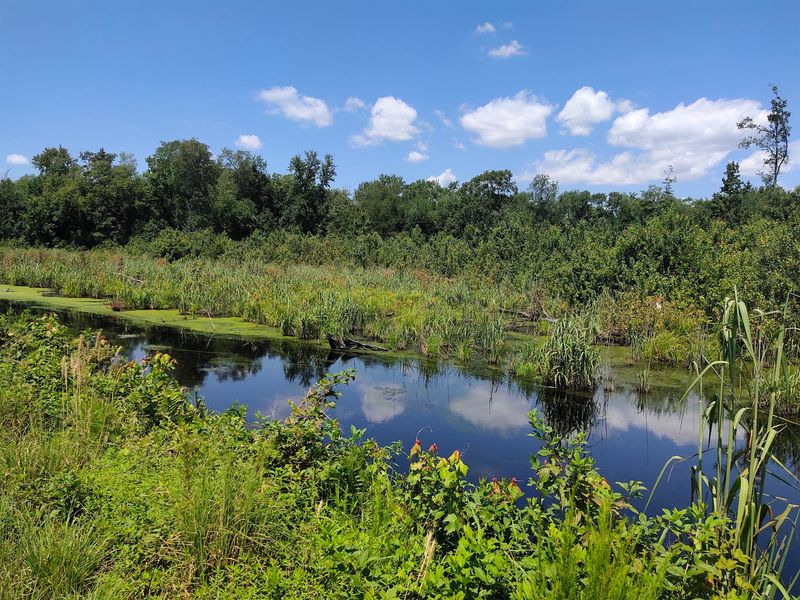
Mist hanging over dark water gives Great Dismal Swamp National Wildlife Refuge a storybook mood.
Spread across southeastern Virginia and northeastern North Carolina, with access near Suffolk, this huge refuge protects forested wetlands, Lake Drummond, and habitat that feels ancient and mysterious.
Birders often look for prothonotary warblers, barred owls, pileated woodpeckers, wood ducks, and many migrating songbirds.
The refuge is especially exciting in spring, when the forest seems to ring with calls from hidden branches.
Summer can be buggy, but it also brings lush greenery and active wildlife.
The Washington Ditch Trail is a well-known route toward Lake Drummond, though it is long, flat, and best tackled with water, snacks, and honest planning.
Shorter roadside stops and observation points can still give casual visitors a strong taste of the swamp.
Go early, tell someone your plan, and check conditions because weather and maintenance may affect roads or trails.
Insect repellent is more than a suggestion here.
Great Dismal Swamp rewards people who slow down, look closely, and enjoy the strange magic of a wild place that never feels ordinary.
5. Eastern Shore of Virginia National Wildlife Refuge – Cape Charles
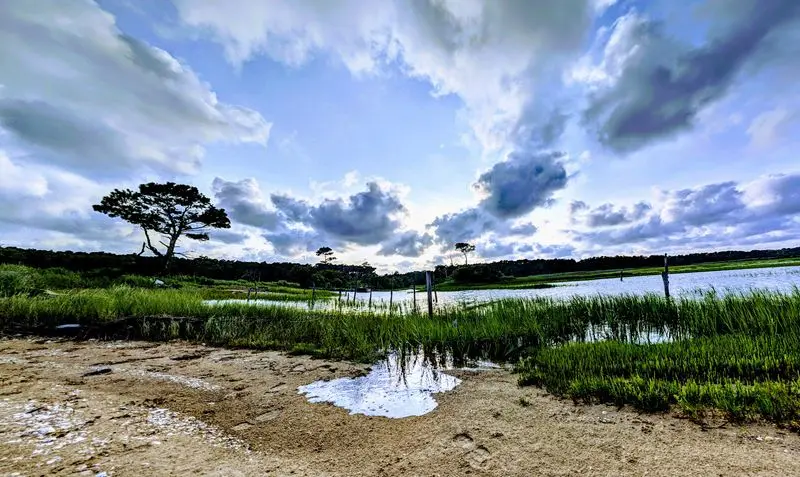
At the southern tip of the Delmarva Peninsula, migration can feel like rush hour with feathers.
Eastern Shore of Virginia National Wildlife Refuge in Cape Charles sits near the mouth of the Chesapeake Bay, where birds gather before or after crossing open water.
Fall can be spectacular here.
Hawks, songbirds, monarch butterflies, shorebirds, and waterfowl move through the area, using maritime forest, shrubland, marsh, and beach habitats for rest and food.
Spring has its own rewards, with returning migrants and nesting activity nearby.
Visitor areas, trails, and observation spots make the refuge friendly for beginners.
The Wise Point area and surrounding refuge lands offer chances to scan sky, marsh, and tree line, so bring binoculars with a comfortable strap.
A field guide or birding app can help sort quick-moving warblers from sparrows.
Because this area is close to the Chesapeake Bay Bridge-Tunnel, it makes a great stop during a larger Eastern Shore trip.
Arrive early for calmer conditions and fewer distractions.
The fun is in watching the sky change, then realizing those tiny dots are travelers on an epic journey.
6. Occoquan Bay National Wildlife Refuge – Woodbridge
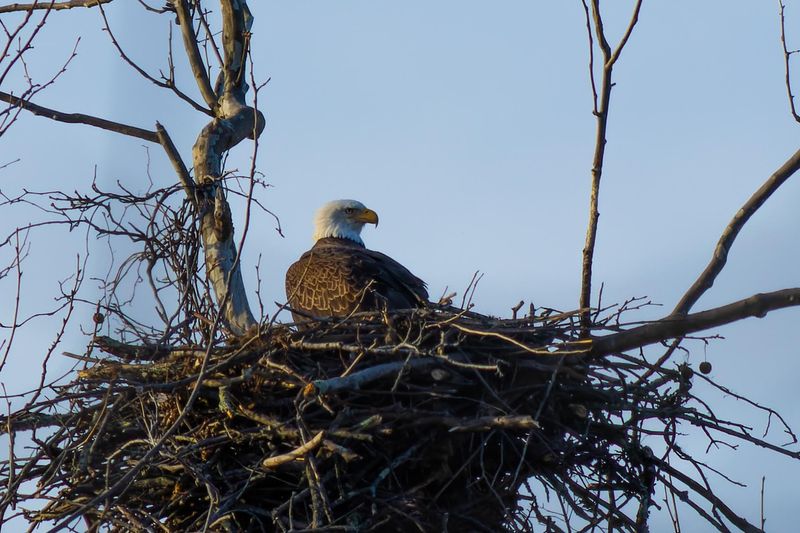
Former military land has become a bird-filled escape at Occoquan Bay National Wildlife Refuge in Woodbridge.
Set where the Occoquan River meets the Potomac, the refuge mixes grasslands, wetlands, forest edges, and shoreline in a way that attracts an impressive variety of birds.
One visit might bring bald eagles circling high, bluebirds perched on posts, red-winged blackbirds calling from reeds, and ducks tucked into quiet water.
In warmer months, butterflies and wildflowers add color along the trails.
Winter can be excellent for raptors and waterfowl.
The trail system is mostly easy to follow, with wide paths that suit walkers who want a peaceful pace.
Bring sun protection because open areas can feel bright and warm, even when the morning starts cool.
A spotting scope is useful near the bay, but binoculars work fine for most visitors.
Check refuge hours before you go, since gates and seasonal rules can change.
Stay on marked trails to protect habitat, especially in grassland areas where birds may nest.
Occoquan Bay is a strong choice when you want wild views without driving far from Northern Virginia’s busy roads.
7. Rappahannock River Valley National Wildlife Refuge – Tappahannock
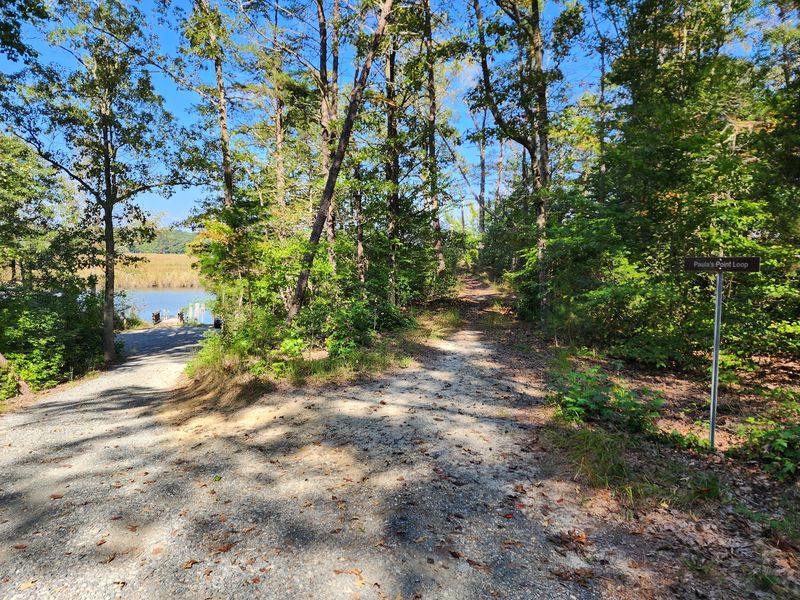
River country has its own rhythm, and Rappahannock River Valley National Wildlife Refuge lets visitors hear it clearly.
Centered around the lower Rappahannock River near Tappahannock, the refuge includes several units that protect wetlands, forests, grasslands, and river shoreline.
Because the refuge is spread out, planning matters.
Units such as Wilna, Hutchinson, Laurel Grove, and others may offer different trails, overlooks, or seasonal access, so check maps before choosing your stop.
Birds can include bald eagles, osprey, wood ducks, wild turkeys, warblers, sparrows, and herons.
A morning here feels less like checking off a landmark and more like exploring a living patchwork.
Walk slowly through field edges, listen near wooded areas, and scan the river or ponds whenever the trail opens up.
Different habitats sit close together, which means the bird list can change quickly.
Wear sturdy shoes because surfaces may vary by unit and weather.
Bring water, especially in warmer months, and allow extra drive time between access points.
The reward is a quieter kind of Virginia beauty, where the river, sky, and birds all seem to move at the same unhurried speed.
8. Hoffler Creek Wildlife Preserve – Portsmouth
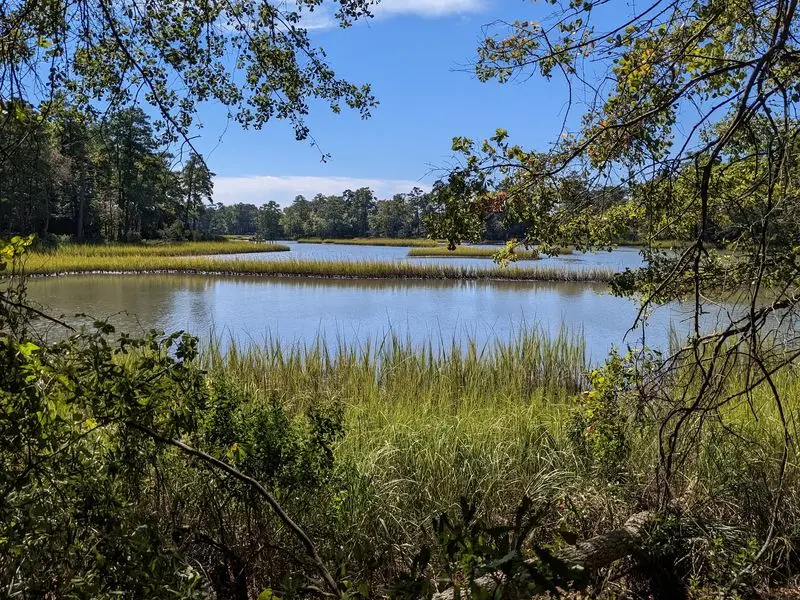
A lake hidden inside the city sounds like a trick, yet Hoffler Creek Wildlife Preserve in Portsmouth makes it real.
This nonprofit preserve protects forest, marsh, creek, and a former borrow pit lake, creating a calm outdoor classroom for birds and people.
The trails are approachable, with loops that pass through different habitats without feeling overwhelming.
Visitors may see herons, egrets, kingfishers, woodpeckers, osprey, warblers, and turtles basking near the water.
Kayak programs sometimes offer another view of the preserve, which can be magical on a still morning.
Families often like Hoffler Creek because it feels manageable but never boring.
Bring binoculars, closed-toe shoes, and a little curiosity for the interpretive signs and changing plant life.
Since the preserve hosts programs and volunteer workdays, checking the schedule can help you time your visit well.
Quiet manners matter here because wildlife depends on the protected space.
Stay on trails, pack out trash, and give animals room to behave naturally.
Hoffler Creek is proof that a peaceful birding morning can happen near neighborhoods, schools, and errands, if a community chooses to save room for nature.
9. Grandview Nature Preserve – Hampton
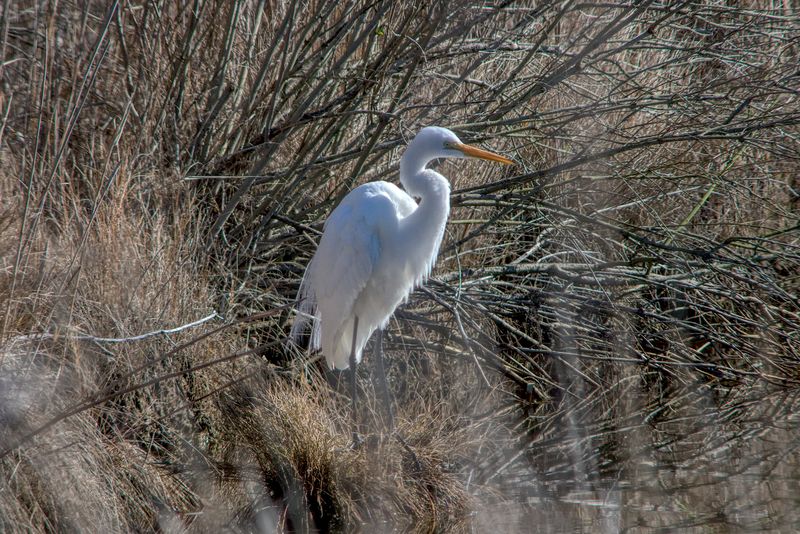
Footprints in sand, gulls calling overhead, and marsh grass glowing gold make Grandview Nature Preserve feel like a coastal postcard.
Located in Hampton along the Chesapeake Bay, this preserve protects beach, tidal marsh, dunes, and shallow water habitat that shorebirds depend on.
Timing shapes the experience.
Low tide can reveal feeding areas for sandpipers, plovers, gulls, terns, egrets, and other coastal birds, while high tide changes where birds gather.
Early morning is best for soft light, cooler air, and a quieter beach.
Grandview is beautiful, but it needs careful visitors.
Seasonal nesting closures may protect sensitive birds, so respect signs, ropes, and posted rules.
Dogs, loud music, and wandering into closed areas can cause real harm to nesting or resting wildlife.
Wear shoes that can handle sand and wet spots, and bring water because shade is limited.
A camera with a zoom lens is useful, since getting too close to birds makes them waste energy flying away.
Grandview turns a beach walk into a lesson in watching respectfully, where the best memories come from giving wild birds the space they need.
10. Leopold’s Preserve – Broad Run
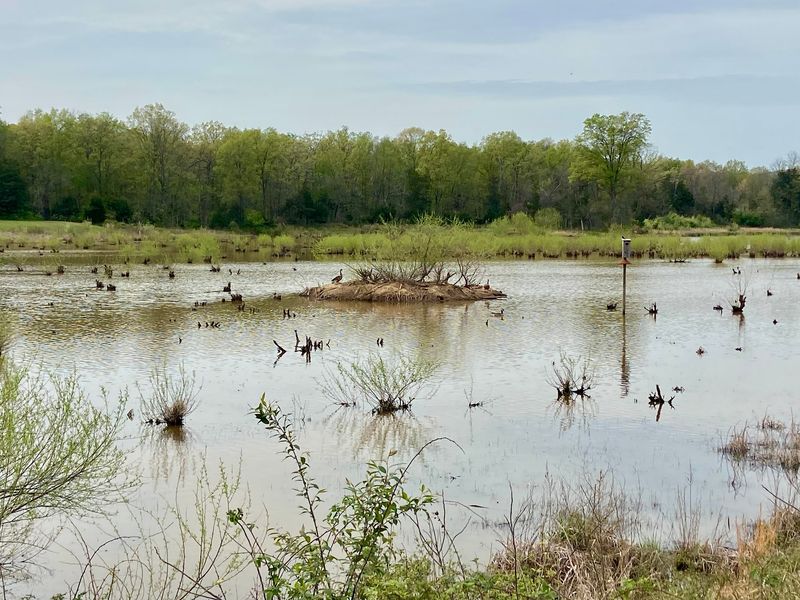
Meadows can be louder than they look, especially when grassland birds start the morning chorus.
Leopold’s Preserve in Broad Run, in western Prince William County, blends open fields, wetlands, woods, and boardwalks into a welcoming place for walking and birdwatching.
The preserve is named in honor of conservation thinker Aldo Leopold, whose ideas helped shape modern wildlife care.
That spirit fits the landscape well, because the trails show how fields, ponds, and forest edges can support many living things.
Bluebirds, swallows, hawks, sparrows, woodpeckers, and wetland birds may all appear during a patient walk.
Trail loops vary in length, so visitors can choose a short outing or a longer ramble.
Mornings after a light rain can be lively, with fresh tracks, calling frogs, and active birds.
Wear comfortable shoes because some paths may be muddy or uneven.
Leopold’s Preserve is a good pick for people who enjoy open sky as much as deep woods.
Bring binoculars, pause at boardwalks, and scan fence lines or lone trees for perched birds.
The place feels simple at first, then slowly reveals how much life hides in a field.