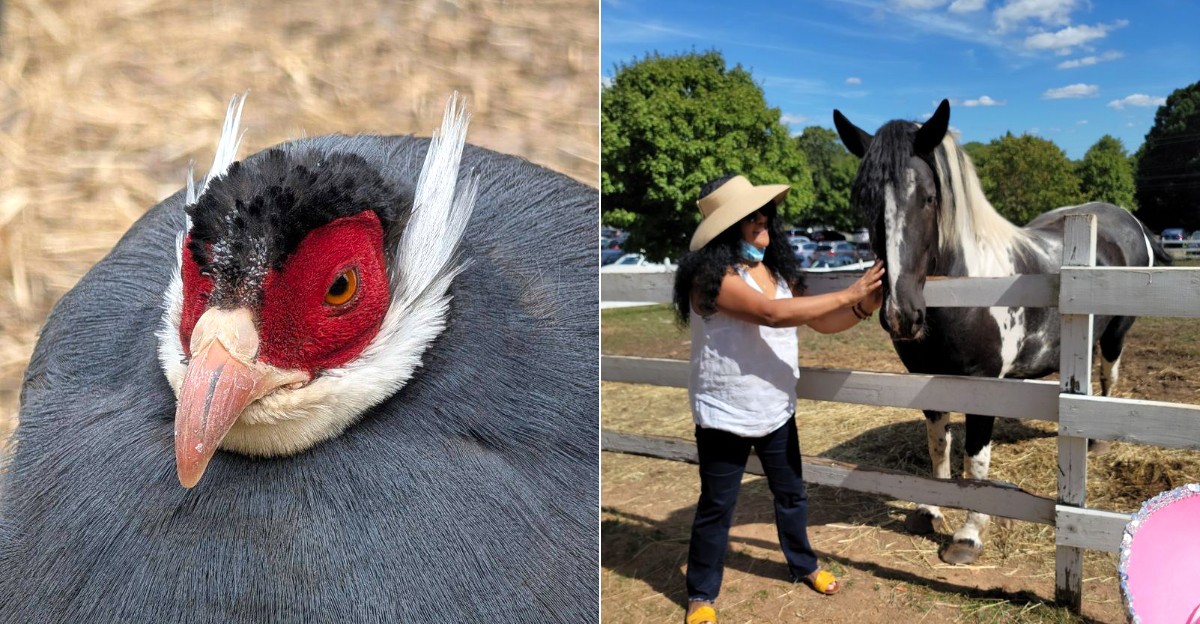
Connecticut packs a surprising amount of wildlife into a state you can drive across in a couple of hours.
Beluga whales share the spotlight with rescued raptors, alpacas, and even a zedonk on a quiet farm.
Some attractions are big-name aquariums with touch tanks and daily shows, while others are small nonprofits running on volunteers and donations.
A few sit on working farms where the animals are just as happy to see you as you are to see them.
We rounded up eleven spots that turned into some of our favorite stops of the whole trip.
Bring quarters for the feed machines, because most of these animals are used to getting spoiled.
1. Mystic Aquarium, Mystic, New London County
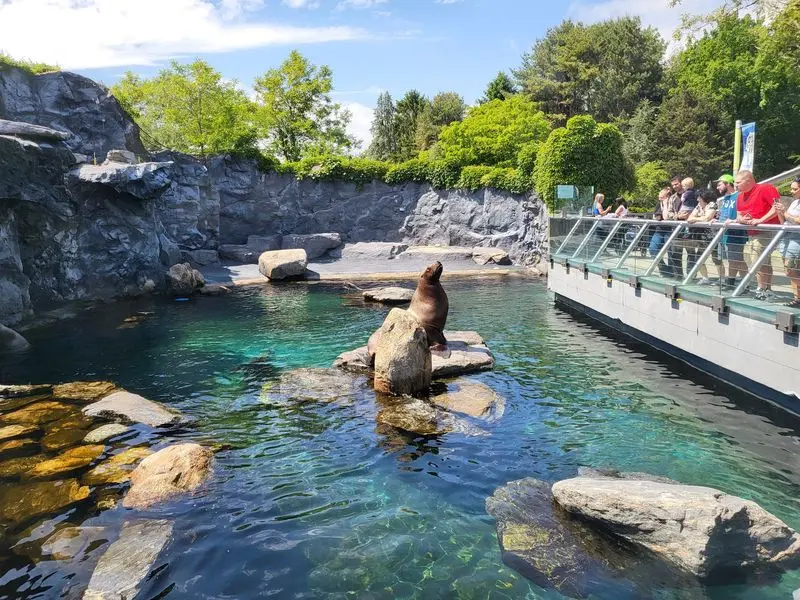
Salt air, bright tanks, and excited chatter make a visit feel like a seaside adventure before anyone even sees the whales.
Mystic Aquarium in Mystic, New London County, blends big animal moments with hands-on learning that works well for curious kids and adults.
The beluga whales are often the stars, and watching them glide by the viewing areas can stop a busy group in its tracks.
Indoor exhibits give families a good break on cold, rainy, or extra sunny days.
You can see colorful fish, jellyfish, frogs, reptiles, and other creatures while learning how oceans connect to daily life.
The sea lion presentations are lively, but they also explain training, care, and conservation in a clear way.
Plan to arrive early if you want easier parking and more time near popular exhibits.
Buying tickets online can save stress, especially during school breaks and summer weekends.
Nearby Mystic restaurants and shops make it simple to turn the aquarium visit into a full coastal day.
Anyone who enjoys marine animals will likely leave with photos, facts, and a stronger reason to protect the sea.
2. Beardsley Zoo, Bridgeport, Fairfield County
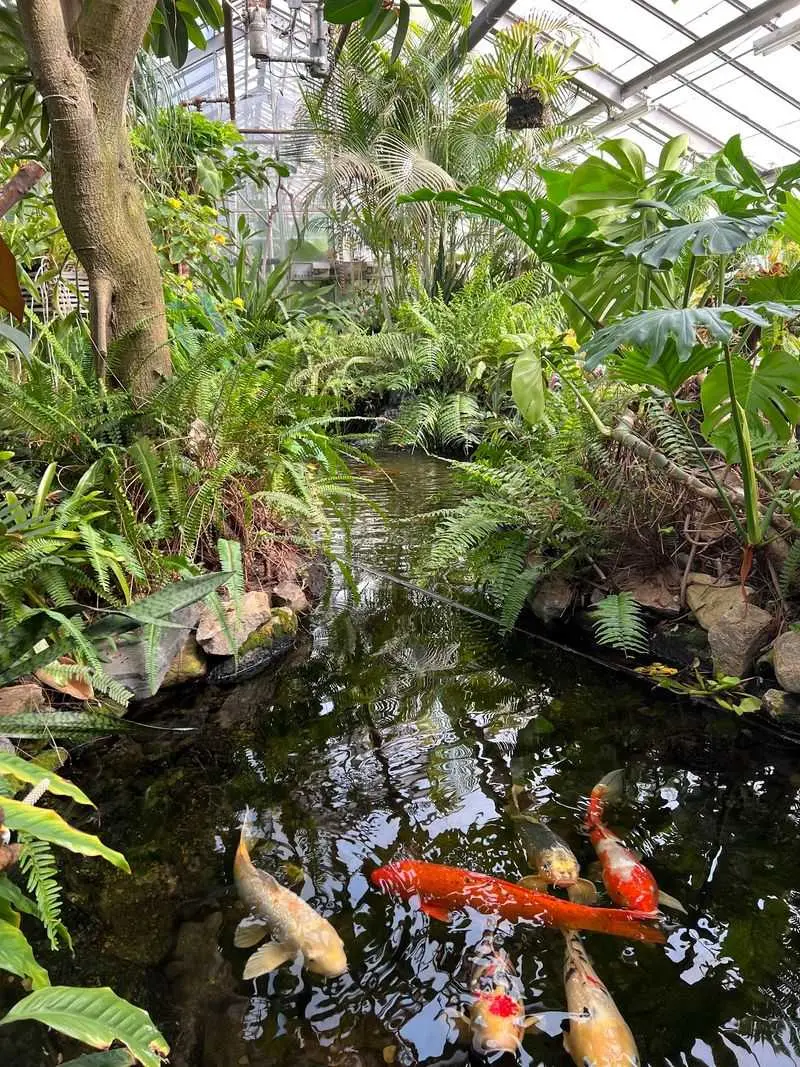
Tree-lined paths and animal calls give this zoo a calm, neighborhood feel, even though it sits in Connecticut’s largest city.
Beardsley Zoo in Bridgeport, Fairfield County, is a manageable size, which makes it helpful for families who want a fun outing without feeling rushed.
Visitors can see animals from North and South America, including red wolves, bison, prairie dogs, monkeys, and colorful birds.
The zoo has a strong focus on conservation, so exhibits often explain why certain species need protection.
Children can learn that animal care is more than feeding time, since keepers also support breeding programs, enrichment, and habitat safety.
The farmyard area is especially nice for younger visitors who like familiar animals at a close, safe distance.
Comfortable shoes are useful because the paths wind through different sections, but the walk is not overwhelming.
Seasonal events, a carousel, and educational programs can add extra value, so checking the calendar before visiting is smart.
Bring water, plan snack breaks, and give yourself time to watch animal behavior instead of racing between exhibits.
For a classic Connecticut zoo day, this spot remains easy to recommend.
3. The Maritime Aquarium at Norwalk, Norwalk, Fairfield County
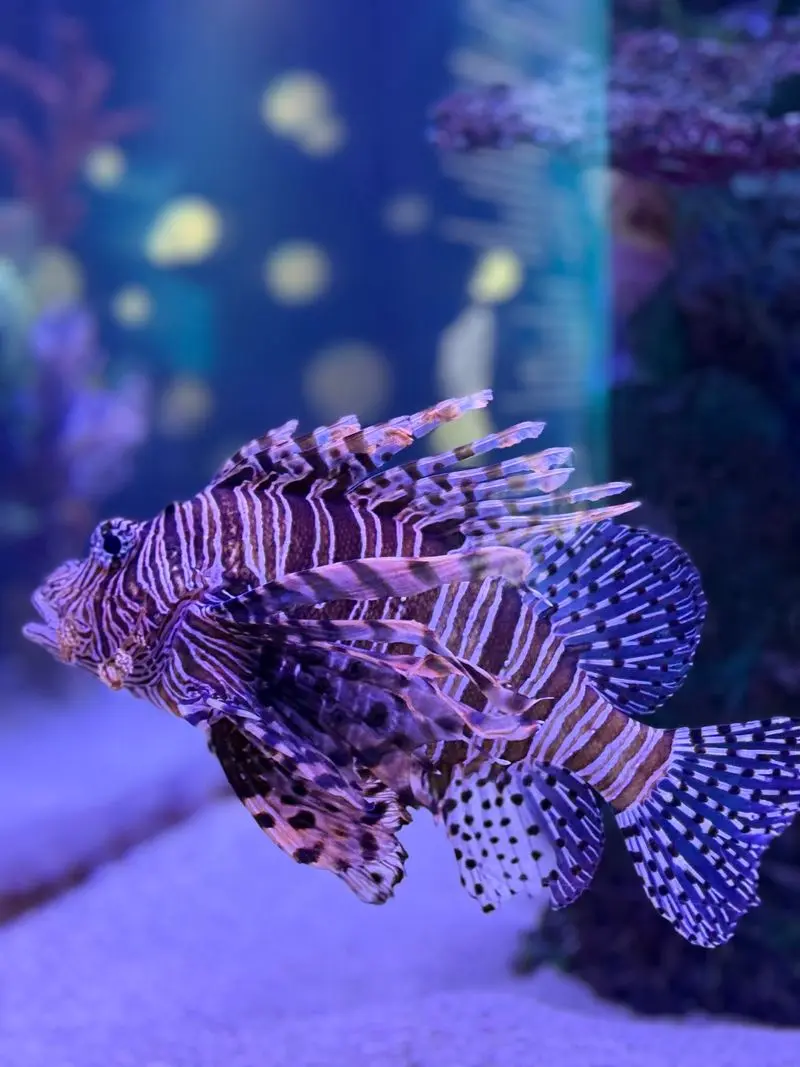
Water seems to be everywhere here, from glowing tanks to views that remind visitors how close Connecticut is to Long Island Sound.
The Maritime Aquarium at Norwalk in Norwalk, Fairfield County, is a favorite because it connects local waters with animals people may never notice from shore.
Sharks, seals, sea turtles, rays, jellyfish, and river creatures help tell the story of the region’s coastal life.
Touch tanks can be a highlight for brave hands, but staff guidance keeps the experience respectful for the animals.
Exhibits are designed so visitors can move at their own pace, which is helpful for mixed-age groups.
The seal area often draws a crowd because the animals are active, expressive, and easy to watch for several minutes.
Consider pairing your visit with a walk near the Norwalk waterfront if the weather is pleasant.
Timed tickets are often a good idea on weekends, holidays, and rainy days when indoor attractions get busy.
Families should leave enough time for the large-screen theater if a nature film is showing.
By the end, the aquarium makes local water feel less ordinary and much more alive.
4. Action Wildlife Foundation, Goshen, Litchfield County
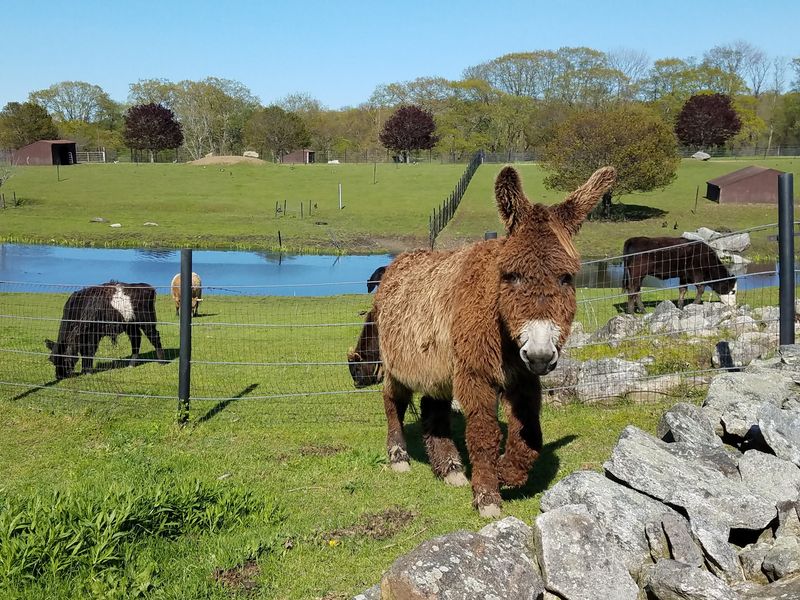
Open fields, gravel roads, and curious hoofed animals give this place the feeling of a mini safari tucked into the Litchfield Hills.
Action Wildlife Foundation in Goshen, Litchfield County, offers a different pace from a traditional zoo because visitors can explore wide spaces and see animals in roomy settings.
Families often enjoy spotting bison, zebras, elk, deer, and other species across the landscape.
The drive-through style areas make the visit easier for people who cannot walk long distances.
There are also places to get out, stretch, and look more closely at exhibits and displays.
Kids who love big animals may find the size of the pastures exciting, especially when herds move together.
Because the attraction is rural, planning ahead matters more than usual.
Check seasonal hours, bring snacks and water, and make sure your phone has enough battery for photos and directions.
Closed-toe shoes are useful if you plan to walk around after the driving portion.
This is a good pick for visitors who want countryside views along with animal watching.
The mix of quiet roads, open sky, and unexpected species makes it feel like a true Connecticut surprise.
5. Flamig Farm, West Simsbury, Hartford County
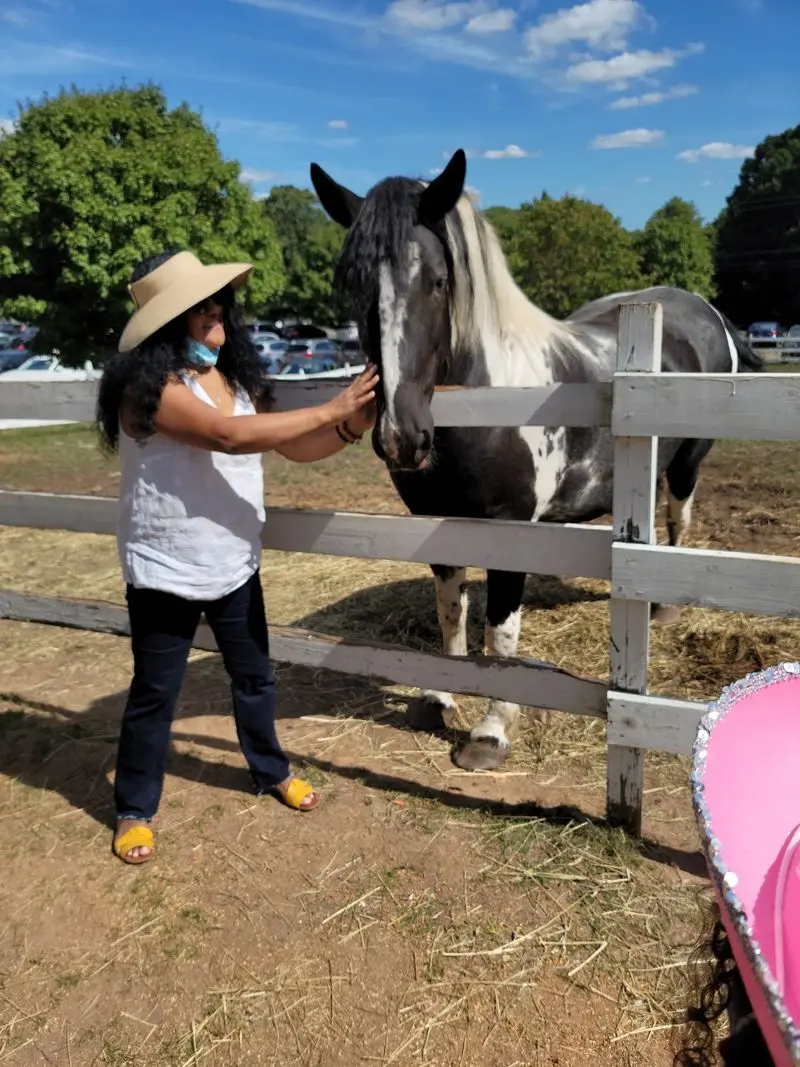
A backwards sign, barnyard sounds, and a little country humor make the first impression here hard to forget.
Flamig Farm in West Simsbury, Hartford County, is known for its playful personality and relaxed farm setting.
Visitors can meet goats, chickens, pigs, horses, llamas, ducks, and other animals that make a farm visit feel lively and real.
Younger children often enjoy the chance to move slowly from pen to pen without the pressure of a giant attraction.
Parents will appreciate that the farm feels simple, friendly, and easy to understand.
Depending on the season, there may be hayrides, events, or special activities that add to the fun.
Farm visits can be muddy, so old sneakers or boots are a smart choice after rain.
Hand washing is important after touching fences, feed areas, or animals, and it is wise to bring wipes for backup.
Check the farm’s current schedule before heading out, since hours and activities can change during the year.
The famous backwards EGGS sign is a fun photo stop, but the real charm comes from the easy pace.
For a low-key animal outing, this farm has plenty of personality.
6. Burgis Brook Alpacas, Canterbury, Windham County
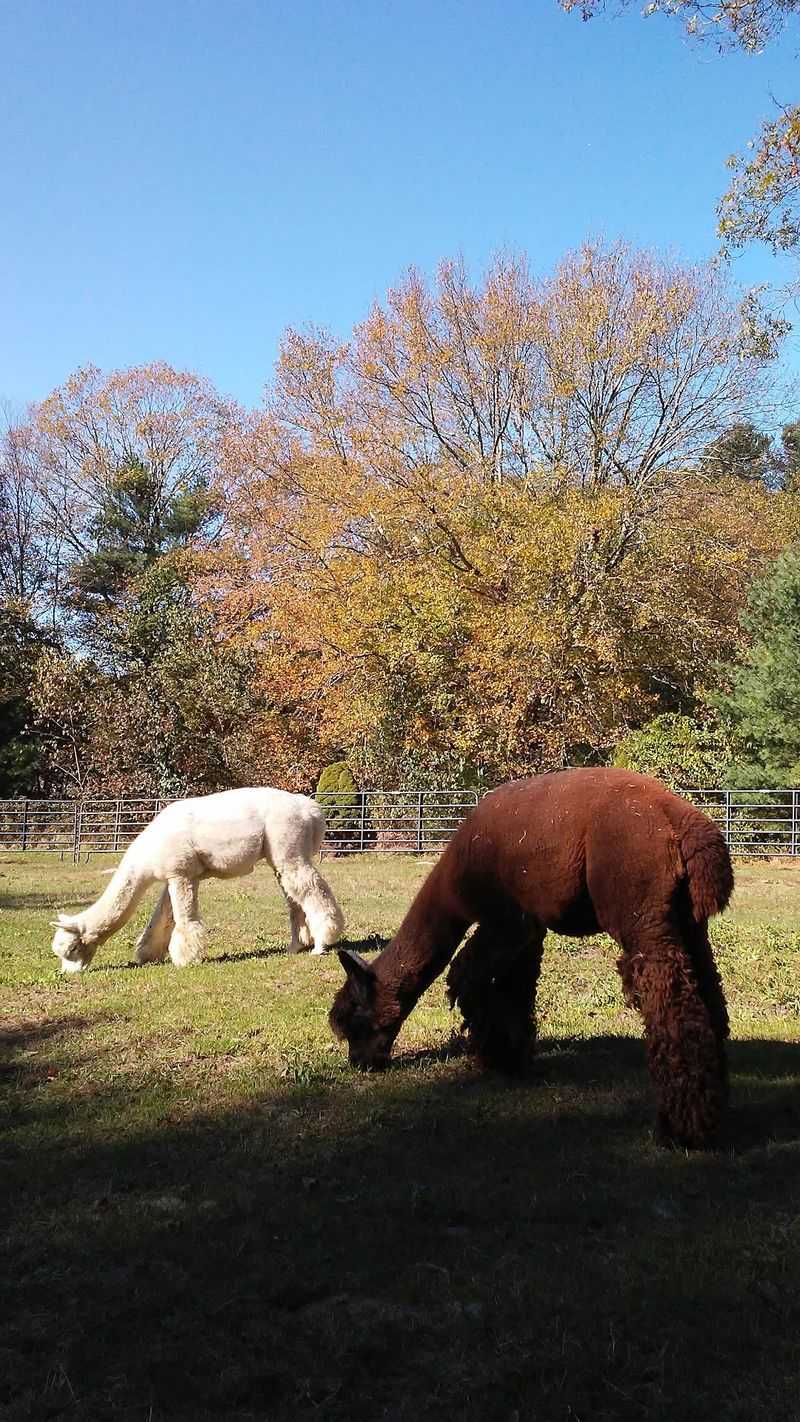
Soft faces, long necks, and watchful eyes make alpacas seem almost storybook-like when they gather by a fence.
Burgis Brook Alpacas in Canterbury, Windham County, gives visitors a close look at these calm, woolly animals in a peaceful farm setting.
The farm is especially appealing for people who like smaller attractions where the pace stays quiet and personal.
Alpacas are related to llamas, but they are usually smaller and are raised mainly for their soft fiber.
A visit can help guests understand how fleece becomes yarn, clothing, and handmade goods.
Farm tours may explain feeding, grooming, shearing, and the daily care needed to keep the herd healthy.
Because this is a working farm, visitors should review tour rules and hours before arriving.
Respectful behavior matters, since alpacas can be shy and prefer gentle movements over loud surprises.
Comfortable clothes and sturdy shoes make walking near pastures easier.
The farm shop can be a fun stop for warm socks, hats, or gifts made from alpaca fiber.
Animal lovers who enjoy quiet corners of Connecticut will find this visit sweet, simple, and memorable.
It is the kind of place where slowing down feels like part of the plan.
7. Ray of Light Farm, East Haddam, Middlesex County
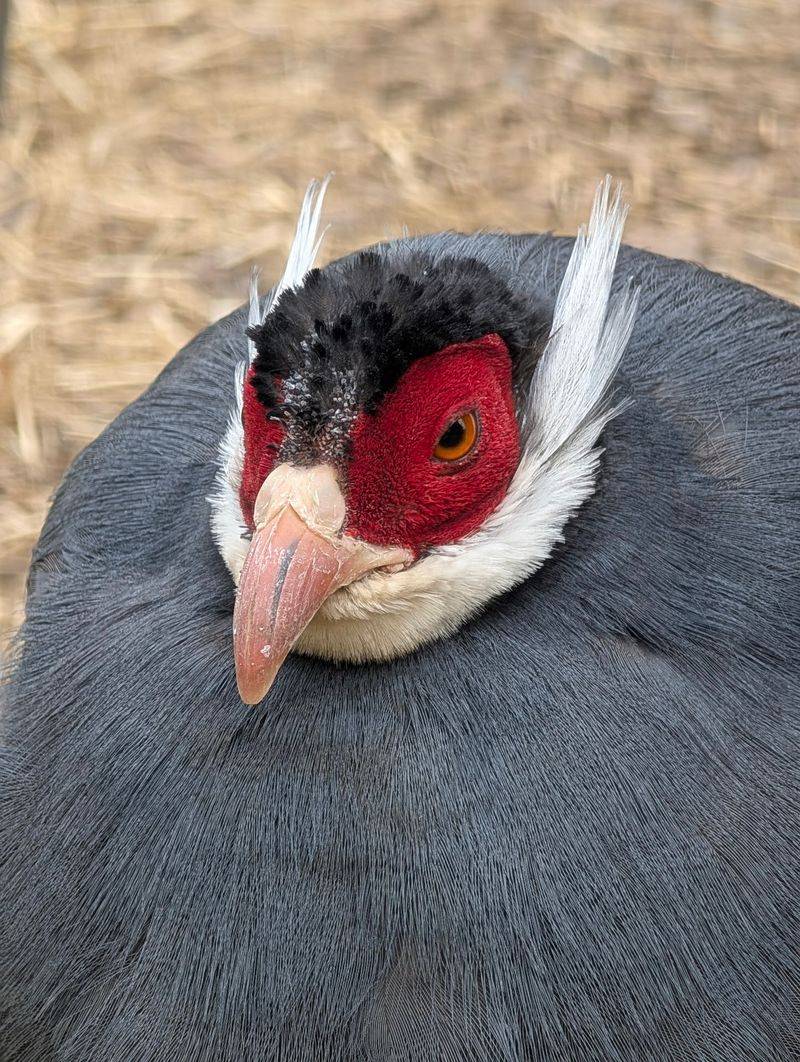
Some animal places feel fun right away, while others also tug at your heart in the best possible way.
Ray of Light Farm in East Haddam, Middlesex County, is a rescue and sanctuary where many animals have been given safer, kinder lives.
Horses, donkeys, goats, sheep, pigs, chickens, and other farm animals may be part of the experience.
The farm’s mission adds meaning to every visit because guests learn about rescue, care, patience, and second chances.
Children can see that animals have feelings, needs, and histories, which can build empathy in a very natural way.
Programs, tours, and events may vary, so checking ahead helps families know what is available.
This is not the place for rushing from one pen to the next.
A slower visit works better, especially when watching how staff and volunteers interact with the animals.
Visitors should follow all posted rules, since rescued animals may need extra space or special handling.
Wear practical shoes, bring hand sanitizer, and be ready for normal farm smells and uneven ground.
Supporting a place like this can feel good because admission, donations, or purchases often help care continue.
For animal lovers, the kindness behind the scenes is what makes the memories last.
8. UConn Animal Barns, Storrs, Tolland County
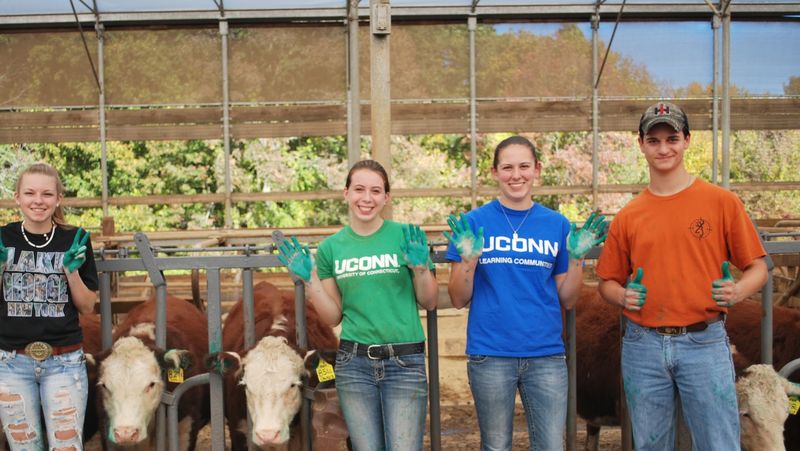
College campuses are not usually known for cows and horses, which is exactly why this stop feels so interesting.
UConn Animal Barns in Storrs, Tolland County, let visitors see part of the University of Connecticut’s agricultural learning world.
Depending on access and timing, guests may spot dairy cows, sheep, horses, poultry, and other animals connected to animal science programs.
The barns show how farming, education, and research can work together.
Students learn about nutrition, breeding, health, behavior, and responsible care through real daily tasks.
For kids, it can be eye-opening to see that animal careers include veterinarians, farmers, researchers, teachers, and caretakers.
Before visiting, check current public access rules, because university farms may limit areas for safety and animal welfare.
Respect signs, fences, and staff directions, even if an animal looks close enough to touch.
Weekdays may feel different from special public events, so timing can shape the experience.
Pairing the barns with a walk around campus can make the trip more complete.
Ice cream from the UConn Dairy Bar is a popular nearby treat and connects nicely to the farm theme.
For families who like learning how food systems work, this stop turns animals into a living classroom.
9. Ansonia Nature Center, Ansonia, New Haven County
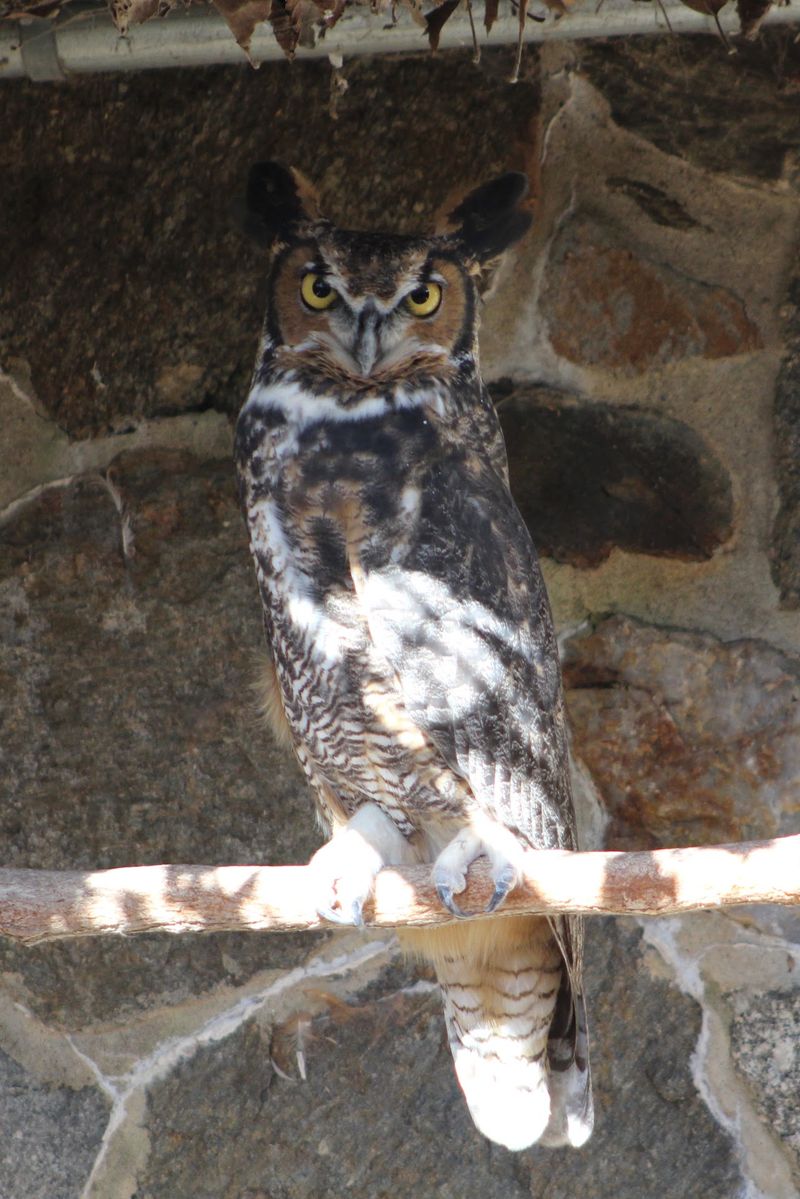
Birdsong, shady trails, and small wildlife encounters make this nature center feel like a breath of fresh air.
Ansonia Nature Center in Ansonia, New Haven County, is a good choice when you want animals and outdoor time in one trip.
The grounds include trails, wetlands, meadows, and educational spaces that help visitors notice local nature more closely.
Inside or near the center, guests may find exhibits featuring reptiles, amphibians, birds, or other animals used for education.
These animals help explain Connecticut habitats and why even small creatures matter.
Outside, patient walkers may spot frogs, turtles, insects, songbirds, or signs of mammals along the paths.
This attraction works well for families who prefer a low-cost or simple outing.
Bring bug spray in warm months, wear shoes that can handle dirt, and carry water for longer walks.
A trail map or quick stop at the visitor area can help you choose a route that fits your group.
Programs for children, guided walks, and seasonal events may add extra learning, so the schedule is worth checking.
The best visits happen when everyone slows down and looks carefully.
Instead of one big animal moment, this place offers many small discoveries.
10. White Memorial Conservation Center, Litchfield, Litchfield County

Misty wetlands, tall trees, and quiet boardwalks give this place the feeling of stepping into a nature journal.
White Memorial Conservation Center in Litchfield, Litchfield County, is a standout for people who enjoy wildlife in natural settings rather than behind glass.
The property covers thousands of acres, with trails that pass ponds, forests, fields, and marshes.
Birdwatchers, hikers, and patient kids can find plenty to notice here.
Depending on the season, visitors may see herons, turtles, frogs, beavers, deer, dragonflies, and many kinds of songbirds.
The conservation center and museum displays help explain local ecosystems in a way that is clear and useful.
Choose your trail based on time, weather, and walking ability.
Some routes are short and easy, while others are better for visitors who want a longer outdoor adventure.
Bring binoculars if you have them, because wildlife often appears across water or high in trees.
Bug spray, water, and layered clothing can make the visit more comfortable.
Staying quiet on trails improves your chances of seeing animals before they slip away.
For anyone who loves Connecticut’s wild side, this destination rewards patience with peaceful views and real animal sightings.
11. LEO Zoological Conservation Center, Greenwich, Fairfield County
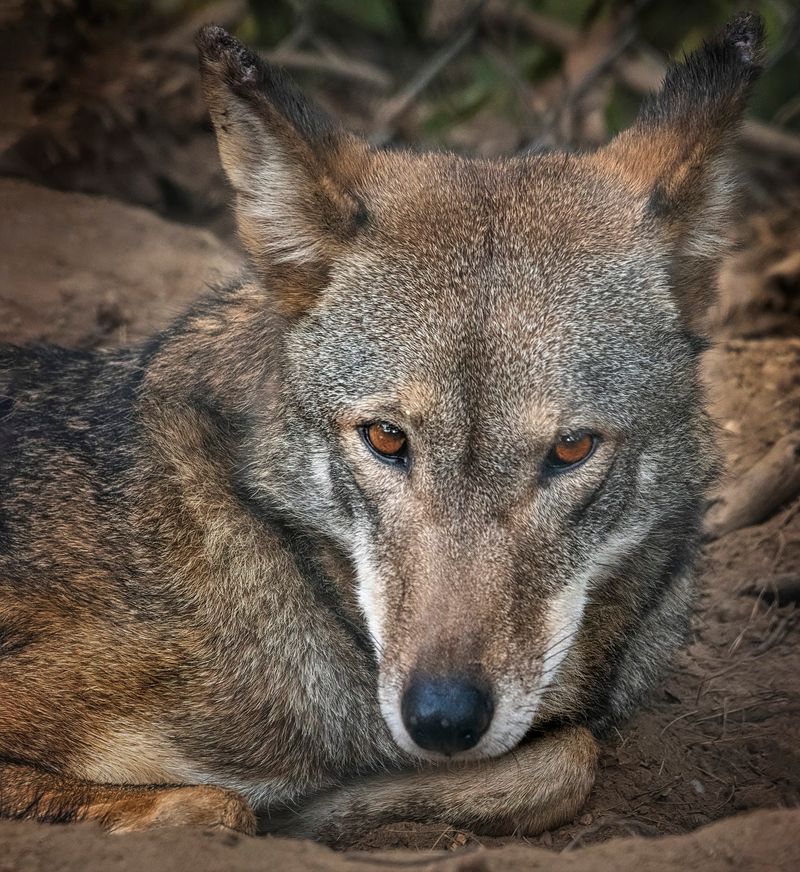
Rare animals and serious conservation work give this destination a more exclusive, behind-the-scenes feeling than many public attractions.
LEO Zoological Conservation Center in Greenwich, Fairfield County, has been known for focusing on endangered and unusual species through education, breeding, and animal care.
Because access can be limited, planning is especially important before adding it to a travel day.
The center’s appeal comes from learning how conservation programs support animals that face pressure in the wild.
Guests may hear about habitat loss, breeding efforts, veterinary care, and the careful planning needed to protect vulnerable species.
A guided experience can make the information easier to understand, especially for older children and teens interested in wildlife careers.
Always confirm current tour availability, visitor rules, age guidelines, and reservation requirements directly before going.
Private or limited-access facilities can change schedules more often than larger public zoos.
Respectful behavior is essential, since quiet movement and careful listening help protect animal comfort.
This is a strong fit for visitors who want more than a casual animal stop.
The visit can spark thoughtful talks about extinction, human responsibility, and the science behind species survival.
For dedicated animal fans, the conservation message may be just as memorable as the animals themselves.