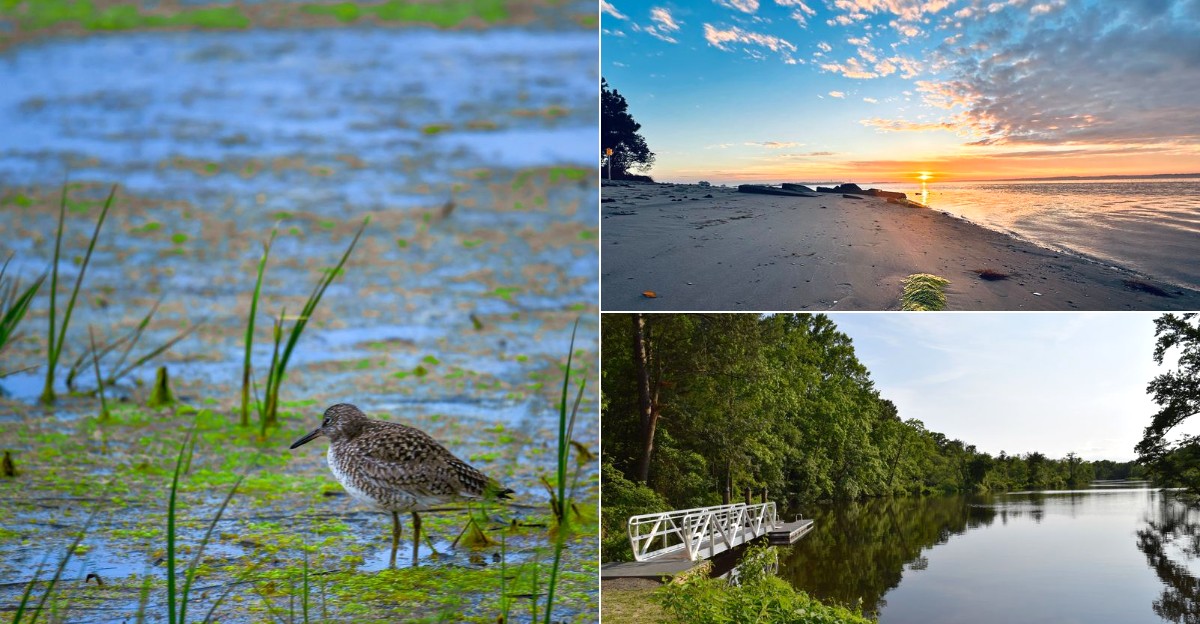
Delaware may be small, but its wildlife sanctuaries pack in a surprising amount of natural variety.
Marshes, tidal wetlands, and quiet woodland preserves stretch across all three counties, each one home to its own mix of birds and creatures.
Some of these spots draw serious birdwatchers, while others are perfect for a slow, easy walk with the family.
You don’t need to travel far in this state to find a place where the pace of the day just slows down.
From refuges managed for migrating waterfowl to smaller preserves tucked behind neighborhoods, each stop had something worth noticing.
Here are ten Delaware wildlife sanctuaries worth knowing about for your next day trip.
1. Prime Hook National Wildlife Refuge in Milton, Sussex County,
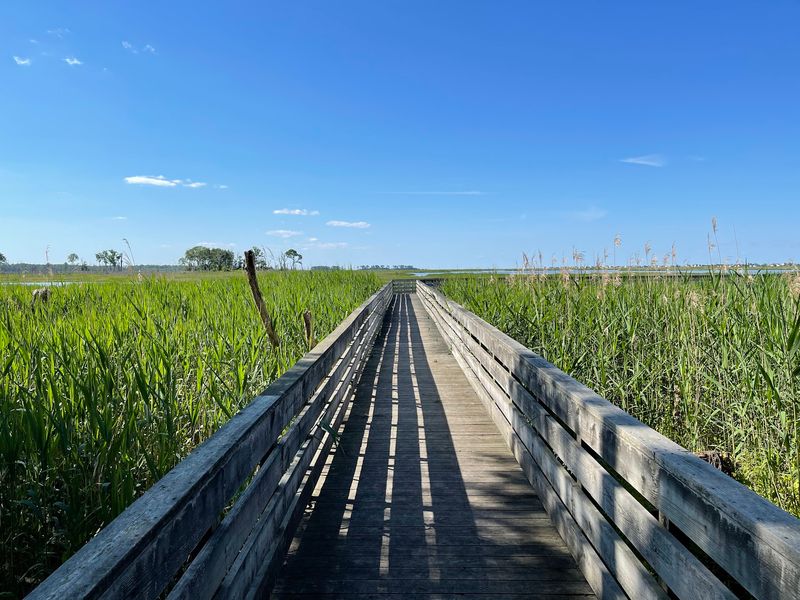
Salt air, quiet water, and sudden bird calls give this place a peaceful coastal mood.Prime Hook National Wildlife Refuge, near Milton, protects more than ten thousand acres of marsh, forest, ponds, and beach-linked habitat.
It is especially important for birds moving along the Atlantic Flyway.
Day trippers can explore short trails such as Boardwalk Trail, Dike Trail, and other easy routes near the visitor area.Depending on the season, you may spot osprey, herons, warblers, ducks, frogs, turtles, and deer.
The mix of freshwater and saltwater areas makes each visit feel a little different.
Kayaking is popular in some areas, though visitors should check current rules and water conditions before going.Photographers love the wide skies, mirrored marsh pools, and patient hunting birds.
Kids may enjoy listening for marsh sounds, from buzzing insects to splashing fish.
Wear shoes that can handle damp ground, and pack water, sunscreen, and insect repellent.A stop at the refuge visitor center can help you choose the best trail for the day.
For a calm Sussex County outing, this refuge offers plenty without feeling crowded.
2. Ashland Nature Center in Hockessin, New Castle County,
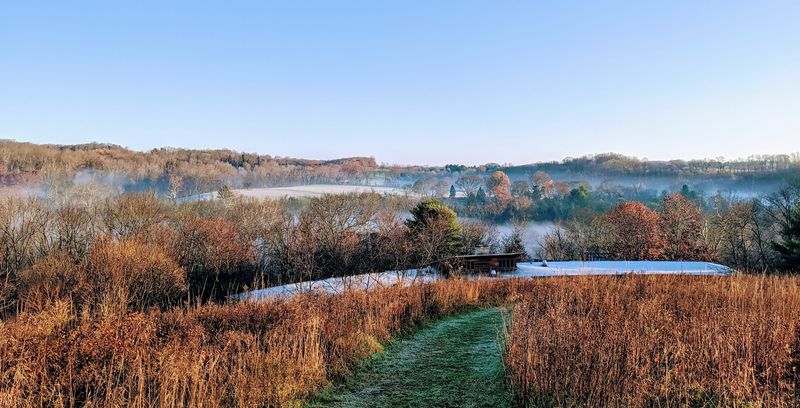
Children chasing butterflies and adults pausing by a stream both seem right at home here.Ashland Nature Center in Hockessin is run by Delaware Nature Society and feels like an outdoor classroom.
The property includes forests, meadows, wetlands, and the Red Clay Creek area.
Unlike some larger wildlife refuges, Ashland is easy to enjoy at a relaxed pace.Trails range from short, gentle walks to longer loops that pass wildflowers, trees, and bird habitat.
You might see woodpeckers, hawks, frogs, salamanders, butterflies, or signs of deer.
The center is known for education programs, birding events, school trips, and nature camps.Families can use a visit to practice simple skills like reading trail signs, listening quietly, and looking for animal tracks.
Seasonal changes are easy to notice, from spring blooms to colorful fall leaves.
Check hours and program schedules before your trip, since some activities may require registration.Sturdy shoes are helpful, especially after rain when paths can be muddy.
For anyone near Wilmington or northern Delaware, Ashland offers a friendly way to connect with wildlife close to home.
3. Ted Harvey Conservation Area in Little Creek, Kent County,
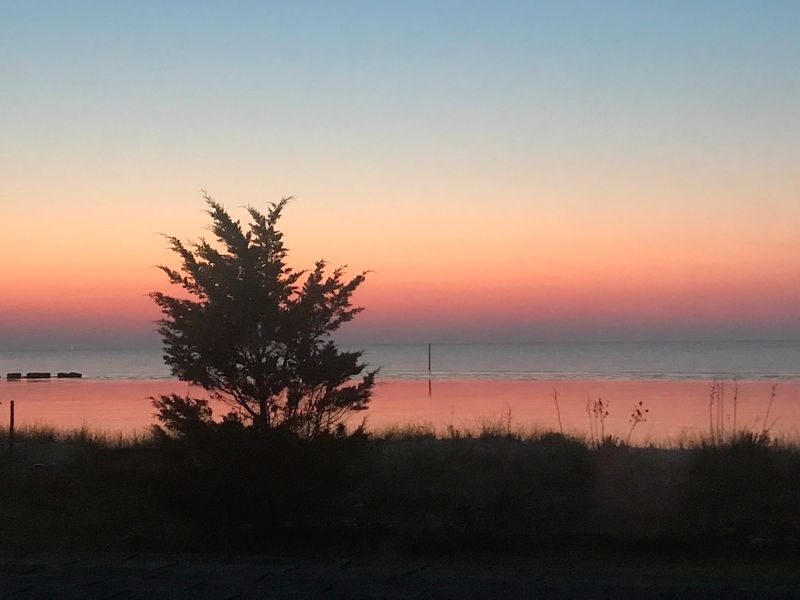
Wide-open marsh can make you feel like the sky is bigger than usual.Ted Harvey Conservation Area, located near Little Creek, is a strong choice for visitors who enjoy quiet wildlife watching.
Its wetlands and impoundments sit close to Delaware Bay, a key area for birds and coastal life.
This spot is often appreciated by birders, hunters during legal seasons, anglers, and people who simply like open landscapes.Waterfowl, shorebirds, gulls, raptors, and wading birds may be seen depending on tide and season.
During migration, the area can feel busy with movement even when few people are around.
Because it is a conservation area rather than a polished park, visitors should prepare for a more rustic experience.Wear boots or sturdy shoes, bring insect repellent, and expect limited facilities.
Check Delaware Division of Fish and Wildlife rules before visiting, especially during hunting seasons.
Quiet behavior goes a long way here, since wildlife often stays farther out in the marsh.A spotting scope or long camera lens can make the trip more rewarding.
For patient explorers, Ted Harvey offers raw coastal beauty and a true sense of Delaware’s marsh country.
4. Milford Neck Preserve in Milford, Kent County,
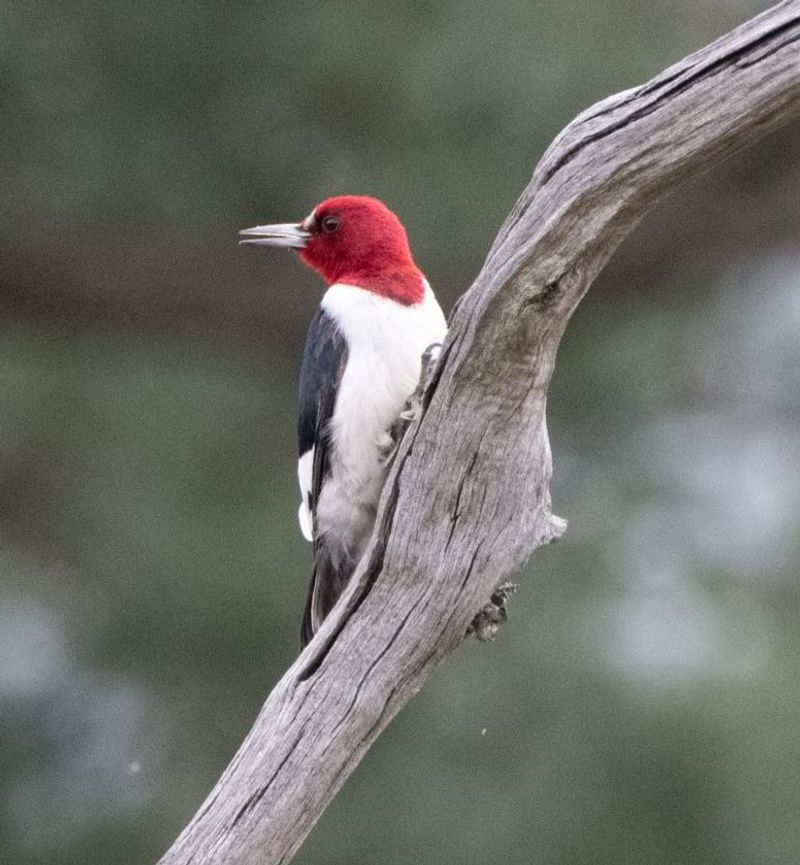
A quiet road, a stretch of woods, and a marshy breeze set the scene before wildlife even appears.Milford Neck Preserve near Milford protects an important mix of coastal forest, wetlands, and Delaware Bay shoreline habitat.
The Nature Conservancy has helped care for this area because it supports both rare species and common backyard favorites.
Birds are a major highlight, especially during migration when songbirds, raptors, and waterbirds pass through.The preserve also helps protect habitat for amphibians, reptiles, insects, and mammals that depend on connected natural areas.
Forest edges, wet places, and open views give visitors several kinds of scenery in one trip.
Access can be more limited than at large public refuges, so checking current visiting information is important.Some nearby roads and viewing spots still offer excellent chances to appreciate the landscape.
Respect posted signs, private property boundaries, and sensitive habitats.
Milford Neck is a reminder that wildlife protection is not only about famous animals.Healthy forests and marshes also clean water, buffer storms, and give migrating birds a place to rest.
For travelers who enjoy quieter stops, this preserve offers a thoughtful look at Delaware’s coastal wild side.
5. Bombay Hook National Wildlife Refuge in Smyrna, Kent County,
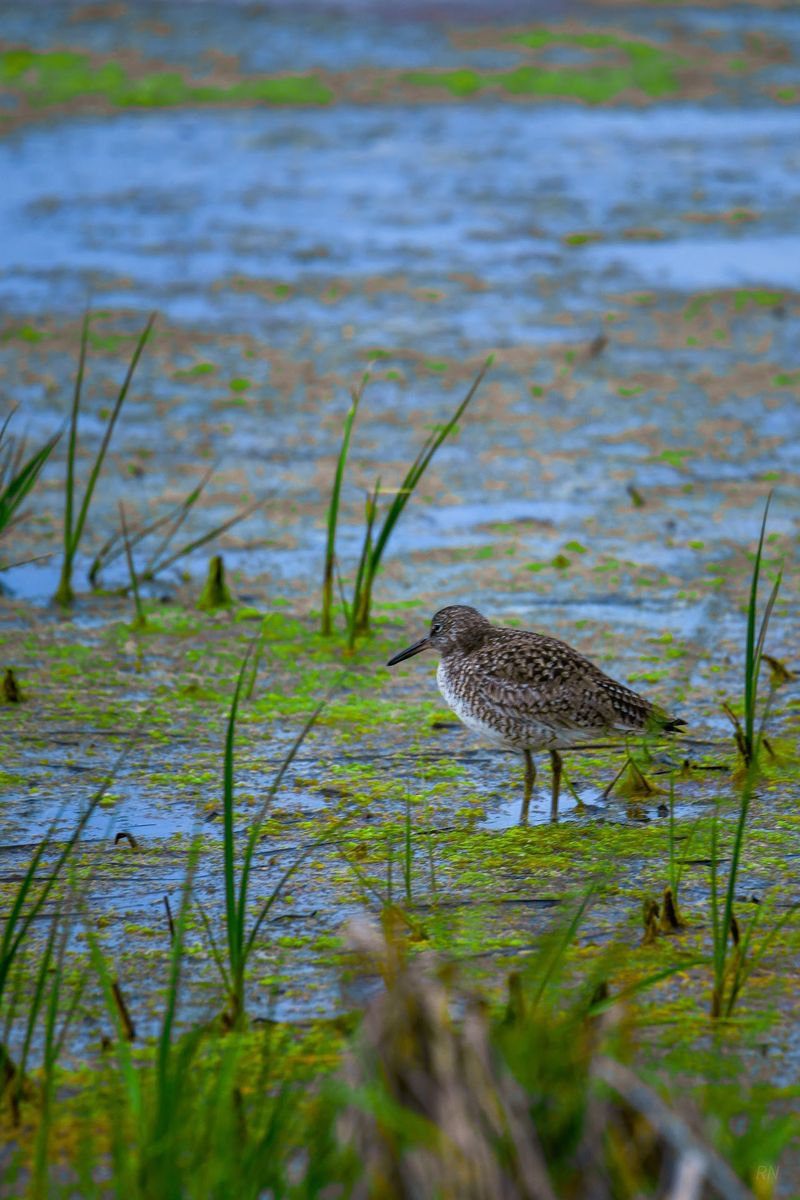
A chorus of wings can turn a quiet morning into something unforgettable here.Near Smyrna, Bombay Hook National Wildlife Refuge is one of Delaware’s best places to watch migrating birds.
Its huge tidal salt marshes, freshwater pools, fields, and woods create safe resting spots for wildlife.
Visitors often follow the twelve-mile wildlife drive, stopping at overlooks and short trails along the way.Bring binoculars, because snow geese, egrets, herons, bald eagles, ducks, and shorebirds may appear across the water.
Spring and fall migrations are especially busy, but winter can also be amazing when large flocks gather.
Families can enjoy easy walking paths, photo stops, and quiet moments without needing special hiking skills.The visitor center, when open, helps explain the refuge’s history and the importance of protecting marsh habitat.
Bug spray is smart in warm months, and staying on marked paths helps protect nesting birds.
Plan extra time, because the best sightings often happen when you slow down.
A simple drive can become a full nature lesson, with every pond and mudflat holding a new surprise for patient eyes.
6. South Wilmington Wetlands Park in Wilmington, New Castle County,

Here, nature shares the neighborhood with streets, homes, and city sounds.South Wilmington Wetlands Park in Wilmington is a restored urban wetland designed to support wildlife while helping manage flooding.
It shows how a city can make room for cleaner water, safer communities, and living habitat.
Visitors can walk paths through native plants, wetland pools, and open green space.Birds such as herons, ducks, red-winged blackbirds, and songbirds may stop by as the habitat grows stronger.
Pollinators also benefit from flowers and grasses planted in the park.
The setting feels different from a remote refuge, and that is part of its value.It can be easier for local families to visit without a long drive, making nature part of everyday life.
Interpretive signs may help explain how wetlands absorb stormwater and support animals.
Go during daylight, stay on paths, and treat the area as both a park and a living system.Comfortable walking shoes and a camera are enough for a simple visit.
For a day trip with an urban twist, this Wilmington wetland proves that wildlife spaces can thrive even near busy blocks.
7. Marian Okie Memorial Wildlife Preserve in Millsboro, Sussex County,

Small preserves can hold big surprises, especially when you slow your steps.Marian Okie Memorial Wildlife Preserve in Millsboro is a peaceful Sussex County nature spot connected with local conservation efforts.
Its protected land offers habitat for birds, small mammals, insects, reptiles, and native plants.
The preserve is not the kind of place built around loud attractions or long lines.Instead, visitors come for quiet walking, careful looking, and a better sense of the local landscape.
Depending on conditions, you may notice woodland birds, dragonflies, turtles, frogs, or butterflies.
Because smaller preserves may have limited parking or fewer signs, it helps to research access before leaving home.Wear sturdy shoes, bring water, and be ready for natural surfaces rather than paved paths.
Leaving plants, shells, feathers, and animals where you find them helps keep the preserve healthy.
A visit can pair nicely with other Millsboro area stops, giving your day trip a calm outdoor pause.The preserve also reminds visitors that conservation often happens through local care and donated land.
For anyone who likes hidden corners, Marian Okie Memorial Wildlife Preserve offers a humble but meaningful nature experience.
8. Middleford North Preserve in Seaford, Sussex County,
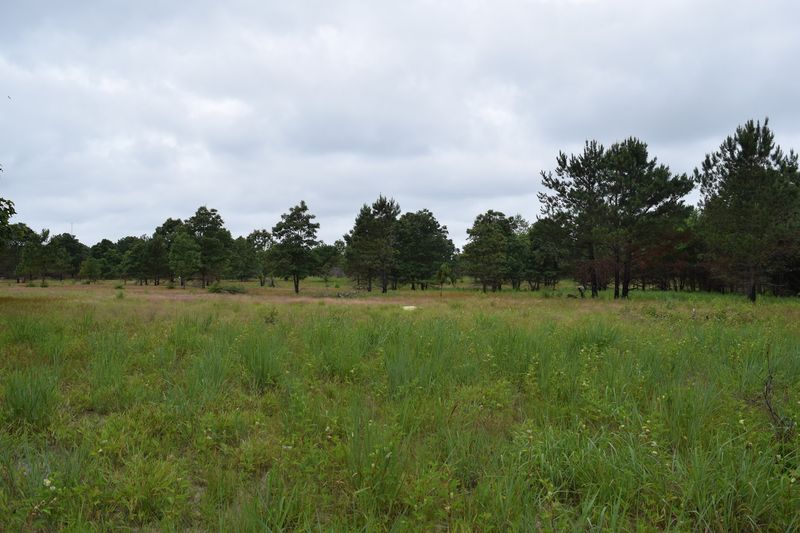
A river region often tells its story through mud, leaves, birdsong, and quiet bends in the land.Middleford North Preserve in Seaford helps protect natural habitat near the Nanticoke watershed, one of southern Delaware’s important river systems.
Preserves like this support wildlife by keeping forests, wetlands, and streamside areas connected.
Visitors interested in low-key nature walks may enjoy the preserve’s simple, undeveloped character.Look for songbirds in the trees, insects around flowering plants, and signs of animals along softer ground.
Wetland edges can also attract frogs, turtles, and wading birds.
This is a good choice for people who prefer stillness over crowds.Before visiting, check current access details, trail conditions, and any rules from the managing organization.
Natural areas can change after storms, high water, or seasonal maintenance.
Bring binoculars, closed-toe shoes, and a willingness to move slowly.The best moments may be small, such as a bird flashing through branches or a turtle slipping into cover.
Middleford North Preserve may not be Delaware’s most famous wildlife stop, but its quiet habitat plays an important role in keeping the Seaford area wild.
9. Augustine Wildlife Area in Port Penn, New Castle County,

Wind over the marsh gives this place a bold, old-coast feeling.Augustine Wildlife Area near Port Penn stretches along the Delaware River side of New Castle County.
Its tidal marshes, ponds, fields, and wooded edges provide valuable shelter for many kinds of wildlife.
Birdwatchers often come looking for waterfowl, herons, eagles, hawks, rails, and shorebirds.Seasonal changes matter, with migration periods bringing fresh activity and winter drawing ducks and geese.
The area is also used for regulated hunting and fishing, so checking rules before a visit is essential.
Some sections feel remote, even though they are not far from towns and roads.Bring maps, insect repellent, water, and footwear that can handle muddy or uneven ground.
Respect gates, signs, and wildlife management zones.
Port Penn’s nearby historic character can add interest to a day trip, especially for visitors who enjoy both nature and local history.The marsh itself is the main attraction, offering long views and chances to watch birds work the tides.
Augustine Wildlife Area is best for travelers who like open space, patient observation, and a stronger taste of wild Delaware.
10. Edward H. McCabe Preserve in Milton, Sussex County,
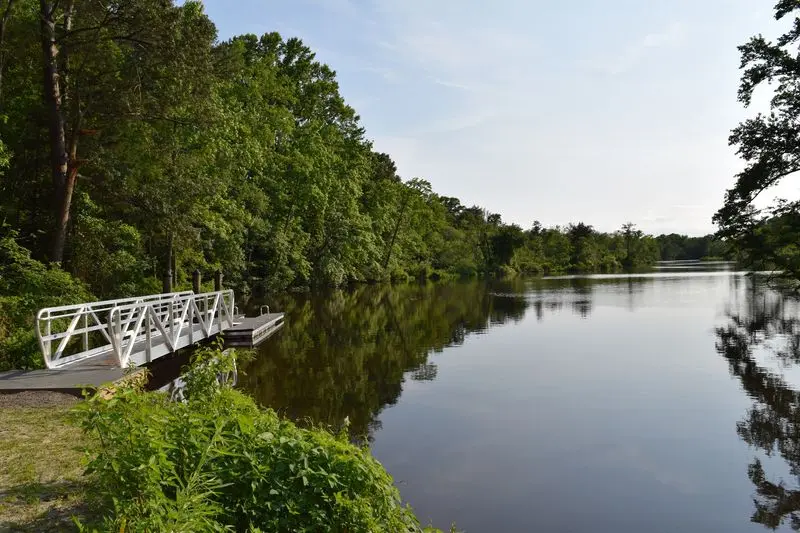
A bend in the Broadkill River can make a short outing feel far from daily noise.Edward H.
McCabe Preserve in Milton protects marsh, forest, and river habitat in coastal Sussex County.The Nature Conservancy manages this special area, which supports birds, plants, fish, insects, and other wildlife.
Visitors may explore trails where available, enjoy quiet birding, or experience the landscape from nearby waterways when conditions and access allow.The mix of woods and wetlands can attract warblers, woodpeckers, osprey, herons, and many smaller creatures.
Spring and fall are especially rewarding, though summer greenery and winter stillness have their own charm.
Because preserves protect sensitive places, preparation and respect matter.Check current visitor information, stay on marked routes, and avoid disturbing plants or animals.
Bring water, bug spray, and shoes suited for damp ground.
Milton makes the trip easy to combine with lunch, local shops, or another nearby nature stop.That balance of town comfort and wild habitat is part of the preserve’s appeal.
For a thoughtful day outside, Edward H. McCabe Preserve offers river views, birdlife, and a quiet reminder of why coastal land deserves care.