Virginia’s idea of a safari looks nothing like what you might picture at first.
Instead of one big park, the state spreads its wildlife encounters across mountains, marshes, rivers, and coastline.
You can drive past free-roaming zebras one weekend and watch wild ponies graze on a foggy ridge the next.
We set out to find eleven experiences that capture just how varied Virginia’s wild side really is.
Each one gave us a completely different way to get close to animals we did not expect to see that day.
Here are eleven safari experiences in Virginia that gave us a wildlife adventure we didn’t expect.
1. A Quiet Paddle Mood, Great Dismal Swamp National Wildlife Refuge Swamp Safari in Suffolk, Suffolk city
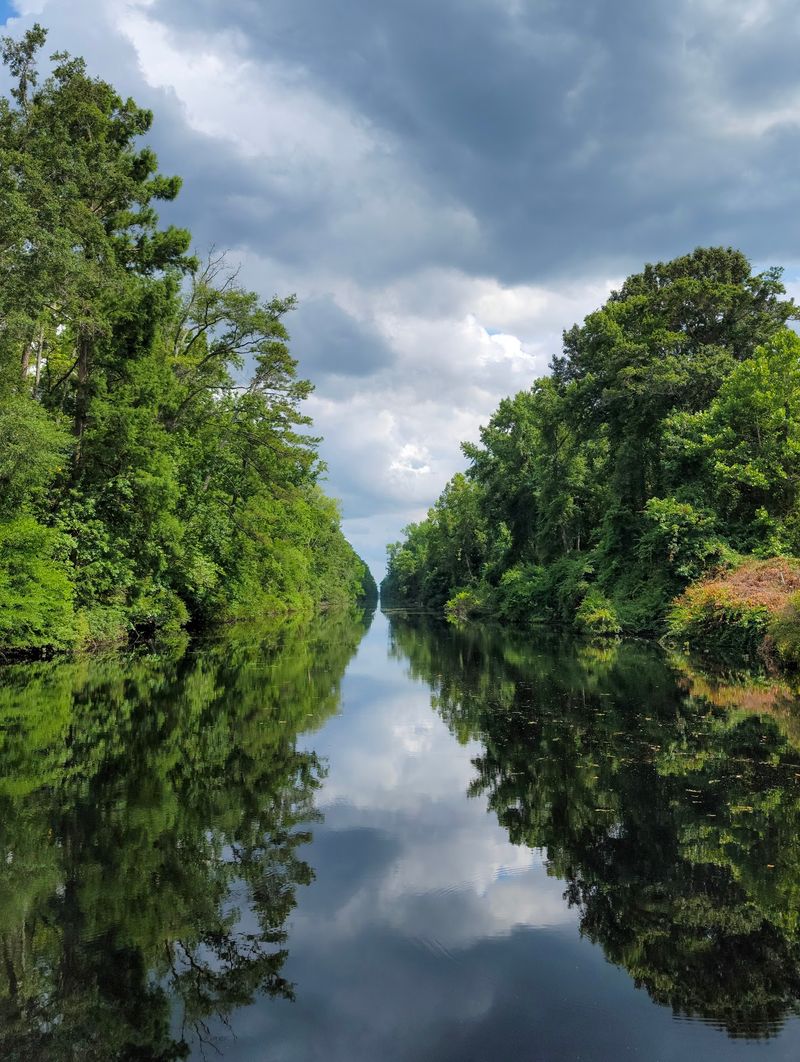
Still water, tall trees, and bird calls make this trip feel almost secret.At Great Dismal Swamp National Wildlife Refuge in Suffolk, Suffolk city, the swamp safari style is less about speed and more about noticing small signs of life.
A ripple, a wingbeat, or a turtle sliding from a log can become the best moment of the day.
The refuge protects one of the largest remaining pieces of a once huge swamp that stretched across southeastern Virginia and northeastern North Carolina.Visitors may explore roads, trails, boardwalks, and guided programs where available, watching for black bears, river otters, deer, snakes, frogs, butterflies, and many birds.
Lake Drummond, set deep inside the refuge, adds a wild and peaceful goal for patient explorers.
Bring insect repellent, water, and binoculars, because the habitat is rich but sometimes shy.Stay on marked paths, avoid feeding wildlife, and check current access before going, since weather can affect routes.
The reward is a slower kind of safari, one that teaches you how much happens when people get quiet.
2. Salt Air And Pony Tracks, Assateague Explorer Pony Express Cruise in Chincoteague, Accomack County
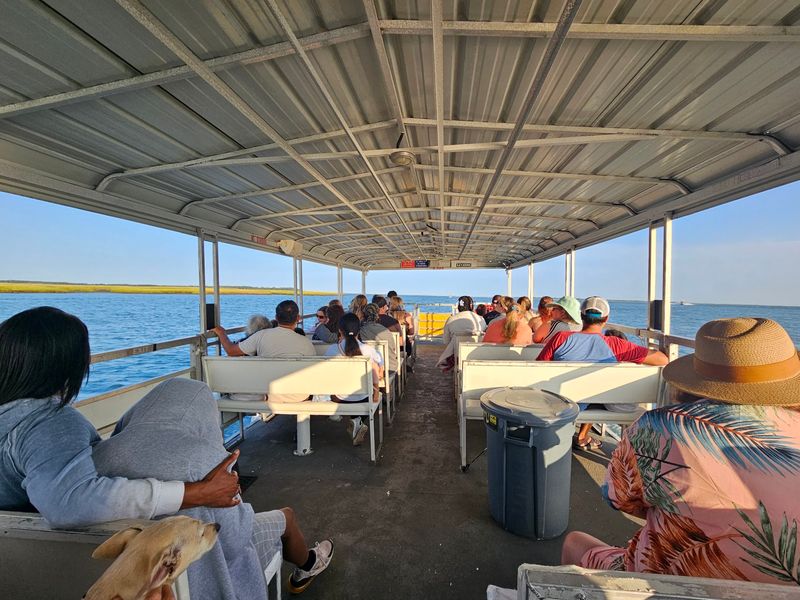
Salty wind changes the whole feeling before the first pony appears.On the Assateague Explorer Pony Express Cruise in Chincoteague, Accomack County, the search happens from the water, which makes every marsh bend feel like a clue.
Kids often spot birds first, then suddenly someone points toward the famous wild ponies grazing across the channel.
The cruise gives visitors a safer and more respectful way to view the ponies without crowding them on land.Guides often share local stories about Chincoteague, Assateague Island, shorebirds, oyster beds, and the barrier island world that shapes these animals.
You may also see dolphins, bald eagles, herons, egrets, crabs, and other coastal wildlife depending on tide, season, and luck.
Dress in layers, because boat air can feel cooler than town streets.A zoom lens or binoculars helps, since wild ponies should never be approached or fed.
The best part is the mix of legend and real nature, where a childhood book memory can turn into a living scene of marsh grass, hoofprints, and sea light.
3. Behind The Scenes With Healing Wildlife, Wildlife Center of Virginia in Waynesboro, Waynesboro city
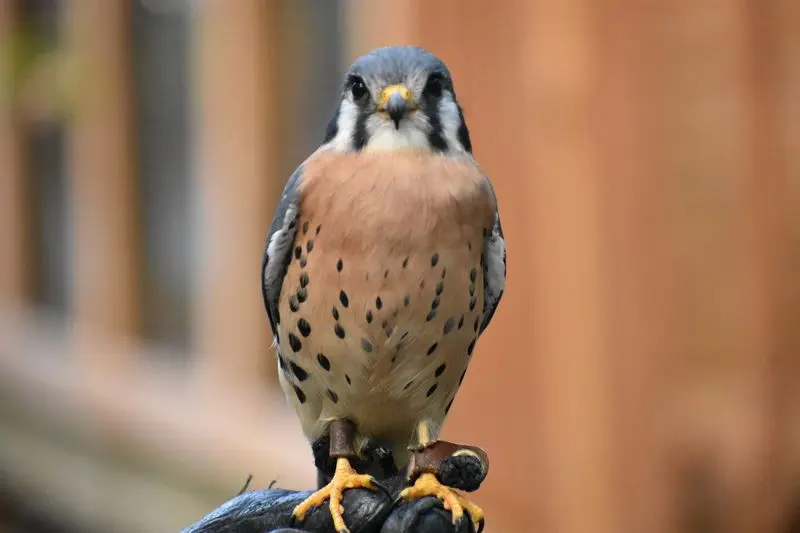
Not every wildlife adventure begins with binoculars and a trail map.Sometimes it starts with a story about an injured owl, a rescued turtle, or a young bear that needs expert care.
The Wildlife Center of Virginia in Waynesboro, Waynesboro city offers a different kind of safari, focused on healing, learning, and second chances.
The center is a nationally known wildlife hospital that treats native animals and teaches people how to help wildlife safely.Public tours and education programs, when available, may explain rehabilitation, veterinary work, animal ambassadors, and what happens before a patient can return to the wild.
Visitors should remember that many animals here are recovering, so quiet voices and respectful behavior matter.
This stop is especially useful for families who want their wildlife trip to have a purpose beyond photos.You can learn why feeding wild animals causes problems, how litter hurts creatures, and when to call a licensed rehabilitator.
Check the schedule before visiting, since access depends on programs and patient needs.The unexpected adventure is emotional, because seeing care up close makes every hawk, fox, and turtle outside feel more precious.
4. Eagles Over The River, Discover the James Bald Eagle Tours in Richmond, Richmond city
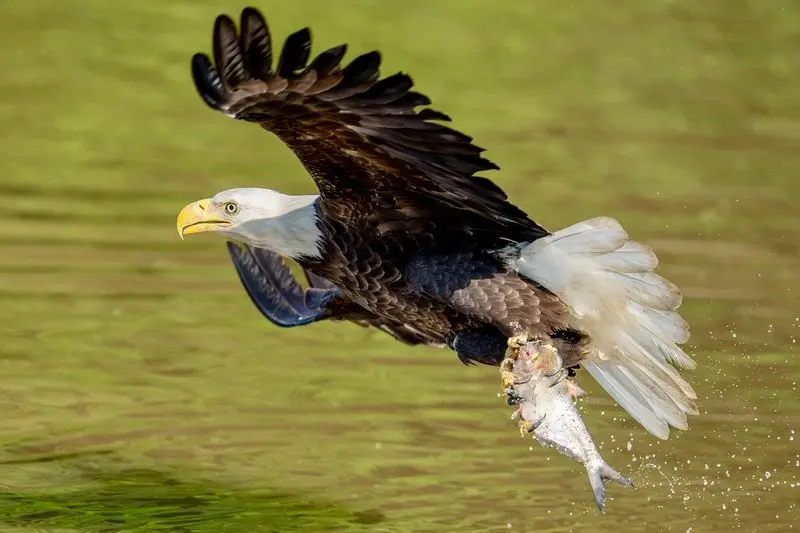
A city river can hide a wild surprise in plain sight.During Discover the James Bald Eagle Tours in Richmond, Richmond city, the skyline and bridges share the view with one of America’s most powerful birds.
The trip feels special because you can watch bald eagles while still being close to downtown streets, restaurants, and neighborhoods.
Naturalist-led boat tours on the James River help guests understand eagle behavior, nesting areas, river history, and the comeback of this once-threatened species.You might see adults with white heads, younger brown eagles, ospreys, great blue herons, turtles, and fish activity along the water.
Guides usually keep a respectful distance, which protects the birds and still gives visitors strong views through binoculars.
Morning tours can be excellent, but weather, river level, and season can shape the experience.Bring sun protection, water, and a camera strap, because boats move and wildlife appears quickly.
For students, bird lovers, or first-time visitors, this is a smart way to connect science, conservation, and local history.The wildest part is realizing Richmond has an eagle neighborhood right along the river.
5. Rolling Past Curious Animals, Virginia Safari Park in Natural Bridge, Rockbridge County
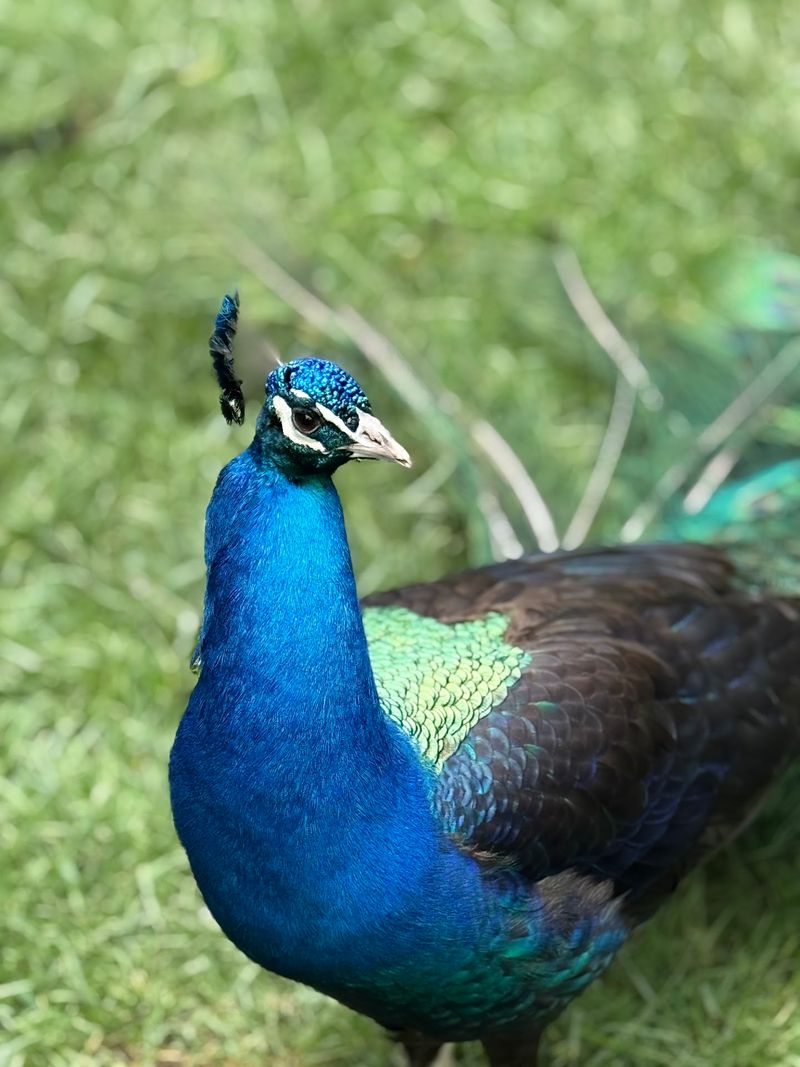
The first surprise is how quickly the car becomes part of the adventure.One minute you are holding a feed bucket, and the next, a llama is peeking through the window with comic confidence.
Virginia Safari Park in Natural Bridge, Rockbridge County turns a simple drive into a slow, funny, hands-on wildlife outing.
The three-mile safari road lets visitors see animals from around the world, including zebras, elk, bison, ostriches, and many friendly grazers.Go slowly, keep fingers away from eager mouths, and let animals come to you instead of reaching too far.
You will want towels for drool, a camera ready, and a calm driver who can laugh when traffic includes a yak.
The walk-through village adds more time with giraffes, kangaroos, birds, and smaller animals after the drive.Arriving early helps avoid the busiest cars and gives animals more energy before the afternoon heat.
For families, this stop works because it feels playful, but it also teaches respect for animal space, patience, and safe watching.
6. Dolphins Beside The Boat, Rudee Tours Dolphin Watching Cruise in Virginia Beach, Virginia Beach city
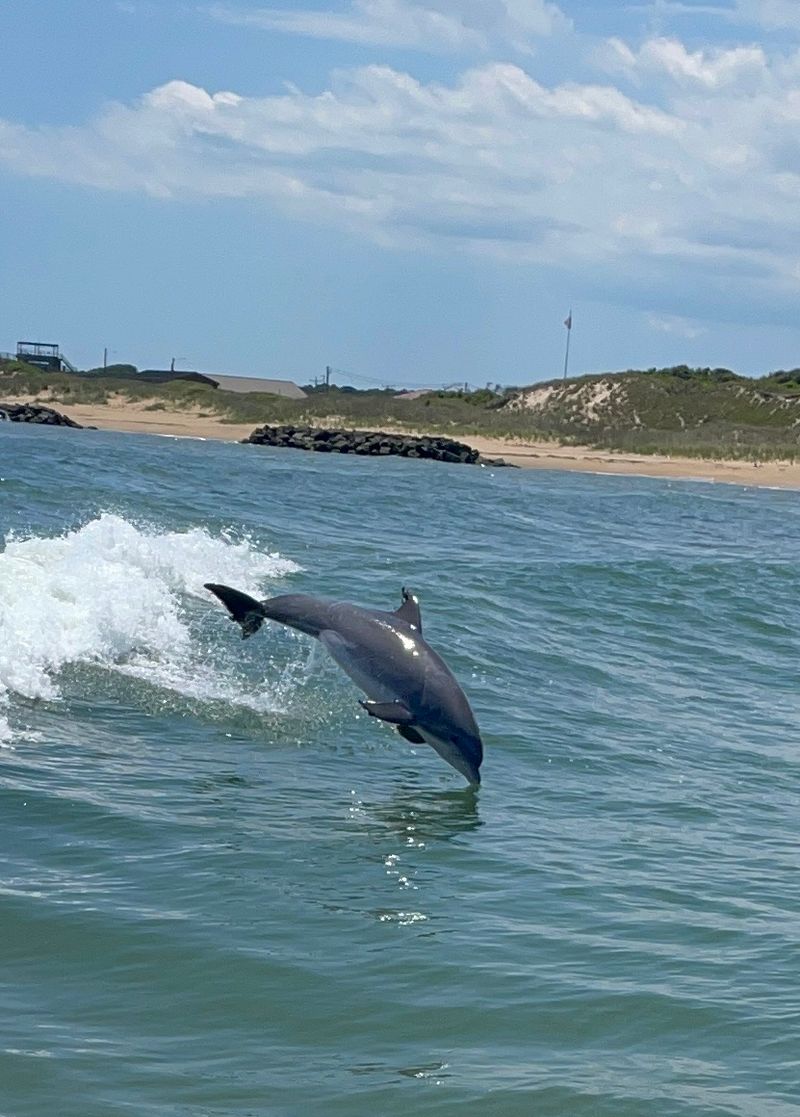
Few things change a boat ride faster than a dolphin fin slicing through the water.Rudee Tours Dolphin Watching Cruise in Virginia Beach, Virginia Beach city brings that jolt of excitement to the Atlantic shoreline.
The oceanfront suddenly feels wilder when bottlenose dolphins surface near the boat, breathe, and vanish like quick gray shadows.
The cruises usually run with crews who know local waters and explain dolphin behavior, migration, feeding, and ocean safety.Sightings can include seabirds, pelicans, fish, and sometimes other marine life, though dolphins are the main stars.
Because these are wild animals, no trip can promise perfect timing, but experienced captains improve the chances by reading conditions and recent activity.
Choose a day with calmer seas if anyone in your group gets motion sick.Bring a light jacket, sunscreen, and patience, since the best views often come after quiet waiting.
Stand where crew members say it is safe, and avoid yelling at animals or tossing food.The surprise is how personal it feels when a dolphin surfaces beside you, even though it belongs completely to the open sea.
7. Mountain Ponies In The Mist, Grayson Highlands State Park Wild Ponies in Mouth of Wilson, Grayson County
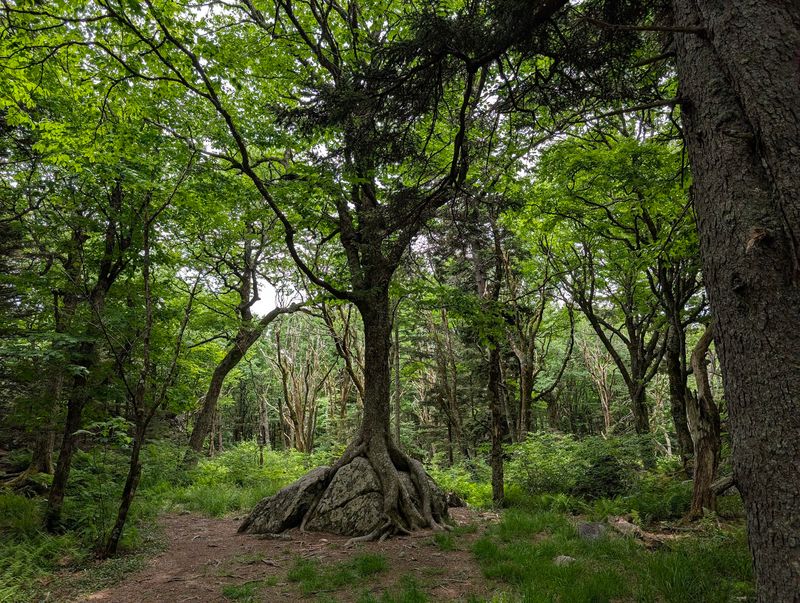
Mist on the highlands can make the ponies appear almost like a storybook scene.At Grayson Highlands State Park near Mouth of Wilson, Grayson County, hikers cross open balds where small, sturdy ponies graze among rocks and wind-shaped shrubs.
The setting feels far from busy Virginia, even though marked trails make the adventure easy to plan.
The ponies help manage vegetation in the high country, and their presence has become one of the park’s most loved features.Visitors may spot them near trails leading toward Wilburn Ridge and the Appalachian Trail, along with sweeping views of Mount Rogers country.
They are beautiful, but they are still wild, so petting, feeding, or crowding them can harm both people and animals.
Wear sturdy shoes, because trails can be rocky, muddy, or steep in places.Weather changes quickly at higher elevations, so bring layers, rain gear, snacks, and water.
Photograph from a safe distance and step aside if ponies block the path.The magic here is simple but strong, with mountain air, quiet hoofsteps, and a reminder that wildlife watching can happen one respectful step at a time.
8. Marsh Roads And Hidden Wings, Back Bay National Wildlife Refuge Blue Goose Tram Tour in Virginia Beach, Virginia Beach city
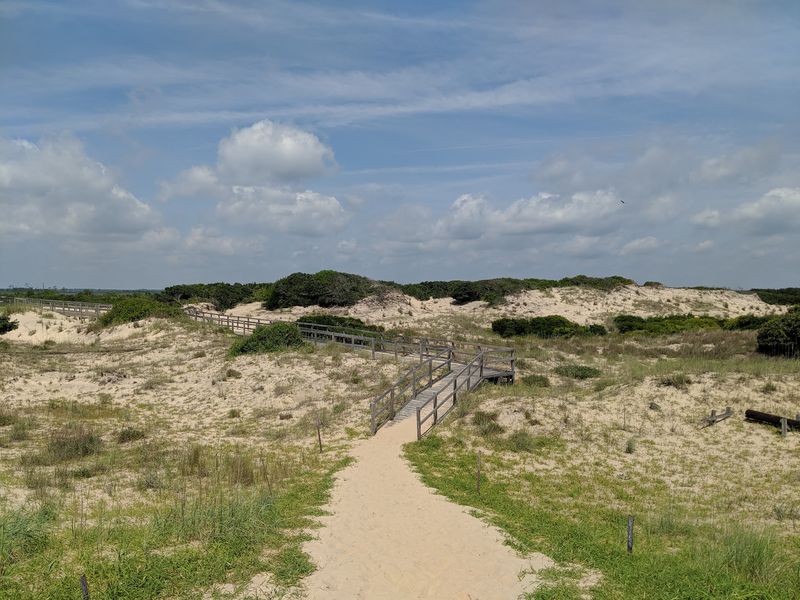
The ride feels like a gentle secret passage through marsh, dune, and forest.Back Bay National Wildlife Refuge Blue Goose Tram Tour in Virginia Beach, Virginia Beach city lets visitors cover more ground without wearing out young legs.
Instead of rushing past the scenery, the tram slows the world down enough for birds, turtles, and plants to come into focus.
The refuge sits behind the busy resort area, yet it protects a peaceful chain of habitats used by migrating birds and local wildlife.Depending on the season, riders may see ducks, geese, egrets, herons, osprey, turtles, deer, and butterflies.
Guides often explain how barrier islands, freshwater pools, and maritime forests work together along this special coastal edge.
Reservations and schedules can change, so check ahead before building your day around the tram.Bring binoculars, a hat, water, and insect repellent, especially during warm months.
Because the tour may connect with False Cape State Park routes at times, ask about length and bathroom access before boarding.The unexpected gift is calm, a wildlife adventure that feels close to the oceanfront but worlds away from boardwalk noise.
9. An Island Refuge By Appointment, Presquile National Wildlife Refuge in Chester, Chesterfield County
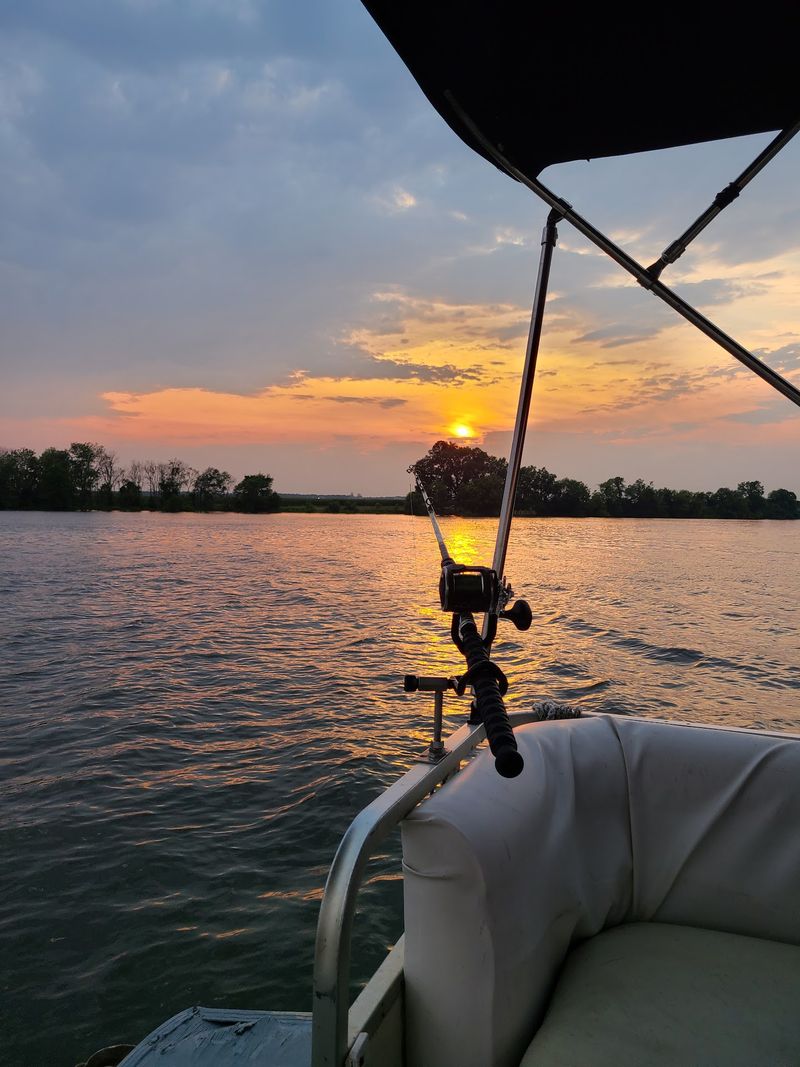
Reaching an island refuge makes the day feel like a small expedition.Presquile National Wildlife Refuge in Chester, Chesterfield County sits on the James River and is not a casual drive-up stop.
That extra planning adds to the excitement, because access often happens through special programs, education trips, or managed visits.
The refuge protects wetlands, forests, fields, and shoreline used by birds, fish, mammals, reptiles, and insects.Bald eagles, herons, songbirds, deer, frogs, and river life may be part of the experience, depending on season and program focus.
Because it is managed mainly for wildlife, visitor rules are important and help keep the island habitat healthy.
Check official refuge information before going, since public access is limited and may require registration.Wear shoes that can handle mud, bring water, and prepare for bugs in warm weather.
Teachers and families should watch for education events, because the island setting makes science feel real instead of distant.The adventure here is not loud or flashy.
It is the thrill of stepping into a protected place where the river sets the pace and wildlife gets priority.
10. Hawks Riding The Wind, Kiptopeke State Park Hawk Watch in Cape Charles, Northampton County
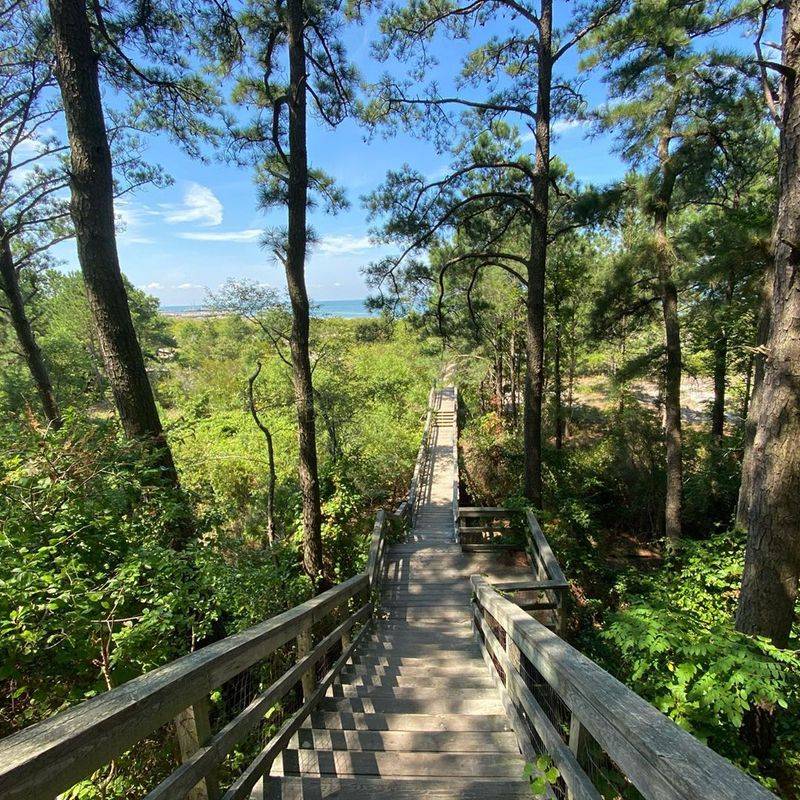
Autumn wind at the Chesapeake Bay can turn the sky into a moving wildlife map.Kiptopeke State Park Hawk Watch in Cape Charles, Northampton County is famous among birders because migrating raptors funnel down the Eastern Shore.
Even beginners can feel the excitement when someone calls out a sharp-shinned hawk, osprey, or bald eagle overhead.
The park’s location near the bay mouth makes it a strong place to watch birds using air currents during migration.Counters and experienced birders may be present during peak season, helping visitors learn shapes, flight styles, and field marks.
Besides hawks, the area can bring falcons, vultures, eagles, songbirds, butterflies, and coastal views that make waiting enjoyable.
Bring binoculars, a field guide or birding app, and a chair if you plan to stay awhile.Early fall through later fall can be active, but daily weather matters a lot.
Ask polite questions, because birders often enjoy helping newcomers understand what they are seeing.The surprise is addictive: once you learn to read the sky, every speck becomes a possibility, and a beach trip becomes a high-flying safari.
11. Forest Trails With Eagle Drama, Mason Neck State Park Eagle Watch in Lorton, Fairfax County
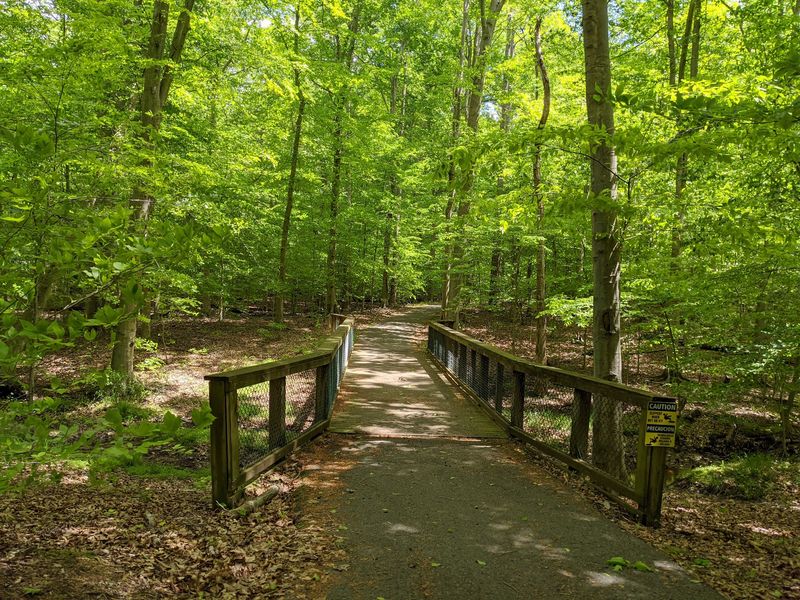
Just outside the busy Northern Virginia rush, an eagle can still make everyone stop talking.Mason Neck State Park Eagle Watch in Lorton, Fairfax County offers that rare mix of easy access and real wildlife drama.
Forests, wetlands, and shoreline views create strong chances to see bald eagles near Belmont Bay and the Potomac River area.
The park is part of a larger landscape known for eagle protection, including nearby refuges and waterways that support nesting and feeding.Trails, overlooks, ranger programs, and paddling options can help visitors search for eagles, ospreys, herons, woodpeckers, deer, and waterfowl.
Spring and summer may bring nesting activity, while colder months can still offer crisp birdwatching and peaceful trails.
Use binoculars rather than trying to get too close, especially around nests.Stay on marked trails, keep dogs controlled where allowed, and check program calendars for guided eagle events.
Families can combine a short hike with a picnic, making the trip simple but memorable.The best surprise is location: a place near highways and neighborhoods still holds enough wild space for a national symbol to rule the treetops.