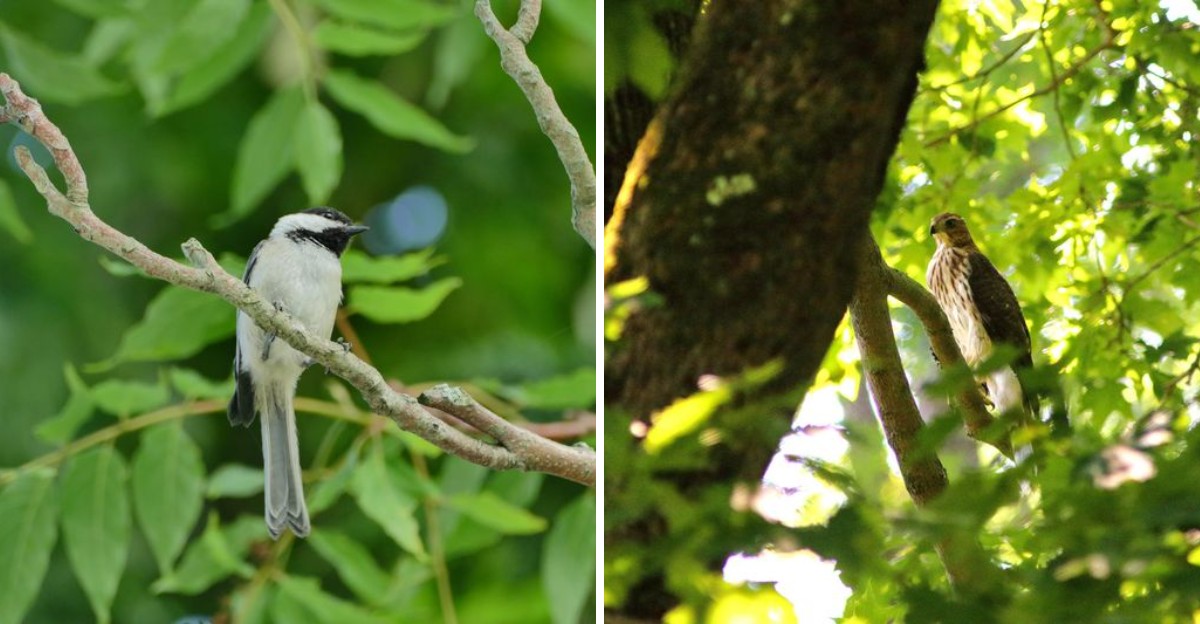
Connecticut may be small, but its birding scene is anything but!
From windswept stretches of Long Island Sound to quiet forests tucked into the hills, the state gives birdwatchers plenty of reasons to keep their binoculars close.
Shorebirds patrol the coast, warblers flit through leafy branches, and raptors circle above open fields.
The best part? You don’t need to be a seasoned birder to enjoy the show.
These sanctuaries offer peaceful trails, varied habitats, observation spots, and plenty of chances to pause when something with wings catches your eye.
So grab your binoculars, charge your camera, and keep that field guide handy.
These 11 Connecticut bird sanctuaries are ready to turn an ordinary day outdoors into a memorable birdwatching adventure.
Birdcraft Museum & Sanctuary – Fairfield
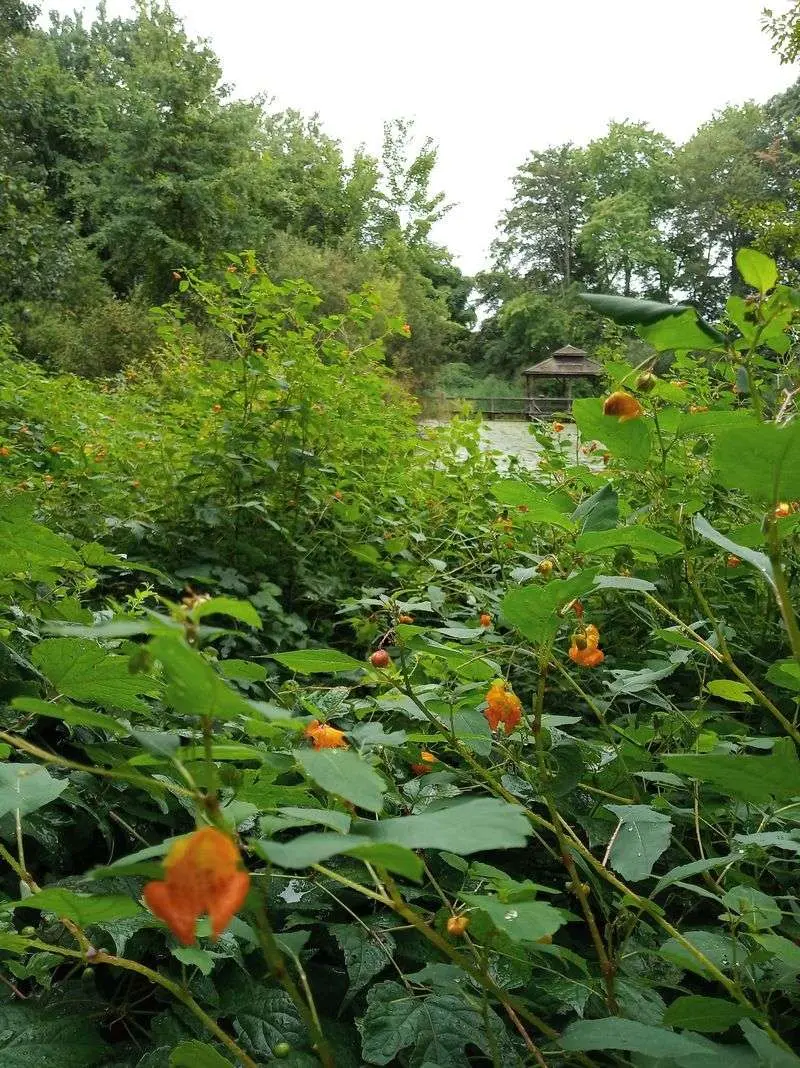
Picture this: a sanctuary established in 1914, making it one of the oldest of its kind in the United States. Birdcraft Museum & Sanctuary in Fairfield brings together history and habitat on just six acres of carefully preserved land.
The property features woodland trails winding around a peaceful pond, creating an ideal environment for both migratory visitors and year-round residents.
What makes Birdcraft special is its dual nature as both sanctuary and learning center. The small museum on-site offers educational displays that help visitors understand what they’re seeing outside.
Meanwhile, the trails provide easy walking routes perfect for beginners who want to practice their identification skills without getting overwhelmed.
Resident species like woodpeckers, chickadees, and nuthatches keep things lively throughout the year. During migration seasons, you might spot warblers, thrushes, and other travelers stopping by to refuel.
The compact size means you can thoroughly explore the grounds in a single morning, making it perfect for a casual birding session before lunch.
The Center at Pomfret & Bafflin Sanctuary – Pomfret Center
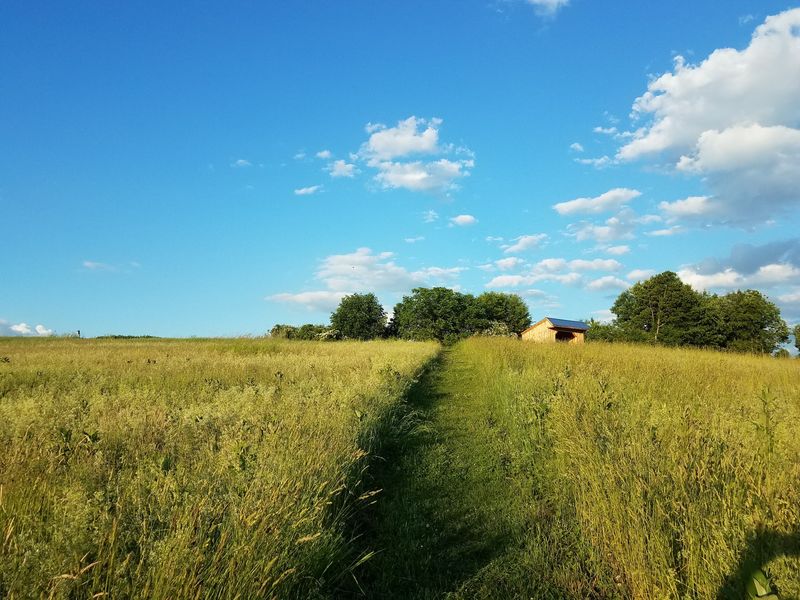
Grassland birds need love too, and Bafflin Sanctuary delivers exactly what they’re looking for. Spanning roughly 700 acres of varied terrain, this property combines open fields, shrubland, and woodland into a birder’s playground.
Connecticut Audubon identifies this location as a breeding-bird hotspot, which translates to excellent opportunities during nesting season.
The mixed habitats here attract species you won’t easily find in heavily forested areas. Bobolinks, Eastern Meadowlarks, and Blue-winged Warblers all appreciate the grassland sections.
Tree Swallows zip over the fields catching insects on the wing. The woodland edges provide hunting grounds for raptors scanning for small mammals.
Trail networks wind through different habitat types, letting you experience dramatic changes in bird communities as you walk. One moment you’re watching field sparrows in sunny meadows, the next you’re tracking down a Scarlet Tanager in shaded forest.
The extensive acreage means you can return multiple times and always discover something new. Bring layers because those open fields can get breezy.
Stratford Point – Stratford
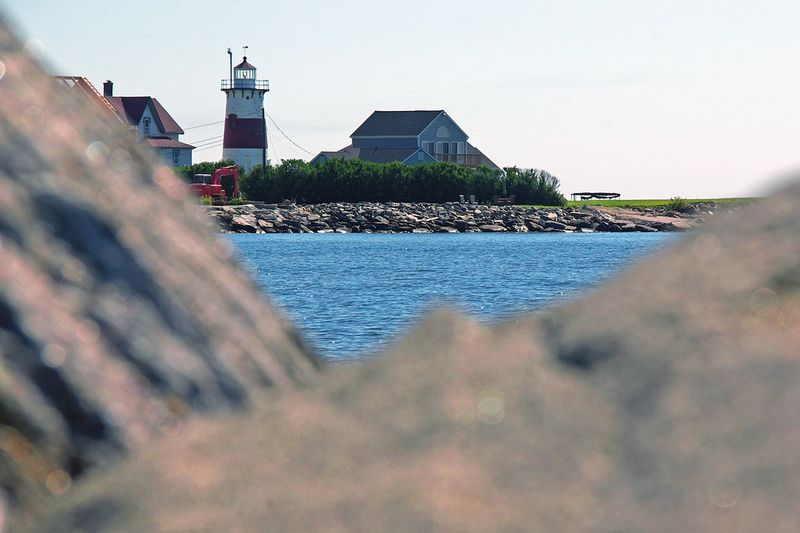
Long Island Sound practically guarantees bird diversity, and Stratford Point proves the rule. This coastal peninsula juts into the Sound, creating a natural magnet for birds traveling along the Atlantic Flyway.
Connecticut Audubon reports an impressive 296 species documented at this single property, putting it among the state’s premier birding destinations.
The habitat mix here reads like a coastal birding wish list: saltmarsh, barrier beach, and coastal meadow all packed into one accessible location. Shorebirds probe the mudflats during low tide.
Seabirds cruise offshore while you scan with binoculars. Wading birds stalk through shallow water hunting for fish.
Seasonal timing matters tremendously here. Spring and fall migrations bring waves of songbirds using the peninsula as a rest stop.
Winter shifts the focus to sea ducks, loons, and grebes bobbing in the waves. Summer means breeding terns and Piping Plovers nesting on protected beach sections.
Raptors pass through during their migration windows. The variety means planning repeat visits across seasons pays serious dividends.
Coastal Center at Milford Point & Smith-Hubbell Sanctuary – Milford
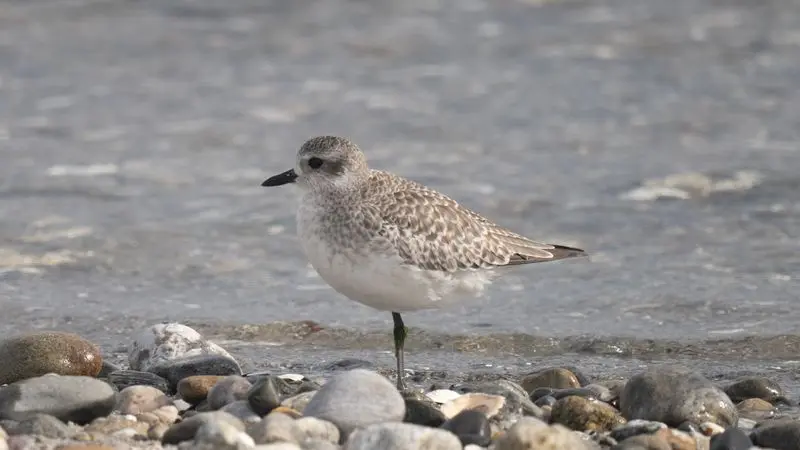
Sometimes you need elevation to really appreciate coastal birding. Milford Point understands this perfectly, offering both observation platforms and a tower that give you commanding views over the surrounding wetlands and shoreline.
The eight-acre sanctuary packs multiple habitat types into a surprisingly compact space.
Saltmarsh cordgrass sways in the breeze, providing nesting cover for secretive marsh birds. The barrier beach hosts plovers and other ground-nesting species during breeding season.
Coastal woodland edges shelter migrating songbirds that need a place to rest after crossing the Sound. Each zone attracts different bird communities, creating layers of birding opportunities.
The viewing platforms let you set up a spotting scope and scan systematically for distant waterfowl or shorebirds. The tower adds extra height for spotting birds in flight or examining marsh sections hidden from ground level.
Educational programs at the Coastal Center deepen your understanding of coastal ecology. Low tide reveals mudflats where shorebirds gather to feed, making tide charts a useful planning tool for your visit.
Trail Wood & The Edwin Way Teale Memorial Sanctuary – Hampton
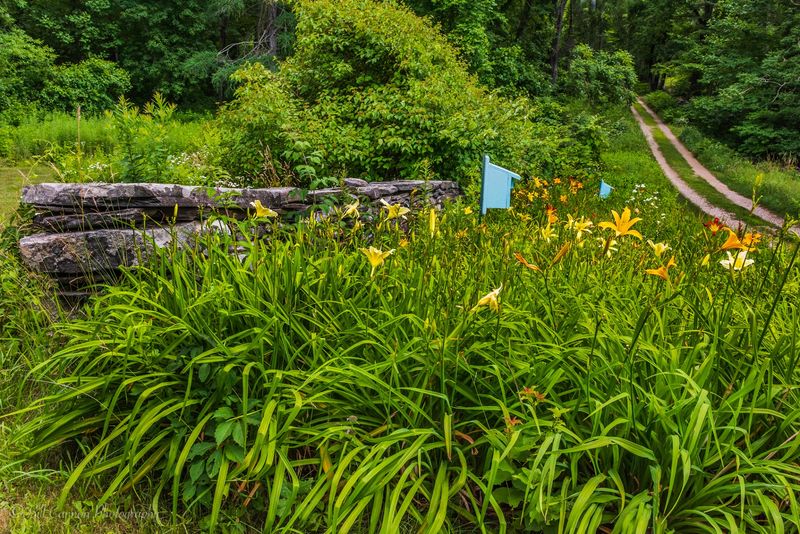
A Pulitzer Prize winner once called this place home, and the 168 acres still radiate the quiet inspiration that attracted naturalist Edwin Way Teale. Trail Wood combines practical bird habitat with literary history, giving your visit an extra dimension beyond simple species counts.
Old fields, pastureland, a beaver pond, and lowland swamps create habitat diversity that supports numerous bird families.
The beaver pond deserves special attention because it attracts both waterbirds and forest species to its edges. Wood Ducks nest in tree cavities nearby.
Swallows skim over the water surface. The swampy sections host species adapted to wet conditions, including wetland warblers during migration.
Open field areas provide homes for grassland specialists during breeding season. The mix of successional habitats means you encounter different birds every few hundred yards.
Teale’s former home and writing cabin remain on the property, offering a chance to reflect on nature writing while you rest between birding sessions. Spring brings breeding bird activity, while fall migration adds travelers to the resident population.
Deer Pond Farm – Sherman
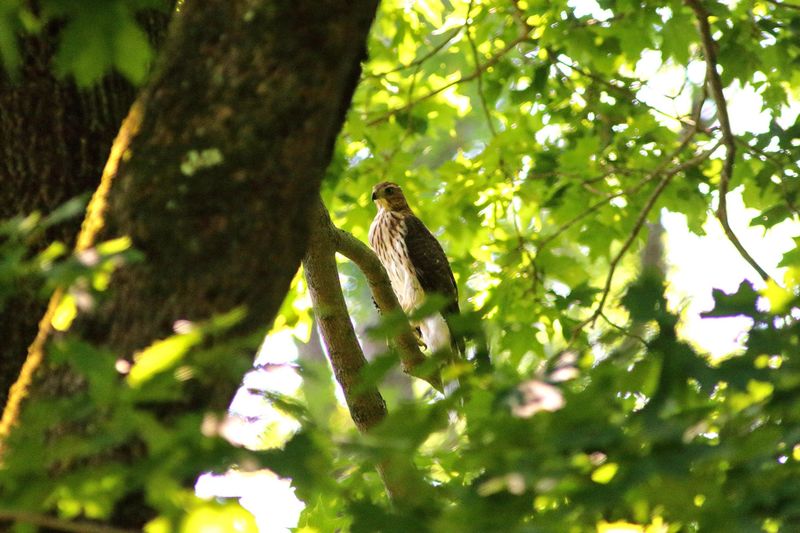
When 850 acres spread across state lines, you know you’re dealing with serious birding territory. Deer Pond Farm straddles Connecticut and New York, creating one of the larger Connecticut Audubon properties and providing ample room for all-day explorations.
The extensive trail network means you can customize your route based on energy levels and target species.
Upland forests dominate much of the property, sheltering woodland birds like thrushes, woodpeckers, and vireos. Forested wetlands add amphibian-loving species to the mix.
Meadow sections break up the tree cover, attracting field-adapted birds and creating edge habitat that increases overall diversity.
The size advantage becomes clear when you want to escape crowds and enjoy solitude with your binoculars. Multiple trail options mean you can visit repeatedly without covering the same ground.
Pack snacks and water because the extensive acreage invites longer outings. Spring migration through these woods can be spectacular as warblers filter through the canopy.
Winter brings finches and other cold-weather specialists to feeders near the trails.
Bent of the River Audubon Center & Sanctuary – Southbury
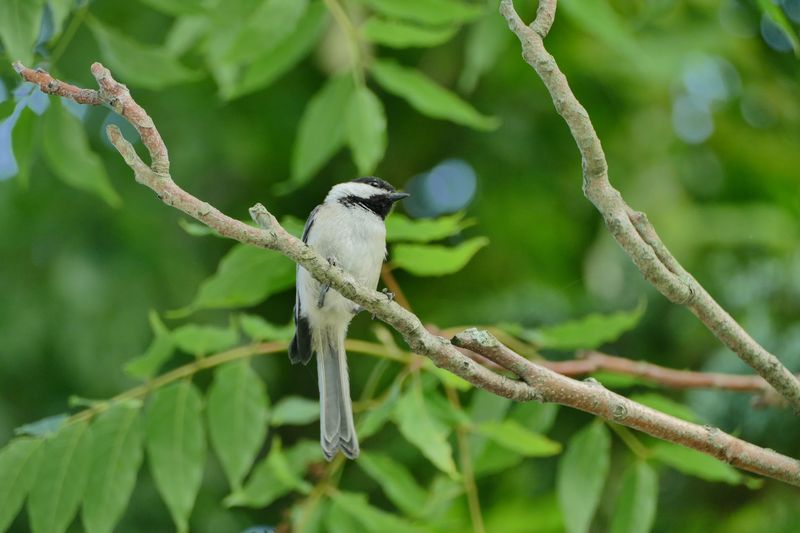
Roughly 700 acres of forest might sound like standard Connecticut habitat until you dig into the species list. Bent of the River specifically highlights several birds that thrill listers and casual birders alike.
Blue-winged Warblers, American Woodcock, Black-billed Cuckoos, Prairie Warblers, Indigo Buntings, and Orchard Orioles all associate with this property during appropriate seasons.
The early-successional habitats here deserve credit for the interesting species diversity. Young forest growth and shrubby areas create perfect conditions for birds that avoid mature woodland.
American Woodcock perform their spectacular courtship flights over open areas during spring dusk. Prairie Warblers buzz from shrubby edges rather than prairie grass, despite their misleading name.
Woodland sections provide traditional forest bird habitat where thrushes sing from shaded understory. The mix means you experience different bird communities within a single visit.
Trails connect the various habitat types, making transitions smooth. The Audubon Center offers programming and resources that enhance your understanding of what you’re observing.
Dawn visits during breeding season reward early risers with peak singing activity from resident species.
Greenwich Audubon Center & Main Sanctuary – Greenwich
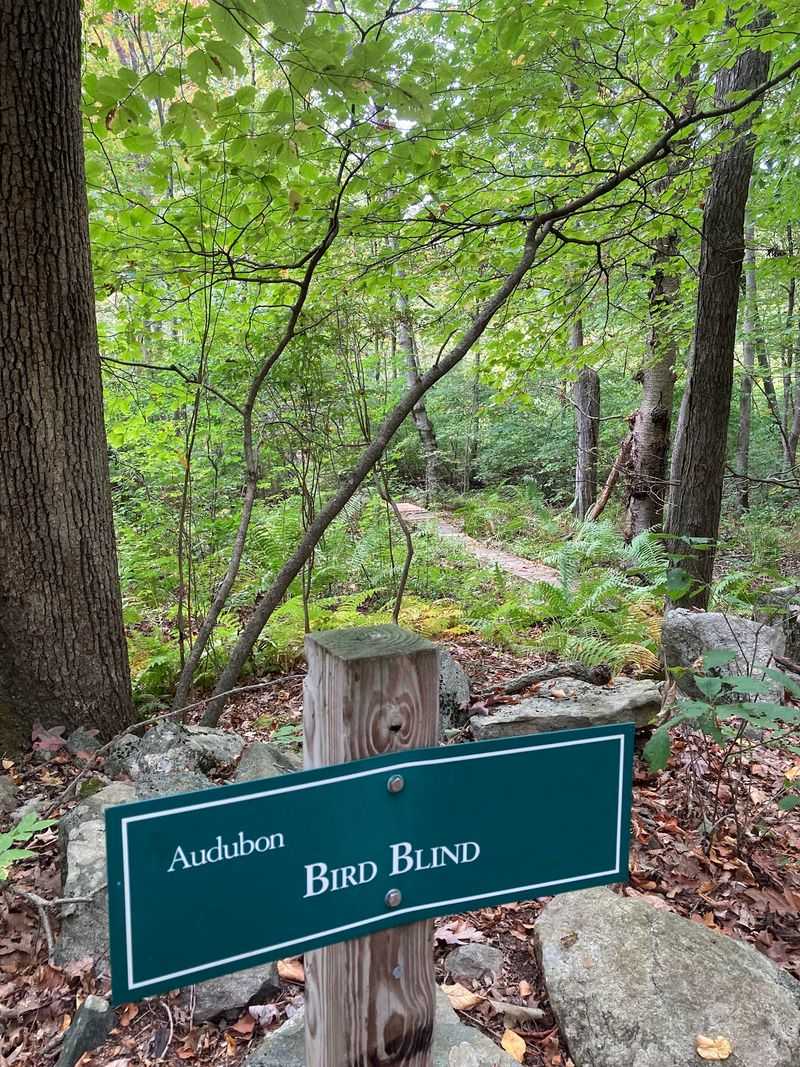
Seven miles of trails through 285 acres creates plenty of birding opportunities before you even consider the Quaker Ridge Hawk Watch connection. Greenwich Audubon Center combines extensive woodland, fields, wetlands, streams, a lake, and vernal pools into a habitat sampler platter.
Each ecosystem attracts different bird groups, giving you reasons to explore every section.
Hardwood forests shelter migrants during spring and fall passage periods. Warblers, vireos, and thrushes filter through the canopy while you scan from below.
The lake attracts waterfowl and wading birds. Vernal pools host amphibians that draw birds adapted to eating them.
The Quaker Ridge Hawk Watch association means raptor migration receives special attention here. Fall brings kettles of Broad-winged Hawks spiraling skyward on thermals.
Sharp-shinned Hawks and Cooper’s Hawks zip past at eye level. Turkey Vultures and Ospreys add to the raptor diversity.
Even if you visit outside peak hawk migration, the extensive trail system and varied habitats provide excellent general birding across seasons. Field edges add grassland species to your potential sightings list.
Bristow Bird Sanctuary – New Canaan
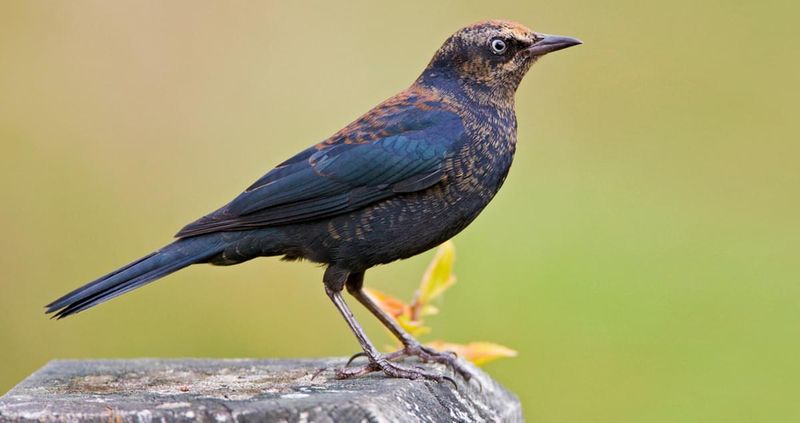
Being the third-oldest bird sanctuary in the entire country carries some weight, and Bristow Bird Sanctuary wears its 1924 founding date proudly. The New Canaan Land Trust manages the 17-acre property today, continuing a conservation legacy that spans a century.
Recent habitat restoration efforts include nest box installations and bird-friendly plantings that enhance the sanctuary’s appeal to feathered residents.
Woodland trails wind through the compact property, making it easy to thoroughly cover the grounds without exhausting yourself. The small size actually works as an advantage for beginning birders who want to develop their skills without getting lost or overwhelmed.
Resident species become familiar friends after multiple visits.
Spring migration brings returning warblers and other neotropical migrants passing through on their way north. The restored habitats provide crucial stopover resources where birds can rest and refuel.
Summer shifts focus to breeding species raising young in the protected environment. Fall brings a second migration pulse.
The century of protection means the birds here benefit from long-term habitat stability rather than newly created sanctuary conditions.
Sandy Point Beach & Bird Sanctuary – West Haven
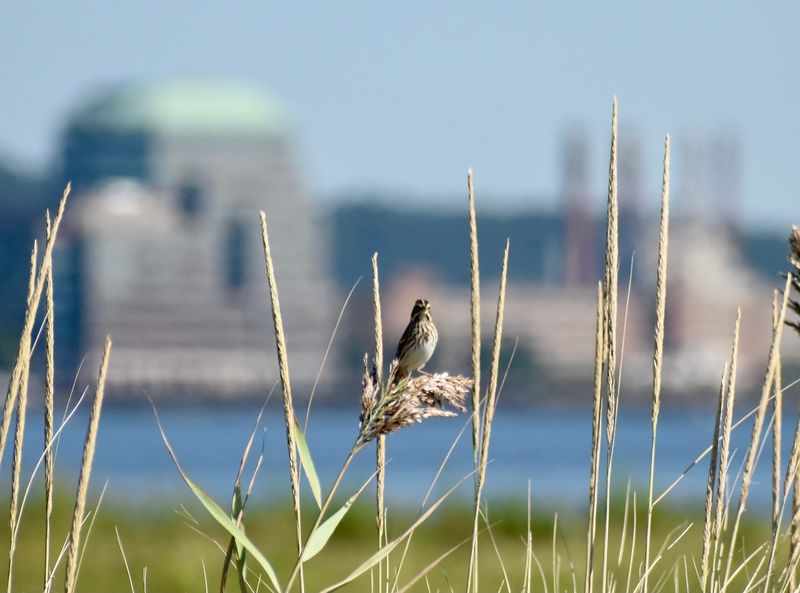
Forget the forest for a moment because coastal birding demands a completely different approach. Sandy Point Beach & Bird Sanctuary hugs Long Island Sound, creating critical habitat for species that depend on saltmarsh and beach environments.
Spring and fall migrations turn this into a major stopover location where exhausted birds rest after crossing open water.
The tidal marsh supports specialized species like Saltmarsh Sparrows that rarely appear at inland locations. Nesting beach birds including Piping Plovers, American Oystercatchers, and several tern species use protected sections during breeding season.
These ground-nesting birds require careful observation from designated viewing areas to avoid disturbance.
Shorebirds probe the wet sand during low tide, creating photo opportunities when they gather in mixed flocks. Scanning offshore reveals sea ducks, loons, and grebes bobbing in the waves during winter months.
Gulls and terns wheel overhead calling raucously. The combination of coastal and marsh habitats means your species list looks dramatically different from woodland sanctuary visits.
Bring sun protection because shade runs scarce in these open environments.
Sharon Audubon Center & Sanctuary – Sharon
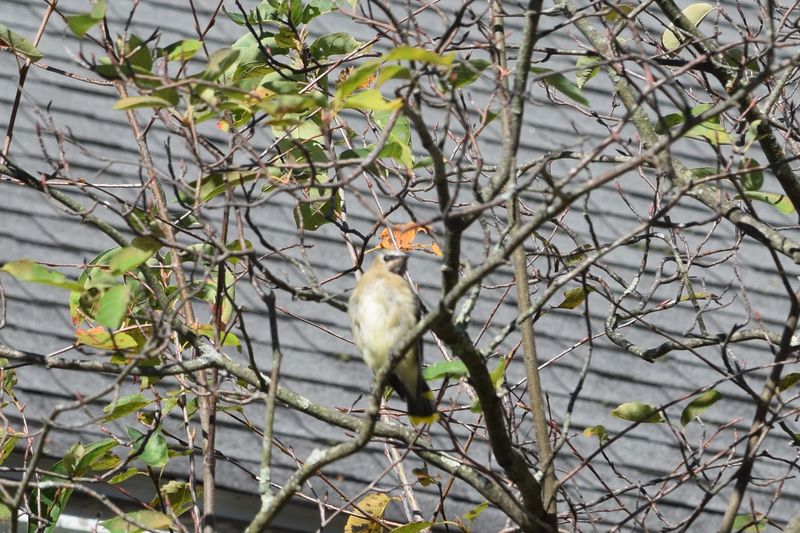
Northwestern Connecticut’s rolling landscape creates the backdrop for Sharon Audubon Center, where forests, wetlands, fields, and ponds combine into prime bird habitat. The varied environments attract both resident species that stick around year-round and migratory visitors passing through on seasonal schedules.
Trail networks connect different habitat types, letting you sample everything during a single outing.
Songbirds fill the air with music during breeding season, making spring visits particularly rewarding for birders who enjoy identifying species by ear. Waterfowl congregate on the ponds during migration periods and winter months when open water remains available.
Raptors hunt over the open fields, using elevated perches to scan for prey.
The peaceful setting away from Connecticut’s busier birding hotspots means you often enjoy the trails without crowds competing for the same views. Wildlife beyond birds adds interest to your walks, with mammals and amphibians making regular appearances.
The Audubon Center provides educational resources and programming that deepen your appreciation for the ecosystems supporting the bird populations you’re observing through your binoculars.