Tucked along the Mystic River, a museum village keeps the age of sail alive in a way few places can match.
Kids wander cobblestone paths past sailmakers, coopers, and shipwrights demonstrating trades from another century.
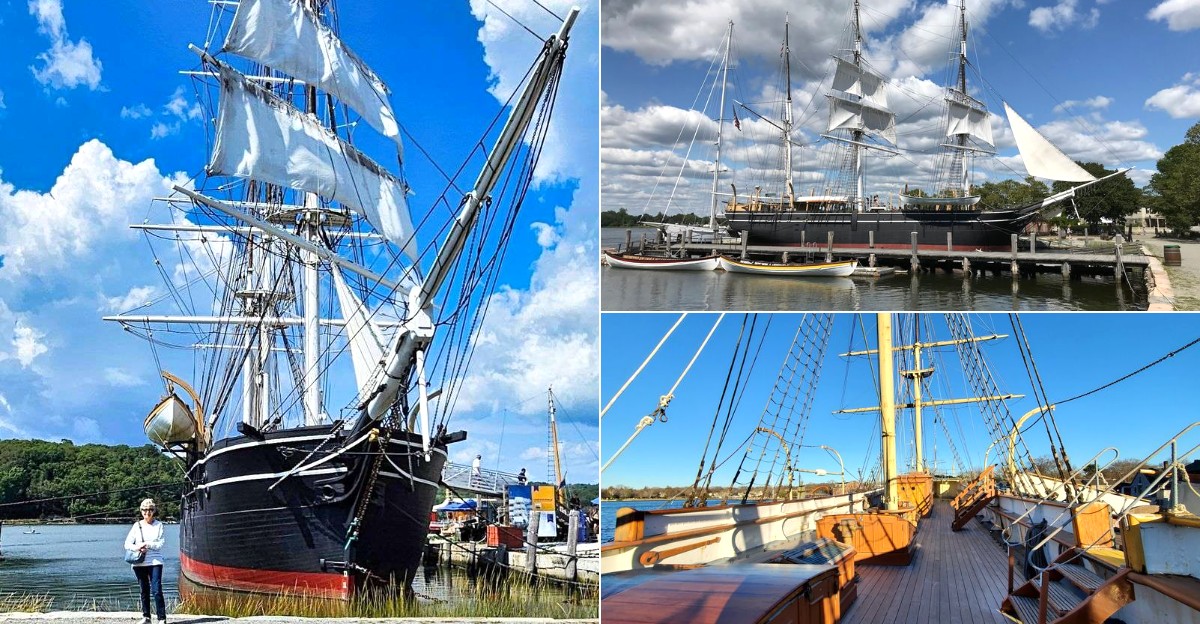
At the heart of it all rises a towering wooden ship unlike any other still afloat today.
Its worn decks and soaring masts hint at countless voyages across rough, distant seas.
Climbing aboard feels like stepping straight into a living history lesson, minus the seasickness.
Families spend hours here, and somehow it never quite feels like enough time.
Come see why this Connecticut landmark remains one of the last of its kind on Earth.
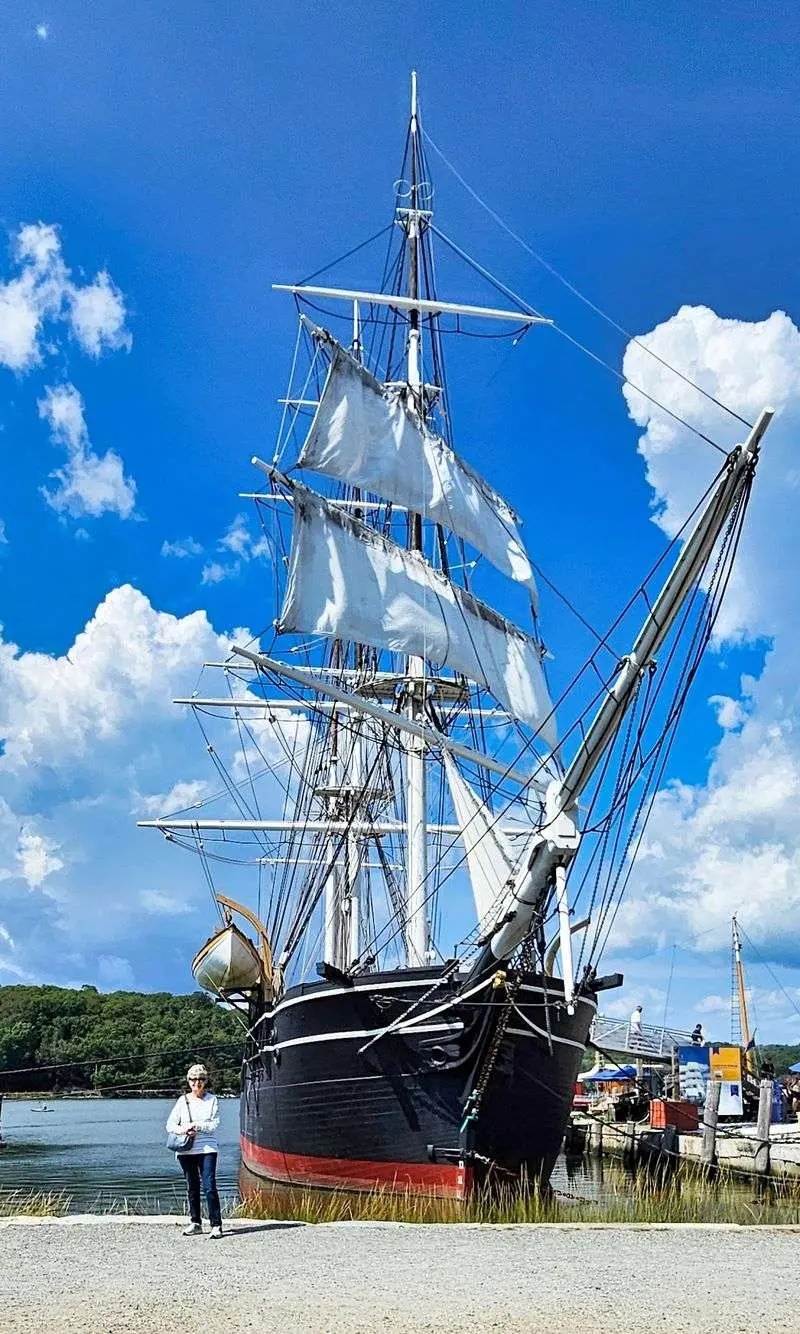
Step Onto The Charles W. Morgan
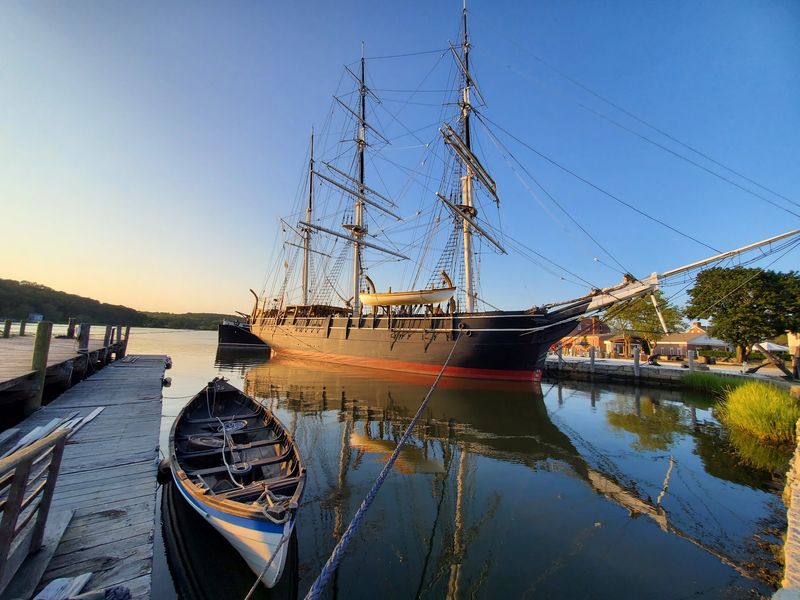
The first creak under your shoes can feel like a secret from long ago.
Aboard the Charles W. Morgan, kids are not just staring at a famous ship from behind a rope.
They can walk the decks of a vessel built in 1841 and imagine sailors hauling lines, watching the weather, and waiting for land.
This National Historic Landmark is known as the last wooden whaleship left in the world.
That fact alone makes it a rare classroom without desks.
Families can look at the deck layout, peek into work areas, and talk about how different life felt before engines, phones, or easy trips home.
Children may be surprised by the tight spaces below deck.
Crew members lived for years at sea, sharing small bunks, meals, chores, and danger.
Parents can help younger visitors notice details like low ceilings, simple tools, and storage areas, then ask what they would pack for such a long voyage.
Plan extra time here because staff and interpreters often share stories that make the ship easier to understand.
A simple question can turn into the best part of the visit for everyone.
Explore A Seafaring Village Built For Wandering
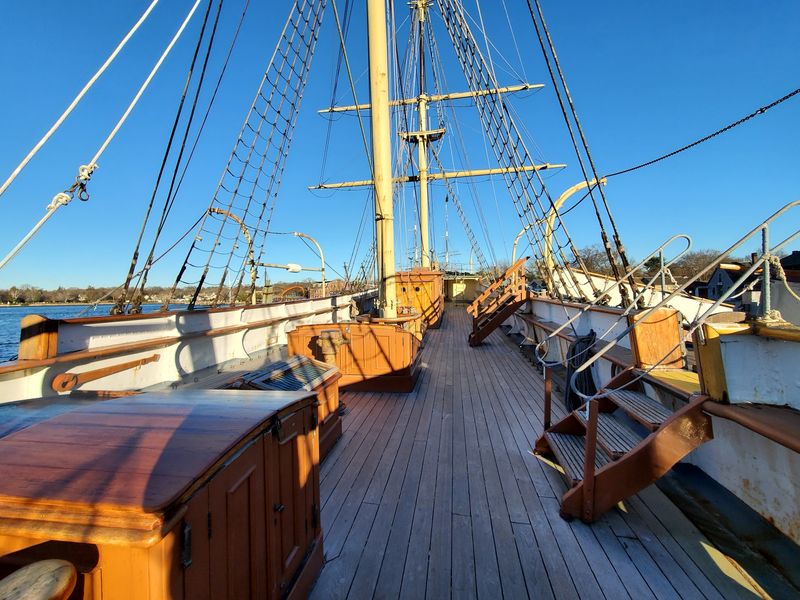
Old streets have a way of slowing people down, especially when every doorway seems to hide a story.
The recreated seafaring village gives families a chance to wander through a harbor town that feels pulled from the 1800s.
Instead of one big room of displays, the experience spreads across many buildings, paths, porches, and waterfront corners.
Kids can move from shop to shop and see how a busy coastal community supported ships.
Barrel makers, printers, rope workers, merchants, and sailors all had jobs that mattered.
That helps children understand that maritime history was not only about captains and storms, but also about everyday people using skill and patience.
The village is especially good for families with different energy levels.
Some children will race toward the next building, while others may want to linger near tools, signs, or hands-on details.
Comfortable shoes are a smart choice because the grounds cover a large outdoor area.
Adults can make the visit feel like a scavenger hunt.
Ask kids to spot something made of iron, wood, rope, and cloth.
By the end, the old harbor begins to feel like a real neighborhood.
Watch Craftspeople Bring Maritime Skills To Life
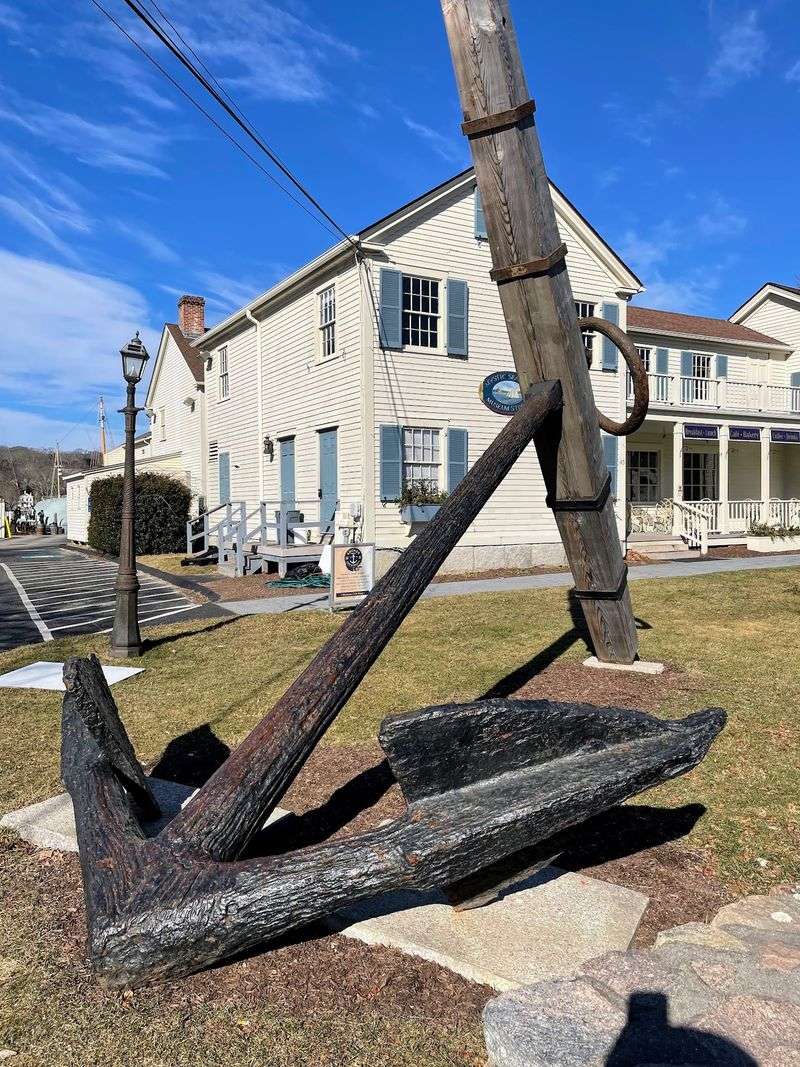
Clang, scrape, twist, and tap can be more exciting than a long written sign.
Live demonstrations help kids see that old ships depended on many clever hands.
When craftspeople explain their work, history changes from something finished into something people still practice.
Families may find blacksmithing, printing, cooperage, rope work, or other trades happening during a visit.
A blacksmith shaping hot metal can show why strong fittings mattered on a ship.
A barrel-making demonstration can explain how food, water, and supplies were stored before plastic boxes and modern coolers existed.
Children often remember moving parts better than dates.
Watching a tool cut wood or a press make a printed page gives them a clear picture of effort and design.
Encourage kids to ask simple questions, such as how long a task takes or what happens if a tool breaks.
Schedules can change, so checking the daily program when you arrive is useful.
If one workshop is quiet, another area may be active later.
The best moments sometimes happen when a staff member notices a curious child and explains a small detail with real enthusiasm.
Look Down Into A Working Preservation Shipyard
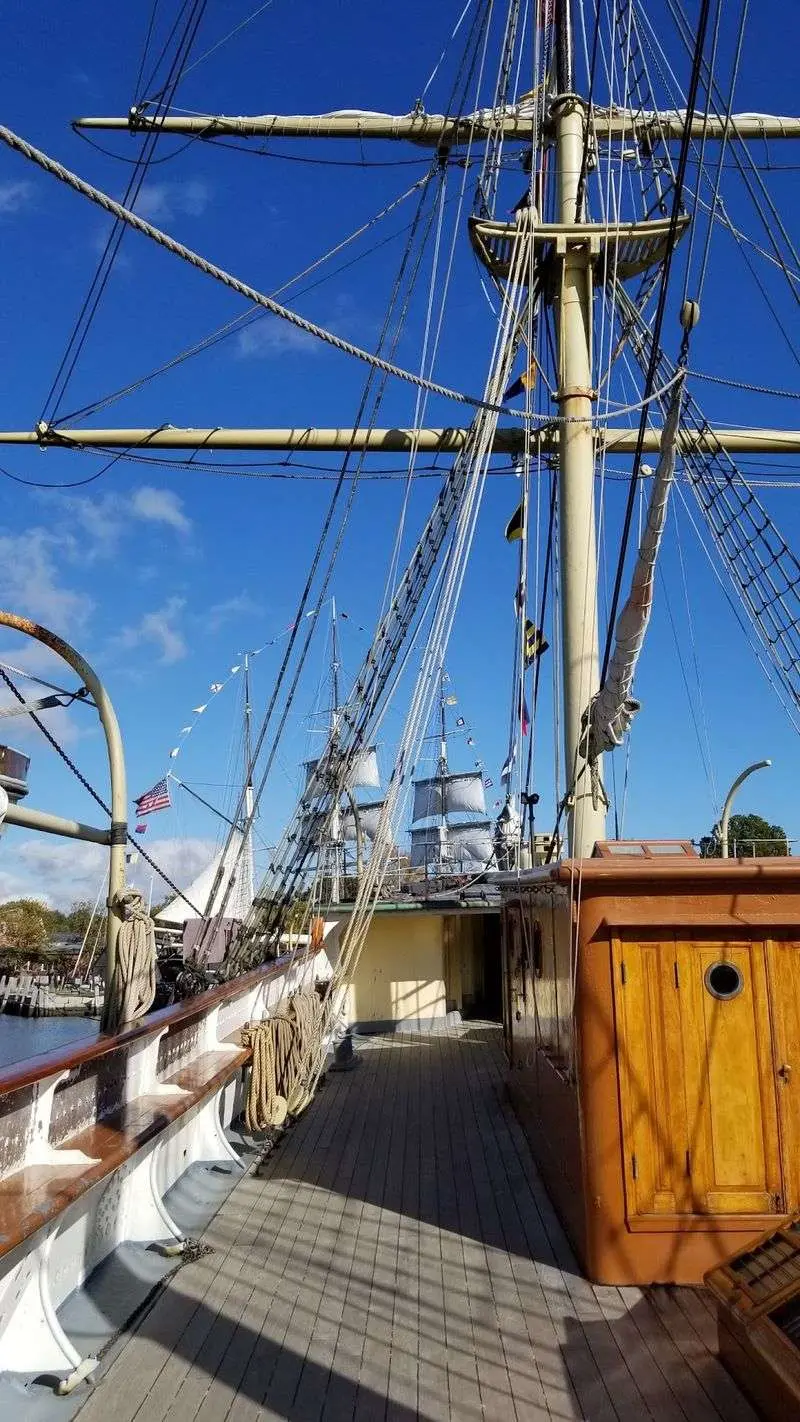
Sawdust in the air can make a museum feel wonderfully alive.
The working preservation shipyard shows families that historic boats need care, skill, and constant attention.
Instead of finished objects sitting still, visitors may see wooden vessels being repaired, restored, measured, or carefully studied.
The Henry B. duPont Preservation Shipyard is a highlight for kids who like building things.
From viewing areas, guests can watch shipwrights work with timber, tools, plans, and patience.
It is a helpful reminder that saving history is not magic, but a job done by trained people who understand wood, water, and time.
Parents can connect the shipyard to things children already know.
A boat hull is like a puzzle, a skeleton, and a shelter at the same time.
If one piece weakens, the whole vessel can be affected, which makes careful repair important.
This stop also gives active kids a fresh focus after walking through exhibits.
Ask them to notice shapes, curves, ladders, and braces.
The scene can spark great conversations about engineering, teamwork, and why old skills still matter in a world filled with machines.
Follow The Hard Truths Of Whaling History
Not every sea story is shiny, and that is part of why this visit matters.
Whaling history includes courage, danger, money, invention, and harm.
The museum gives families a chance to talk honestly about a past that shaped coastal towns while also affecting whales and ocean life.
Kids may be amazed to learn that whale oil once helped light homes and support industries.
At the same time, they can begin to understand why people now think differently about whales and conservation.
Good exhibits can hold both ideas at once, showing what happened without pretending it was simple.
For younger children, adults may want to guide the conversation gently.
Focus on how people made choices with the knowledge and needs of their time, then compare that with what we know today.
That approach keeps the topic age-appropriate while still being truthful.
The Charles W. Morgan makes these lessons feel real because visitors can connect the exhibits to an actual ship.
After seeing cramped quarters and heavy gear, children may better understand the risks sailors faced.
They may also leave with stronger respect for whales, the ocean, and how history can teach better choices.
Find Kid-Friendly Stops Beyond The Big Ship
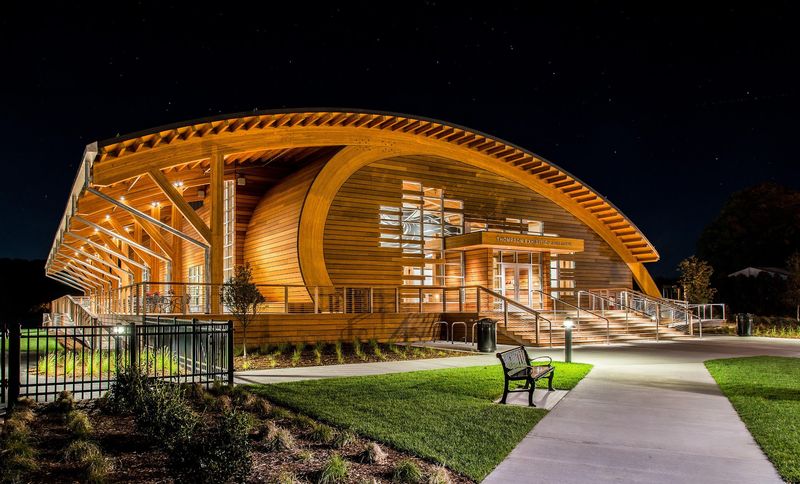
A full day feels easier when kids can switch between big sights and smaller discoveries.
Beyond the famous whaleship, families can find exhibits, activity spaces, historic vessels, and seasonal programs that keep different ages interested.
That variety helps when one child loves boats and another just needs something hands-on.
Some visits include special displays that appeal to younger guests, such as creative builds, family workshops, or playful learning areas.
Modern galleries can offer a break from weather while still teaching about navigation, art, ship models, or life at sea.
The mix of indoor and outdoor spaces is useful on hot, chilly, or rainy days.
Parents should check the daily schedule before choosing a route.
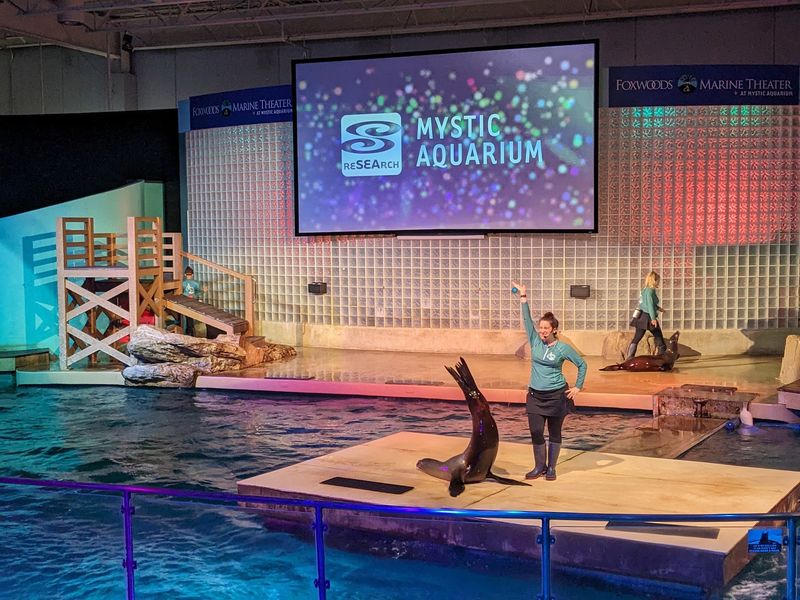
Shows, talks, boat rides, demonstrations, and children’s activities may happen at set times.
Planning around one or two timed events can give the day a helpful shape without making it feel rushed.
Snacks, water, and short rest stops also matter.
The grounds are large, and kids enjoy museums more when they are not hungry or tired.
A flexible plan lets families follow curiosity while still saving energy for the ship everyone came to see.
Plan A Smooth Visit In Mystic
A little planning can turn a big museum day into a relaxed adventure.
Mystic Seaport Museum is located at 75 Greenmanville Ave, Mystic, CT 06355, and it is a popular stop for families exploring the Connecticut shoreline.
The museum is generally open daily from 10 AM to 5 PM, though families should confirm current hours before leaving home.
Because the site covers about 19 acres, plan for more time than a quick stop.
Many visitors spend several hours, and families who enjoy every ship, shop, exhibit, and demonstration may want most of the day.
Comfortable walking shoes, weather-friendly layers, sunscreen, and water bottles can make the visit much easier.
Call ahead at (860) 572-0711 or check the official website for ticket details, seasonal programs, accessibility information, and special events.
Crowds may be lighter on weekdays, while warmer months often bring more demonstrations and activity.
Winter visits can still be peaceful, but some buildings or programs may have limited access.
If downtown plans are part of the same outing, look at parking and walking options early.
A calm arrival helps kids begin the day excited instead of tired.
Leave With Stories Kids Can Retell
The best museum trips give kids a story they want to repeat later.
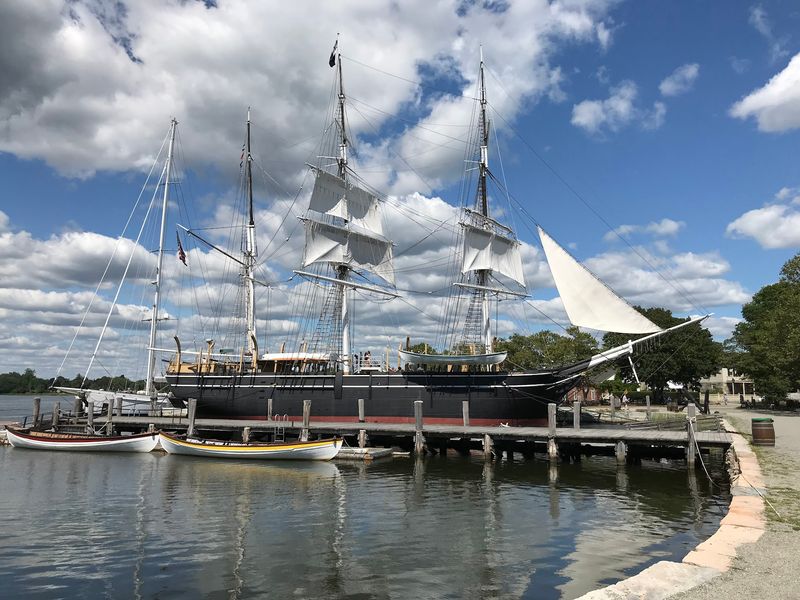
Here, that story might be about climbing aboard the last wooden whaleship, hearing a blacksmith hammer iron, or standing beside a river full of boats.
Those moments stick because children can connect facts to places they actually saw.
Before leaving, invite each child to name one thing that surprised them.
One might mention the tiny bunks, another the size of the masts, and another the idea that people repaired ships by hand.
This quick conversation helps turn a busy day into a memory with meaning.
A gift shop stop, photo near the waterfront, or final walk past the vessels can make a nice ending.
Families who love drawing or journaling might bring a small notebook and have kids sketch a ship, tool, or favorite building.
Simple reflection can deepen learning without feeling like homework.
The biggest takeaway is easy to understand.
History is not only in textbooks, and old ships are not just wood and rope.
When kids step aboard, listen closely, and look around, the past feels close enough to touch.