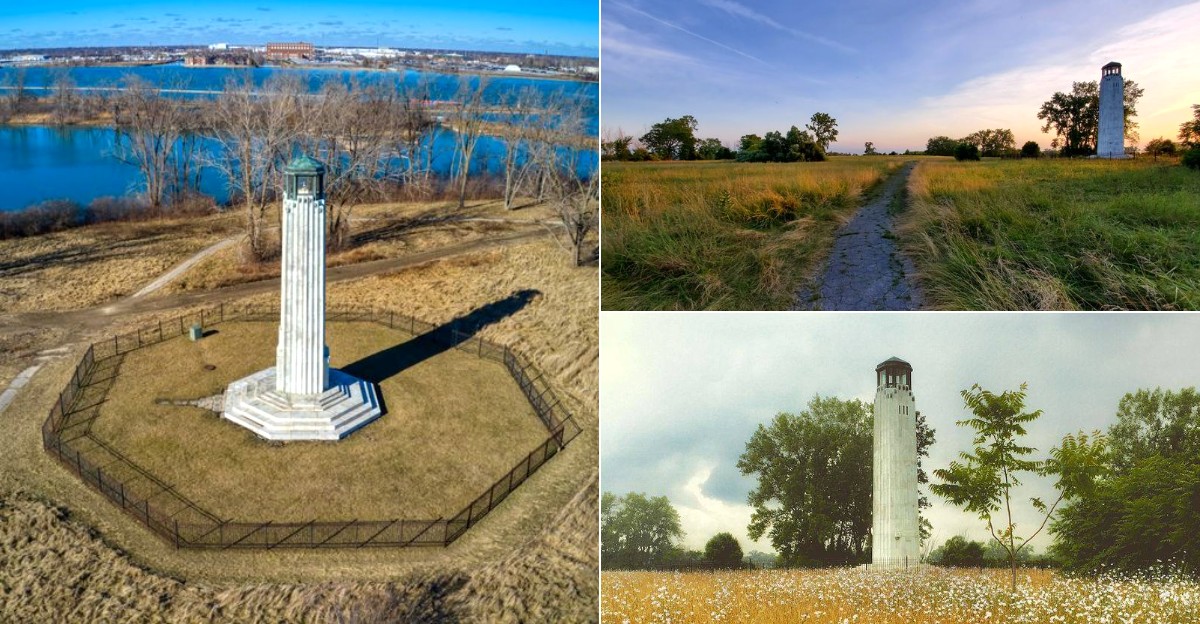
A marble lighthouse rises quietly at the tip of Belle Isle, watching over one of the busiest shipping channels in the Great Lakes.
The William Livingstone Memorial Light is the only lighthouse in the country built entirely from marble, making it a rare sight for visitors.
It was constructed in 1929 to honor a shipping industry leader who helped shape maritime trade on the Great Lakes.
Despite its elegant, monument-like appearance, the light still performs its practical duty of guiding freighters safely through the water.
Visitors strolling the island often stumble upon it and are surprised to learn just how unique its construction really is.
Here is a well-researched look at the history and details behind this striking Michigan landmark.
A Marble Tower That Feels Like A Monument
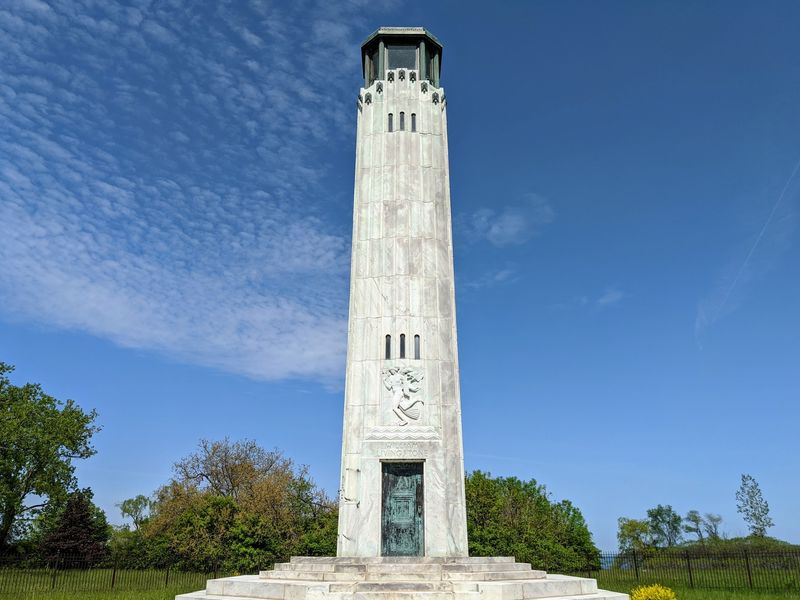
Bright stone against moving water makes the tower feel more like a memorial than a simple navigation marker.
The William Livingstone Memorial Light is known as the only lighthouse in the United States built entirely of marble.
That rare material gives it a clean, almost glowing look, especially when sunlight hits the pale surface.
Visitors should look closely at its smooth sides, tall shape, and careful carving.
The design was meant to honor William Livingstone, a powerful figure in Great Lakes shipping and civic life.
Because marble is usually linked with statues and grand buildings, the lighthouse carries a serious, respectful feeling.
For a blog post, this section can explain why the material matters.
Marble is beautiful, but it also needs care, so the tower is more than pretty scenery.
It shows how people once used architecture to say that shipping, safety, and public service deserved lasting honor.
Readers can picture it as a stone thank-you note beside a busy waterway.
That simple idea helps make the lighthouse easy to understand and hard to forget for locals and travelers alike.
Freighters Still Slide Past Its Beacon
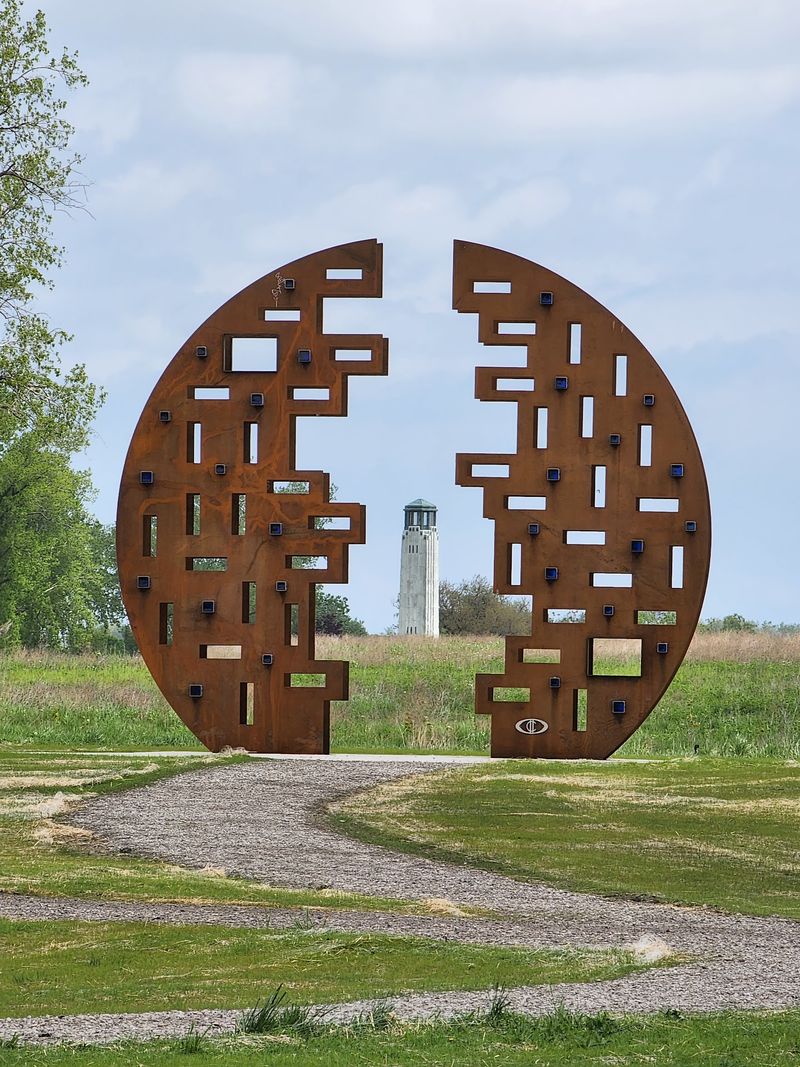
A slow freighter passing by can turn a quiet shoreline moment into something huge and memorable.
The tower still watches a busy shipping route where large vessels carry goods through the Great Lakes system.
Its presence reminds readers that lighthouses were not built only for postcards or vacation photos.
They helped guide real traffic through channels where mistakes could be costly.
Even with modern electronics, visual markers still matter because they confirm position and give crews another point of reference.
For people on shore, the passing ships make history feel active instead of frozen.
This section should connect the lighthouse to daily work on the water.
Iron ore, grain, fuel, stone, and other cargo have long moved through regional shipping lanes.
Watching a freighter pass the marble tower can help families understand how inland waterways link farms, factories, ports, and homes.
A good tip for readers is to be patient near viewing areas.
Ship traffic does not follow a sightseeing schedule, but waiting can pay off.
When a long hull glides by the elegant tower, the scene neatly explains why this landmark still belongs to working water.
A Memorial With A Shipping Story

Behind the pretty stone is a story about business, leadership, and safer travel on the lakes.
William Livingstone was closely tied to Great Lakes shipping and helped shape maritime life during a busy era of trade.
Naming the lighthouse for him turned a useful structure into a public tribute.
That point gives the article a strong human angle.
Readers may not know his name, but they can understand the idea of honoring someone who helped keep commerce moving.
The lakes were like highways before trucks and freeways handled so much freight.
This section can explain that memorials do not always look like statues in parks.
Sometimes they are practical places that continue doing helpful work.
A light built in someone’s memory can protect travelers while also keeping a name connected to public service.
For visitors, the best way to appreciate that meaning is to slow down and read the tower as a symbol.
It is not just stone, glass, and a lamp.
It represents a time when shipping shaped city growth, jobs, waterfront planning, and the shared identity of communities around the Great Lakes.
Classical Design On A Working Waterfront
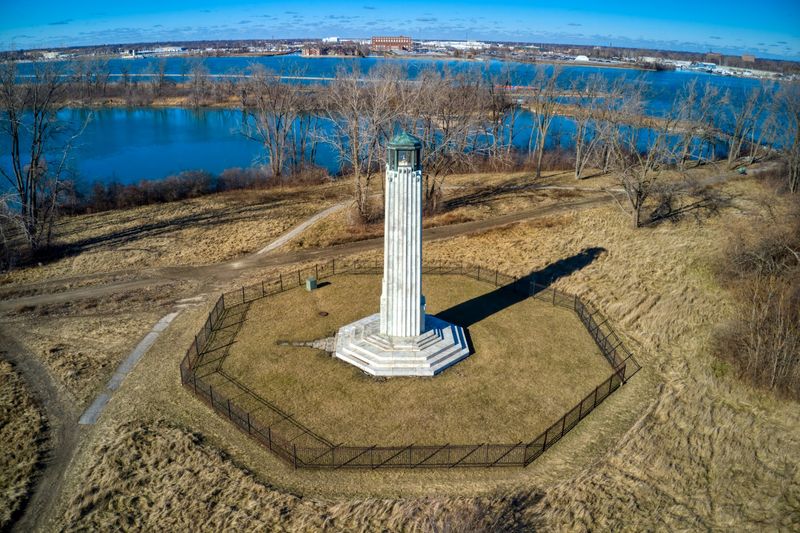
Graceful lines can feel surprising in a place shaped by engines, currents, docks, and heavy ships.
The tower’s classical style sets it apart from many plainer lighthouses built mainly for function.
Its shape has a refined look, closer to a small monument than a rugged coastal tower.
That contrast is useful for readers to notice.
Lighthouses often had to be practical first, but designers could still make them beautiful.
Here, the marble surface and formal details bring art into a setting tied to work and navigation.
This section can describe how architecture affects the way people remember a place.
A simple steel pole with a light might do the job, but it would not create the same feeling.
The memorial tower invites people to think about beauty, respect, and purpose at the same time.
Anyone writing or photographing the site should focus on lines, texture, and setting.
Show the pale tower against water, sky, and ship traffic.
That mix tells a richer story than a close-up alone, because the design only becomes fully meaningful when seen beside the busy channel it serves.
Why Its All-Marble Build Is So Unusual

Most lighthouse builders cared more about strength, cost, and weather resistance than luxury materials.
That is why an all-marble tower stands out so sharply among American aids to navigation.
Marble can be durable, but it is also expensive, heavy, and associated with special buildings.
Using it here sends a clear message.
The project was meant to last and to feel important.
Readers can compare it to a school trophy case, a courthouse, or a famous statue, where material choices help show respect.
This section should explain the practical side without making it too technical.
Stone must handle freezing, thawing, moisture, and pollution, all common around industrial waterways.
Careful maintenance helps protect the surface from staining, cracking, and long-term wear.
A helpful reader takeaway is that rare landmarks survive because people keep paying attention to them.
When a lighthouse has a one-of-a-kind feature, preservation becomes part of its story.
The marble is not just a fun fact, since it shapes how the tower looks, how people value it, and how caretakers must plan for its future.
A Landmark Best Understood From The River Setting
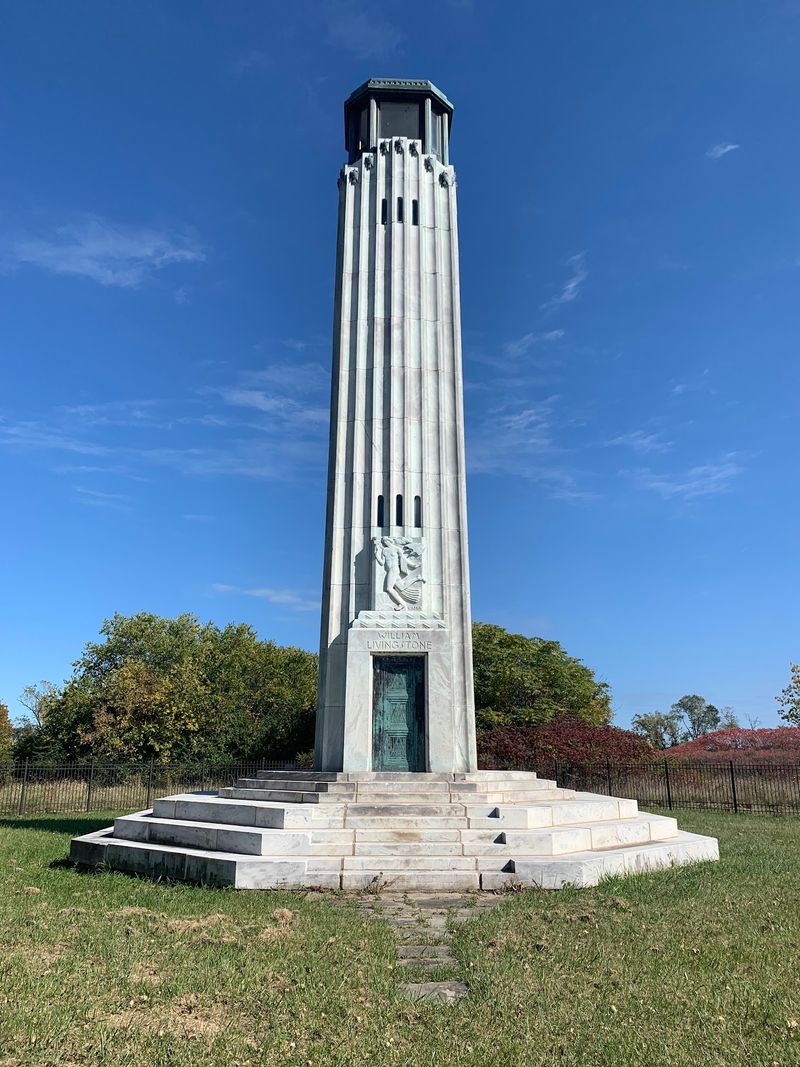
Water gives the tower its reason for being, so the setting matters as much as the stone.
The William Livingstone Memorial Light stands in Detroit, Michigan, near a channel used by Great Lakes vessels.
Its address area is Detroit, MI 48207, placing it within a city known for industry, culture, and riverfront history.
That is the only location detail readers need before the story widens again.
The lighthouse belongs to a larger waterway where Canada and the United States sit close together across the river.
This borderland setting adds extra interest because ships, skylines, wildlife, and weather can all share the same view.
For practical planning, visitors should check public access points and current park rules before going.
Some angles may be easier to enjoy from nearby paths, green space, or boat views rather than directly at the base.
Respecting fences, signs, and protected areas keeps the experience safe.
Writers can use this section to remind readers that maps only tell part of the story.
Standing near the water, hearing engines, and seeing the current move makes the lighthouse feel connected to a living river.
Photo Tips For Capturing Its Character
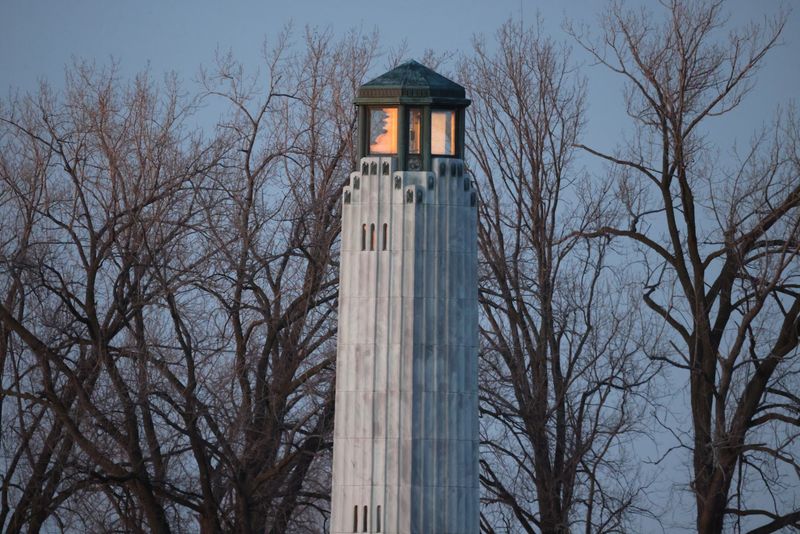
A camera loves the tower because its pale surface changes with every shift in light.
Morning can make the marble look soft and quiet, while late-day sun can add warmth and shadow.
Cloudy weather also works well because the white stone stands out against gray skies.
Readers hoping for strong photos should think about scale.
Including water, trees, railings, or a passing ship helps show how tall and formal the lighthouse feels.
A close detail shot can also highlight carving, texture, and the unusual marble construction.
This section can offer simple advice for casual visitors.
Use a steady hand, avoid harsh midday glare when possible, and take both vertical and horizontal shots.
If a freighter appears, step back if safe so the vessel and tower can share the frame.
Patience is the secret ingredient.
The best image may come after waiting for changing clouds, calmer water, or moving traffic.
Even a phone camera can capture a meaningful scene when the photographer pays attention to background, light, and the relationship between the elegant memorial and the working waterway nearby.
Why The Lighthouse Still Deserves Attention Today
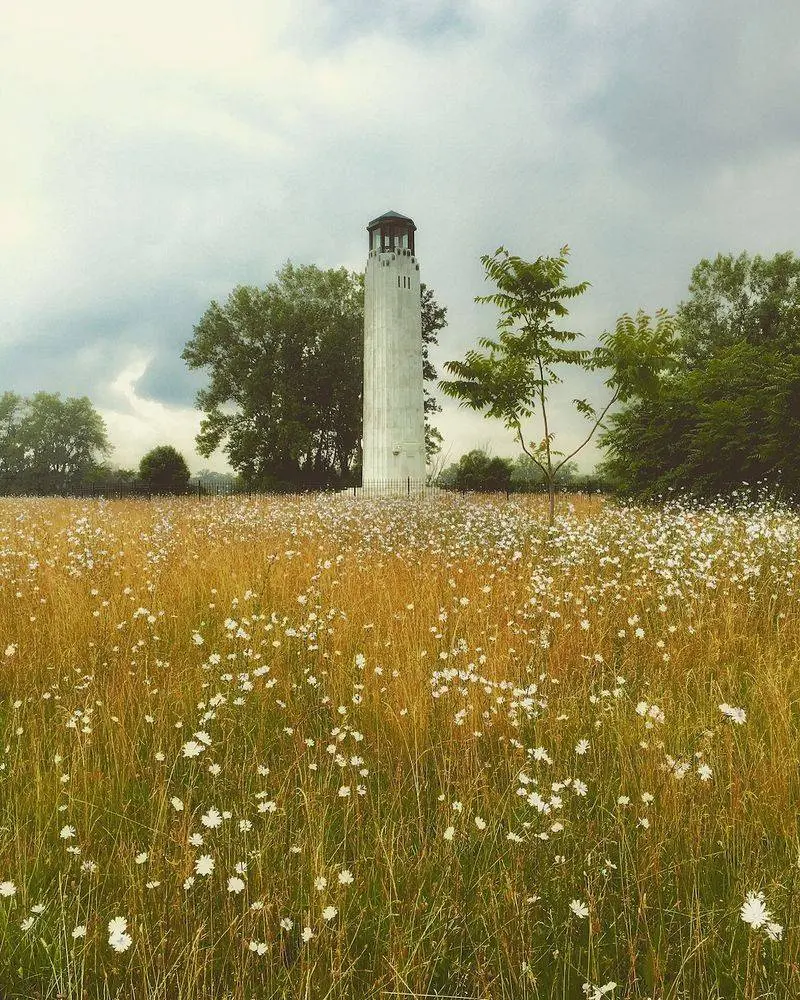
Old landmarks stay alive when people keep asking why they matter.
The William Livingstone Memorial Light deserves attention because it combines art, history, transportation, and local pride in one slender tower.
Few places can tell so many stories with such a quiet shape.
For students, it can introduce Great Lakes shipping without a long textbook chapter.
For families, it can turn a simple outing into a lesson about navigation, architecture, and memory.
For longtime residents, it offers a reminder that familiar waterways have deep working pasts.
This section should make the article feel useful beyond sightseeing.
Readers can support historic places by learning their stories, sharing accurate information, following access rules, and backing preservation when possible.
Small actions help rare sites remain visible for future generations.
The lighthouse also encourages people to look more carefully at everyday landscapes.
A busy river, a passing ship, and a white marble tower can seem ordinary at first glance.
Spend a few minutes connecting the pieces, and the scene becomes a clear lesson in how beauty, memory, and practical work can stand together.