A quiet road in Scotland Neck, North Carolina, leads to a place that feels much bigger than its small-town setting.
Sylvan Heights Bird Park is home to more than 2,000 birds, including rare, colorful, and endangered species from around the world.
Families come for the bright flamingos and playful parakeets, but they often leave talking about the peaceful paths, kind staff, and close-up animal moments.
If you love birds, nature, or simple day trips that feel special, this wildlife park deserves a spot on your travel list.
You can walk through gardens, wetlands, wooded trails, and open aviaries while hearing calls, chirps, and wingbeats all around you.
The park is easy to explore, friendly for kids and grandparents, and full of photo-worthy surprises.
Bring your curiosity, wear comfortable shoes, and get ready for a North Carolina outing that feels rare, calm, and wonderfully alive.
A Hidden Bird World In Scotland Neck
A country road can hide a big surprise, and Sylvan Heights Bird Park proves it right away.
Located at 500 Sylvan Heights Park Way in Scotland Neck, North Carolina, this wildlife park feels calm before it suddenly bursts with color, sound, and movement.
Visitors follow paved paths through gardens, wooded areas, wetlands, and roomy bird habitats.
The park holds more than 2,000 birds, so every turn can bring a new beak, feather pattern, or funny bird call.
Plan for more than a quick stop.
Many guests spend about three hours here, and bird fans may want even longer.
The layout is easy to follow, with benches placed along the way for rest breaks.
That makes the visit friendly for children, grandparents, and anyone who enjoys a slow, steady walk.
The park is open Tuesday through Sunday from 9 AM to 5 PM and is closed on Monday.
Before driving, check the official website or call +1 252-826-3186, since hours and special exhibits can change.
Arriving early gives you quieter paths, cooler weather, and better chances to enjoy the most popular areas before crowds build.
The Landing Zone Brings Birds To Your Hands
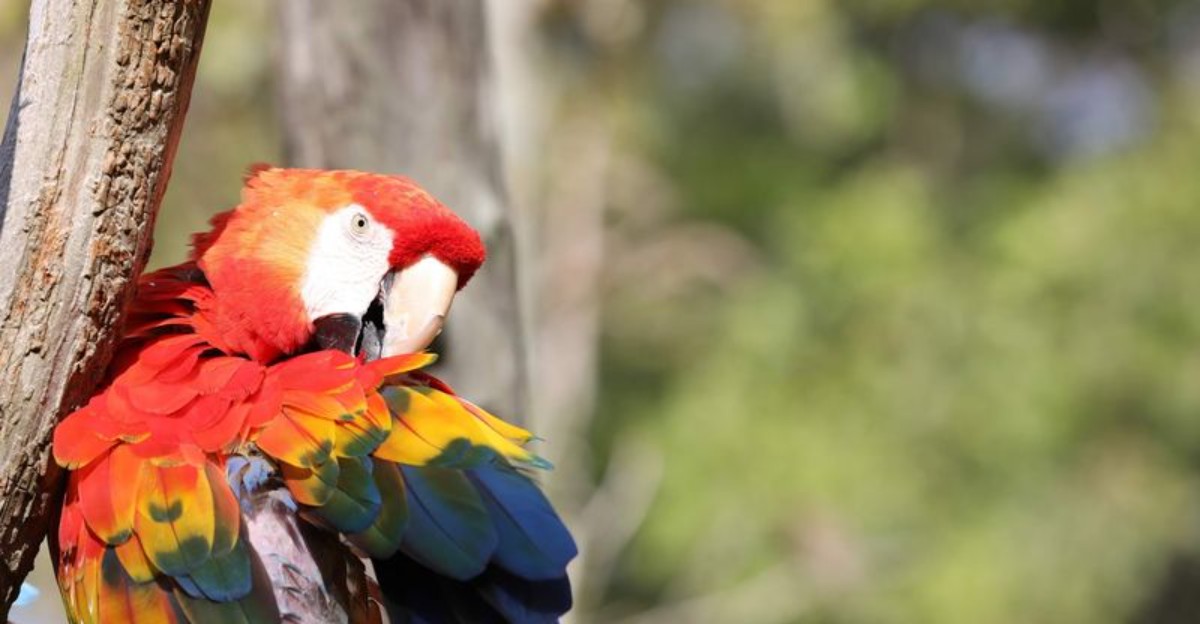
Colorful parakeets may turn your hand into the busiest perch in the park.
The Landing Zone is one of the most talked-about spots at Sylvan Heights Bird Park, and for good reason.
Guests can buy bird food, often seed sticks, and step into an aviary where small birds flutter close.
Some land gently on fingers, wrists, or arms while they nibble.
For many kids, this becomes the story they tell all the way home.
Go in with calm hands and quiet movements.
Quick waving can startle the birds, but a steady arm helps them feel safe.
Staff members often share helpful tips, and visitors praise them for being patient and knowledgeable.
If the space is busy, wait your turn instead of squeezing into the crowd.
Reviews mention that Landing Zone hours may differ from general park hours, with breaks during the day.
Ask at the entrance or gift shop when you arrive, so you do not miss it.
Bird food costs extra, but many guests say it is well worth the small added price.
Bring a camera, but enjoy the moment first.
Flamingos Add A Splash Of Pink Drama
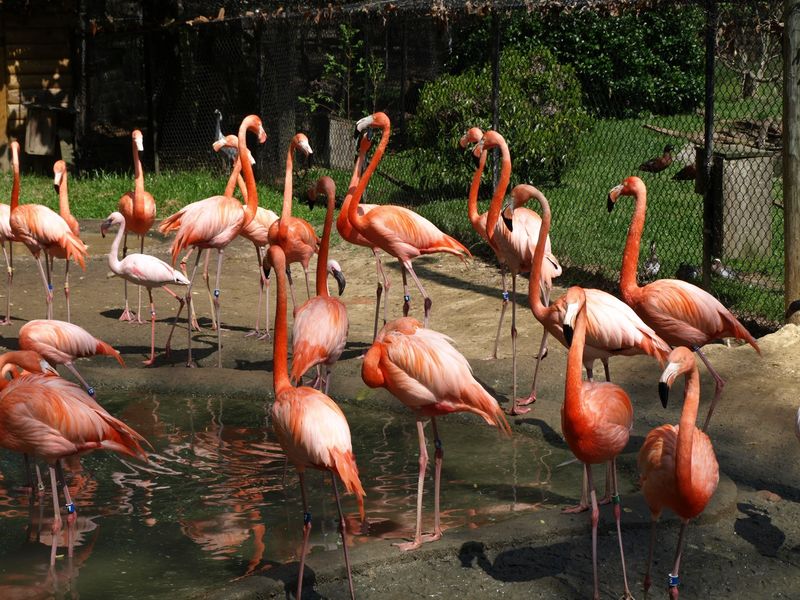
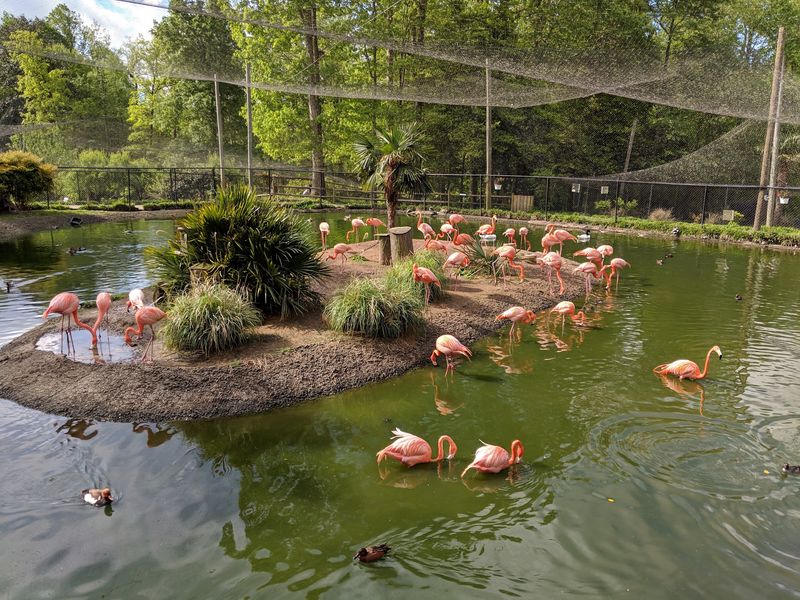
Pink feathers seem even brighter when flamingos are standing only a few steps away.
Sylvan Heights Bird Park is well known for its flamingos, and they add a playful, postcard-like touch to the visit.
Their long legs, curved bills, and group behavior make them easy to watch for several minutes without getting bored.
Children notice their color first, while adults often enjoy their graceful movements and strange feeding style.
The park includes wetland-style areas that fit these birds well, so the setting feels more natural than a plain cage.
You may see flamingos resting on one leg, dipping their heads, or moving through shallow water in groups.
If feeding is available during your visit, follow the posted rules and staff instructions.
Flamingos also make a great photo stop, but keep the birds comfortable.
Stay behind barriers, avoid loud noises, and never reach unless a supervised feeding area allows it.
Their color comes partly from foods rich in natural pigments, which is a fun fact to share with young visitors.
At this park, the flamingos are more than pretty birds.
They are living lessons in balance, diet, and behavior.
Rare Species Turn The Walk Into A World Tour
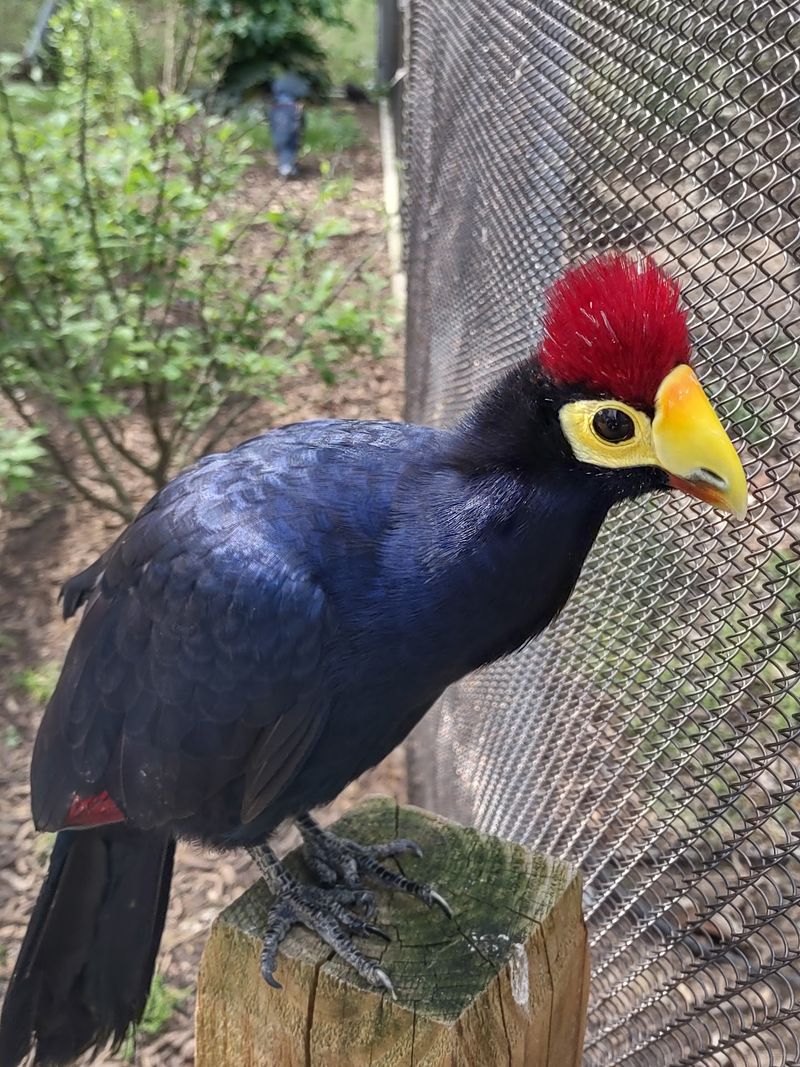
One path in North Carolina can feel like a passport full of bird stamps.
Sylvan Heights Bird Park features birds from many parts of the world, including species most visitors have never seen up close.
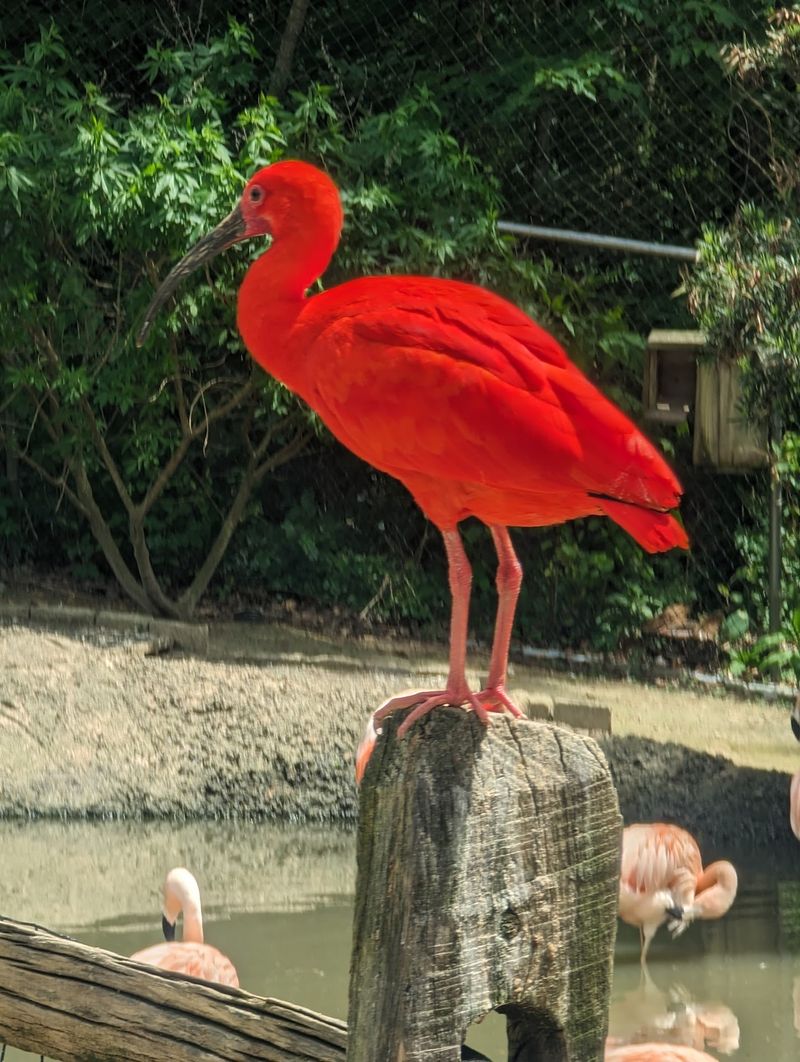
You might spot parrots with jewel-like feathers, toucans with bold bills, waterfowl with sharp patterns, and unusual birds that look almost unreal.
Signs throughout the park help guests learn names, regions, and conservation facts without feeling like a school lecture.
The variety is the main reason bird lovers call this place a gem.
With more than 2,000 birds, the park gives casual visitors plenty to enjoy and gives serious bird watchers lots to study.
Move slowly, because some of the best views happen when you pause.
A bird may step from behind leaves or show colors you missed at first glance.
Bring binoculars if you own them, but you do not need fancy gear.
Many habitats are designed for close viewing while still respecting the animals.
The park’s conservation work adds meaning to the beauty, since rare birds need safe breeding programs and public support.
Each enclosure quietly reminds visitors that wonder and responsibility can share the same trail.
Peaceful Paths Make The Visit Easy
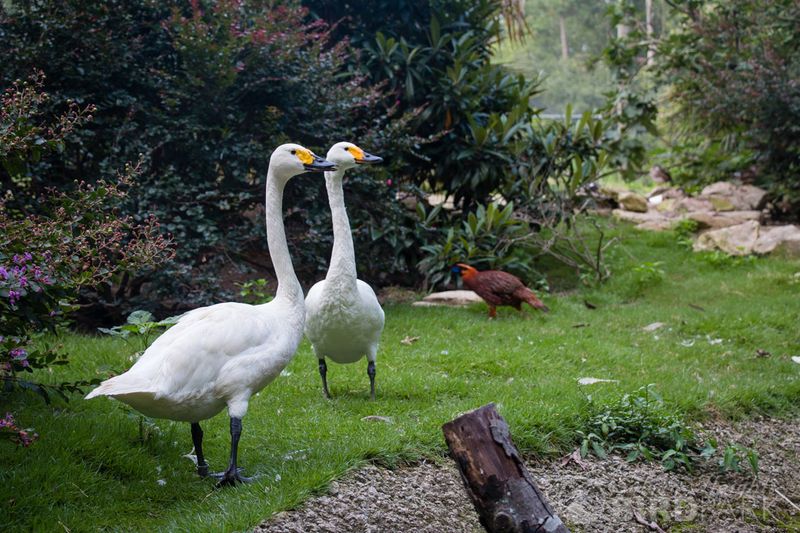
Soft bird calls and flat paths make this park feel relaxing instead of rushed.
Many wildlife attractions require lots of stairs, long hills, or crowded viewing spots, but Sylvan Heights Bird Park is known for being easy to walk.
Guests often mention the clean paved paths, clear layout, and helpful benches.
That matters when you are visiting with small children, older relatives, or anyone who needs a slower pace.
The route leads through manicured woods, gardens, wetlands, and separate bird areas.
Shade can help on warm days, though sunscreen and water are still smart choices.
Comfortable shoes are a must, since most visitors spend two and a half to four hours exploring.
If rain appears, tree cover may soften the weather, but a light poncho can save the day.
Restrooms, picnic tables, and a playground help make the trip feel simple for families.
Free parking is another bonus, especially if you are driving from another part of North Carolina.
Pack snacks or plan a meal break if you want to linger.
The best approach is not to hurry.
Let the sounds guide you, stop often, and enjoy the park at a bird-watcher’s pace.
Families Find More Than Pretty Feathers
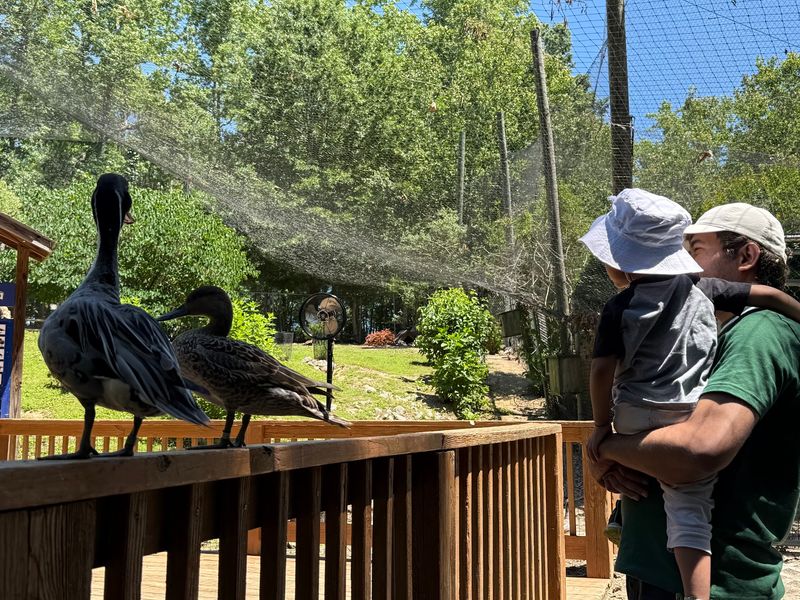
Kids may arrive for the birds, then discover the whole park feels like an outdoor adventure.
Families give Sylvan Heights Bird Park high praise because it keeps different ages interested at the same time.
Younger children enjoy hand-feeding parakeets, spotting bright colors, and using the playground.
Older kids can read signs, compare species, and learn why some birds need protection.
Adults get a peaceful walk, good photo chances, and the joy of watching children react with wonder.
To make the day smoother, set expectations before entering feeding areas.
Remind kids to move slowly, use soft voices, and respect the birds’ space.
Buy feed at the gift shop if you plan to take part in feeding experiences.
It is also wise to visit popular spots early or during quieter times, since small aviaries can feel crowded.
Picnic tables and rest areas help families avoid the cranky part of a long outing.
Bring water, wipes, and a small bag for essentials.
The park’s 4.9-star rating from thousands of reviews shows how often families leave happy.
For a day trip that blends fun, learning, and fresh air, this Scotland Neck stop is hard to beat.
Conservation Gives The Color A Deeper Purpose
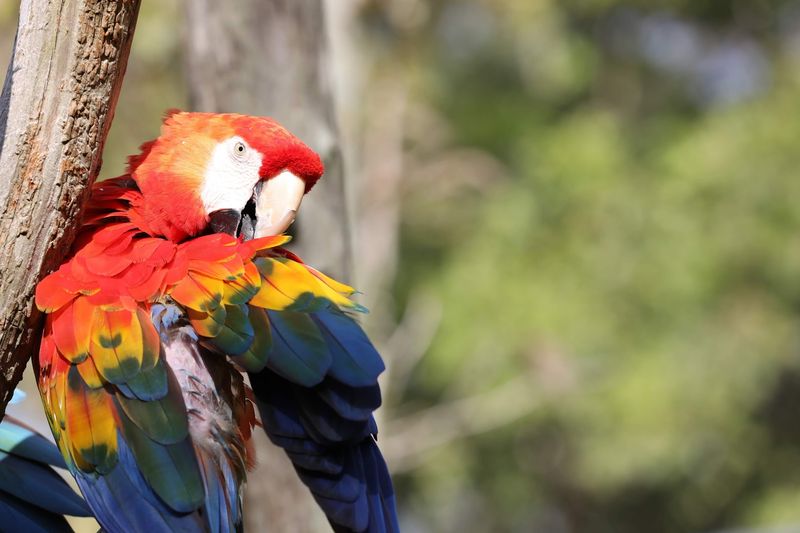
Behind the bright wings, serious conservation work is quietly happening every day.
Sylvan Heights Bird Park is not only a place to admire unusual birds.
It also supports conservation, education, and breeding efforts for species that may face threats in the wild.
Visitors often mention learning about endangered birds while walking through the exhibits.
That mix of beauty and purpose makes the experience feel more meaningful than a simple sightseeing stop.
Take time to read the signs near each habitat.
They often explain where birds come from, what they eat, and why their survival matters.
These short facts help children connect the birds in front of them to forests, wetlands, islands, and rivers far away.
Adults may leave with a better understanding of how habitat loss and careful breeding programs affect rare species.
Supporting the park through admission, gift shop purchases, or food experiences helps keep this work going.
Guests can also help by following rules, staying on paths, and not feeding birds outside approved areas.
Respect may seem small, but it protects the animals and improves the visit for everyone.
At Sylvan Heights, every colorful photo carries a bigger story.
Smart Planning Helps You See The Best Of It
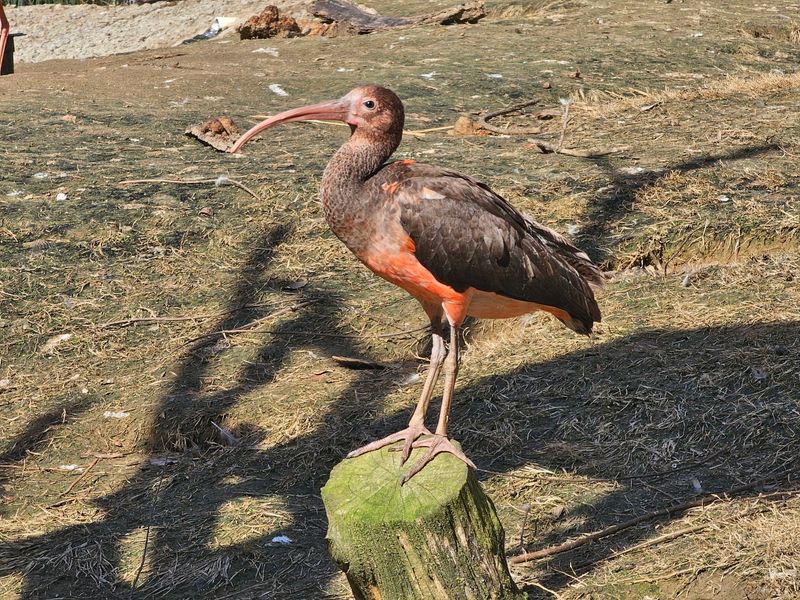
A little planning can turn a good bird day into a great one.
Sylvan Heights Bird Park sits in Scotland Neck, so many visitors drive in as a day trip from other parts of eastern North Carolina or southern Virginia.
The park has free parking, which makes arrival easy.
Since it is closed on Mondays and usually opens at 9 AM Tuesday through Sunday, check the current schedule before leaving home.
The official website is http://www.shwpark.com/.
Arrive early if you want cooler temperatures, lighter crowds, and better access to favorite areas like the Landing Zone.
Bring water, comfortable shoes, sunscreen, and a camera with enough storage.
If you plan to picnic, use the available tables and keep food away from bird areas.
Allow at least three hours, especially if you enjoy reading signs and watching behavior.
Weather can change the mood of the park, but many guests still enjoy visits on cloudy or lightly rainy days.
Call +1 252-826-3186 if you have questions about exhibits, group needs, or special conditions.
New features, including penguin-related plans mentioned by visitors, may add even more reasons to return.
Go prepared, move slowly, and let the birds set the rhythm.