A century-old sanctuary can be easy to overlook when it sits quietly among the streets of a Connecticut town. In Fairfield, the CT Audubon Birdcraft Museum and Sanctuary has been giving birds a protected place to rest and nest for generations, and fall migration brings an especially lively rhythm to its wooded paths.
At 314 Unquowa Rd, the sanctuary feels wonderfully removed from the surrounding neighborhood. Leaves rustle overhead, small birds flicker between branches, and the sounds of wings and forest life create a peaceful backdrop for a walk.
Established in 1913, Birdcraft is recognized as the nation’s oldest private songbird sanctuary, giving this modest patch of woods an extraordinary history. During migration, visiting birds add movement and color to the landscape, making even a quiet pause beside the trail feel rewarding.
There is plenty to notice here, from its historic roots to the birds moving through the sanctuary on their seasonal journey.
A Hidden Sanctuary With a Century-Old Heart
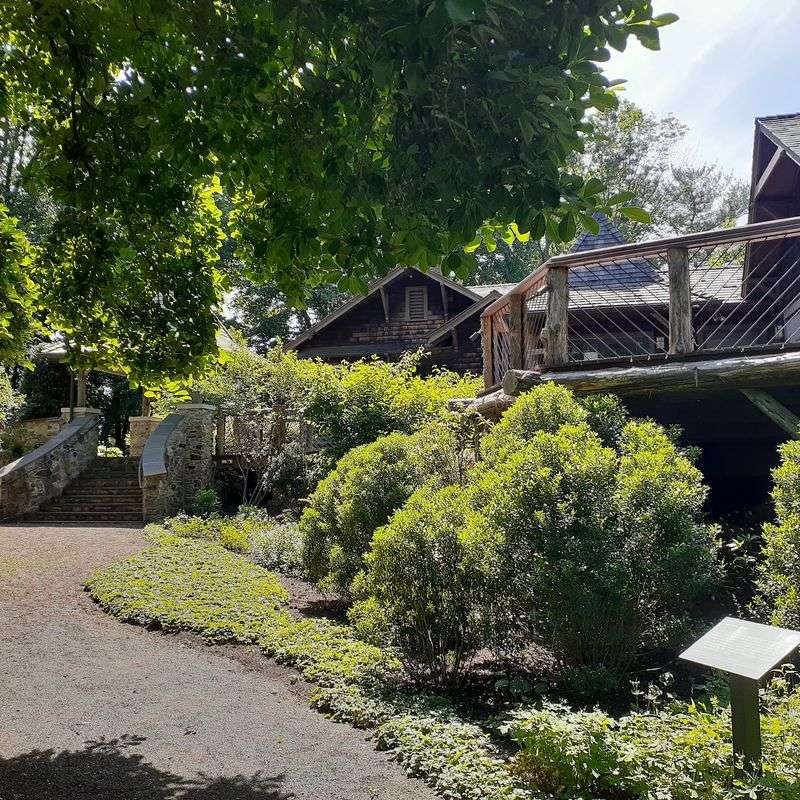
A hush falls quickly here, even with Fairfield moving close by. One minute you are near busy roads, and the next you are watching leaves tremble because a small bird has landed inside a shrub.
The CT Audubon Birdcraft Museum at 314 Unquowa Rd carries a rare legacy. Established in 1914, the sanctuary is often described as the nation’s oldest private songbird sanctuary, and it became a National Historic Landmark in 1993.
That history gives a short walk extra weight.
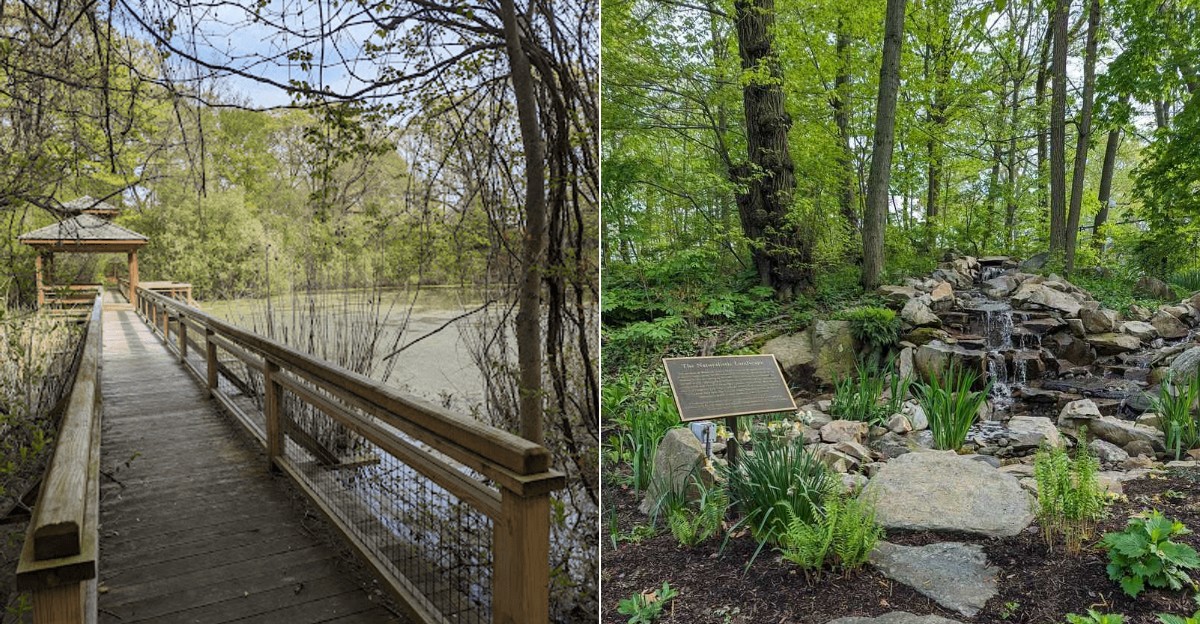
The grounds were planned to give birds food, cover, and safe resting space. Native plantings, thickets, a pond, and woodland edges all work together like a carefully set table for wildlife.
Come for the birds, but stay for the feeling of time slowing down. A visit helps you see how one small protected place can matter for generations, especially when migration fills the branches with movement.
Fall Migration Turns the Trees Into a Stage
Some mornings in fall feel almost electric, as if the trees are keeping a secret. A flash of yellow slips behind a leaf, then another bird flicks its tail near the path.
At CT Audubon Birdcraft Museum, fall migration can make the small sanctuary feel much larger than its five to six acres. Birds moving south need places to rest and refuel, and this Fairfield stop offers berries, insects, shelter, and water.
Early morning is often the sweetest time to visit. Bring binoculars, walk slowly, and pause near brushy edges where warblers, vireos, and sparrows may appear for only a few seconds.
The colors add their own drama. Maples and hardwoods glow overhead while tiny travelers pass through on journeys that stretch far beyond Connecticut.
Even if you are new to birding, the season gives you a reason to look closer.
Tiny Trails That Reward Slow Walkers
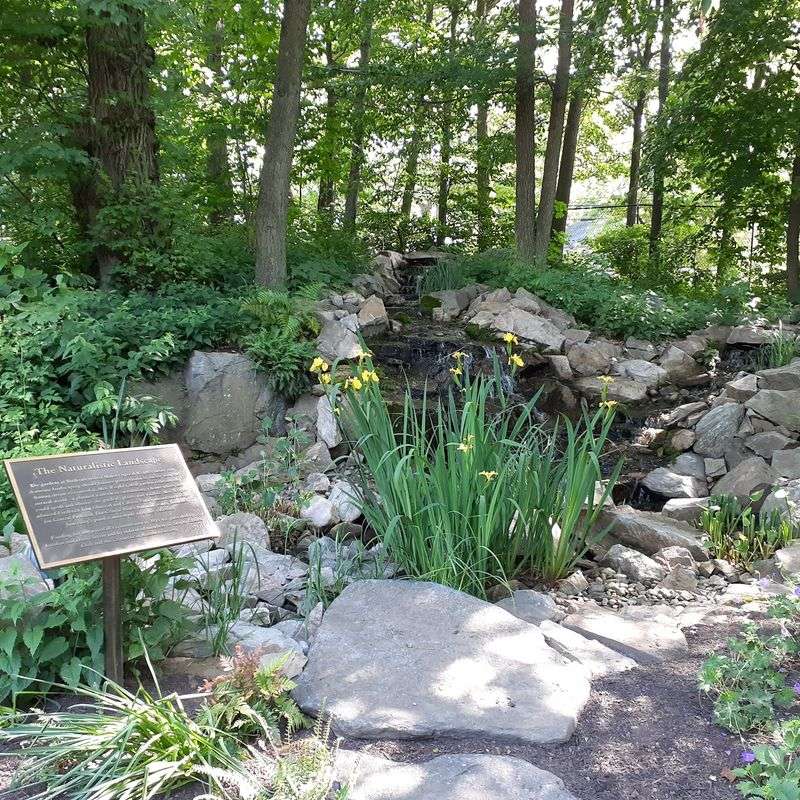
There is no need for hiking boots with heroic stories attached. The trails here are short, simple, and best enjoyed at a pace that lets chipmunks, birds, and leaf shadows catch your eye.
The sanctuary around CT Audubon Birdcraft Museum is compact, yet it feels layered. A path may pass through mixed hardwoods, then bend toward thickets where small birds hide, then open near the pond.
Visitors often mention that it is a lovely place for a quick stroll. That is part of its charm.
You can stop in for a peaceful break without planning a full day outdoors.
Because the area is near I-95 and downtown Fairfield, you may hear road noise at times. Still, the sight of a woodpecker tapping or a songbird hopping through branches has a way of pulling your attention back to the living world right in front of you.
The Pond and Boardwalk Offer a Quiet Pause
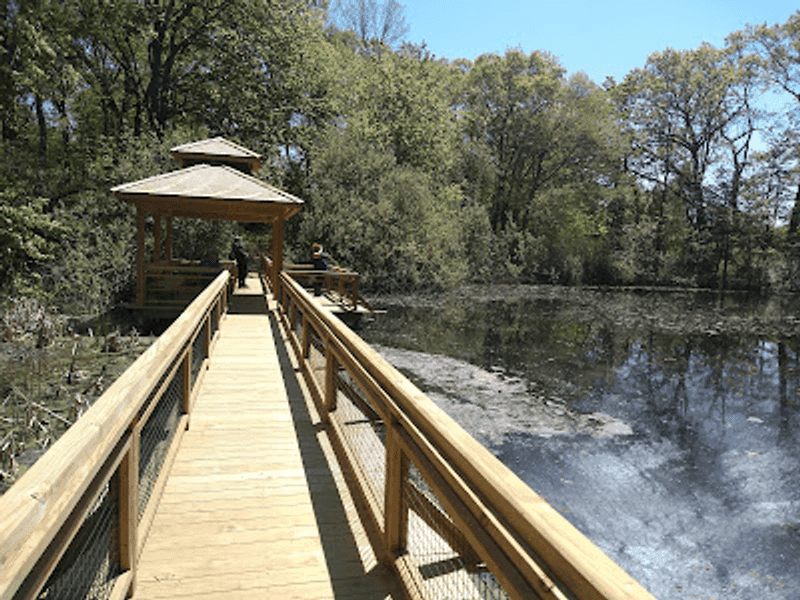
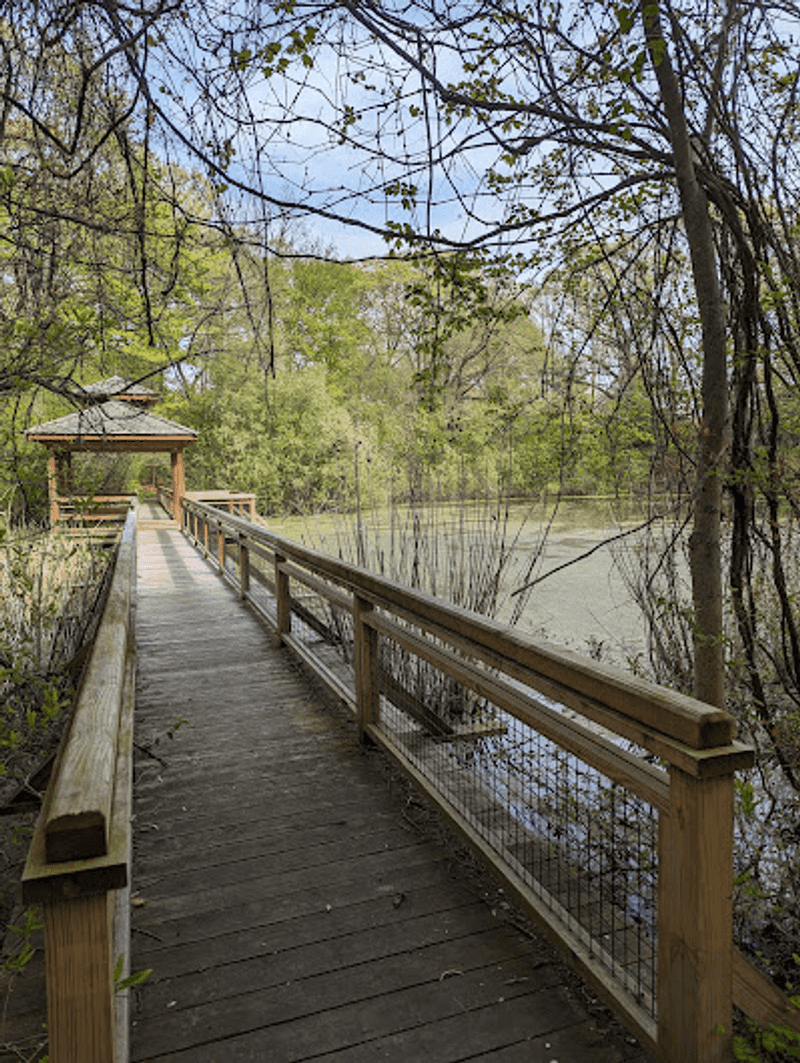
Water changes the mood of a place. At the pond, the sanctuary softens, and even a short visit can feel like a small reset.
The boardwalk at CT Audubon Birdcraft Museum gives visitors a different view from the woodland paths. Look across the shallow water for reflections, pond plants, and birds using the edges for cover.
You might also spot chipmunks darting near the ground.
This is a good place to stand still for a minute. Birds often reveal themselves when people stop moving, and the pond area gives you a natural reason to wait and watch.
Families can use the spot as a simple nature lesson. Ask kids what they hear, what moves, and what colors they notice in the leaves or water.
The reward is not a big overlook or a long hike. It is the calm surprise of noticing more than you expected.
Inside the Museum, Field Guides Come Alive
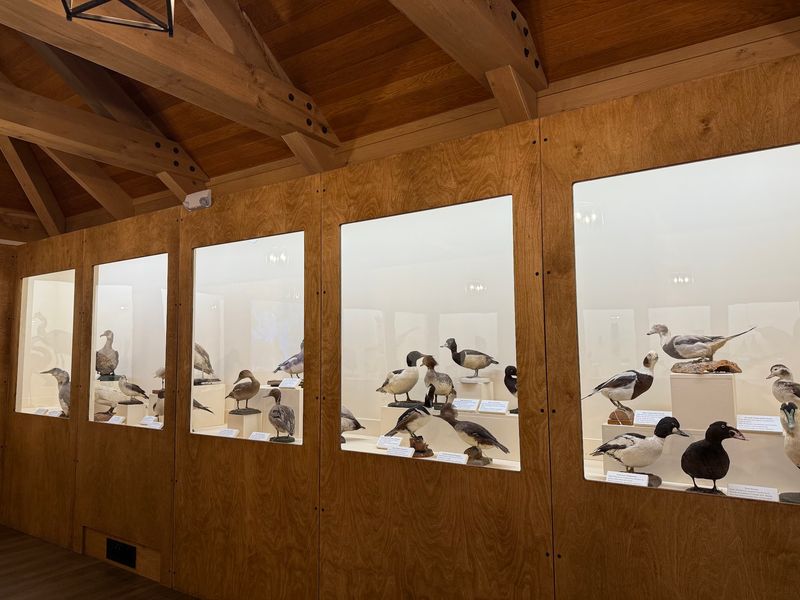
After watching a bird vanish into the leaves, the museum can feel like the answer key. Shapes, colors, habitats, and names begin to make more sense indoors.
The CT Audubon Birdcraft Museum is designed for learning about the birdlife and wildlife found around the sanctuary. Exhibits have included preserved animals, dioramas, and historic materials that connect visitors with Connecticut’s natural world.
One special part of the story is Mabel Osgood Wright’s hand-colored lantern slides. They remind visitors that nature education did not begin with phone apps.
People were teaching, sketching, observing, and sharing long before today’s birding tools.
Check current hours before you go, since museum access can vary. Recent listings show limited open days, often 10 AM to 3 PM on select days.
If it is open, pair the indoor exhibits with a trail walk for a richer visit that feels both old-fashioned and fresh.
Mabel Osgood Wright’s Vision Still Shapes the Place
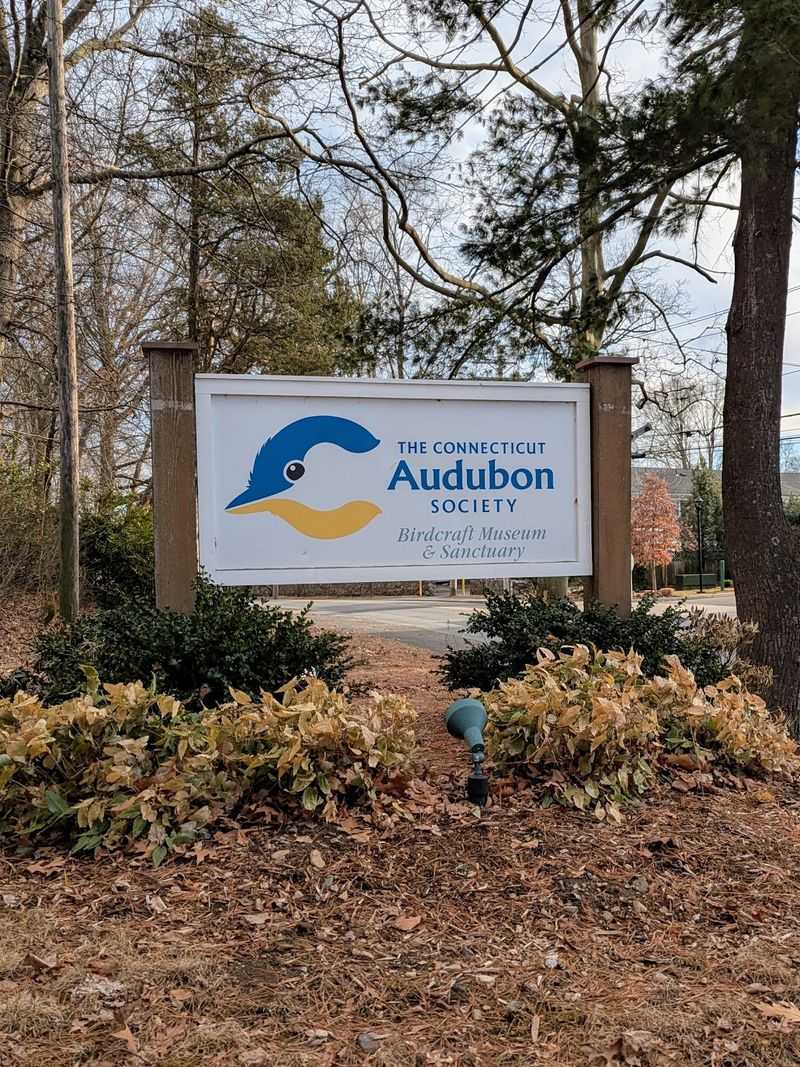
Every protected place begins with someone who notices what others overlook. For Birdcraft, that person was Mabel Osgood Wright, a writer, conservationist, and determined observer of birds.
Wright helped found the Connecticut Audubon Society in 1898 and later guided the creation of Birdcraft in 1914. Her idea was practical and forward-looking.
Give birds the right plants, safe cover, and a welcoming habitat, and people would learn by watching.
Walking the sanctuary today, you can still sense that careful plan. The thickets are not messy by accident.
The pond, trees, and plantings support birds in different ways through the year.
Her legacy gives the visit a human heartbeat. It is not only about rare sightings or pretty leaves.
It is about a woman who believed everyday people could care more deeply for nature if they had a place to see it close up.
A Surprising Rest Stop Near Busy Fairfield
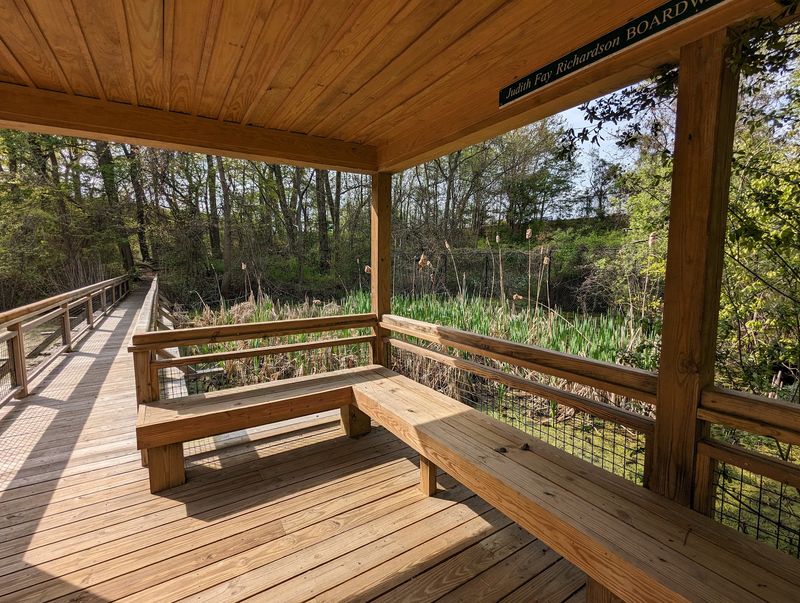
The surprise is part of the pleasure. So close to traffic and town life, you do not expect a pocket of woods where birds stitch the air between branches.
CT Audubon Birdcraft Museum sits at 314 Unquowa Rd in Fairfield, making it easy to reach for locals, road trippers, and anyone exploring the Connecticut coast. Some visitors note nearby highway noise, but many still describe the grounds as peaceful and refreshing.
That contrast makes the sanctuary useful in a very modern way. It is a place to pause, breathe, and look at something alive before heading back into errands, trains, traffic, or a longer drive.
Call ahead or check the official website before planning around the museum building, since hours can change. The sanctuary experience, when available, is simple but memorable.
A short loop, a pond, birds, and a few quiet minutes can feel surprisingly generous in the middle of a busy day.
Conservation Work Keeps the Magic Returning
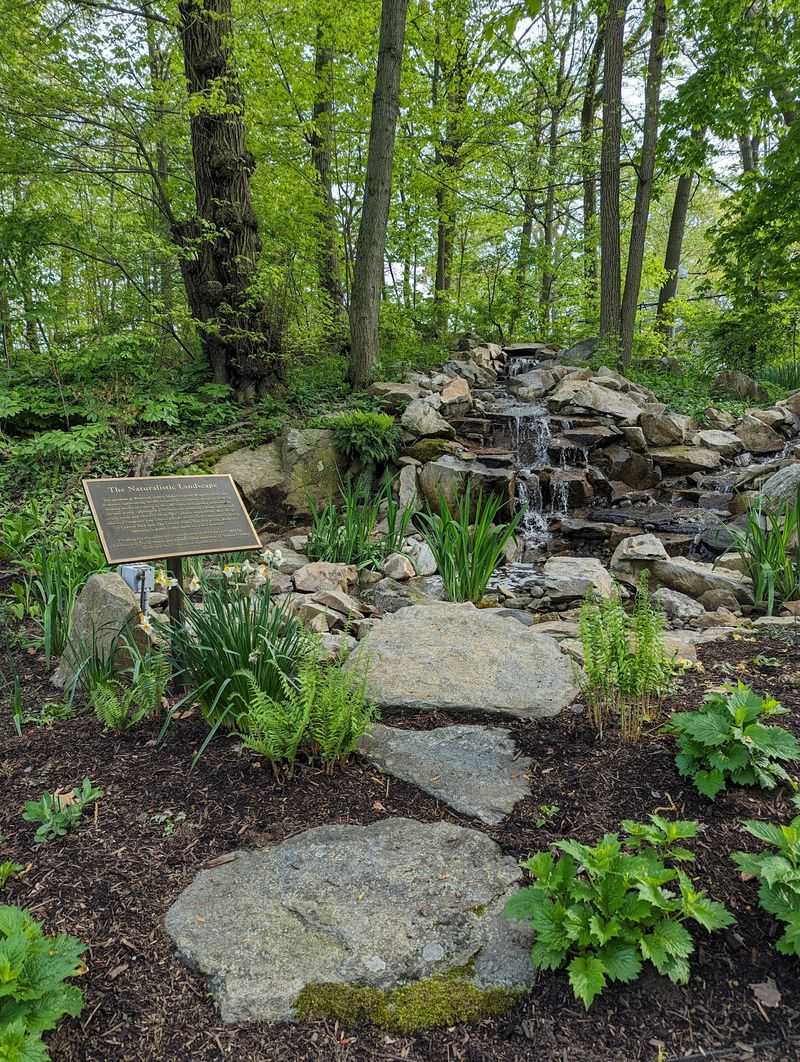
The magic here is not accidental. Behind the birdsong are years of care, planning, planting, trimming, studying, and protecting a small space that many migrating birds depend on.
The Connecticut Audubon Society uses Birdcraft for education, conservation, and science-based work. Habitat improvement can include encouraging native plants, managing woodland areas, and removing invasive species that crowd out better food sources for birds.
For visitors, that work shows up in quiet ways. A berrying shrub may feed a thrush.
A brushy edge may hide a sparrow. A healthier forest floor may support insects that fuel tiny migrants on long flights.
Choosing to visit, donate, attend a program, or simply share the sanctuary’s story supports a larger mission. Birdcraft proves that conservation does not always need vast wilderness.
Sometimes it begins on a few protected acres in Fairfield, where each fall, wings return and the old promise is renewed.