Texas sits right in the path of one of the busiest bird migrations in North America, and it shows.
Refuges along the coast fill with thousands of migrating songbirds each spring, turning quiet marshes into a nonstop show.
Further inland, canyons and lakeshores shelter species you won’t spot just anywhere else in the country.
Some of these sanctuaries protect birds that were once on the brink, giving them a real shot at recovery.
Each stop on this list offers its own kind of surprise, whether it’s a rare warbler or a bald eagle overhead.
Once you start birding in Texas, it’s easy to see why so many visitors keep coming back for more.
1. High Island, High Island, Galveston County
Spring mornings can feel almost magical here, especially after a Gulf storm drops tired migrants into the trees. High Island is famous because tiny warblers, tanagers, vireos, and orioles often rest in the woods after crossing open water. The Houston Audubon sanctuaries, including Boy Scout Woods and Smith Oaks, are the main stops for visitors.
Boardwalks and shaded trails make birding easier, but patience still matters. Stand quietly near fruiting trees, water drips, or blooming plants, and movement may suddenly appear above your head. During peak migration, the same branch can hold several bright species within minutes.
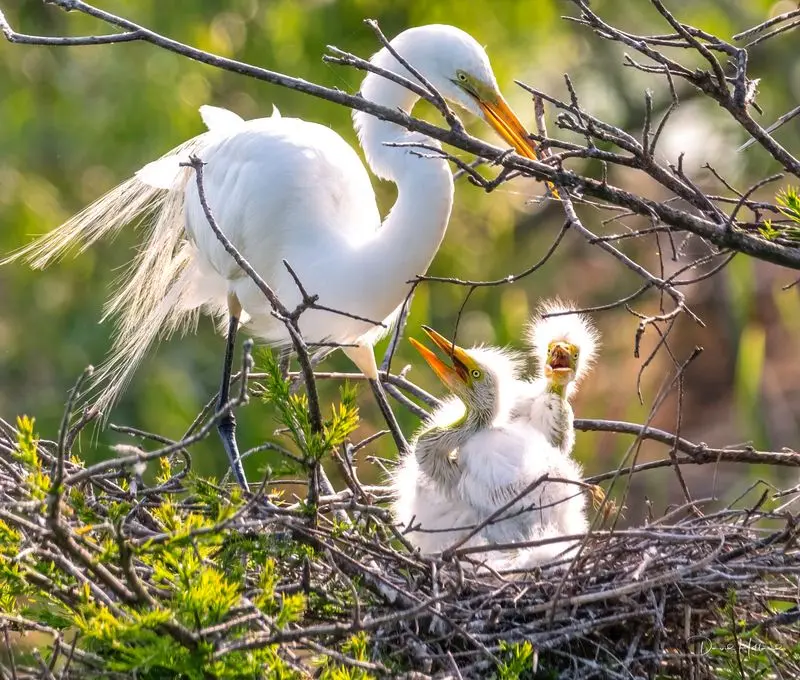
Smith Oaks also has a rookery where spoonbills, egrets, herons, and cormorants crowd the islands during nesting season. Bring insect spray, water, and a field guide, because the mix of birds changes fast. Weekdays are calmer, while April weekends can be busy with excited birders.
Unexpected encounters are part of the fun, from a painted bunting near the trail to an alligator below the viewing platform. For the best visit, check migration reports before going, arrive early, and listen for calls before you search with your eyes.
2. Aransas National Wildlife Refuge, Austwell, Aransas County
A winter visit can feel like stepping into a quiet wildlife documentary, with marsh grass moving and wings flashing over the bay. Aransas National Wildlife Refuge is best known as the winter home of the endangered whooping crane. Seeing one of these tall white birds, with black wing tips and a red crown, is a memory many travelers never forget.
The refuge covers coastal prairie, oak woodland, tidal flats, and wetlands, so the wildlife list goes far beyond cranes. Visitors may spot white-tailed deer, javelinas, armadillos, alligators, roseate spoonbills, and many ducks. The auto tour loop is helpful for families because you can stop at overlooks without hiking far.
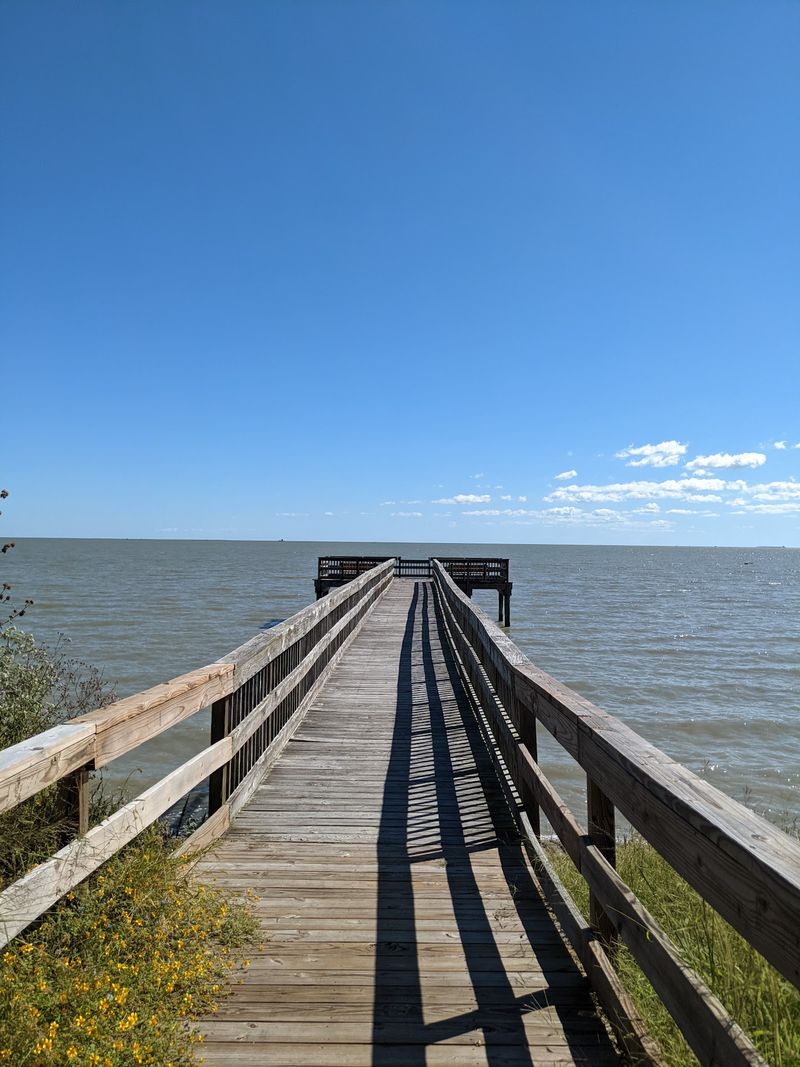
For a closer view, climb the observation tower or walk short trails like the Heron Flats Trail. Bring a spotting scope if you have one, since cranes may feed far across the marsh. Boat tours from nearby coastal towns can also give great views from the water.
Cool months are the star season, especially November through March. Move slowly, keep voices low, and never approach wildlife. The refuge rewards careful watchers with small surprises, from hawks perched on posts to crabs moving through muddy edges.
3. Laguna Atascosa National Wildlife Refuge, Los Fresnos, Cameron County
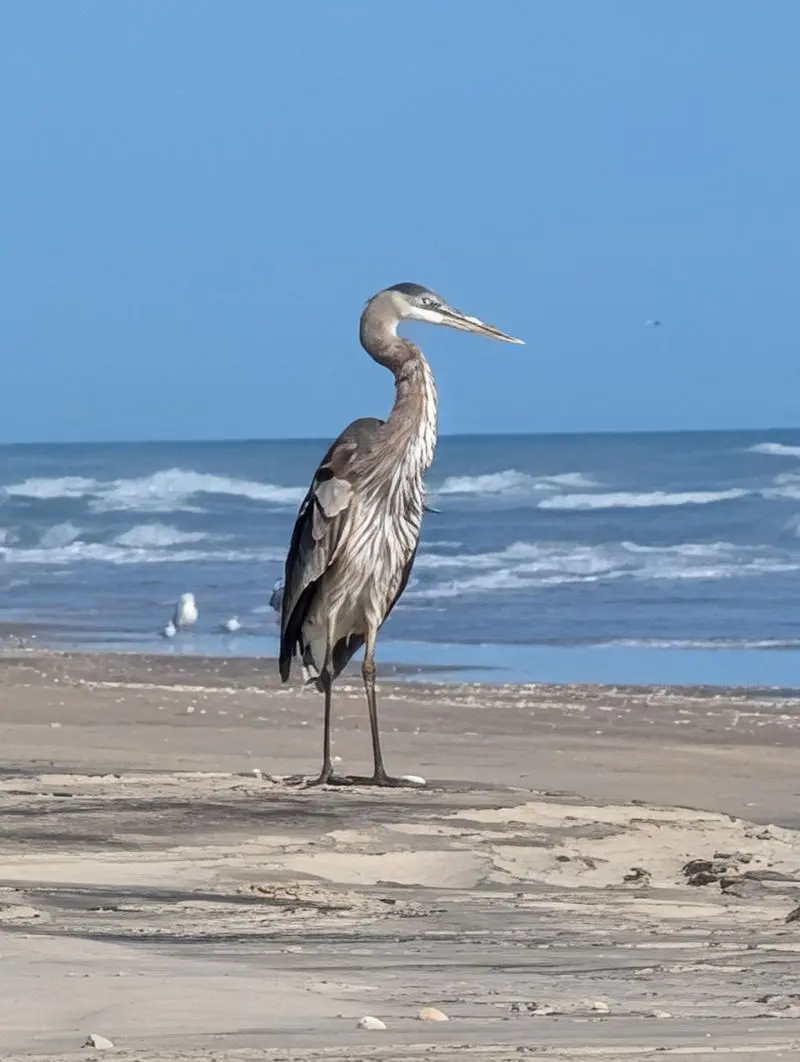
Bright green jays can make even a short stop feel like a tropical surprise. Laguna Atascosa National Wildlife Refuge sits near the lower Texas coast, where thornscrub, wetlands, and open flats meet. That mix brings birds you may not see in many other parts of the United States.
Look for great kiskadees, Altamira orioles, plain chachalacas, long-billed thrashers, and many kinds of shorebirds and raptors. The refuge is also important for ocelots, though visitors are very unlikely to see one. Knowing they live nearby adds a special sense of mystery to the trails and roads.
Start at the visitor center area, where feeders and native plants often attract colorful birds. Drive slowly on open refuge roads, stopping at safe pullouts to scan fence lines, ponds, and sky. Bicycling is popular, but sun and wind can be strong, so carry more water than you think you need.
Winter and spring are especially rewarding, with migrants joining local South Texas species. Mosquitoes can be active after rains, and some roads may close for habitat protection. Check current access before visiting, then give yourself time to enjoy the unexpected chorus of calls.
4. Sabine Woods, Sabine Pass, Jefferson County
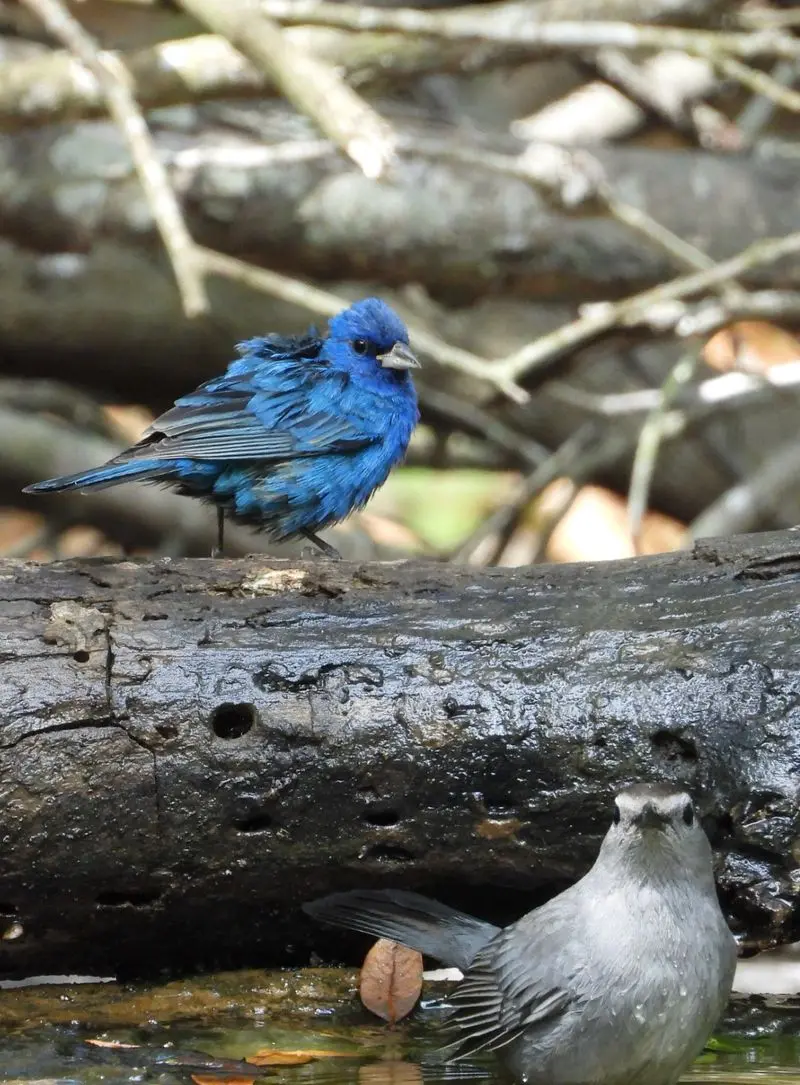
After miles of open coastal land, a patch of trees can look small, but birds see it as a lifesaving rest stop. Sabine Woods is a beloved migrant trap near Sabine Pass, managed by the Texas Ornithological Society. During spring migration, songbirds that have crossed the Gulf often drop into the oaks, mulberries, and shrubs to feed.
The setting is simple, which is part of its charm. Trails wind through woods, water features attract thirsty birds, and benches give patient watchers a place to pause. Warblers, grosbeaks, cuckoos, flycatchers, and buntings can appear suddenly, especially after weather slows migration.
Visitors should bring cash or check for entry, depending on current rules, plus water, snacks, and insect repellent. Waterproof shoes can help after rain, and a lightweight chair is useful during busy migration days. Because the site is compact, quiet behavior makes a big difference for both birds and people.
Nearby marshes and coastal roads can add shorebirds, rails, gulls, and terns to your day. A fun strategy is to visit early, take a lunch break, then return in late afternoon. Fresh arrivals may turn an ordinary tree into a burst of color.
5. Balcones Canyonlands National Wildlife Refuge, Marble Falls, Burnet County
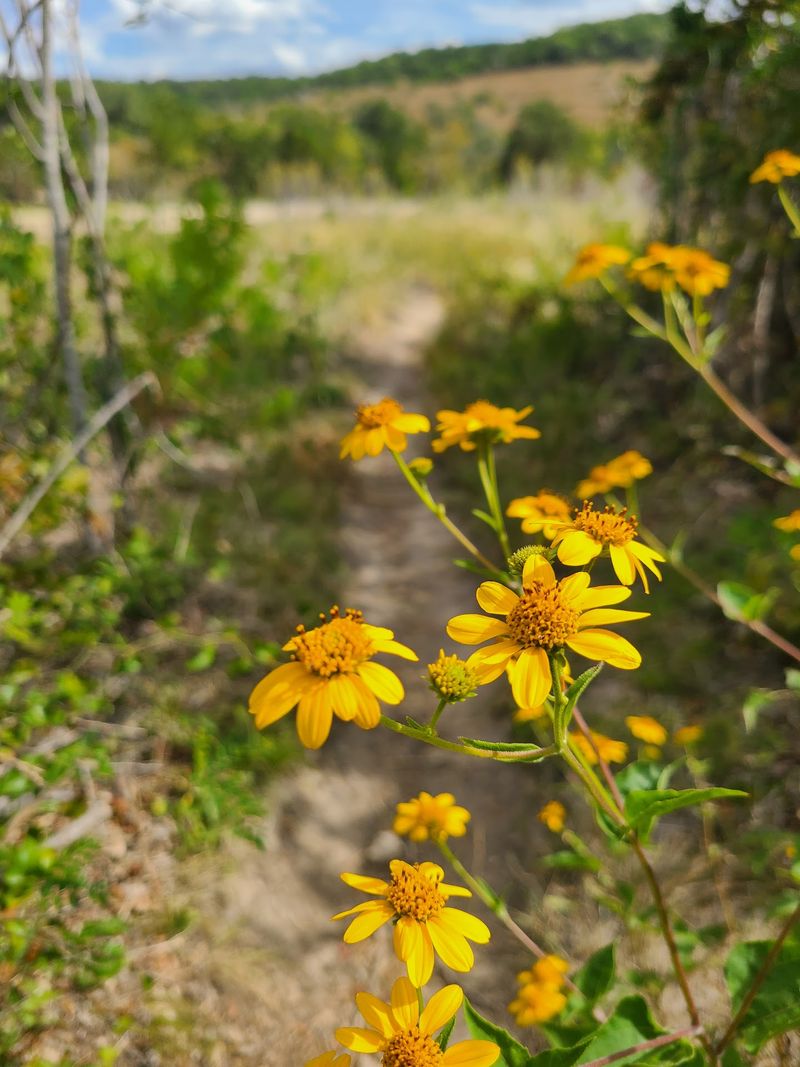
Hill Country birding has a different rhythm, with rocky trails, cedar scent, and songs drifting from hidden branches. Balcones Canyonlands National Wildlife Refuge protects rugged habitat northwest of Austin, including canyons, grasslands, and oak-juniper woods. Two rare songbirds make this place especially important: the golden-cheeked warbler and the black-capped vireo.
The golden-cheeked warbler nests only in Central Texas, using strips of old Ashe juniper bark to build its nest. That small fact makes every careful glimpse feel special. Spring is the best time to listen for males singing from the trees, though leaves can make them tricky to spot.
Public trails such as Warbler Vista and Doeskin Ranch offer different views of the refuge. Some paths are easy, while others climb or cross uneven ground, so wear sturdy shoes. Carry water, a hat, and sunscreen, because shade can be limited in open areas.
Wildlife surprises may include foxes, lizards, butterflies, vultures, and hawks floating over the ridges. Arrive early for cooler air and more bird activity. Stay on marked trails, since protected nesting areas are sensitive and the refuge exists to keep these rare species safe.
6. Brazos Bend State Park, Needville, Fort Bend County
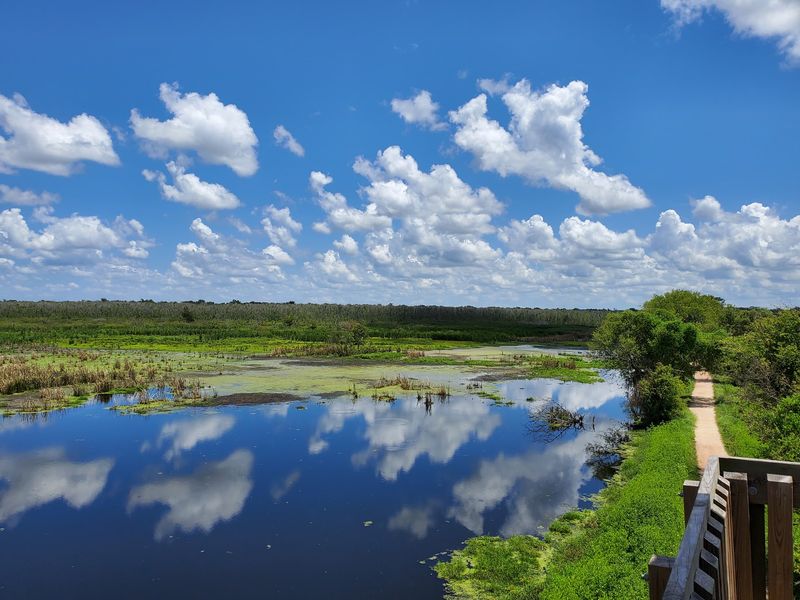
Few birding walks come with a reminder to watch both the trees and the trail edge. Brazos Bend State Park is famous for alligators, but its lakes, sloughs, woods, and prairies also make it a rich birding destination. Visitors often see herons, egrets, ibises, hawks, woodpeckers, and wintering waterfowl.
The 40 Acre Lake and Elm Lake trails are great places to start. Boardwalks and open banks give clear views across the water, while nearby trees hold songbirds and nesting birds in season. Alligators may rest close to paths, so keep distance, never feed them, and follow every posted rule.
This park works well for mixed groups because some people can bird while others enjoy hiking, biking, photography, or the nature center. The George Observatory area also makes the park popular for night sky programs on select dates. For wildlife, mornings usually bring cooler temperatures and more movement.
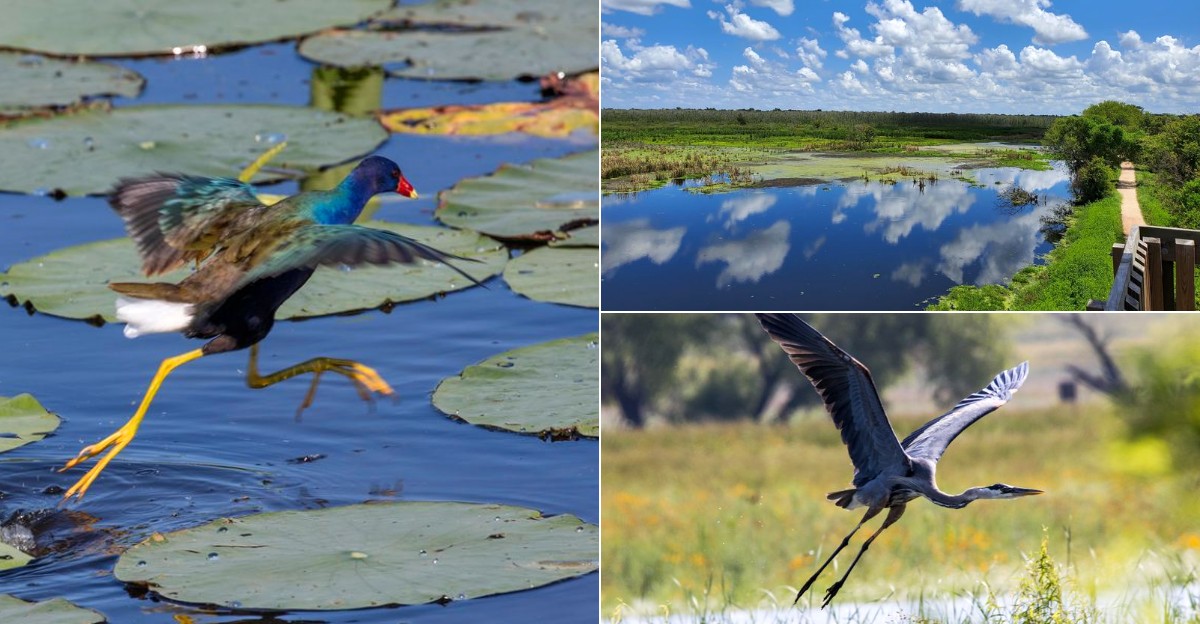
Bring binoculars, but also bring common sense. Stay aware of children and pets, especially near water. Unexpected moments happen often here, from a barred owl calling in the woods to a purple gallinule stepping across lily pads like a tiny acrobat.
7. Estero Llano Grande State Park, Weslaco, Hidalgo County
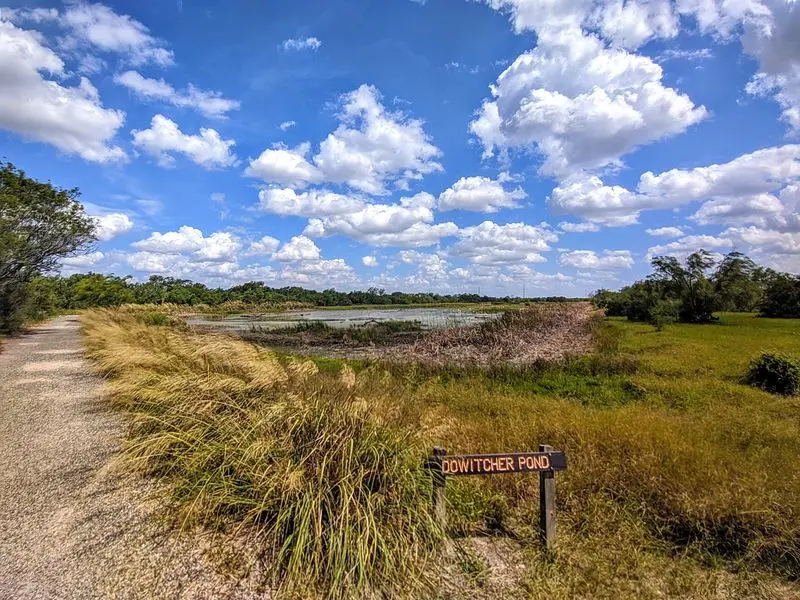
A tiny splash beside a pond might be your first clue that something special is nearby. Estero Llano Grande State Park is one of the top birding stops in the Rio Grande Valley, yet it feels friendly and easy to explore. Wetlands, thorn forest, ponds, and old agricultural fields create a busy mix of habitats.
Green kingfishers, common pauraques, buff-bellied hummingbirds, groove-billed anis, and plain chachalacas are among the exciting possibilities. Winter can bring many ducks and shorebirds, while migration adds fresh color and sound. Bird blinds and boardwalks help visitors watch without disturbing wildlife.
The visitor center is a smart first stop because staff and volunteers often know what has been seen that day. Ask about the pauraque roost if you hope to find this leaf-colored nightjar resting on the ground. Move slowly on shaded trails, since many birds hide in thick brush.
Families can enjoy the park because trails are manageable and sightings may happen close by. Still, South Texas heat builds quickly, so bring water and wear a hat. A visit here can feel like a treasure hunt, with dragonflies, turtles, butterflies, and surprising birds appearing in small, memorable scenes.
8. Hazel Bazemore Park, Corpus Christi, Nueces County
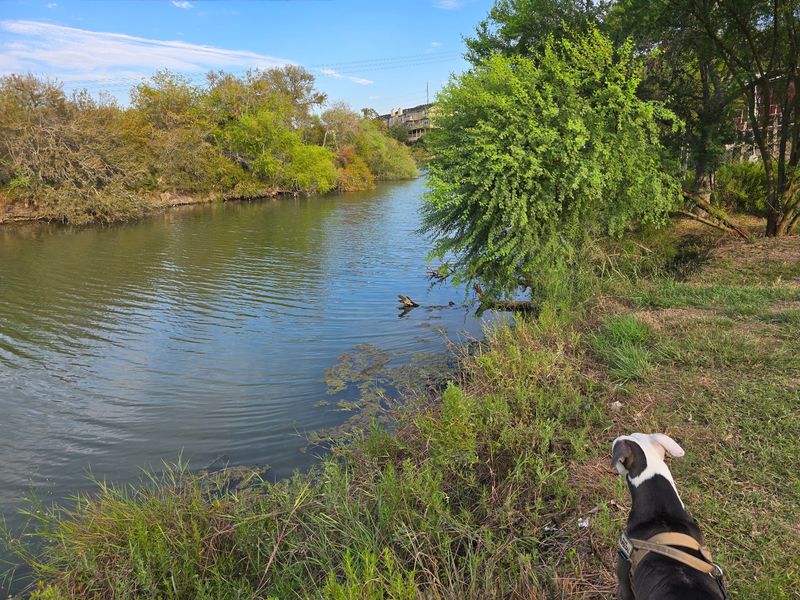
Some places ask you to look into bushes, but this one tells you to look up. Hazel Bazemore Park in Corpus Christi is famous for fall hawk migration, when large numbers of raptors pass overhead. Broad-winged hawks can form swirling groups called kettles, rising on warm air before gliding south.
The park sits along the Nueces River, so it also offers woodland birds, waterbirds, and peaceful walking areas. During peak migration, volunteers and birders gather at the hawk watch platform to count passing birds. Even beginners can learn quickly because experienced watchers often point out shapes, flight styles, and directions.
September is the big season, though timing changes with weather. Bring a hat, sunscreen, water, and patience, because hawks may come in waves with quiet gaps between them. A pair of binoculars helps, but many large flights can be seen with the naked eye.
Unexpected wildlife may include deer, butterflies, flycatchers, and songbirds moving through the river corridor. Children often enjoy the drama of scanning the sky and shouting when a kettle appears. For the best experience, check local hawk watch updates, arrive before midday, and be ready for a sky full of wings.
9. Caddo Lake, Karnack, Harrison County
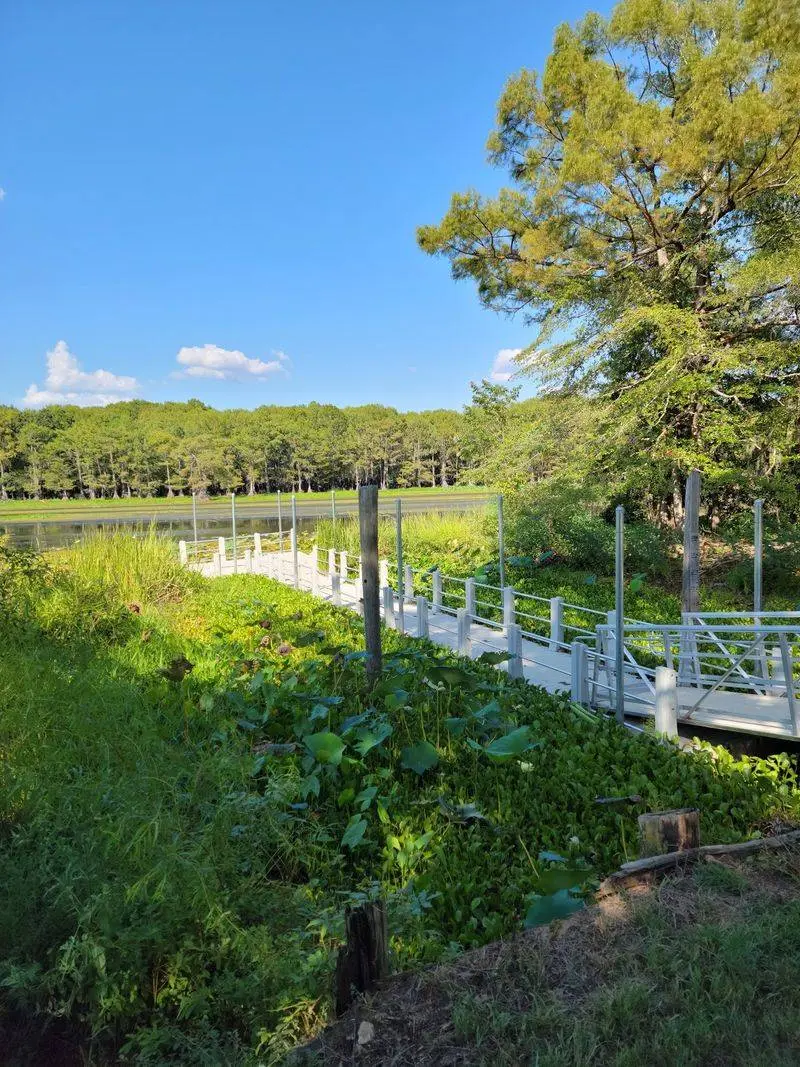
Mist, cypress knees, and hanging Spanish moss make this lake feel older than the map around it. Caddo Lake, near Karnack, is a maze of bayous, sloughs, ponds, and flooded forest along the Texas-Louisiana border. Birding here feels adventurous because many sightings happen from the water.
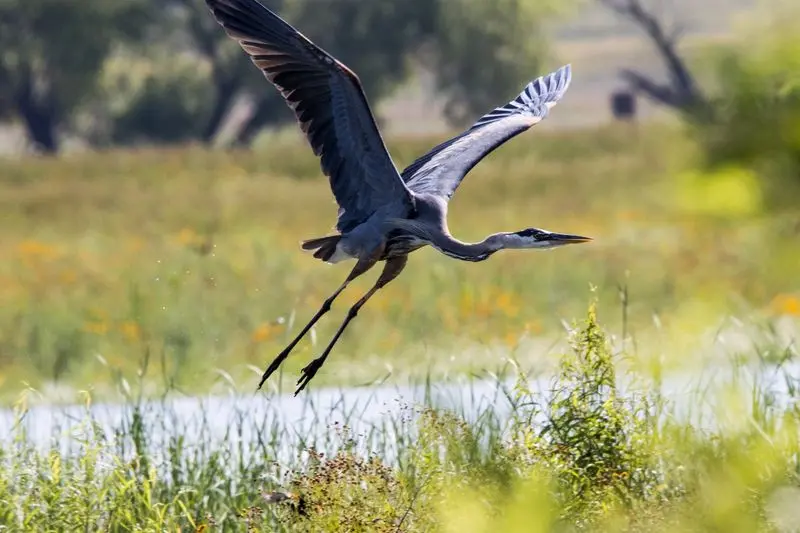
Great blue herons, egrets, wood ducks, barred owls, pileated woodpeckers, and prothonotary warblers all fit this swampy world. In warmer months, the bright yellow warbler often sings from wooded edges near water. Winter can bring ducks and quiet views through leafless trees.
A guided boat tour or kayak trip can help first-time visitors understand the channels. The water can be confusing, so do not paddle far without a map, GPS, or local knowledge. Move slowly near wildlife, and keep a respectful distance from nesting birds and alligators.
Caddo Lake State Park offers trails, cabins, and access points, making it a useful base. Early morning is beautiful for photos, while late afternoon can bring soft light and calling owls. Expect the unexpected here, because a still patch of water may suddenly ripple with fish, turtles, or a heron lifting off.
10. Hagerman National Wildlife Refuge, Sherman, Grayson County
A field full of white geese can look like snow until the whole flock lifts and fills the air with sound. Hagerman National Wildlife Refuge sits on the Big Mineral Arm of Lake Texoma, north of Sherman. Its wetlands, croplands, grasslands, and lakeshore attract large numbers of birds through the year.
Winter is especially lively, with snow geese, Ross’s geese, Canada geese, ducks, bald eagles, and sparrows. In warmer seasons, visitors may find painted buntings, scissor-tailed flycatchers, herons, and shorebirds. The refuge farms some fields to provide food for wildlife, which helps explain the impressive goose gatherings.
Wildlife Drive is a convenient route for slow birding from a vehicle. Pull over only where safe, scan ponds and fields, and use a spotting scope for distant flocks. Several trails give closer looks at prairie plants, woodland edges, and wetland corners.
The visitor center and Friends of Hagerman programs are helpful for families and new birders. Check hunting closures and road conditions before your trip, since access can change. Unexpected encounters might include bobcats, coyotes, turtles, or a sudden eagle passing low over the water, sending ducks into a noisy burst of motion.
11. Anahuac National Wildlife Refuge, Anahuac, Chambers County
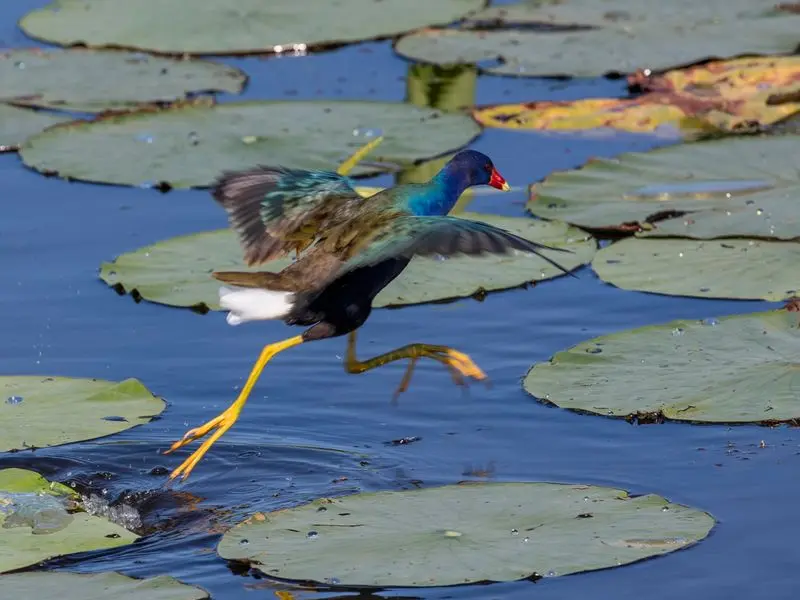
Marshes can seem quiet at first, then a rail calls from the grass and the whole place feels alive. Anahuac National Wildlife Refuge protects coastal wetlands, prairies, ponds, and bay edges east of Houston. It is a favorite stop for birders who enjoy both easy viewing and sudden surprises.
The Shoveler Pond Auto-Tour Loop is a practical starting point. From your car or short stops, you can look for ducks, herons, egrets, ibises, rails, moorhens, and purple gallinules. Alligators are common, and they often rest near water or slide silently through channels.
Spring migration can bring songbirds to nearby wooded areas, while winter fills the refuge with waterfowl. Late spring and summer are good for colorful marsh birds, but heat and insects can be intense. Bring water, sunscreen, mosquito repellent, and binoculars you can grab quickly.
Nearby Skillern Tract offers trails and boardwalk views, adding variety to a visit. Roads may close after heavy rain or storms, so check refuge updates before leaving home. The best plan is simple: drive slowly, stop often, listen closely, and let the marsh reveal hidden birds one patch of reeds at a time.