Michigan’s Upper Peninsula hides a wild kind of wonder that most visitors never expect to find.
A sprawling ranch here has become a sanctuary for black bears that couldn’t survive anywhere else.
Walking paths let visitors get closer to these massive animals than almost anywhere else in the country.
Many of the bears were rescued from situations that left them with nowhere else to go, making every visit feel meaningful.
The scale of the operation is hard to grasp until you’re standing there watching dozens of bears roam freely.
This remote corner of Michigan turns out to be home to one of the most unforgettable animal encounters in the state.
A Big U.P. Stop Built Around Rescued Bears
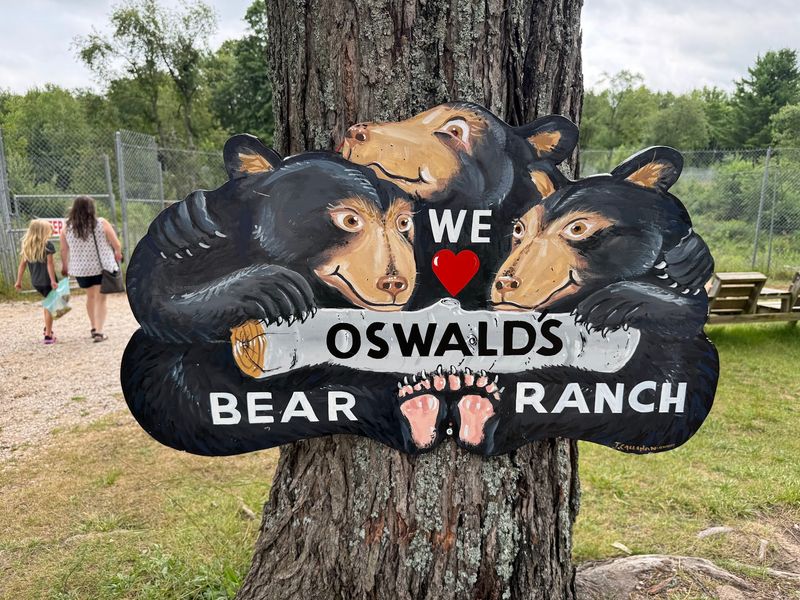
Deep in the wooded Upper Peninsula, bear watching feels less like a quick roadside stop and more like stepping into a forest classroom. Oswald’s Bear Ranch, located at 13814 Co Rd 407, Newberry, MI 49868, is known as America’s largest bear ranch and focuses on giving rescued black bears a permanent home. The setting matters because many of these animals cannot safely return to the wild.
Visitors see more than two dozen bears living in large enclosed habitats, not small display cages. Raised viewing platforms and walking paths help guests watch the bears eat, nap, climb, swim, or wander without crowding them. That safer distance is good for people and better for the animals.
For a first visit, plan enough time to slow down and observe small details. A bear resting in the shade can be just as interesting as one chasing another bear across the grass. Bring curiosity, comfortable shoes, and respect for the rules, because the ranch works best when guests remember they are visiting rescued wildlife, not pets.
Dozens Of Black Bears With Different Stories
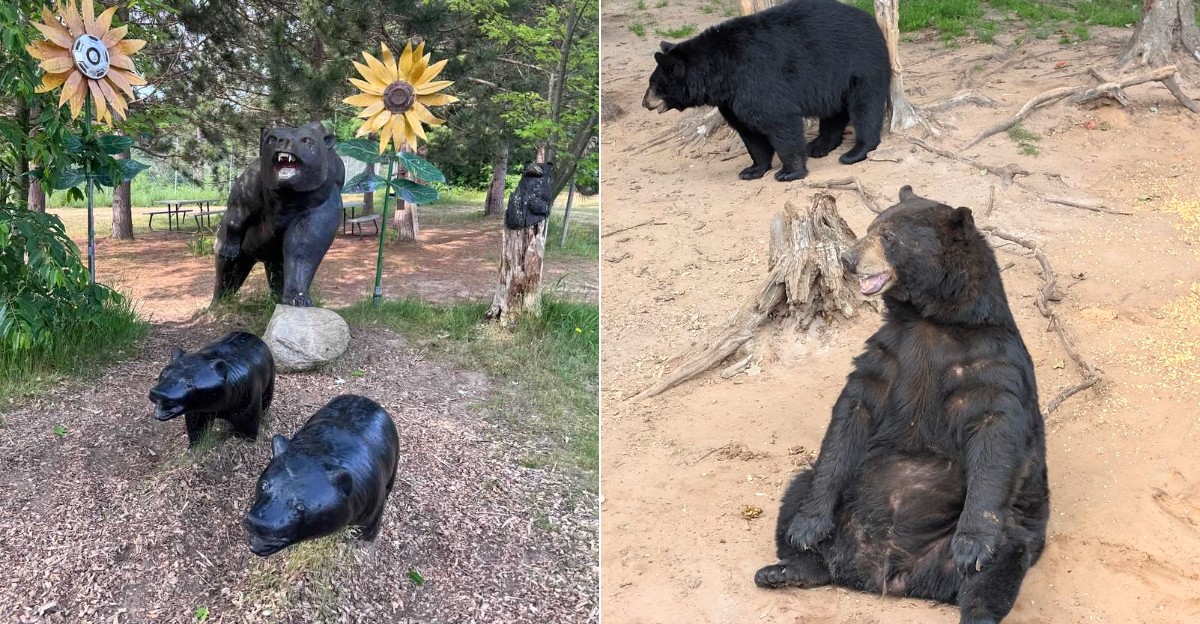
Some bears lumber slowly like sleepy old neighbors, while younger ones tumble around as if the whole habitat is their playground. That mix of ages is part of what makes the ranch so memorable. Guests may see yearlings, adult males, adult females, and even senior bears that have lived long lives under careful care.
Every rescued bear has a reason for being there, though visitors may not know each full story. Some bears lose fear of people after human food, trash, or unsafe contact changes their behavior. Others need a protected home because release would not give them a fair chance.
Watching many bears together also teaches visitors that black bears are not all exactly alike. They can have different sizes, habits, moods, and even color shades. One may sit politely for apple slices, while another ignores the crowd and searches for a quiet spot.
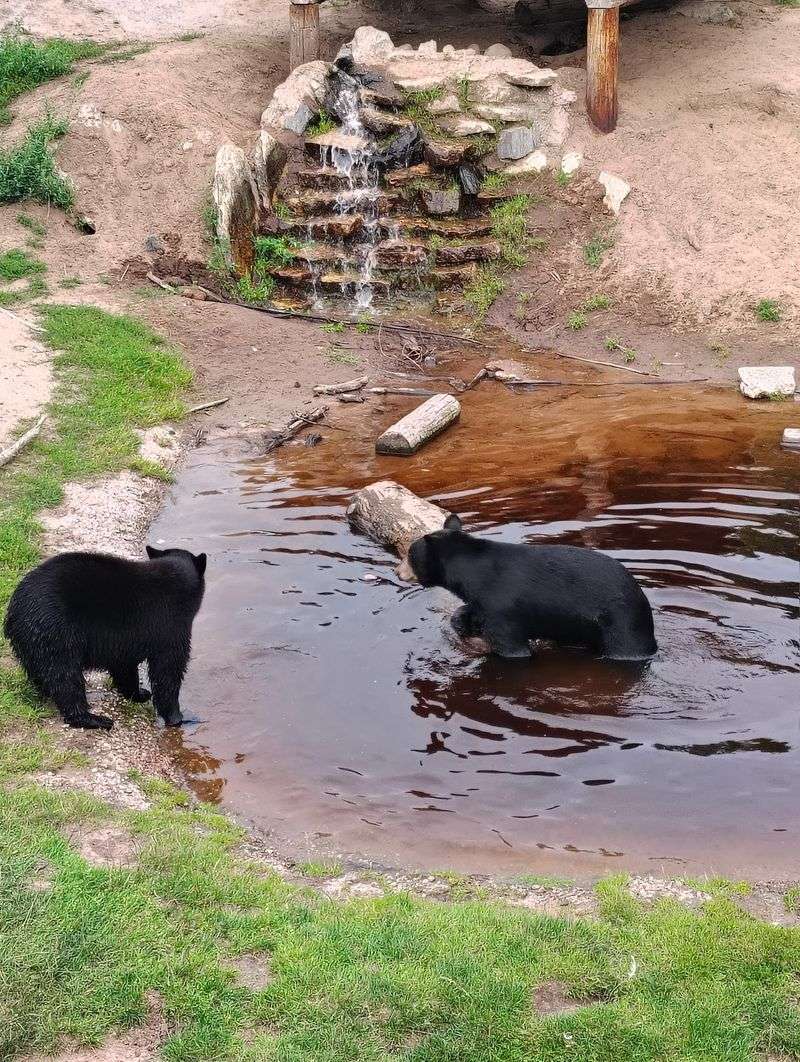
The best advice is to watch with patience instead of rushing from pen to pen. Small actions, like a bear balancing food on its paw or cooling off in water, can become the story your family remembers later.
Large Habitats Made For Watching Natural Behavior
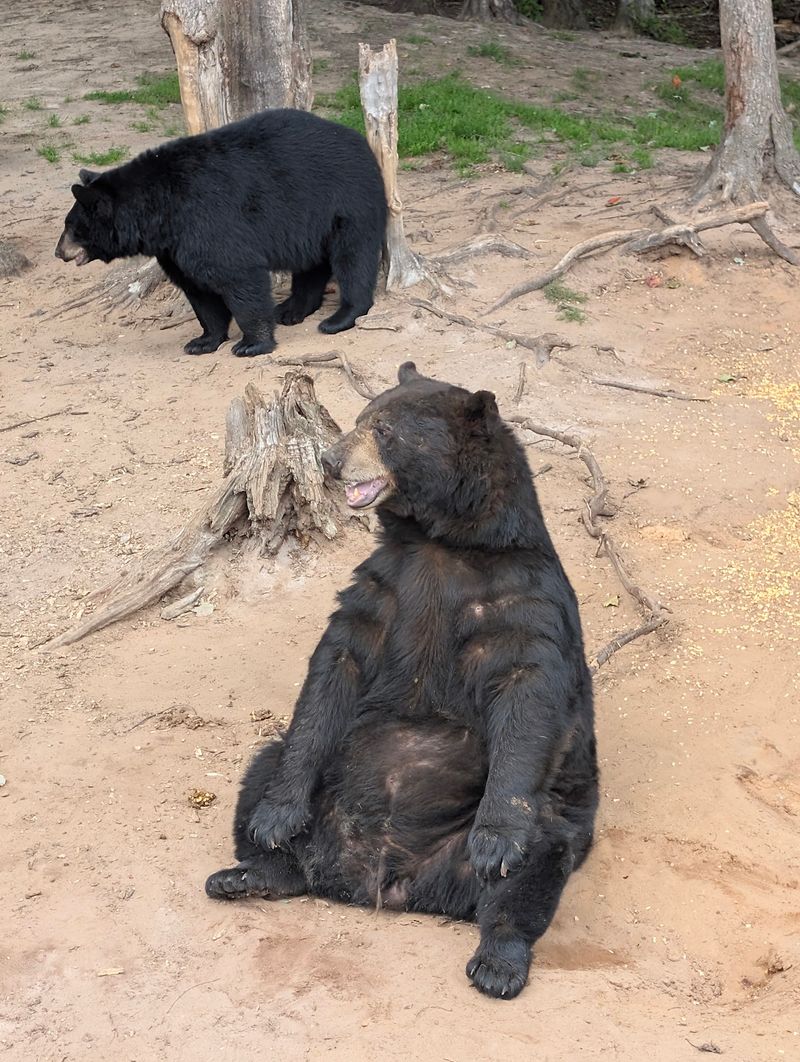
A quiet bear stretched under trees can tell you a lot about good habitat design. At the ranch, the bears live in large outdoor areas with woods, open spaces, pools, and room to move. Those features help visitors see behaviors that feel closer to everyday bear life.
The viewing setup is simple, but it works well. Guests follow paths around separate habitats and stop at observation decks for better views. Different areas may hold males, females, yearlings, or younger bears, which helps staff manage care and safety.
Natural spaces also mean bears are not always standing in plain sight. Sometimes they nap behind brush, wander into shade, or choose a spot far from the fence. That is a good reminder that wildlife experiences are not meant to run like a stage show.
For better photos, move slowly, keep your voice calm, and wait for the bears to come into view on their own. A zoom lens or phone camera with patience can help. If mosquitoes are active, bug spray will make the walk much more enjoyable, especially near wooded sections.
Apple Feeding Adds A Fun Learning Moment
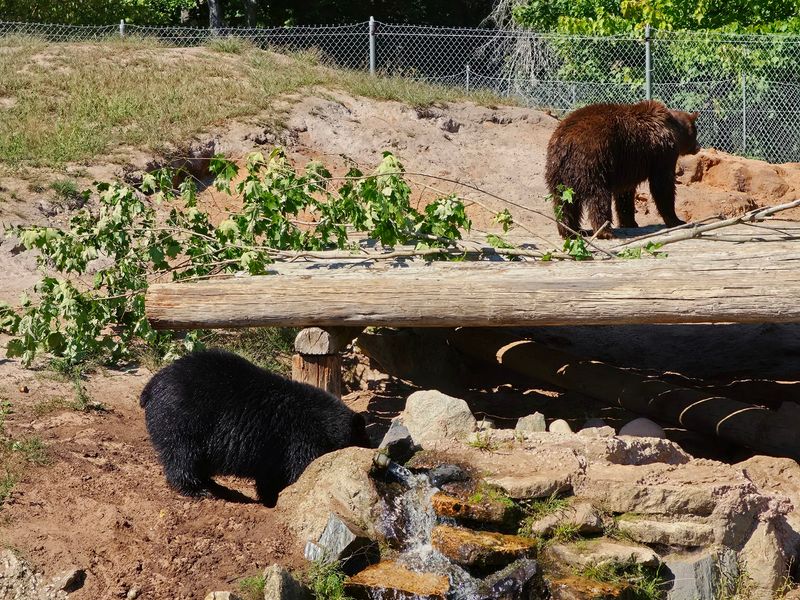
An apple slice can turn a quiet visit into a funny memory, especially when a bear uses its paw like a tiny plate. Many guests enjoy buying approved apple bags and tossing slices to bears in allowed areas. The activity is popular because it lets people feel involved while still keeping a safe barrier between humans and animals.
Feeding rules are important here. Outside food is not allowed, and that protects the bears from snacks that could harm their health. Apples are simple, familiar treats, but they should still be given only as the staff allows.
Families can use this moment to talk about why wild bears should never be fed at campsites, cabins, or roadsides. When bears connect people with food, they can become unsafe around homes and towns. Rescue facilities often care for animals affected by human mistakes, so the lesson is easy to understand.
Bring a little cash if you want apples, since prices and payment choices can vary by spot on the property. Feed calmly, share turns with children, and remember that a bear may lose interest if many visitors have already offered treats.
Bear Cubs Bring Smiles And Big Questions
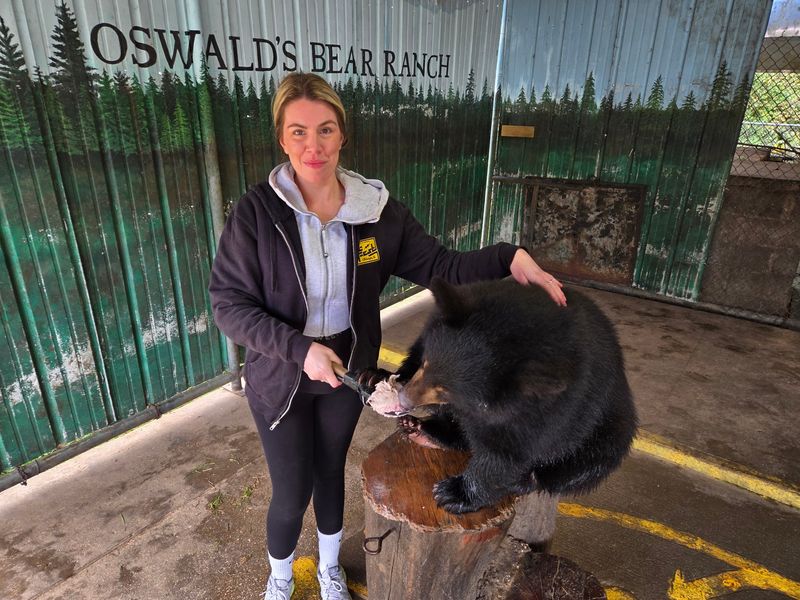
Few sights grab attention faster than a bear cub bouncing through its space like a furry bundle of energy. Visitors often describe cubs as a highlight, especially when they are active, playful, or curious. The ranch has offered supervised cub photo or petting experiences, which many families remember for years.
That kind of close contact should always be viewed with care and thought. Cubs are still wild animals, even when they look cuddly. Good supervision, short sessions, handler control, and rest breaks matter because the animal’s comfort must come before a visitor’s photo.
Parents can turn the moment into a useful conversation. Ask kids why a cub that looks cute will grow into a powerful adult bear. Talk about the difference between respecting wildlife and treating it like a stuffed animal.
If your family chooses a cub photo, follow every direction from staff and move gently. Do not use flash if told not to, do not crowd, and do not expect a long cuddle. A brief, respectful encounter can still be special, and it can help children remember that wild animals need trained care.
A Family-Run Rescue With A Personal Story
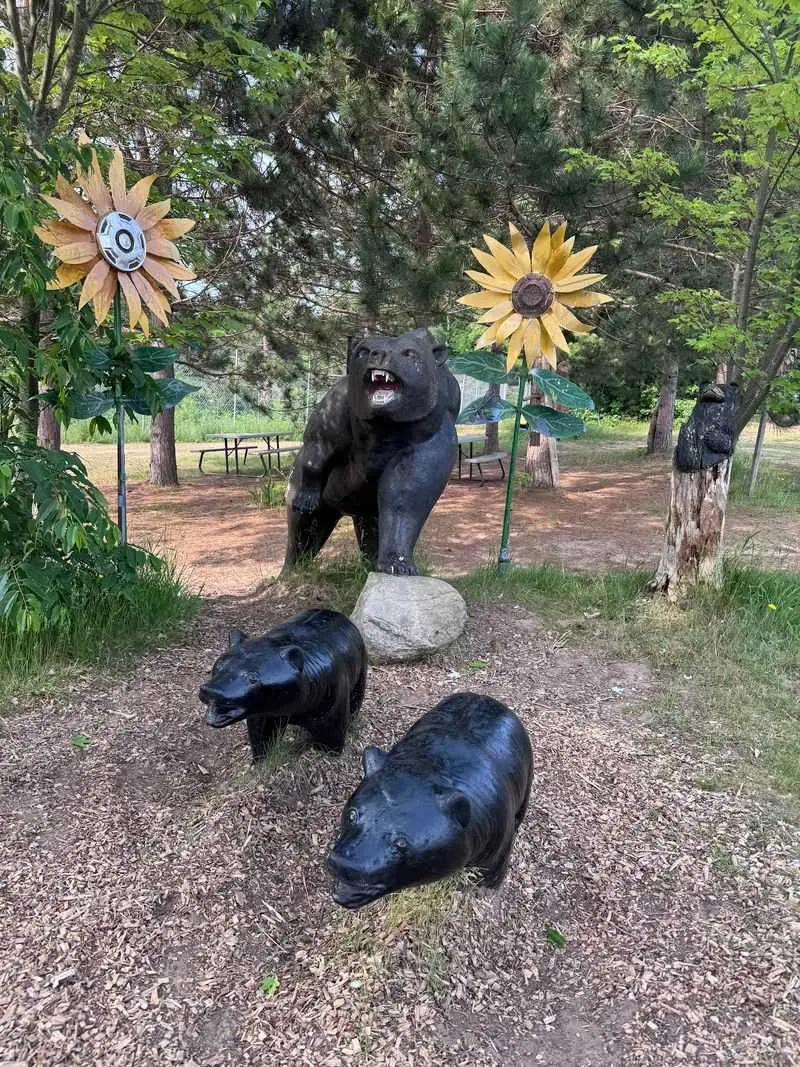
Behind the fences and walking trails, the ranch has the feel of a place built by people who know the bears by habit and personality. Many visitors mention friendly talks with the owners, family members, or caretakers. Those conversations can make the stop feel more personal than a regular attraction.
The ranch is often described as family operated, with a rescue mission tied to long-term care and conservation education. Guests may find displays, newspaper clippings, letters, photos, or history notes that explain how the place grew over time. That background helps visitors understand the work behind daily bear care.
Caring for large animals is not simple. Food, fencing, medical needs, habitat upkeep, staffing, and safety all take steady effort. Community support, visitor fees, donations, and gift shop purchases can help keep the operation going.
If you enjoy learning the story behind a place, leave time for the indoor displays and ask polite questions when staff are available. A short chat can add meaning to what you see outside. It also reminds guests that rescue work is a daily commitment, not just a tourist experience.
Simple Planning Makes The Visit Easier
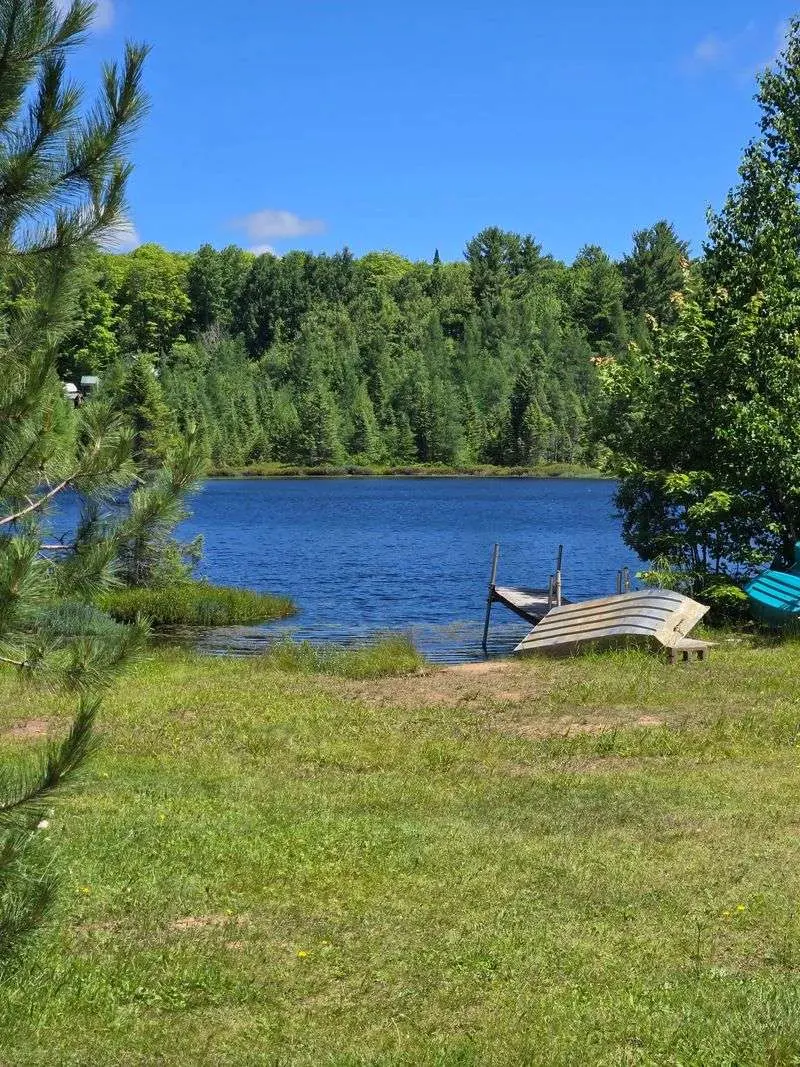
A smooth visit starts before you step onto the trail. The ranch is generally open during daytime hours, with listed hours from 9:30 AM to 4:30 PM, but checking the official website or calling ahead is smart before a long drive. Weather, season, animal needs, or special updates can change what guests experience.
Many reviews suggest planning at least 30 minutes, though curious visitors often spend one to two hours. If bears are active, kids are taking photos, or your group reads the displays, time goes quickly. Arriving earlier can also give you a more relaxed pace.
Practical items make a big difference. Wear comfortable shoes for walking paths, bring bug spray for mosquito season, and carry some cash for extras like apples or photos if offered. A water bottle for your group is helpful, but remember that outside food for bears is not allowed.
Photography is part of the fun, so charge your phone before arriving. Use safe viewing areas, avoid tapping fences, and give other families room at platforms. Good manners help everyone enjoy the bears without making the animals feel crowded or stressed.
Why The Ranch Sticks With Visitors
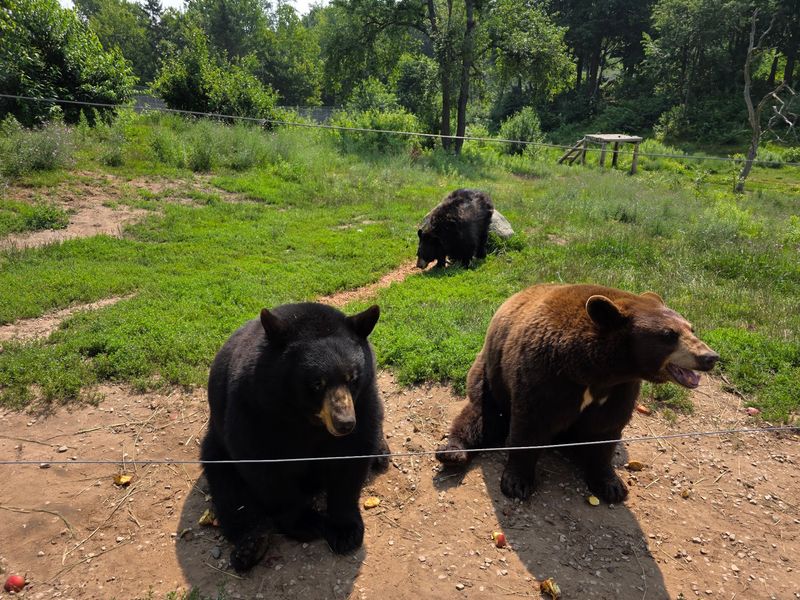
Long after a U.P. trip ends, people often remember the moment a bear sat up for an apple or splashed in a pool. The ranch stands out because it combines wildlife viewing, rescue education, and a family travel memory in one stop. It is not fancy in the theme park sense, but that is part of its charm.
Reviews often point to the same strong impressions. Visitors like seeing many bears up close, watching cubs play, walking the grounds, and browsing the gift shop for souvenirs. They also notice staff members who appear to care deeply about the animals.
The visit can also change how people act outdoors. After learning why bears may need rescue, families may become more careful with trash, campsite food, bird feeders, and snacks near cabins. That awareness protects both people and wild bears.
A good final tip is to treat the ranch as a learning stop, not only a photo stop. Read signs, watch quietly, support the rules, and talk with kids about respect for wildlife. The best souvenir may be a better understanding of black bears and the human choices that affect them.