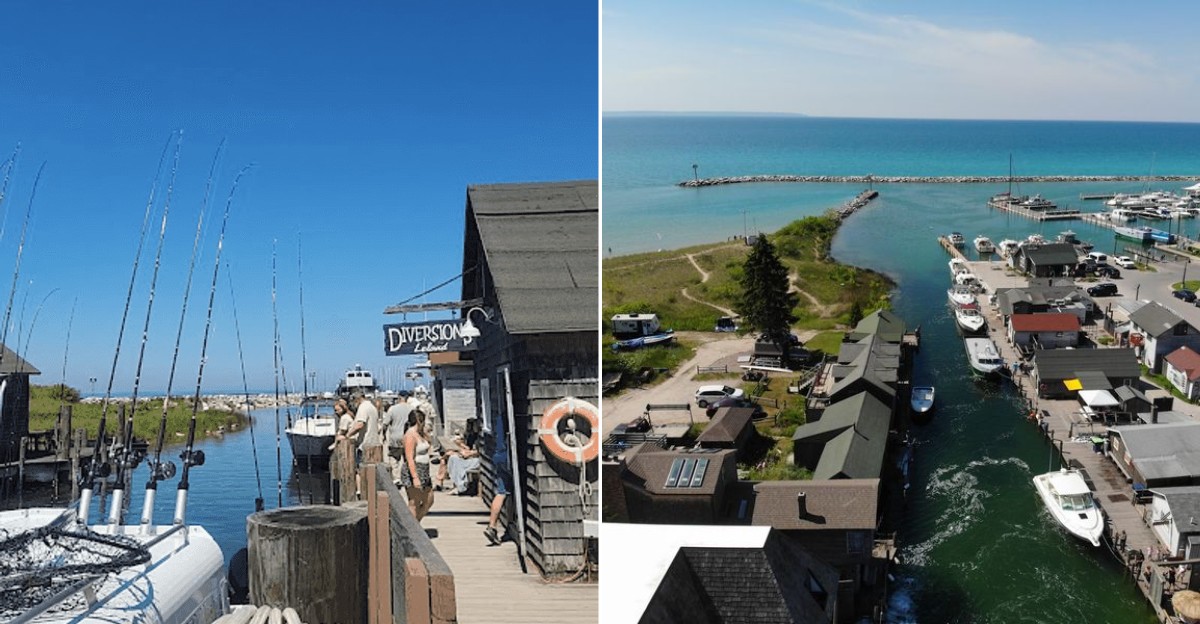
The fishing boats are not just part of the scenery here—they are still part of the morning routine. In Leland, Michigan, Historic Fishtown comes alive with working docks, weathered wooden shanties, and the unmistakable scent of smoked fish drifting along the waterfront.
Located at 203 W River St, this historic Great Lakes fishing village preserves a tradition that remains closely connected to the water.
As boats move through the channel and nets come ashore, it becomes easy to imagine how generations of fishermen built their lives around Lake Michigan. Fishtown is also a place to wander slowly, browse local shops, watch the harbor, and sample food rooted in the area’s fishing heritage.
The mix of working waterfront and preserved history gives this corner of Leland a character that feels genuine rather than staged. Spend some time exploring, and more pieces of Michigan’s lakeshore story begin to come into view.
Whispers of the Past Along the River
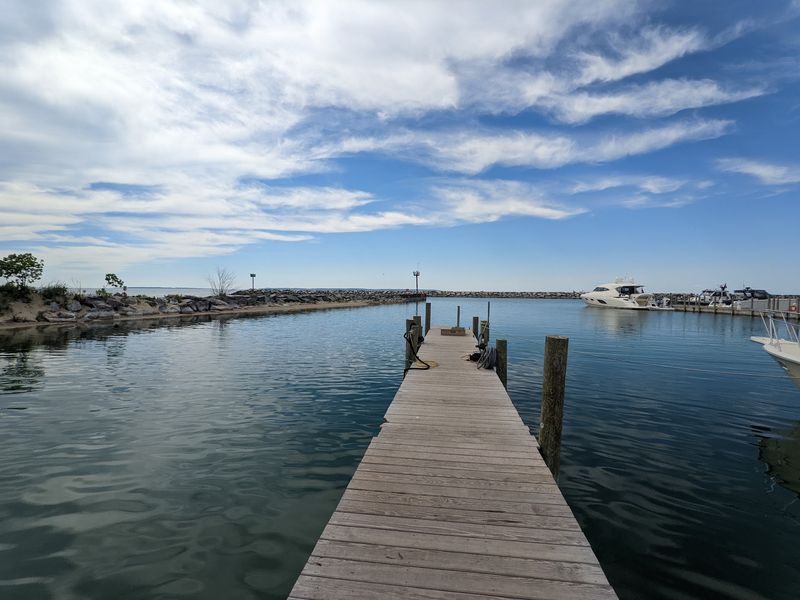
A soft creak from an old dock can feel louder than traffic here. The buildings lean close to the water, their boards silvered by wind, sun, and years of lake weather.
Later, you realize you are walking through Historic Fishtown at 203 W River St in Leland, Michigan, not a rebuilt movie set. The shanties once held nets, tools, ice, and fish, and many still keep that rough, useful look.
The Leland River moves beside them, carrying the village feeling toward Lake Michigan.
Visitors should give themselves time to wander slowly. Look at the doors, ropes, fish boxes, and narrow boardwalks before stepping into the shops.
The best photos often come from the footbridge, where the river, dam, and old buildings line up in one frame.
Come early if you want quieter paths and easier parking. By midday in summer, the small lanes can feel busy, but the charm remains strong if you slow your pace.
Morning Nets and a Working Waterfront
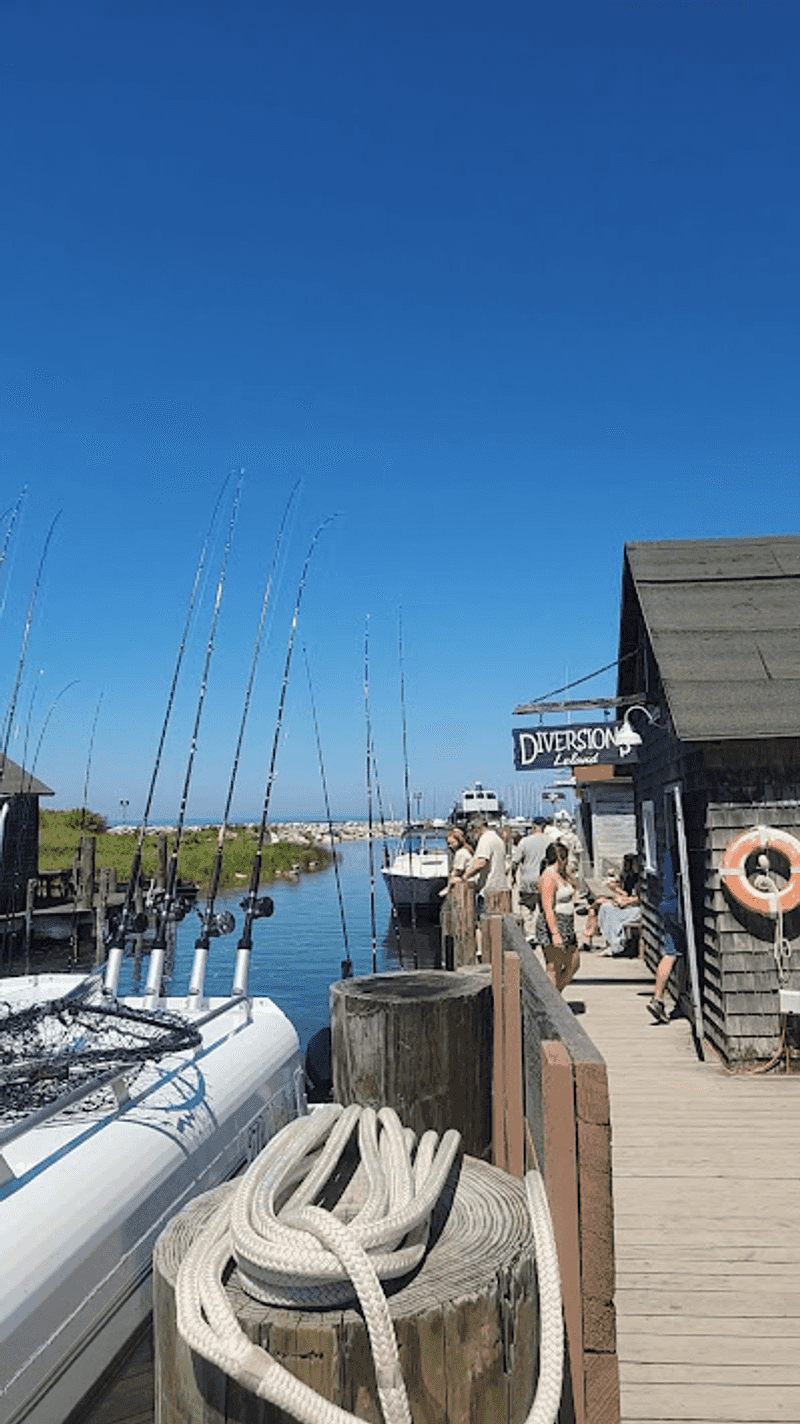
Before many vacationers find their first coffee, the harbor has already started its workday. Gulls call over the river, lines tighten, and the steady purpose of fishing life returns with the light.
At Historic Fishtown, the daily rhythm still connects Leland to a Great Lakes trade that shaped the town. Commercial fish tugs, including the well-known Joy, represent a living craft rather than a museum display.
When boats head out or return, the scene feels honest and rare.
If you hope to see activity, arrive early and stay respectful. Working docks are not a playground, and fishermen need room to move safely.
Watch from public areas, keep kids close, and never step over ropes or gear for a photo.
The reward is simple but memorable. You may smell the lake, hear engines echo between the shanties, and understand why fresh whitefish tastes different when it comes from waters just beyond the harbor.
Carlson’s Fishery and the Flavor of the Lake
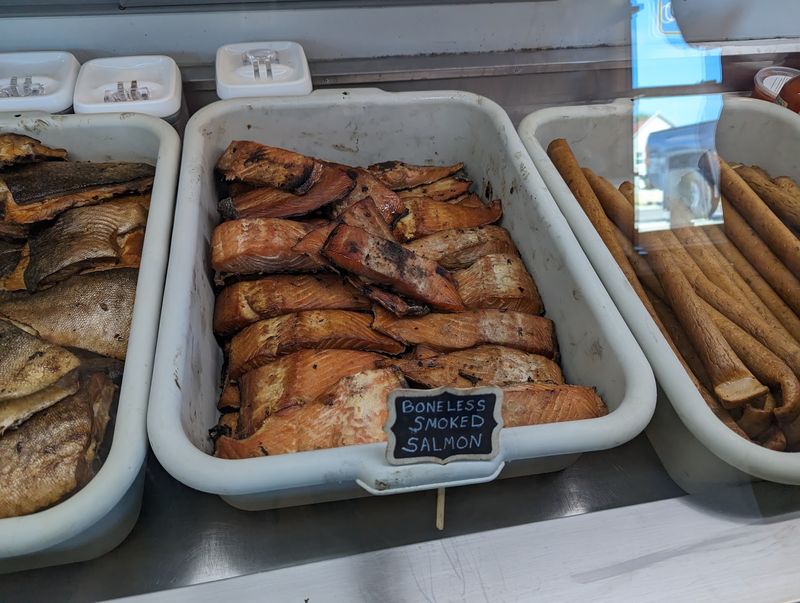
The smell finds you before the sign does. Smoky, salty, and rich, it drifts through the lanes like a friendly invitation from the lake itself.
Carlson’s Fishery is one of the essential stops inside Historic Fishtown, and its roots reach back to 1904. The shop is known for fresh and smoked Great Lakes fish, especially whitefish.
Many travelers talk about the whitefish pâté, smoked salmon, and fish they meant to save for later but finished much too soon.
Bring a small cooler if you are road-tripping through Leelanau County. Smoked fish makes an easy picnic with crackers, fruit, and something cold to drink.
If you are unsure what to try, ask what came in recently or what travels best.
Eating here adds meaning to the visit. Instead of just looking at old fishing buildings, you taste the reason they existed.
That small bite turns the village from scenery into a story you can carry home.
Little Shanties Filled With Big Finds
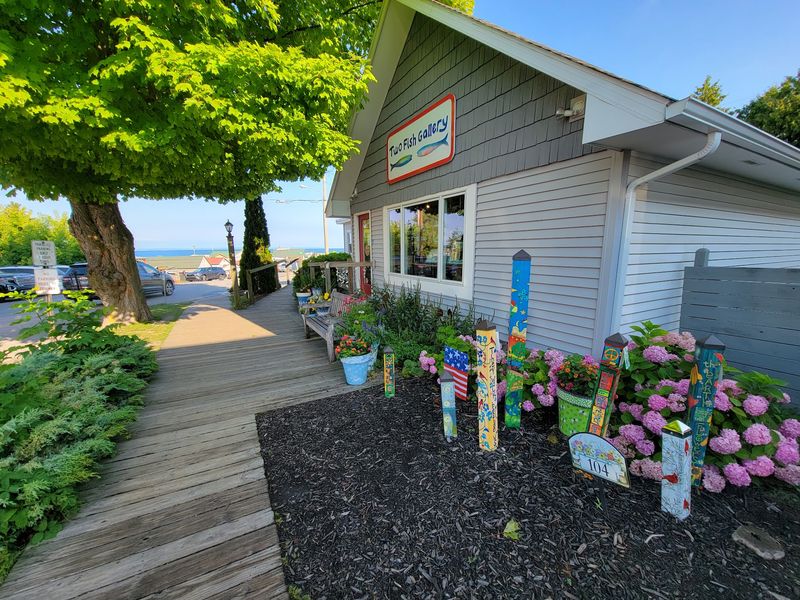
A tiny shop door swings open, and the old fishing village suddenly shows another side. Inside, weathered walls frame bright shirts, handmade gifts, lake-themed art, and little surprises worth carrying home.
Historic Fishtown’s shanties have not all stayed frozen in time. Some now hold boutiques and galleries, while still keeping the low roofs, rough boards, and close-to-the-water feeling that make the area special.
Stores such as Wild Lettie, Leland Gal, and Tug Stuff help connect local style with the setting.
Shopping here works best when you treat it like exploring, not rushing through a mall. Duck into small spaces, notice the old beams, and look for items tied to Lake Michigan or the Leelanau Peninsula.
A simple hat, print, or mug can feel more personal when bought beside the river.
For families, the short walking distances make browsing easy. Just be mindful on narrow paths, especially when crowds grow, because water and docks are always close by.
Lunch With Water in the Background
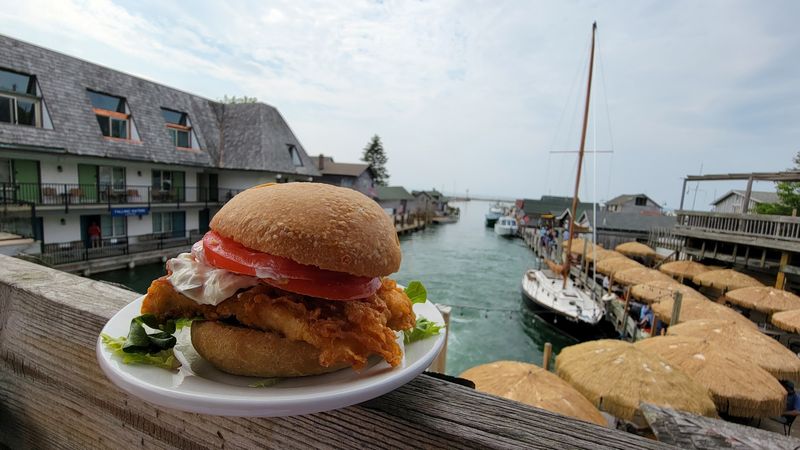
A table near moving water can make lunch feel like part of the trip, not just a break from it. Here, the sound of the dam and river adds its own background music.
The Cove is a favorite dining stop in Historic Fishtown, known for waterfront views, local fish, seafood chowder, and the famous Chubby Mary cocktail. Nearby, the Village Cheese Shanty draws steady lines for sandwiches on pretzel bread and a wide cheese selection.
Both places give hungry visitors a reason to linger.
Plan around busy meal times in summer. If you want a calmer experience, try an early lunch or late afternoon snack.
A sandwich taken to a nearby sitting spot can feel just as satisfying as a full sit-down meal.
Food matters here because it fits the place. Freshwater fish, cheese, bread, and river views turn a short stop into a memory.
Even picky eaters can usually find something simple and tasty nearby.
Where the River Tells the Town’s Story
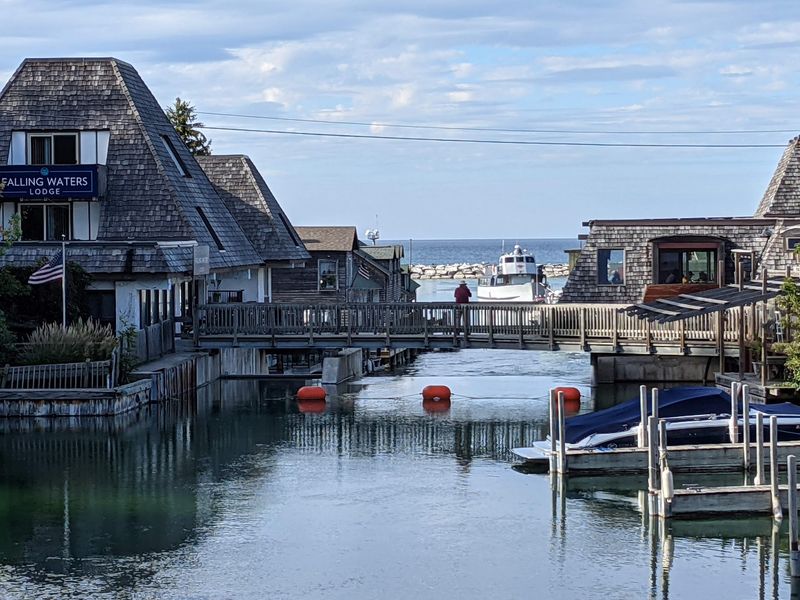
Water does more than pass through this village. It explains why the village is here at all.
The Leland River, also called the Carp River, runs through Historic Fishtown and links Lake Leelanau with Lake Michigan. Near the center of the action, the dam adds sound, movement, and a strong sense of place.
Early settlers used this water power for mills, and fishing families later built their lives around the river’s path.
Pause on the footbridge if you want one of the best views. You can watch water push toward the lake, see shanties hugging the banks, and sometimes spot fish fighting the current.
It is a small scene, but it holds a lot of local history.
This is also a smart spot to slow down if the shops feel crowded. The river gives you something steady to focus on.
In a few minutes, the whole town begins to make more sense.
Fish Tugs With Stories in Their Hulls
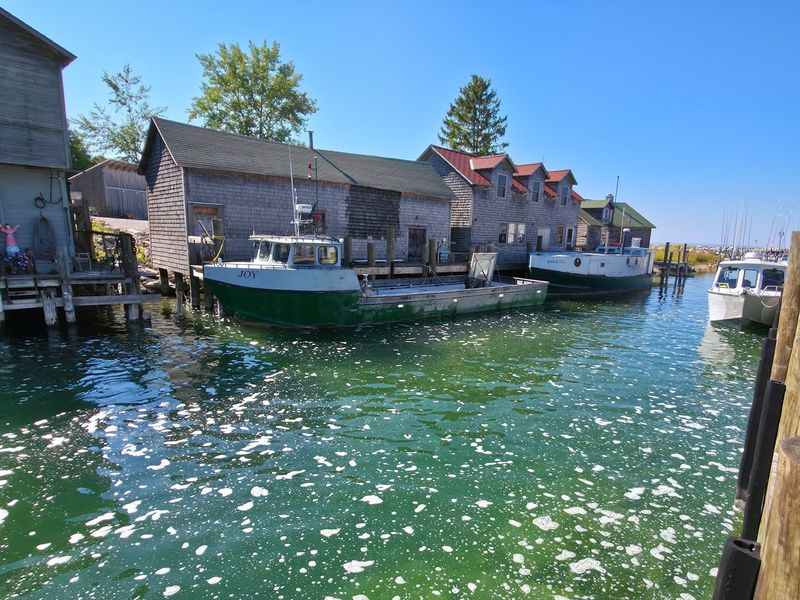
Some boats look polished for postcards, while others look ready to work. The fish tugs in Fishtown belong to the second group, and that is exactly why people stop and stare.
Vessels such as Joy and Janice Sue are closely tied to the identity of Historic Fishtown. Their compact, sturdy shapes were built for Great Lakes conditions, where weather can shift fast and crews need protection.
Seeing them near the shanties helps visitors picture decades of early mornings, rough water, and heavy nets.
Photography fans should look for details instead of only wide shots. Names painted on hulls, coiled ropes, metal cabins, and reflections in the river all tell part of the story.
Keep a respectful distance, since these boats are connected to active waterfront work and preservation efforts.
For kids, the tugs can make history feel real. A short talk about where fish comes from may turn lunch, the lake, and the boats into one connected lesson.
A Ferry Doorway to the Manitou Islands
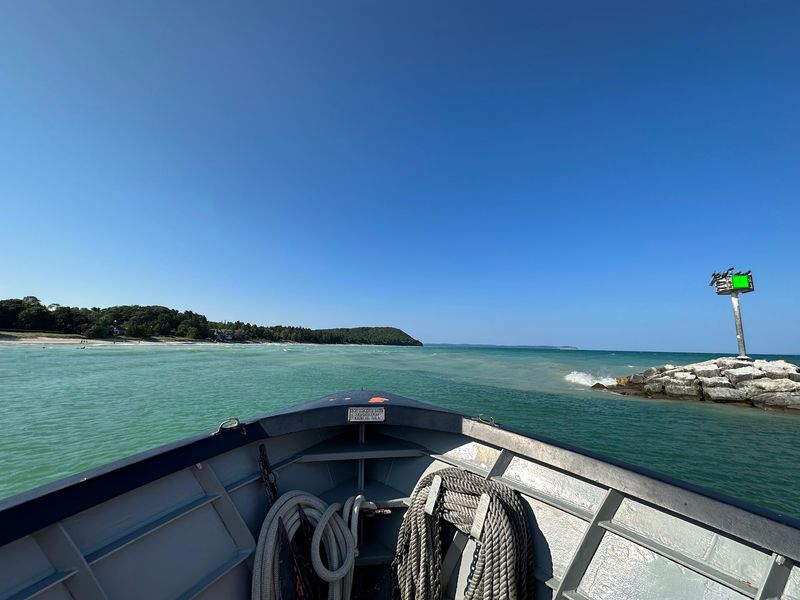
The dock can feel like the edge of a bigger adventure. One moment you are beside old fish shanties, and the next you are watching a ferry point toward open Lake Michigan.
Historic Fishtown is the mainland home of Manitou Island Transit, which has long connected Leland with North and South Manitou Islands. The ferry service carries visitors toward hiking trails, quiet beaches, old farm sites, and the South Manitou Island Light Station.
That makes Fishtown more than a scenic village, it is a starting line.
If you plan an island trip, check schedules ahead of time and prepare for changing lake weather. Bring water, snacks, layers, and comfortable shoes.
Island days can feel remote in the best way, but they require more planning than a casual stroll through town.
Even if you do not board, watching the ferry leave is worthwhile. It reminds you how closely this place is tied to travel, work, water, and distance.
Crowds, Parking, and the Best Time to Wander
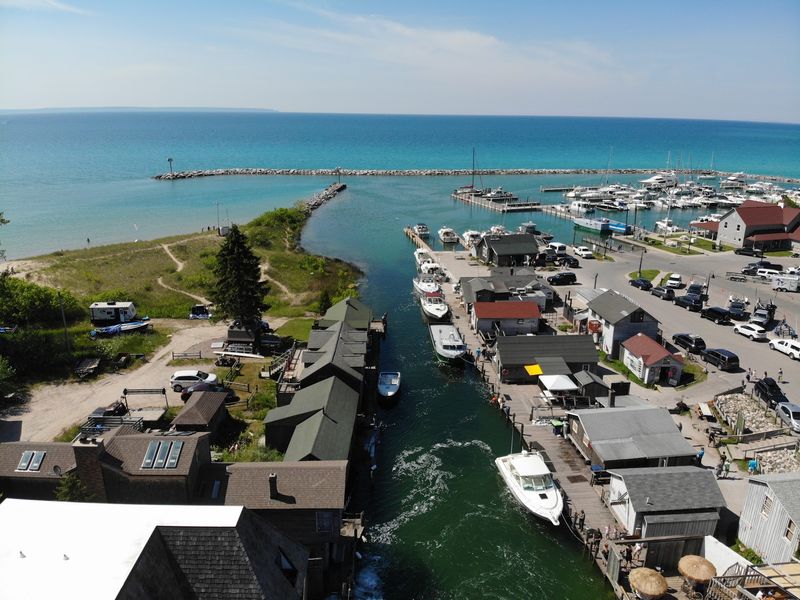
A tiny village can hold a surprising amount of energy. On a sunny summer Saturday, the lanes fill with sandals, strollers, ice cream cones, and people chasing the same perfect river photo.
Historic Fishtown is open to walk through at any time, but shops and restaurants keep their own hours. Because the area is compact, parking can be hard during peak season.
Many visitors end up parking a few streets away and walking in, which is often the easiest choice.
For a smoother visit, aim for morning, a weekday, or the shoulder season before or after the busiest summer weeks. The week before Memorial Day, early June, September, and calm fall days can offer a more relaxed feel.
Comfortable shoes help because you will likely move between uneven boards, sidewalks, and nearby streets.
Managing expectations also helps. Fishtown is small, not an all-day amusement district.
Its magic comes from details, history, food, and water, so give it room to be itself.
Preserving a Living Piece of Michigan
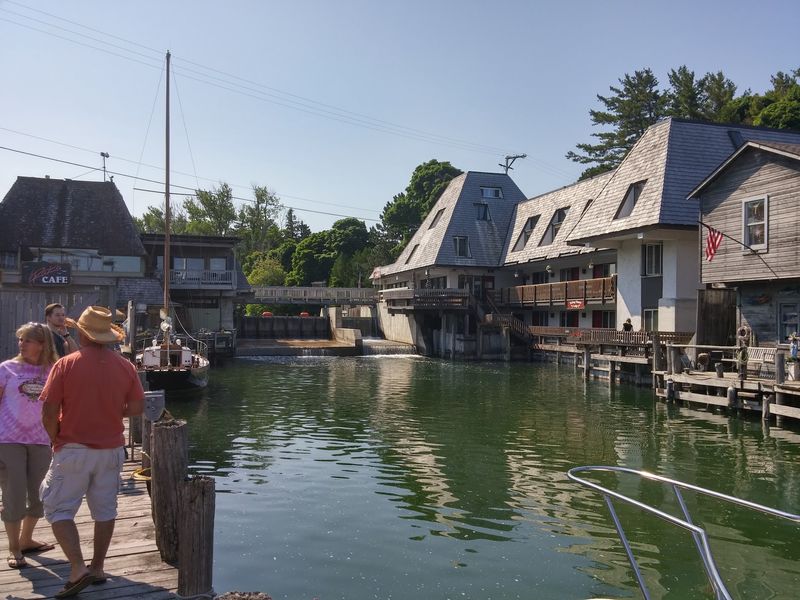
Old places do not survive by accident. They need people who notice peeling boards, storm damage, fading stories, and the quiet danger of being replaced by something easier.
The Fishtown Preservation Society has played a major role in protecting Historic Fishtown as both a public destination and a working waterfront. Formed by local leaders and fishing families, the group helped secure historic structures, boats, property, and fishing-related assets so the village would not lose its soul.
Their work keeps the site from becoming only a memory.
Visitors can support that mission by treating the area gently. Stay on public paths, respect private and working spaces, buy from local businesses, and consider learning more through the official Fishtown website.
Small choices help keep the experience authentic for future guests.
That is the deeper reason to visit. Beyond the photos and sandwiches, you are seeing a rare Great Lakes place still connected to its purpose.
Few waterfronts can say the same.