Hollywood has quietly been visiting Ohio for decades, and the proof is scattered across the state in some pretty unexpected places.
A prison that once held real inmates became one of the most quoted movies ever made, while a downtown storefront still gets visitors searching for a leg lamp in the window.
From steel-town churches to grand old office buildings, these locations doubled as everywhere from New York City to the halls of a fictional White House.
Movie buffs can walk the same sidewalks where superheroes once fought, or step inside a treatment plant that briefly became a secret headquarters.
Either way, each one adds a fun layer of behind-the-scenes trivia to an otherwise ordinary Ohio road trip.
Here are ten filming locations across the state that deserve a spot on any movie lover’s itinerary.
1. Ohio State Reformatory in Mansfield, Richland County,
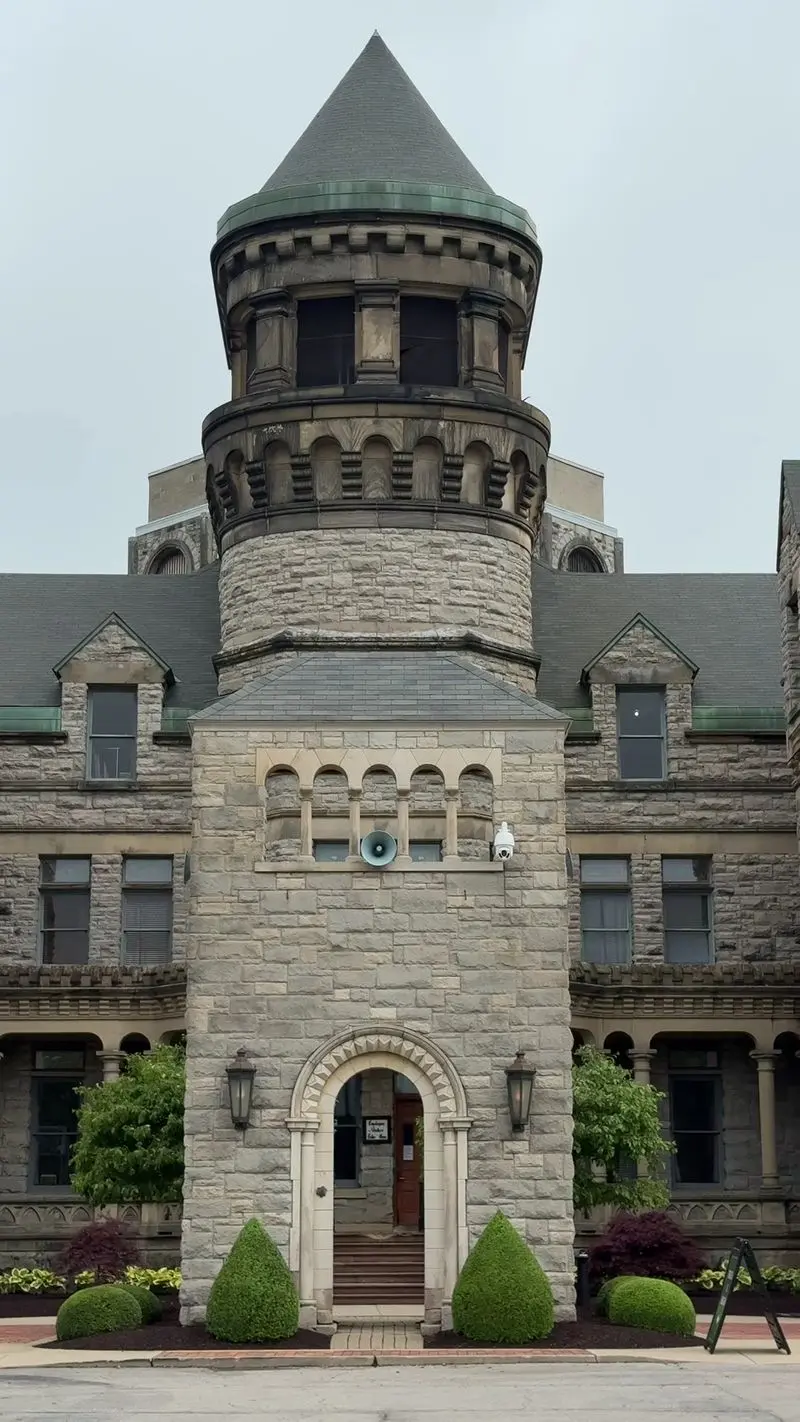
Stone walls, shadowy cell blocks, and echoing halls make this stop feel like a movie set even before you know its screen history. The Ohio State Reformatory in Mansfield is best known to film fans as a major location for The Shawshank Redemption. Its huge Gothic look helped the prison feel grand, cold, and unforgettable.
Visitors can take self-guided or guided tours through areas used in the film, including the warden spaces, cell ranges, and yards. Bring comfortable shoes because the building is large, uneven in spots, and packed with details worth slowing down to notice. Fans often enjoy comparing real rooms to scenes from the movie, so watching the film shortly before visiting adds extra fun.
The site also connects to Ohio history, since the reformatory opened in the late 1800s and operated for many decades. Photography is usually a highlight, especially near the tall exterior and long corridors. For something different, consider a special event or ghost tour, which gives the location a darker, after-hours mood.
2. A Christmas Story House in Cleveland, Cuyahoga County,
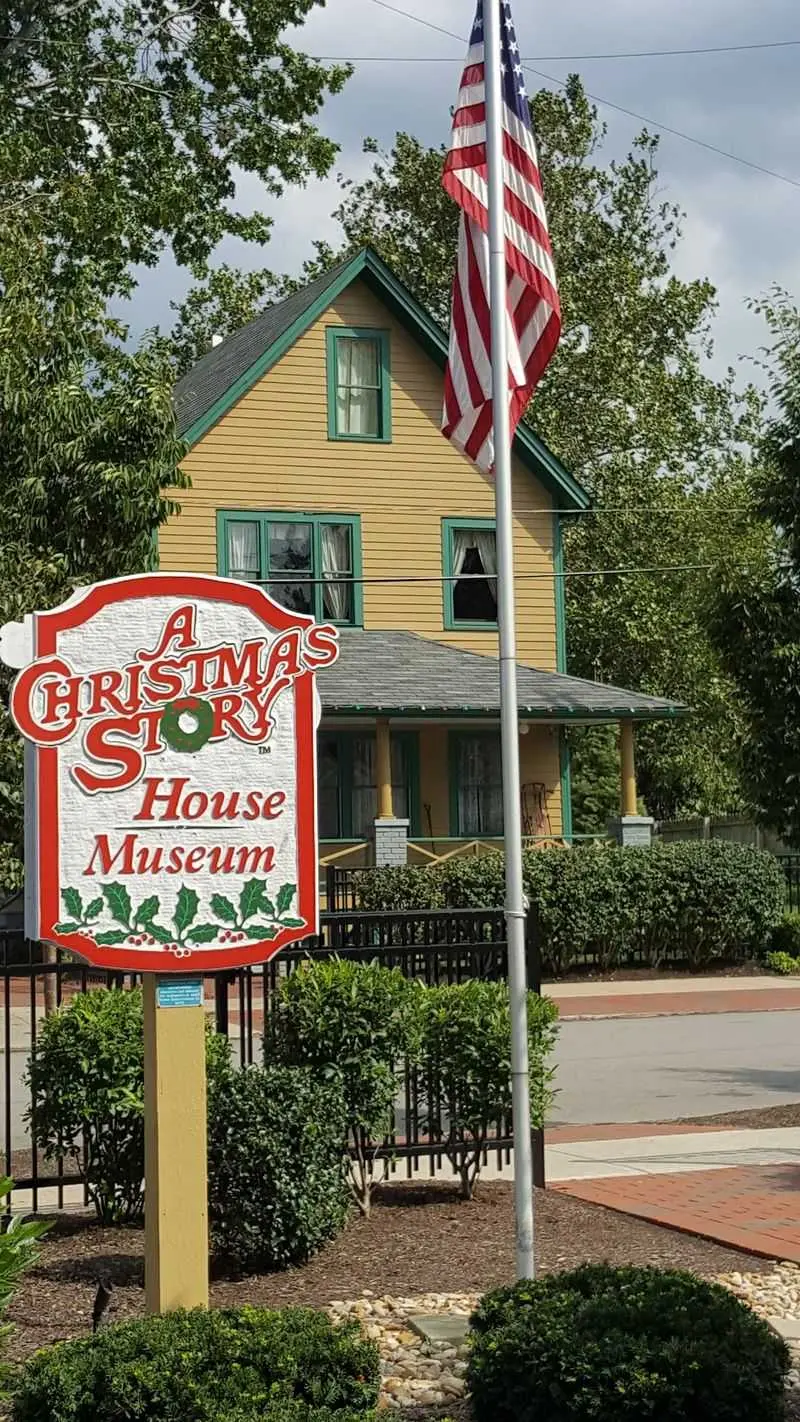
A leg lamp in the window can make even grown-ups grin like kids again. A Christmas Story House in Cleveland lets fans step into the cheerful, slightly silly world of the holiday classic. The home was used for exterior shots, then carefully restored to match the movie inside.
Walking through the rooms feels more like visiting a memory than a normal museum. You can see props, costumes, photos, and spaces that recall Ralphie Parker’s famous wish for a Red Ryder BB gun. The nearby museum and gift shop add more context, making it easy to spend more time than expected.
Families usually love this stop because the movie is funny, familiar, and easy to share across ages. Plan ahead during the holiday season, since crowds can be heavier and tickets may go faster. For the best visit, take photos outside first, then move slowly through the house and enjoy the small details that turn a simple Cleveland home into a film landmark.
3. Cleveland Public Square in Cleveland, Cuyahoga County,
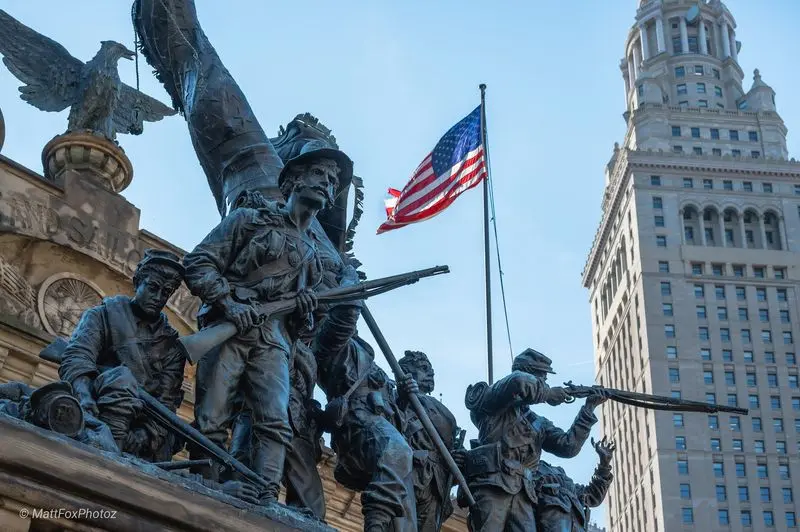
City lights, passing buses, and tall buildings give this downtown space a busy screen-ready energy. Cleveland Public Square has appeared in films and television projects because it can suggest a major American city without feeling too polished. Its open layout also makes it easy for crews to stage movement, crowds, and traffic.
Movie fans visiting the square can enjoy more than one angle at a time. The Soldiers and Sailors Monument, the surrounding towers, and nearby streets all create different backdrops within a short walk. That variety is part of why downtown Cleveland often doubles for other cities in action, drama, and superhero productions.
For a practical visit, use public transit or nearby parking garages, then explore on foot. Morning light is nice for photos, while evening brings a cooler big-city mood. Pair the stop with nearby restaurants, Playhouse Square, or the lakefront if you want a full film-themed day. Instead of one single famous room, this location rewards people who enjoy spotting how filmmakers turn real city life into believable movie scenes.
4. St. Theodosius Russian Orthodox Cathedral in Cleveland, Cuyahoga County,
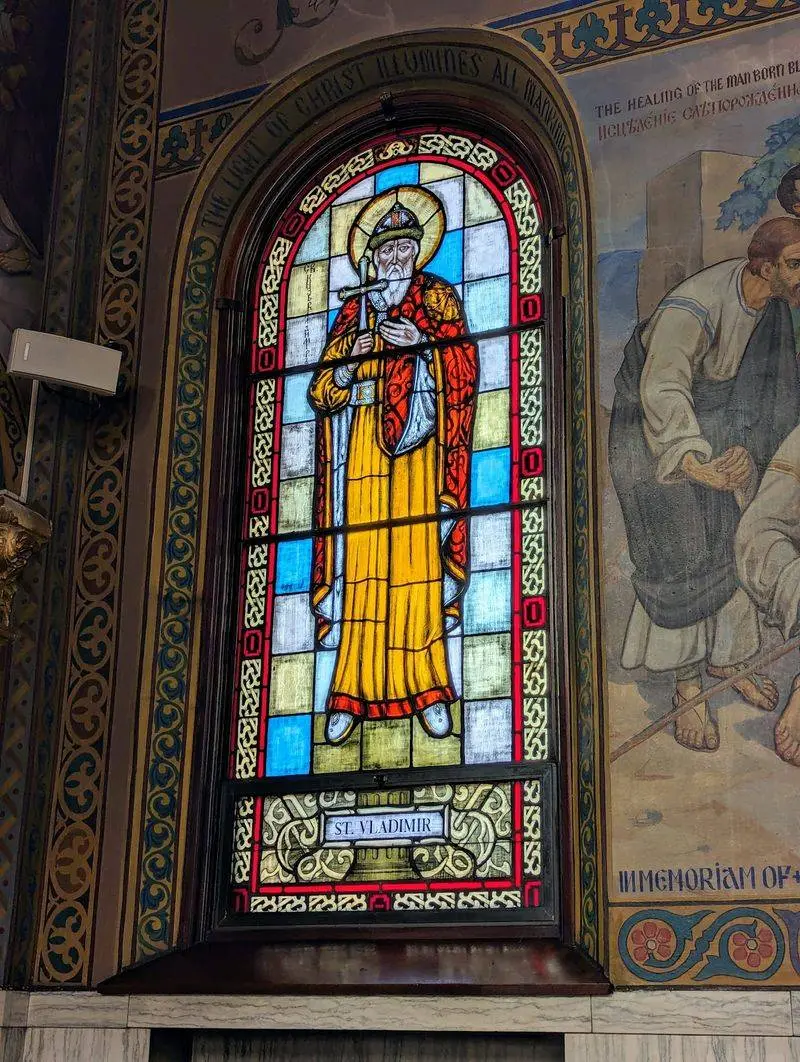
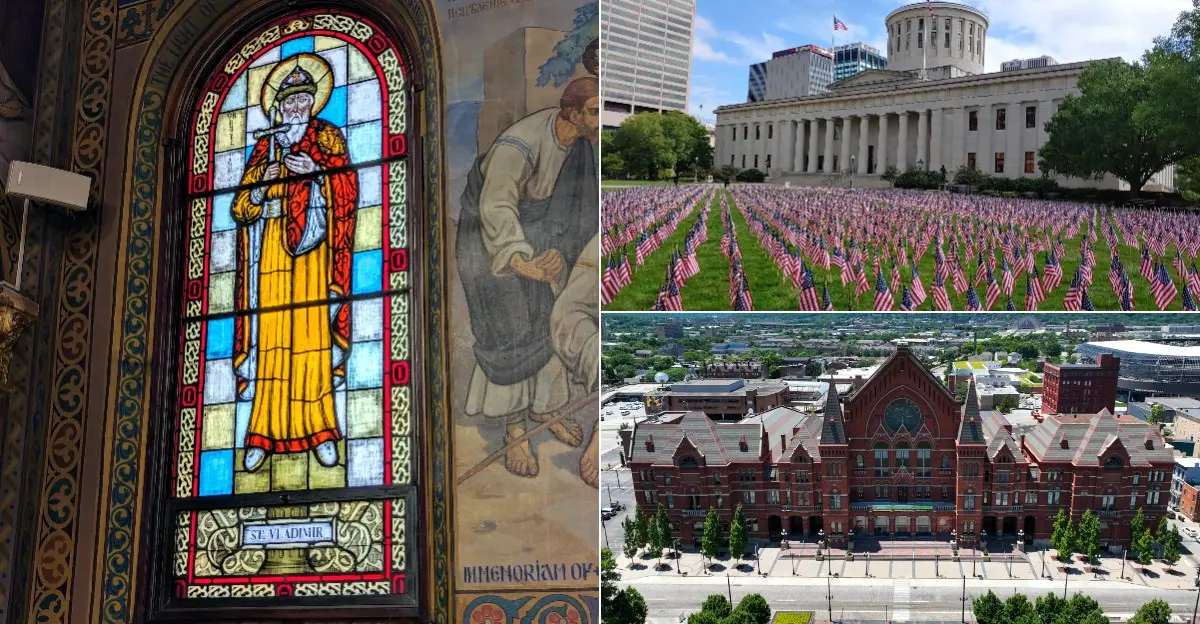
Gold domes rising above a quiet neighborhood create a scene that feels almost too beautiful to be real. St. Theodosius Russian Orthodox Cathedral in Cleveland became widely recognized by movie fans after appearing in The Deer Hunter. Its striking exterior helped give the film a strong sense of place, tradition, and community.
This is an active church, so visitors should treat it with extra care and respect. Check service times before going, avoid blocking entrances, and keep voices low if you are allowed inside. Even a simple walk around the outside can be meaningful because the architecture stands out from many other Ohio filming sites.
Photography from public areas can capture the famous domes, but be thoughtful of neighbors and worshippers. The Tremont area around the cathedral also has restaurants, old streets, and views that make the visit feel fuller. Fans who like films with deep emotion and strong cultural detail will find this stop especially powerful. It reminds travelers that a filming location can be sacred first and cinematic second.
5. Southerly Wastewater Treatment Plant in Cleveland, Cuyahoga County,
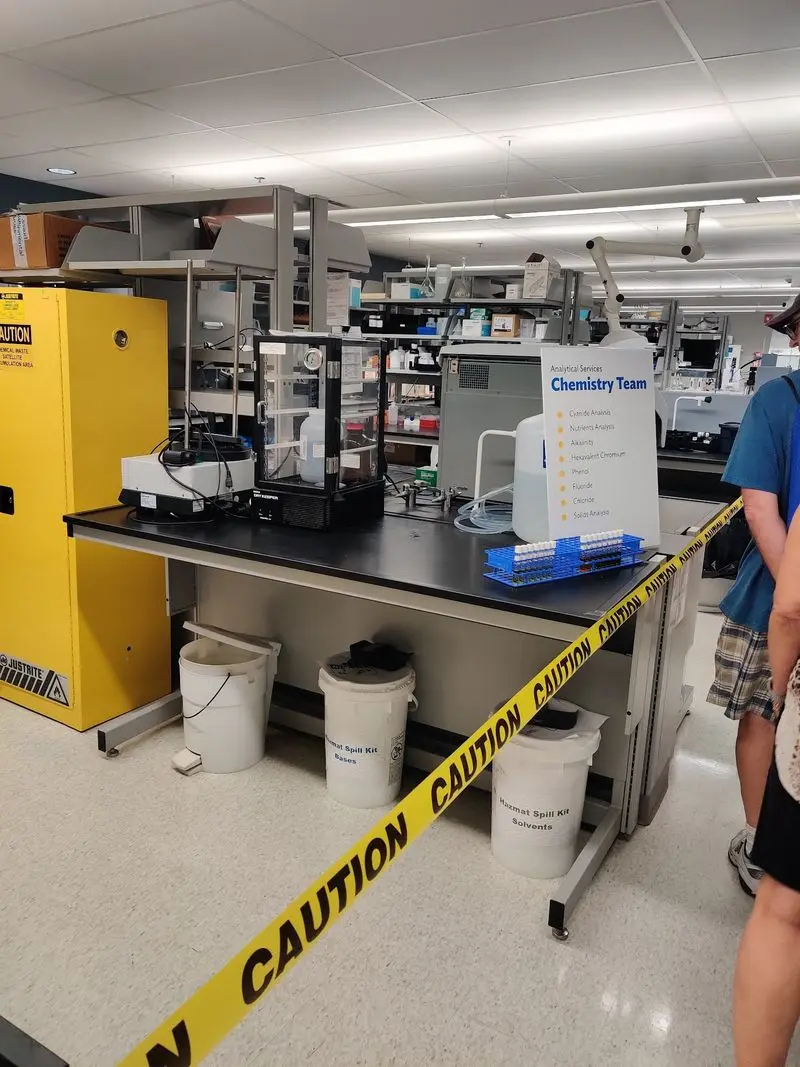
Not every filming location is pretty, and that is exactly what makes this one interesting. The Southerly Wastewater Treatment Plant in Cleveland has the kind of industrial scale that can make a scene feel tense, strange, or futuristic. Large tanks, pipes, concrete spaces, and service roads give it a look far removed from typical tourist stops.
Because this is working infrastructure, movie fans should not expect casual entry or open wandering. The smart approach is to research its film connections, view only from safe public areas, and respect all signs and fences. Places like this show how filmmakers use real industrial spaces to create atmosphere without building everything from scratch.
For curious travelers, the appeal comes from noticing the hidden movie potential in practical places. A treatment plant may not sound glamorous, yet its shapes, sounds, and size can become powerful on screen. If you include it on a Cleveland route, keep the visit brief and pair it with more public locations nearby. It is a reminder that cinema often finds drama where most people simply drive past.
6. Dixie Terminal in Cincinnati, Hamilton County,
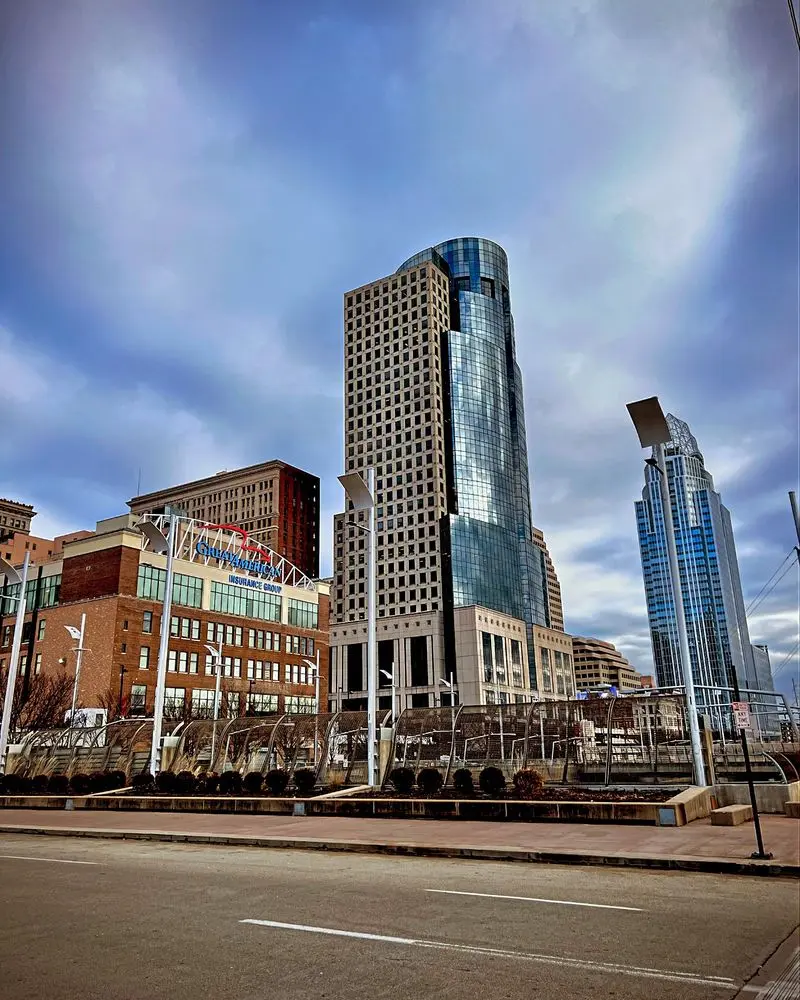
Polished floors, grand arches, and old transit charm make this building feel like a secret movie palace. Dixie Terminal in Cincinnati has the kind of historic style that filmmakers love when they need drama, elegance, or a sense of another era. Its Art Deco details help ordinary movement feel more important on camera.
The building once served as a major transportation hub, connecting streetcars, buses, offices, and downtown life. That history gives it a busy, layered feeling, even when you are simply looking at the architecture. Movie fans who enjoy production design should pay attention to the tilework, lighting, stairways, and long sight lines.
Access may depend on current building rules, tenants, and public areas, so check before planning a special trip. If you can visit, be respectful because it is not just a preserved set, but a working downtown property. Combine it with a walk along Fourth Street or nearby riverfront spots for a stronger Cincinnati film-location route. Dixie Terminal proves that a building does not need loud effects to look cinematic, since its beauty already frames the scene.
7. Over-the-Rhine Historic District in Cincinnati, Hamilton County,
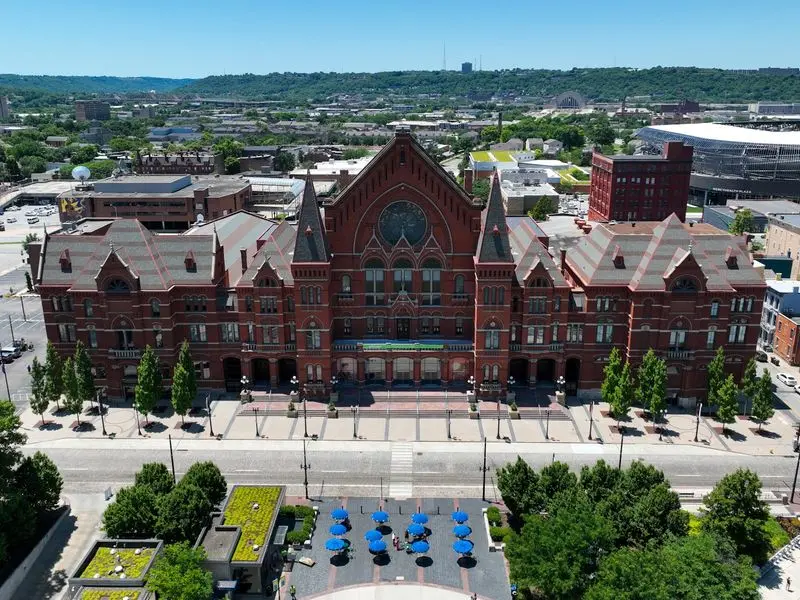
Brick storefronts, iron railings, murals, and narrow streets give this neighborhood a rich, lived-in look. Over-the-Rhine Historic District in Cincinnati attracts filmmakers because it can feel old, stylish, gritty, warm, or mysterious depending on the block. Few places offer so many visual moods within such a walkable area.
For movie fans, the fun is not only tied to one exact scene. The district has appeared in productions and also feels like a ready-made backdrop for stories about city life, music, food, and change. Its 19th-century buildings make it one of the largest historic urban districts in the country.
Plan time to wander, but stay aware of traffic, construction, and private property. Vine Street, Washington Park, and nearby alleys can all offer different photo opportunities. Local restaurants, coffee shops, and breweries make it easy to turn location spotting into a relaxed afternoon. If you like places that show texture instead of polish, Over-the-Rhine is a strong choice. It helps visitors understand why filmmakers often choose real neighborhoods when they want a scene to feel alive.
8. Ohio Statehouse in Columbus, Franklin County,
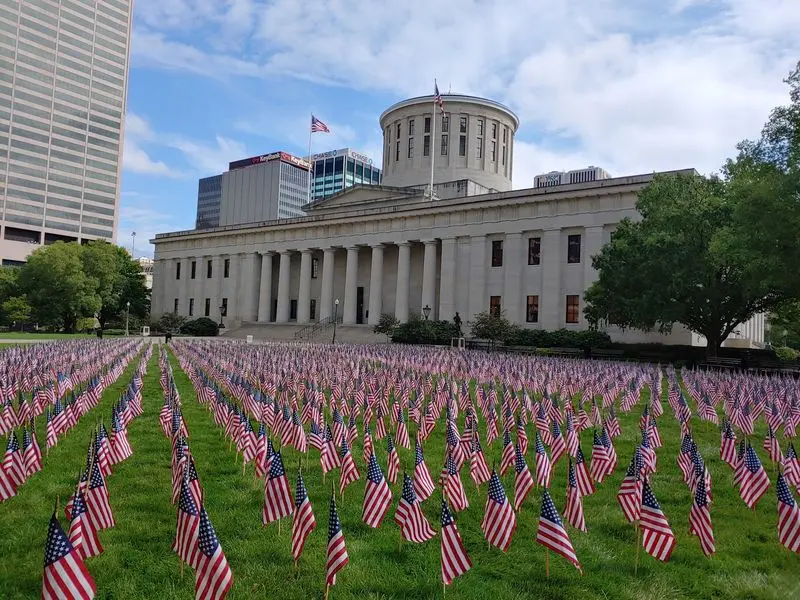
Broad steps and strong columns can make a simple walk feel like an important public moment. The Ohio Statehouse in Columbus has a formal, classic look that fits scenes involving government, history, speeches, or civic pressure. Its Greek Revival design gives filmmakers a powerful visual shortcut for authority.
Visitors can tour parts of the building and learn how Ohio’s government works. That makes it useful for movie fans who also enjoy history, architecture, or real-world context behind political stories. The grounds, monuments, rotunda, and chambers all offer different ways to understand the building beyond its screen potential.
Before going, check tour hours, security rules, and any events that might limit access. Photography is often best outside, where the building’s shape and downtown setting are easy to frame. Nearby restaurants, museums, and streets make it simple to build a Columbus day around the stop. Compared with darker or stranger locations on this list, the Statehouse feels clean, open, and official. That contrast is part of its appeal, showing how Ohio can stand in for serious public places in stories big and small.
9. Downtown Brewfontaine in Bellefontaine, Logan County,
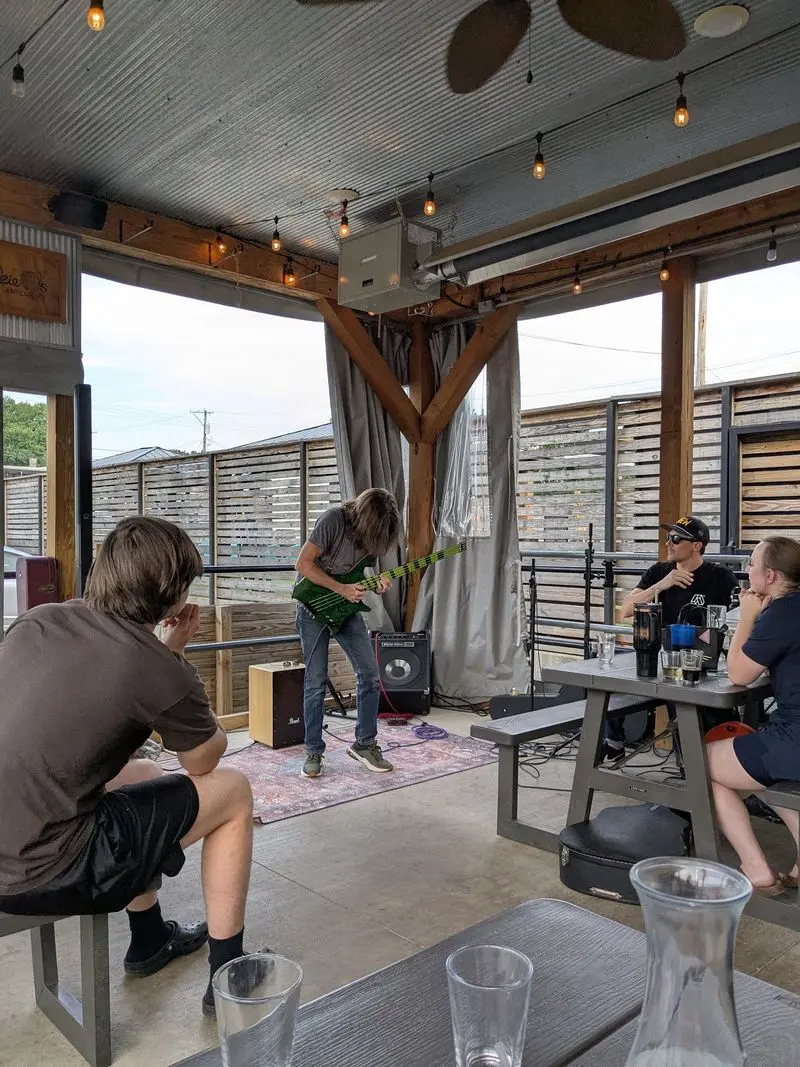
Small-town streets can carry a surprising amount of movie charm when the storefronts feel real and welcoming. Downtown Brewfontaine in Bellefontaine offers that friendly Ohio look, with restored buildings, local businesses, and a walkable center. It gives filmmakers and fans a break from giant landmarks and crowded city shots.
Bellefontaine has leaned into downtown renewal, so visitors will find coffee, food, shops, and public spaces close together. That makes the area easy to explore without a strict schedule. Movie fans looking for something different can study how a smaller community creates a believable setting for everyday stories.
The town is also known for local history, including claims tied to early concrete streets and transportation firsts. Those details add extra interest if you like places with fun facts beyond film. For the best experience, park once and stroll slowly, noticing signs, brickwork, windows, and corners that could frame a scene. A visit here feels less like chasing celebrity and more like noticing how normal places become memorable on camera. That quieter style makes Downtown Brewfontaine a refreshing stop on an Ohio movie road trip.
10. Olivesburg General Store in Olivesburg, Richland County,
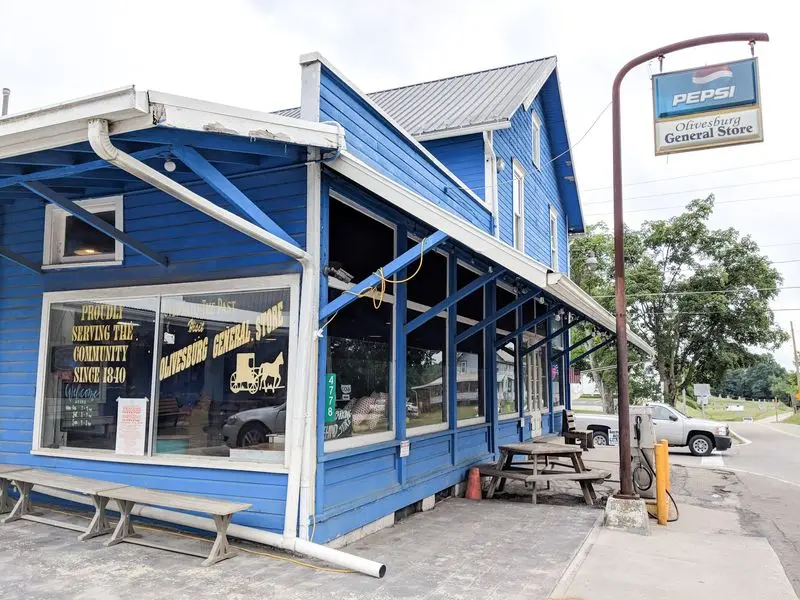
A creaky porch, shelves of old-fashioned goods, and the smell of baked treats can feel more powerful than a giant set. Olivesburg General Store in Olivesburg gives visitors a rural Ohio experience that feels warm, simple, and deeply camera-ready. It is the kind of place that can make a film scene feel honest.
The store has roots reaching back many generations, and its old-country character is the main attraction. Movie fans may enjoy it because it shows the quieter side of location scouting, where texture matters more than size. Wooden details, local products, and friendly service help create a sense of place that cannot be faked easily.
Check hours before driving out, since small rural businesses may keep a different schedule than big attractions. Bring a little extra time to browse, buy a snack, and take respectful photos outside. This stop pairs well with the Ohio State Reformatory because both are in Richland County, yet they feel completely different. One is heavy and dramatic, while the other is cozy and humble. Together, they show how wide Ohio’s filming personality can be.