Some parks are made for walking, and this one is made for wide-open throttle.
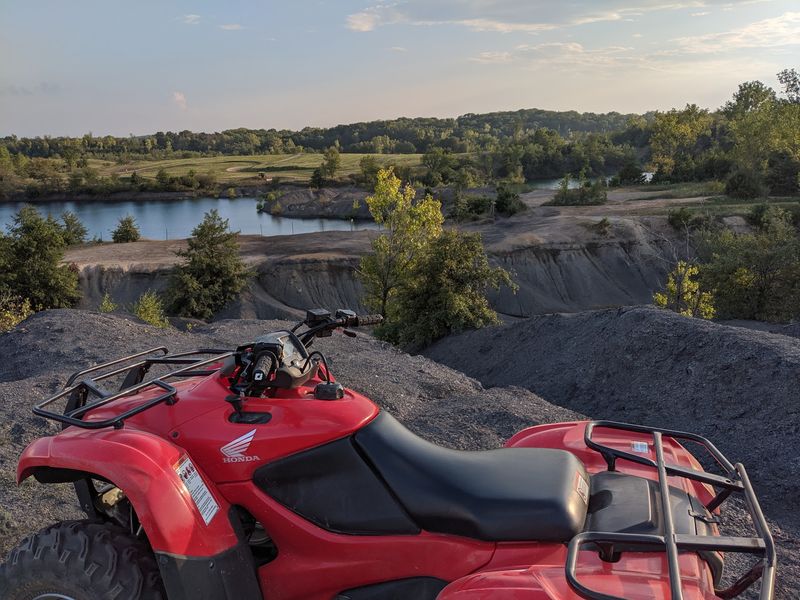
Tucked into the rolling hills of southeastern Iowa, this off-road playground gives riders miles of trail to explore at their own pace.
Whether you show up on an ATV, a dirt bike, or a side-by-side, there is a route here that fits your comfort level.
Wooded singletrack gives way to open meadows and creek crossings, keeping every lap a little different from the last.
Riders of all experience levels tend to find something that challenges them without feeling overwhelmed.
This Iowa off-road network has quietly become one of the best full-day adventures in the state.
A Countryside Ride With Room To Wander
The first rumble of an engine feels different when open fields and wooded hills sit ahead. Bluff Creek ATV Park at 1625 325th St, Eddyville, IA 52553 gives riders a wide country setting where the day can stretch longer than planned. The park is known for trails that move through changing ground, so a short ride can quickly become a full afternoon.
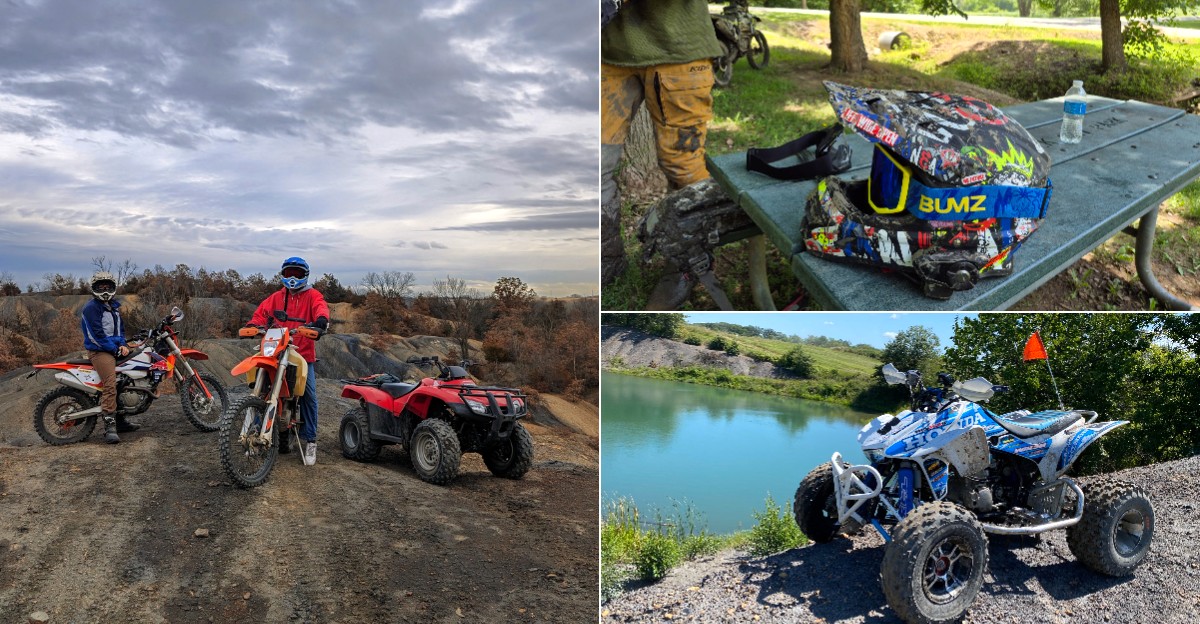
Many visitors praise the well kept routes, and the 4.7 star rating from more than one hundred reviews backs up that good word. Riders mention trails for days, fun views, and a setup that works for ATVs, dirt bikes, quads, and side-by-sides. That mix makes it useful for groups where everyone rides something different.
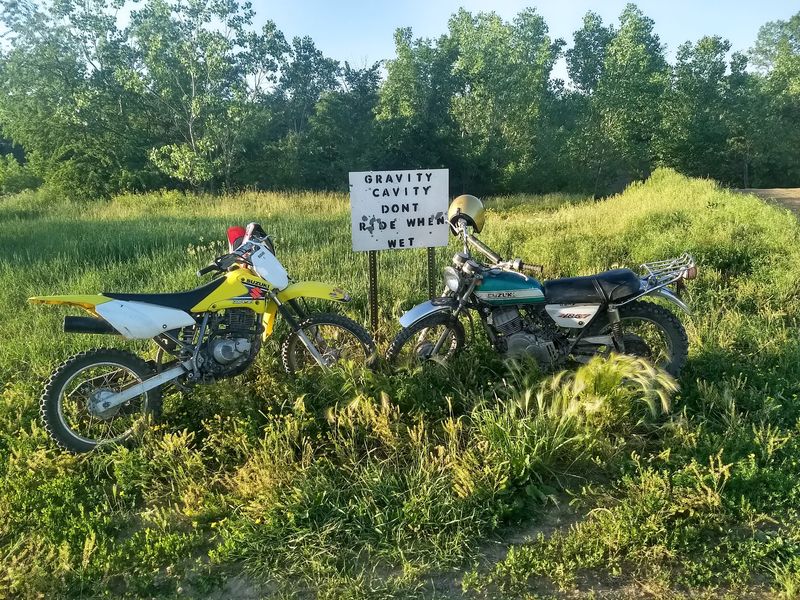
Plan your visit like a small outdoor trip, not a quick stop. Bring water, snacks, eye protection, gloves, and clothes that can handle dust or mud. Check current opening details before leaving home, since public riding areas can change schedules for weather, maintenance, or management needs often.
Trails Built For More Than One Skill Level
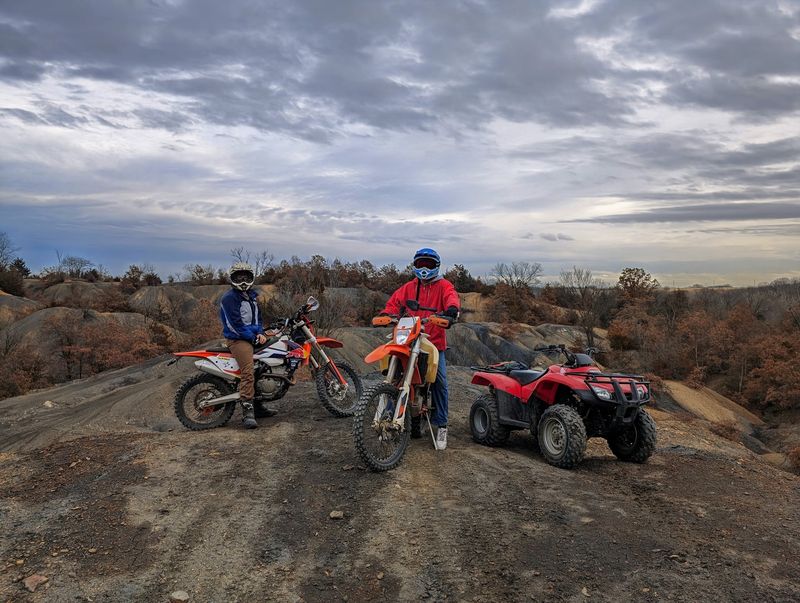
Not every rider wants the same kind of challenge, and that is where this park earns attention. Some routes feel manageable for newer riders who are still learning throttle control, turns, and safe spacing. Other areas bring sharper climbs, rougher soil, and faster sections that ask for stronger skills.
Reviews often mention that the park has something for beginners and seasoned riders alike. That does not mean every trail is easy, so reading signs and watching the land ahead matters. If a hill, rut, or corner looks beyond your comfort level, slow down and choose another path.
Families can make the day smoother by grouping riders by ability instead of speed. A confident adult can lead, newer riders can stay in the middle, and another experienced person can follow behind. Before rolling out, agree on hand signals, meeting spots, and what to do if someone stops.
The best rides are not always the fastest ones. Learning the park in small pieces helps riders build confidence and enjoy more trails safely over time.
Hill Climbs, Turns, And Dirt Bike Energy
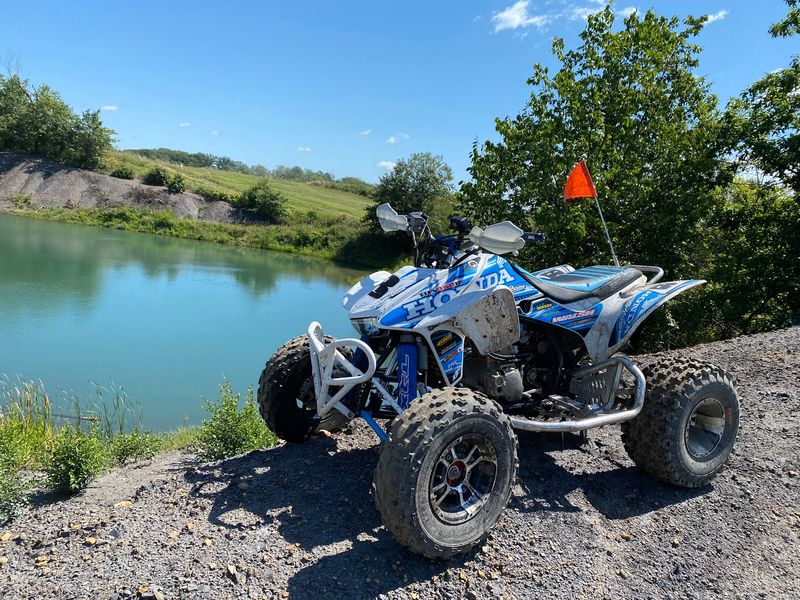
A steep hill has a way of making riders sit up straighter and grip the bars tighter. Here, the terrain gives dirt bike fans plenty to think about, from climbs and corners to practice areas with a motocross feel. Several longtime visitors describe tracks and riding sections that are better suited to confident riders than total beginners.
That makes preparation a big part of the fun. Before trying a climb, stop where it is safe and watch how other riders handle the line. Look for loose dirt, deep ruts, hidden rocks, and traffic coming from the other side.
Dirt bikes may reach tighter or more aggressive parts of the park more easily than larger machines. Four wheelers and side-by-sides can still have a great day, but some narrow or rough areas may feel less forgiving. Riders should respect posted limits and avoid forcing a machine into places where it does not belong.
Good hill riding is not just about power. Balance, body position, steady speed, and smart choices keep the excitement fun instead of risky.
A Family Setup With A Kid Course
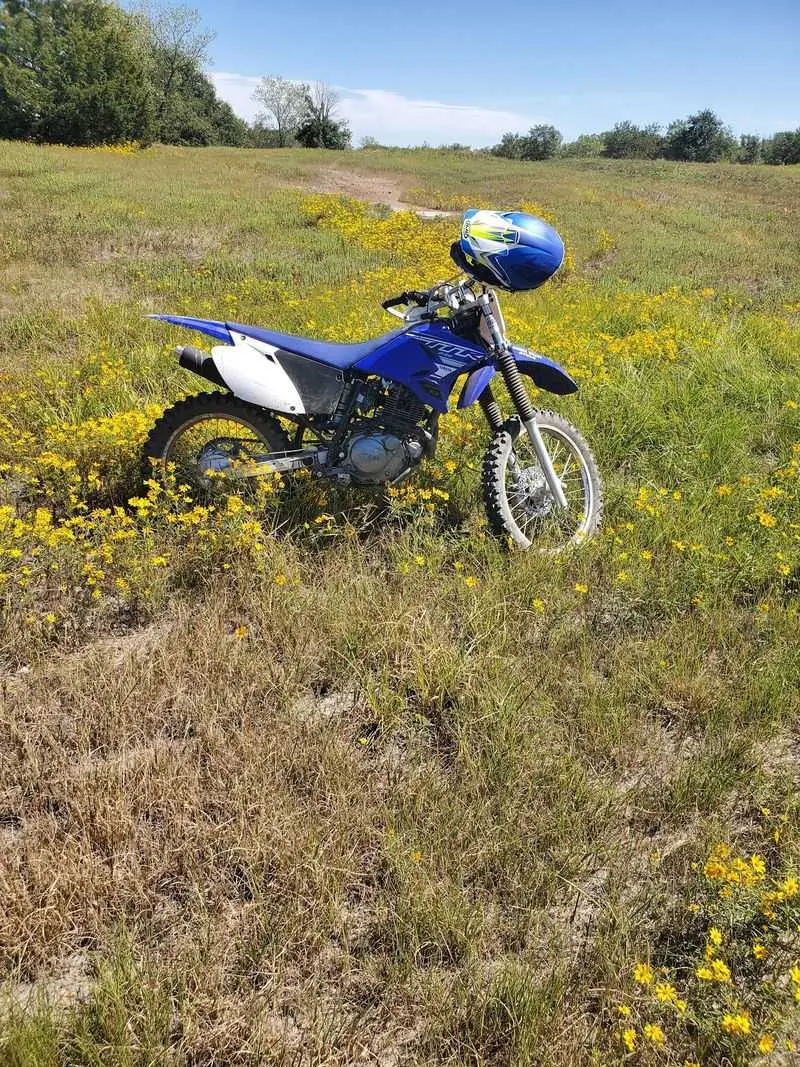
Little riders remember the first place where they felt brave behind the handlebars. Parents have noted a kid course at the park, which can make a riding day less stressful for families with younger or newer riders. Having a smaller practice space helps children work on starting, stopping, turning, and listening before joining busier areas.
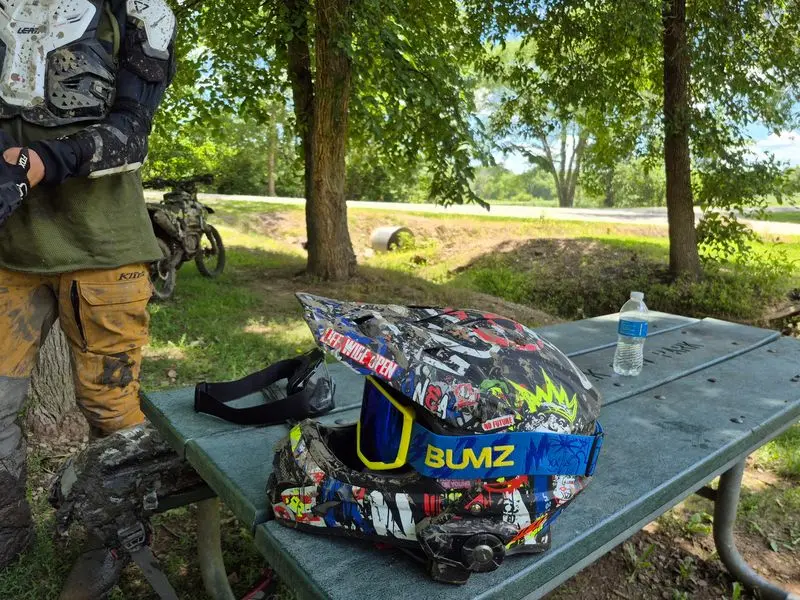
Adult supervision still matters every minute. Helmets, goggles, long sleeves, long pants, gloves, and sturdy boots should be treated as normal riding gear, not extras. A child who looks comfortable may still panic if another rider comes too close or the ground changes quickly.
Families can set simple rules before unloading. For example, ride one direction, stop at agreed points, never chase another rider, and ask before leaving the practice area. Short sessions with breaks often work better than pushing kids until they are tired.
Non-riding family members can still enjoy the outdoor setting from safe viewing spots. Pack chairs, sunscreen, water, and a small first aid kit, and the day feels easier for everyone.
Camping Makes The Adventure Last Longer
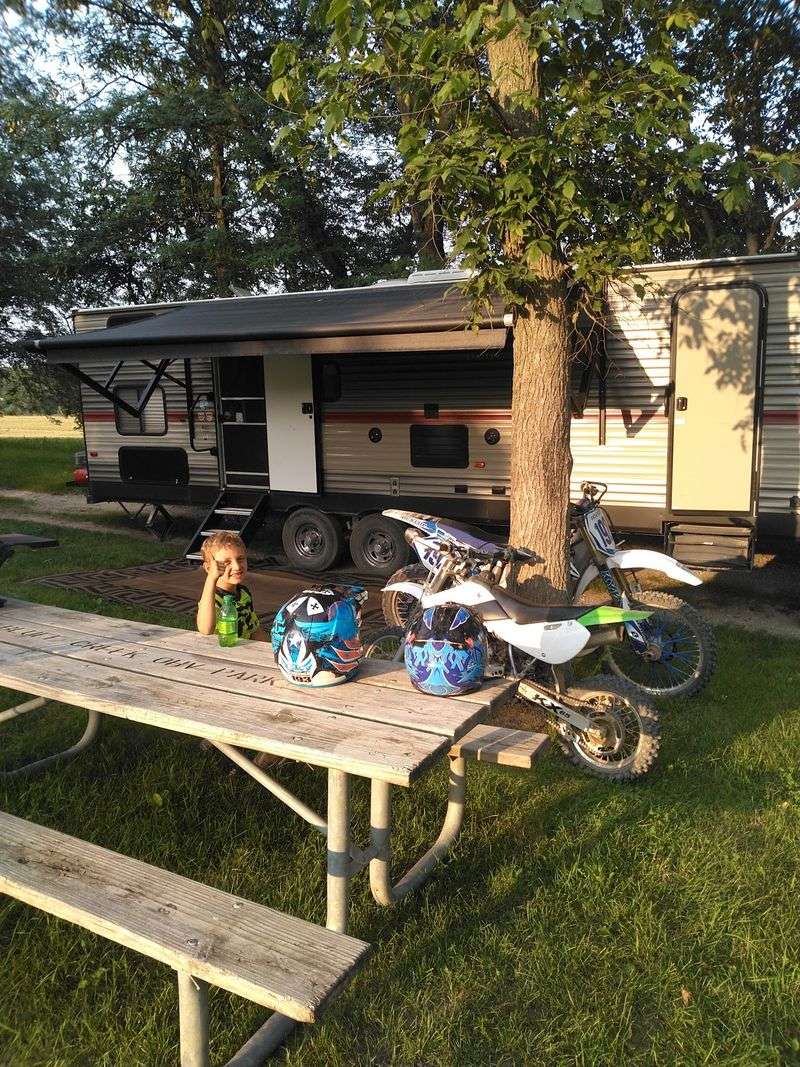
When the sun drops and the engines cool, the trip does not have to end right away. Visitors often mention camping as one of the park features that makes the ride feel like a true weekend escape. Some reviews describe free camping, peaceful nights, and enough basic comfort to keep riders coming back.
Camping near trails is handy because riders can rest, eat, and return to the action without a long drive. Still, it helps to pack like services may be limited. Bring drinking water, food, trash bags, flashlights, charging plans, and supplies for changing weather.
Reviews mention bathrooms, showers, and camping areas, but conditions can vary by season or maintenance work. Confirm current rules before you count on a certain amenity. If electricity is not available, a safe power bank or legal generator setup may be useful.
Good campers help protect future access. Keep noise reasonable at night, clean your site, secure fuel, and pack out what you bring in. A respectful camp makes the whole park better.
Facilities That Help Riders Stay Comfortable
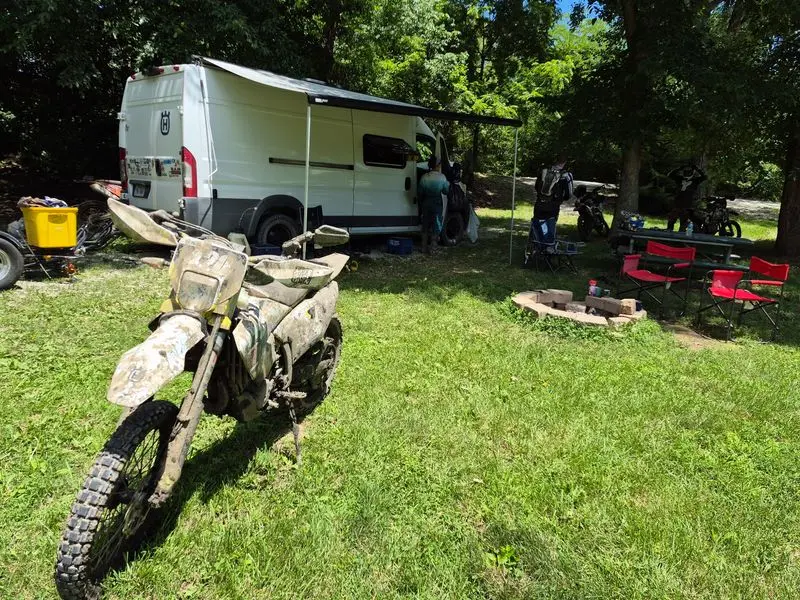
A clean restroom can feel like a luxury after hours of dust, sweat, and trail grit. Riders have called out the park facilities in reviews, including nice bathrooms, shower areas, and even helpful touches around the building. Those details may sound small, but they make a long riding day much easier.
One reviewer mentioned an air chuck, which is the kind of practical feature off-road riders notice right away. Tire pressure can affect grip, comfort, and control, especially when ground conditions change. Even so, visitors should bring their own tire gauge, basic tools, and repair items instead of relying on one shared setup.
Facilities are best treated with care. Carry extra toilet paper, hand sanitizer, and a towel, since busy weekends can use supplies quickly. Report problems when possible, and leave spaces cleaner than you found them.
Comfort also comes from planning your own base area. A pop-up shade, cooler, dry socks, and a place to sit can turn a tiring day into a relaxed one between rides.
Safety Habits Matter On Busy Trail Days
Weekend energy can be exciting, but busy trails ask every rider to pay closer attention. Some reviews praise the park while also warning about blind corners, heavier traffic, and riders who do not always make safe choices. That honest feedback is useful because it reminds visitors to ride with patience.
Speed should match sight distance, not confidence. If you cannot see around a corner or over a hill, slow down and stay to the correct side. Dust, mud, and noise can hide another machine until it is very close.
Groups should use clear trail manners. When passing riders coming the other way, the lead person can signal how many riders are behind them by holding up fingers. It is a simple habit that helps the next group know whether more machines are still coming.
Protective gear is only part of safety. Avoid riding tired, give beginners extra room, stay off closed routes, and never assume another rider sees you. Smart choices help everyone enjoy the park and head home without trouble.
A Park That Keeps Changing With The Riders
Regular visitors often notice the little changes first, like a smoother corner or a fresh line through the woods. Many reviews say the riding areas have been improved over the years, with grooming, new dirt work, and trail changes. That kind of upkeep helps explain why people return season after season.
An evolving off-road park can feel different each visit. A route you remember from last year may be wider, rerouted, closed for repair, or shaped for better drainage. Instead of assuming you know every turn, take the first lap slowly and read the terrain again.
Weather also changes the ride. Dry spells can make trails dusty, while rain can create mud, soft spots, and damaged track surfaces. Riding after heavy rain may be restricted, and tearing up wet sections can make maintenance harder for everyone.
The best visitors treat the park like a shared outdoor project. Respect signs, follow Iowa off-highway vehicle rules, thank caretakers when you can, and ride only where allowed. That attitude keeps the trail network welcoming for future trips.