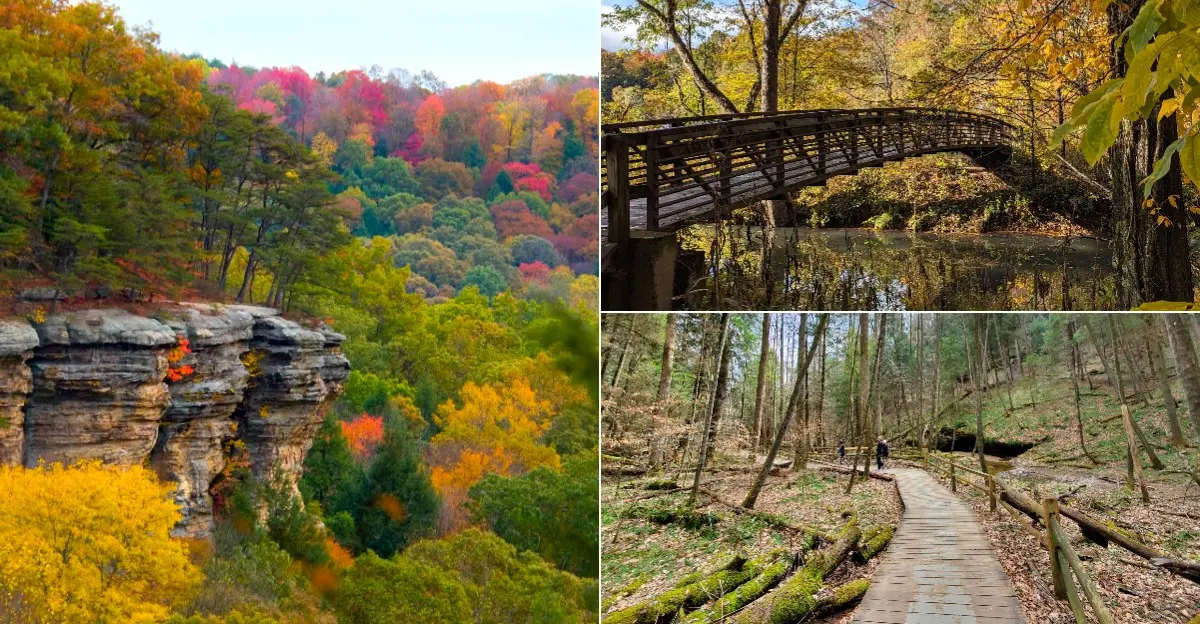
Some of the best hikes cost absolutely nothing but a little daylight and a decent pair of shoes.
Tucked into the hill country of southeastern Ohio, one trail drops hikers straight into a narrow gorge carved by thousands of years of rushing water.
Towering sandstone walls rise up on either side, blocking out the sun and dropping the temperature a few noticeable degrees.
The main trail stays flat and easy enough for most visitors, while a steeper rim route rewards more adventurous hikers with sweeping views from above.
Fall color along the canyon walls turns the whole hike into something close to a postcard.
This free Ohio state park proves that some of nature’s best surprises do not need an entrance fee.
A Free Gorge Walk That Feels Bigger Than Expected
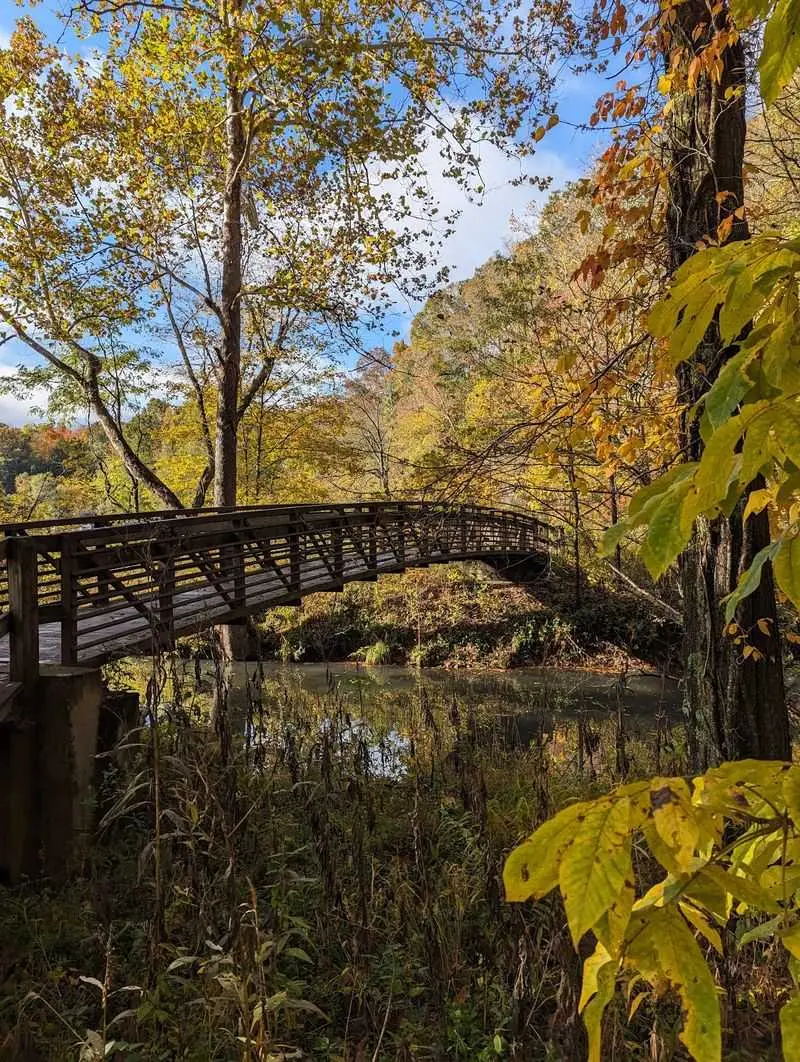
Sunlight slips between tall trees, and the path quickly feels cooler, quieter, and far away from busy roads. That first change in air is part of what makes this free Ohio hike so memorable. Instead of paying an entrance fee, visitors can save money while still seeing one of the most dramatic natural places in the Hocking Hills region.
The main draw is the deep sandstone gorge, where cliffs rise high above the trail and make people look up again and again. Conkles Hollow State Nature Preserve, located at 24858 Big Pine Rd, Rockbridge, OH 43149, is known for walls that reach about 250 feet in places. The preserve is managed for protection, so the experience feels less like a busy playground and more like a careful walk through a rare landscape.
Plan to arrive early if you want easier parking and softer light for photos. Bring water, wear shoes with good grip, and stay on marked paths. Free does not mean careless, because the plants, cliffs, stream, and rock formations need respect from every visitor.
The Lower Gorge Trail Keeps The Wonder Within Reach
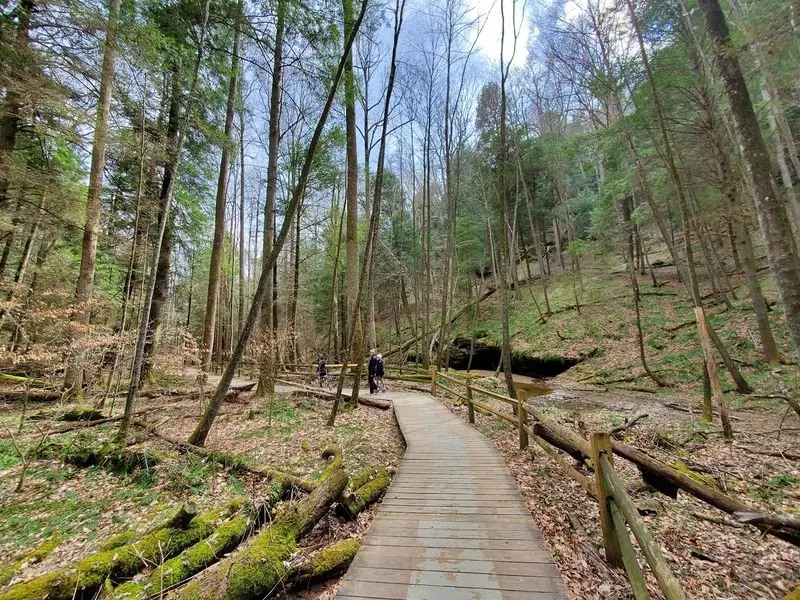
A smooth path through a rocky canyon is not something hikers find every day. The lower gorge trail gives many visitors a chance to enjoy big scenery without needing a long or difficult climb. Families, older hikers, and people who prefer a steadier walk often choose this route first.
Much of the trail is paved and fairly level, which helps wheelchairs, strollers, and walkers move through a large part of the hollow. Reviews often mention that the final stretch near the waterfall area becomes rougher, rockier, and sometimes muddy. That means visitors with mobility needs can still enjoy the cliffs, creek, boulders, trees, and shade, even if they decide not to continue to the very end.
The out-and-back route is short enough for a relaxed visit, yet rich enough to feel special. Children can notice chipmunks, leaves, water sounds, and huge rocks along the way. Adults will likely enjoy the easy pace, because it leaves time to stop, look upward, and take photos without feeling rushed.
For the best trip, check conditions after rain. Wet stone can be slick, and slow steps make the return safer.
Rim Trail Views Come With A Serious Edge
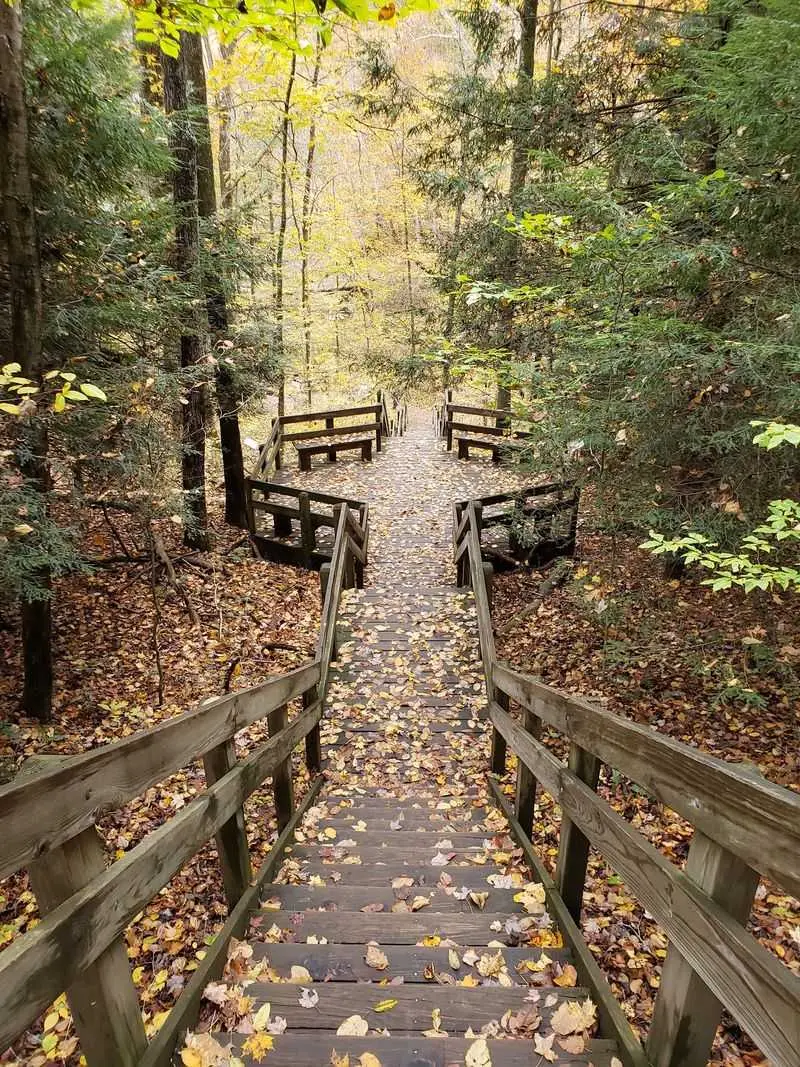
High above the hollow, the mood changes from peaceful stroll to careful adventure. The rim trail offers wide views, steep drop-offs, stone ledges, roots, steps, and a stronger workout than the lower path. Many hikers love it, but it is not the right choice for everyone.
People who dislike heights may feel nervous on sections where the trail follows the cliff line. Visitors with knee problems, balance concerns, or young children should think carefully before trying it. Reviews describe the route as beautiful, moderate, and sometimes intense, especially where the trail climbs quickly at the start.
Good judgment matters here. Stay back from edges, keep both feet steady before taking photos, and avoid rushing around other hikers. After rain, leaves, roots, and rocks can make the trail more slippery than it looks.
When conditions are good, the upper route rewards patient hikers with forest views and a strong sense of height. Seeing the gorge from above also helps visitors understand how deep the hollow really is. If the rim trail is closed for repair or safety, respect the closure and enjoy the lower trail instead.
Waterfalls, Ice, And Creek Sounds Change With The Seasons
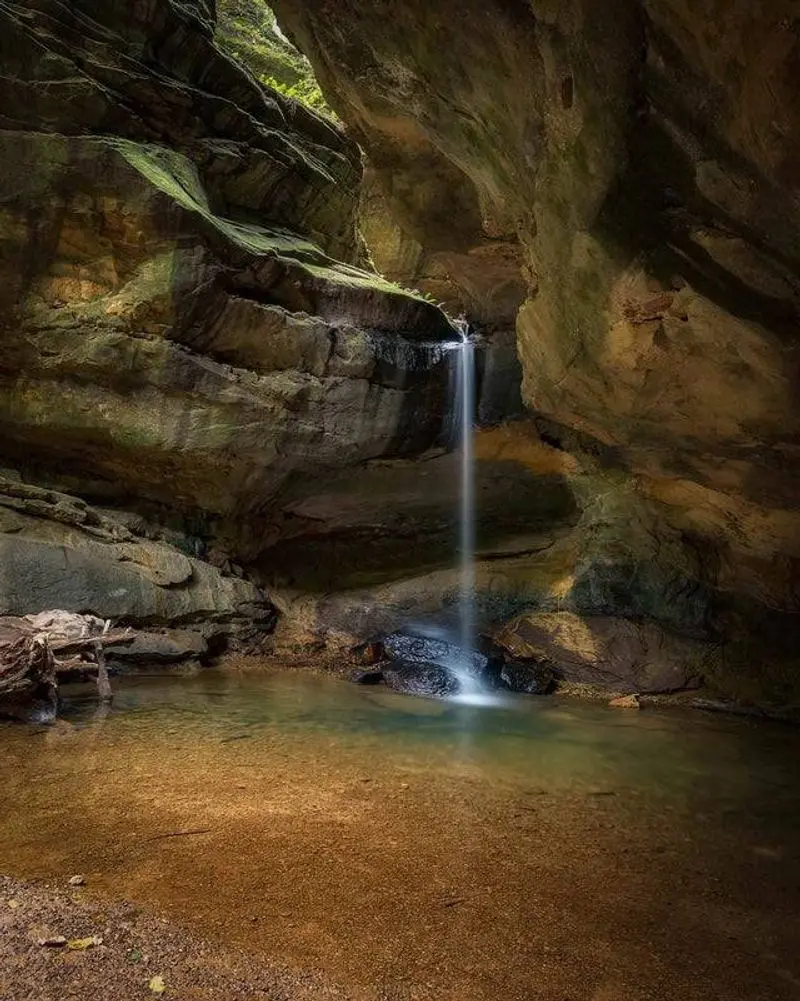
Some days the hollow whispers with a small creek, and other days it sings after heavy rain. Seasonal water is one reason repeat visitors keep coming back. The same trail can look different in spring, summer, fall, and winter.
Spring often brings stronger waterfall flow, fresh green leaves, wildflowers, and cool air in the gorge. Summer adds deep shade, fern-covered rock, and a welcome break from bright sun. Fall can turn the upper forest gold and orange, while winter may decorate the cliff walls with ice if temperatures stay low.
The waterfall area is beautiful, but reaching the closest view may require leaving the paved section and walking over uneven rocks. That part can be muddy, wet, and harder for people with limited mobility. Shoes with tread are a better choice than sandals, especially if rain has fallen recently.
A simple plan helps a lot. Check the weather, bring an extra layer for the cooler gorge, and keep children away from slick stones near water. Photos are wonderful here, but the best memory may be standing still for a minute and hearing drops echo against the rock.
Families Can Enjoy Big Scenery Without A Huge Hike
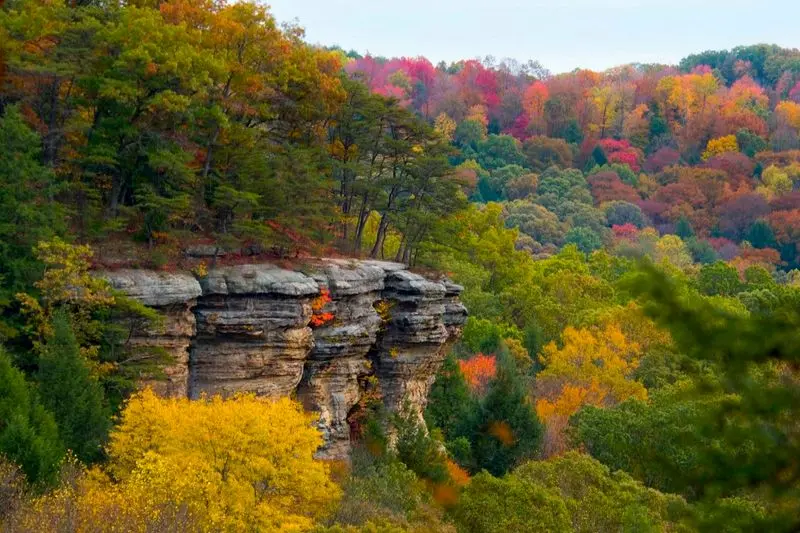
Kids often remember places that make them feel tiny in the best possible way. Walking between tall rock walls can turn a short outing into a real adventure. The lower trail gives families that feeling without asking everyone to hike for hours.
Parents will appreciate the simple route, steady surface, and many natural stopping points. Large boulders, cliff walls, birds, squirrels, chipmunks, and the stream can keep young hikers interested along the way. Because the trail is out and back, families can turn around when energy drops and still feel like they saw something special.
Small choices make the visit smoother. Pack snacks, water, wipes, and a light jacket, since shaded hollows can feel cooler than the parking area. Remind children not to climb on wet rocks, run near uneven sections, or throw stones into areas where people or wildlife may be nearby.
The rim trail is a different story and may not fit younger children or anyone who makes quick moves near edges. For many families, the gorge trail is the better match. It offers wonder, safety, and a comfortable pace for a memorable outdoor day.
Accessibility Is A Real Strength, With A Few Limits
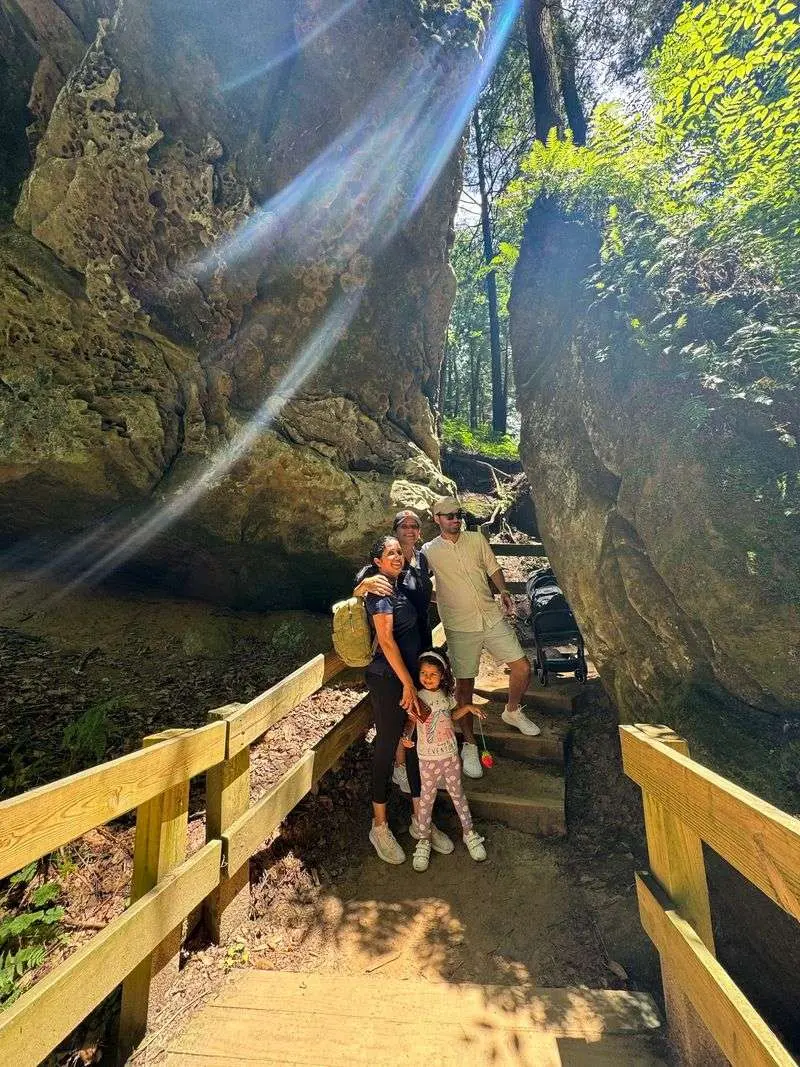
Rarely does a place with such tall cliffs also offer such a welcoming first stretch. Many visitors mention the smooth, level path as one of the preserve’s best features. It lets more people experience the inside of the gorge, not just view nature from a parking lot.
The main lower path is often described as wheelchair friendly for much of its length. That can be helpful for visitors using powerchairs, manual wheelchairs, walkers, or strollers. Still, the route does not stay fully paved all the way to the waterfall area, and the final portion may include mud, rocks, and small changes in height.
Before visiting, it is smart to check current updates from Ohio Department of Natural Resources. Trail work, restroom changes, weather damage, or temporary closures can affect comfort and access. Accessible parking has been noted by visitors, while restroom availability may vary during projects or seasonal changes.
A thoughtful plan can make the day better. Arrive early for parking, bring a companion if assistance may be needed, and allow extra time to turn around safely. Even without reaching the last rough section, the gorge walls, stream, and forest views are rewarding.
Protected Nature Means Different Rules Than A Regular Park
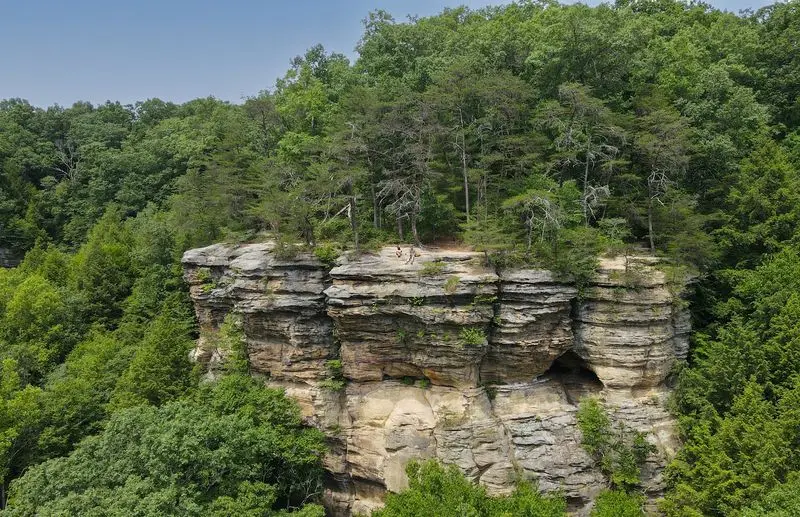
A quiet preserve works best when visitors treat it like a living museum. The cliffs, rare plants, ferns, nesting areas, and stream edges are part of a fragile system. Rules may feel strict at first, but they help keep the hollow beautiful for future hikers.
Pets and bikes are not allowed on the trails, which surprises some visitors who are used to regular parks. The reason is simple: nature preserves focus on protecting sensitive land, not just recreation. Dogs can disturb wildlife, leave waste, or step on plants near narrow paths, while bikes can damage trails and create safety problems.
Staying on marked routes is another important habit. Shortcutting around muddy spots can widen trails, crush small plants, and loosen soil near steep areas. Climbing on cliff faces or crossing barriers also puts people at risk and harms rock surfaces that took ages to form.
Leave no trace basics fit perfectly here. Carry out trash, keep voices respectful, and let rocks, flowers, and moss stay where they are. The reward is a cleaner, calmer visit where everyone can enjoy the same wild feeling that makes the hollow special.
Smart Timing Can Make The Visit Feel Magical
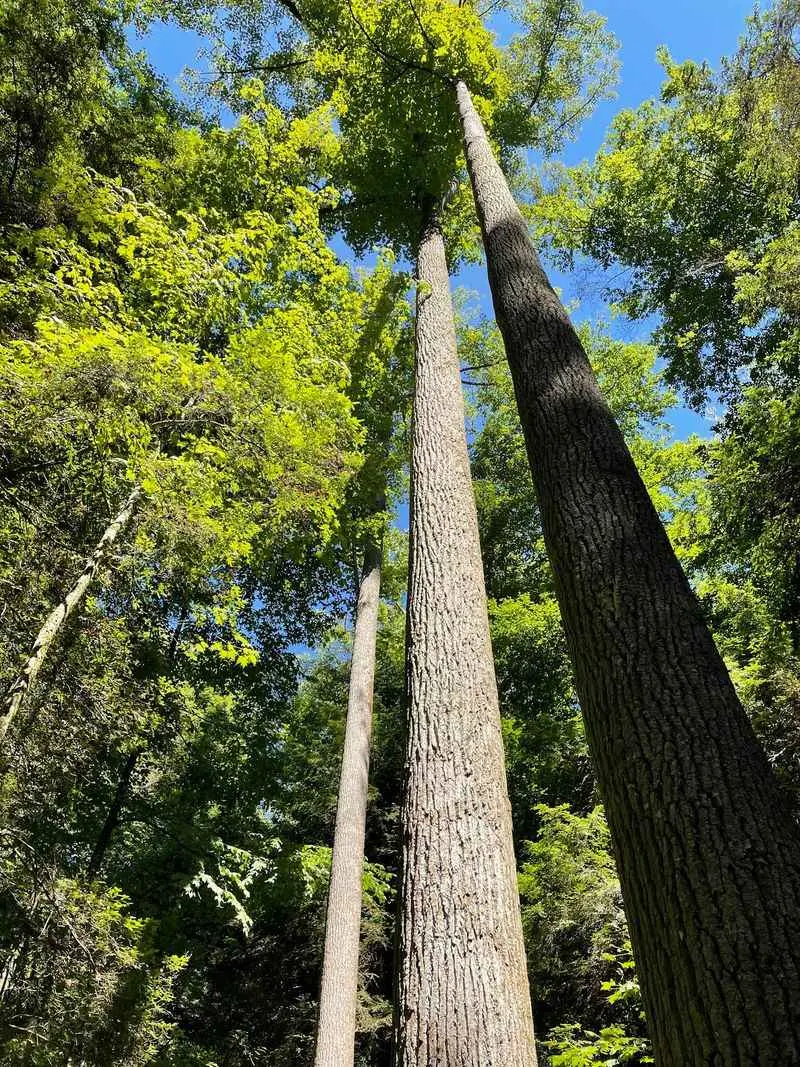
Morning light can turn the gorge into a quiet show of shadows, green leaves, and glowing stone. Several visitors say arriving around 9 or 10 creates beautiful sunbeams through the trees. Early timing can also help with parking and reduce the feeling of crowding on popular days.
Weekends, holidays, and peak fall color can bring more people to the trailhead. If you want a slower walk, try a weekday or an early start. Late afternoon can also be lovely, but remember that shaded areas may darken sooner inside the hollow.
Weather should guide your plans as much as the clock. After rain, the gorge may look extra lush, and waterfalls may be stronger, but rocks and mud can become slippery. Dry days make walking easier, though summer heat may still call for water and breaks.
Bring only what you need, since the shorter route does not require heavy gear. A phone or camera, water bottle, sturdy shoes, and a small snack are enough for many visitors. Give yourself time to pause, because the best part is not rushing to the end, but noticing each bend in the rock.