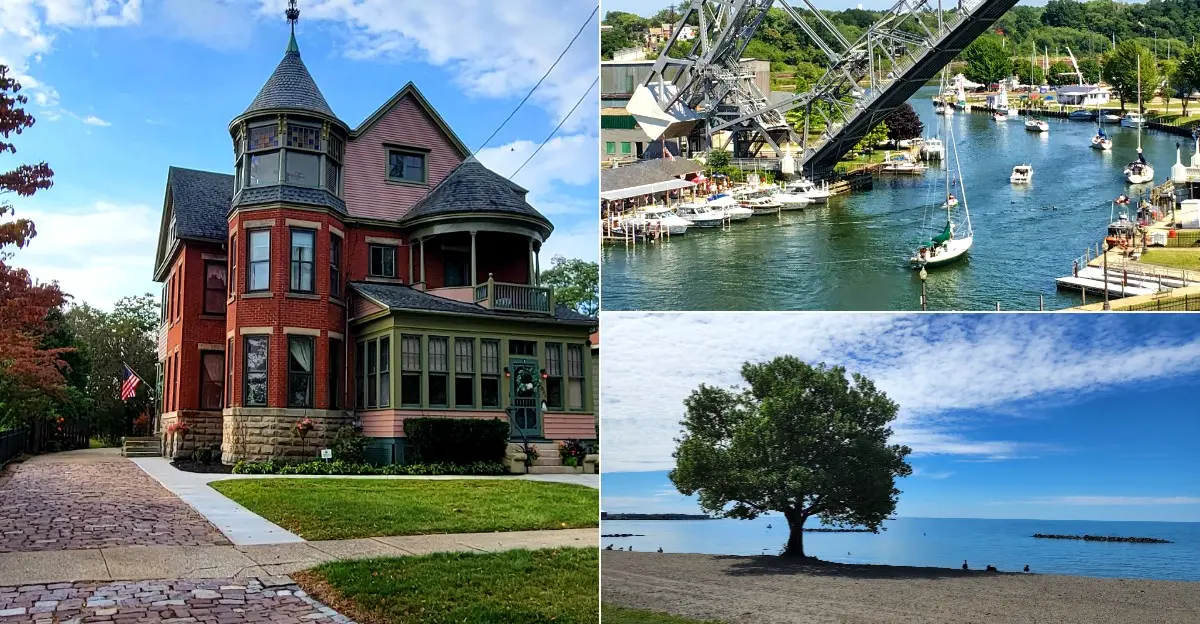
Not every dream lakefront life needs a coastal California price tag.
Along the shores of Lake Erie, one Ohio town quietly delivers marina views, historic charm, and a slower pace of life without draining a bank account.
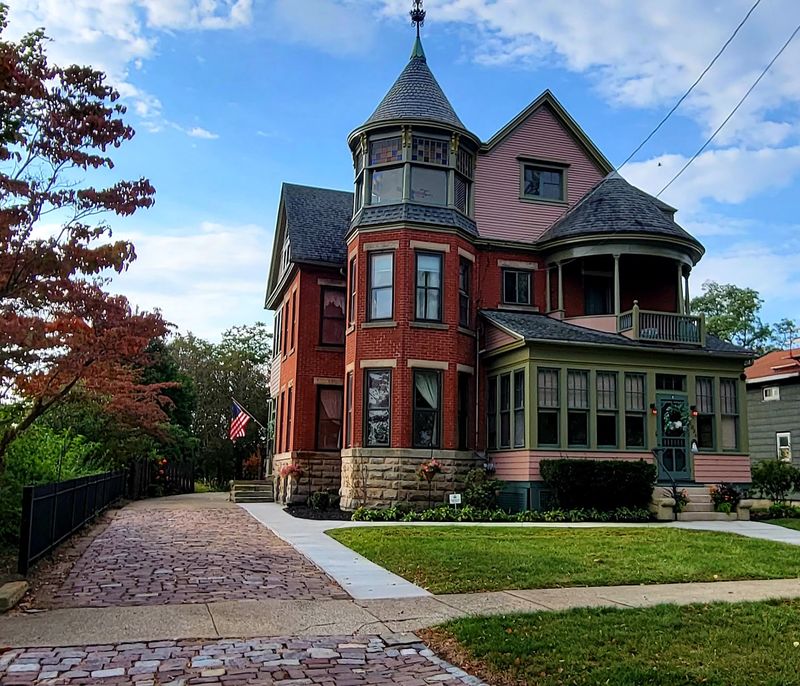
Downtown streets are lined with well-kept Victorian buildings, many now home to local shops, breweries, and family-owned restaurants.
Housing costs here stay refreshingly reasonable compared to bigger lakefront destinations, letting residents actually enjoy the water instead of just paying for a view of it.
Locals talk about the sense of community as much as the scenery, and it is easy to see why once you spend a day there.
This Lake Erie town proves that a genuinely good life by the water does not have to come with a giant price tag.
Lake Views Without Big-City Prices

A fresh lake breeze can make an ordinary weekday feel like a small vacation. That is one reason Ashtabula · Ashtabula Township, OH 44004 stands out for people who want beauty without a giant price tag. Lake Erie gives residents wide water views, changing skies, and easy outdoor breaks close to home.
Living near a Great Lake often sounds expensive, but this community keeps many daily pleasures simple. A walk by the water, a picnic, or a quiet sunset costs little or nothing. Families can plan low-cost weekends without driving far or paying for fancy attractions.
The lake also supports a slower, healthier rhythm. Fresh air, open space, and scenic places to move can help people feel less boxed in. For anyone watching spending, that matters because fun does not always need tickets, fees, or long trips.
Budget living feels easier when nature does part of the work. Here, the shoreline adds value to daily life in a way a shopping receipt cannot measure, especially for walkers, anglers, photographers, and quiet morning coffee lovers.
A Harbor District With Everyday Charm
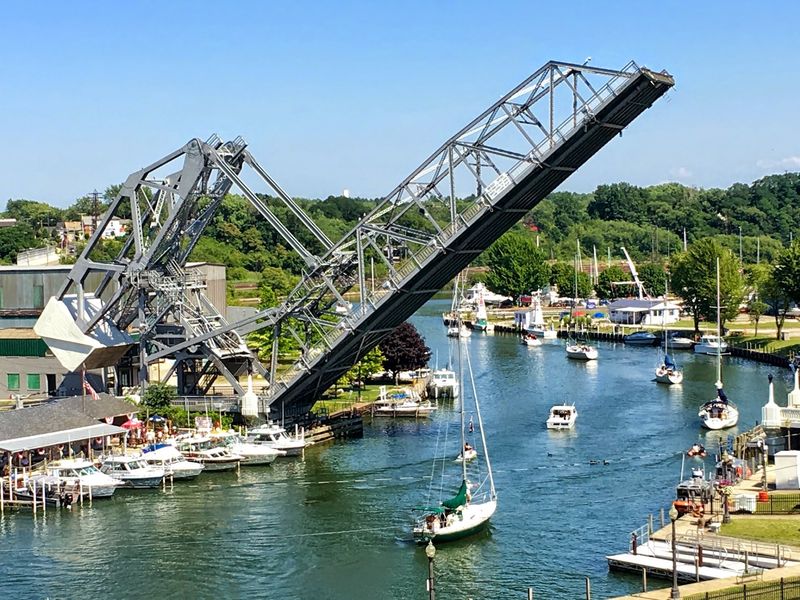
Old brick, river air, and small storefronts can make errands feel more like exploring. The harbor area offers that kind of everyday charm, where history and local business share the same streets. People do not need a luxury budget to enjoy a meal, browse a shop, or take a relaxed stroll.
Walkable districts help stretch a household budget in quiet ways. When shops, food, water views, and photo spots sit close together, a simple afternoon can replace a costly day trip. Visitors and residents can spend only what they choose, then still leave with a full memory.
Local businesses also keep the area personal. A familiar cashier, a favorite sandwich, or a seasonal event can create a sense of belonging that big commercial centers often miss. That feeling is useful for newcomers trying to build a life without overspending.
There is also practical value in older, mixed-use areas. They encourage slower traffic, shorter outings, and more time outside. For many people, the harbor is not just pretty, it is proof that character can be affordable when a town protects its waterfront roots.
Housing That Leaves Room In The Budget

For many households, the biggest bill is the one attached to the front door. A town with more modest housing options can change what is possible each month. Instead of spending every spare dollar on rent or a mortgage, residents may have room for savings, repairs, hobbies, or family needs.
Smaller Great Lakes communities often include a mix of older homes, simple ranch houses, apartments, and neighborhood streets with mature trees. That variety can help first-time buyers, retirees, and renters compare choices without feeling pushed into one expensive lane. Of course, prices change, so checking current listings and taxes is always smart.
The real benefit is not only the number on a listing. It is the breathing room that follows when housing does not swallow the whole paycheck. A lower monthly payment can make groceries, gas, school items, and medical visits feel less scary.
Anyone considering a move should look closely at roof age, heating costs, insurance, and distance to work. A budget-friendly home works best when the hidden costs are understood before signing papers.
Outdoor Fun That Costs Very Little
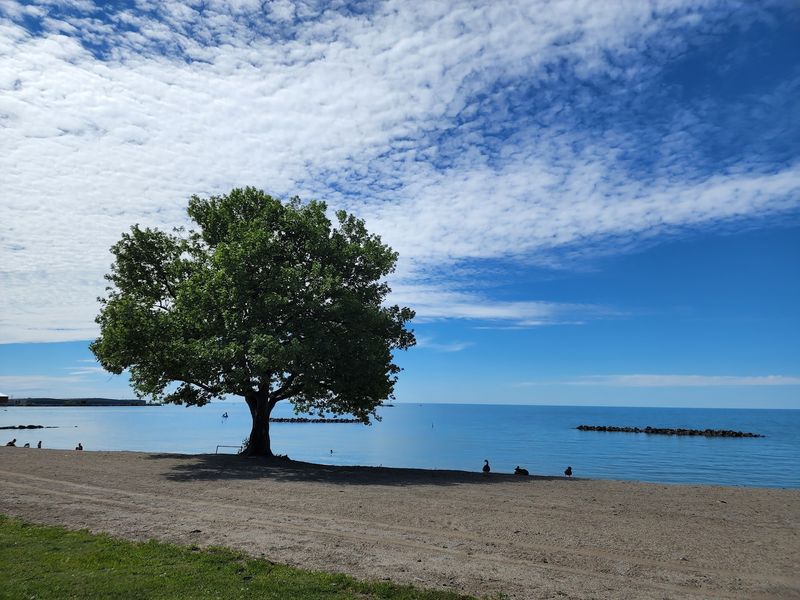
A good weekend does not have to begin with buying tickets. In a lake community, much of the fun comes from paths, parks, water access, and changing seasons. That makes recreation easier for families who want memories but need to watch every dollar.
Fishing, birdwatching, walking, biking, and sitting by the water are simple activities with a low barrier to entry. Some need basic gear, but many can be enjoyed with comfortable shoes and a little free time. Parents can turn a shoreline walk into a science lesson about waves, gulls, boats, and weather.
Outdoor options also support healthy routines. A short walk after dinner costs nothing and can help reduce stress. Children get space to move, while adults get a break from screens, bills, and busy schedules.
Seasonal changes keep the same places from feeling boring. Spring brings fresh color, summer adds long evenings, fall offers crisp air, and winter makes the lake feel dramatic. When nature changes the scenery for free, staying entertained becomes much easier for people living on a careful budget.
History You Can Still See And Use
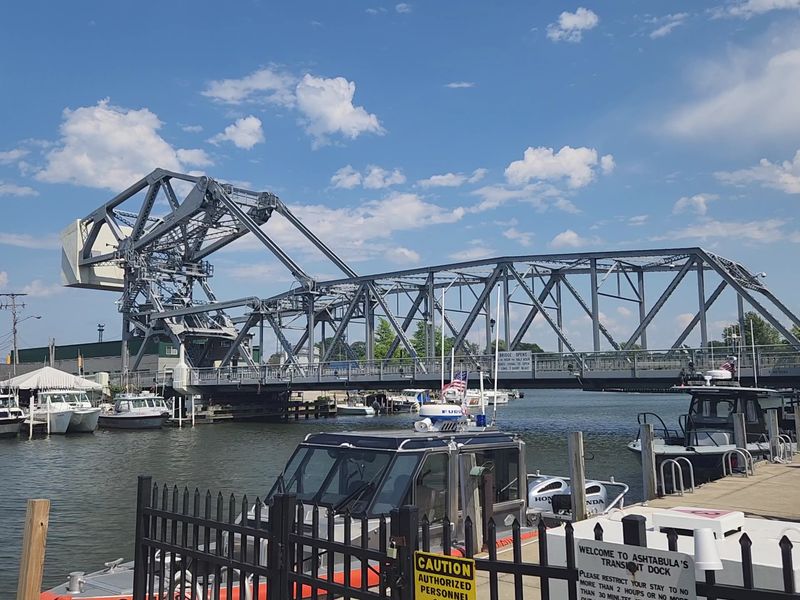
Some towns hide their past in museums, while others leave it in plain sight. Here, history shows up in bridges, older buildings, waterfront industry, and stories tied to the river and lake. That visible past gives the community texture without asking residents to pay admission every time they want to learn something.
The area grew around shipping, rail links, and lake trade, which shaped its streets and working character. Those roots still matter because they explain why the harbor, river mouth, and transportation routes feel central to local life. A short walk can become a lesson about how goods, workers, and families moved through northern Ohio.
History also helps a budget town feel richer than its price point. Unique buildings and older neighborhoods give people a strong sense of place. That can make daily life feel more meaningful than living somewhere filled only with chain stores and parking lots.
Families can use local history for affordable learning. Try reading a historic marker, taking photos of old details, or comparing past and present maps. Small discoveries can turn an ordinary Saturday into something memorable.
Local Food With A Down-To-Earth Feel

Food tastes better when the place feels relaxed instead of showy. Local dining in a smaller lake town often leans toward casual comfort, friendly service, and meals that fit normal budgets. That can be a relief for families who want to eat out sometimes without turning dinner into a major expense.
A practical food routine may include diners, pizza shops, bakeries, seasonal stands, and grocery cooking at home. Mixing those choices helps people enjoy treats while still protecting the weekly budget. A takeout night by the water can feel special, even if the meal is simple.
Smaller communities also make it easier to find favorite spots. Staff may remember regular customers, and neighbors often share honest tips about portions, prices, and best times to go. That local knowledge can save both money and disappointment.
Anyone trying to live well for less should think beyond expensive restaurants. Pack a lunch for the lake, buy a small dessert from a local shop, or split a large meal. Simple choices can still feel generous when the setting has character and the company is good.
A Manageable Size For Daily Life
Big cities can offer plenty, but they can also drain time, patience, and money. A smaller city size can make daily life feel more manageable. Errands may take less planning, familiar routes become easy, and residents can learn where to find what they need.
With a 2020 population under twenty thousand, the community is large enough to have services but small enough to feel understandable. That balance matters for people who dislike feeling lost in a huge metro area. Less confusion can mean fewer wasted trips, shorter drives, and lower stress.
A manageable place can also help newcomers build routines faster. They can compare grocery options, learn school routes, find a mechanic, and discover parks without spending months figuring out the basics. For older adults, that scale can feel especially helpful.
Daily convenience is part of living well on a budget. If a town helps people save fuel, time, and energy, it gives value beyond cheap prices. The best savings are sometimes the ones that happen quietly because life is easier to organize.
Close Enough To Cleveland, Far Enough To Breathe

Being near a major city can help, but living inside one is not the only choice. This Lake Erie community sits about 53 miles northeast of Cleveland, giving residents regional access without the full big-city feel. That distance can be useful for work options, medical appointments, airport trips, concerts, and special shopping days.
At the same time, coming home to a smaller place can feel calming. People who prefer quieter streets and lower-key weekends may enjoy having Cleveland within reach instead of right outside the front window. The tradeoff is driving time, so commuters should test routes before making big plans.
Regional access can also protect a budget. Residents may handle most daily needs locally, then save bigger city trips for planned purposes. That approach helps limit impulse spending and makes each trip more useful.
For remote workers, retirees, and families with flexible schedules, the location can be especially appealing. They can enjoy lake-town living while still staying connected to a larger job and service market. It is a practical middle ground between isolation and costly urban pressure.